
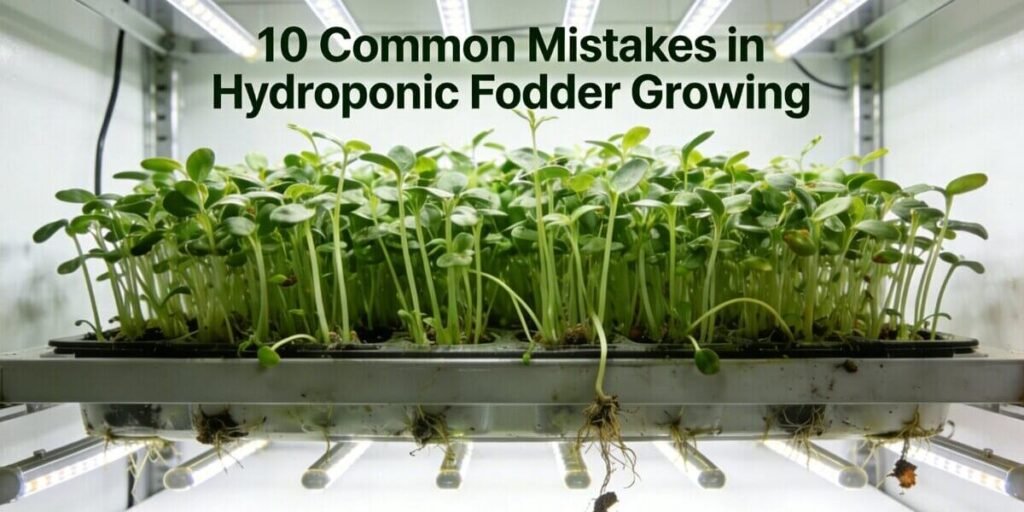
Mistakes in hydroponic fodder happen way more often than people think. Even small slip-ups can quickly lead to mold, uneven growth, or weak root mats. Hydroponic fodder is awesome because you can turn grains into fresh, nutritious feed in just 6 to 8 days using very little land and water. For beginners, a complete fodder growing guide can help avoid early setup mistakes, but if the environment isn’t managed carefully, things can still go wrong fast.
Simple things like skipping tray cleaning, overwatering, not enough airflow, or not prepping seeds properly can mess up an entire batch in no time. What looks like a tiny problem can suddenly ruin the whole system, cost more feed, and even affect how well your animals eat.
Knowing the most common mistake in hydroponics fodder and why they happen is the first step to growing clean, consistent, and healthy feed. In this article, we’ll go over the ten mistakes most growers make and share easy, practical tips to keep your fodder system running smoothly.
Why Hydroponic Fodder Often Fails Compared to Field Crops
Hydroponic fodder often looks easy at first. You soak the seeds, spread them in trays, add water, and harvest in six to eight days. But this short growth cycle is exactly why it fails so easily. The system has almost no time to recover from mistakes. When conditions go out of balance, mold can develop within hours, and root problems can destroy an entire batch overnight.
A hydroponic fodder setup behaves more like a biological incubation environment than a traditional field. Temperature, humidity, air circulation, water management, and hygiene are tightly connected. A small error in one area quickly affects everything else. Excess moisture without airflow encourages fungal growth. Poor sanitation increases microbial pressure. Inconsistent watering stresses roots and reduces nutrient quality in the fodder. Because animals consume the whole mat, including roots and seeds, any issue with mold or root health is not just a yield problem but also a feed safety and animal nutrition concern.
From a plant physiology and livestock nutrition perspective, hydroponic fodder is a high moisture, high respiration system. Seeds release sugars and enzymes during germination, which also makes the environment attractive to microbes. If growers do not control the microclimate carefully, harmful organisms can outcompete the young plants. That is why hydroponic fodder production requires precision similar to seedling nurseries or food sprout production, not just simple watering. Understanding this helps explain why hydroponic fodder can be highly productive and nutritious, yet surprisingly easy to fail without proper environmental control.
Mistake 1: Poor Tray Sanitation and Early Mold Issues in Fodder Growth
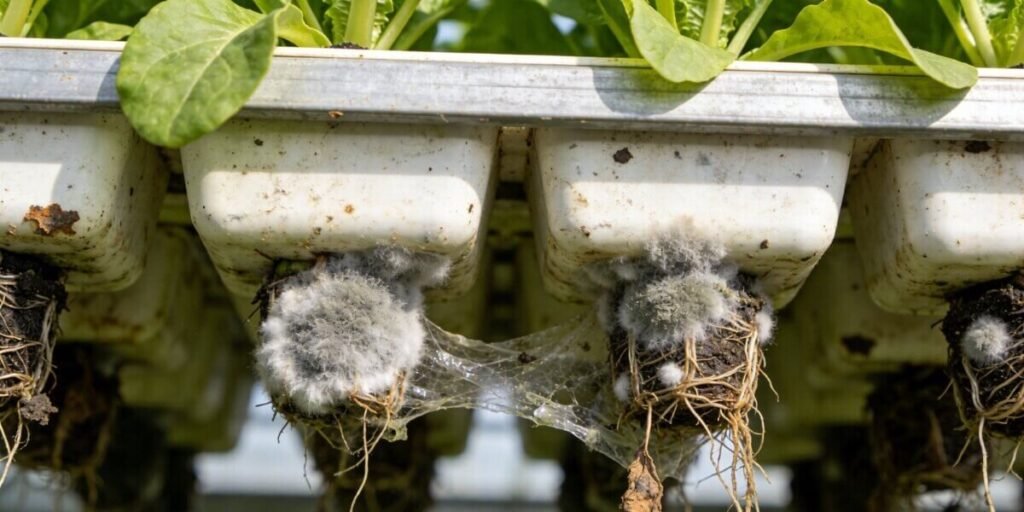
If you have ever walked into your fodder room and noticed a sour, slightly fermented smell, that is already a red flag. When you see white or grey fuzzy growth on the tray surface or around the root mat, this is not normal sprouting, it is mold taking hold. Many beginners tend to blame the seeds, but in real hydroponic fodder systems, the problem usually starts with the environment we create. Warm, humid, and nutrient-rich conditions are perfect for plants, but also ideal for microbes. During germination, seeds release sugars, amino acids, and enzymes, which act as food for mold and bacteria. If trays or racks still have bits of old roots or slimy organic film from previous cycles, mold spores can settle and multiply very quickly. In a humid room with weak airflow, this can happen within hours.
Mold is not just a cosmetic issue, it is a feed safety concern. Some molds produce mycotoxins, and even small amounts of contaminated fodder can disrupt rumen microbes, reduce feed intake, and quietly affect animal performance over time.
How Experienced Growers Prevent Mold in Hydroponic Fodder Trays
Experienced growers make cleaning a routine, not just an occasional task. Here is what works in practice:
- Clean trays immediately after every harvest and remove all root mat residues
- Brush trays instead of just rinsing to break down biofilm
- Disinfect trays and drainage areas at least once a week
- Keep floors and surrounding areas dry to reduce overall mold pressure
In real hydroponic fodder production, most mold problems are not caused by the seed itself but by accumulated sanitation issues. Make cleaning a daily habit rather than something you do only when it looks messy, and mold problems will drop dramatically.
Mistake 2: Overwatering or Underwatering That Hurts Fodder Root Health
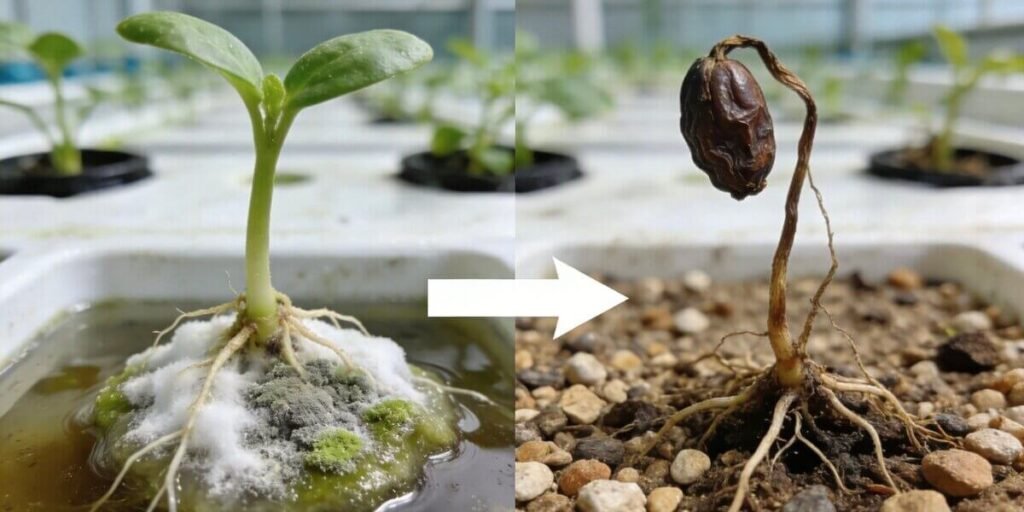
If you overwater your trays, the root mat can feel slimy, smell sour, and mold can show up fast at the base of the sprouts. On the flip side, if you don’t water enough, seeds dry out, germination becomes uneven, and the hydroponic fodder mat ends up patchy and thin. Both are classic mistakes that can really mess with your hydroponic fodder.
Here’s the thing, water in a hydroponic system isn’t just about keeping seeds hydrated. It also controls how much oxygen is around the roots. Seeds need moisture to sprout, but they also need air. If trays stay soaked all the time, water fills the spaces around the roots, creating low-oxygen conditions where bacteria and fungi thrive. But if watering is too short or inconsistent, seeds dry on the surface, roots stay weak, and the fodder never forms a dense, healthy mat. Inconsistent moisture is one of the main reasons hydroponic fodder fails in small setups.
Tips for Maintaining Optimal Moisture for Hydroponic Fodder
Skilled growers don’t just guess, they watch the roots and adjust as needed. Here’s what works:
- Use short, frequent watering cycles instead of long soaking periods
- Make sure trays drain completely and never hold standing water
- Check the root mat daily, it should feel moist but never slimy
- Adjust watering based on temperature and humidity, not just a fixed schedule
In most practical setups, mold outbreaks and poor growth can usually be traced back to incorrect watering. Get the moisture right, and you’ll have dense, healthy fodder every time.
Mistake 3: Overcrowded Seeds and Its Impact on Fodder Yield and Quality
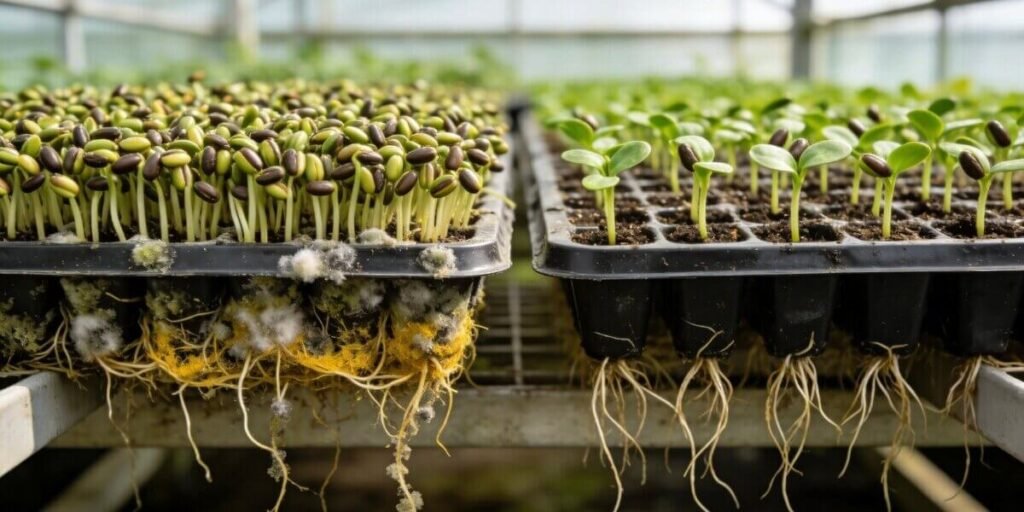
You might think that throwing more seeds into a tray will give you more fodder, but that’s a trap many beginners fall into. At first, the surface looks dense and lush, but the bottom of the mat can turn brown, smell sour, and sometimes even feel warm. Roots tangle up, airflow gets blocked, and mold or rot usually starts at the base instead of the top.
Here’s why this happens: overcrowding creates a little microclimate inside the root mat. When sprouts are packed too tightly, they compete for oxygen, light, and space. The lower layers barely get any airflow, stay wet, and become a perfect zone for bacteria and root rot. Even if the room conditions seem fine, heat and humidity build up inside the mat, which is why mold shows up in dense trays.
How Growers Achieve Proper Seed Density for Healthy Sprouts
Seasoned growers care more about uniform growth than cramming in seeds. Here’s how they do it:
- Spread seeds in a single even layer without piling them on top of each other
- Adjust seeding rate based on seed size and germination rate
- Make sure light and air can reach the base of the sprouts by avoiding excessive thickness
- Check the root mat daily; a healthy mat smells fresh and stays together without being soggy
In real hydroponic fodder systems, consistent yield comes from correct density, not aggressive seeding. Once you reduce overcrowding, mold problems drop, roots grow stronger, and the fodder quality becomes much more reliable.
Mistake 4: Incorrect Seed Soaking and Rinsing Causing Sour or Rotten Fodder
Many beginners think problems like uneven germination, sticky seeds, or a sour, fermented smell in the first couple of days are caused by mold in the tray. But actually, the trouble often starts much earlier, right when you prepare the seeds. If seeds aren’t rinsed properly before soaking, dirt, dust, and field microbes get a free pass into a warm, wet environment where they multiply quickly. Over soaking is another common mistake, because leaving seeds submerged too long reduces oxygen, triggers early fermentation, and weakens seed vigor. Poor drainage after soaking keeps seeds in a semi-anaerobic state, giving harmful bacteria a head start.
This early microbial activity can affect feed quality even before sprouts appear. Fodder that smells sour is already compromised, and feeding poorly germinated or partially fermented fodder can reduce palatability and upset digestion in livestock. Strong early germination, on the other hand, leads to healthier roots, more consistent fresh fodder, and better overall animal performance.
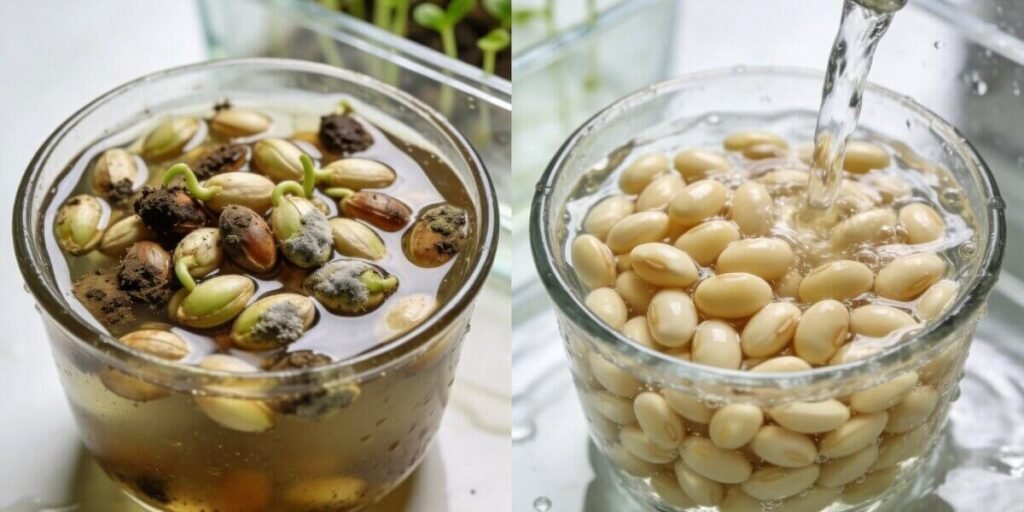
Best Practices for Preparing Seeds for Strong Hydroponic Growth
Experienced growers treat seed handling as a critical step, not a quick task. Here’s what they do:
- Rinse seeds thoroughly with clean water before soaking
- Follow correct soaking times based on seed type, not guesswork
- Drain seeds completely and allow a short pre-sprouting period before placing in trays
- Discard seeds with off smells or poor swelling response
In real hydroponic fodder systems, many problems that show up on day three or four actually start on day zero. Get soaking and rinsing right, and you’ll see cleaner, more uniform, and reliable growth every time.
Mistake 5: Temperature Extremes That Slow Sprouting or Encourage Mold
If the temperature in your fodder room is too high, you might notice mold popping up quickly, a heavy smell, and sometimes roots turning brown. If it’s too cold, germination slows down, growth becomes uneven, and trays stay wet for longer. Both situations usually lead to poor fodder performance and frustrated growers.
Here’s why temperature matters so much: hydroponic fodder growing is a fast biological process. Seed respiration, enzyme activity, and root development all depend on the right temperature. When it gets too warm, plant metabolism speeds up, but so does microbial growth. Mold and bacteria can multiply faster than your plants develop, especially in humid conditions. When it’s too cold, seeds germinate slowly, trays stay wet, root mats stay weak, and overall yield drops. Unlike field crops, hydroponic systems have very little buffer a temperature swing can quickly create problems across the whole system.
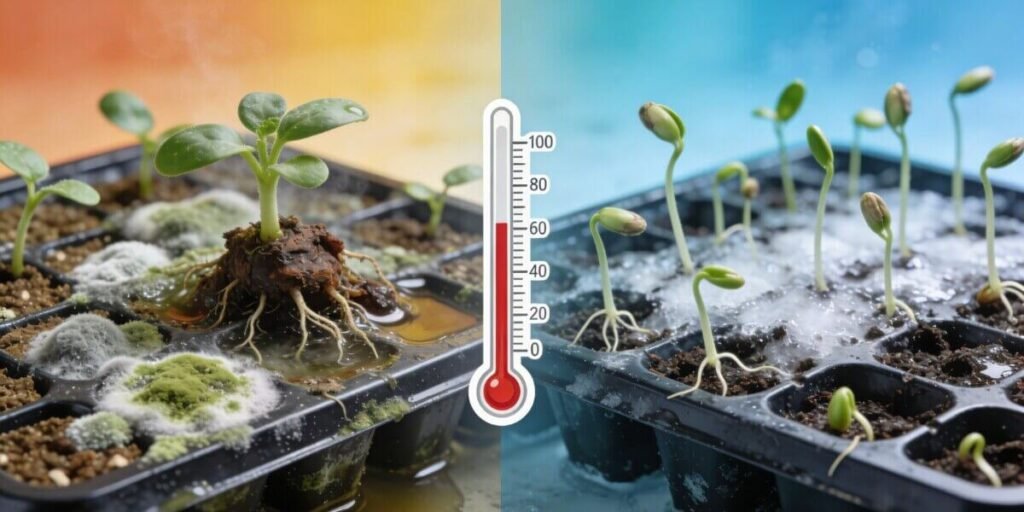
How Growers Keep Fodder Temperature Stable for Consistent Growth
Professional growers treat temperature as a core control factor. Here’s what works:
- Monitor room temperature daily, not just occasionally
- Use ventilation, shading, or cooling methods in hot weather
- Prevent cold drafts and maintain stable indoor conditions in cool weather
- Adjust watering and airflow together with temperature changes
In most practical hydroponic systems, mold outbreaks and poor growth cycles can often be traced back to temperature swings rather than anything else. Keeping the environment stable goes a long way toward healthy, consistent fodder.
Mistake 6: Poor Air Circulation That Reduces Root Strength and Increases Mold Risk
Even if you water correctly, trays can still look overly wet, the room might feel stuffy, and humidity stays high. Mold often starts in the middle or bottom of the trays, and sprouts may grow tall but end up soft, pale, and weak. Many beginners blame the seeds or watering, but the real culprit is often the air around the plants.
Air in a hydroponic fodder system does more than move around the room, it directly affects the microclimate around sprouts and roots. Without proper circulation, humidity builds up and evaporated moisture can’t escape, creating a warm, damp layer where mold and bacteria thrive. Sprouts and roots also need oxygen to grow. When air movement is limited, carbon dioxide accumulates near the plants and oxygen exchange drops. Weak roots and slow growth follow. Many problems that look like seed or water issues are really airflow issues.
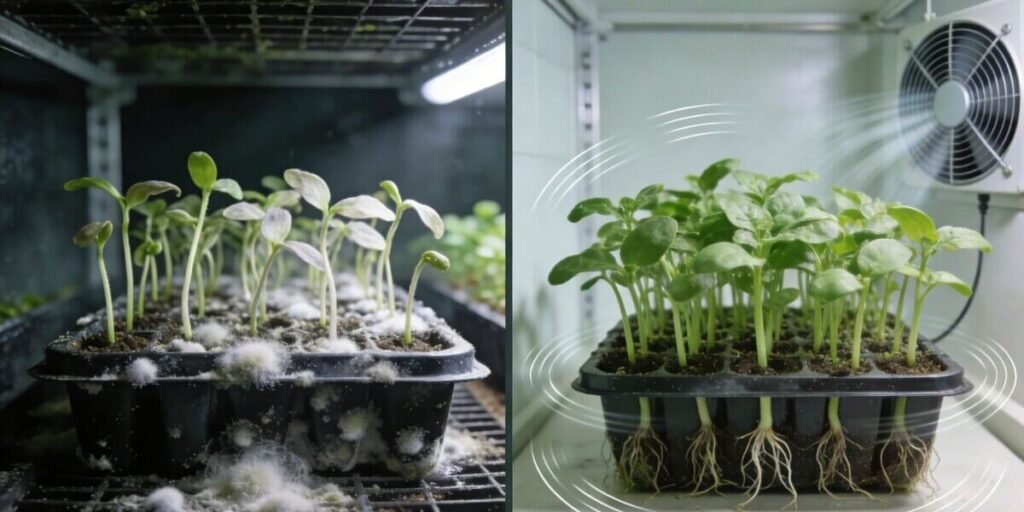
Practical Ways to Improve Airflow for Healthier Fodder Trays
Experienced growers treat airflow as seriously as watering. Here’s what works:
- Use fans to create gentle, continuous air movement across trays
- Avoid stacking trays too tightly, leaving space for airflow
- Combine ventilation with humidity control, especially in warm seasons
- Monitor the room if the air feels heavy to you, it’s worse for the plants
In real hydroponic fodder systems, simply improving air circulation can dramatically reduce mold issues. When airflow, temperature, and moisture are balanced together, growth becomes more stable and predictable.
Mistake 7: Using Low-Quality Seeds That Reduce Sprout Uniformity
Sometimes, even if everything else seems perfect, like watering, temperature, and airflow, trays still look patchy, root mats are weak, and the fodder comes out thin. Some trays might even show early mold or unpleasant smells. Many beginners don’t realize the real problem is the seeds themselves. Not all seeds are made for hydroponic fodder. Field planting seeds might have low germination, be old, poorly stored, or carry dust and fungal spores. Weak seeds germinate slowly, decay easily, and can increase microbial load in the tray, which gives mold a head start.
Poor seed quality affects more than just growth. Low and uneven germination means less fodder per tray, inconsistent nutritional value, and more losses to mold. Over time, this affects feeding consistency, ration planning, and production efficiency, especially in larger livestock operations. Using the right seeds is the foundation for stable, high-quality hydroponic fodder.
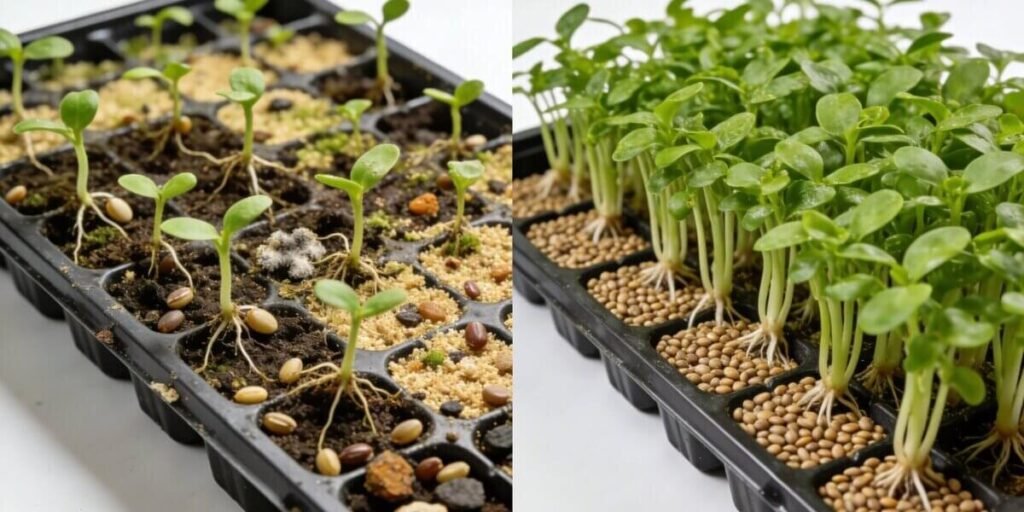
Choosing High-Vigor Seeds for Reliable Hydroponic Fodder Production
Experienced growers treat seed selection as a technical decision, not just buying the cheapest option. Here’s what they do:
- Choose seeds with high germination rates and uniform size
- Use seed lots that are clean, well stored, and free from strong odors
- Test small batches before scaling up production
- Work with reliable suppliers familiar with fodder seed requirements
In most practical hydroponic systems, improving seed quality leads to stronger root mats, more uniform growth, and healthier, more reliable fodder every cycle.
Mistake 8: Ignoring Water Quality and Its Hidden Impact on Fodder Germination
Sometimes everything seems perfect, like temperature, sanitation, and seeding rate, but germination is slower than expected, roots look weak, and fodder just doesn’t look as vigorous. Some growers also notice that results vary from batch to batch, even though they haven’t changed their growing method. Many beginners overlook water quality, but it can quietly make or break your hydroponic fodder growth.
Water is not just a carrier. It interacts directly with seeds, roots, and the microbial environment. Water with high chlorine, too many salts, or other contaminants can stress seeds during germination, which reduces sprouting energy and slows root development. Poor water quality can also upset the balance of microbes in your system, favoring unwanted bacteria instead of healthy sprouts. Over time, this leads to slimy roots, odors, and inconsistent growth, even if everything else seems right.
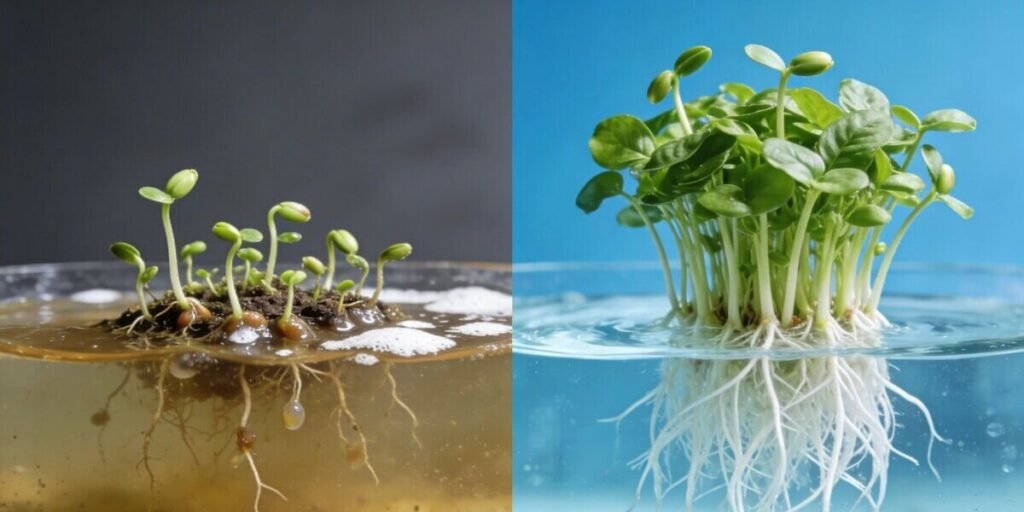
How Clean Water Improves Root Development and Reduces Odors
Experienced growers treat water as an essential part of the growing system. Here’s what they do:
- Use clean, fresh water with moderate mineral levels
- Avoid water with strong chlorine smell or visible contamination
- Flush lines and tanks regularly to prevent buildup
- Observe changes in fodder performance whenever the water source changes
In many practical hydroponic systems, long-term growth issues are often traced back to water quality rather than lighting or seeds. Once water conditions are improved, germination, root strength, and overall fodder yield usually improve noticeably.
Mistake 9: Incorrect Humidity Levels That Affect Sprout Growth and Mat Density
Sometimes trays stay wet for too long, condensation forms on walls or racks, and mold appears even when watering seems normal. Other times, sprouts look short, dry, and underdeveloped, with weak root mats. Many beginners don’t realize that air humidity plays a huge role in how hydroponic fodder grows.
Humidity affects how fast water evaporates from trays and how quickly surfaces dry between watering cycles. When the air is too humid, it can’t absorb more moisture, keeping the tray surface and root zone damp and creating perfect conditions for mold and bacteria. When humidity is too low, seeds and sprouts dry out too quickly, germination slows, and root development suffers. In fast cycle hydroponic fodder systems, even small humidity imbalances can impact the whole batch. Experienced growers always look at humidity together with temperature and airflow, not as a separate factor.
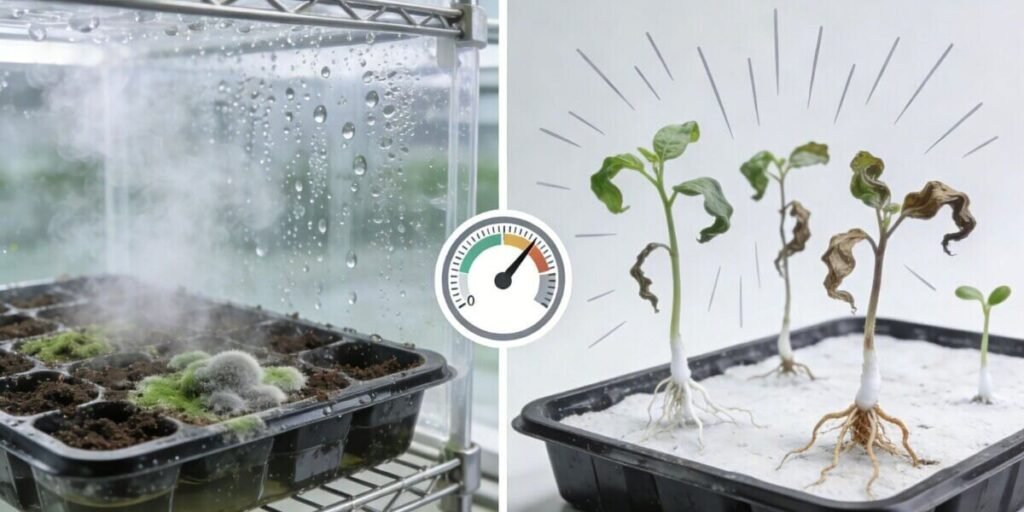
How Growers Adjust Humidity to Prevent Mold and Uneven Growth
Experienced growers treat humidity as a daily part of environmental management. Here’s what they do:
- Monitor room humidity along with temperature
- Improve ventilation when humidity stays high
- Avoid overcrowding trays to prevent trapped moisture
- Adjust watering frequency according to seasonal humidity changes
In most practical hydroponic fodder systems, humidity is often the missing link when mold or poor growth persists despite good cleaning and watering. Once humidity, airflow, and temperature are balanced together, hydroponic fodder growth becomes much easier to control, and growers can achieve more consistent fodder harvest timing.
Mistake 10: Improper Light Management Leading to Weak, Pale Fodder
Sometimes hydroponic fodder grows tall but looks pale yellow, soft, and weak. Other times, sprouts are short and thin with poor leaf development. Some growers give strong light from day one, while others leave trays in darkness for the entire cycle. The problem often comes down to not understanding how light affects growth.
In hydroponic fodder, seeds rely on stored energy during the first days of germination, but after early sprouting, light becomes crucial for chlorophyll development and strengthening plant tissues. Without the right light at the right stage, fodder may stretch too much and develop weak stems. Too much intense light or heat can dry the surface and stress sprouts, while no light at all produces pale, weak, and less robust fodder. Experienced growers focus on light to improve plant quality, not just height.
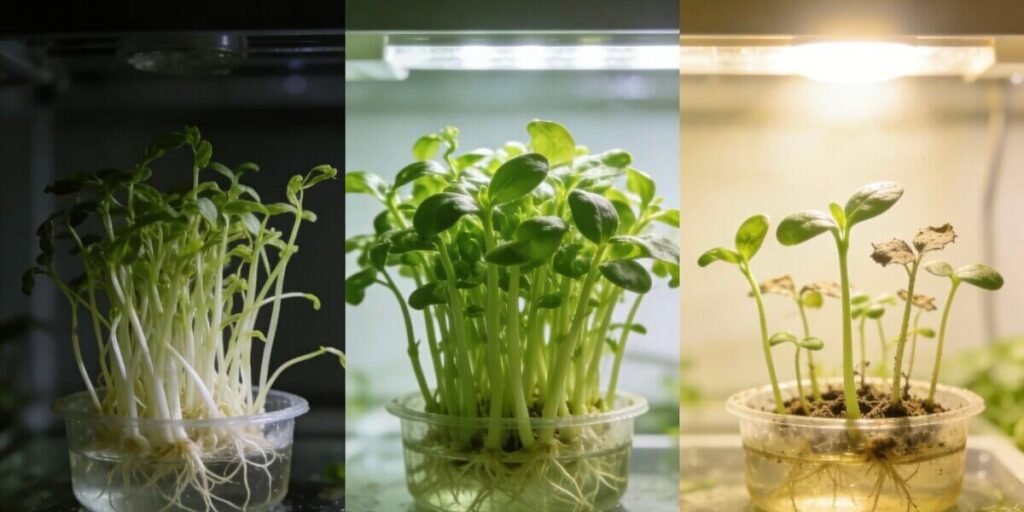
Using Proper Lighting for Stronger Stems and Better Leaf Development
Experienced growers manage light according to the growth stage. Here’s what they do:
- Keep seeds in low light during early germination
- Introduce moderate light after initial sprouting to support leaf development
- Avoid excessive heat from lighting systems
- Focus on even light distribution rather than extreme intensity
In most hydroponic fodder systems, correct light management improves plant strength, color, and overall quality. While light doesn’t directly drive yield, it is essential for producing clean, firm, and more consistent fodder that livestock readily accept.
Why Problems Escalate Quickly in Short Hydroponic Fodder Cycles
In real hydroponic fodder production, failures rarely come from one mistake. The growing room forms its own microclimate once seeds start germinating. Moisture release increases humidity, trays stay wet longer, airflow becomes less effective, and condensation develops around the root mats. In this damp environment, mold in hydroponic fodder can spread very quickly.
Most breakdowns are the result of an error compounding effect. Slight overwatering combined with poor ventilation and warm temperatures can trigger mold. Dense seeding together with high humidity often leads to rot at the base of the fodder mat. Poor sanitation plus low water quality raises bacterial pressure. Each factor amplifies the others, and the system shifts from stable plant growth to rapid microbial growth.
Experienced hydroponic fodder growers know this is an environmental balance issue, not a single variable problem. When temperature, humidity, airflow, sanitation, and watering stay aligned, hydroponic fodder growth remains consistent. When balance is lost, problems can escalate within hours.
Common Beginner Misconceptions That Lead to Fodder Failures
| Common Beginner Belief | What Actually Happens in Hydroponic Fodder Systems |
|---|---|
| More water means faster growth | Excess water reduces oxygen around roots and sharply increases the risk of mold in hydroponic fodder |
| Thicker seeding gives higher yield | Overcrowding traps heat and moisture, blocks airflow, and often leads to rot at the base of the fodder mat |
| A little mold is not a big problem | Mold spreads quickly in a humid fodder environment and may affect feed safety and livestock health |
| This is a simple system that needs little management | Hydroponic fodder growing is a sensitive biological system where environment control is critical |
| Expensive equipment guarantees success | Consistent management of temperature, humidity, airflow, and sanitation matters more than equipment level |
Key Lessons from Experienced Growers for Healthy Hydroponic Fodder
Most repeated failures are caused by misunderstanding how the system behaves, not by lack of technology. When growers shift from “more input equals more growth” to “environmental balance equals stability,” hydroponic fodder production becomes far more reliable.
Hidden Costs and Economic Losses from Fodder Production Mistakes
Hydroponic fodder production mistakes do not only waste a tray of feed. They increase overall feed costs, reduce fodder nutritional quality, lower milk yield or animal growth rates, and create unnecessary labor pressure. These hidden losses accumulate over time and directly affect farm profitability. In reality, successful hydroponic fodder farming depends more on management efficiency, environmental control, and system consistency than on simply growing green fodder.
Quick Tips to Avoid Mold, Rot, and Uneven Sprout Growth
✔ Keep trays clean to prevent mold and root disease
✔ Use proper seeding density for airflow and even growth
✔ Maintain good air circulation to control humidity
✔ Keep temperature and humidity stable for healthy roots
✔ Use clean water to reduce bacterial contamination
✔ Provide appropriate light to support strong fodder growth
✔ Follow batch rotation management for consistent daily harvest
These basics are what make a hydroponic fodder system stable, productive, and profitable.
Common Questions Farmers Ask About Hydroponic Fodder Systems
Mold never appears overnight. High humidity, poor airflow, and wet trays build up for days. Once condensation forms inside the fodder system, mold spreads fast.
Usually it smells slightly sour or feels slimy. That means fermentation started from excess moisture or poor hygiene. Livestock instinctively avoid spoiled hydroponic fodder.
No. Healthy roots should be white. Brown roots mean low oxygen around the root zone, often from overwatering or seeds packed too tightly.
More water does not mean faster growth. It reduces oxygen, raises humidity, and triggers mold. Hydroponic fodder grows best in moist, not soaked, conditions.
Hydroponic fodder success is about daily management, not equipment price. Cleaning trays, airflow, seeding density, and temperature control matter more than hardware.
How to Identify and Fix Mistake in Hydroponic Fodder Production
Hydroponic fodder growing is not difficult, but it is highly sensitive to environmental control. Clean trays, balanced moisture, and steady airflow are what really determine success or failure in any hydroponic fodder system. When hygiene slips or humidity builds up, problems like mold and root stress can develop faster than most growers expect.
From a nutrition standpoint, consistent, healthy hydroponic fodder supports better digestion, feed intake, and overall livestock performance, highlighting the importance of fodder nutrition. Stable production does not come from luck or expensive equipment, but from daily management, clean growing conditions, and understanding how water, air, and temperature work together. That is the difference between occasional success and reliable, high-quality fodder production.
Step-by-Step Actions to Grow Cleaner, Healthier Hydroponic Fodder
Whether you run a small dairy farm or a large livestock operation, building a reliable, mold-free hydroponic fodder system starts with proper system design, effective ventilation, and high-quality seeds. Years of hands-on experience show that daily management and environmental balance matter far more than equipment alone. Our team at Greenfuturehydro can help you design a system tailored to your space, climate, and feeding goals, ensuring consistent, high-quality feed for your livestock.
📩 info@greenfuturehydro.com
📞 +86 13487543942
📷 Instagram @Greenfuturehydro
Follow us on Instagram for practical hydroponic growing tips, fodder production guidance, and livestock feeding advice from experienced growers. Contact us today for a custom hydroponic fodder solution and start producing reliable, nutritious feed.

