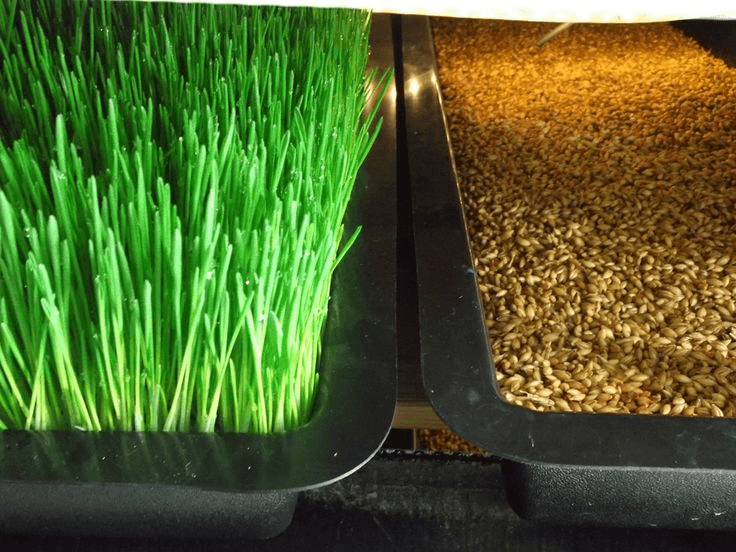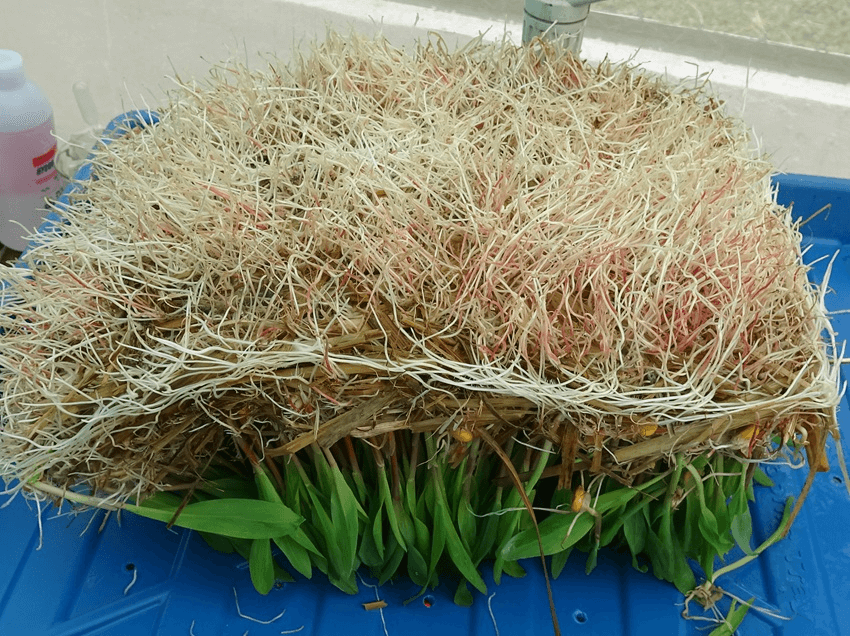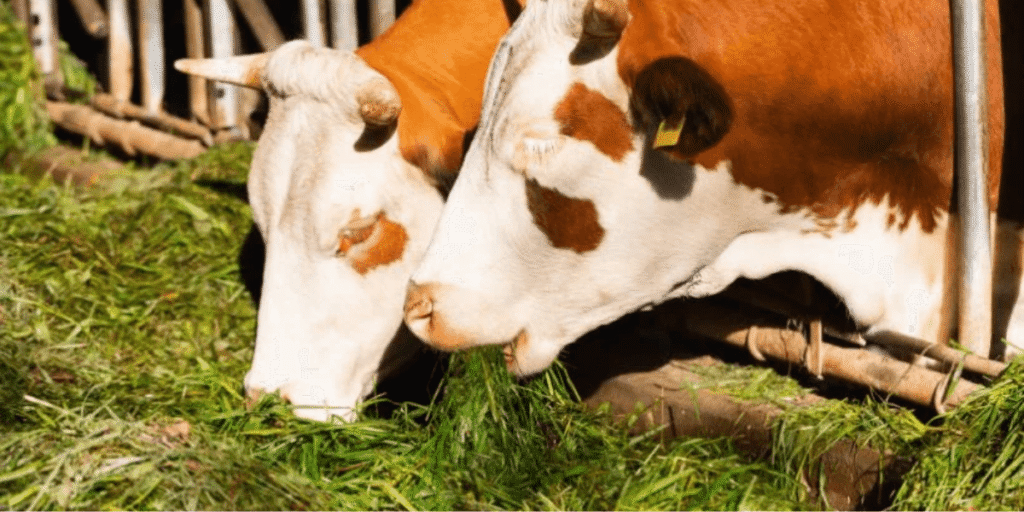


Hydroponic Fodder Growing is a highly efficient, water-saving, soil-free method for producing fresh green feed. It can be cultivated using a variety of cereal grains, including wheatgrass, oat grass, barley grass, corn grass, and ryegrass. Depending on livestock nutritional needs, farmers can grow fodder with plain water or enhance it with a balanced nutrient solution, amino acids, and trace minerals to boost protein content, vitamin levels, and overall digestibility. As challenges like air pollution, land scarcity, and climate instability increase, more farms, ranches, and dairy operations are turning to hydroponic systems to secure a reliable year-round supply of high-quality green forage.
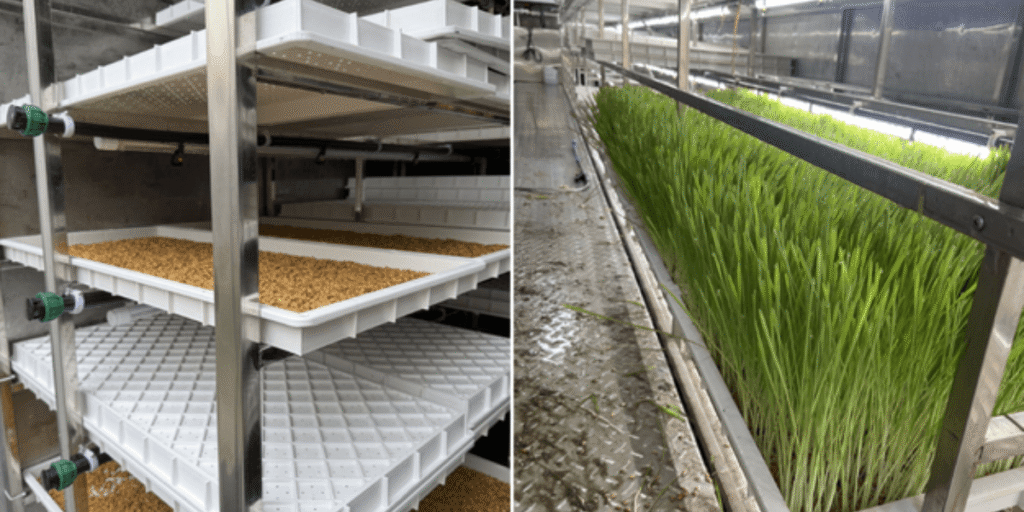
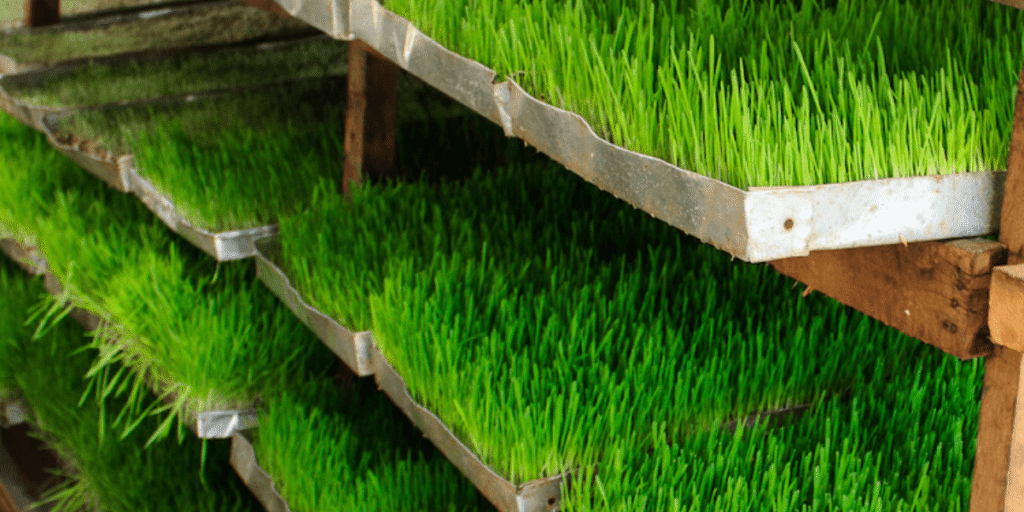
The core principle of hydroponic fodder growing is allowing grains to germinate and grow rapidly in a controlled, soil-less environment. Typically, pre-soaked and cleaned seeds are evenly spread across growing trays, where automated irrigation or misting provides consistent moisture and oxygen. With proper control of light, temperature, and humidity, seeds sprout into nutrient-dense, easily digestible fresh fodder within about 6–7 days. This fast and stable production cycle makes hydroponic fodder an ideal solution for areas with limited land, unpredictable weather, or poor soil conditions.
Pros and Cons of Hydroponic Green Fodder
• It saves a large amount of land and water, using up to 90 percent less land and about 70 percent less water than traditional farming.
• The growth cycle is very short, usually around one week, and the controlled environment keeps the yield stable and the feed clean and safe.
• The fodder is easy to digest and free from soil, pests, and chemical residues, which benefits livestock health.
• When nutrients are added, it can help improve meat or milk production in animals.
• It is not affected by weather or seasons, making it suitable for cities, dry regions, or places with limited farmland.
Cons and Common Issues in Hydroponic Fodder Production
• The initial setup cost can be high because the system requires trays, irrigation, and climate control equipment.
• It depends heavily on proper management of lighting, temperature, humidity, and hygiene.
• The fiber content is lower, so ruminant animals like cattle still need extra roughage such as hay.
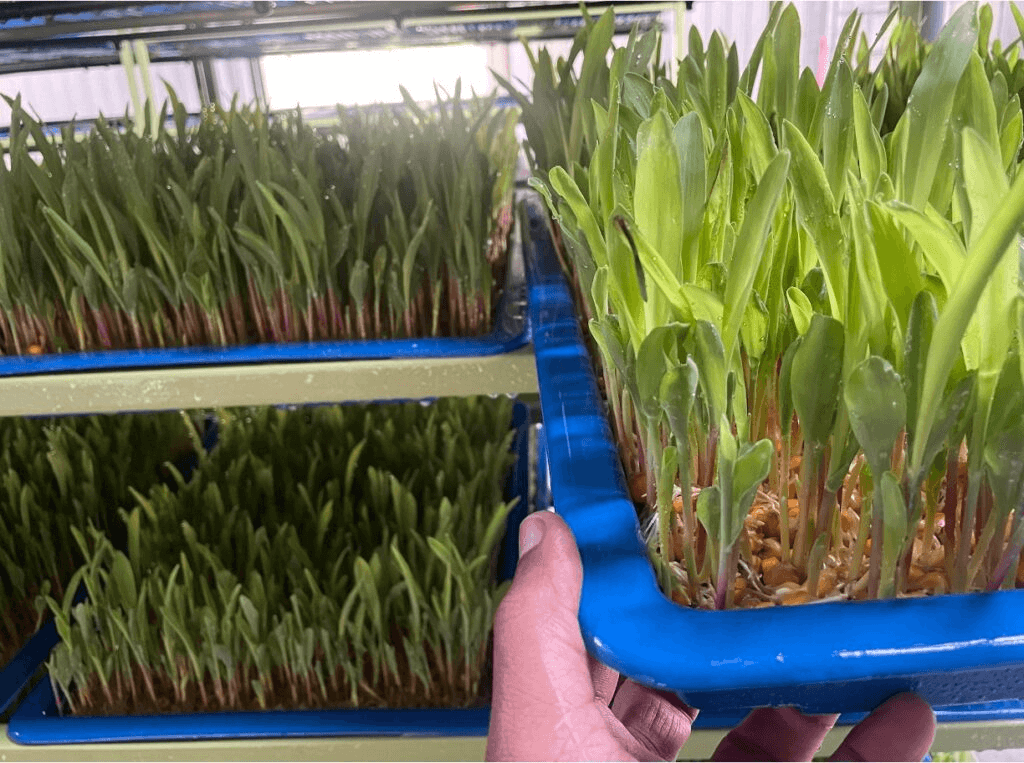
• Common seeds used include barley, maize, wheatgrass, oats, and ryegrass, and they can be grown with water alone or with added nutrients.
• Hydroponic systems can also grow microgreens like pea shoots, sunflower shoots, mustard, spinach, celery, and kale, which shows the system’s versatility.
Common Grain Varieties for Livestock Feed in Hydroponic Systems
| Hydroponic Grain | Features | Suitable Livestock / Use |
|---|---|---|
| Barley | Fast-growing, rich in chlorophyll, vitamins, and minerals | Poultry and livestock feed |
| Maize | High in protein and amino acids, fast growth, high nutritional value | Animal feed |
| Wheatgrass | Fresh and fragrant, highly palatable, stimulates appetite and digestion | Hydroponic green fodder / livestock feed |
| Purslane | Very fast-growing, highly adaptable, low maintenance | Continuous hydroponic fodder production |
| Alfalfa Sprouts | Commonly used for dairy cows, rabbits, ducks, and other livestock; can be harvested continuously with added nutrient solution | Hydroponic feed / livestock supplement |
Hydroponic fodder systems can also be used to grow a variety of microgreens. They can be produced on a large scale using just water, without the need for additional nutrient solutions. Examples include pea shoots, sunflower shoots, corn sprouts, nasturtium, beet greens, dill, fennel, coriander, chives, celery leaves, kale, mizuna, and mustard sprouts.
Practical Tips for Growing Fodder Hydroponically
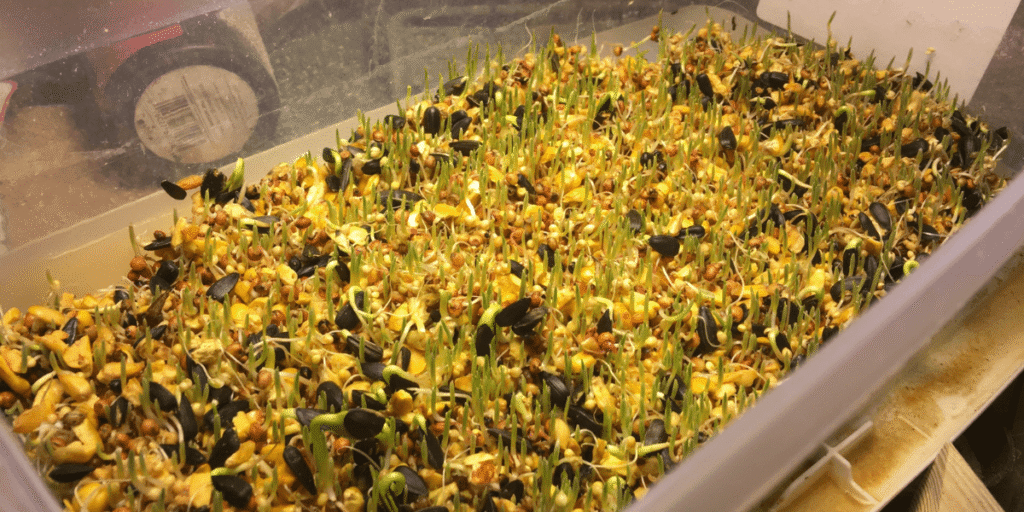
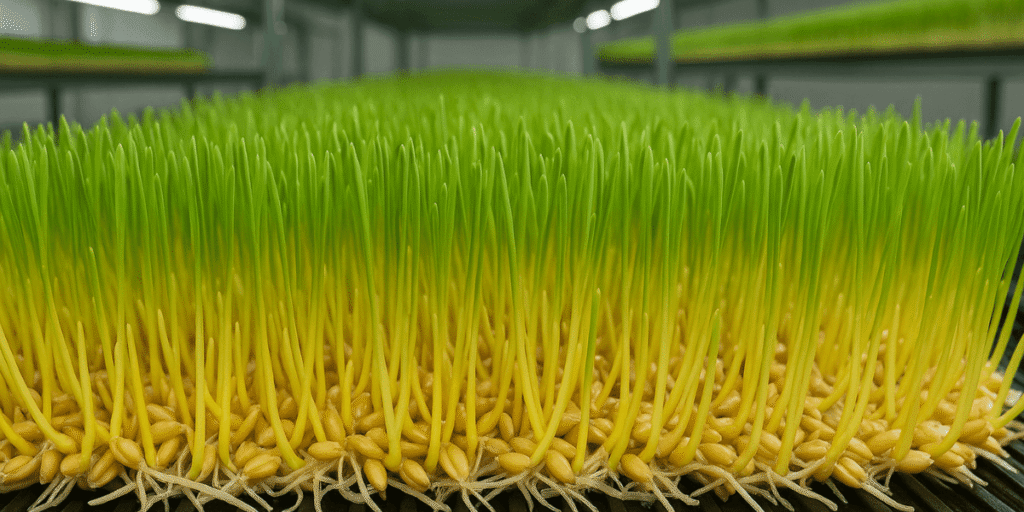
Seed Selection and Disinfection/Treatment for Sprouted Feed
Choose healthy, full, and uniform seeds that are free from pests, damage, or mold to ensure high germination rates and stable yields. It is recommended to soak the seeds, as soaking can speed up germination and improve sprouting. For seeds with hard shells or those prone to contamination, such as barley or other husked grains, ozone sterilization or other disinfection methods can be used to reduce the risk of mold and bacterial growth.
Controlling Environmental Conditions for Optimal Fodder Growth
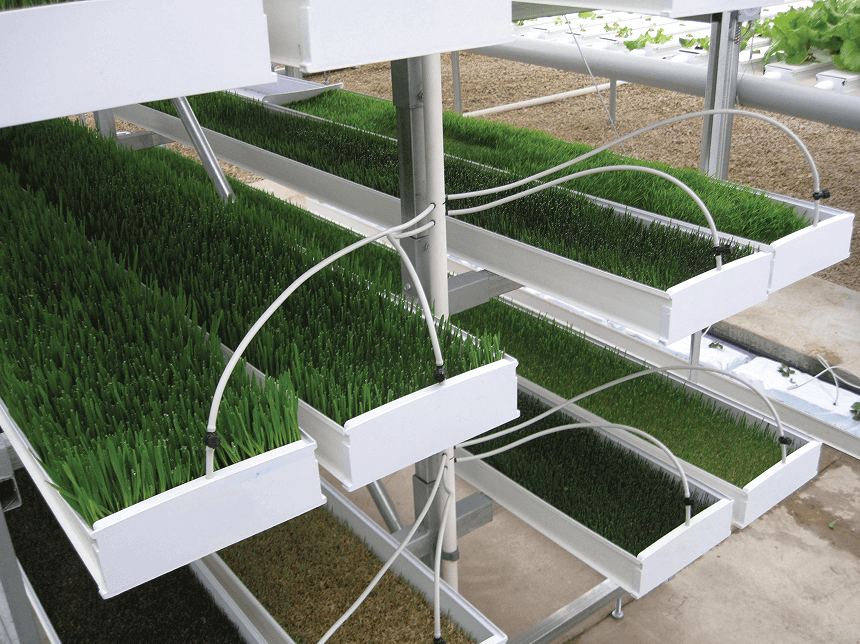
Control the temperature, humidity, and light during germination and growth, typically keeping the temperature around 20–25 °C, humidity at a moderate level, and providing adequate but not excessive light to avoid damaging the seedlings. Use appropriate equipment such as perforated trays to prevent waterlogging, irrigation or misting systems, ventilation and humidifying devices, temperature control units, and LED grow lights for indoor setups. For indoor or container systems, a water circulation system with full or semi-automatic controls can help maintain stable production and reduce labor.
The Secret of Soaking Seeds Before Feed Production
- Seed Preparation: Select healthy, uniform seeds and clean them thoroughly to remove dirt or debris. Disinfect the seeds to reduce the risk of mold or bacterial growth.
- Soaking: Soak the seeds to speed up germination and improve sprouting rates.
- Tray Setup and Environment Control: Place the seeds evenly in trays and provide a proper growing environment, including controlled temperature, moderate humidity, and adequate but not excessive light.
- Growth and Harvest: Allow the seeds to germinate and grow for 6–7 days, depending on the seed type and environmental conditions. First-time growers should carefully follow each step, monitor conditions closely, and record all parameters to optimize future production cycles.
Commonly Used Hydroponic Feed Equipment and Their Functions
| System / Equipment | Function |
|---|---|
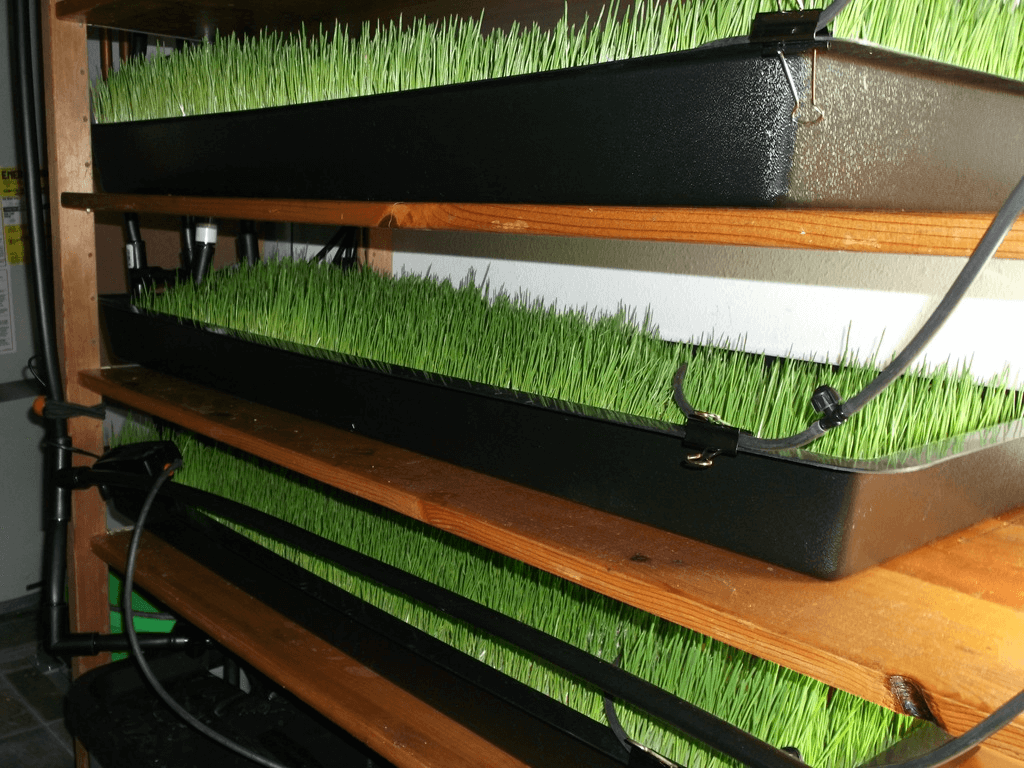
| Fodder Tray | Perforated bottom allows water and nutrients to flow, prevents waterlogging, and is easy to manage |
| Spraying System | Provides scheduled irrigation to ensure sufficient water for fodder growth |
| Humidifier | Controls humidity to prevent seedling diseases; too low reduces germination, too high can cause mold and odor |
| Temperature Control Device | Regulates temperature for proper germination; too low prevents sprouting, too high may cause mold |
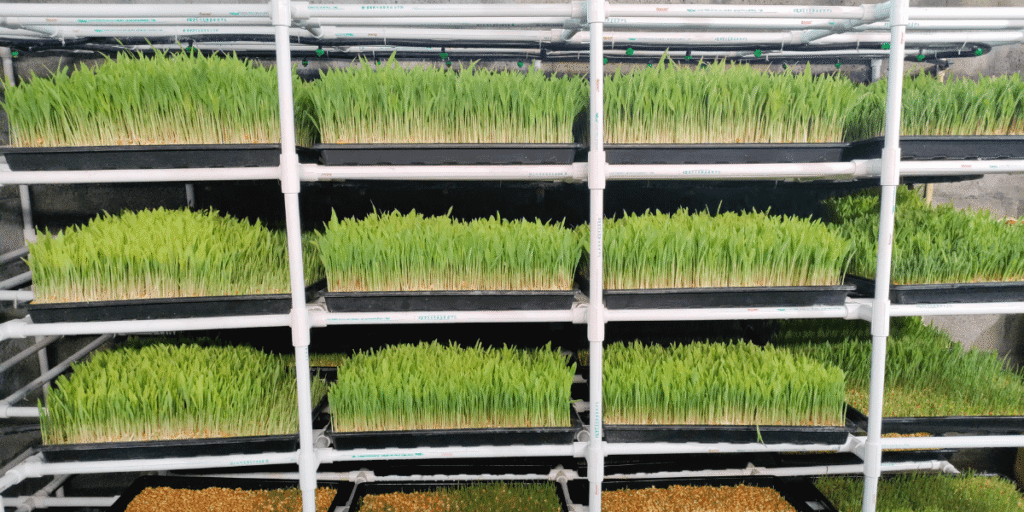
| Hydroponic Rack | Used for vertical growing; made of corrosion- and rust-resistant materials, sized to fit trays |
| LED Grow Light | Provides adequate light without overexposure, preventing seedling burn |
| Seed Soaking Equipment | Helps improve germination rates and reduce pathogens; optional accessories include mesh bags, soaking boxes, ozone sterilization, liquid temperature control, and darkroom |
Methods of Feeding Hydroponic Grass to Livestock
Hydroponically grown grass can be fed directly to livestock, dried and crushed for use as feed, or incorporated as part of a mixed feed.
Applicable Types of Livestock for Hydroponic Fodder
- Suitable Livestock: Hydroponic fodder is suitable for a wide range of animals, including cows, sheep, horses, pigs, chickens, and ducks.
- Dairy Cattle: Particularly beneficial for milk production and overall health.
- Beef Cattle and Sheep: Supports growth, improves meat quality, and is easily digestible.
- Poultry: Provides nutritious, palatable feed for chickens, ducks, and other birds.
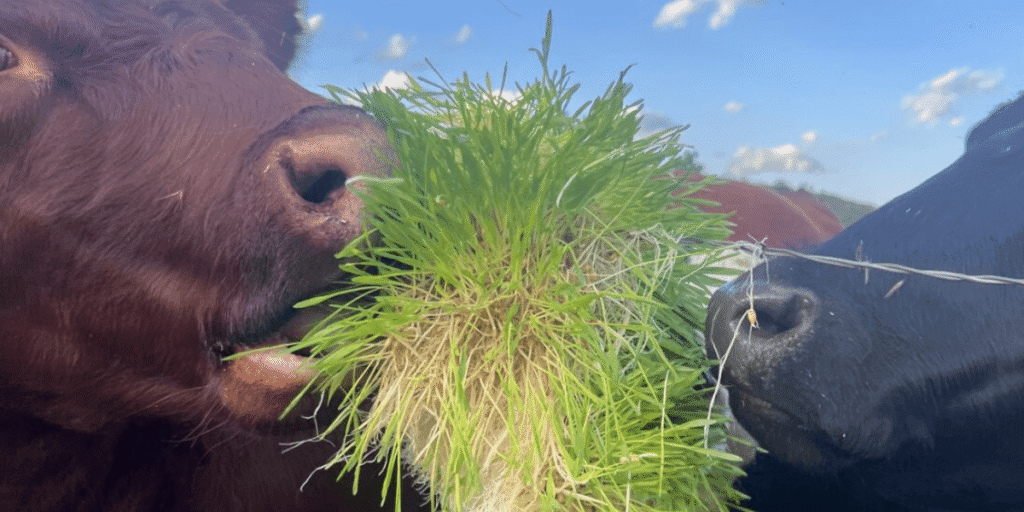
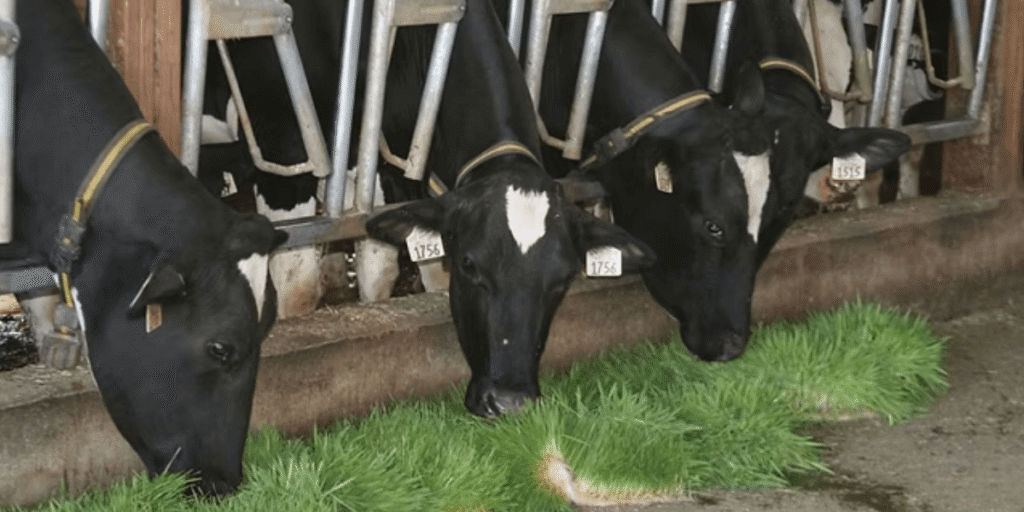

Feeding Methods for Meat, Milk, and Egg Production
- Fresh Feeding: Offer animals the hydroponic fodder directly as fresh forage. This is highly palatable and easy to digest, making it ideal for daily feeding.
- Processed Feed: The fodder can be dried and ground to produce hay or incorporated into mixed feed. This allows for longer storage and convenient use in feeding programs.
- Mixed Feeding: Combine hydroponic fodder with traditional feed such as roughage, hay, or concentrates. This approach helps balance nutrients, particularly for ruminants like cows and sheep, ensuring optimal digestion and growth.
Fertilization Suggestions to Improve Nutritional Value
- Dairy Cattle: Hydroponic fodder can be used as a supplementary feed to help increase the fat and protein content in milk. It also supports overall health, boosts energy levels, and improves the general well-being of the cows.
- Beef Cattle, Sheep, and Goats: Feeding hydroponic fodder can enhance meat quality and improve coat condition. Since it is relatively low in fiber, it should be combined with roughage such as hay or straw to meet the animals’ digestive requirements.
- Poultry (Chickens, Ducks, etc.): Hydroponic fodder helps increase protein intake, reduce cholesterol levels, and improve the taste and digestibility of feed, contributing to healthier and more productive birds.
Troubleshooting Common Problems in Hydroponic Fodder Systems
When introducing hydroponic fodder to animals for the first time, it is important to do so gradually, allowing them to adapt to the new feed. Start with small amounts and slowly increase the portion over several days to prevent digestive upset. Additionally, ensure that the surface of the fodder is lightly dried or excess water is removed before feeding. Overly wet fodder can cause digestive problems or diarrhea, especially in ruminants. Monitoring the animals closely during this adjustment period helps ensure they accept the fodder and maintain good health.
Recommended Indoor and Commercial Hydroponic Fodder Systems
Different types of animals have varying requirements and proportions for hydroponic green fodder, depending on their nutritional needs, feeding methods, and market demands. Using cows and sheep as examples, we can see why their demand for hydroponic fodder differs in terms of nutrition and feeding strategy.
Sheep raised in pens require high amounts of protein and energy to support rapid growth and muscle development, while grazing dairy cows need sufficient fiber and protein to maintain milk production and support a healthy digestive system.
- Green feed for cattle:As ruminants, cows require a large amount of roughage to support proper rumen fermentation. However, hydroponic fodder is relatively low in fiber, so cows need to be supplemented with additional roughage, such as hay or straw, to meet their fiber requirements.
In addition, dairy cows have higher energy and protein needs, so hydroponic green fodder can be enriched with high-energy and high-protein feed, such as corn or soybean meal, to meet their nutritional requirements.
Overall, for dairy cows, pasture or roughage serves as the primary feed, while hydroponic green fodder is used as a supplementary feed. - Green feed for goats or sheep:Sheep have a different rumen structure than cows, with a greater focus on maintaining a balanced microbial community. As a result, they require relatively more roughage and water, and the proportion of hydroponic green fodder in their diet can be increased appropriately.
At the same time, sheep have a limited ability to digest and absorb high-energy, high-protein feeds, so it is advisable to supplement their diet with high-quality roughage, such as alfalfa, to balance their nutrition. They can be fed a higher proportion of hydroponic green fodder, supplemented with leaves and branches from trees and shrubs, which are rich in nutrients and provide additional fiber, protein, and energy for the sheep.
Indoor Hydroponic Feed System Setup Guide
Mold/odor/decay
Causes: These issues can occur due to high seed density, excessive temperature or humidity, poor ventilation, or incomplete seed disinfection.
Solutions: Regularly check and remove any moldy or foul-smelling sprouts. Maintain an appropriate temperature, ideally between 20–25 °C, control humidity around 60–70%, and ensure proper ventilation.
Slow or Uneven Growth and Yellowing Leaves
Possible Causes: This can result from poor seed quality, unsuitable environmental conditions such as light, humidity, or temperature, seeds sown too thickly, improper seed density, or light that is too strong or too weak.
Solutions: Use high-quality seeds and adjust sowing density as needed, possibly testing different setups. Maintain proper light, humidity, and temperature conditions. If using artificial lighting such as LEDs, avoid excessive intensity to prevent burning the seedlings.
Diarrhea or Digestive Issues in Animals
Causes: These problems may occur if animals are overfed, the fodder is too wet, animals are not accustomed to fresh greens, or the fodder is stored improperly, such as being stacked without proper ventilation or moisture control.
Recommendations: Allow the surface of the hydroponic fodder to dry before feeding, gradually increase the feeding amount, avoid giving too much at once, and ensure proper ventilation and temperature-humidity control during storage to prevent mold.
Choosing the Right Commercial Fodder System
Hydroponic fodder is grown using irrigation and circulating water systems, with smart and automated control of temperature, humidity, and nutrient delivery. The system maintains temperatures between 20–23°C and automatically drips or sprays water every 6–8 hours, keeping the growth area humidity around 60–70%.
Under these conditions, hydroponic fodder can grow from grain to fresh green fodder in about 7 days. One kilogram of grain can produce 6–8 kilograms of fresh fodder, which can replace over 20% of traditional concentrates and roughage, significantly reducing feed costs.
There are two main types of hydroponic feed systems:
Indoor/commercial hydroponic feed system
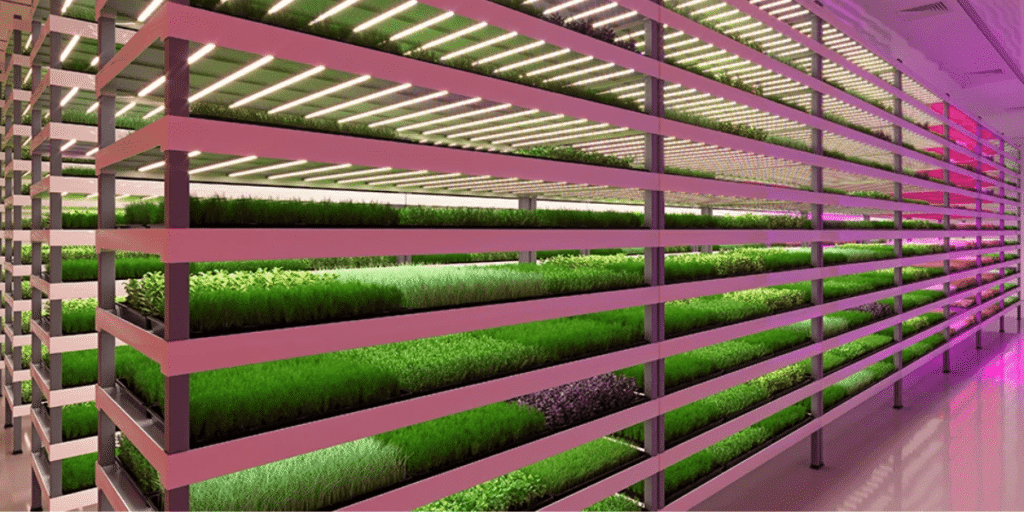
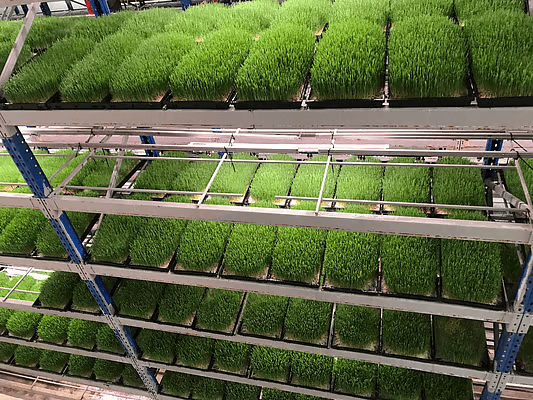
An indoor hydroponic fodder system is suitable for vertical farming at any scale and is often referred to as a hydroponic pasture. It mainly consists of indoor growing racks for fodder, combined with pumps, water circulation systems, irrigation setups, and smart control devices selected according to the farm’s scale.
The system can be customized to meet the needs of small home farms or large commercial operations.
- Advantages: Highly flexible, providing fresh green fodder for both home and commercial farms. It can significantly increase fodder yield while reducing overall costs.
- Disadvantages: Small-scale setups require manual assembly, while large-scale operations need sufficient energy supply and a well-designed system plan.
Container Fodder Machines and Shipping-Container Farms
Converting a 20-foot or 40-foot container into a hydroponic fodder system allows for easy production of high-quality fresh green fodder. These systems can produce 500 kg, 1000 kg, or even 1500 kg of fresh fodder per day, enough to feed dozens of cows or sheep daily. We also offer a custom 250 kg home hydroponic fodder cabinet, ideal for small farms and family-scale livestock.
- Advantages: The system comes pre-assembled, so no manual assembly is required. With simple setup and operation, you can start producing hydroponic fodder immediately. The machine can be placed anywhere, providing fresh green fodder even during dry seasons.
- Disadvantages: The initial investment cost is relatively high, and each unit has a limited production capacity. Operation requires an external water and electricity supply.
Operating Hydroponic Fodder Machines and Managing Output
Under optimal conditions, with a temperature around 20 to 23°C, automatic irrigation or water circulation every 6 to 8 hours, and humidity maintained at 60 to 70 percent, hydroponic fodder can be ready for feeding in about 7 days from the grain stage.
The conversion efficiency is high. One kilogram of grains can produce approximately 6 to 8 kilograms of fresh green fodder. In many cases, this yield can replace 20 percent or more of conventional concentrate feed or hay, significantly reducing overall feed costs while providing highly digestible and nutrient-rich forage for livestock.
Comparing Advantages and Disadvantages of Different Systems
- Advantages: The system can be fully or partially automated, providing stable yields while saving labor and reducing feed and roughage costs. It allows for a year-round supply of fresh fodder and does not depend on weather or land conditions.
- Disadvantages: The initial investment is relatively high. A stable water and electricity supply is required, and the container or system size is large, making it less suitable for very small-scale operations or those with limited resources.
Cost Analysis and ROI for Hydroponic Fodder Systems
This section is especially important for overseas farm owners as it addresses key concerns that directly impact the profitability and sustainability of hydroponic fodder production. Understanding the operating costs such as electricity, water, labor, seeds, and consumables helps farmers plan budgets, optimize resources, and make informed decisions when investing in automated or semi-automated fodder systems. Clear insight into these factors ensures that the system can deliver stable, year-round feed efficiently while minimizing unexpected expenses.
Understanding Operating Costs in Hydroponic Fodder Production
- Electricity: Power consumption for LED lights, fans, and air conditioning or heating systems. Efficient energy management can reduce overall costs.
- Water: Typically, producing 1 kg of fresh fodder requires about 6–7 liters of water, making water efficiency an important consideration.
- Labor: For semi-automated systems, labor is needed for monitoring, harvesting, and maintenance. Fully automated systems reduce labor requirements.
- Seeds: Costs for common hydroponic fodder seeds such as barley, maize, oats, and wheatgrass. High-quality seeds ensure better germination and yield.
- Consumables: Disinfectants, cleaning agents, and other materials required to maintain hygiene and prevent mold or disease.
This breakdown helps livestock farmers and commercial growers plan their budget and optimize the efficiency of hydroponic fodder production.
How Production Efficiency Impacts Overall Costs
The impact of yield on cost is very clear. For example, 1 kilogram of barley seeds can produce approximately 6–8 kilograms of fresh hydroponic fodder, resulting in a significant value increase. Using a containerized hydroponic system that consistently produces around 500 kilograms of fodder per day, a month’s output could replace a large amount of dry hay and reduce the need for some concentrated feed. This not only significantly lowers feeding costs but also ensures that livestock receive fresher and more nutritious feed.
ROI Reference for Hydroponic Fodder Projects
The payback period varies depending on the scale:
- Small livestock farms: 6–12 months
- Medium-sized ranches: 3–6 months
- Large automated farms: 1–3 months
Generally, the larger the system, the lower the cost per unit of fodder, making bigger operations more cost-efficient.
Environmental Impact and Sustainability of Fodder Systems
Abroad, there is a strong focus on low-carbon and sustainable agriculture. Governments, businesses, and consumers are increasingly prioritizing farming practices that reduce greenhouse gas emissions, conserve natural resources, and maintain soil and ecosystem health. Techniques such as hydroponics, precision farming, and renewable-energy-powered operations are gaining popularity because they not only improve efficiency but also align with global goals for environmental protection and climate change mitigation. As awareness grows, adopting sustainable agricultural practices has become both an ethical responsibility and a competitive advantage in international markets.
Comparison of Water Footprints Across Hydroponic Systems
- Traditional fodder: 1 kg of dry hay requires approximately 500–1000 liters of water
- Hydroponic fodder: 1 kg of fresh fodder requires only about 6–7 liters of water
This clearly shows that hydroponic systems are extremely efficient in water usage, saving hundreds of times more water compared to conventional methods.
Land Footprint Advantages of Vertical Hydroponic Fodder
One square meter of hydroponic rack can replace 50–150 square meters of traditional pasture, demonstrating a remarkable efficiency in land use.
Reducing CO₂ Emissions Through Indoor Fodder Growing
Hydroponic systems cut down on the need for tractors, seeders, irrigation, and harvesting machinery.
Shorter transportation distances also reduce carbon emissions, making the overall operation much more environmentally friendly.
Reducing Methane Emissions with Sprouted Feed
Sprouted fodder is easier for livestock to digest, which improves rumen fermentation efficiency. This can lead to a reduction in methane emissions from ruminants by 8–15%, making it a particularly appealing feature for the “green agriculture” sector. By combining better nutrition with lower greenhouse gas output, sprouted hydroponic feed stands out as an environmentally friendly solution for sustainable livestock farming.
Animal Health and Nutrition Benefits from Hydroponic Fodder
Key Nutrients Present in Sprouted Feed
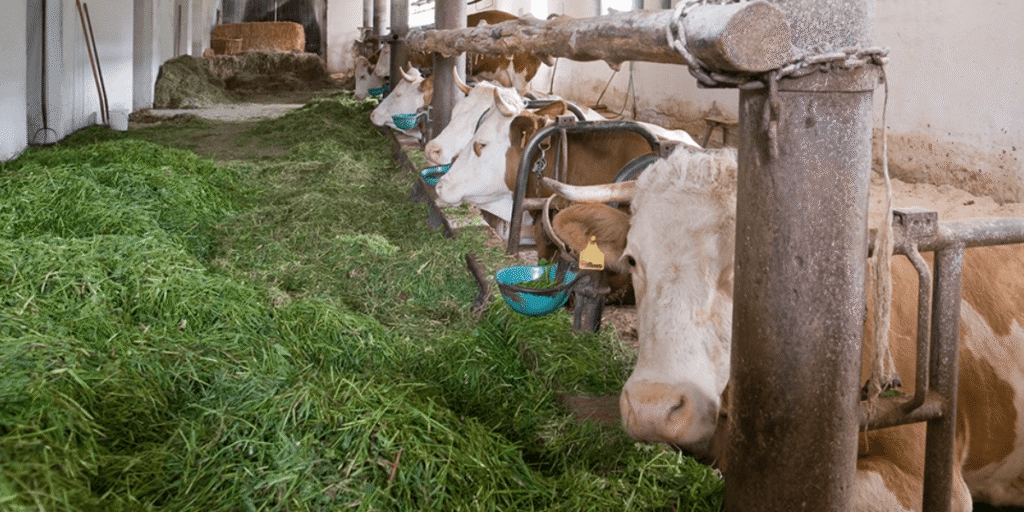
Sprouted fodder is rich in active nutrients that are largely absent or present in lower amounts in dry hay or feed pellets. It contains active enzymes such as amylase and protease, chlorophyll, antioxidants like SOD and vitamins C and E, as well as highly soluble proteins. These components not only enhance the nutritional value of the feed but also support better digestion, metabolism, and overall health of livestock.
Improving Gut Health with Fresh Hydroponic Feed
Sprouted fodder helps enhance the diversity of rumen microbiota, promoting a healthier digestive system in livestock. It accelerates fiber digestion, which can reduce issues such as constipation, bloating, and poor appetite. By supporting smoother digestion and better nutrient absorption, hydroponic sprouts contribute to overall animal health and productivity.
Enhancing Animal Performance with Nutrient-Rich Sprouts
Feeding sprouted hydroponic fodder can lead to measurable improvements in livestock performance, which is a key concern for overseas farms. For dairy cows, milk fat content can increase by 0.2–0.5%, and overall milk yield can rise by 5–12%. Beef cattle show faster daily weight gain (ADG), while deer and sheep often exhibit shinier, healthier coats. Poultry benefit from better eggshell quality and richer yolk color. These tangible results highlight the value of hydroponic sprouts in boosting both productivity and product quality.
Safety and Hygiene Protocols in Hydroponic Fodder Systems
Maintaining Water Quality for Healthy Sprouts
Using filtered water, such as RO water or well-settled water, is essential for healthy hydroponic fodder growth. Avoid water with high hardness, which can affect nutrient absorption. Regular monitoring of pH (ideally 6.0–6.5) and EC ensures optimal water conditions, helping maintain plant health and consistent feed quality.
Mold Prevention SOP in Hydroponic Feed Production
To maintain a safe and healthy hydroponic environment, implement a daily checklist for routine inspections. Regular cleaning should be scheduled weekly and monthly, with trays thoroughly disinfected to prevent mold growth. Ensure proper air filtration and maintain adequate ventilation to control humidity and airflow. Following these standards consistently helps reduce contamination risks and keeps the fodder fresh and nutritious.
Ensuring Safe and Reliable Seed Sources
Always use seeds that are free from pesticide residues and mycotoxins such as aflatoxins. Conduct batch testing to verify quality and safety before planting. Ensuring reliable and clean seed sources not only protects the health of livestock but also enhances the professionalism and credibility of the hydroponic system.
Is Investing in Hydroponic Fodder Systems Worth It?
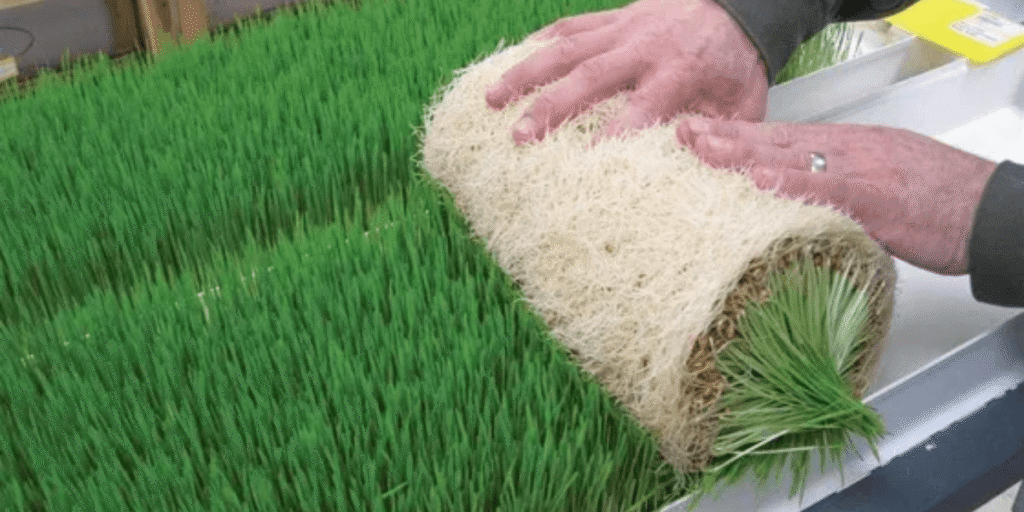
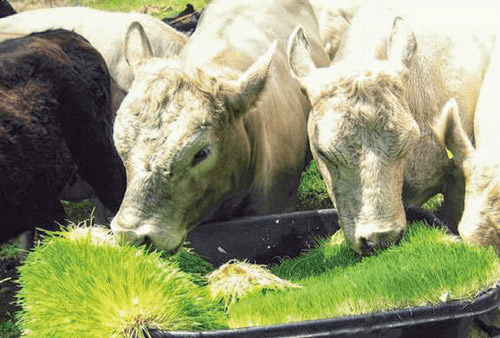
Everyone has their own reasons for being interested, but a hydroponic fodder system is definitely worth considering! It doesn’t rely on land or weather conditions, nor does it require extensive labor or resources. With sufficient investment and some basic skills, it’s easy to produce large amounts of healthy, contaminant-free fodder. This helps farmers reduce dependence on dry hay and concentrated feed, lower feeding costs, improve production efficiency, and avoid feed shortages that could lead to hunger or livestock loss. For these reasons, hydroponic fodder systems are a highly worthwhile approach for modern livestock farming.
How to Boost Farm Efficiency with Hydroponic Fodder
- Solving Feed Shortages
In regions where green fodder is difficult to grow or where climate and land conditions are poor such as deserts, arid areas, or highly urbanized zones hydroponic fodder systems provide a reliable, high-density, and consistent source of green feed. - Improving Livestock Efficiency
Hydroponic fodder is clean, easily digestible, and nutritionally controllable, which helps improve animal health, increase production (meat, milk, eggs), and enhance reproductive efficiency. - Saving Time and Labor
Compared to traditional processes planting pasture, cutting, drying, transporting, and feeding hydroponic systems eliminate many of these labor-intensive steps. The high degree of automation reduces manual effort and saves significant time. - Environmental and Resource Sustainability
Hydroponic systems conserve land and water resources, avoid the need for chemical fertilizers and pesticides, and reduce pressure on natural resources. They are well-suited for modern, environmentally friendly, and sustainable livestock farming. - Stable Supply and Reduced Feed Costs
Even during droughts, cold seasons, winter, or periods of limited land and harsh climate, hydroponic systems maintain stable production. This reduces reliance on dry hay or imported concentrates, stabilizes feed costs, and improves overall economic efficiency.
In conclusion, hydroponic fodder systems are highly worth considering and investing in for livestock farmers who have a certain scale of operation, stable access to water and electricity, and a desire to increase feed self-sufficiency or reduce feed costs. They are especially valuable for farms located in areas with limited land or water resources, offering a reliable, efficient, and sustainable solution for modern livestock production.
Frequently Asked Questions About Hydroponic Feed Systems
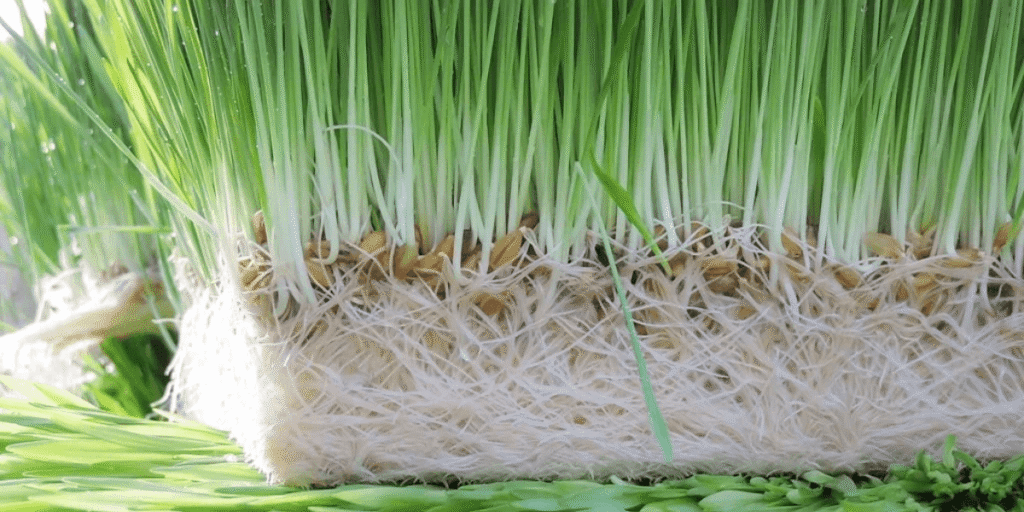
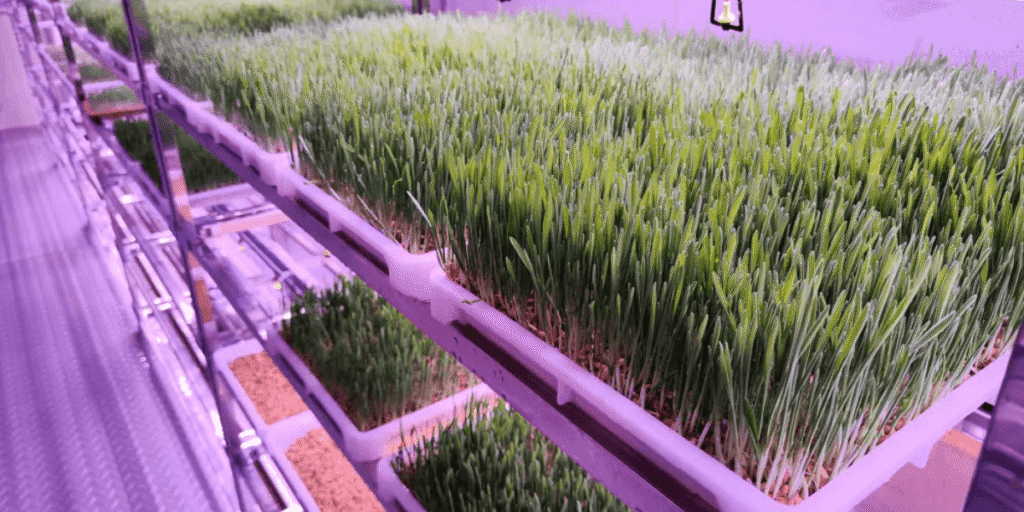
Hydroponic feed usually takes 6–8 days to grow, depending on the type of grain, environmental conditions, and system setup. Barley and wheat sprout fastest, while corn may take slightly longer. Proper light, temperature, humidity, and consistent moisture are essential for rapid growth.
The growth of hydroponic feed is influenced by several critical cycles:
Seed soaking and germination – Hydrating seeds properly ensures rapid and uniform sprouting.
Irrigation or misting cycles – Regular watering keeps seeds and sprouts evenly moist, preventing drying or over-saturation.
Light exposure cycles – Adequate light supports photosynthesis and promotes strong, healthy growth.
Temperature and humidity control – Maintaining optimal environmental conditions accelerates growth and reduces stress on the plants.
Hydroponic feed offers a range of advantages for modern livestock farming:
Faster growth – Sprouts develop more quickly than traditional forage, providing feed in as little as 7–10 days.
Higher nutritional content – Controlled growing conditions preserve vitamins, minerals, and enzymes, resulting in more nutrient-dense feed.
Year-round production – Hydroponic systems operate independently of weather or land limitations, ensuring consistent feed supply.
Efficient use of water and space – Hydroponic feed requires significantly less water and land compared to conventional forage cultivation.
Cost savings – Reduced dependence on purchased feed lowers overall production costs.
Hydroponic fodder farming has moderate operating costs. While initial setup (trays, irrigation, and systems) can be significant, daily maintenance is relatively low. Efficient systems can produce large amounts of feed in small spaces, making it cost-effective compared to purchasing feed externally.
Most livestock, including cattle, goats, sheep, poultry, and rabbits, can consume hydroponic fodder. Feed amounts should be adjusted based on the animal’s nutritional needs, and young animals may require smaller portions initially. Always monitor their response when introducing new feed.
Hydroponic fodder can grow using plain water alone, but adding nutrient solutions, amino acids, or trace minerals can enhance protein content, vitamin levels, and digestibility. No harmful chemicals are required, making it safe and healthy for livestock.
Step-by-Step Guide to Small-Scale Hydroponic Fodder Production
Thinking about starting your own hydroponic fodder system?
Begin with clear goals: How much fodder does your farm need daily? Which animals are you feeding? What space, water, and power do you have available?
These factors will help you choose the right system size, seed type, and environmental setup for consistent, high-quality fodder.
Start with a small trial system to test germination rates, moisture levels, and daily management. Once you find the perfect routine, scale confidently. And remember working with a reliable supplier who provides guidance and after-sales support will save you time, money, and stress.
Our recommended starter tools for beginners:
🔗 NFT Hydroponic Growing Rack – Space-efficient, stable water flow, perfect for leafy greens
🔗 Dutch Bucket System (Bato Buckets) – Ideal for tomatoes, cucumbers, peppers, and vine crops
🔗 Automatic Misting or Irrigation Kit – Keep moisture and water circulation consistent
🔗 pH & EC Meter – Ensure clean water and balanced nutrient levels for healthy growth
At Greenfuturehydro, we make hydroponic fodder farming accessible with modular systems, water-saving designs, and beginner-friendly solutions. Whether you’re feeding goats, cattle, horses, or camels, we help your farm grow greener, smarter, and more sustainably.
Want personalized advice for your farm?
📩 info@greenfuturehydro.com
📞 +86 13487543942.
Follow @Greenfuturehydro on Instagram for tips, real farm stories, and step-by-step fodder guides.
Related Articles on Hydroponic Feed and Fodder Systems
- Growing a Thriving Hydroponic Commercial Greenhouse:Comprehensive Guide
- Active Nutritional Benefits of Hydroponic Fodder
- How Hydroponic Fodder Supports Animal Immunity
- Hydroponic Fodder: How to Grow Fresh Feed in Just 7 Days
- Is Hydroponic Fodder More Nutritious Than Traditional Feed?