
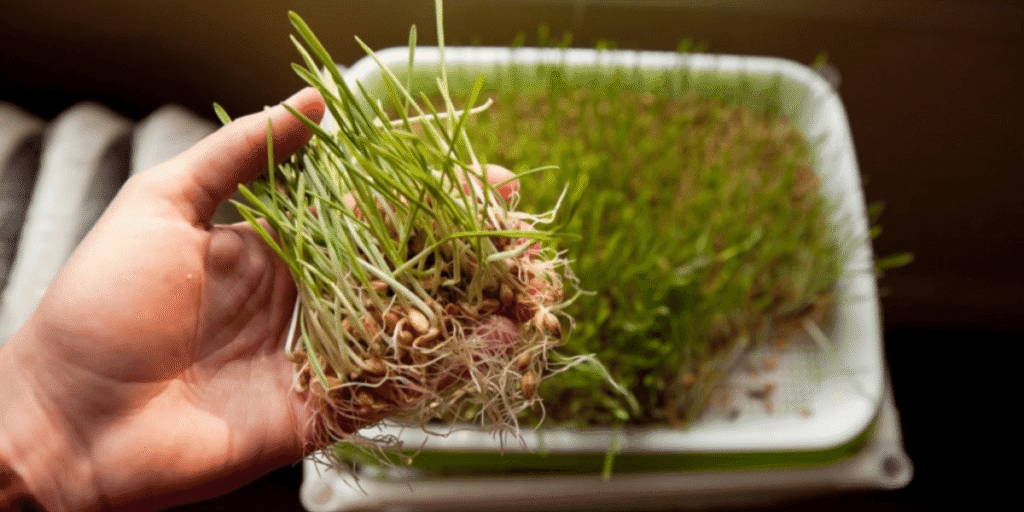
Growing fresh feed for livestock has traditionally taken weeks or even months and has always depended heavily on seasons and weather. But today, more farmers are discovering that it is possible to grow nutritious green fodder in just 7 days using hydroponic systems. Hydroponic fodder allows seeds to sprout and develop into dense, fresh feed without soil, using only water, air, and controlled conditions. At a time when hay and commercial feed costs continue to rise and land and water resources are under increasing pressure, the ability to produce fresh, reliable feed every week is a major reason why hydroponic fodder is gaining popularity around the world.
What Is Hydroponics and How It’s Used for Animal Feed
Hydroponic fodder is basically a way to grow fresh feed from grains without using soil. You just give the seeds water, air, and the right temperature, and in about seven days they sprout into a dense green mat with roots that you can feed directly to your cows, sheep, or other livestock. Because it all happens indoors, you don’t have to worry about bad weather or seasonal changes. Farms can produce fresh feed on demand, every week, with consistent nutrition, which is why hydroponic fodder is becoming so popular around the world.
Why Hydroponic Fodder Is Ready in Just 7 Days
So why do most hydroponic fodder systems stick to a 7 day growing cycle? Because this is the point where everything lines up just right. By day seven, the roots have grown into a thick, solid mat that holds together well and is easy to handle and feed. Inside the seed, enzymes are fully active, which means the nutrients are more available and easier for animals to digest. The shoots are still young, soft, and fresh, so livestock eat them readily without sorting or wasting feed.
If you let the fodder grow longer, it does not automatically become better feed. After about a week, the plant starts putting more energy into structure and fiber instead of nutrition. The grass gets tougher, digestibility drops, and you are using more space and time for very little extra benefit. With hydroponic fodder, seven days is not a shortcut. It is simply the sweet spot where growth speed, nutrition, and feed quality are all at their best.

What Is Hydroponic Feed Used for on Farms
Is Hydroponic Fodder the Same as Sprouted Grain
At its core, hydroponic fodder is about using the early sprouting stage of grains as feed. The seeds are not grown in soil. Instead, they rely only on clean water, fresh air, and the right temperature to germinate and grow. The goal is not to grow tall grass or full plants. It is to take advantage of what happens inside the seed when it starts to sprout. During this stage, stored starches and proteins are activated and converted into nutrients that animals can digest more easily. That is why hydroponic fodder focuses on harvesting young, fresh sprouts at the right time, rather than letting the plants grow bigger or older.
What Crops Work Best for Hydroponic Fodder
- Barley:Barley is by far the most common and reliable choice for hydroponic fodder. It germinates quickly, grows evenly, and forms a strong root mat that is easy to handle and feed. Barley is very forgiving for beginners and performs well in most climates, which is why many commercial fodder systems are designed around it. Livestock also accept it well, making it a safe starting point for most farms.
- Wheat:Wheat is another popular option and is often chosen when barley is not available or when farmers want a slightly different nutrient profile. It grows well in hydroponic systems but usually needs a bit more attention to humidity and airflow to avoid mold. When managed properly, wheat fodder is palatable and works well for cattle, sheep, and goats.
- Corn (Maize):Corn fodder produces thicker shoots and a heavier mat compared to barley and wheat. It generally takes a little longer to sprout and requires warmer conditions, but it delivers good energy content. Corn is often used as part of a mixed feeding program rather than as the only hydroponic fodder source.
- Oats:Oats are valued for their fiber content and are commonly used for horses and small livestock. They grow well in cooler conditions but tend to produce a lighter root mat, so they require careful handling during harvest. Oat fodder is usually combined with other grains to balance nutrition and improve overall feed performance.
Hydroponic Fodder vs Traditional Feed: What’s the Difference
| Aspect | Hydroponic Fodder | Hay | Silage | Pasture Grazing |
|---|---|---|---|---|
| Production time | 7 days per cycle, very predictable | Weeks to months | Months, prepared in advance | Depends entirely on grass growth |
| Seasonal dependence | Minimal, can grow year-round | High, weather-dependent | Depends on harvest season | Very high |
| Land requirement | Low, vertical growing possible | Large land area needed | Land for crops plus storage | Large pasture required |
| Feed consistency | Very consistent from batch to batch | Varies by cut and storage | Depends on fermentation quality | Changes with season and grass quality |
| Digestibility | High, young sprouts and active enzymes | Medium, higher fiber | Varies | Unstable |
| Storage needs | Usually fed fresh, little storage | Needs dry storage, mold risk | Needs airtight storage | Not stored |
| Main risks | Hygiene and mold control | Mold, spoilage, pests | Poor fermentation, spoilage | Weather, drought, overgrazing |
| Best use case | Indoor farms, limited land or water | Traditional farms with space | Medium to large farms | Areas with abundant land |
Why Hydroponic Fodder Grows Faster Than Field Crops
The Science Behind Rapid Hydroponic Fodder Growth
- Seed germination switches on the enzyme system
When a dry grain gets water, it “wakes up.” Inside the seed, enzymes are activated and start breaking down stored starches and proteins. This is the plant preparing food for its own growth, but it also means nutrients become easier for animals to digest. That is why sprouts are nutritionally different from dry grain or mature grass. - No soil means less wasted energy
In soil, a plant has to spend a lot of energy searching for water and nutrients. In a hydroponic system, everything it needs is already available. The seed does not need to fight for resources, so more energy goes directly into fast, visible growth. This is one reason hydroponic fodder develops so quickly and evenly. - Water, oxygen, and temperature work together
Fast growth only happens when these three factors are balanced. Water triggers germination, oxygen keeps roots healthy and prevents rot, and stable temperatures keep enzyme activity running smoothly. If one of these is off, growth slows down. When they are in sync, the seed grows at its natural maximum speed. - Nutrients change from storage to usable form
In dry grain, nutrients are locked away in storage form. During sprouting, those nutrients are converted into simpler sugars, amino acids, and enzymes. Animals can absorb these much more easily than raw grain or old hay. This is why hydroponic fodder is harvested young, while the nutritional value is at its peak.

Ideal Growing Conditions for Hydroponic Fodder
- Temperature range: 18–24°C
This temperature range is where hydroponic fodder grows best. It is warm enough to keep enzymes active and growth moving fast, but not so warm that mold becomes a problem. When temperatures drop too low, growth slows down. When they get too high, mold and bad smells show up much faster. Keeping the room within this range makes the whole 7-day cycle much more stable. - Humidity control: 60–70%
Humidity is one of the most overlooked factors. Too dry, and the sprouts struggle to grow evenly. Too humid, and mold can take over very quickly. A humidity range of around 60–70% keeps the roots moist while allowing enough airflow to dry the surface of the trays. This balance is key to healthy root mats and clean-smelling fodder. - Light requirements: natural light or LED support
Hydroponic fodder does not need strong light at the beginning. During the first few days, seeds can sprout in low light or even darkness. Light becomes important from day 4 onward, when the shoots start turning green. Natural light works well if available, but LED grow lights are a reliable option, especially indoors or during cloudy seasons. The goal is healthy green growth, not tall grass. - Water quality and hygiene matter more than people think
Clean water and good hygiene are critical for success. Because there is no soil to buffer problems, any bacteria or contamination spreads quickly. Using clean water, disinfecting trays regularly, and removing leftover roots or seeds between cycles can prevent most mold and odor issues. In hydroponic fodder systems, cleanliness is not optional. It is the foundation of consistent results.
Getting Ready to Grow Hydroponic Fodder
How to Choose the Right Seeds for Hydroponic Fodder
- Recommended grains: barley, wheat, corn, and oats
These grains are commonly used because they sprout quickly and perform well in hydroponic systems. Barley is the most popular choice because it is reliable and easy to manage. Wheat grows fast but needs slightly better airflow. Corn produces thicker shoots and more energy but prefers warmer conditions. Oats are often used for their fiber content, especially for horses and small livestock. No matter which grain you choose, seed quality matters more than the variety itself. - High germination rate is essential
Hydroponic fodder relies on almost every seed sprouting at the same time. Seeds with poor germination lead to thin mats, uneven growth, and a higher risk of mold. Using high-germination seed means more uniform growth, better root mats, and less waste at harvest. This is one area where trying to save money usually costs more in the long run. - Avoid chemically treated or coated seeds
Seeds used for planting are often treated with chemicals or pesticides that are not safe for animal feed. These treatments can also interfere with germination and cause unpleasant smells in a fodder system. Always choose clean, untreated grain that is labeled as safe for sprouting or feed use. If you would not feed the grain directly to your animals, it should not go into a hydroponic fodder system.

Basic Equipment Needed for Hydroponic Fodder
- Growing trays with drainage holes
These trays hold the seeds during the entire growing cycle. Drainage holes are essential because excess water must be able to flow out. Standing water is one of the fastest ways to cause mold and root rot. The trays do not need to be fancy, but they must drain well and be easy to clean between cycles. - Vertical racks or multi-level shelves
Vertical racks allow you to grow more fodder in less space. Since hydroponic fodder is grown in thin layers, stacking trays vertically is one of its biggest advantages. Multi-level shelving also helps organize the growing stages, making daily management much easier and more consistent. - Fans and temperature/humidity meters
Air movement is critical. Small fans help remove excess moisture from the tray surface and keep roots healthy. A temperature and humidity meter lets you see what is really happening in the room, not just what you think the conditions are. These tools help prevent mold before it becomes a problem. - Clean water source
Water quality directly affects fodder quality. Clean, fresh water supports healthy germination and reduces the risk of bad odors and bacterial growth. If your water smells bad or leaves residue, it will show up quickly in the fodder. - Disinfectants for hygiene control
Basic disinfectants such as diluted bleach or hydrogen peroxide are used to clean trays, racks, and tools between cycles. This step is often skipped, but it makes a huge difference. Good hygiene keeps mold under control and ensures each new batch starts clean.
The Complete 7-Day Hydroponic Fodder Growing Process
Day 0: How to Soak and Treat Seeds Properly
Everything starts with proper seed preparation. Before planting, the seeds are cleaned and disinfected to reduce the risk of mold, which is one of the most common problems in hydroponic fodder systems. After that, the seeds are soaked in clean water for about 12 to 24 hours. This soaking step wakes the seeds up and kick-starts the germination process. Skipping or rushing this step often leads to uneven sprouting later.
Day 1: How to Seed Trays the Right Way
Once the seeds are soaked, they are evenly spread across the growing trays. The key here is consistency. Seeds should form a thin, even layer rather than being piled up. A thickness of about 1.5 to 2 centimeters works well for most grains. Too thick, and airflow is blocked, increasing the risk of mold. Too thin, and the root mat will be weak and harder to handle at harvest.
Days 2–3: What Happens During Germination
During the first few days, the trays are kept in a low-light or dark environment. At this stage, the seeds focus on root development rather than leaf growth. The roots must stay moist, but not flooded. You will start to see roots interlock and form the base of a solid mat. This stage is critical because strong roots determine how well the fodder holds together later.
Days 4–6: The Rapid Growth Stage Explained
This is when things really take off. Light is introduced, either natural light or LED grow lights, to support green shoot development. Airflow becomes even more important, so fans should be running consistently to remove excess moisture and keep temperatures stable. Watering or misting happens more frequently, but always with good drainage. By the end of this stage, the fodder should look fresh, green, and evenly grown.
Day 7: When and How to Harvest Hydroponic Fodder
By day seven, the fodder is ready to use. The shoots usually reach a height of around 15 to 20 centimeters, and the roots form a clean, white, tightly bonded mat. The entire mat can be lifted out of the tray and fed directly to livestock. At this point, the fodder offers the best balance between nutrition, digestibility, and palatability, which is why most systems harvest right on schedule.


How Sprouting Changes the Nutritional Value of Feed
- Rich in vitamins A, B, and E
Because hydroponic fodder is harvested at the sprouting stage, it retains a high concentration of essential vitamins. These vitamins support overall health, boost immunity, and help animals grow stronger and more productive. - Packed with active enzymes and antioxidants
The sprouting process activates enzymes inside the seeds and increases antioxidant content. These compounds make it easier for animals to digest the feed and help protect their bodies from stress and oxidative damage. - Much easier to digest than hay
Compared to traditional dry hay, hydroponic fodder is tender and soft, so livestock can eat more with less effort. This higher digestibility also means less waste and more efficient nutrient absorption. - High moisture and natural fiber for gut health
Hydroponic fodder contains a lot of water, which helps keep animals hydrated and supports digestive function. The natural fiber in the sprouts encourages healthy gut movement, reduces digestive issues, and improves overall feed efficiency.
How Hydroponic Fodder Benefits Livestock Health
| Animal | Key Benefits | Notes / Tips |
|---|---|---|
| Cattle (Dairy & Beef) | Increases feed intake, improves digestion | Soft sprouts are easy to chew, helping cows eat more and gain weight faster |
| Sheep & Goats | Boosts immunity | Young sprouts provide concentrated nutrients and antioxidants to keep them healthy |
| Poultry | Better feathers, more energy | Enzymes and vitamins support growth and activity, making chickens more lively and productive |
| Horses | Natural, safe, easy to digest | Hydroponic fodder is gentle on sensitive stomachs and can supplement regular forage |
| Rabbits & Small Animals | High digestibility, fresh feed | Provides fiber and moisture, helping small animals stay hydrated and happy |
The 3 Most Important Factors for Growing Good Fodder
- Environmental Control
Keeping the right temperature and humidity is essential. The “sweet spot” is usually around 18–24°C with 60–70% humidity. This combination keeps seeds sprouting quickly and evenly while reducing the risk of mold. Small deviations can slow growth or create problems, so monitoring your environment daily makes a big difference. - Hygiene Management (The Most Important)
Believe it or not, most failures around 90% are caused by mold. Once mold appears, it spreads fast and ruins the whole tray. Daily cleaning of trays, racks, and tools is far more effective than trying to fix a problem after it starts. Using clean water and disinfecting trays between cycles ensures each batch starts healthy. - Air Circulation
Good airflow is critical for healthy root mats. Fans help remove excess moisture and prevent stagnant air, which is the main cause of root rot. Even a small fan running consistently can dramatically improve the health of your fodder and reduce losses.
Is Hydroponic Fodder Actually Cost-Effective
- Seed-to-feed conversion
One of the biggest advantages of hydroponic fodder is how efficiently seeds turn into feed. A small amount of high-quality grain can produce a large amount of fresh fodder in just seven days. Compared to feeding the same amount of dry grain, you get more volume and more digestible nutrients for your animals. - Massive water savings
Hydroponic systems use 90% less water than traditional fodder crops. That means lower water bills and less reliance on unpredictable rainfall or irrigation systems. In regions where water is scarce or expensive, this is a game-changer. - Labor and energy costs
Running a hydroponic system does require some labor checking trays, adjusting water, cleaning between cycles and a bit of electricity for fans or LED lights. But because the growth cycle is so fast and predictable, you can plan your time efficiently. In many cases, the labor and energy costs are offset by the higher feed output and reduced waste. - Long-term return on investment (ROI)
Over time, hydroponic fodder can save money by reducing the need for expensive hay, silage, or purchased feed. It also improves animal health and productivity, which adds value indirectly. While the initial setup costs can be noticeable, most farms see a positive ROI within a few cycles, especially when factoring in savings on water, feed, and lost nutrition.

Who Should Use Hydroponic Fodder Systems
| Type of Farm / Project | Why Hydroponic Fodder Works Well |
|---|---|
| Small & Medium Farms | Grow a lot of feed in a small space, steady supply year-round, not weather-dependent |
| Urban / Peri-Urban Agriculture | Perfect for limited land, vertical systems save space, reduces feed transport costs |
| Dry or Water-Scarce Areas | Uses 90% less water than traditional crops, reliable feed even during drought |
| Schools & Agricultural Training Programs | Easy to demonstrate, hands-on learning about growth, nutrition, and sustainable farming |
| Sustainable Livestock Demonstration Projects | Shows efficient, eco-friendly feed production, reduces waste, highlights sustainability practices |
Common Questions About Hydroponic Fodder
Yes, in most cases tap water is fine, but make sure it’s clean and free from strong chemicals like chlorine. If your water has a strong taste or odor, consider letting it sit for a few hours or using filtered water. Clean water is key to preventing mold and ensuring healthy sprouts.
The most common reason is excess moisture or poor airflow. Mold grows quickly in warm, damp, stagnant conditions. Make sure trays drain well, roots aren’t sitting in water, and fans are circulating air. Daily checks and keeping equipment clean are the easiest ways to avoid these problems.
Hydroponic fodder is best fed fresh. Ideally, feed it within 24 hours of harvest. You can store it in a cool place or fridge for up to 2–3 days, but after that, nutrient quality drops and spoilage risk increases. Plan your harvest to match your animals’ daily needs for the best results.
Animals generally respond positively to hydroponic feed, showing noticeable improvements in appetite, digestion, and overall health:
Feeding habits: Most animals find hydroponic feed highly palatable and often eat it eagerly, sometimes preferring it over traditional forage.
Digestive benefits: Hydroponic feed is tender and easy to digest, which can reduce digestive stress and improve nutrient absorption.
Health improvements: Regular consumption can contribute to better body condition, increased milk production in dairy animals, and overall vitality.
Absolutely! Hydroponic fodder works best as part of a balanced diet. Mixing it with hay, silage, or grain can help meet all nutritional needs, especially if animals have higher energy requirements. Many farmers use it as a supplement to improve digestibility and overall feed intake.
Conclusion: Is Hydroponic Fodder Worth Trying
Hydroponic fodder offers a fast, efficient, and reliable way to produce fresh feed. With just a 7-day cycle, farmers can maintain a consistent supply of high-quality, highly digestible fodder year-round, regardless of the season or weather.
Its value in modern livestock farming goes beyond convenience. By providing nutrient-rich, easily digestible feed, it supports animal health, boosts productivity, and reduces reliance on traditional feed sources that can be costly, inconsistent, or space-intensive.
The best approach is to start small, get comfortable with the system, and gradually scale up. As you standardize the process and refine hygiene, airflow, and environmental control, hydroponic fodder can become a key component of a sustainable and modern farming operation.
Call to Action: Start Growing Your Own Fresh Feed
Want to give your animals fresh, nutrient-rich feed that’s clean, easy to digest, and always available? Hydroponic fodder makes it possible in just 7 days. The first step is understanding your farm’s needs: how many animals are you feeding, how much fodder do they need each day, and how much space, water, and electricity can you dedicate? Getting these basics right will help you choose the right system, seeds, and setup for consistent, high-quality growth.
Start small to learn the ropes. Track germination, adjust humidity, and get familiar with daily maintenance. Once your process is steady, scaling up is simple, efficient, and cost-effective. Partnering with a supplier who offers guidance and support can save you time, money, and effort.
🌱 Essential Tools to Boost Animal Health with Hydroponic Fodder
- Mini Tower System – Compact and perfect for leafy greens or mixed fodder
- Water Quality Meters – Keep pH and nutrient levels in check for optimal growth
- Large Tray or Dutch Bucket Systems – Ideal for high-yield crops like barley and corn, giving strong roots and abundant growth
💚 How Greenfuturehydro Makes Hydroponic Fodder Easy and Effective?
Our systems are designed for efficiency, water savings, and simple operation. Whether you raise cows, goats, horses, poultry, or small livestock, Greenfuturehydro helps your animals thrive with fresh, digestible feed. Using our solutions, your farm becomes greener, healthier, and more productive.
Need personalized advice for your farm?
📩 info@greenfuturehydro.com
📞 +86 13487543942.
Follow us on Instagram @Greenfuturehydro for daily tips, step-by-step guides, and real farm stories. Start growing hydroponic fodder today and see your animals flourish in just 7 days! 🌾🐄🐐✨

