
Beginner Hydroponic Tips can help you start your first indoor garden with confidence. Hydroponics is a simple way to grow fresh vegetables, herbs, and leafy greens at home without soil, but many beginners have questions about nutrients, pH, lighting, and choosing the right system.
In this guide, you will discover 15 practical hydroponic tips for beginners, from selecting easy plants and maintaining water quality to managing nutrients and avoiding common mistakes. With a few simple habits and the right setup, you can enjoy healthier plants and a more successful first hydroponic growing experience.
15 Essential Beginner Hydroponic Tips for Successful Growing
Every successful hydroponic garden starts with a few simple habits, not expensive equipment or years of experience. The tips below are arranged in a practical order, helping you build a strong foundation from choosing your first system to maintaining healthy plants and avoiding common beginner mistakes.
Tip 1. Choose a Beginner Friendly Hydroponic System
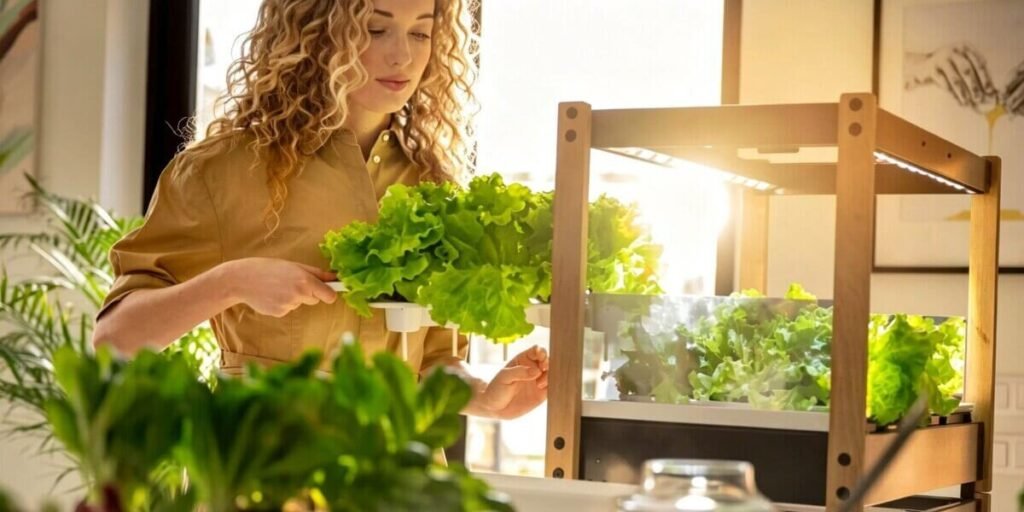
Your first hydroponic system doesn’t need to be big or complicated. In fact, starting with a simple setup is often the fastest way to learn and the easiest way to build confidence. For most beginners, a desktop hydroponic garden, mini vertical hydroponic tower, or compact NFT hydroponic system is a great place to start. These systems make it easy to grow fresh vegetables at home without taking up much space.
Once you’ve chosen your system, keep your first garden simple too. Fast growing crops like lettuce, basil, spinach, and other leafy greens are ideal for beginners because they are easy to care for and produce results quickly. These plants grow well in compact home systems and help you learn how light, water, and nutrients affect plant growth. After your first successful harvest, you’ll have the confidence to try more crops and larger systems.
Tip 2. Start with Easy Hydroponic Plants
Choosing beginner friendly plants is one of the easiest ways to set yourself up for success. Fast growing crops are more forgiving and recover quickly from small mistakes. They also let you enjoy your first harvest sooner, which makes learning hydroponics more rewarding.
Leafy greens and herbs are the best place to start. Lettuce, basil, spinach, bok choy, mint, and kale grow well in most home hydroponic systems. They require little maintenance and adapt easily to changing conditions. These crops also help you learn how light, nutrients, and water work together to support healthy plant growth.
As your confidence grows, you can try crops like tomatoes, peppers, strawberries, and cucumbers. These plants can be very rewarding, but they usually need more light, space, and nutrient management. Starting with easier crops helps you build good growing habits and prepares you for more advanced plants later.
Tip 3. Learn Basic Hydroponic pH Management
Keeping your pH in the right range is one of the easiest ways to grow healthy hydroponic plants. It might sound technical at first, but once you get into the habit of checking it regularly, pH management becomes a simple part of your routine.
Most hydroponic vegetables and herbs grow best when the pH stays between 5.5 and 6.5. Within this range, plants can absorb the nutrients they need for healthy leaves, strong roots, and steady growth. A digital pH meter makes it easy to check your water, and testing every few days is usually enough for most home systems.
If you notice slow growth, yellowing leaves, or plants that suddenly look unhealthy, check the pH before adding more nutrients. In many cases, the nutrients are already in the water, but an incorrect pH prevents the roots from absorbing them efficiently. Keeping your pH stable can solve problems before they become bigger ones.
Tip 4. Mix Hydroponic Nutrients Correctly
Healthy plants need the right nutrients, but more isn’t always better. One of the biggest mistakes beginners make is adding extra nutrients, hoping it will speed up growth. In reality, an overly concentrated nutrient solution can stress the roots, cause nutrient burn, and slow plant development.
The easiest way to avoid problems is to follow the mixing instructions provided by your nutrient manufacturer. Measure each part carefully, mix the solution thoroughly, and replace it on a regular schedule to keep nutrients balanced and fresh. If you’re using an EC meter, checking the nutrient concentration occasionally can help you maintain consistent growing conditions.
From our experience working with home growers, the best results come from consistency rather than constant adjustments. Once your nutrient solution is properly mixed, give your plants time to respond before making changes. A stable routine almost always produces healthier plants than trying to correct every small change you notice.
Tip 5. Provide Proper Lighting for Hydroponic Plants
Light is the energy that powers every stage of plant growth, so a consistent lighting schedule is just as important as choosing the right nutrients. Most hydroponic vegetables and herbs grow best when they receive the same amount of light every day, allowing them to develop healthy leaves and strong roots without unnecessary stress.
For indoor hydroponic gardens, most leafy greens and herbs thrive with 12 to 16 hours of light each day. A quality LED grow light provides the full spectrum plants need while using less energy and producing less heat than many traditional grow lights. Place the light at the recommended distance from your plants and keep the schedule consistent as they grow.
One of the simplest ways to make indoor gardening easier is to use a timer. It automatically turns your grow lights on and off at the same time every day, giving your plants a reliable routine and saving you from having to remember. A steady light schedule often leads to healthier growth than constantly changing the number of light hours.
Tip 6. Maintain Stable Water Temperature
Healthy roots begin with the right water temperature. In a hydroponic system, the nutrient solution delivers both water and oxygen to the roots. When the water becomes too warm, oxygen levels drop, making it more difficult for plants to absorb nutrients and increasing the risk of root problems.
For most home hydroponic systems, aim to keep the nutrient solution between 18 and 22°C (65 to 72°F). This temperature range helps maintain healthy roots and supports steady plant growth. During hot weather, check your reservoir more often, especially if it’s exposed to direct sunlight or located in a warm indoor space. Moving the reservoir to a cooler location or keeping it shaded can help maintain a more stable temperature.
If your plants suddenly slow down, wilt, or develop unhealthy looking roots, check the water temperature before assuming the nutrients are the problem. A stable root environment is one of the simplest ways to prevent issues and keep your hydroponic garden growing strong.
Tip 7. Use Clean Water for Better Growth
If you’re starting a hydroponic garden, you may wonder if regular tap water is safe to use. In many cases, tap water works perfectly well, but the quality of your water can affect how easily your plants absorb nutrients.
Water with very high mineral levels or high hardness can change the balance of your nutrient solution and make it harder to maintain stable growing conditions. If you use tap water, it’s a good idea to check the pH and EC before adding nutrients, especially if you live in an area known for hard water. For growers who need more control, filtered water or reverse osmosis (RO) water can provide a cleaner starting point.
Many beginner problems are not caused by the plants or the nutrients themselves. Sometimes the water is the first thing to check. Starting with clean, stable water gives your roots a better environment and makes managing your hydroponic system much easier.
Tip 8. Keep Your Hydroponic System Clean
Hydroponics is a simple way to grow plants, but keeping your system clean is one habit that makes a big difference. A clean reservoir and growing area help maintain better water quality, reduce algae problems, and create a healthier environment for plant roots.
Regular maintenance does not need to be complicated. Between growing cycles, rinse your reservoir, clean your net pots, and remove any plant debris that could affect your nutrient solution. If you notice algae building up, cloudy water, or clogged tubing, take care of it early before it starts affecting plant growth.
From our experience helping home growers, consistent cleaning is one of the easiest habits to build and one of the most effective ways to avoid common hydroponic problems. A few minutes of routine maintenance can help your plants grow more consistently and keep every harvest running smoothly.
Tip 9. Monitor Your Plants Regularly
One of the easiest ways to become a better hydroponic grower is simply to spend a few minutes with your plants each day. You don’t need a complicated routine. A quick check of the leaves, roots, water level, and overall growth can tell you a lot about how your plants are doing.
Healthy plants usually have strong green leaves, bright white roots, and steady new growth. Small changes can also be early signs that something needs attention. Yellowing leaves, slow growth, low water levels, or roots that look darker than usual may indicate issues with nutrients, pH, lighting, or water conditions.
The more you observe your plants, the easier it becomes to understand their needs. Over time, you’ll start noticing small changes before they become bigger problems. That simple daily habit is what helps many growers move from following instructions to truly understanding how their hydroponic garden works.
Tip 10. Give Plants Enough Growing Space
It can be tempting to use every available planting spot when your seedlings are small, but remember that those tiny plants will grow much larger over time. As your hydroponic garden develops, overcrowded plants can compete for light, airflow, and nutrients, which may lead to weaker growth and smaller harvests.
Give each plant enough space to grow naturally. Good airflow helps reduce the risk of fungal problems, while enough room between leaves allows light to reach more of the plant. Before planting, consider the mature size of each crop, not just how it looks as a young seedling.
A little extra space can make your hydroponic garden easier to maintain and more productive in the long run. You’ll have more room to check plant health, harvest fresh greens, and enjoy a cleaner, healthier growing environment.
Tip 11. Choose the Right Growing Medium
Hydroponics may not use traditional soil, but plants still need a growing medium to support their roots and create a stable environment for growth. The right medium helps hold moisture, provide airflow around the roots, and give young plants a strong start as they develop.
There is no single growing medium that works best for every hydroponic system. Rockwool is commonly used for starting seeds because it holds moisture while keeping roots supported. Clay pebbles provide excellent drainage and airflow, making them a popular choice for many recirculating systems. Coco coir helps retain moisture and can work well for growers who prefer a more natural growing material. Choose a medium that matches your hydroponic setup and the plants you want to grow.
Avoid using regular garden soil in a hydroponic system. Soil can introduce pests, hold too much moisture, and create blockages in pumps or tubing. Hydroponics works best when you use clean, purpose designed growing media that allows roots to receive the right balance of water, oxygen, and nutrients.
Tip 12. Be Patient During Early Growth
If your plants don’t seem to be growing much during the first week, don’t worry. It is completely normal for hydroponic plants to spend time developing strong roots before putting more energy into new leaves and visible growth. A healthy root system is the foundation for everything that comes later.
Many beginners make the mistake of changing too many things too quickly when they don’t see immediate results. They adjust the nutrients, move the lights, or change the growing conditions before the plants have time to adapt. In most cases, the best approach is to keep your environment stable and give your plants time to settle in.
Every hydroponic garden grows at its own pace. Focus on healthy roots, steady progress, and consistent care instead of trying to force faster growth. A little patience during the early stages often leads to stronger plants and a more rewarding harvest.
Tip 13. Change One Hydroponic Factor at a Time
When something doesn’t look right in your hydroponic garden, it can be tempting to change everything at once. You might add more nutrients, adjust the pH, move the grow light, or change the water, hoping to fix the problem quickly. The problem is that making too many changes at the same time makes it almost impossible to know what actually helped.
A better approach is to make one adjustment and give your plants time to respond. Whether you’re correcting the pH, changing the nutrient solution, or adjusting your lighting, small changes make troubleshooting much easier. Your plants need time to show you whether a change is working.
Over time, you’ll learn that successful growing is less about reacting quickly and more about paying attention. The best growers develop the habit of making careful adjustments, observing the results, and learning from each growing cycle. A calm and consistent approach usually leads to healthier plants and better decisions.
Tip 14. Keep a Hydroponic Growing Journal
You don’t need to rely on memory to become a better hydroponic grower. Keeping a simple growing journal helps you understand what works, what changes your plants respond to, and how to improve with every harvest.
Your journal doesn’t need to be complicated. A notebook or notes app is enough to record important details such as pH levels, EC readings, water temperature, lighting schedule, nutrient changes, and anything unusual you notice. After a few growing cycles, these notes can reveal patterns that are easy to miss when you rely only on memory.
Every harvest is an opportunity to learn. By keeping track of your growing experience, you’ll be able to repeat successful methods, avoid past mistakes, and build more confidence with each new crop.
Tip 15. Start Small and Build Hydroponic Experience
Starting small is one of the best ways to become a confident hydroponic grower. It can be exciting to imagine a large indoor garden full of plants, but learning the basics with a simple system will help you avoid common mistakes and enjoy the process much more.
Focus on mastering the fundamentals first, such as choosing the right plants, maintaining your water quality, managing nutrients, and creating a consistent growing routine. A small hydroponic garden gives you the perfect environment to learn how your plants respond and build skills through real experience.
Every harvest is a step forward. Success in hydroponics is not about how many plants you grow, but how much you learn from each growing cycle. Once you understand the basics and develop good habits, expanding your garden will become an exciting next step rather than a difficult challenge.
Beginner Hydroponic Mistakes That Can Affect Plant Growth
Even with the right equipment, beginners often run into the same avoidable problems. The good news is that most hydroponic mistakes are easy to prevent once you understand what causes them. Here’s a quick recap of the most common issues and the better habits that lead to healthier plants and more consistent results.
| Common Mistake | Why It Happens | Better Approach |
|---|---|---|
| Starting with difficult crops | Choosing plants that require more care | Begin with lettuce, basil, or other leafy greens |
| Ignoring pH levels | Assuming nutrients alone are enough | Check and adjust pH regularly |
| Adding too much nutrient solution | Believing more nutrients mean faster growth | Follow the recommended dosage |
| Inconsistent lighting | Forgetting to maintain a regular schedule | Use a timer for consistent daily lighting |
| Poor system hygiene | Cleaning only after problems appear | Clean your system between growing cycles |
| Making too many changes at once | Trying to fix everything immediately | Adjust one factor at a time and observe the results |
| Expecting instant growth | Unrealistic expectations during the first week | Be patient and let plants establish healthy roots |
Remember: Every experienced hydroponic grower started as a beginner. Learning to recognize and avoid these common mistakes is one of the fastest ways to improve your growing results.
Beginner Hydroponics FAQs: What You Need to Know
In many areas, yes. However, you should first check your tap water’s pH and mineral content. If your water is very hard or has a high EC, using filtered or reverse osmosis (RO) water may produce more consistent results.
Not necessarily. For a new system, checking pH every day during the first week helps you understand how your nutrient solution changes. Once the system becomes stable, checking it every few days is usually enough for most home growers.
Lettuce is the better choice for beginners. It grows quickly, requires less maintenance, and is much more forgiving than tomatoes, which need stronger lighting, additional support, and more careful nutrient management.
Trying to change everything at once. Beginners often adjust nutrients, pH, lighting, and watering at the same time, making it difficult to identify the real problem. Change one variable at a time and observe the results before making additional adjustments.
Not necessarily. Many beginners start with a simple Kratky container or a small Deep Water Culture system for a relatively low cost. As your skills improve, you can gradually upgrade to larger or more advanced systems.
Building Confidence as a Beginner Hydroponic Grower
Starting hydroponics is much easier than many beginners expect. You don’t need the largest system, the most advanced equipment, or years of gardening experience to grow fresh, healthy plants. A simple setup, beginner friendly crops, and consistent care are often all you need to build a successful hydroponic garden.
Remember that every experienced grower started with their first seed, first plant, and first harvest. Mistakes are a natural part of learning, and every growing cycle gives you a better understanding of how plants respond to light, water, nutrients, and care. Focus on making small improvements, stay consistent with your routine, and enjoy the process along the way.
At Greenfuture Hydro, we have spent years helping home growers, schools, and commercial projects create practical hydroponic growing solutions. Whether you’re growing herbs on your kitchen counter or building a larger indoor or greenhouse system, the most important step is simply getting started. With patience and the right habits, your first harvest can become the beginning of a rewarding hydroponic journey.
Start Growing with the Right Hydroponic Setup
Now it’s your turn. Start with a simple hydroponic system, grow your first crop, and learn from every harvest along the way. The best way to become a better grower is to start, observe, and keep improving. If you’re not sure which system is right for you, we’re here to help. The best choice depends on what you want to grow, where you plan to grow, and how much space you have available.
At Greenfuture Hydro, we design and manufacture hydroponic systems for home growers, schools, and commercial farms worldwide. From compact indoor gardens and vertical hydroponic towers to NFT systems and Dutch Bucket solutions, we help growers choose practical setups for different spaces, crops, and growing goals. Tell us what you would like to grow and your growing environment, and our team will help you find a hydroponic solution that fits your needs. Happy growing!
📩 info@greenfuturehydro.com
📞 +86 13487543942
📷 Instagram @Greenfuturehydro