
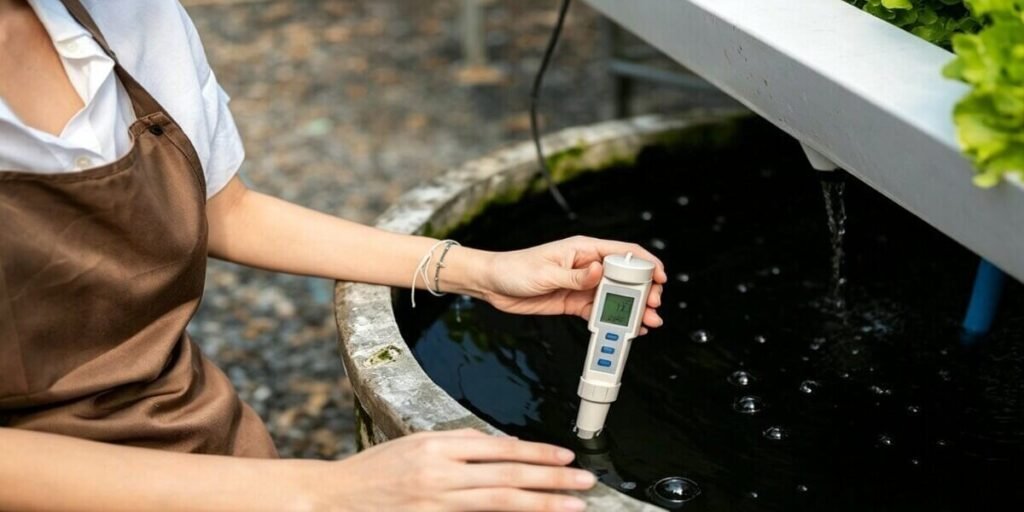

When you start growing with hydroponics, managing nutrients can feel like one of the most confusing parts of the process. Understanding hydroponic pH EC and PPM makes it much easier to know what your plants need and keep your nutrient solution balanced for healthy growth.
In this beginner guide, we will break down what pH, EC, and PPM mean, how these measurements work together, and how to use them to maintain better growing conditions. With the right knowledge, you can avoid common nutrient issues and grow stronger, healthier plants with more confidence.
Quick Answer: Hydroponic pH, EC, and PPM Basics
If you are new to hydroponics, you will quickly come across three important terms: pH, EC, and PPM. They may sound technical at first, but they are actually simple tools that help you understand what is happening inside your nutrient solution.
pH shows whether your plants can access the nutrients they need, EC tells you the overall strength of your nutrient solution, and PPM gives you an estimate of the dissolved nutrients in the water. Once you understand how these measurements work, managing your hydroponic system becomes much easier and you can make better decisions for healthier plant growth.
| Measurement | What It Measures | Why It Matters |
|---|---|---|
| pH | The acidity or alkalinity of your nutrient solution | Helps plants absorb essential nutrients more effectively |
| EC | The electrical conductivity of the nutrient solution | Shows the overall nutrient strength available to your plants |
| PPM | An estimate of dissolved nutrients based on the EC reading | Helps you understand the approximate concentration of nutrients in your water |
Understanding pH, EC, and PPM in Hydroponics
When you first start growing with hydroponics, terms like pH, EC, and PPM can seem confusing. They may sound like three separate things to manage, but they are simply different ways to understand your nutrient solution.
pH shows whether nutrients are available for plants to absorb, EC measures the overall strength of the solution, and PPM provides an estimated nutrient concentration based on the EC reading. Once you understand what each measurement means, managing your reservoir becomes much easier.
What Is pH in Hydroponics?
pH shows whether your nutrient solution is in the right range for nutrient absorption. The scale runs from 0 to 14, with values below 7 being acidic and values above 7 being alkaline.
Because hydroponic roots sit directly in the nutrient solution, changes in pH can quickly affect nutrient availability. This is why plants may show deficiency symptoms even when nutrients are present in the reservoir.
Most leafy greens, herbs, and vegetables grow well with a pH between 5.5 and 6.5. Rather than chasing an exact number every day, focus on keeping your pH stable within the recommended range.
What Is EC in Hydroponics?
EC, or electrical conductivity, shows the strength of your nutrient solution. Since dissolved nutrients allow water to conduct electricity, the EC reading gives you a clear idea of how concentrated your reservoir is.
A higher EC means a stronger nutrient solution, while a lower EC means a more diluted solution. The ideal EC depends on your crop and growth stage, so maintaining the right range is more important than reaching a single number.
What Is PPM in Hydroponics??
PPM, or parts per million, is another way to describe nutrient concentration. Unlike EC, PPM is not measured directly. Instead, most meters convert the EC reading into a PPM value.
PPM can be useful for beginners, but readings may vary between meters because different conversion scales are used. For more consistent nutrient management, many growers rely on EC as their main reference.
EC vs PPM: What’s the Difference in Hydroponics?
One of the most common questions beginners ask is whether EC and PPM are the same thing. The simple answer is no. While both measurements help you understand the strength of your hydroponic nutrient solution, they describe it in different ways.
EC is the direct measurement of electrical conductivity, while PPM is a converted value based on that EC reading. Your meter measures the conductivity of the solution first, then uses a conversion scale to display an estimated PPM value.
| Feature | EC | PPM |
|---|---|---|
| What it represents | The actual conductivity and strength of the nutrient solution | An estimated nutrient concentration based on EC |
| How it is measured | Measured directly by the meter | Calculated from the EC reading |
| Common units | mS/cm or µS/cm | ppm |
| Accuracy | More consistent between different meters | Can vary depending on the conversion scale |
| Best for | Precise nutrient management | Simple monitoring and beginner friendly readings |
This is why two growers can test the same nutrient solution and see different PPM numbers. One meter may use the 500 scale, while another uses the 700 scale, creating different results even though the actual EC level is the same.
For this reason, many experienced hydroponic growers prefer using EC when making nutrient adjustments because it provides a more consistent measurement across different systems and equipment.
Why pH, EC, and PPM Work Together in Hydroponic Growing
Many new hydroponic growers focus on only one reading, but no single measurement tells the whole story. EC shows the strength of your nutrient solution, PPM provides a converted nutrient value, and pH shows whether plants can absorb those nutrients effectively.
A balanced nutrient solution depends on all three working together. The right nutrient strength will not help if pH is out of range, and perfect pH will not solve a solution that is too weak or too concentrated.
By monitoring pH, EC, and PPM together, you can better understand your reservoir and make small adjustments that support healthier plant growth.
A Simple Hydroponic Reservoir Check Routine
Mix the nutrient solution
        ↓
Measure the EC or PPM
        ↓
Adjust the nutrient strength if needed
        ↓
Measure the pH
        ↓
Make small pH adjustments
        ↓
Start growing
With a little practice, checking your nutrient solution only takes a few minutes. Making small adjustments regularly is much easier than waiting until your plants show signs of stress, such as yellowing leaves, slow growth, or nutrient deficiencies.
The goal is not to achieve perfect numbers every single day. Instead, focus on keeping your nutrient solution stable and giving your plants a consistent environment where they can absorb water and nutrients properly. This simple habit can lead to healthier roots, stronger growth, and more dependable harvests over time.
Ideal pH and EC Ranges for Common Hydroponic Plants
One of the first questions new hydroponic growers ask is, “What pH and EC levels should I use?” The answer depends on the plant you are growing and its current stage of development. Leafy greens usually prefer a lighter nutrient solution, while fruiting crops like tomatoes need higher nutrient levels to support flowering and fruit production.
There is no single perfect number that works for every crop. The goal is to keep your nutrient solution within the recommended range and adjust as your plants grow. The chart below provides a helpful starting point for some of the most popular hydroponic plants.
| Plant | Ideal pH | Recommended EC (mS/cm) |
|---|---|---|
| Lettuce | 5.5 to 6.0 | 1.2 to 1.8 |
| Basil | 5.5 to 6.5 | 1.0 to 1.6 |
| Spinach | 5.8 to 6.2 | 1.8 to 2.3 |
| Tomatoes | 5.8 to 6.3 | 2.0 to 3.5 |
| Cucumbers | 5.5 to 6.0 | 1.7 to 2.5 |
As plants grow, their nutrient needs change. Young seedlings and newly rooted plants usually perform better with a lower EC because their root systems are still developing. As growth becomes stronger, nutrient strength can be increased gradually to support higher demands.
Small pH changes from day to day are completely normal. Instead of trying to maintain an exact number every time you check your reservoir, focus on keeping your plants within a stable and healthy range. When possible, use recommendations based on the specific crop you are growing for the best results.
How to Measure and Adjust Your Hydroponic Nutrient Solution
Checking your nutrient solution does not need to feel complicated. Once it becomes part of your regular routine, the whole process only takes a few minutes and can help you catch potential problems before they affect plant growth.
Here is a simple nutrient checking routine that many hydroponic growers use.
Step 1: Prepare Fresh Water and Nutrients
Accurate readings start with a properly mixed nutrient solution. After adding water or nutrients, allow the system to circulate for a few minutes before testing. This gives the nutrients time to spread evenly throughout the reservoir and helps you get a more reliable reading.
It may seem like a small detail, but testing too soon can lead to inconsistent results and unnecessary adjustments.
Step 2: Measure EC First
Start by checking the EC level of your nutrient solution. EC gives you a clear picture of the overall nutrient strength and helps you determine whether the solution matches the needs of your plants.
Compare your reading with the recommended EC range for your crop. If the EC is too low, add nutrients gradually and test again. If the EC is too high, dilute the solution with fresh water, allow it to mix well, and check the reading before making further adjustments.
Checking EC first gives you a better understanding of your nutrient solution before you adjust pH. Once the nutrient strength is in the right range, you can fine tune the pH with more confidence.
Step 3: Measure pH Levels
Once you know your nutrient strength is in the right range, it is time to check the pH of your reservoir. This measurement tells you whether your plants can actually access and use the nutrients available in the solution.
For most hydroponic vegetables and herbs, a pH between 5.5 and 6.5 works well. Instead of trying to maintain one exact number, focus on keeping your pH stable within this range. Small natural changes are normal, and consistency is usually more important than making frequent adjustments.
Step 4: Make Small pH Adjustments
If your pH is outside the recommended range, make adjustments slowly with a pH Up or pH Down solution. Add a small amount, mix the reservoir thoroughly, and wait a few minutes before testing again.
Making gradual changes gives your nutrient solution time to stabilize and helps prevent large pH swings. In hydroponics, small adjustments made consistently are usually more effective than trying to correct the problem all at once.
Step 5: Perform a Final Nutrient Check
Before completing your routine, check both EC and pH one more time. This final reading confirms that your nutrient solution has the right strength and acidity level before your plants continue growing.
Many experienced growers also keep simple records of their EC and pH readings. Whether you write them down in a notebook or track them with an app, monitoring changes over time helps you understand your system better and catch potential problems early.
A Simple Hydroponic Maintenance Routine
You do not need to check your hydroponic system constantly to keep plants healthy. A consistent routine is usually enough to catch small changes before they become bigger issues. The most important habit is regular monitoring, not waiting until plants show visible signs of stress.
Use this schedule as a general starting point for many home hydroponic systems.
| Task | Recommended Frequency |
|---|---|
| Check pH | Daily |
| Check EC | Daily |
| Calibrate pH and EC meters | Once a month |
| Replace nutrient solution | Every 1 to 2 weeks |
As you gain experience, you will start noticing patterns in your system. Checking your nutrient solution around the same time each day makes it easier to track changes, adjust your routine, and maintain a healthier growing environment.
Common Hydroponic Nutrient Problems and How to Fix Them
Even a well maintained hydroponic system can sometimes run into problems. Yellow leaves, slow growth, or unhealthy roots do not always mean your plants need more fertilizer. These symptoms can also be caused by nutrient imbalance, incorrect pH or EC levels, water quality issues, or changes in the growing environment.
Before making adjustments, take a few minutes to test your nutrient solution. Checking pH and EC can help you understand what is happening in your reservoir and make it easier to find the real cause instead of guessing based only on plant appearance.
| Plant Symptom | Possible Cause | What to Do |
|---|---|---|
| Yellow leaves | pH outside the ideal range or nutrient imbalance | Check pH and review your nutrient levels before making changes |
| Brown leaf tips | EC too high or nutrient concentration is too strong | Add fresh water to dilute the solution and test EC again |
| Pale leaves or slow growth | EC too low or insufficient nutrients | Increase nutrient strength gradually and monitor plant response |
| Weak growth or poor development | Nutrient imbalance or unsuitable growing conditions | Check pH, EC, lighting, temperature, and root health |
| Brown or unhealthy roots | Low oxygen levels, poor water quality, or contamination | Refresh the nutrient solution, improve aeration, and clean the reservoir |
Remember that the same symptom can have more than one cause. Yellow leaves, for example, may come from nutrient problems, pH imbalance, root stress, or environmental factors. This is why experienced hydroponic growers check their measurements before changing the nutrient solution.
A few minutes of regular testing can save you hours of troubleshooting later. By understanding what your plants are telling you and checking the numbers behind the symptoms, you can keep your hydroponic system more stable and support healthier growth.
Common Hydroponic Nutrient Management Mistakes
Starting with hydroponics is a learning experience, and almost every grower makes a few mistakes in the beginning. The good news is that most common problems are easy to prevent once you understand how your system works.
Instead of trying to achieve perfect numbers every day, focus on building simple habits that keep your nutrient solution stable and create a consistent environment for your plants.
Forgetting to Calibrate pH and EC Meters
Your pH and EC readings are only as reliable as the tools you use. Over time, meter sensors can slowly drift and display inaccurate values, even when the equipment is well made.
Small measurement errors can lead to unnecessary adjustments and make nutrient management more difficult than it needs to be. Follow the calibration instructions from your meter manufacturer and include regular calibration as part of your normal hydroponic routine.
Mixing Nutrient Concentrates Incorrectly
When using two part nutrients such as A and B formulas, avoid combining the concentrates directly before adding them to water. Some minerals can react together and form compounds that plants cannot absorb.
A better approach is to add each part separately to the water and mix well between additions. This simple step helps keep nutrients properly dissolved and available for your plants’ roots.
Adjusting pH Before the Solution Stabilizes
When you prepare a fresh nutrient solution, it is tempting to check and adjust the pH right away. However, giving the solution a few minutes to circulate and mix evenly can provide a much more accurate reading.
Make small adjustments, allow the nutrient solution to stabilize, and test again before making additional changes. Slow and steady adjustments usually help maintain a more balanced growing environment.
Chasing Perfect pH and EC Readings
Many beginners try to keep their pH and EC readings exactly the same every day, but small changes are a normal part of hydroponic growing. As plants absorb water and nutrients, these values will naturally shift over time.
Instead of chasing a perfect number, focus on keeping your readings within the recommended range. A stable nutrient solution is far more important than constantly correcting small fluctuations.
Using the Same EC Level for Different Plants
Not all hydroponic plants have the same nutrient needs. Leafy greens and herbs often grow well with lower EC levels, while fruiting crops like tomatoes, peppers, and cucumbers usually require stronger nutrient solutions as they enter active growth and production stages.
The best EC level depends on the crop you are growing and where it is in its growth cycle. Adjusting nutrient strength based on plant needs will help create healthier roots and more consistent growth.
Frequently Asked Questions About pH, EC, and PPM
Small pH changes are normal as plants absorb water and nutrients. Instead of chasing one exact number, focus on keeping your pH within the recommended range with regular checks and small adjustments.
EC measures nutrient strength directly, while PPM is a converted value based on EC. Different meters use different conversion scales, so EC is usually the more consistent measurement.he same information.
The ideal EC depends on the crop and growth stage. Young plants usually need a lower EC, while mature plants often require stronger nutrient solutions.
Yellow leaves can come from pH issues, nutrient imbalance, root problems, or growing conditions. Test your nutrient solution first before adding more fertilizer.
EC is generally preferred because it provides a direct measurement of nutrient strength. PPM can still be useful, but readings may vary between different meters.
Final Thoughts on Managing Hydroponic Nutrients
If there is one thing to remember from this guide, it is that successful hydroponic growing is built on consistency, not perfection. Your pH does not need to stay at exactly the same number every day, and your EC will naturally change as plants absorb water and nutrients.
The key is to check your nutrient solution regularly, understand what your readings mean, and make small adjustments when needed. Over time, checking pH, EC, and PPM will become a simple part of your growing routine, helping you maintain healthier roots, stronger plants, and more reliable harvests.
At Greenfuture Hydro, we design and manufacture hydroponic systems for home growers, schools, and commercial farms worldwide. From indoor gardens and vertical towers to NFT systems, we help growers find practical solutions for different spaces and growing goals.
Ready to grow? Tell us what you want to grow and your setup, and our team will help you find the right hydroponic solution.
📩 info@greenfuturehydro.com
📞 +86 13487543942
📷 Instagram @Greenfuturehydro