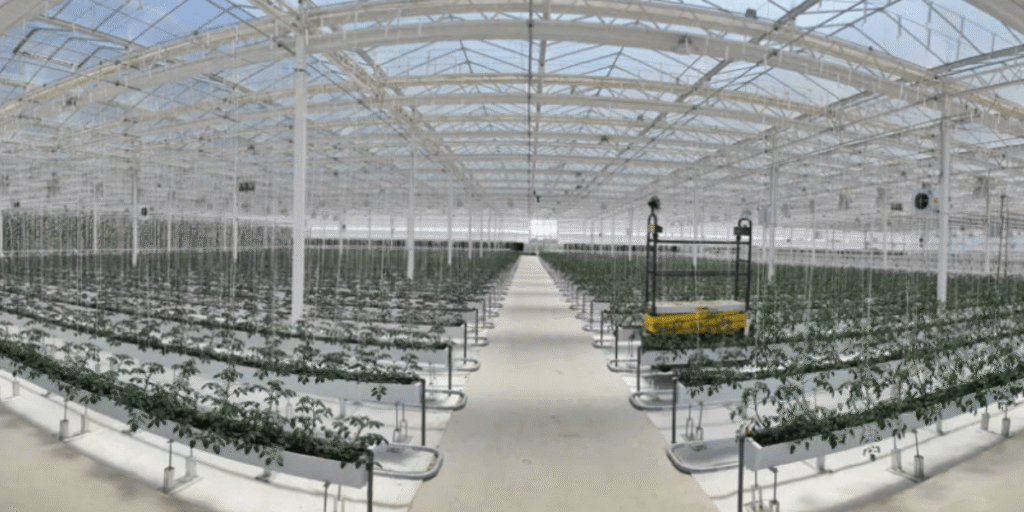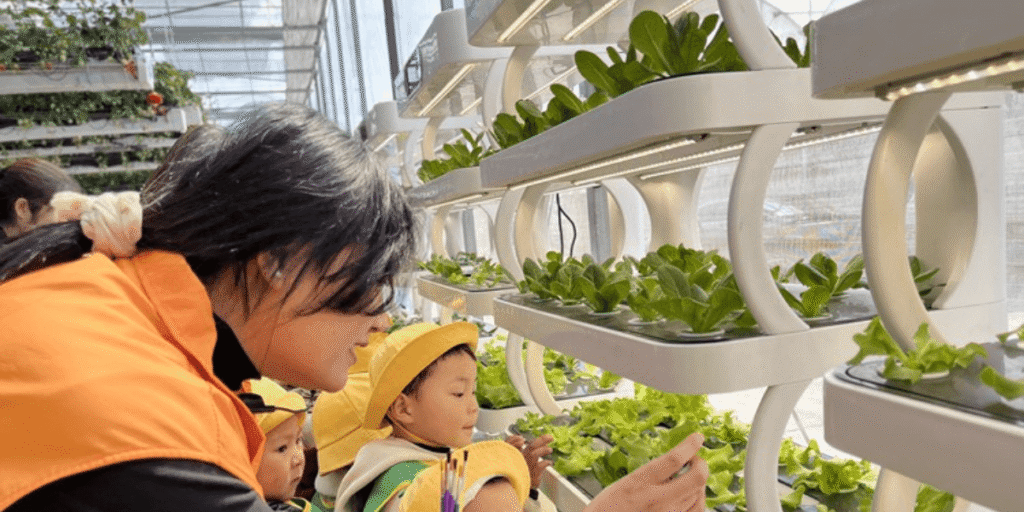


Hydroponic Commercial Greenhouse farming is quickly becoming a popular choice for urban farmers and commercial growers. As cities grow and farmland becomes harder to find, more people are looking for smart ways to grow fresh, local vegetables all year round. Whether you use polycarbonate (PC) panels or glass greenhouse structures, these systems let you grow high-quality, pesticide-free crops without needing as much water or space as traditional farming.
Because you can control temperature, humidity, and nutrients throughout the year, hydroponic greenhouses make it easier to get steady harvests and maintain consistent quality. That’s why they are ideal for anyone running a commercial farm or trying to supply fresh produce to their community.
This guide is here for anyone thinking about starting or expanding a hydroponic greenhouse business. You’ll find practical tips, cost insights, and strategies to help you grow successfully in a controlled environment.
Are You Looking to Purchase a Hydroponic or Aeroponic Commercial Greenhouse?
We understand that exploring different options and making the right decision can feel overwhelming when it comes to greenhouse projects.
That’s why our design and planning services are completely FREE.
Our top priority is to help you find the most suitable and cost-effective solution for your needs.
Do You Really Need a Hydroponic Commercial Greenhouse for Your Farming Operation?
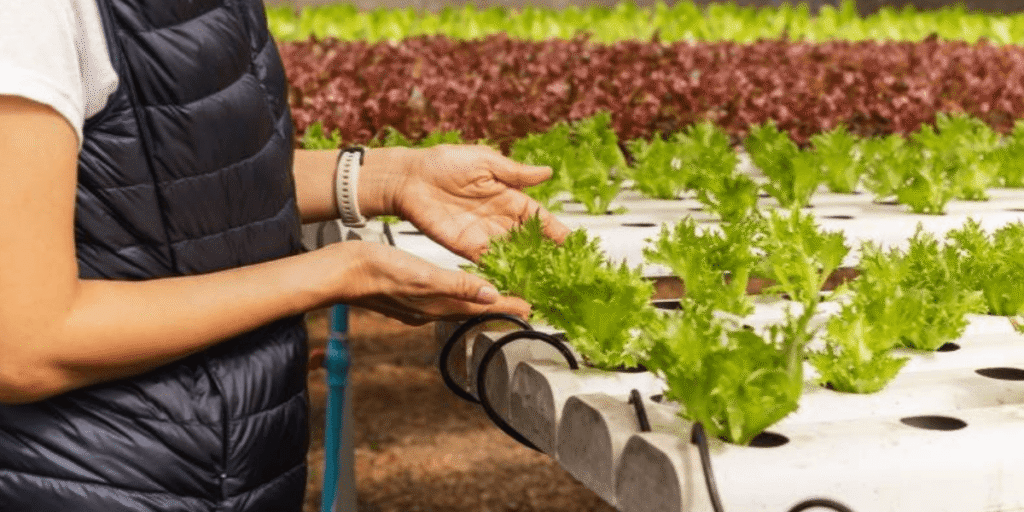
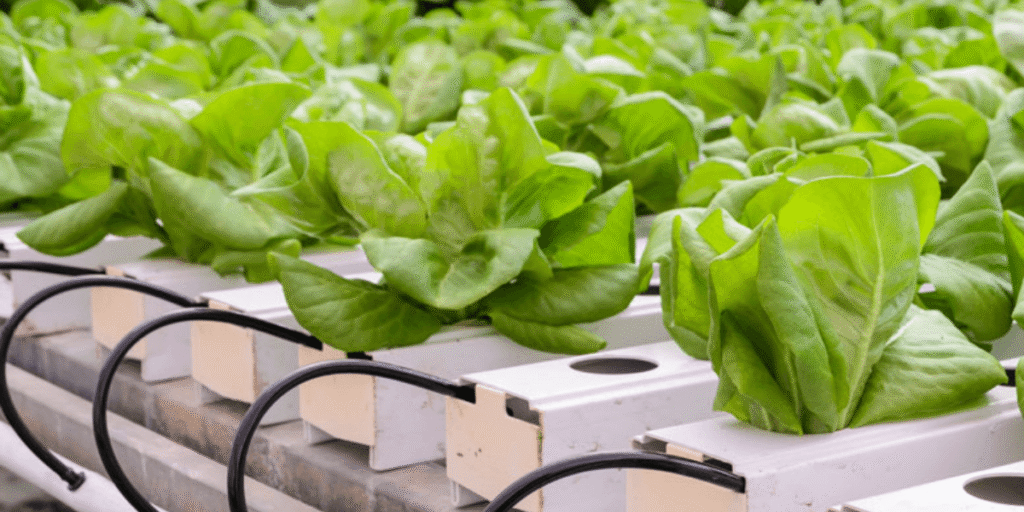
Before deciding to invest in a hydroponic greenhouse, it’s important to consider your goals, scale, and long-term vision. Hydroponic greenhouses are suitable for a wide range of users, including small personal farms, large-scale commercial producers, and research institutions seeking controlled and efficient growing environments. However, it’s often wise to begin with a smaller setup of around 100 to 300 square meters. This approach allows you to test system performance, fine-tune growing conditions, and evaluate profitability before committing to a larger investment.
For those planning commercial expansion, taking the time to assess whether your business objectives align with the advantages of hydroponic production, such as consistent yields, water efficiency, and reduced pesticide use can help ensure a successful and sustainable operation in the long run.
How Much Does It Cost to Build a Commercial Greenhouse or Hydroponic Commercial Greenhouse?
The total cost of constructing a commercial greenhouse is influenced by several key factors such as the country or region, the type of greenhouse, the materials selected, and local labor expenses. Different climate conditions, construction standards, and energy prices also contribute to wide variations in overall project budgets.
A complete hydroponic greenhouse project usually consists of two main parts: the greenhouse structure and the hydroponic system. The structure includes the frame, covering materials, and ventilation or shading components. The hydroponic system covers growing equipment, nutrient tanks, circulation pumps, irrigation lines, and LED lighting. Among all components, auxiliary equipment often represents a significant portion of the investment. Systems such as heating, cooling, and energy management are necessary for maintaining ideal growing conditions, but they also increase both the upfront cost and long-term operational expenses.
To make informed decisions, it is essential to conduct a lifecycle cost (LCC) analysis. This analysis evaluates the initial investment, operating costs, equipment depreciation, and expected return on investment (ROI) over time. By projecting costs and revenues across a ten-year period, investors can gain a clearer understanding of financial performance and payback expectations.
Since construction and operation costs vary greatly between countries, consulting a professional greenhouse supplier is the best way to obtain accurate quotations and tailored financial assessments for your specific location and project scale.
Long-Term Financial Overview of a 1,000-Square-Meter Hydroponic Commercial Greenhouse
To give a clearer picture of long-term financial planning, the following example illustrates the estimated costs and returns of a 1,000-square-meter hydroponic greenhouse. This model assumes moderate crop yields, stable market prices, and efficient energy use, helping potential investors understand how a greenhouse project typically performs over time.
At the start, the initial investment covers the greenhouse structure, hydroponic growing system, water and nutrient circulation setup, lighting, and climate control equipment, totaling approximately 650,000 USD. Once fully operational, annual revenues are expected to begin around 200,000 USD and gradually increase each year as production and sales stabilize. Operating costs, including electricity, labor, and maintenance, are estimated at about 40% of revenue in the first year and may increase slightly over time due to inflation and energy price changes.
Over a 10-year period, the greenhouse is expected to steadily move toward profitability, with cumulative cash flow turning positive around year 9. This projection provides a realistic framework for planning investment, managing costs, and estimating returns.
| Year | Revenue (USD) | Operating Cost (USD) | Depreciation (USD) | Estimated Profit (USD) | Cumulative Cash Flow (USD) |
|---|---|---|---|---|---|
| 0 | 0 | 0 | 0 | -650,000 (Initial Investment) | -650,000 |
| 1 | 200,000 | 80,000 | 65,000 | 55,000 | -595,000 |
| 2 | 210,000 | 84,000 | 65,000 | 61,000 | -534,000 |
| 3 | 220,000 | 88,000 | 65,000 | 67,000 | -467,000 |
| 4 | 230,000 | 92,000 | 65,000 | 73,000 | -394,000 |
| 5 | 240,000 | 96,000 | 65,000 | 79,000 | -315,000 |
| 6 | 250,000 | 100,000 | 65,000 | 85,000 | -230,000 |
| 7 | 260,000 | 104,000 | 65,000 | 91,000 | -139,000 |
| 8 | 270,000 | 108,000 | 65,000 | 97,000 | -42,000 |
| 9 | 280,000 | 112,000 | 65,000 | 103,000 | 61,000 |
| 10 | 290,000 | 116,000 | 65,000 | 109,000 | 170,000 |
Key Insights:
- Profit grows steadily each year as production stabilizes and market sales increase.
- Initial years show negative cumulative cash flow due to upfront investment.
- Break-even is reached around year 9, after which profits accumulate consistently.
- This realistic projection can help investors plan budgets, anticipate operational costs, and understand expected returns over time.
Is Operating a Hydroponic Commercial Greenhouse Truly Profitable?
Hydroponic greenhouses can be highly profitable, particularly when cultivating high-value crops or operating in countries and regions where arable land is limited. In such locations, the ability to produce fresh, local vegetables year-round offers a significant market advantage. Countries like Canada, the UAE, New Zealand, South Korea, Spain, and Vietnam are examples where controlled-environment agriculture can generate attractive returns due to high demand and premium prices for quality produce.
Profitability is not limited to traditional greenhouses. High-end indoor vertical farms also demonstrate strong potential, especially when combined with efficient resource management, advanced lighting systems, and optimized crop selection. With careful planning and management, hydroponic systems can deliver stable yields, reduce resource consumption, and create profitable opportunities for both commercial farmers and innovative urban growers.
Before starting a hydroponic farming project, it is essential to consider the necessary conditions for commercial cultivation.
Important Questions to Consider Before Starting a Hydroponic Commercial Greenhouse Project
- Do you have a sufficient budget for the hydroponic project?
Running a hydroponic farm usually requires a higher initial investment than a conventional greenhouse. Are there any agricultural subsidies or discounts in your area? Will you need a loan or external financing? - Is the location suitable for hydroponics?
The decision should be based on market demand and local climate conditions rather than following trends. - Do local regulations and policies support your greenhouse project?
You may need to obtain relevant permits, understand project restrictions, or secure bank approvals. - Which vegetables and fruits do you plan to grow?
Determine the crop types and production volume, and research local market prices to ensure profitability. - Do you have stable sales channels?
Profitable hydroponic greenhouses rely on reliable supply and distribution networks, such as supermarkets, wholesalers, restaurant chains, or market partners. - Are you familiar with the maintenance requirements of hydroponic systems?
Hydroponic equipment requires regular cleaning, monitoring of nutrient solutions and water quality, and timely handling of pests, diseases, or technical issues. Understanding these needs in advance reduces operational risks. - Do you have the right workforce or management team?
Hydroponic operations require skilled personnel for daily management and technical operations. A lack of trained staff can affect yields and equipment performance. - Have you considered energy and water costs?
Hydroponic greenhouses are highly dependent on electricity and water, especially for lighting and pump circulation systems. Estimating these costs beforehand helps control expenses. - Do you have a strategy to manage market fluctuations?
Vegetable prices, transportation costs, and consumer demand can change over time. Flexible cultivation and sales strategies can help mitigate risks. - Do you have a long-term development plan?
Consider whether you plan to expand production, introduce new crops, or adopt advanced technologies such as automated control systems. Clear long-term goals help guide investment and operational decisions.
Advantages and Disadvantages of a Modern Hydroponic Commercial Greenhouse
| Aspect | Disadvantages | Advantages |
|---|---|---|
| Investment | High initial investment – significant upfront capital for greenhouse structure, hydroponic systems, lighting, climate control, and auxiliary equipment. | Efficient use of land and water resources – hydroponics uses far less space and water compared to traditional farming. |
| Energy & Operation | High energy consumption – pumps, lighting, heating, and cooling systems increase electricity costs. | Controlled environment enables year-round production – temperature, humidity, and lighting can be managed precisely. |
| Management | Complex operation and management – monitoring nutrients, water quality, temperature, and pests requires skilled personnel. | High-yield and high-quality crops – optimized conditions ensure better productivity and quality. |
| Technical Requirements | High supply chain and technical requirements – reliable sourcing of seeds, nutrients, and equipment is essential. | Adaptable to extreme climates and areas with limited land – hydroponic systems can grow crops where traditional farming is difficult. |
| Risk & Strategy | Financing and risk management – investors must plan funding sources, identify risks, and develop mitigation strategies with financial modeling. | Marketing and branding – ability to build brand recognition, establish sales channels, implement pricing strategies, and leverage local market case studies. |
How to Maximize Profits in a Hydroponic Commercial Greenhouse
- Crop Selection Strategies
Choosing the right crops is the foundation for profitability. Focus on high-value crops that have strong local or regional demand. Consider growth cycles, expected yield, and market prices to ensure your production meets financial goals. - Plant High-Value Crops
High-value crops such as herbs, leafy greens, or specialty vegetables can generate higher revenue per square meter. Selecting crops with premium pricing potential helps increase overall profitability. - Efficient Management and Automation Systems
Implement modern technologies like IoT sensors, AI-controlled lighting and nutrient delivery, and automated irrigation or climate systems. Automation reduces labor costs, ensures precise environmental control, and allows the team to focus on strategic tasks. - Market Research and Sales Channel Optimization
Understand customer preferences, local competition, and price trends. Establish reliable distribution networks and direct relationships with retailers, restaurants, or wholesalers. Optimizing sales channels stabilizes revenue and improves margins. - Crop-Specific Requirements and Routine Management
Monitor and adjust key factors such as light, temperature, nutrient solution composition, crop rotation, and pest management. Follow daily and weekly routines to maintain plant health, minimize losses, and ensure consistent yields. - Integrated Digital and Data-Driven Management
Use integrated systems to collect data on environmental conditions, crop performance, and resource use. Data-driven decisions help optimize growth conditions, reduce waste, and further enhance efficiency and profitability.
By focusing on these strategies, hydroponic greenhouse operators can combine careful planning, advanced technology, and market insight to maximize profits while producing high-quality crops sustainably.
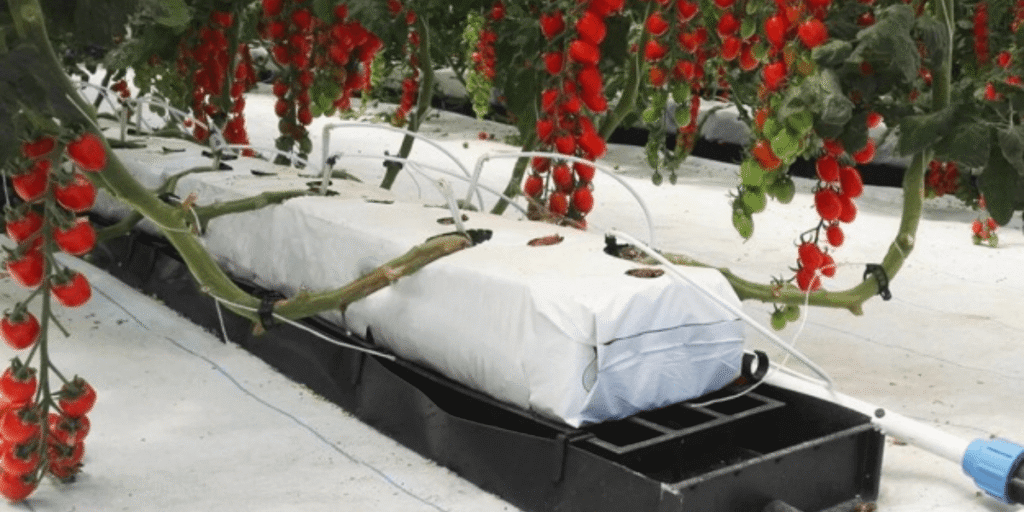
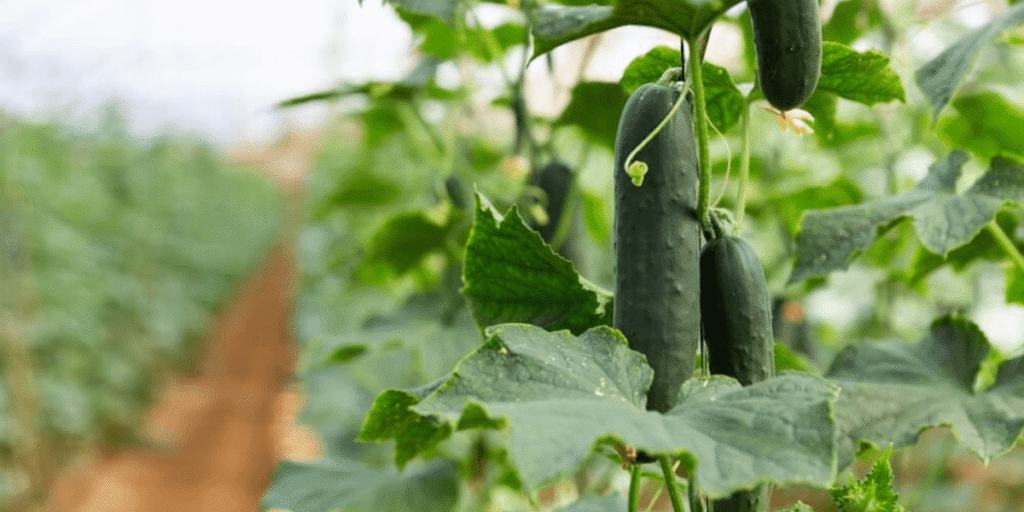
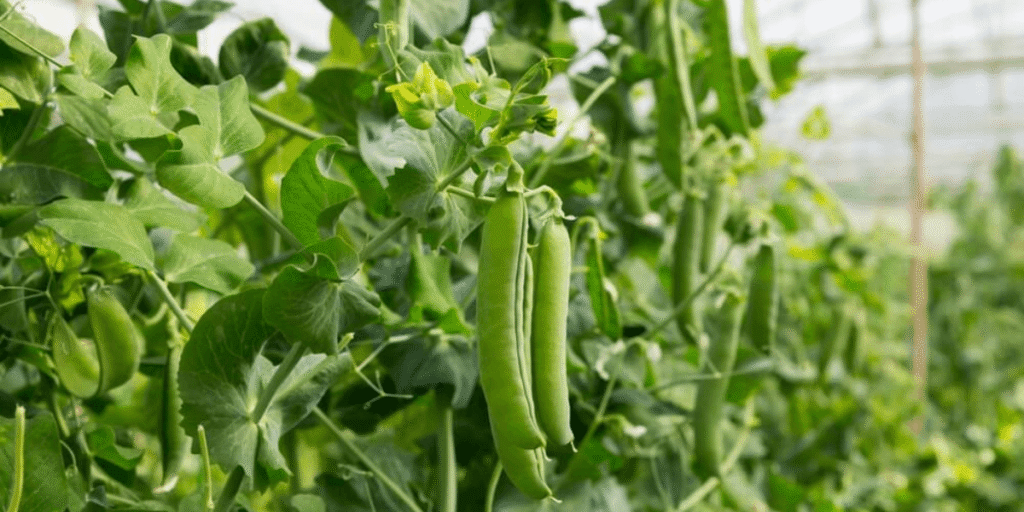
Commercial Greenhouses for Sale: Key Factors to Consider Before Choosing a Hydroponic System
Before purchasing a commercial greenhouse, it is important to carefully evaluate several key factors to ensure long-term success. The first consideration is the system type, as different hydroponic or aeroponic setups offer varying levels of automation, scalability, and crop compatibility. Selecting the right system ensures efficient operations and optimal yields.
Climate conditions and crop compatibility are equally important. Understanding how local temperature, humidity, and seasonal changes affect your chosen crops will help you select a greenhouse design that supports consistent growth throughout the year.
Assessing energy, water resources, and financial capability is also crucial. A greenhouse requires reliable electricity, water supply, and sufficient budget to cover initial investment, operational costs, and maintenance. Planning ahead helps avoid unexpected disruptions and ensures sustainable operations.
Site selection and environmental control strategies play a vital role in maximizing performance. This includes designing for climate adaptability, optimizing lighting, temperature, humidity, and ventilation, considering renewable energy sources, and incorporating resilient design features to handle potential challenges. By carefully evaluating these factors, investors can make informed decisions that balance productivity, sustainability, and profitability.
Factors to Consider When Choosing Materials and Structure for a Hydroponic Commercial Greenhouse
1️⃣ Type and Size
The greenhouse type (such as arched, tunnel, or Venlo) and overall size should match your crop requirements, production goals, and available land. Larger commercial greenhouses demand stronger structural support, while small-scale or backyard models can be simpler in design.
2️⃣ Materials
Common greenhouse materials include glass, polycarbonate (PC) panels, and polyethylene (PE) film. Each offers unique advantages: glass provides high light transmission and durability, PC panels offer better insulation and impact resistance, and PE film is lightweight and cost-effective. The final choice should balance performance, climate conditions, and budget.
3️⃣ Terrain and Foundation
Choose flat, well-drained land to ensure stability and reduce construction challenges. The foundation must support the greenhouse weight and resist moisture. Uneven terrain or poor drainage can lead to structural damage or humidity-related issues.
4️⃣ Climate and Weather Resistance
Local weather conditions—such as temperature range, humidity, wind speed, and rainfall directly affect greenhouse design. In windy or snowy regions, reinforced frames and stronger coverings are essential. Adequate ventilation and shading systems help maintain optimal growing conditions.
5️⃣ Soil and Water Conditions
A reliable water supply is essential for irrigation or hydroponic systems. Even though greenhouse systems can be built on various soil types, the area should allow for good drainage and access to clean water sources.
6️⃣ Geographical Location and Sunlight
Latitude, orientation, and nearby shading elements determine sunlight exposure. Position the greenhouse to maximize natural light, especially during winter months. In regions with intense sunlight, use diffused or UV-protective materials to prevent plant stress.
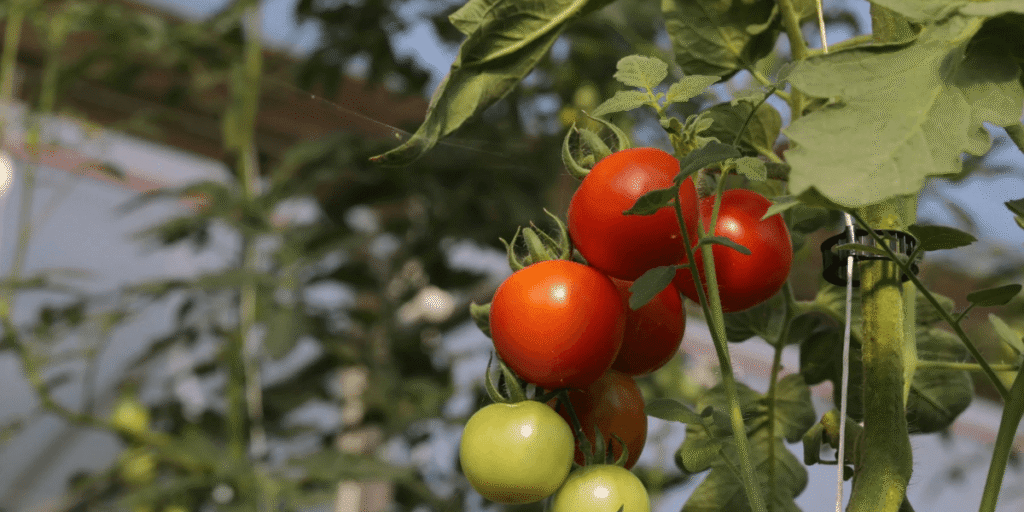
Characteristics of Glass and Polycarbonate Panels Used in Hydroponic Commercial Greenhouses
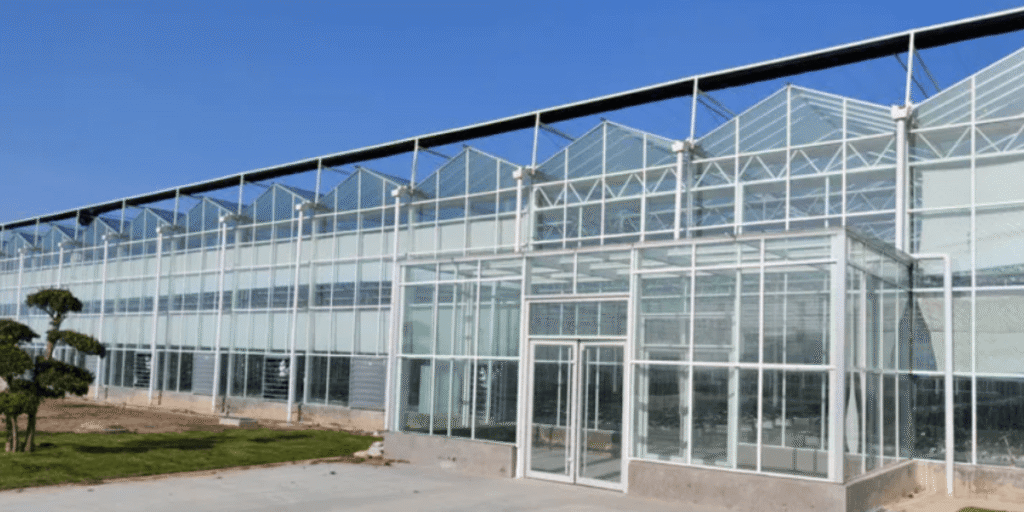
Glass and polycarbonate (PC) panels are two of the most common materials used in greenhouse construction, each offering distinct benefits for different growing needs. Glass is known for its exceptional light transmission, allowing plants to receive nearly the same quality of sunlight as in natural outdoor conditions. It provides a clear, bright environment that promotes healthy growth and is highly durable, withstanding years of use without yellowing or distortion. However, glass is heavier and more fragile, requiring a stronger frame and higher installation cost.
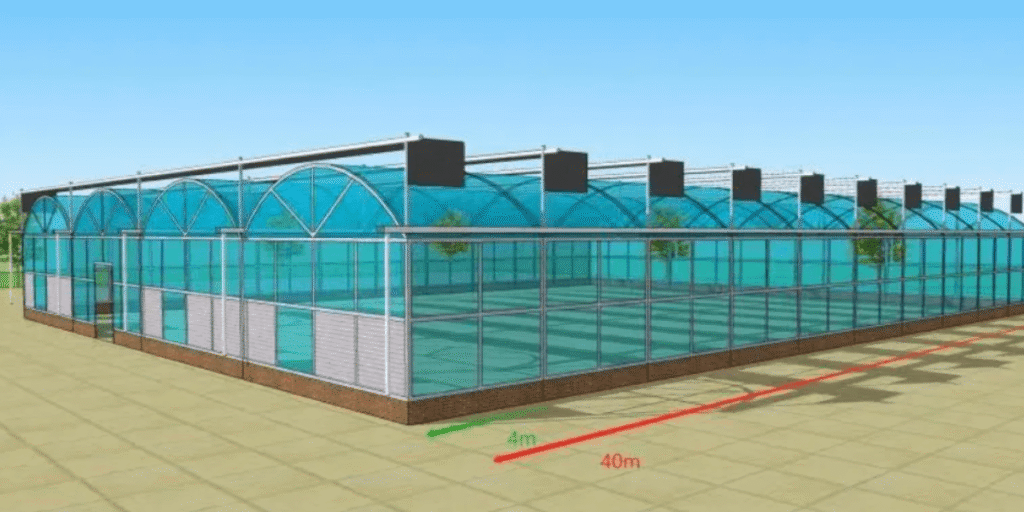
In contrast, polycarbonate panels are lightweight, impact-resistant, and offer excellent insulation properties. They help maintain a stable internal temperature by reducing heat loss during cold weather and limiting excessive heat in summer. Modern PC panels also diffuse light evenly, preventing hotspots and ensuring uniform plant growth. This makes polycarbonate an energy-efficient and safe alternative for regions with strong winds or frequent hail. Overall, glass is ideal for locations prioritizing maximum light quality, while polycarbonate suits growers seeking durability, energy savings, and year-round climate control.
Types of Greenhouse Glass Commonly Used in Commercial or Hydroponic Greenhouses
In commercial greenhouses, several types of glass are commonly used, each selected for its light transmission, strength, and energy efficiency. Clear float glass is the most traditional option, offering high transparency that allows maximum sunlight to reach the plants, which is especially beneficial for light-demanding crops. Tempered glass is another popular choice because it is much stronger than standard glass and, if broken, shatters into small, blunt pieces for safety. Many modern greenhouses also use low-iron glass, which provides even greater light transmission by reducing the green tint found in regular glass, helping plants absorb more usable light for photosynthesis. In regions with cold climates, double-glazed or coated glass is often preferred to improve insulation and minimize heat loss. Each type of glass serves a different balance between cost, durability, and energy performance, allowing growers to choose the most suitable material for their specific environmental conditions and crop requirements.
Main Characteristics of Polycarbonate Greenhouses for Hydroponic Farming
Polycarbonate greenhouses are widely valued for their strength, versatility, and excellent insulation properties. The panels are lightweight yet highly impact-resistant, making them safer and more durable than glass, especially in areas prone to strong winds or hail. Their multiwall structure traps air between layers, which helps regulate internal temperature and reduces energy loss during colder months. Polycarbonate also provides diffused light, ensuring that sunlight is evenly distributed throughout the greenhouse and preventing plant scorching. This balanced lighting environment promotes steady, uniform growth for a wide range of crops. In addition, the material blocks harmful ultraviolet rays while still allowing optimal light transmission for photosynthesis. Because of its long lifespan, ease of installation, and energy efficiency, polycarbonate has become one of the most popular materials for both commercial and hobby greenhouses.
Understanding the Structural Framework of a Hydroponic Commercial Greenhouse
The structural frame is the backbone of any greenhouse, providing the strength and stability needed to support the entire structure and withstand external forces such as wind, rain, and snow. In commercial designs, frames are commonly made from materials like galvanized steel, aluminum, or sometimes treated wood, depending on the greenhouse size and purpose. Steel frames are known for their exceptional durability and load-bearing capacity, making them ideal for large-scale or multi-span greenhouses. Aluminum is lighter and resistant to corrosion, which reduces maintenance needs and extends the structure’s lifespan. In smaller or decorative greenhouses, wood can offer a natural aesthetic, though it requires regular treatment to prevent decay. The design and spacing of the frame also affect light penetration, ventilation efficiency, and internal layout flexibility. A well-engineered frame not only supports the greenhouse covering but also contributes to its energy efficiency and long-term reliability.
Crop Demand Analysis for Different Growing Needs in a Hydroponic Commercial Greenhouse
| Crop | Temp (℃) | Light | Humidity | Irrigation | Key Tips |
|---|---|---|---|---|---|
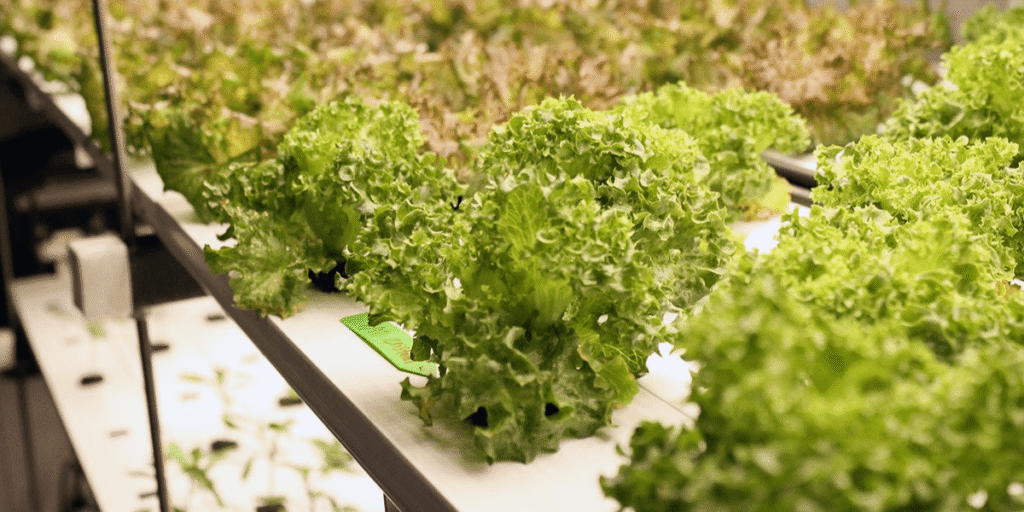
| Lettuce, Spinach | 15–22 | Moderate | High | Even watering | Avoid high temps, ensure airflow |
| Tomato | 20–28 | High | Medium | Drip/Nutrient | Supplemental light, manage temp for fruit |
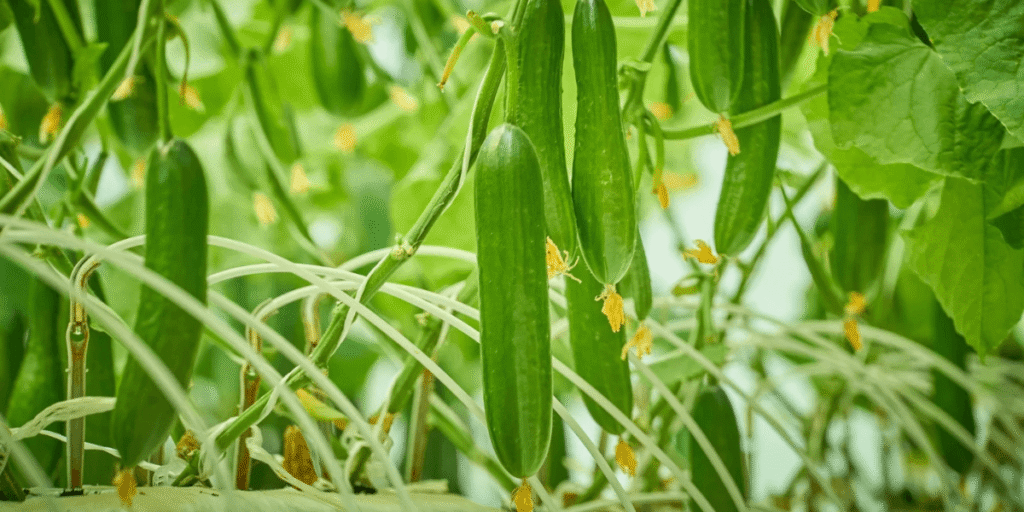
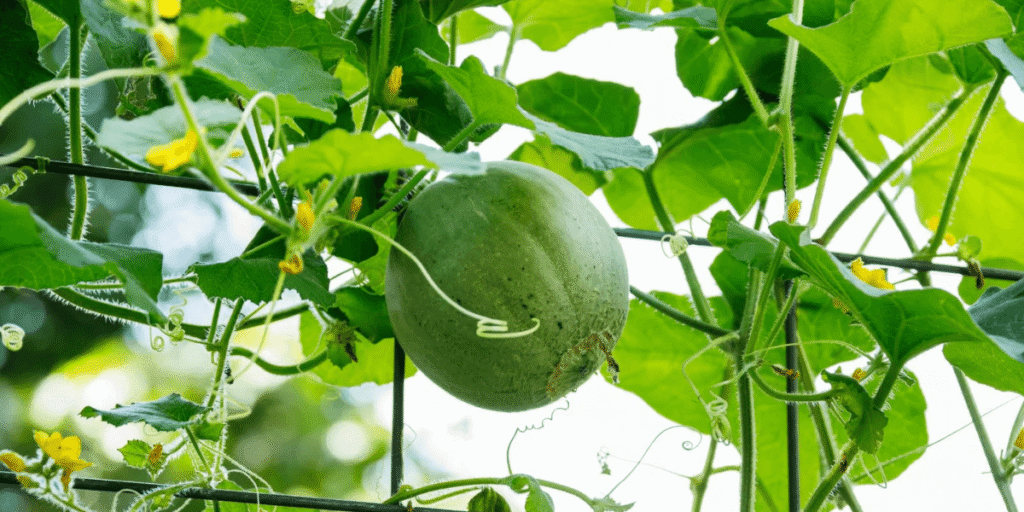
| Cucumber | 22–28 | High | Medium–High | Drip/Recirculating | Control humidity, use trellises |
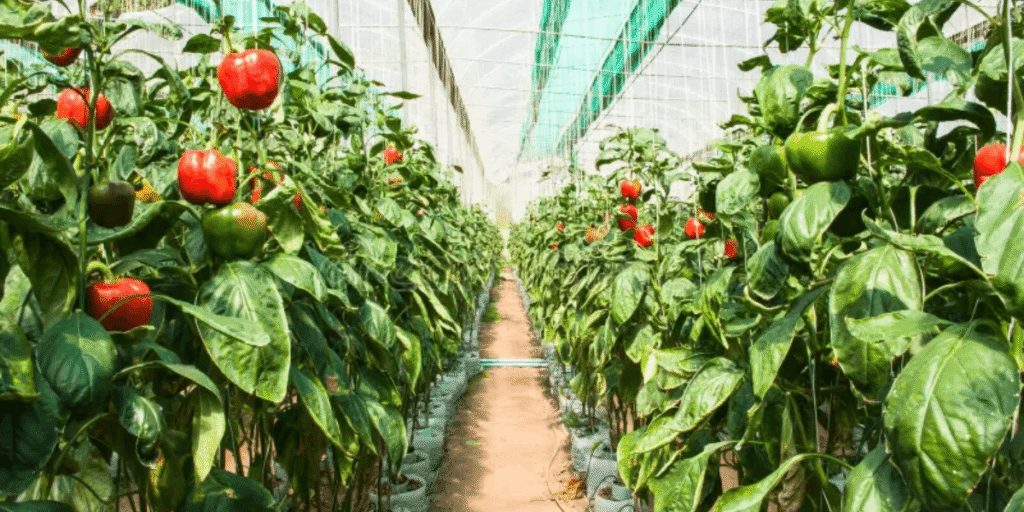
| Pepper | 20–28 | High | Medium | Drip | Protect from cold, prune for airflow |
| Basil | 18–25 | Moderate | Stable | Regular | Prevent fungal diseases, maintain airflow |
| Mint | 18–25 | Moderate | High | Even watering | Avoid waterlogging, prune to encourage branching |
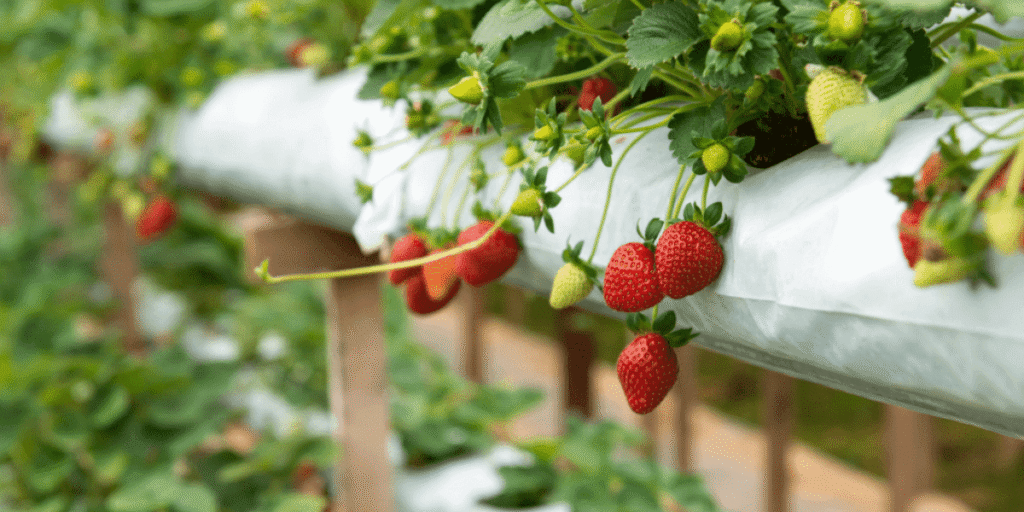
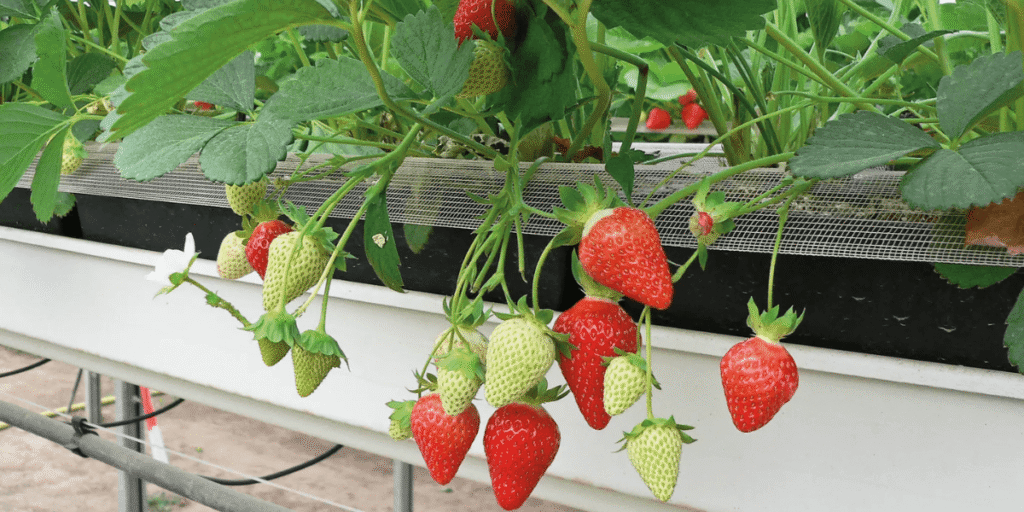
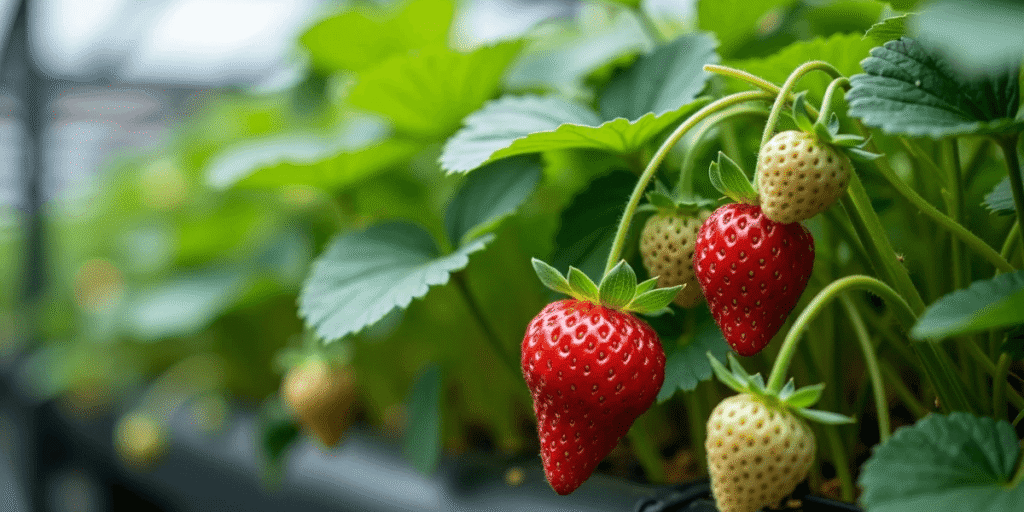
| Strawberry | 18–24 | Moderate–High | Medium–High | Drip/Spray | Control humidity for pollination, regulate temp |
| Flowering/Ornamental | Species-dependent | Specific spectrum | Suitable | Species-dependent | Adjust light, temp & humidity to enhance appearance |
Comparing Greenhouse Materials: Glass vs Polycarbonate for Hydroponic Commercial Facilities
| Property | Glass | Polycarbonate (PC) |
|---|---|---|
| Light Transmission | Very high, nearly 90% of visible light | High, typically 80–88%, with diffused light effect |
| Insulation | Low, poor thermal insulation | Excellent, multiwall panels trap air and reduce heat loss |
| Impact Resistance | Fragile, can break easily | Very high, strong and shatter-resistant |
| Weight | Heavy, requires strong frame | Lightweight, easier to handle and install |
| Durability | Long-lasting, resistant to UV and aging | Long lifespan, resistant to impact and weathering, may yellow slightly over many years |
| Cost | Higher initial cost | Moderate, generally cheaper than glass installation |
| Maintenance | Easy to clean, low maintenance | Easy to clean, occasional inspection for scratches or discoloration |
| Safety | Breaks into sharp shards | Breaks into small blunt pieces, safer |
| Applications | High light-demanding crops, commercial greenhouses needing maximum light | Regions with strong wind or hail, energy-efficient greenhouses, year-round temperature control |
How to Choose Between Glass and Polycarbonate for Your Hydroponic Commercial Greenhouse
| Factor | Considerations | Glass Greenhouse | Polycarbonate (PC) Greenhouse | Recommended Regions / Climatic Conditions | Choice Recommendation |
|---|---|---|---|---|---|
| Geographical Location | Latitude, sunlight hours | High light transmission, ideal for high-latitude or low-light areas | Lightweight and impact-resistant, suitable for windy or hail-prone areas | Northern Europe, Canada, Russia (Glass); Southeast Asia, Coastal Australia, North America Midwest (PC) | Glass for high-latitude/low-light regions; PC for areas with strong winds or hail |
| Climate | Temperature, humidity, rainfall, monsoon patterns | Performs well in temperate climates, may need extra insulation in cold regions | Resistant to heavy rain, hail, high humidity; good insulation and energy efficiency | Glass: temperate zones with moderate weather; PC: monsoon or high-humidity regions | Glass in stable temperate climates; PC in humid, rainy, or storm-prone regions |
| Crop Type | Light-demanding vs hardy crops | Best for crops requiring maximum sunlight | Suitable for most crops, especially where temperature stability and impact resistance are priorities | Glass: light-demanding crops; PC: most vegetables, herbs, and fruiting crops | Glass for sun-loving crops; PC for versatile crop production |
| Greenhouse Size | Small, medium, large-scale | Heavier, large-scale requires strong frame | Lightweight, modular or large-scale easier to install | Glass: commercial large-scale; PC: small to large modular systems | Glass for large, permanent structures; PC for modular or medium-to-large greenhouses |
| Energy Efficiency | Heating and cooling needs | Poor insulation, may require extra heating | Excellent insulation, reduces heating/cooling costs | Cold regions: PC preferred for energy saving; temperate regions: both suitable | Glass if energy cost is not a concern; PC if energy efficiency is important |
| Maintenance & Safety | Durability, cleaning, breakage risk | Long-lasting, easy to clean, fragile, sharp shards when broken | Durable, shatter-resistant, safer, occasional inspection | Glass: regions with mild wea ther; PC: windy or hail-prone regions | Glass in mild conditions; PC where safety and durability under extreme weather are priorities |
Essential Auxiliary Equipment for Commercial Greenhouses and Hydroponic Systems
1. Mechanical Ventilation
Mechanical ventilation uses fans and vents to circulate air inside the greenhouse. This helps maintain a stable temperature, prevent overheating, and reduce humidity, which lowers the risk of fungal diseases and promotes healthy plant growth.
2. Natural Ventilation
Roof vents, side vents, and louvered openings allow hot air to escape naturally while drawing in fresh air from outside. This passive system works energy-efficiently and complements mechanical ventilation, especially during mild weather.
3. Shading Systems
Shading systems, such as retractable shade cloths or reflective coatings, control the intensity of sunlight entering the greenhouse. They protect crops from leaf burn, reduce heat stress, and create optimal conditions for photosynthesis.
4. Irrigation Systems
Irrigation ensures plants receive the right amount of water and nutrients. Common systems include drip irrigation, sprinklers, and hydroponic nutrient delivery. Proper irrigation supports uniform growth, improves yields, and conserves water.
5. CO₂ Enrichment
Carbon dioxide is essential for photosynthesis. CO₂ enrichment systems introduce additional CO₂ into the greenhouse to boost plant growth. Maintaining optimal levels can accelerate growth rates and improve overall crop yield.
6. Environmental Monitoring Systems
Monitoring systems track key parameters such as temperature, humidity, CO₂ concentration, and light levels in real time. By analyzing this data, growers can make timely adjustments to maintain ideal growing conditions throughout the day.
7. Heating Systems
Heating systems, including hot water pipes, gas heaters, or electric heaters, provide precise temperature control, particularly in cold climates or during winter months. Consistent warmth ensures sensitive crops continue to grow efficiently year-round.
8. Solar Energy and Automated Control Systems
Solar energy can power ventilation fans, heating units, and supplemental lighting, reducing energy costs and improving sustainability. Advanced control systems integrate all greenhouse equipment, allowing automated management of temperature, humidity, CO₂, irrigation, and lighting for maximum efficiency.
How to Communicate Effectively With Hydroponic Commercial Greenhouse Suppliers
If you want to quickly set up a commercial hydroponic greenhouse but do not know where to start, the best approach is to discuss the input-output ratio and expected yield with your supplier. This is important because, regardless of your purpose, whether it is personal use, production for sale, or experimental research, you ultimately need to consider investment and revenue goals.
What is the maximum budget you are willing to allocate for building a greenhouse?
Over how many years do you plan to recover your investment and start making a profit?
How much yield do you need to achieve this goal?
These questions are a good starting point. They can guide you in obtaining information on pricing, equipment details, and technical solutions.
Once your goals and requirements are clear, you can communicate more effectively with suppliers. If you plan to procure hydroponic greenhouse equipment from China, you can follow several steps to discuss procurement with suppliers.
Step 1: Defining Clear Construction Goals for Your Hydroponic Commercial Greenhouse
First, clarify the specific goals for your greenhouse construction.
- Do you intend the greenhouse primarily for personal use, commercial production, or research purposes?
- What is your available budget and investment limit?
- What scale of operation are you planning, and how large does the greenhouse need to be?
- Which crops do you plan to grow, and are your choices based on market demand, taste preferences, or profit considerations
Understanding the reasons behind these choices is crucial, as it helps you estimate the required yield, market prices, and whether your profit expectations are achievable.
At the same time, you should also consider local environmental conditions and personal requirements.
- If water is limited, do you need a water-saving cultivation system or purification equipment?
- Is automation essential for reducing labor costs and improving efficiency?
- Does the greenhouse require additional energy support, such as solar power or supplemental heating?
- Do suppliers provide installation services and ongoing technical support?
Step 2: Providing Farm Information for Customized Hydroponic Greenhouse Design
When communicating with suppliers, it is essential to provide detailed information about your farm, including its size, type, production requirements, and climate conditions. This information should cover the types of crops you plan to grow, greenhouse area, expected yield, annual high and low temperatures, as well as average temperature, wind speed, and the materials required for the greenhouse.
Having these specific details allows suppliers to offer suitable solutions and provide accurate quotations. The importance of each type of information is as follows:
Farm size and type – The greenhouse area and farm type form the foundation for greenhouse design and internal layout, directly influencing facility arrangement and cultivation system planning.
Crop types and production requirements – Different crops have varying requirements for space, light, temperature, humidity, and irrigation. Yield targets can affect the choice of cultivation system and greenhouse layout, such as increasing vertical planting height or customizing systems to improve production frequency.
Climate conditions – Including temperature ranges, wind speed, rainfall, and geographic location. Environmental factors determine the choice of greenhouse materials, such as panel thickness, greenhouse height, span, number of openings, as well as the required number of fans and type of shading systems.
Expected crops and yield – Clearly specifying the crops and their expected yield helps suppliers recommend targeted cultivation systems and auxiliary equipment, ensuring efficient greenhouse operation and achieving the desired production levels.
Step 3: Requesting Detailed Design Proposals and Pricing for Hydroponic Greenhouses
Once you have provided detailed information about your farm, the next step is to request design and pricing quotes from suppliers. Suppliers can use your farm’s specifications, production requirements, and climate conditions to create a customized greenhouse design and recommend the most suitable hydroponic systems and auxiliary equipment. When requesting quotes, be clear about your expectations regarding greenhouse size, materials, automation, and energy requirements. Providing comprehensive information upfront allows suppliers to deliver accurate quotations, helps you compare different solutions, and ensures that the proposed design meets both your production goals and budget.
Step 4: Optimizing the Greenhouse Plan or Rejecting Unsuitable Project Options
After reviewing design proposals and pricing quotes, it is important to carefully evaluate each option against your farm’s requirements, budget, and production goals. If a proposed solution does not meet your needs or is not cost-effective, consider either optimizing the plan or abandoning the project altogether. Optimization may include adjusting greenhouse size, changing materials, modifying the cultivation system, or selecting alternative equipment to better fit your objectives. Being flexible and realistic ensures that your investment is efficient, reduces unnecessary costs, and maximizes the chances of a successful hydroponic operation.
Commonly Overlooked Information When Planning a Hydroponic Commercial Greenhouse
1. Installation and After-Sales Service
Confirm whether the supplier provides local installation and ongoing technical support. Proper installation and reliable after-sales service ensure that your greenhouse operates efficiently and that any issues are resolved quickly.
2. Policy Restrictions and Government Regulations
Be aware of local regulations that may affect greenhouse construction, water usage, or crop production. Understanding policy restrictions helps avoid legal issues and ensures compliance.
3. Seedling Provision
Clarify whether the supplier provides seedlings or if you will need to propagate your own. This factor can significantly impact operational planning, timelines, and overall costs.
4. Other Potential Issues
Consider additional factors such as transportation logistics, seasonal limitations, maintenance requirements, or unforeseen environmental challenges that could affect your greenhouse operation.
Sustainability and Future Trends in Hydroponic Commercial Greenhouse Development
1. Recirculating Hydroponics and Closed-Loop Systems
Recirculating hydroponic systems and closed-loop designs are gaining popularity for their ability to conserve water and nutrients. By reusing water and reducing waste, these systems improve sustainability and reduce operational costs.
2. Carbon Reduction and Energy-Saving Technologies
Modern greenhouse operations increasingly adopt energy-efficient solutions, including LED lighting, solar panels, and climate control systems. Reducing carbon emissions and optimizing energy use are becoming key priorities for environmentally responsible farming.
3. Hybrid Vertical Farm + Greenhouse Models
Combining vertical farming with traditional greenhouse structures allows growers to maximize space efficiency, increase yield per square meter, and integrate multiple crop cycles in a single facility. This hybrid approach addresses both urban and rural farming challenges.
4. Emerging Markets and Urban Agriculture Trends
Urban agriculture and emerging markets are driving demand for local, fresh, and sustainable produce. The expansion of city-based farming initiatives and new market opportunities encourages innovative greenhouse solutions tailored to high-density environments.
5. Technology Innovation Outlook: AI, Robotics, Smart Monitoring
The future of greenhouse farming is increasingly technology-driven. Artificial intelligence, robotics, and smart monitoring systems allow growers to optimize irrigation, nutrient delivery, and climate control, enhancing productivity, reducing labor, and supporting precision agriculture practices.
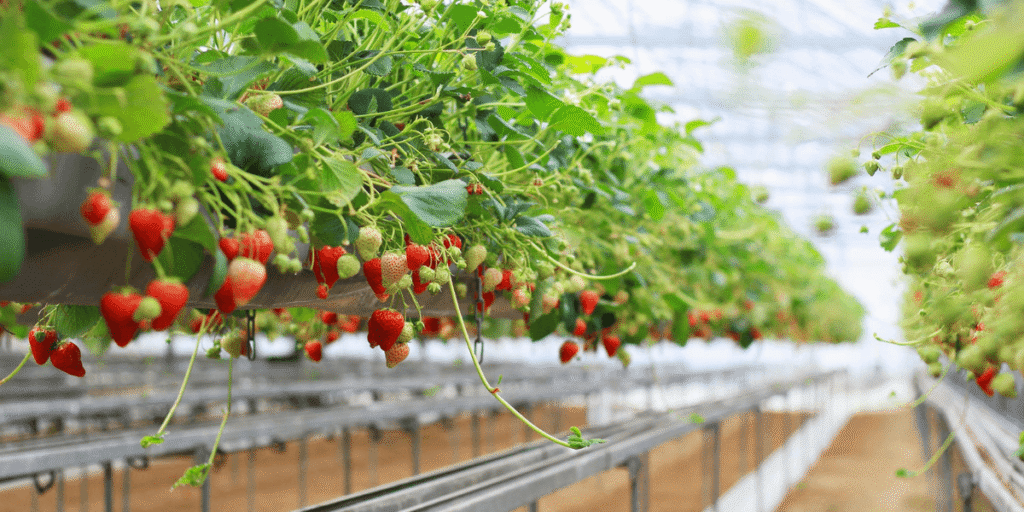
Practical Action Guide for Building a Hydroponic Commercial Greenhouse
Five Key Tasks for Selecting the Best Site for Your Hydroponic Greenhouse Project
- Assess Local Climate Conditions
Evaluate temperature ranges, rainfall, humidity, wind patterns, and seasonal variations. Understanding the local climate helps determine the suitable greenhouse design, crop selection, and necessary climate control systems. - Evaluate Water and Energy Availability
Check the availability, quality, and reliability of water sources. Assess access to electricity or alternative energy options like solar power. These factors directly impact operational feasibility and cost. - Analyze Land or Soil Suitability
Even for hydroponics, the quality and stability of the land are important for greenhouse construction, drainage, and infrastructure installation. Ensure the site can support the structures and any additional facilities. - Consider Transportation and Logistics
Evaluate access to roads, proximity to suppliers, and market locations. Efficient logistics reduce operational costs and help ensure timely delivery of inputs and harvests. - Research Local Market Demand
Investigate the demand for intended crops, market prices, and competition. Understanding the local market ensures that your production aligns with consumer needs and maximizes profitability.
Initial Budget Template for Hydroponic Commercial Greenhouse Projects
| Category | Description | Estimated Cost | Notes |
|---|---|---|---|
| Greenhouse Construction | Structure, panels, foundation, doors, ventilation | $ | Specify material type and size |
| Hydroponic Systems | Nutrient tanks, pumps, pipes, trays | $ | Include type (NFT, DWC, Dutch bucket, etc.) |
| Auxiliary Equipment | Lighting, fans, shading, sensors | $ | Energy-saving options recommended |
| Seeds/Seedlings | Initial planting materials | $ | Include quantity and crop type |
| Labor | Installation and operational labor | $ | Estimate hours or staff needed |
| Energy & Utilities | Electricity, water, heating | $ | Monthly average or setup cost |
| Maintenance & Repairs | Routine maintenance and spare parts | $ | Include contingency budget |
| Operational Expenses | Nutrients, pest control, packaging | $ | Consumables over initial period |
| Miscellaneous | Permits, transportation, unexpected costs | $ | Any other anticipated costs |
| Total | $ | Sum of all estimated costs |
Supplier Communication Checklist for Hydroponic Greenhouse Procurement
1. Greenhouse Design & Specifications
Confirm the type of greenhouse structure, materials, dimensions, and layout options. Ask if custom designs are possible to meet your farm’s specific needs.
2. Hydroponic and Cultivation Systems
Clarify which hydroponic systems are offered (NFT, DWC, Dutch bucket, etc.) and their compatibility with your intended crops. Discuss nutrient delivery, irrigation, and automation options.
3. Auxiliary Equipment
Verify the availability of lighting, fans, shading systems, climate control, sensors, and other auxiliary equipment. Confirm energy efficiency and compatibility with your farm’s conditions.
4. Installation Services
Ask if local installation is included, what is covered, and the timeline for setup. Confirm whether technical staff will be available during installation.
5. After-Sales Support
Check the terms of warranty, maintenance services, spare parts availability, and remote support options. Understand how suppliers handle troubleshooting and emergencies.
6. Pricing and Payment Terms
Request a detailed quotation including all equipment, shipping, installation, and optional services. Clarify payment schedules, currency, and any applicable taxes or duties.
7. Delivery and Logistics
Confirm shipping methods, lead times, customs handling, and delivery locations. Discuss how fragile or sensitive equipment is packaged and insured during transit.
8. Regulatory Compliance
Ensure the supplier’s products meet local regulations and standards. Ask about necessary certifications or documentation for import/export if applicable.
9. References and Case Studies
Request examples of similar projects, client references, or case studies. This helps assess supplier reliability and the quality of past installations.
Contact Professional Suppliers for Customized Hydroponic Commercial Greenhouse Solutions
When planning your greenhouse or hydroponic farm, it is important to communicate directly with suppliers to obtain customized solutions tailored to your farm’s size, climate, and production goals. Many suppliers offer free design and planning services, helping you visualize the layout, select suitable systems, and estimate costs before committing to a project.
For new projects, it is recommended to start with a small-scale pilot. This allows you to test the design, optimize operational procedures, and gradually expand to full commercial production with minimized risk and better resource management.
Are You Ready to Start Your Hydroponic Commercial Greenhouse Growing Plan?
Ready to start your own hydroponic greenhouse?
Define your goals first: what crops will you grow, your expected yields, and your farm’s size. Consider your climate, water availability, labour, and energy needs these factors will guide your system setup and equipment choices.
Start small with a pilot, test your setup, and scale gradually. Ensure your supplier offers installation and after-sales support, it can make all the difference!
Our recommended starter tools:
🔗 Hydroponic Lettuce Kit – Easy to set up, stable growth, high yield
🔗 pH & EC Meter – Keep your nutrient balance perfect
🔗 Indoor Growing Kit – Ideal for small indoor gardens
Greenfuturehydro makes hydroponics simple with modular systems, efficient irrigation, and user-friendly designs. Whether it’s your first garden or a commercial greenhouse, we help your plants thrive and your harvests flourish.
Need advice? Contact us at info@greenfuturehydro.com or +86 13487543942. Follow @Greenfuturehydro on Instagram for tips, stories, and real grower experiences.
Related Articles on Hydroponic Commercial Greenhouses and Controlled Environment Farming
- Dutch Bucket Tomato Growing Guide
- Dutch Bucket vs DWC: Which Hydroponic System Is Right for You?
- Dutch Bucket Hydroponics: What It Is and Why Growers Love It
- Kids, Hydroponic Plants, and a Bright Tomorrow