
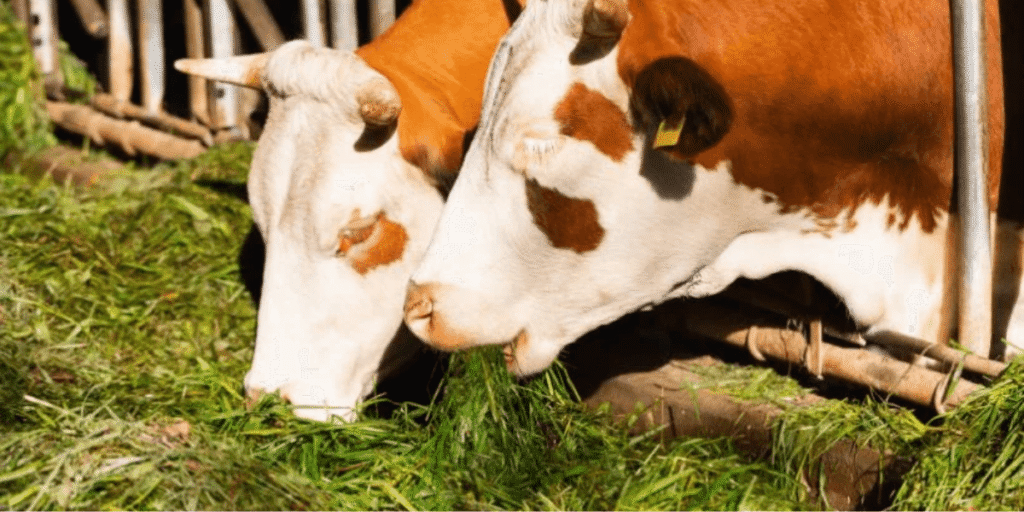
Fodder Supports Animal Immunity by providing fresh, nutrient rich feed that strengthens livestock health from the inside out. Hydroponic fodder is becoming increasingly popular on dairy farms, sheep farms, poultry operations, and diverse livestock systems worldwide. Farmers value it for its consistent supply of high quality green feed throughout the year, even in harsh climates or during feed shortages. As production costs rise and animal health becomes a top priority, more farms are turning to hydroponic fodder as a reliable way to improve daily nutrition and overall herd or flock performance.
Improving immunity is now recognized as one of the most effective strategies for reducing disease outbreaks, lowering veterinary expenses, and supporting stronger productivity, including higher milk output, better meat quality, and eggs with stronger shells. This article explores how hydroponic fodder, with its excellent nutrient density, enhanced digestibility, and lower risk of contamination, offers a natural and powerful solution for strengthening the immune system of livestock and supporting long term farm sustainability.
Foundations of How Fodder Supports Animal Immunity
How Fresh Fodder Supports Both Innate and Adaptive Immunity
Innate Immunity
- The first line of defense that responds immediately to pathogens.
- Includes physical barriers such as the skin and mucous membranes.
- Involves white blood cells and macrophages that quickly identify and attack harmful microorganisms.
Adaptive Immunity
- Develops more slowly and becomes stronger over time.
- Involves the production of antibodies that target specific pathogens.
- Creates immune memory, allowing the body to respond faster and more effectively during future exposures.

Why Nutritious Fodder Supports Animal Immunity Against Deficiencies
- Insufficient protein can reduce antibody production, limiting the animal’s ability to fight infections effectively.
- Deficiency in essential trace minerals such as zinc, selenium, and iron can lower white blood cell activity, weakening the immune response.
- Exposure to toxins from moldy hay or contaminated grains can suppress overall immune function and interfere with metabolic processes, making animals more vulnerable to disease.
Learn more about the active nutritional benefits of hydroponic fodder and how it can support your animals’ overall health and immunity.
How Gut-Friendly Fodder Supports Animal Immunity Naturally
- Most immune cells are located in the gut with approximately 70% of an animal’s immune system concentrated in the gut-associated lymphoid tissue.
- Highly digestible feed supports immunity by reducing the digestive burden, allowing the body to allocate more energy and resources to maintain strong and effective immune defenses.
Key Ways Hydroponic Fodder Supports Animal Immunity
Vitamin-Rich Fodder Supports Animal Immunity and Cell Defense
- Vitamin A helps maintain healthy skin and mucous membranes, enhancing the animal’s resistance to pathogens.
- Vitamin C boosts the activity of phagocytic cells and supports recovery from stress, contributing to stronger immunity.
- Vitamin E acts as a powerful antioxidant, protecting cells from damage caused by free radicals.
- Sprouting increases antioxidant enzymes such as SOD and CAT, which further help reduce oxidative stress and support overall immune function.
How Enzyme-Active Fodder Supports Animal Immunity Through Better Digestion
- Sprouting produces active enzymes such as amylase, lipase, and protease, which help break down carbohydrates, fats, and proteins more efficiently.
- Improved digestibility reduces the burden on the digestive system, allowing animals to allocate more energy to immune function.
- Especially beneficial for young animals such as calves, lambs, and rabbits, supporting healthy growth and stronger immunity.
Mineral-Dense Fodder Supports Animal Immunity and Metabolism
- Sprouting increases the bioavailability of minerals, making them easier for animals to absorb and utilize.
- Zinc (Zn) is a key factor in enhancing immune function and supporting overall health.
- Selenium (Se) provides antioxidant protection and helps reduce inflammation.
- Iron (Fe) is essential for maintaining healthy blood and supporting the activity of immune cells.
Fiber-Rich Fodder Supports Animal Immunity by Enhancing Digestion
- Supports intestinal motility, helping food move efficiently through the digestive tract.
- Reduces the risk of constipation and enteritis, promoting overall digestive health.
- Improved fecal quality indicates a healthy gut microbiome, which is closely linked to stronger immune function.
Clean, Controlled Fodder Supports Animal Immunity With Safer Nutrition
- Traditional grains often contain aflatoxins, which can harm animal health and suppress immunity.
- Hydroponic systems provide a controlled growing environment, minimizing the risk of contamination.
- Reducing exposure to toxins protects the liver and supports the immune system, helping animals stay healthier and more resilient.

How Hydroponic Fodder Supports Animal Immunity Across Species
How Fodder Supports Animal Immunity and Milk Quality in Dairy Cows
Feeding hydroponic fodder to dairy cattle provides significant health and productivity benefits. It can reduce the incidence of mastitis by supporting udder health and strengthening the animals’ natural defenses. The nutrient-rich, highly digestible fodder also promotes faster recovery of the immune system after stress or illness, helping maintain consistent milk production and overall herd vitality.
In addition, hydroponic fodder improves heat tolerance by supplying essential vitamins, minerals, and antioxidants. This helps cows cope more effectively with heat stress and prevents the decline in immune function that often occurs during high temperatures. By enhancing immunity, supporting milk yield, and improving stress resilience, hydroponic fodder becomes an essential component of modern dairy farming practices.
Hydroponic Fodder Supports Animal Immunity in Ruminants
Feeding hydroponic fodder to meat and dairy goats, as well as sheep, can enhance their natural resistance to parasites, helping maintain overall health. It also contributes to a shinier coat, which reflects improved blood circulation and stronger immune function. Additionally, animals experience reduced stress responses during events such as regrouping or transportation, supporting both their physical well-being and productivity.
Green Fodder Supports Animal Immunity and Egg Production in Poultry
Feeding hydroponic fodder to poultry helps improve gut microbiome balance, which reduces the risk of infections such as Salmonella. It also strengthens the birds’ resistance to viruses, including common respiratory diseases, supporting overall health. In addition, hydroponic fodder contributes to better eggshell quality and more consistent egg production, enhancing both productivity and flock well-being.
Fresh Hydroponic Fodder Supports Animal Immunity in Equines
Feeding hydroponic fodder to horses can enhance recovery after training or transportation by providing highly digestible nutrients that support overall energy and immune function. It also helps reduce the risk of digestive issues such as gastric ulcers and colic, promoting better gut health. Additionally, hydroponic fodder contributes to improved skin condition and stronger hooves, reflecting enhanced overall health and resilience.
Tender Fodder Supports Animal Immunity in Small Herbivores
Feeding hydroponic fodder to rabbits can reduce the risk of digestive problems and coccidiosis, supporting overall gut health. It also promotes the well-being of breeding females, ensuring stronger reproductive performance and healthier offspring. This nutrient-rich, easily digestible feed is especially suitable for highly sensitive animals, serving as a natural way to stabilize and strengthen their immune system.
How to Ensure Fodder Supports Animal Immunity Effectively
Clean Growing Systems Help Fodder Support Animal Immunity Safely
- Prevent mold, bacteria, and algae growth by keeping all components of the hydroponic system dry when not in use and avoiding stagnant water. Proper ventilation and controlled humidity levels are also essential to minimize microbial contamination, ensuring the fodder remains fresh and safe for animal consumption.
- Regularly clean trays and disinfect the spray or irrigation system to remove leftover seed particles, biofilm, and other residues that can harbor harmful microorganisms. Use food-safe disinfectants and follow a consistent cleaning schedule to maintain optimal hygiene throughout the growing cycle.
- Use filtered or low-TDS water to reduce impurities and mineral buildup that may encourage microbial growth. High-quality water not only prevents contamination but also supports consistent fodder growth, nutrient availability, and overall animal health. Regularly monitoring water quality is key to maintaining a safe and productive hydroponic system.
Balanced Ratios Ensure Fodder Supports Animal Immunity Without Stress
- Dairy cattle: Hydroponic fodder can account for 15 to 25 percent of the total daily ration. This provides additional fresh nutrients and bioactive compounds without replacing the essential fiber needed for rumen health. Gradually introducing fodder helps cows adapt to the new feed while supporting milk production and immune function.
- Meat and dairy sheep: Feeding 10 to 20 percent of their daily ration as hydroponic fodder supports growth, enhances nutrient absorption, and strengthens immune defenses. Maintaining the balance with traditional roughage ensures proper rumen fermentation and digestive stability.
- Poultry: Incorporate 5 to 10 percent of daily feed as hydroponic fodder. This small but nutrient-rich portion helps improve gut microbiome balance, enhances resistance to common pathogens, and supports more consistent egg production and shell quality.
- Horses: Hydroponic fodder can replace up to 20 to 30 percent of green feed. It provides digestible fiber, essential vitamins, and minerals that support energy levels, improve recovery after training or transportation, and maintain healthy skin and hooves.
- Young animals: Begin with small amounts, around 50 to 100 grams per day, and gradually increase as their digestive systems adapt. This careful approach minimizes digestive stress while providing concentrated nutrients to support healthy growth and stronger immune function.

Slow Transition Helps Fodder Support Animal Immunity Smoothly
A slow and gradual introduction of hydroponic fodder is essential to prevent digestive problems such as indigestion, bloating, or diarrhea. Start with small amounts and progressively increase the portion over several days, allowing the digestive system to adapt to the new feed. During this transition, closely monitor fecal consistency, appetite, and overall behavior, as these indicators reflect gut health and general well-being. A careful approach ensures that animals can fully benefit from the nutrient-rich fodder without experiencing stress or digestive upset.
Balancing Dry Matter Ensures Fodder Supports Animal Immunity Consistently
When introducing hydroponic fodder into the diet, it’s essential to maintain a proper balance of dry matter to support healthy digestion in ruminants. Because hydroponic fodder contains high moisture and relatively low dry matter, replacing too much of the traditional feed can disrupt rumen acidity, potentially leading to bloating, reduced rumination, or a drop in appetite. For this reason, hydroponic fodder should not replace 100% of the roughage in the diet. High-fiber feeds such as hay or silage remain crucial for maintaining rumen function. A gradual transition and balanced diet formulation are key to achieving optimal nutrition while keeping the rumen environment stable and healthy.
How to Track Whether Fodder Supports Animal Immunity and Performance
1. Improved Milk Output Shows How Fodder Supports Animal Immunity
Monitor daily milk yield closely, as it is one of the most direct indicators of nutritional adequacy. When hydroponic fodder is properly balanced with dry matter and fiber, many dairy cows and goats show stable or slightly improved milk production due to better digestibility and nutrient availability. However, sudden drops in milk yield may signal an imbalance in the ration often related to insufficient fiber, rapid dietary changes, or rumen upset. Consistent tracking over 1–2 weeks can help determine whether the new feeding strategy is supporting optimal lactation.
2. Stronger Eggshells Reflect How Fodder Supports Animal Immunity in Poultry
Eggshell quality reflects both mineral intake and overall metabolic health. When switching to hydroponic fodder, observe whether eggshells become thinner, more fragile, or show uneven texture. Strong, uniform shells indicate that calcium and other essential minerals remain adequate. If shell strength declines, it may be necessary to adjust mineral supplementation or ensure the birds are still receiving enough traditional feed components rich in calcium.
3. Shinier Coats Indicate Fodder Supports Animal Immunity and Health
A shiny, smooth coat is a reliable indicator of good nutrition and digestive balance. Hydroponic fodder often enhances coat brightness because it provides fresh enzymes, chlorophyll, and bioavailable vitamins. If the coat becomes dull, rough, or shows excessive shedding, it may indicate issues such as protein imbalance, vitamin deficiency, or digestive stress caused by too rapid a dietary transition. Regular grooming and weekly visual checks help track changes effectively.
4. Healthy Weight Trends Show Fodder Supports Animal Immunity
Body weight and overall body condition score (BCS) should be monitored regularly, especially during the first month of introducing hydroponic fodder. Healthy weight gain or stable maintenance suggests the diet is providing enough energy and nutrients. Conversely, unexpected weight loss may indicate insufficient dry matter intake or inadequate calorie density. Adjusting the proportion of traditional feed or increasing overall feed volume is often required to maintain optimal growth.
5. Clear Airways Demonstrate How Fodder Supports Animal Immunity
Clear eyes, clean nostrils, and normal breathing are essential signs of good health. Hydroponic fodder is fresh and low in dust, which can help reduce respiratory irritation compared to dry feed. If you notice increased eye discharge, nasal mucus, coughing, or labored breathing, it may signal stress, environmental issues, or immune challenges rather than the fodder itself. However, any sudden change in feed can affect immunity, so monitoring these symptoms helps detect early signs of imbalance or infection.

FAQs on How Hydroponic Fodder Supports Animal Immunity
No. Hydroponic fodder should not replace 100% of the dry feed. Ruminants still require sufficient fiber to maintain healthy rumen function, proper pH balance, and stable microbial activity. Dry roughages like hay or silage remain essential for chewing, saliva production, and preventing ruminal acidosis.
Most animals show noticeable changes within 2–4 weeks. Improvements typically appear in overall vitality, coat brightness, fecal quality, and stress resistance. These changes correspond to the increased intake of fresh vitamins, enzymes, and antioxidants found in hydroponic fodder.
Yes. Hydroponic fodder is safe and can be beneficial for pregnant animals because it is highly digestible and rich in natural vitamins. However, the inclusion rate should stay at a moderate level, typically around 10 to 20 percent of the total daily ration, to ensure that the animals receive enough dry matter and fiber throughout pregnancy.
It is possible for mold to develop if the system is poorly managed. Excess moisture, high humidity, or unclean trays can create conditions that allow mold to grow. However, with proper hygiene that includes regular sanitization, good airflow, and correct watering cycles, mold can be completely avoided. A well-maintained hydroponic system remains clean, safe, and reliable for producing high-quality fodder.
Yes. Each grain type has its own nutritional profile, and these differences can influence how effectively the fodder supports the animal’s immune system.
Barley – Best for overall immune support: Barley sprouts are highly digestible and naturally rich in antioxidants, making them excellent for improving rumen function and strengthening immunity.
Corn – Ideal for energy and resilience: Corn-based fodder provides a higher energy value, which helps animals maintain better stamina, improve body condition, and cope with environmental or physiological stress.
Wheat & Oats – Well-balanced nutrition: Wheat and oat fodder deliver a balanced mix of protein, fiber, and essential micronutrients. This combination supports gut health, stable digestion, and consistent immune performance.
Why Fresh Hydroponic Fodder Strongly Supports Animal Immunity
Hydroponic fodder is a highly effective way to strengthen animal immunity because it delivers fresh vitamins, natural enzymes, antioxidants, and easily absorbed nutrients that traditional dry feed often lacks. Its clean and controlled growing process ensures consistent nutritional quality, which directly supports stronger immune responses and healthier animals.
From a sustainability and efficiency standpoint, hydroponic fodder is greener, more predictable, and safer than many conventional feed sources. It helps reduce exposure to contaminants, minimizes feed waste, and provides livestock with a nutrient-dense diet that promotes better digestion, faster recovery, and improved overall performance.
For ranches, commercial farms, and small-scale livestock owners, integrating hydroponic fodder into the daily ration can boost immune health, reduce disease-related losses, and lower long-term feeding costs. To get started with your own hydroponic fodder system, check out our complete guide to growing hydroponic fodder from scratch.
In short, hydroponic fodder is a smart, modern, and reliable solution for anyone looking to enhance animal health, productivity, and resilience.
Ready to Strengthen Your Farm? See How Fodder Supports Animal Immunity
Looking to give your animals a healthier, cleaner, and more nutrient-dense feed? The first step is to evaluate your farm’s needs. How much fodder do you need daily? What animals are you raising? How much space, water, and electricity can you allocate? Understanding these fundamentals helps you pick the right hydroponic system, seed type, and environmental setup for consistent, high-quality production.
Start small for the best results. Test a starter system, track your germination rate, fine-tune humidity, and get familiar with daily maintenance. Once your process stabilizes, scaling up becomes easy, efficient, and cost-effective. Partnering with a trusted supplier who offers guidance and after-sales support will save you time, money, and effort.
🌾Starter Tools That Help Fodder Support Animal Immunity Effectively
🔹 Hydroponic Tower – Space-saving and ideal for leafy greens and mixed fodder
🔹 pH & EC Meters – Monitor water quality for optimal fodder growth
🔹 Dutch Bucket System – Perfect for growing larger forage crops (corn, sorghum, barley), offering strong root support and high-yield performance
💚 How Greenfuturehydro Helps Fodder Support Animal Immunity on Your Farm
We’re committed to making hydroponic fodder farming simple, efficient, and accessible. Our systems are designed for water savings, easy operation, and high productivity—perfect for dairy cows, goats, horses, camels, poultry, and more. With our solutions, your farm becomes greener, healthier, and more efficient.
Looking for personalized recommendations for your farm?
📩 info@greenfuturehydro.com
📞 +86 13487543942
Follow us on Instagram @Greenfuturehydro for daily tips, real farm stories, and step-by-step guides.
Start today and watch your animals thrive on fresh, nutrient-rich hydroponic fodder! 🌱🐄🐐✨
More Guides on How Sustainable Fodder Supports Animal Immunity
- Growing a Thriving Hydroponic Commercial Greenhouse:Comprehensive Guide
- Dutch Bucket Tomato Growing Guide
- Dutch Bucket vs DWC: Which Hydroponic System Is Right for You?
- Auto-Watering in Desktop Hydroponics


