
Understanding hydroponic system cost is the first step for beginners planning a home growing setup. Many people think hydroponics is expensive, but you can start growing herbs, lettuce, and leafy greens at home with a reasonable budget. The key is knowing which costs are essential and which ones you can skip.
In this guide, we’ll break down hydroponic setup prices, ongoing expenses, and different budget options to help you choose the right system for your needs.
How Much Does a Hydroponic System Cost?
One of the most common questions beginners have is, “How much does a hydroponic system cost?” The truth is, there is no single answer. A small home setup and a large growing system are completely different investments.
If you are just getting started, you do not need to spend a lot of money. A simple DIY setup can cost less than $50, while small countertop systems are often around $80 to $150. For growers who want more space, larger indoor systems and vertical hydroponic towers usually start around $150 and can go up to $800 or more.
| Budget | What You Can Expect |
|---|---|
| Under $50 | Simple DIY setup for herbs, lettuce, and other leafy greens |
| $80 to $150 | Small countertop hydroponic system for beginners |
| $150 to $300 | Complete home system with basic accessories |
| $300 to $800 | Larger vertical system with more growing capacity |
| $800+ | Commercial setups or greenhouse hydroponic systems |
The system itself is only one part of the total cost. Depending on what you grow, you may also spend money on nutrients, seeds, growing media, replacement parts, and grow lights for indoor gardens.
For most first time growers, a budget of around $100 to $200 is a comfortable place to start. It gives you enough room to learn the basics without filling your shelf with equipment you may never use.
What Determines the Cost of a Hydroponic System?
The cost of a hydroponic system depends on several factors, including the type of system, where you grow, the plants you want to produce, and whether you choose a DIY setup or a complete kit. Understanding these differences can help you choose a system that fits your space, growing goals, and budget.
Different Hydroponic Systems Cost
The type of hydroponic system you choose has one of the biggest impacts on cost. A small indoor herb garden and a larger food growing setup require different equipment, materials, and levels of maintenance.
| Hydroponic System | Best For | Typical Cost Level |
|---|---|---|
| Mini Desktop Hydroponic System | Herbs, lettuce, and small indoor gardens | Low |
| 30 Hole Hydroponic Tower | Home growers who want more plants in limited space | Low to Medium |
| Dutch Bucket System | Tomatoes, cucumbers, peppers, and larger plants | Medium |
| NFT Hydroponic System | Leafy greens and efficient home growing | Medium |
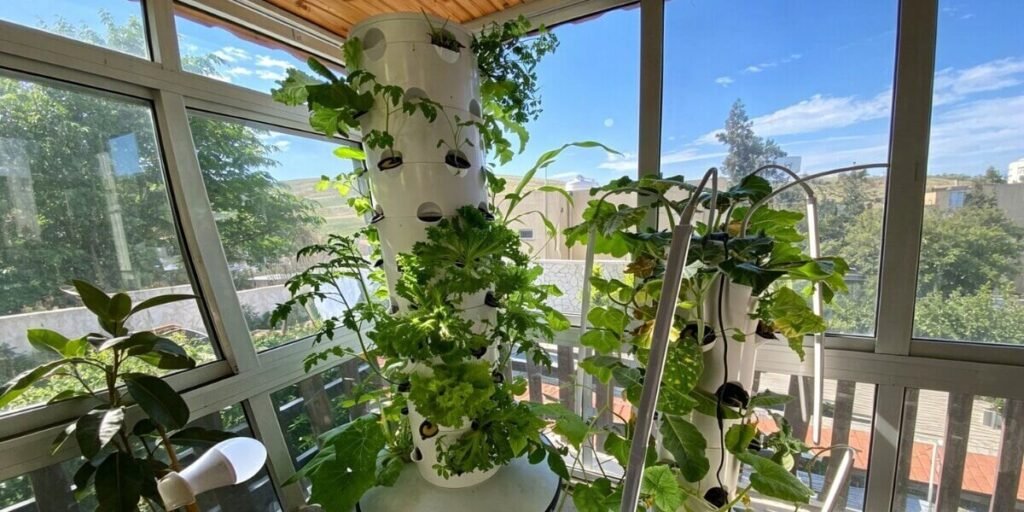
| Pineapple Tower | Vertical growing in balconies and small spaces | Medium |
| 9 Layer Vertical Sky Tower | Higher plant capacity and space saving gardens | Medium to High |
Small countertop systems are usually more affordable for beginners, while larger vertical towers, NFT systems, and Dutch Bucket setups require more components and growing capacity, which increases the overall investment.
Growing Environment and Lighting
Where you grow your hydroponic garden can also affect your budget. Indoor systems often require additional equipment such as LED grow lights, timers, and airflow solutions, which increases the initial cost but allows you to grow fresh vegetables year round.
Outdoor hydroponic systems can reduce lighting costs by using natural sunlight. However, outdoor growers need to consider factors like changing seasons, extreme temperatures, heavy rain, and pests when planning their setup.
DIY vs. Complete Kit
DIY hydroponic systems can lower the upfront cost if you already have basic tools or materials available. They also give you more flexibility to customize the setup based on your space and growing needs.
Complete hydroponic kits usually cost more at the beginning, but they are often easier for beginners because they include the main components needed to start growing. For many first time growers, a ready to use kit can save time and reduce the guesswork.
Plants You Grow Affect Your Budget
The crops you want to grow also influence your hydroponic system cost. Leafy greens and herbs usually require smaller systems, fewer nutrients, and less support, making them easier and more affordable for beginners.
Larger fruiting plants such as tomatoes, cucumbers, peppers, and strawberries need more space, stronger support structures, and additional nutrients. As a result, they often require a larger system and a higher budget.
How Much Does It Cost to Run a Hydroponic System?
Once your hydroponic system is set up, the ongoing costs are usually much lower than many beginners expect. Most monthly expenses come from electricity, nutrients, seeds, water, and occasional replacement supplies.
| Expense | Average Monthly Cost | What Affects the Cost |
|---|---|---|
| Electricity | $5 to $30 | LED grow lights, pumps, and system size |
| Nutrients | $5 to $20 | Plant type, reservoir size, and water changes |
| Seeds or seedlings | $2 to $15 | Crop variety and planting frequency |
| Water | Under $5 | System size and refill schedule |
| Replacement supplies | $2 to $15 | Growing media, net cups, filters, and testing supplies |
What Affects Your Monthly Hydroponic Costs?
For most home growers, electricity is usually the biggest factor that changes monthly costs. Outdoor systems mainly use power for pumps and timers, while indoor gardens cost more because LED grow lights need to run every day, especially during winter or in spaces with limited natural light.
Nutrients are another regular expense, but they are usually more affordable than beginners expect. A bottle of concentrated nutrients can last through multiple growing cycles in a small system. In my experience, herbs and leafy greens are some of the most budget friendly crops to grow, while fruiting plants like tomatoes and peppers need more nutrients and longer growing times. Seeds and small replacement items such as growing media, net cups, and testing supplies usually add only a few dollars over time.
The easiest way to keep hydroponic costs low is to choose a system that fits your space and growing goals. Start with crops that match your experience level, use energy efficient LED lights when growing indoors, and keep your system clean and well maintained. With the right setup, hydroponics can be an affordable way to enjoy fresh vegetables at home throughout the year.
Real Hydroponic System Budgets for Beginners
The best hydroponic setup isn’t necessarily the most expensive one. Your ideal budget depends on your available space, the types of plants you want to grow, and your long-term gardening goals. Here are three common budget ranges to help you decide where to start.
Budget 1: Starting Hydroponics for Under $100
If you’re new to hydroponics, you probably don’t need as much equipment as you think. Many beginners have the best experience with a small, simple system that’s easy to set up and maintain.
A 12 hole desktop hydroponic system is a great place to start if you mainly want to grow herbs and leafy greens indoors. If you have a little more space and would like a bigger harvest, a 36 hole NFT hydroponic system gives you more growing capacity while still keeping costs affordable. Both are well suited for beginner friendly crops like lettuce, basil, and spinach.
The goal at this stage isn’t to grow as much as possible. It’s to learn how your plants grow, build confidence, and decide what kind of hydroponic garden works best for you. Once you have that experience, upgrading to a larger system becomes much easier.
Budget 2: Around $200 for a More Complete Setup
If you’re ready to grow more than just a few herbs, a budget of around $200 gives you a lot more flexibility. It’s a good range for gardeners who already know they’ll stick with hydroponics and want a system that can produce larger harvests.
A Pineapple Tower is a great choice if you want to grow more plants without taking up much floor space. If you’re interested in crops like tomatoes, peppers, cucumbers, or eggplants, a complete Dutch Bucket system is often the better option because it’s designed for larger, fruiting plants with room to expand as your garden grows.
For many home growers, this budget offers a good balance between cost and growing capacity. You get enough space to experiment with different crops without making a major investment right away.
Budget 3: Around $500 for a Larger Home Garden
If you’ve already gained some experience with hydroponics, a budget of around $500 gives you the freedom to grow on a much larger scale. It’s a good choice for gardeners who want bigger harvests or plan to grow throughout the year.
A vertical Sky Tower is a great option if you want to maximize growing space without taking up much room. You can use a single tower for a productive home garden or connect multiple towers together to create a small indoor or greenhouse growing system as your needs grow.
From what we’ve seen, many growers don’t start with a setup this size. They upgrade after learning what grows well in their space and how much time they want to spend on maintenance. By then, investing in a larger system usually feels like a natural next step rather than an unnecessary expense.
Which Hydroponic System Is Right for Your Budget?
There’s no perfect budget for everyone. The best choice depends on your space, what you want to grow, and how confident you feel about getting started.
If you’re still deciding whether hydroponics is right for you, starting small is rarely a mistake. A simple system gives you the chance to learn, harvest your first crops, and see if you enjoy the process before investing more. If you find yourself wanting to grow more, upgrading your system is always easier than buying one that’s too big from the start.
Extra Costs to Keep in Mind
When beginners calculate the cost of a hydroponic system, they usually look at the price of the tower, kit, or growing equipment first. That makes sense, but there are also a few smaller costs that are easy to overlook.
Most of these expenses are not major, but they are part of keeping your system running smoothly.
| Extra Cost | What to Expect |
|---|---|
| Shipping | A small countertop kit is usually easy to ship, but larger towers or farm systems can become expensive because of their size. |
| Replacement pumps | Pumps can run for a long time, but having a spare pump is a good idea if your system depends on continuous water circulation. |
| Growing supplies | Grow sponges, net cups, and other small parts are easy to overlook. You may need replacements after several planting cycles. |
| pH supplies | If you use a pH meter, you will need calibration solution and occasionally replace the testing accessories to keep readings reliable. |
| Electricity | Indoor growing costs more because LED lights need to run for several hours every day, especially when natural sunlight is limited. |
| Nutrients | Nutrient bottles usually last a while for small home systems, but larger gardens will go through them faster. |
| LED replacement | Quality grow lights can last for years, but they are still something you may eventually need to replace. |
| System upgrades | Many growers start small and later add more towers, lights, or accessories as they gain experience. |
The good news is that most of these costs do not happen all at once. Some items may last months or even years, while others are small routine purchases.
If you are planning your first hydroponic setup, keeping an extra 10–15% of your budget aside is a simple way to avoid surprises and give yourself more flexibility later.
How to Save Money Without Sacrificing Results
One of the biggest mistakes beginners make is buying more equipment than they actually need. In reality, a simple hydroponic system, quality nutrients, and the right growing medium are enough to grow healthy plants. Starting with a smaller setup also gives you time to learn how your system works before investing in upgrades.
You can save even more by working with what you already have. If you have a sunny balcony, patio, or bright window, natural sunlight can reduce or even eliminate the need for grow lights for many leafy greens and herbs. Choosing easy crops like lettuce, basil, or spinach also helps you build confidence without spending as much on larger, more demanding plants.
As your experience grows, you’ll have a much better idea of which accessories are actually worth buying. Many experienced growers expand their systems gradually instead of purchasing everything at once, and that approach often saves money in the long run.
Is a Hydroponic System Worth the Cost?
The honest answer is that it depends on what you’re looking for. If your goal is simply to grow vegetables at the lowest possible cost, hydroponics probably isn’t the cheapest option. A small backyard or raised bed garden usually costs less to get started.
Where hydroponics really shines is convenience and flexibility. It lets you grow fresh herbs and vegetables in places where traditional gardening isn’t practical, whether that’s an apartment, a balcony, or a spare room. You also have more control over water, nutrients, and growing conditions, which can lead to faster growth and more consistent harvests. That said, hydroponics isn’t completely hands off. You’ll still need to check nutrient levels, keep the system clean, and spend a little time learning how your plants respond.
For many people, the real value isn’t saving money at the grocery store. It’s having fresh produce whenever you want it, growing food year round, and enjoying the satisfaction of harvesting something you’ve grown yourself. If those benefits matter to you, hydroponics is often well worth the investment.
Common Questions About Hydroponic System Costs
Yes. Many beginners start with a small desktop hydroponic garden for under $100. If you decide to grow larger plants later, you can always upgrade to a Dutch Bucket system.
The hydroponic system is usually the biggest upfront cost. For indoor gardens, LED grow lights often become the largest ongoing expense because they use electricity every day.
Not usually. Most home hydroponic systems cost about $15–50 per month to operate, with electricity and nutrients making up most of the ongoing expenses.
Not at first. While the initial setup costs more than buying vegetables, many growers find the long-term value comes from fresh harvests, year-round growing, and greater convenience.
No. Most beginners do better with a simple system that fits their space and budget. You can always upgrade later as your experience and growing needs increase.
Final Thoughts: Start Small and Grow with Confidence
Getting started with hydroponics doesn’t have to cost a fortune. For most beginners, a simple system is enough to grow healthy plants while learning the basics. As your skills and confidence grow, you can always expand your setup over time.
The key is choosing a system that fits your space, budget, and the plants you actually want to grow. There’s no need to buy the biggest setup on day one. Many experienced growers started small and upgraded only after they knew what worked best for them.
If you’re comparing different hydroponic systems and aren’t sure where to start, we’re always happy to help. At Greenfuture Hydro, we’ve worked with everyone from first-time home gardeners to commercial growers, and we’d be glad to help you find a system that fits your needs and budget.
Find the Right Hydroponic System for Your Space
Choosing your first hydroponic system doesn’t have to be complicated. After working with both home gardeners and commercial growers, we’ve learned that the best system isn’t always the biggest one. It’s the one that fits your space, budget, and the plants you want to grow.
If you’d like a little guidance, explore Greenfuture Hydro’s hydroponic systems or reach out to our team. We’re always happy to help you compare options and choose a setup that works for you.
📩 info@greenfuturehydro.com
📞 +86 13487543942
📷 Instagram @Greenfuturehydro