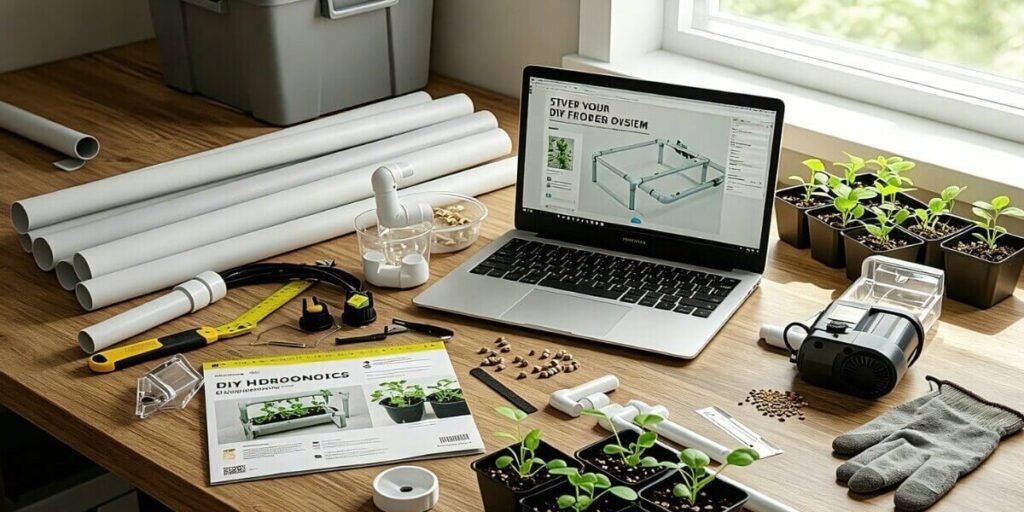

Starting hydroponics may seem complicated at first, but getting started is easier than many beginners think. You don’t need a greenhouse or expensive equipment to grow fresh vegetables, herbs, or leafy greens at home. A simple setup with the right supplies can help you build a productive hydroponic garden step by step.
In this guide, we’ll walk you through everything you need to start hydroponics, including the essential equipment, beginner friendly system options, budget tips, and common mistakes to avoid. By the end, you’ll have a clear idea of how to prepare your first hydroponic setup with confidence.
What Do You Need to Start Hydroponics?
One of the first questions every beginner asks is, “What do I actually need to start hydroponics?” The answer is simpler than most people expect. You don’t need a room full of equipment to grow healthy plants. A few well chosen essentials are enough to build a successful hydroponic garden.
Use the checklist below as a starting point. It shows which items are essential, which are recommended, and which depend on the type of hydroponic system you choose. If you’re working with a limited budget, start with the basics and upgrade your setup over time.
| Item | Essential | Optional | Learn More |
|---|---|---|---|
| Hydroponic System | ✅ | Best Hydroponic Systems for Beginners | |
| Water Reservoir | ✅ | Choosing the Right Reservoir | |
| Hydroponic Nutrients | ✅ | Hydroponic Nutrient Guide | |
| Growing Medium | ✅ | Best Growing Medium for Hydroponics | |
| Seeds or Seedlings | ✅ | Best Plants for Hydroponics | |
| Net Pots | ✅ | Hydroponic Net Pots Explained | |
| LED Grow Lights | Indoor Only | Best LED Grow Lights | |
| Timer | ✅ | Grow Light Timer Guide | |
| pH Meter | Recommended | Hydroponic pH Guide | |
| EC Meter | Recommended | Hydroponic EC Guide | |
| Air Pump and Air Stone | DWC Only | Do You Need an Air Pump? |
For your first hydroponic garden, focus on learning the basics instead of buying every accessory at once. Start with a simple setup and add extra tools when you understand what your plants actually need.
Choosing Your First Hydroponic System
Choosing a hydroponic system is not just about picking the biggest setup or the one with the most features. The right choice depends on where you plan to grow, how much space you have, the amount of sunlight available, and the plants you want to harvest.
A small apartment grower may only need a compact indoor system, while someone with a backyard or greenhouse may benefit from a larger setup. Start by looking at your growing environment, then choose a system that fits the way you actually live and grow.
| Growing Space | Recommended Setup | Best For |
|---|---|---|
| Small Apartment | Compact countertop system or vertical hydroponic tower with LED grow light | Herbs, lettuce, basil, microgreens |
| Kitchen or Office | Desktop hydroponic garden | Fresh herbs and small leafy greens |
| Balcony or Patio | Vertical hydroponic tower or NFT system | Lettuce, strawberries, herbs, leafy greens |
| Backyard | Dutch Bucket or larger NFT system | Tomatoes, cucumbers, peppers, larger crops |
| Greenhouse | Commercial NFT, Dutch Bucket, or vertical growing systems | Year round production, vegetables, herbs, commercial growing |
Growing Hydroponics Indoors
Indoor hydroponics is a popular choice for beginners because it offers better control over light, water, and growing conditions. Compact countertop systems are ideal for herbs and leafy greens, while vertical hydroponic towers help maximize growing space in apartments and offices.
Balcony & Patio Hydroponics
A balcony can become a productive growing area with the right system. Vertical hydroponic towers and NFT systems are great options for growing leafy greens and herbs where space is limited. Always check sunlight availability and weight capacity before installation.
Outdoor Hydroponics
Outdoor spaces allow you to grow larger plants such as tomatoes, cucumbers, and peppers. Dutch Bucket systems provide more root space and support for fruiting crops, while NFT systems are suitable for larger quantities of leafy greens.
Greenhouse Hydroponics
Greenhouses provide more flexibility for growers who want to expand production. Depending on crop selection, growers can combine NFT, Dutch Bucket, and vertical hydroponic systems to create an efficient growing environment.
How Much Does It Cost to Start a Hydroponic Garden?
One of the first questions beginners ask is: “How much does it really cost to start hydroponics?”
The answer depends on what you want to grow and where you plan to grow. A small indoor herb garden and a larger vegetable system require very different investments.
You don’t need to spend hundreds of dollars to get started. Most beginners can begin with a simple setup, learn how the system works, and upgrade as their experience and growing needs increase.
| Budget | Best For | What You Can Expect |
|---|---|---|
| $50–$100 | First-time growers | A basic setup with a small hydroponic system, nutrients, growing medium, seeds or seedlings, and essential supplies. Indoor growers may also need a small LED grow light. |
| $100–$300 | Home gardeners | A more complete setup with a larger growing area, better lighting, monitoring tools, and extra accessories for easier maintenance. |
| $500+ | Advanced growers and small projects | Larger systems, bigger reservoirs, automation, multiple growing areas, and equipment designed for higher production. |
Where to Spend and Where to Save
When building your first hydroponic setup, focus your budget on the things that directly support plant growth. A good system, quality nutrients, suitable growing media, and proper lighting will have the biggest impact.
Extra tools like pH meters, EC meters, and automation systems can be helpful, but they are not essential on day one. Start with the basics, learn how your plants respond, and add new equipment when you actually need it.
Hydroponic Supplies Beginners Can Skip at First
Many beginners buy more equipment than they actually need. Tools like EC meters, smart controllers, automatic watering systems, and CO₂ equipment can be helpful later, but they are not essential for your first garden.
When starting out, focus on the basics: a suitable hydroponic system, quality nutrients, proper growing media, and enough light. Learn how your plants respond first, then add extra tools when they solve a real problem.
Where to Buy Hydroponic Supplies
Once you know what type of hydroponic system you want, the next step is finding the right place to buy your supplies. There are several options available, and the best choice depends on what you need, your growing experience, and whether you are building a small home garden or a larger growing project.
| Where to Buy | Best For | Advantages | Things to Consider |
|---|---|---|---|
| Local Garden Centers | Beginners and casual home growers | You can see products in person, ask basic questions, and get supplies quickly when you need them | The selection may be limited, and prices are sometimes higher compared with online options |
| Online Marketplaces | Home growers looking for convenience | A wide variety of products, easy price comparison, and convenient delivery make shopping simple | Product quality can vary, so it is important to check reviews and choose reliable sellers |
| Specialized Hydroponic Stores | Hobby growers and more experienced gardeners | They usually offer more professional products and better advice for specific growing needs | Specialized equipment may cost more because it is designed for advanced growing |
| Hydroponic Manufacturers | Commercial farms, schools, greenhouse projects, and custom systems | Direct support, system customization, bulk pricing, and professional technical guidance | Some manufacturers may have minimum order requirements depending on the project |
Buying Tip: For small home gardens, local garden centers and online stores are usually the easiest places to start. For larger projects or customized systems, working with a hydroponic manufacturer can provide better support and long-term value.
At Greenfuture Hydro, we design and manufacture hydroponic systems for home growers, schools, greenhouses, and commercial farms, including vertical towers, NFT systems, Dutch Bucket systems, and customized solutions.
Common Mistakes for Hydroponic Beginners
Buying hydroponic equipment is an important first step, but choosing the wrong products can make your first growing experience more difficult. Many beginners spend money on things they do not really need or choose equipment that does not match their plants and growing space.
Here are some common mistakes to avoid before building your first hydroponic setup.
| Common Mistake | Why It Happens | Better Approach |
|---|---|---|
| Buying a system that is too large | Many beginners think a bigger system means better results, but large setups can require more space, maintenance, and experience | Start with a system that fits your current space and growing goals. You can always expand as you gain confidence |
| Choosing the wrong fertilizer | Regular garden fertilizer is designed for soil growing and may not provide the right nutrient balance for hydroponic plants | Choose hydroponic nutrients specifically formulated for soilless growing systems |
| Buying the cheapest grow light | Low-cost lights may not provide enough intensity or the right spectrum for healthy plant growth | Invest in a reliable full-spectrum LED grow light that matches your plants and growing area |
| Forgetting replacement supplies | Beginners often focus only on the initial setup and forget that some supplies need regular replacement | Plan for ongoing costs such as nutrients, growing media, filters, and planting accessories |
| Starting with difficult plants | Large fruiting crops like tomatoes and peppers can be more demanding for new growers | Begin with easier crops like lettuce, basil, and other leafy greens before moving to more advanced plants |
Quick Tip: Your first hydroponic setup does not need to be complicated. Focus on reliable essentials, learn how your plants respond, and upgrade your system when you are ready.
Before You Buy: 8 Things to Check in a Hydroponic System
Before buying a hydroponic system, check that it matches your space, plants, and growing goals. A good beginner setup is not about having the most equipment, but having the right essentials.
Here are the key things to consider:
- Make sure the system fits your available space
- Choose a system that matches the plants you want to grow
- Check that the growing medium works with your setup
- Use proper hydroponic nutrients instead of regular fertilizer
- Consider whether you need an LED grow light for indoor growing
- Prepare essential supplies like reservoirs, net pots, and planting accessories
- Decide if monitoring tools such as pH meters are necessary
- Remember that nutrients and growing media need regular replacement
Start with the basics, learn how your system works, and add new tools as your garden grows.
Frequently Asked Questions About Starting Hydroponics
Yes. You don’t need to spend a lot of money to start hydroponics. Many beginners begin with a simple countertop hydroponic garden for growing herbs and leafy greens at home. At Greenfuture Hydro, we create beginner friendly systems that make hydroponic growing simple and enjoyable.
For most beginners, the easiest system is the one that fits their space and goals. A countertop hydroponic garden is great for herbs and leafy greens at home, while NFT systems and vertical hydroponic towers are better for growing more plants in smaller spaces. All are beginner friendly ways to start learning hydroponics.
Not always. A sunny window can be enough for some herbs and leafy greens if they receive plenty of natural light. However, LED grow lights provide more consistent lighting, especially in darker rooms or during winter. They are a helpful option when sunlight alone is not enough for healthy plant growth.
Yes, you can usually start with tap water. Many beginners use it for growing herbs and leafy greens at home. Just pay attention to water quality, as very hard water or high mineral levels may affect nutrient balance. As you gain more experience, tools like a water test kit or EC meter can help you better manage your system.
One of the biggest mistakes beginners make is buying too much equipment before learning the basics. A simple setup is often the best way to start. Begin with easy crops like lettuce and herbs, understand how your system works, and add new tools as you gain experience.
Final Thoughts: Start Simple and Grow With Experience
Starting hydroponics does not have to be complicated. A simple setup with the right system, nutrients, growing medium, and lighting is enough to help beginners grow successfully.
Whether you are growing herbs on a kitchen counter or planning a larger garden, the best setup is one that fits your space and grows with your experience. Start small, learn from each harvest, and upgrade when your plants need more.
Ready to learn more? Explore our beginner guides to choose the right hydroponic system, understand nutrients, and find easy plants to grow.
Ready to Start Your Hydroponic Garden?
Every grower starts with a different goal, from growing fresh herbs at home to building larger hydroponic systems for schools, greenhouses, or commercial farms. The key is choosing a setup that fits your plants, space, and growing plans.
At Greenfuture Hydro, we have been designing and manufacturing hydroponic systems since 2015, helping growers create solutions for home, education, and commercial projects. Not sure which system fits your needs? Tell us what you want to grow, and we’ll help you find the right setup.
📩 info@greenfuturehydro.com
📞 +86 13487543942
📷 Instagram @Greenfuturehydro