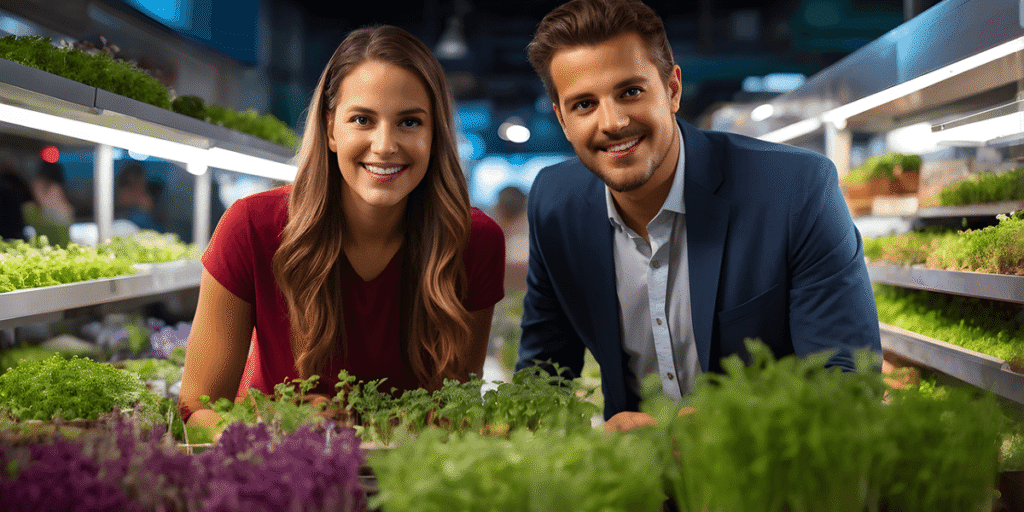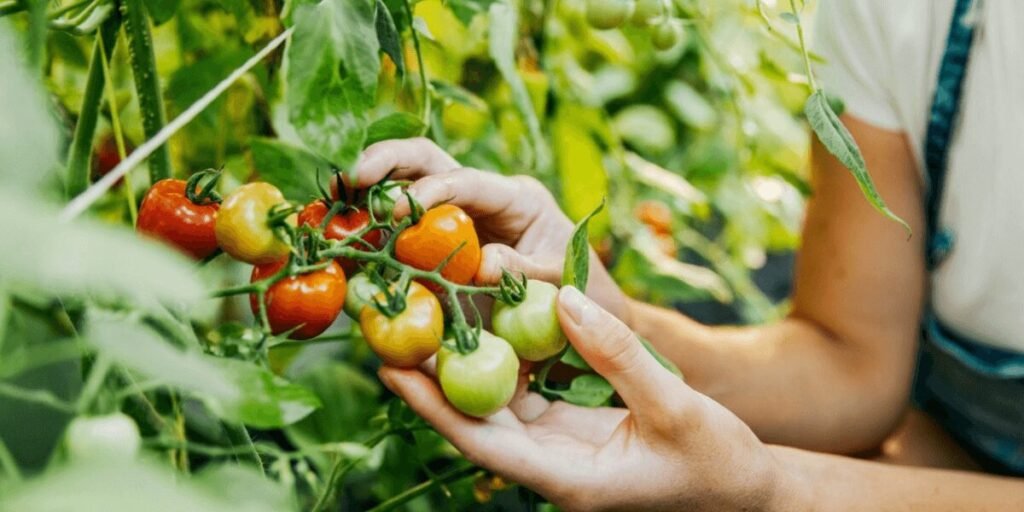
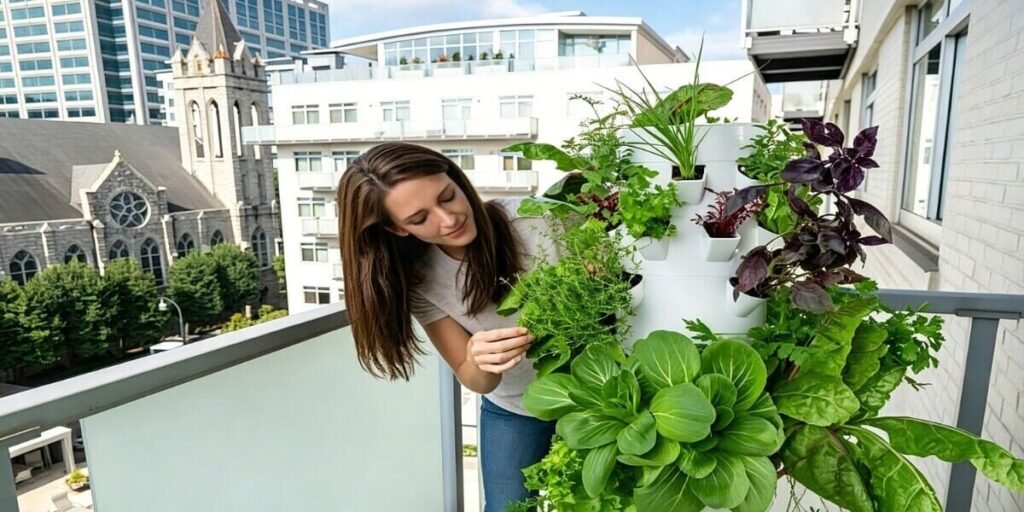

Hydroponic system space requirements depend on your growing goals, available space, and the type of system you choose. Many beginners think hydroponics requires a large area, but it can work in small apartments, balconies, indoor spaces, and commercial growing areas.
The right setup is not about having the biggest space, but choosing a system that fits your needs. In this guide, we will explore how much space different hydroponic systems need and help you find the best option for your growing area.
How Much Space Do You Need for a Hydroponic System?
The amount of space you need depends on what you want to grow and how you plan to use your system. Many beginners start with a small setup for herbs or leafy greens. Growers who want larger plants or bigger harvests usually need more space for plants, equipment, and daily care.
Before choosing a hydroponic system, look at the space you have and imagine using it every day. A setup that fits your home and routine will be easier to maintain. It is often better than choosing a larger system that looks impressive but makes your space feel crowded.
Hydroponic System Space Requirements by Growing Goal
The amount of space you need depends on what you plan to grow. If you are growing herbs or a few leafy greens for your kitchen, a small hydroponic setup is often enough. A countertop garden or compact system can work well in a kitchen, balcony, or small corner.
However, if you want to grow larger plants like tomatoes and cucumbers, you will need more room. These plants need extra space to spread, grow healthy roots, and make daily care easier.
Here is a simple guide based on different growing goals:
| Growing Goal | Space Needed | Suitable System |
|---|---|---|
| Grow herbs and small greens | 1 to 2 sq ft | Desktop hydroponic system |
| Grow vegetables for home use | 3 to 10 sq ft | Vertical tower or NFT system |
| Create a balcony garden | 5 to 20 sq ft | Vertical hydroponic tower |
| Set up an indoor grow room | 20+ sq ft | NFT, DWC, or growing racks |
| Commercial hydroponic production | Larger growing areas | Customized hydroponic systems |
The main thing is to choose a setup that matches your space and the plants you actually want to grow. A small area can still produce a great harvest when the system fits your daily routine.
Hydroponic System Space Requirements by Type
One thing you quickly notice with hydroponics is that every system uses space differently. A countertop garden, vertical tower, and larger growing setup can all grow plants. However, each one needs different space for plants, equipment, and daily care.
Before choosing a system, think about where you will place it and how you will use it every day. The space for the reservoir, lights, watering, and maintenance matters too. It is just as important as the space the system itself takes up.
Vertical Hydroponic Tower Space Requirements
One of the biggest advantages of a vertical hydroponic tower is that it helps you grow more plants in less space. You do not need a large garden area to get started.
Instead of spreading plants across the ground, the tower uses vertical space. This makes it a popular choice for apartments, balconies, patios, and small backyard gardens.
Most home hydroponic towers do not require much floor space. A typical setup usually needs:
- About 1 to 3 square feet of floor space for the tower base
- Around 5 to 7 feet of vertical clearance, depending on the tower model and plant growth
- Extra room around the tower for refilling water, harvesting vegetables, cleaning the system, and checking plant health
When choosing a location, think about how you will use the space. Do not only consider whether the tower can fit. Indoor growers should check the ceiling height, grow light placement, and access to water.
For balconies or patios, consider sunlight exposure and weather protection. You should also make sure the surface can support the weight of a full reservoir.
With enough space for the system and daily maintenance, a vertical hydroponic tower can be a practical way to grow fresh herbs, leafy greens, and vegetables in a small area.
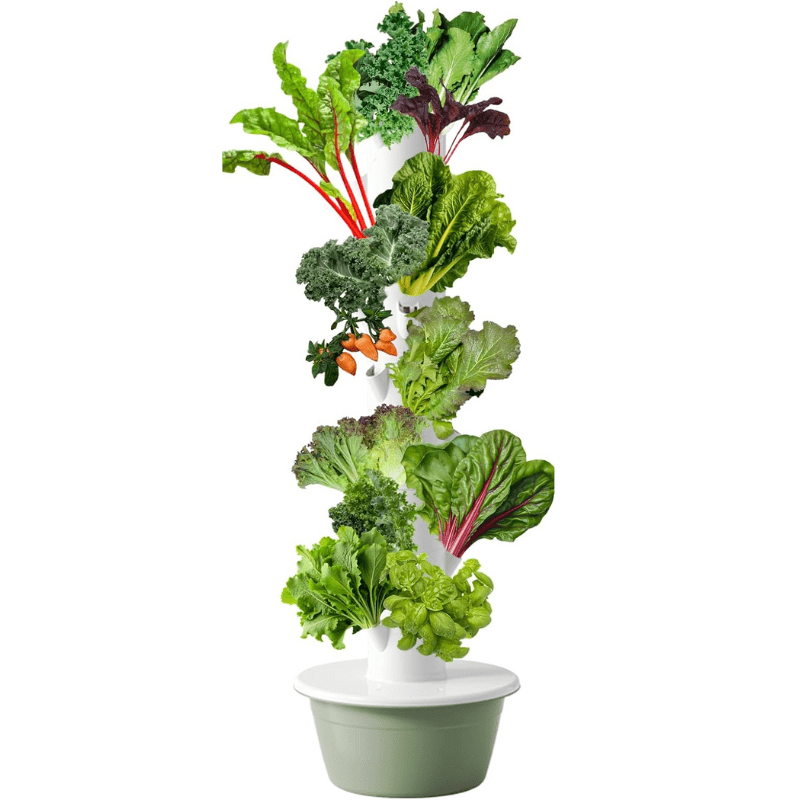
Greenfuturehydro 9 Layer 36 Hole Hydroponic Tower for Commercial Smart Farming
NFT Hydroponic System Space Requirements
One thing you notice with an NFT system is that it needs more space than a vertical tower. Instead of growing upward, plants grow along horizontal channels. This means you need room for the channels, reservoir, and daily maintenance.
A small NFT setup can work well along a balcony wall, patio, or greenhouse corner. Larger systems need more planning and more working space. Leave enough room to check the water, clean the channels, refill nutrients, and harvest your plants comfortably.
Before installing an NFT system, measure your available space first. Think about how you will use the system every day. A layout that feels easy to access will make growing much simpler over time.
Dutch Bucket System Space Requirements
One thing that surprises many new growers about Dutch bucket systems is that the buckets are not the biggest space concern. The real space comes from the plants as they grow larger.
Tomatoes, cucumbers, and peppers can spread quickly. They need enough room for branches, airflow, and regular care. Leave space between plants so you can walk around, prune, harvest, and check their growth easily.
Dutch bucket systems are often a good choice for patios, balconies, backyards, or greenhouses. When planning your setup, think about the final plant size. Do not only consider the space the buckets take up at the beginning.
Indoor Hydroponic Setup Space Requirements
Indoor growing can be different from outdoor growing because every part of the setup needs a place. It is not only about where the plants will sit. You also need space for lights, cables, water, and other equipment.
A small hydroponic garden can fit well on a countertop, shelf, or small table. This works especially well for herbs and leafy greens. Larger indoor setups may need a dedicated corner, grow tent, or full room. You will need enough height for lights and enough space to work around the plants.
One thing you will appreciate later is having extra space to reach your plants and adjust the lights. You also need easy access to the reservoir. A setup that is simple to access will make daily growing much easier.
How to Measure Your Space Before Choosing a Hydroponic System
Before buying a hydroponic system, it is important to measure your available space carefully. Many beginners focus only on the size of the equipment but forget to consider plant growth, maintenance access, and other requirements around the system.
A good space plan helps you choose a system that fits comfortably and makes daily care much easier.
1. Start With the Space You Have
Before choosing a hydroponic system, take a look at the space where you actually plan to grow. A lot of new growers think first about how many plants they can fit, but they forget they will need room to add water, check the roots, harvest, and clean the system later.
The space you have will often decide which system makes the most sense. A vertical tower can be a great choice for a small corner, while an NFT system usually works better when you have more open space for the channels and reservoir. Giving yourself a little extra room will make growing much easier once your plants start thriving.
2. Remember the Space Above Your Plants
One thing many new growers forget is looking up. They measure the floor space for their hydroponic system but do not think about how much room the plants will need as they grow.
This matters a lot with vertical towers and indoor setups with grow lights. A spot that looks perfect when your plants are small can quickly become crowded once the leaves get bigger or taller crops like tomatoes and cucumbers start reaching upward. Planning for the full height from the beginning will save you from making changes later.
3. Make Daily Maintenance Easy
One thing you do not always think about when setting up a hydroponic garden is how often you will need to interact with it.
You will be checking water levels, adding nutrients, cleaning parts, and harvesting plants regularly. If your system is placed somewhere hard to reach, these simple tasks can become frustrating over time. Try to leave enough space around your setup and choose a location where water and power are easy to access.
A little thought before installation can make your daily growing routine much easier.
How to Choose the Right Hydroponic System for Your Space
Before buying a hydroponic system, it helps to look at your growing space first. Many new growers get excited about the system itself, but the space you have will usually decide what works best.
Think about where your plants will sit, how easy it will be to reach the reservoir, and whether you have enough room to check, clean, and care for the system. A setup that fits naturally into your space will be much easier to enjoy and maintain as your plants grow.
Growing Hydroponics in a Small Space
You might be surprised how little space you actually need to start growing hydroponically. Many new growers begin with a small setup on a kitchen counter, apartment balcony, or patio and slowly learn what works best for their space.
If you are only growing a few herbs or leafy greens, a countertop hydroponic garden can be a simple way to get started. When you want to grow more plants but do not have much floor space, a mini vertical hydroponic system can help you make better use of the space you already have.
When You Have More Room to Grow
Once you have a little more space, growing hydroponics becomes much more flexible. A balcony, patio, or backyard gives you more choices, whether you want to grow a few more vegetables or try a larger setup.
For spaces with more height than floor area, a vertical hydroponic tower can help you grow more plants without spreading out too much. If you have a longer area like a balcony wall or greenhouse corner, an NFT system can also be a practical choice because the channels fit nicely into that type of space.
Larger Spaces for Bigger Hydroponic Setups
Once you move into a larger growing area, the biggest challenge is usually not finding space for the system, but figuring out how you want to use that space.
A greenhouse or larger outdoor area gives you more room to grow, but the right setup depends a lot on the plants you want to raise. NFT systems are often a good fit for rows of smaller crops like lettuce and herbs, while many growers use Dutch bucket systems for larger plants such as tomatoes, cucumbers, and peppers because they need more room around the roots.
When your system matches the space you have, everyday tasks like checking plants, adding nutrients, and harvesting become much easier.
Common Mistakes When Planning Hydroponic Space
Before setting up a hydroponic garden, it is worth taking a little time to think about your growing space. Many beginners get excited about choosing a system and forget that the space around it will affect how easy it is to use every day.
Your plants will need more than just a place to grow. You need enough room to check the water, care for your plants, adjust equipment, harvest vegetables, and clean the system. Planning these details early can save you a lot of trouble later. Here are some common space planning mistakes that many beginners make.
Buying a Hydroponic System That Does Not Fit Your Space
One thing many new growers do is buy a hydroponic system first and figure out the space later. It seems simple at the beginning, especially when you see a compact tower or small setup online, but the reality can be different once it arrives.
You may find that the corner you picked is too tight, the plants are hard to reach, or there is not enough space to refill water and clean the system. Taking a few minutes to measure your growing area before buying can save you a lot of frustration later.
Leaving Too Little Room for Daily Care
Many new growers focus on finding a place for their hydroponic system but forget they will need to use that space every day. A corner that looks fine at the beginning can become frustrating when you need to check the water, add nutrients, harvest plants, or clean the system.
Leaving some extra room around your setup makes these small tasks much easier. It also gives your plants more space to grow and allows you to take better care of your garden without feeling cramped.
Underestimating How Large Plants Can Become
Small plants can be a little deceiving when you first put them into a hydroponic system. A tomato or cucumber seedling may look like it has plenty of space, but it will not stay that size for long.
As the plant grows, the roots, leaves, and branches can quickly fill the area. Crops like tomatoes, cucumbers, and peppers usually need much more room than herbs or leafy greens, so it is worth thinking about the final size before you start growing.
Forgetting About Indoor Lighting Needs
Indoor growing can be a little tricky because your plants rely on the setup you create for them. It is easy to focus on choosing the hydroponic system and forget about where the lights, cables, and other equipment will go.
Before setting everything up, make sure you have enough height for your grow lights and enough coverage as your plants get bigger. A little planning at the beginning can save you from having to rearrange your whole setup later.
QA
Yes. Many people grow hydroponics in apartments using compact systems like countertop gardens or vertical towers. A small corner, balcony, or kitchen area can be enough if the system fits your available space.
Most home vertical towers need only about 1-3 square feet of floor space. However, you should also leave enough room for plant growth, watering, cleaning, and harvesting.
The best location is a place with enough space, water access, and electricity. Common options include balconies, kitchens, patios, greenhouses, and indoor growing areas.
Leave enough space to refill water, add nutrients, clean the system, and harvest plants. A little extra room makes daily maintenance much easier.
Yes. Small systems are great for herbs, lettuce, and leafy greens. Larger crops like tomatoes and cucumbers usually need more space because they grow bigger.
Choose a Hydroponic System That Fits Your Space
One thing many growers learn after setting up their first system is that bigger does not always mean better. A setup that looks impressive may not be the easiest one to manage if it does not fit your space or your daily routine.
Before choosing a hydroponic system, think about where you will place it, what you want to grow, and how much time you can spend caring for it. Whether you are growing in an apartment, balcony, backyard, or larger area, a system that fits your space will make the whole growing experience much easier.
Find the Right Hydroponic System for Your Space
Choosing a hydroponic system becomes much easier when you start with the space you already have. Whether you are growing a few herbs at home, setting up a balcony garden, or planning a larger project, the right system should fit your space and the way you want to grow.
At Greenfuture Hydro, we help growers choose from vertical hydroponic towers, NFT systems, Dutch bucket setups, and customized solutions based on their growing needs. If you are not sure which system fits your space, feel free to reach out and we can help you find a setup that works for your garden.
Contact Greenfuture Hydro to find the right hydroponic solution for your growing space.
📩 info@greenfuturehydro.com
📞 +86 13487543942
📷 Instagram @Greenfuturehydro