
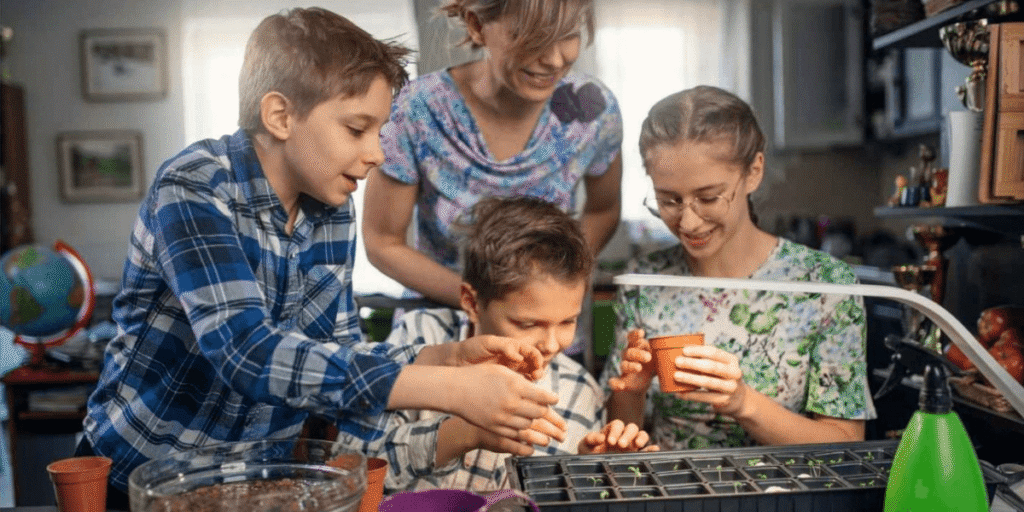
Hydroponics for Kids is the perfect way to explore how plants grow without using any soil. Imagine picking juicy strawberries or crisp lettuce right from your own mini garden at home. It is clean, simple, and full of fun for curious young gardeners.
It might sound like magic, but it is actually real science in action. With hydroponics, kids can see how plants take in nutrients from water, breathe through their roots, and stretch toward the light.
If you want to try something exciting and hands-on, Hydroponics for child is the best place to start. Get ready to begin your water-powered garden adventure and watch your plants come to life.
What Is Hydroponics All About? No Dirt, No Worries!
Imagine this: in regular soil, a plant’s roots have to work pretty hard to find water and nutrients. But with hydroponics, we make things a whole lot easier. Instead of growing in dirt, the roots relax in a bubbly water mix filled with everything the plant needs. It’s kind of like giving your plant a personalized smoothie packed with vitamins and minerals, ready whenever it wants.
This setup is part of something called Controlled Environment Agriculture, or CEA. That might sound technical, but it just means you’re in charge. You control the light, the water, the temperature, and even the air your plants get. When everything is just right, your plants grow faster, stay healthier, and thrive in ways they never could in regular soil.
Why Kids (and Parents!) Will Love Hydroponic Gardening
Hydroponics isn’t just about growing food; it’s about growing curiosity. When kids see how plants come to life without soil, it sparks a kind of wonder that textbooks can’t teach. You don’t just plant seeds; you plant ideas, patience, and a sense of care.
The best part is that you can actually see everything happening. The roots spread through clear water, soaking up nutrients, while the leaves reach toward the light. It feels like a quiet kind of magic that turns into a daily ritual of checking on growth, adjusting water levels, and celebrating each new leaf.
And unlike traditional gardening, there is no mess. No dirt under your nails or mud tracked into the kitchen, just clean, hands-on fun. Kids love the process because it feels like science and art combined. You mix the water, set the light, and suddenly you are part of a living experiment that grows right in front of you.
Over time, kids start to notice things, such as how light changes the color of leaves, how roots grow faster when nutrients are just right, and how a few days of care can bring visible results. It is not only about growing lettuce or strawberries; it is about learning to observe, to solve little problems, and to take pride in small, daily progress.
With hydroponics, science becomes real, responsibility becomes natural, and family time becomes something truly meaningful.
Get Started: Your Hydroponic Treasure Chest for Kids
Before you dig in (or, rather, dip in!), let’s gather the basic tools you’ll need for your watery garden:
- Nutrient Solution: This is your plant’s special food! It’s a mix of water and tiny amounts of important minerals like nitrogen (for leafy greens), phosphorus (for roots and flowers), and potassium (for overall plant power!).
- Water: Think clean and clear! Filtered, distilled, or even reverse osmosis water is best. Regular tap water sometimes has too many extra things that can make your plant’s food tricky to balance.
- Oxygen: Yes, roots need to breathe too! We’ll make sure they get plenty of air, usually with tiny bubbles in the water.
- Light: Plants are total sun-lovers! When you’re growing indoors, a grow light is like giving your plants their very own sunshine anytime they want. LED grow lights are the best because they’re super energy-efficient and stay cool so your plants get all the light they need without overheating. It’s like bringing a little piece of the sun right into your home!
- Growing Medium (Sometimes!): Even without soil, plants need something soft to hold onto. We use fuzzy little cubes like rockwool, fluffy coco coir, or even lightweight clay pebbles.
- pH Testing Kit: This is your secret tool! It helps you make sure your plant’s “food water” is just right, not too sour and not too sweet. Most plants like it a little bit acidic, kind of like orange juice but not as sharp as lemon. Keeping the pH around 5.5 to 6.5 is perfect for healthy, happy plants!
- Water Pump & Air Pump (for some systems): These are like tiny engines that move the water around and make bubbles for oxygen.
- Reservoir: This is just a fancy word for the container that holds all your plant’s special water.
Hydroponic Growth Chart for Kids
A fun way to track your plants’ progress!
| Date | Plant Name | Height (cm) | Leaf Color | Notes / Observations |
|---|---|---|---|---|
| 2025/11/01 | Basil Buddy | 3.5 | Light Green | Sprouted today! |
| 2025/11/05 | Basil Buddy | 5.0 | Bright Green | First true leaves appeared. |
| 2025/11/10 | Basil Buddy | 8.2 | Deep Green | Growing strong added more light. |
| 2025/11/15 | Basil Buddy | 10.0 | Healthy Green | Ready for first harvest! |
Tips for Parents and Teachers:
- Encourage kids to measure plant height every 3–5 days using a small ruler.
- Let them draw or paste photos of their plants in the “Notes” section.
- Add fun names like “Minty Mike” or “Lettuce Luna” to personalize learning.
- Turn it into a mini science project ask kids what factors helped their plants grow faster (light, nutrients, etc.).
Beginner-Friendly Hydroponic Systems for Young Gardeners
For your first hydroponic garden, let’s pick something simple and exciting!
1. The Amazing Floating Raft Method Explained for Kids
Okay, picture this: your plants are chilling on a little raft, floating on water that’s packed with nutrients. Their roots just dangle below, soaking up everything they need to grow big and healthy. That’s what we call Deep Water Culture, or simply DWC.
Here’s how it actually works. You put your plants in small net pots, and the roots grow straight down into the water. Then a small air pump, the same kind people use for fish tanks, keeps the water full of bubbles, giving the roots lots of oxygen. It’s like the plants are breathing underwater.
The best part is that it’s super simple. You don’t need many parts, it’s quick to set up, and you can literally watch the roots grow.
DWC works great for quick-growing plants like lettuce, spinach, or herbs such as basil and mint.
If you want to try it at home, all you really need is a dark plastic container, a few net pots, a fish tank air pump, and an air stone. Put it all together and just like that, you’ve got your very own floating garden.
2.The Thirsty Wick System: The Easiest Way to Start Hydroponics
If you’ve ever wanted to grow plants without all the fancy gear, the wick system is your new best friend. It’s super low effort. Just set it up once and let it do its thing. Honestly, it’s perfect for anyone who wants to try hydroponics without worrying about pumps, tubes, or timers.
Here’s what happens. Imagine your plant has a little straw that reaches down into a pool of water and nutrients. That straw, or “wick,” slowly pulls up moisture to feed the roots. It can be made from cotton rope, felt, or even old t-shirt strips. The plant drinks only what it needs, and you don’t have to lift a finger.
It’s one of the simplest systems out there. No electricity, no noise, no moving parts. Just steady, natural watering.
The wick system works best for small plants like herbs, lettuce, or seedlings that are just starting out.
Want to make one yourself? Grab two containers, one for the plant and one for the water. Add your wick material and some growing medium, and you’ve got a perfectly balanced mini garden that practically takes care of itself.
Science Corner: How Hydroponics Helps Kids Understand Photosynthesis
Hydroponics is an amazing way for kids to see how plants actually live and grow up close and in action. Instead of reading about photosynthesis in a book, they get to watch it happen.
In a hydroponic garden, the roots aren’t hidden in soil. They hang in clear, nutrient-filled water where kids can easily see them. This makes it so much easier to understand how plants “eat” and “breathe.” The roots soak up water and minerals, sending them up through the stem to the leaves. At the same time, the leaves use light from the sun or a grow light to make food through a process called photosynthesis.
You can explain it like this: inside every green leaf are tiny cells called chloroplasts. These contain chlorophyll, which works like a built-in solar panel. It captures light energy and turns it into plant food. During this process, the plant takes in water and carbon dioxide (CO₂), then uses the light energy to make glucose, a natural sugar, and releases oxygen, the same oxygen we breathe.
With hydroponics, kids can easily experiment and see what happens when plants get more or less light, or when nutrient levels change. Maybe the leaves grow faster under bright light or look pale if something’s missing. These small changes give children a chance to think, ask questions, and see real science in motion.
This kind of hands-on learning makes big science ideas feel real and exciting. When kids take care of their own hydroponic plants, they’re not just watching photosynthesis, they’re discovering how life works and developing curiosity, patience, and problem-solving skills that will stay with them for years.
Your Step-by-Step Mission: Grow Your Own Food!
Ready to get your hands (and roots!) wet? Let’s build your first urban hydroponic garden!
Step 1: Pick Your Hydroponic System and Gather Your Gear
First, decide which system you want to try. Deep Water Culture (DWC) and the Wick system are both great options for beginners, so just pick the one that sounds more interesting to you. Then, gather your gear. You can buy a starter kit online, visit your local garden store, or even DIY most of the parts if you enjoy hands-on projects.
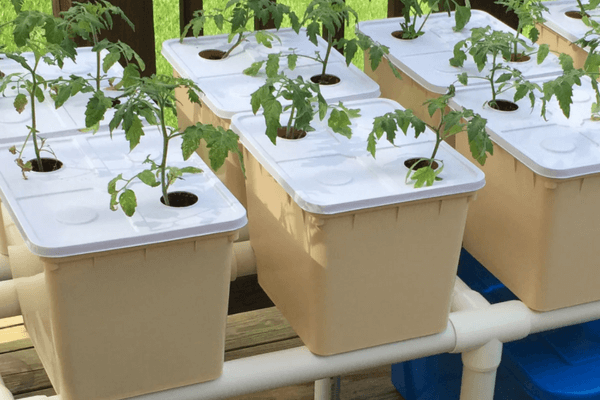
Want an easy head start?check out the Greenfuturehydro 6-Bucket Dutch DWC System. It comes with everything you need, including Dutch buckets, a pump, drip lines, and a foldable tank. It’s perfect for growing tomatoes, herbs, and other larger plants indoors or outdoors. No guesswork, just plug it in and start growing.
Money tip: A basic DWC setup for growing crops like lettuce usually costs around $50 to $100, not including a grow light. Choosing a ready-made system like the one above may cost a bit more upfront, but it saves time, reduces setup stress, and gives you more room to grow from the start.
Step 2: Sprout Your Seeds and Watch Them Grow
This is where the magic starts. Place your seeds, lettuce or basil are great for beginners, into a moist piece of rockwool or a small coco coir pellet. Keep them warm and damp until tiny green sprouts start to appear. You can do this in a small tray or even right in your net pots.
Step 3: Mix Your Plant’s Perfect Nutrient Solution
Now it’s time to make the special “plant smoothie” that will feed your greens!
First, grab your bottle of nutrient solution and check the label. Every brand is a little different, so it’s really important to follow the instructions carefully.
Next, fill your container or reservoir with clean water filtered or distilled is best. Once that’s done, slowly pour in the nutrient solution. Always add the nutrients into the water, not the other way around. It mixes much better and keeps your plants safe.
Once everything’s stirred together, it’s time to check the pH. Most vegetables grow best when the water is slightly acidic, around 5.5 to 6.5. Use your pH testing kit to find out where yours stands.
If the number isn’t quite right, don’t worry. Add just a drop or two of “pH Up” or “pH Down,” mix it, and test again. Think of it like seasoning a favorite dish a little tweak can make it just perfect for your plants!
Step 4: Time to Move Your Baby Plants to Their New Home
When your little seedlings start showing off a few real leaves, not the first tiny ones but the next pair that look like grown-up leaves, and you can spot some small roots poking out, they’re ready for the big move.
Gently lift each seedling and place it into a net pot. Make sure the roots can just touch or slightly dip into the nutrient solution below. You don’t want to squish them; think of it like tucking them into a comfy new bed where they can stretch and grow.
Once they’re settled in, they’ll start adjusting to their new hydroponic home in no time.
Step 5: Give Your Plants Some Light Love
If you’re growing indoors, your grow light is basically your plant’s very own sunshine. It helps them stay happy, strong, and full of energy even when there’s no sunlight around.
Start by picking a good light. A full-spectrum LED grow light is perfect for beginners because it gives your plants all the types of light they need to grow healthy and green.
Hang the light about 12 to 18 inches (30 to 45 cm) above your plants to start. As they grow taller, you can slowly raise the light so it stays the right distance away.
And don’t forget that plants need rest too. Use a timer so your lights turn on and off automatically. Most leafy greens like about 14 to 16 hours of light a day, followed by 8 to 10 hours of darkness. It’s like giving them a good night’s sleep after a full day of sunshine.
Step 6: Daily Care and Weekly Health Checks
This is the fun part where you get to be a real plant scientist and watch your garden thrive every day.
Take a quick look at your plants daily. Do they look happy and healthy? Check the water level in your reservoir too. If it’s getting low, just top it up with clean water. Remember, the nutrients stay in the water, but the water itself slowly evaporates or gets used by your plants.
Once a week, or every couple of weeks, do a deeper check-up. Test the pH of your water to make sure it’s still in that sweet spot between 5.5 and 6.5. pH levels can drift over time, so a quick test helps keep your plants growing strong.
If you have an EC or TDS meter, you can also check how much plant “food” is left in the water. It’s not a must for beginners, but it’s a great way to learn how hungry your plants really are.
And don’t forget “fresh food day”! Every two to three weeks, empty out the old nutrient solution, rinse your reservoir to wash away any algae, and mix up a new batch of nutrients. It’s like giving your plants a clean plate and a brand-new meal, they’ll love you for it.
Don’t Panic! Troubleshooting Common Hydroponic Issues
Even the best gardeners run into little puzzles. Here’s how to solve some common ones:
Yellow Leaves:What it means: Your plant might be hungry because it doesn’t have enough nitrogen, the water’s pH might be off, or the roots might not be getting enough air.
Your fix: Check the pH first, make sure your air pump is bubbling properly, and if needed, change out the nutrient solution for a fresh one.
Green Slimy Water (Algae!):What it means: Light is sneaking into your reservoir where it shouldn’t be, giving algae a chance to grow.
Your fix: Keep your reservoir covered with something dark like cardboard or black tape so light can’t get in. Algae compete with your plants for nutrients, so it’s best to block them out completely.
Droopy or Wilting Plants:What it means: They might not be getting enough water, could be overfed (nutrient burn), or have unhappy roots.
Your fix: Check the water level right away. If you have an EC meter, see if the nutrient mix is too strong. If it is, add plain water to dilute it. Also take a peek at the roots. Healthy roots are white and firm, while unhealthy ones look brown and slimy.
Roots Look Brown or Slimy:What it means: Your roots may not be getting enough oxygen, or the water might be too warm this is a sign of root rot.
Your fix: Make sure your air pump is working well and producing plenty of bubbles. Try to keep the water temperature cool if you can, and clean your system thoroughly whenever you change the water.
Beyond Your First Plant: The Big Impact of Hydroponics
Learning about hydroponics isn’t just a fun project; it’s a glimpse into the future of how we can grow food smarter and more sustainably. By saving water and growing food close to where people live, hydroponics helps reduce pollution and waste. It’s a big step toward hydroponics for sustainable living and a healthier Earth.
Picture this: rows of fresh, green lettuce thriving beautifully while using only a fraction of the water and space that traditional farming needs. That’s the magic of hydroponic systems. It’s especially incredible for people living in cities where every bit of space counts.
Because hydroponic systems don’t use soil, there’s usually no need for harsh pesticides. The result is clean, safe, and delicious food that you can feel good about eating. Beyond that, hydroponics supports the environment by reducing water use and minimizing food transportation, leading to fewer emissions and less waste. It’s one small step you can take toward sustainable gardening and one giant leap for a greener planet.
FAQs: Your Hydroponic Questions Answered!
Q1: Is hydroponic food really organic and safe to eat?
A1: Hydroponically grown food is perfectly safe and clean to eat. In fact, many people prefer it because it’s grown without soil, meaning fewer pests and less need for pesticides. While not all hydroponic produce is certified organic, it can still be nutrient-rich and chemical-free when you use natural nutrient sources.
Q2: Will hydroponics actually save me money?
A2: It depends on your setup. Starting small with a simple home system can save money over time, especially if you grow high-value crops like herbs, lettuce, or strawberries. Once your system is running, you’ll use less water, fewer supplies, and enjoy fresh food right from your kitchen with no grocery trips needed.
Q3: Can I use tap water for my hydroponic system?
A3: Yes, in most cases tap water works fine. Just check that it’s not too hard or full of chlorine. If your plants don’t seem happy, try filtering the water or letting it sit out overnight to let chlorine evaporate. Some growers use distilled or reverse osmosis (RO) water for more control, but it’s optional.
Q4: Is hydroponics hard to maintain?
A4: Not at all once you get the hang of it. The key is to check your water level, pH, and nutrient mix regularly, just like feeding and watering pets. With a little routine, your plants practically take care of themselves. Automated pumps and timers can make it even easier.
Q5: Is hydroponics good for the environment?
A5: Absolutely. Hydroponics uses up to 90% less water than traditional farming and can grow food anywhere, even in cities or deserts. Because you grow close to home, it reduces food miles and waste, making it a truly eco-friendly way to garden.
Unleash Your Inner Green Thumb and Grow Confidently
Hydroponics is more than just a science experiment. It’s an exciting opportunity to explore the fascinating world of plants, learn practical skills, and build a greener future together. Through this fun, soilless growing method, kids can observe plant growth up close, learn how to care for their seedlings, and understand how small actions at home can help the planet. It’s not only a joyful hands-on adventure but also a journey that brings delicious harvests and a deeper connection with nature.
So, grab an adult, choose your favorite plant, and get ready to grow something truly special your very first hydroponic harvest is waiting for you!
If your child enjoyed this introduction to hydroponic gardening, they’ll love exploring more creative and meaningful projects. Check out our related article, Kids Hydroponic Plants and a Bright Tomorrow, which dives deeper into how hydroponics can inspire creativity, teamwork, and environmental awareness among young learners. Together, these activities show that sustainable gardening can be both a fun family hobby and a powerful educational tool for the next generation.
Ready to Start Your Hydroponic Adventure?
Whether you want a fun weekend project with your children, hope to ignite their curiosity about science, or dream of creating a small garden at home, hydroponics offers an exciting way for families to grow and learn together. This soil-free method saves space and cuts down on mess, giving kids a hands-on chance to explore how plants grow and thrive.
Start your family’s green adventure today with our easy-to-use hydroponic kits designed just for young growers. Visit www.greenfuturehydro.com to find beginner-friendly setups, colorful grow lights, and simple guides that make learning fun and rewarding. Whether it’s growing fresh herbs on the windowsill or building a tiny indoor garden, we have everything to help your little gardeners succeed.
The world of hydroponics is waiting for you! It’s fun, educational, and you get to eat what you grow. Let’s grow together!
Already growing with your kids? Share your green moments with us! Tag @Greenfuturehydro on Instagram or drop your stories and questions in the comments below. Our team is here to support your family’s exciting journey into the world of hydroponics and healthy living.

