
Best hydroponic plants for beginners are the foundation of a successful indoor garden, as choosing the right species can make all the difference in your early experience. While many crops can adapt to soilless systems, certain varieties are far more forgiving, faster to harvest, and easier to manage, making them the perfect choice for those just starting out. Focusing on these reliable performers is one of the smartest ways to build confidence and ensure you see tangible, fresh results within your first few weeks of cultivation.
In this comprehensive guide, you will discover a carefully selected list of easy hydroponic plants that flourish in simple setups, require minimal maintenance, and perform consistently indoors. Whether you are operating a small countertop kit or a large vertical hydroponic tower, these beginner friendly crops will help you enjoy nutrient dense, pesticide free greens while ensuring a smooth and rewarding learning curve.
Let us begin with a quick comparison to help you choose the ideal plants for your specific hydroponic setup. For first-time growers, having a basic understanding of hydroponic basics can also make it much easier to choose plants that thrive indoors.
A Beginner’s Guide to Easy Hydroponic Plants at Home
If you’re looking for the best hydroponic plants for beginners, this table will help you quickly compare difficulty, growth speed, and ideal growing conditions.
| Plant | Difficulty | Growth Time | Ideal pH | EC Range | Light Needs | Best System | Why It’s Beginner-Friendly |
|---|---|---|---|---|---|---|---|
| Lettuce | ⭐⭐⭐⭐⭐ | 25–30 days | 5.5–6.5 | 0.8–1.2 | 12–14 hrs | DWC / NFT | Fast-growing and very forgiving |
| Basil | ⭐⭐⭐⭐☆ | 30–35 days | 5.5–6.5 | 1.0–1.6 | 12–16 hrs | DWC / Drip | High yield, easy to prune |
| Mint | ⭐⭐⭐⭐⭐ | 20–30 days | 5.5–6.5 | 0.8–1.4 | 12–14 hrs | Any System | Extremely resilient, regrows easily |
| Spinach | ⭐⭐⭐☆☆ | 30–40 days | 5.5–6.5 | 1.2–1.8 | 12–14 hrs | NFT | Nutrient-rich but slightly sensitive |
| Green Onions | ⭐⭐⭐⭐⭐ | 20–30 days | 6.0–7.0 | 1.0–1.4 | 10–12 hrs | Any System | Regrows quickly from cuttings |
| Cilantro | ⭐⭐⭐☆☆ | 30–40 days | 6.0–6.5 | 1.2–1.8 | 10–12 hrs | NFT | Great flavor but heat-sensitive |
| Kale | ⭐⭐⭐⭐☆ | 40–60 days | 5.5–6.5 | 1.2–1.8 | 12–14 hrs | DWC | Hardy and long harvesting window |
| Arugula | ⭐⭐⭐⭐☆ | 20–25 days | 6.0–6.5 | 1.0–1.6 | 12–14 hrs | NFT | Fast harvest with bold flavor |
| Bok Choy | ⭐⭐⭐⭐☆ | 25–35 days | 5.5–6.5 | 1.0–1.5 | 12–14 hrs | DWC | Compact and quick-growing |
| Strawberries | ⭐⭐⭐☆☆ | 60+ days | 5.5–6.5 | 1.2–2.0 | 12–16 hrs | Drip / Tower | High reward but needs attention |
| Celery | ⭐⭐⭐⭐☆ | 45–60 days | 5.8–6.5 | 1.2–1.8 | 12–14 hrs | DWC | Loves water and grows steadily |
| Microgreens | ⭐⭐⭐⭐⭐ | 7–14 days | 5.5–6.5 | 0.5–1.0 | 10–12 hrs | Tray / Any | Fastest results, minimal setup |
Tip: If you’re using a hydroponic tower system, start with lettuce, basil, or mint for the fastest success.
1. Lettuce:If You’re Just Starting, Grow This First
Quick, forgiving, and almost impossible to mess up
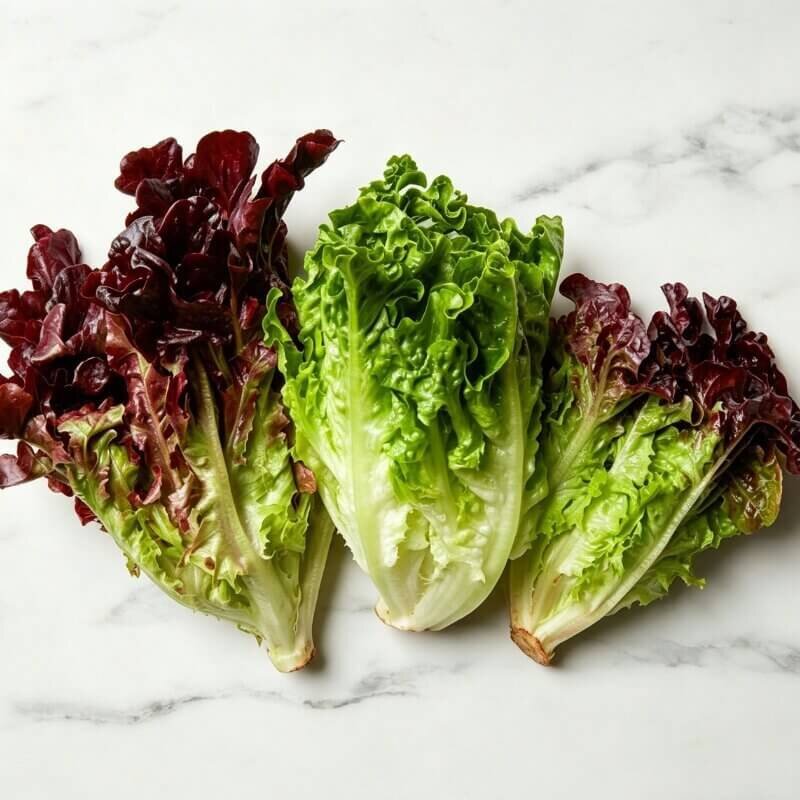
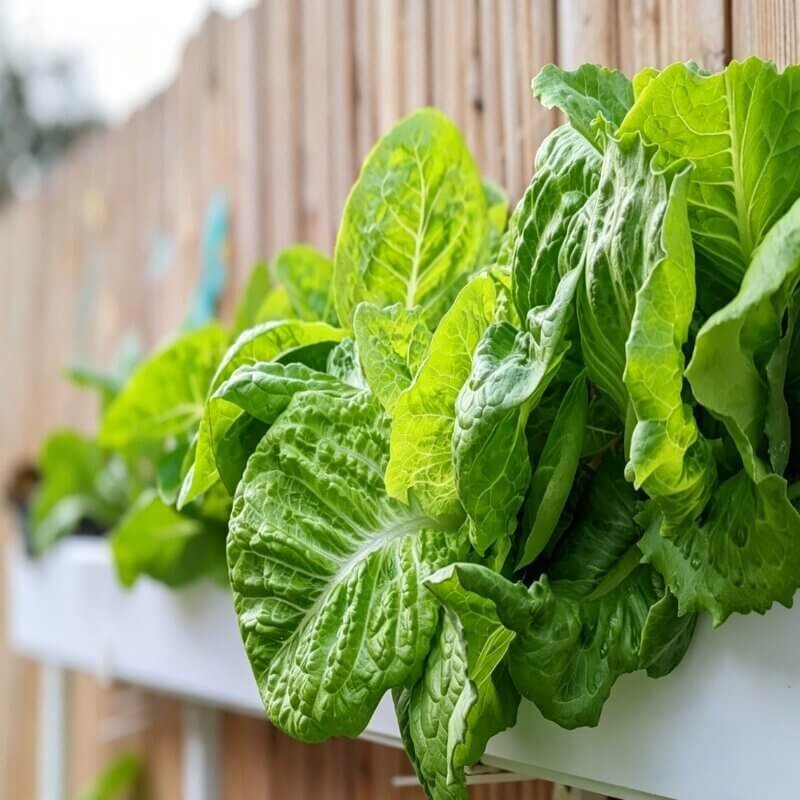
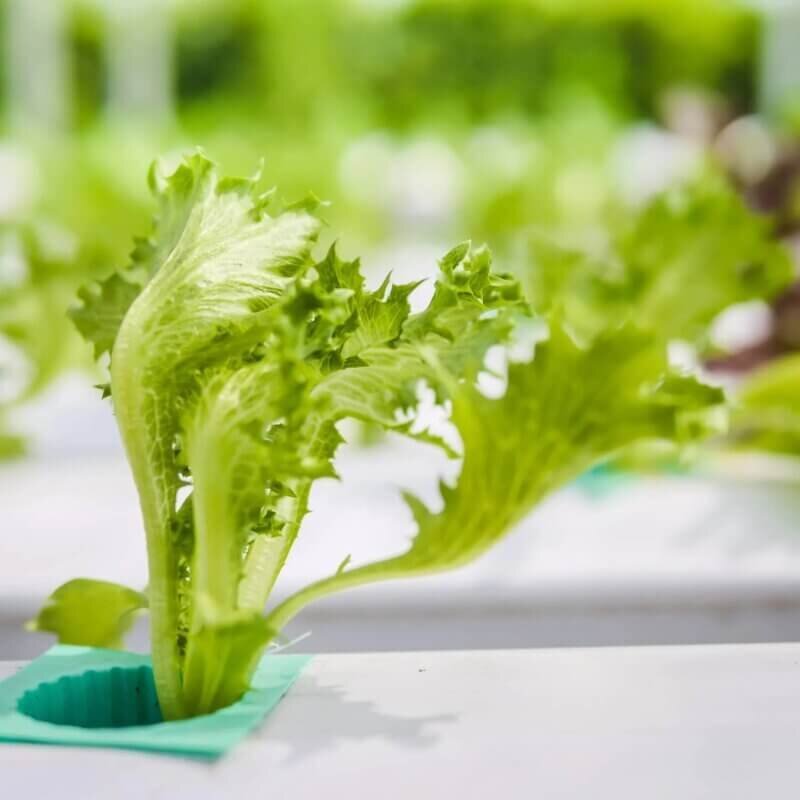
If you are diving into hydroponics for the first time, lettuce is one of the easiest and most reliable crops you can choose. It has a high success rate and grows surprisingly fast, often going from seed to harvest in around 30 days under the right conditions. Germination is also quick, typically taking just 2 to 4 days when the plants receive 12 to 14 hours of light per day, which works perfectly with standard LED grow light setups.
To produce crisp, flavorful leaves, it’s important to keep your Electrical Conductivity (EC) between 1.2 and 1.8 while maintaining a stable pH range of 5.5 to 6.2. Lettuce also prefers cooler environments, so keeping the nutrient solution between 15°C and 22°C will help prevent early bolting and maintain better leaf quality.
Another reason lettuce is so beginner-friendly is its flexibility. It grows well in a variety of media, including sponges, rockwool, and perlite, without requiring much adjustment. For the best experience, loose-leaf varieties such as Butterhead or Romaine are highly recommended. These allow for a “cut and come again” harvesting method, where you can pick the outer leaves while the center continues to grow, giving you a steady supply of fresh greens over time.
2. Basil:The One Herb You’ll Actually Use Every Day
Grows fast and makes everything smell amazing
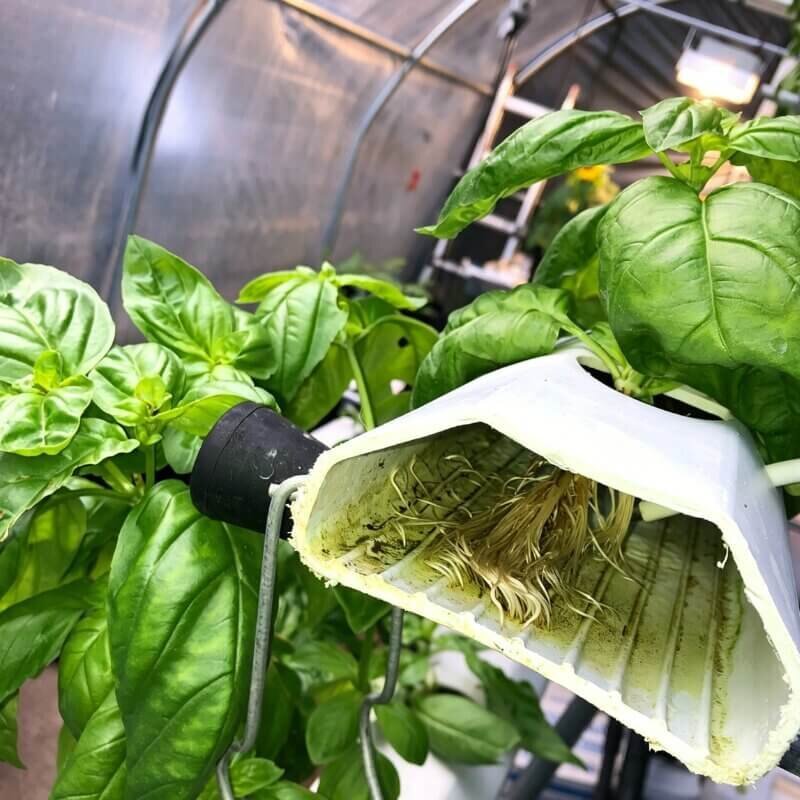
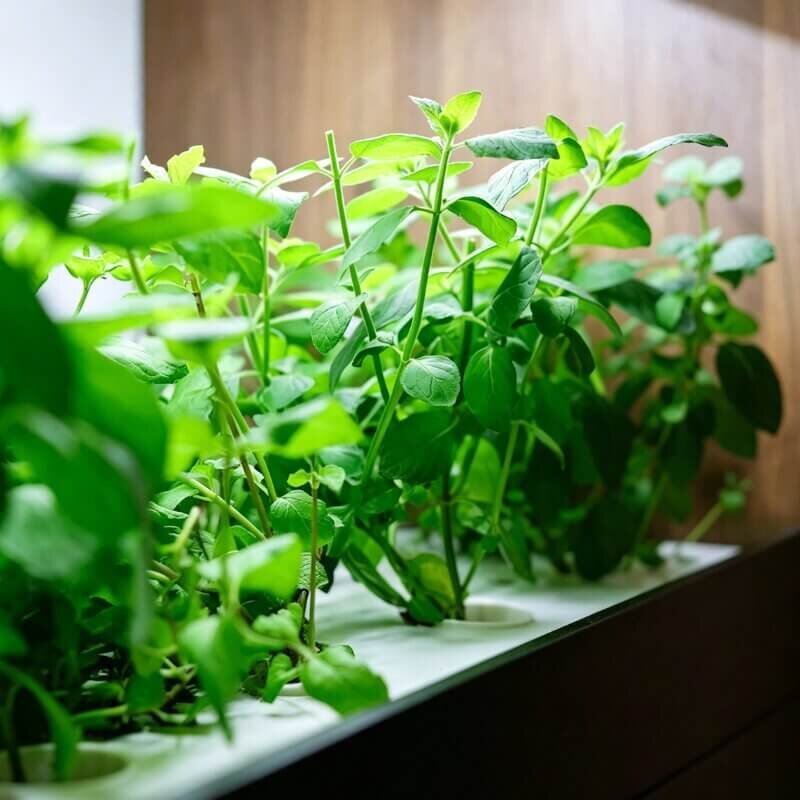
Basil is a popular choice for hydroponic growing and adapts easily to indoor systems. Under the right conditions, it grows quickly and can reach its first harvest in just three to four weeks. Seeds usually germinate within 5 to 10 days, as long as the growing medium stays consistently moist and the plant receives 14 to 16 hours of light each day.
For the best flavor and strong essential oil production, keep the Electrical Conductivity (EC) between 1.0 and 1.6 and maintain a pH range of 5.5 to 6.5. Basil also prefers warm conditions, so it performs best when the water temperature stays above 20°C.
To keep your plants productive for longer, it is important to remove any flower buds as soon as they appear. Once basil starts to bloom, it directs its energy away from leaf growth, which can cause the leaves to become bitter. Regular harvesting actually helps the plant grow better. By cutting just above a leaf node, you encourage new branches to form, resulting in a fuller plant and a steady supply of fresh leaves for everyday use.
3. Mint:This One Grows a Little Too Well
Great for beginners just keep it under control
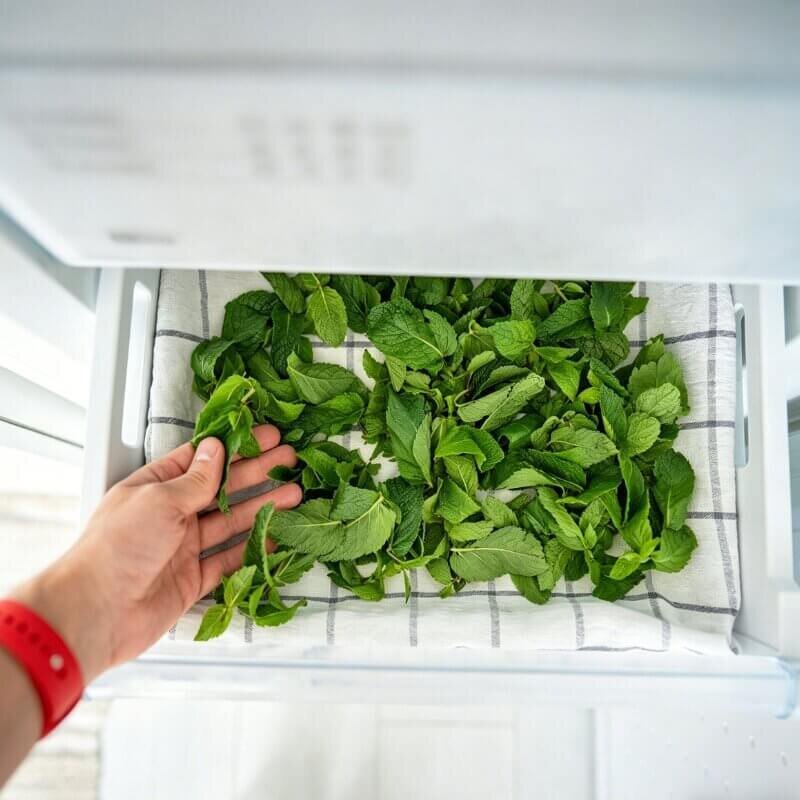
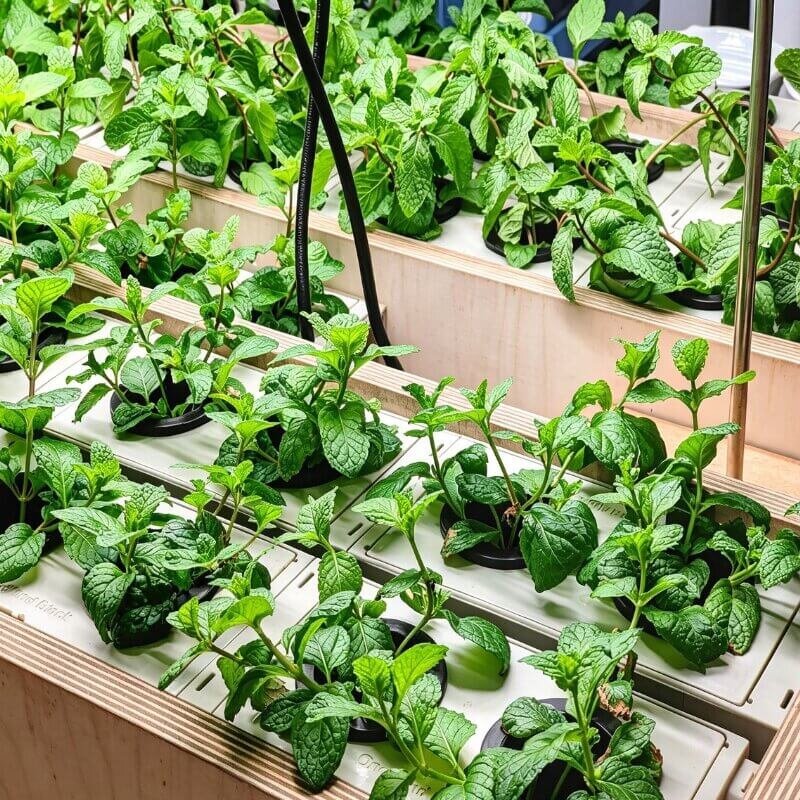
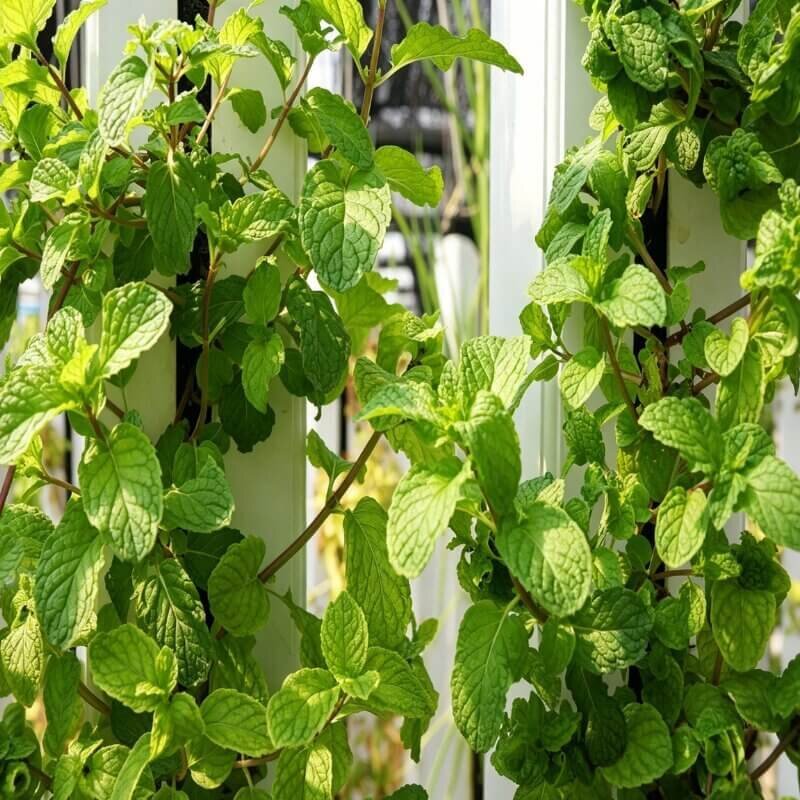
Mint is known for its vigorous growth and aggressive root system, making it a very rewarding plant for beginners who want fast results. It establishes quickly and can grow much faster than expected, sometimes taking over a shared reservoir within just a couple of weeks.
Seeds typically germinate within 7 to 10 days and perform best with 12 to 14 hours of consistent light. For healthy growth, keep the nutrient concentration between 1.2 and 1.8 EC and maintain a pH range of 5.5 to 6.0 to support efficient nutrient uptake.
Because mint spreads so aggressively, it is best grown in a separate container or its own system. This prevents it from tangling with or outcompeting other plants. Although mint is quite hardy and can tolerate small fluctuations in water quality, it thrives in systems with good aeration, which helps support its dense root mass.
Regular harvesting is key to keeping the plant under control. It not only provides a steady supply for teas or drinks but also prevents the stems from becoming too long and leggy. With consistent trimming, your mint will stay compact, healthy, and productive over time.
4. Kale:Not the Fastest, But Definitely Worth It
Strong, reliable, and packed with nutrients
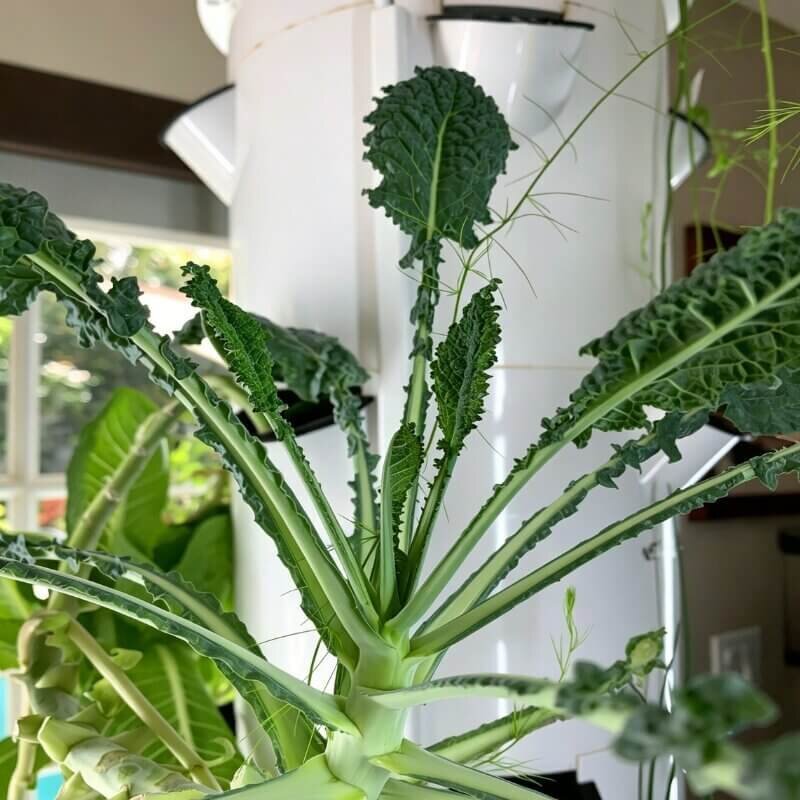
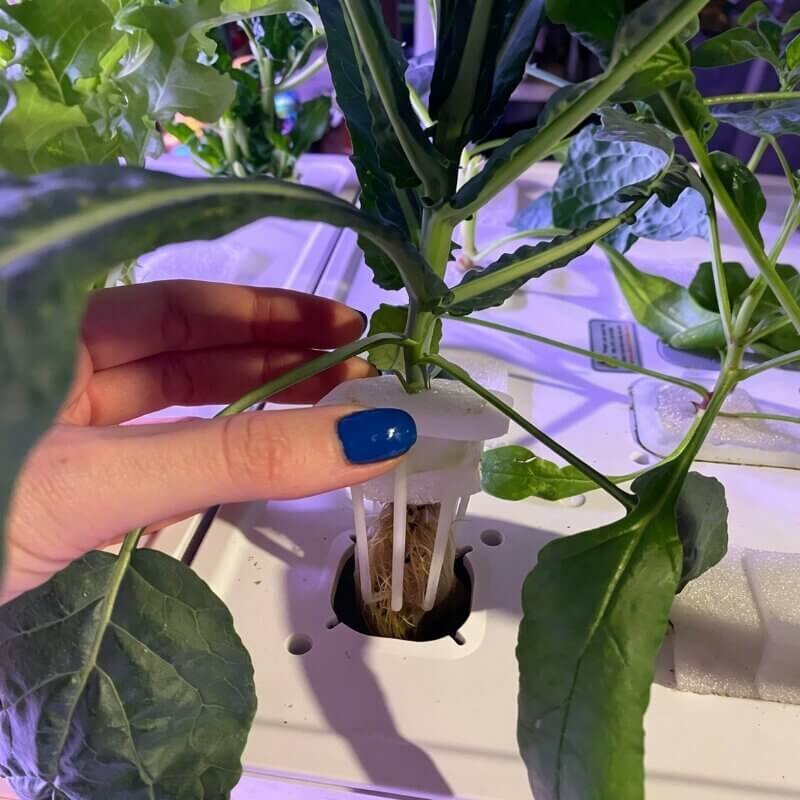
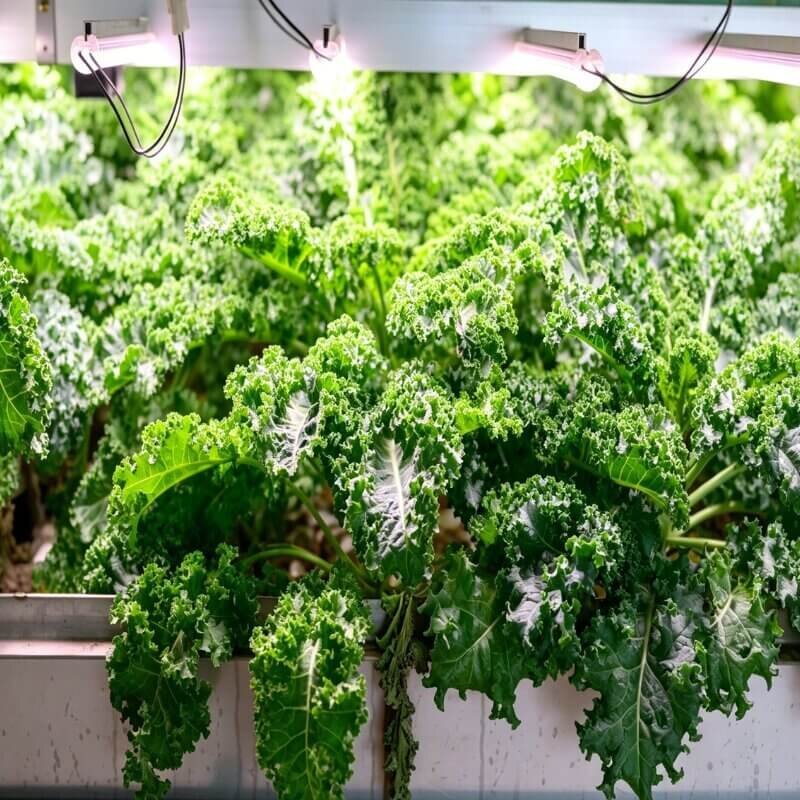
Kale is a hardy and reliable choice for home hydroponics, valued for both its high nutrient content and its textured, ornamental leaves. Although it takes longer to reach full maturity usually around 45 to 60 days many growers enjoy harvesting it earlier at the “baby leaf” stage, when the leaves are more tender and mild in flavor.
Germination typically takes about 5 to 8 days under warm and moist conditions. To keep the plants compact and prevent weak, leggy stems, make sure they receive 12 to 16 hours of bright, full-spectrum light each day.
For strong growth, maintain a slightly higher EC between 1.5 and 2.5 and keep the pH within a range of 5.5 to 6.5. Kale is a cool-weather crop, so a well-ventilated grow space will improve both leaf quality and flavor. In cooler conditions, the leaves often develop a noticeably sweeter taste compared to those grown in warmer environments.
Another advantage is its resilience. Kale is naturally resistant to many common hydroponic pests, making it a dependable and low-maintenance option for growers who want a steady supply of nutrient-rich greens at home.
5. Pak Choi:One of the Quickest Greens You Can Harvest
Crisp, tender, and perfect for simple meals
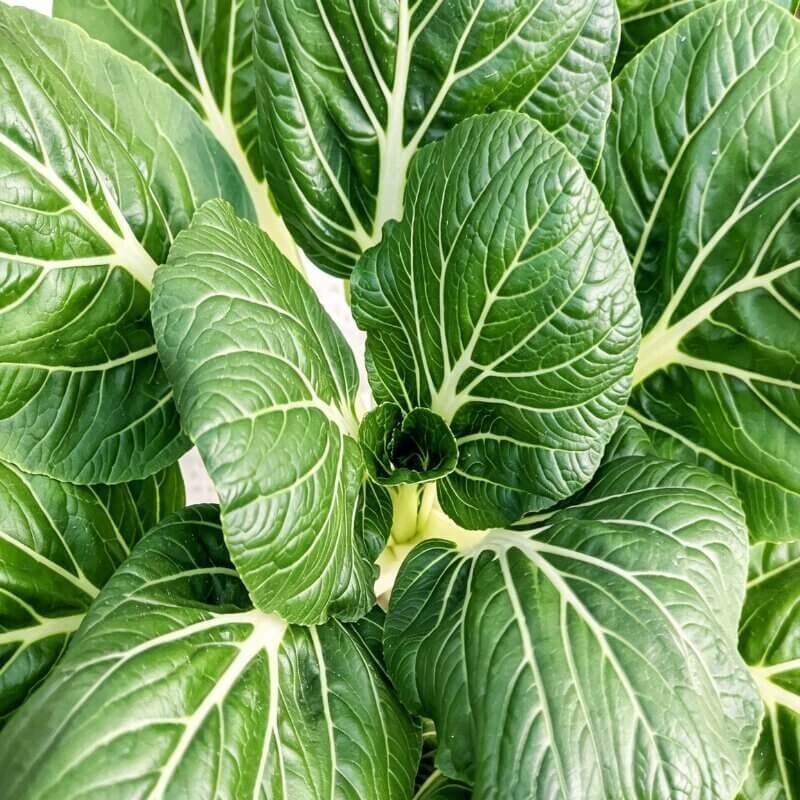
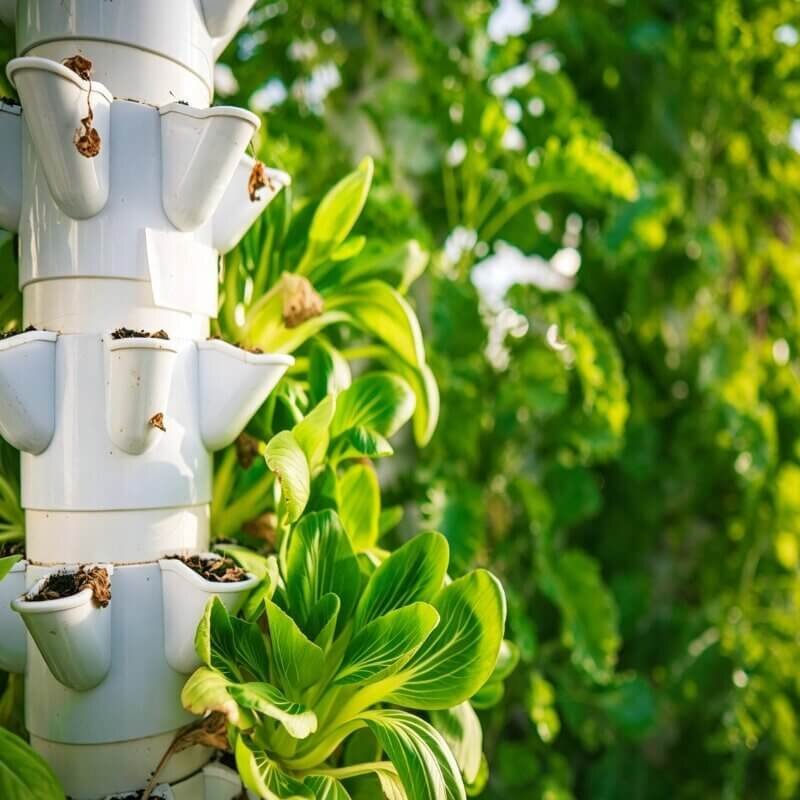
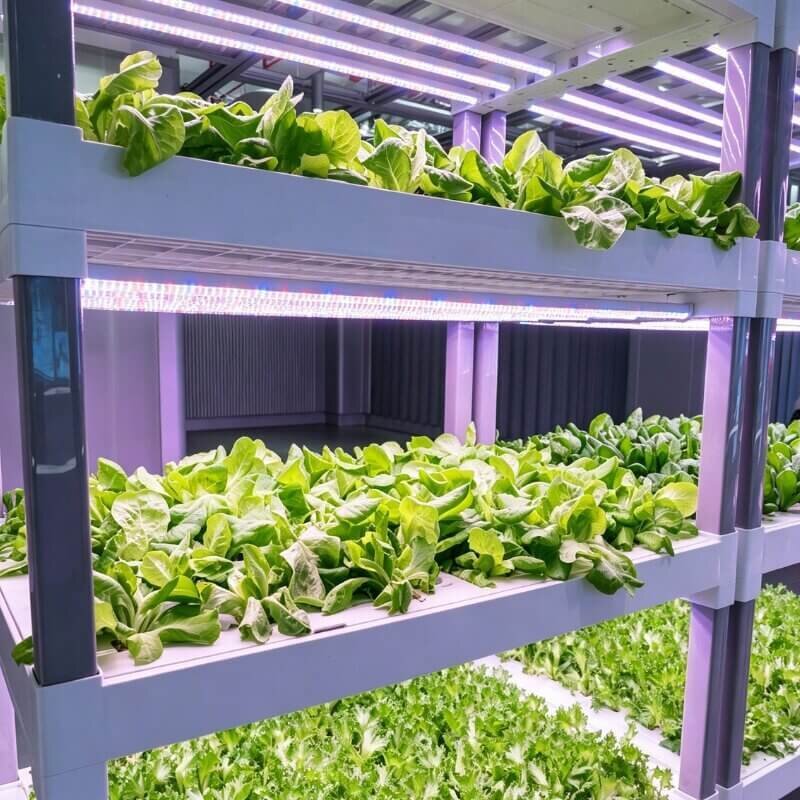
Pak Choi, also known as Bok Choy, is a beginner-friendly staple that grows exceptionally well in hydroponic systems. Thanks to its high water content and fast growth cycle, it is often ready to harvest in just 30 to 35 days, making it one of the quickest crops from seed to table.
Seeds germinate rapidly, usually within 3 to 5 days, and the plants perform best with 12 to 14 hours of light each day. Under the right conditions, they develop their signature thick, crunchy white stalks and deep green leaves.
For optimal results, keep the EC between 1.5 and 2.5 and maintain a pH range of 5.5 to 6.5. Pak Choi is sensitive to temperature changes, especially heat. If the environment becomes too warm, the plant may bolt early and start flowering, which can affect both texture and flavor.
Pay attention to early signs of stress. Yellowing inner leaves or soft stalks often indicate an imbalance in nutrients or pH. In most cases, refreshing the nutrient solution or adjusting the pH will help restore healthy growth. Adequate calcium and nitrogen levels are especially important for maintaining firm structure and crisp texture.
6. Cilantro:A Bit Picky, But You’ll Love the Flavor
Keep it cool and it will reward you
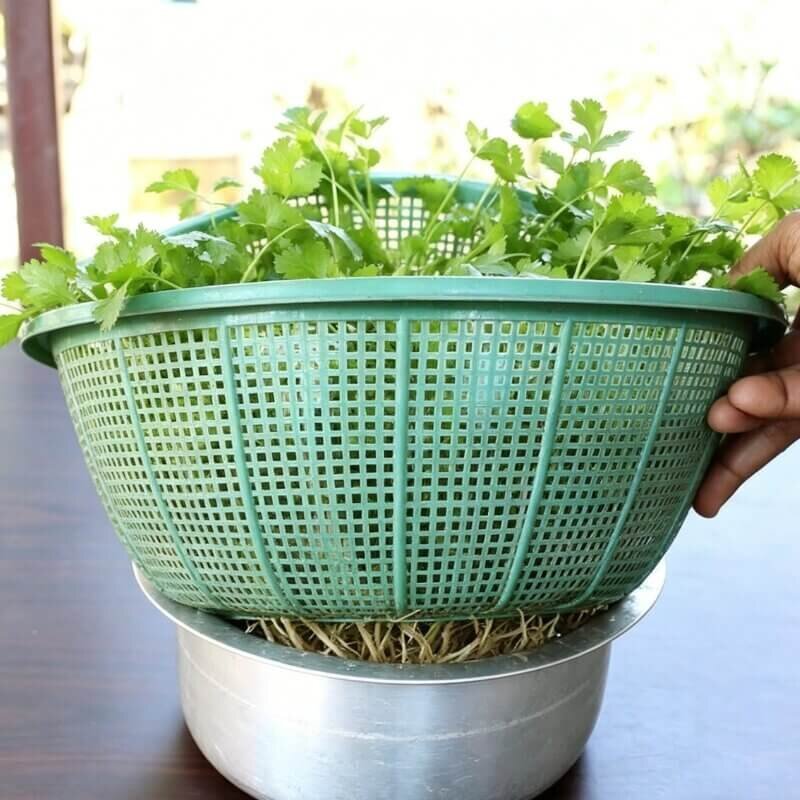
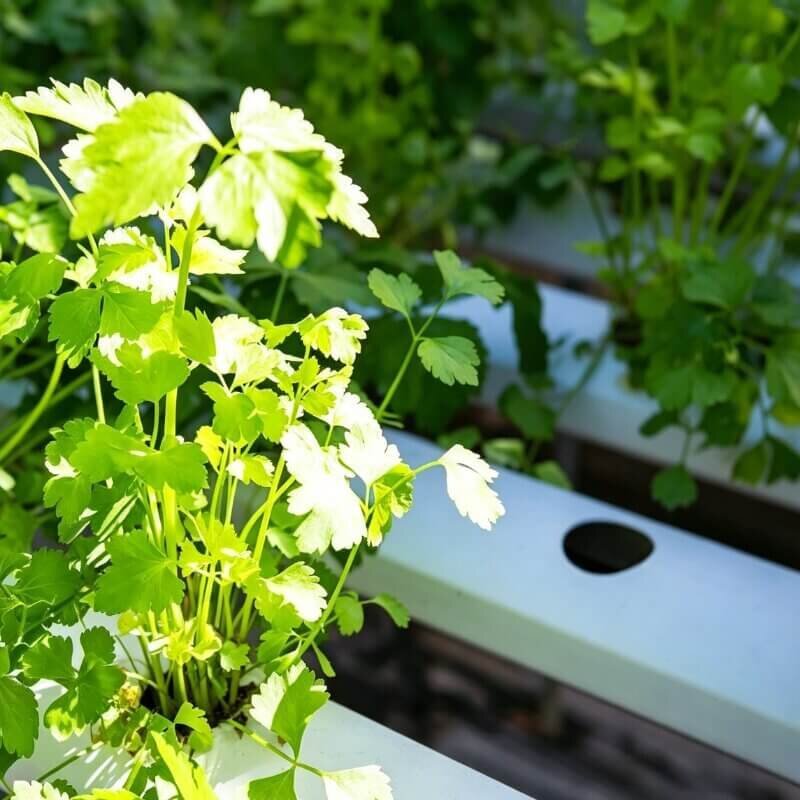
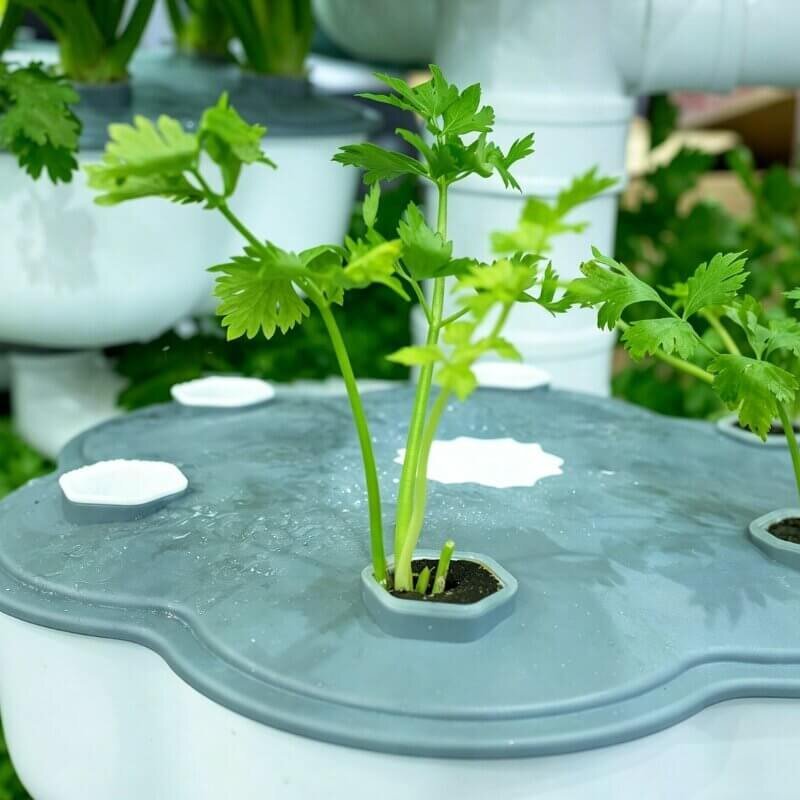
Cilantro requires a bit more patience than most leafy greens, mainly because of its tough seed husks. It can take 10 to 14 days to germinate, which often feels slow compared to other herbs. A useful trick is to gently crush the coriander seeds before planting. This helps moisture reach the inner seeds more easily and can speed up the process.
Once the seedlings emerge, temperature control becomes the most important factor. Cilantro is highly sensitive to heat and tends to bolt quickly if the environment gets too warm. When this happens, the leaves lose their soft texture and develop a more bitter, needle-like quality.
To preserve its fresh, aromatic flavor, keep your system in a cooler location and provide 10 to 12 hours of light each day. Avoid overly intense lighting, as it can raise leaf temperature and trigger early bolting. For stable growth, maintain an EC between 1.2 and 1.8 and keep the pH in a slightly higher range of 6.5 to 6.7.
With cool roots and balanced nutrients, you can extend the harvest window and delay flowering. Cilantro can be harvested once it reaches about 6 inches in height. You can either cut the entire plant or harvest selectively early on using a “cut and come again” approach.
7. Celery:Takes Time, But the Flavor Is Next Level
Slow growth, but surprisingly satisfying
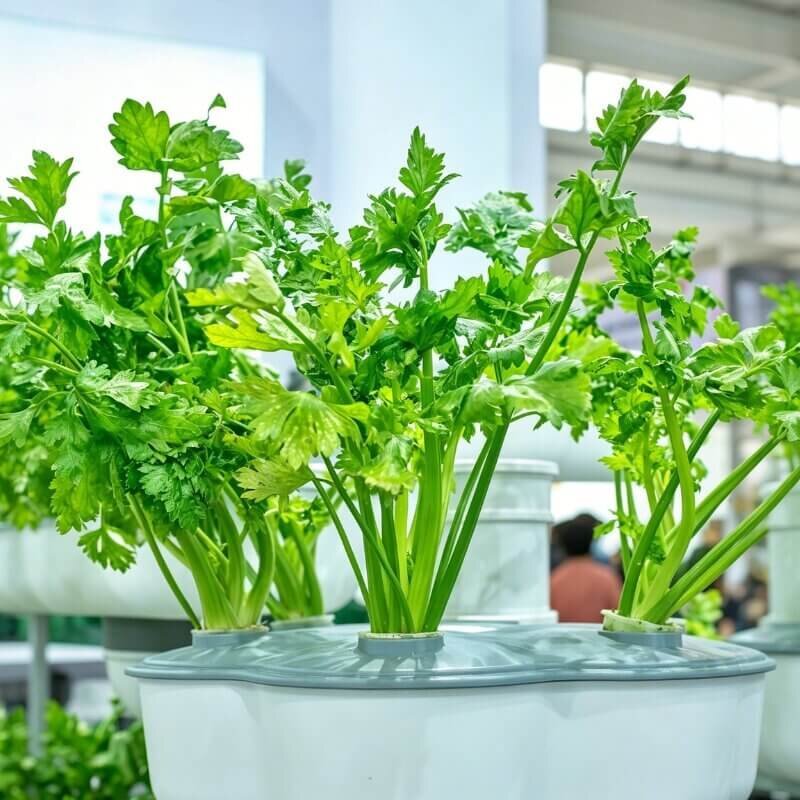
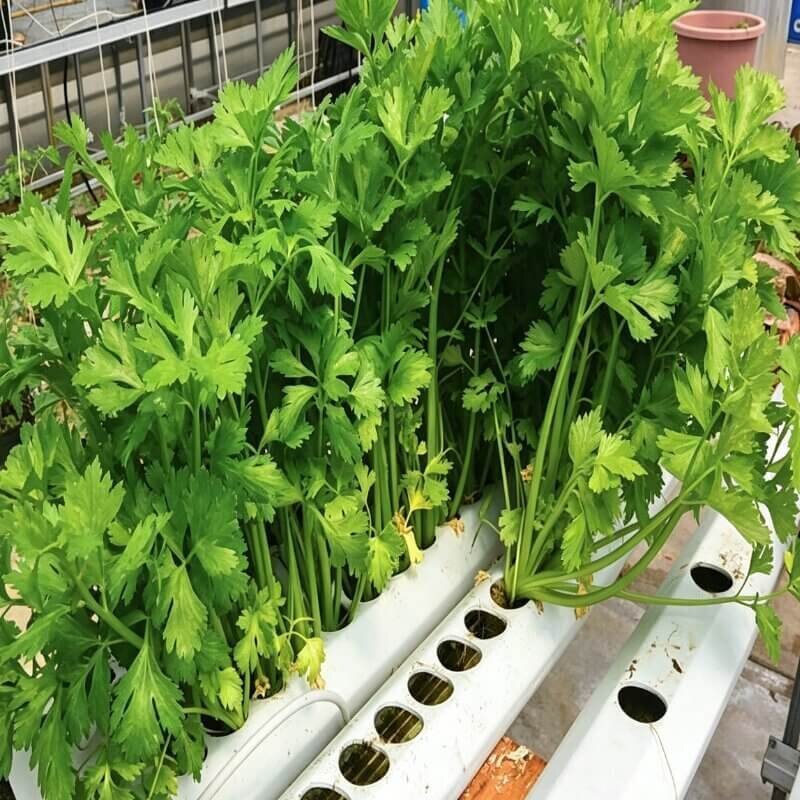
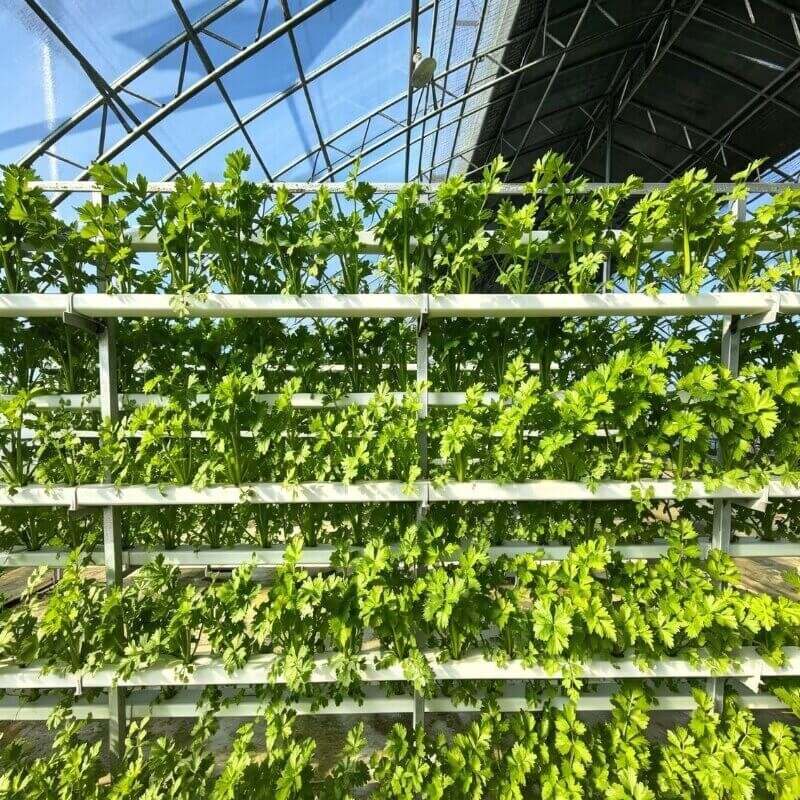
When starting with celery, it’s best to begin with just a few plants. This makes it easier to manage its specific water and nutrient needs without feeling overwhelmed. Unlike fast-growing greens, celery takes patience. It can require more than 100 days to reach full maturity, but the slower growth often results in a deeper and more complex flavor than store-bought varieties.
Consistency is key when growing celery. It is a very “thirsty” plant with a high transpiration rate, so you will need to check your reservoir regularly. If water levels fluctuate too much, the stalks can become hollow, stringy, or develop a bitter taste.
To support steady and healthy growth, maintain an EC between 1.8 and 2.4 and keep the pH in the range of 6.0 to 6.5. Celery also prefers cooler conditions, so keeping the nutrient solution between 16°C and 21°C will help improve texture and flavor.
Good airflow and consistent moisture are especially important for this crop. Because celery develops dense stalks, it benefits from stable conditions throughout its growth cycle. While it may take longer than other plants, the final harvest is often more rewarding, especially for those who enjoy cooking with rich, aromatic greens.
8. Swiss Chard:Grows Beautifully Without Much Effort
Adds color and life to any indoor setup
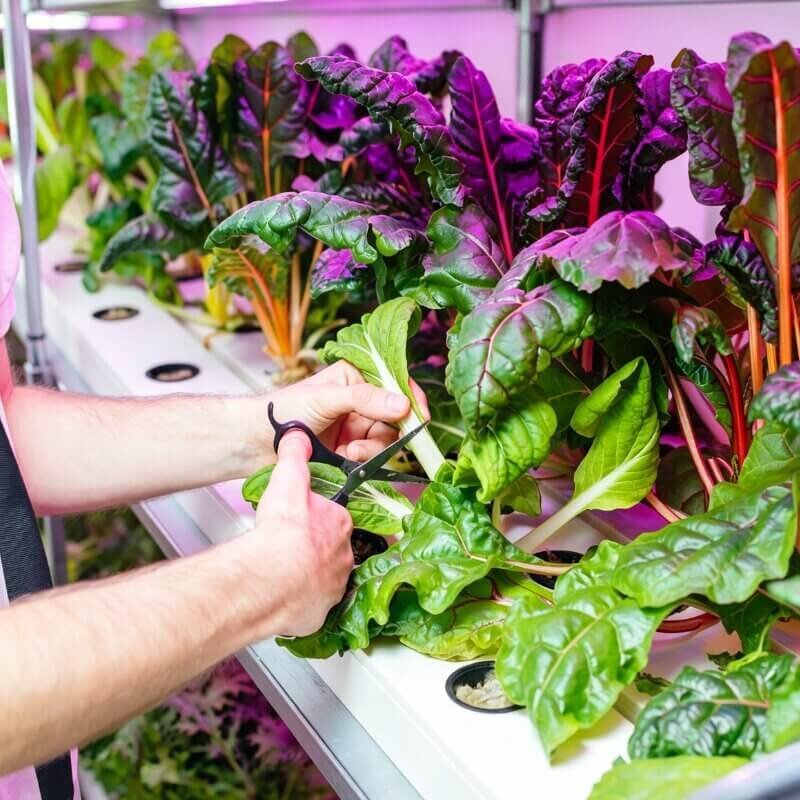
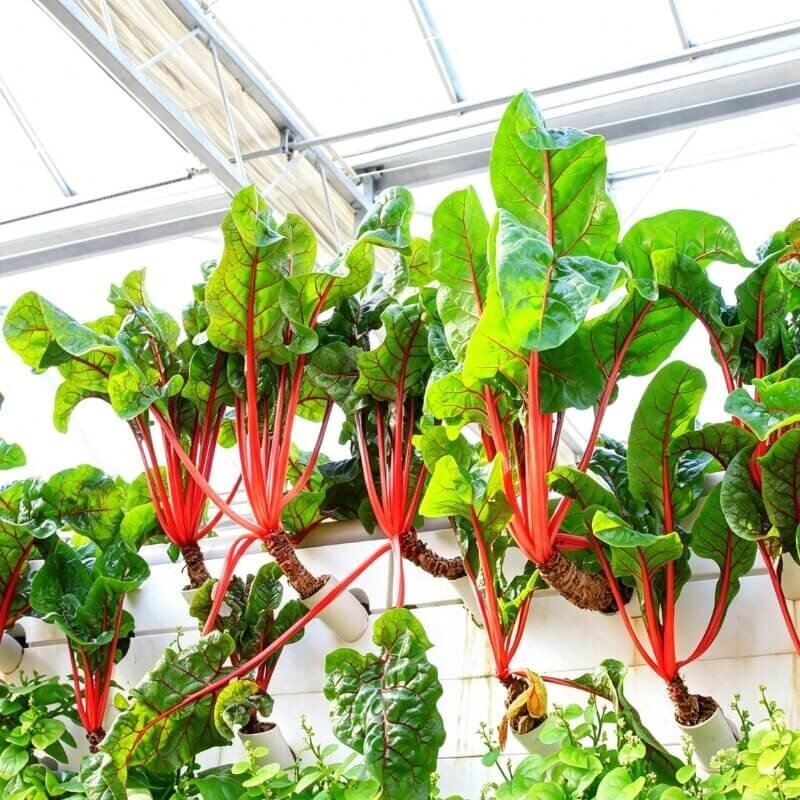
Swiss chard adds a vibrant splash of color to any hydroponic setup, with its bright red, yellow, and orange stalks making it as decorative as it is productive. It grows well under 12 to 14 hours of daily light, and using a simple timer can help maintain a consistent schedule and reduce the risk of stress-related bolting.
For healthy growth, aim to keep the EC between 1.8 and 2.3 and maintain a slightly acidic pH range of 6.0 to 6.5. These conditions allow the plant to absorb the micronutrients that contribute to its strong growth and vivid coloration.
One of the biggest advantages of Swiss chard is its resilience. It tolerates heat better than many leafy greens like lettuce or spinach, making it a reliable option for indoor spaces that may get warmer during the summer.
Harvesting is also simple and efficient. By picking the mature outer leaves and leaving the center intact, you can encourage continuous growth and enjoy a steady supply of fresh greens for months. Its upright growth habit also makes it well-suited for NFT channels or vertical tower systems, especially when space is limited.
9. Arugula:Fast, Peppery, and Ready Before You Expect
One of the quickest wins for new growers
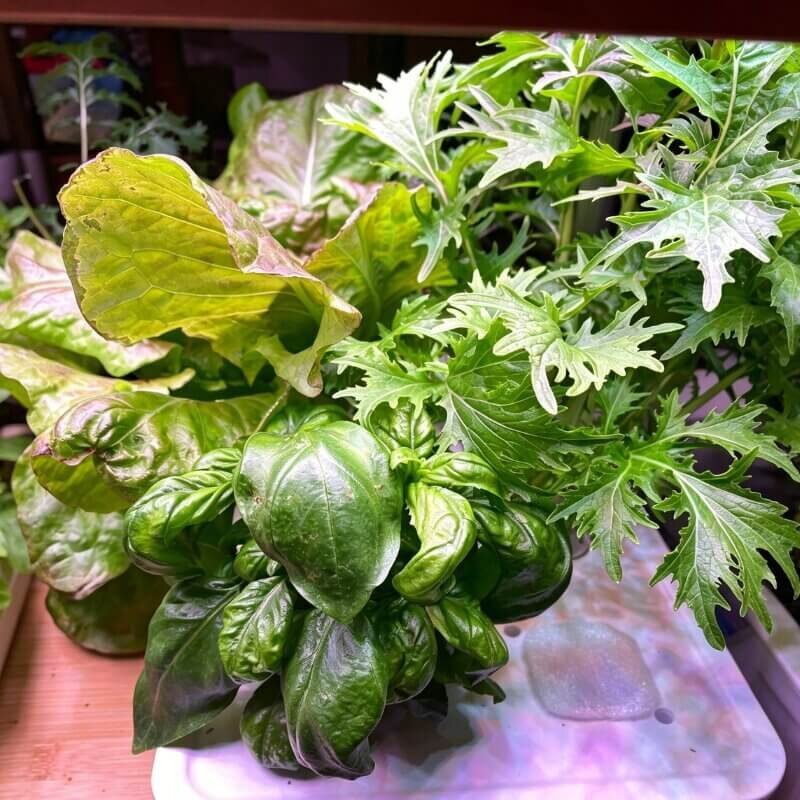
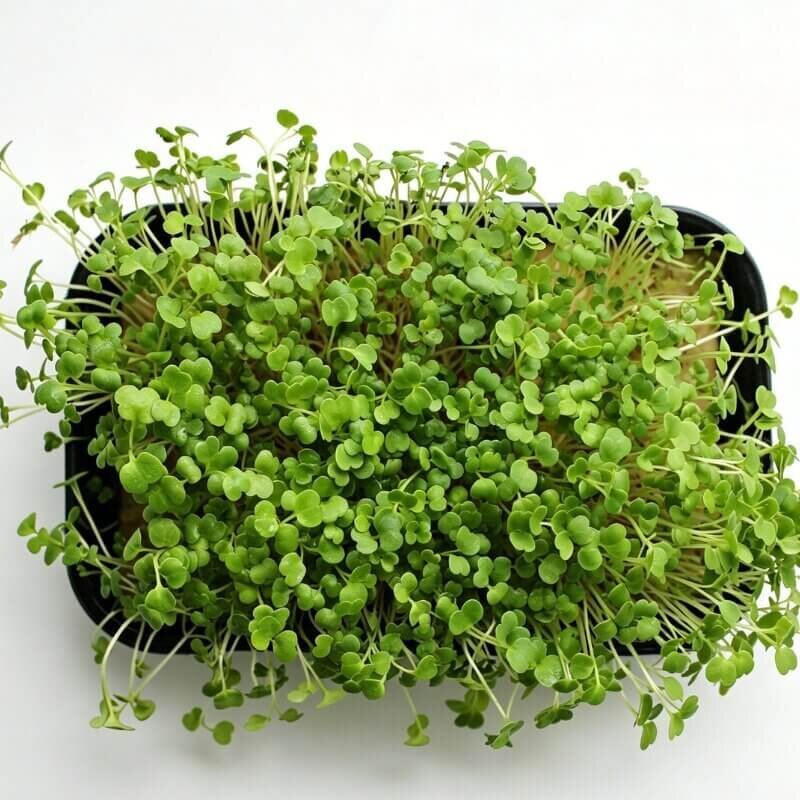
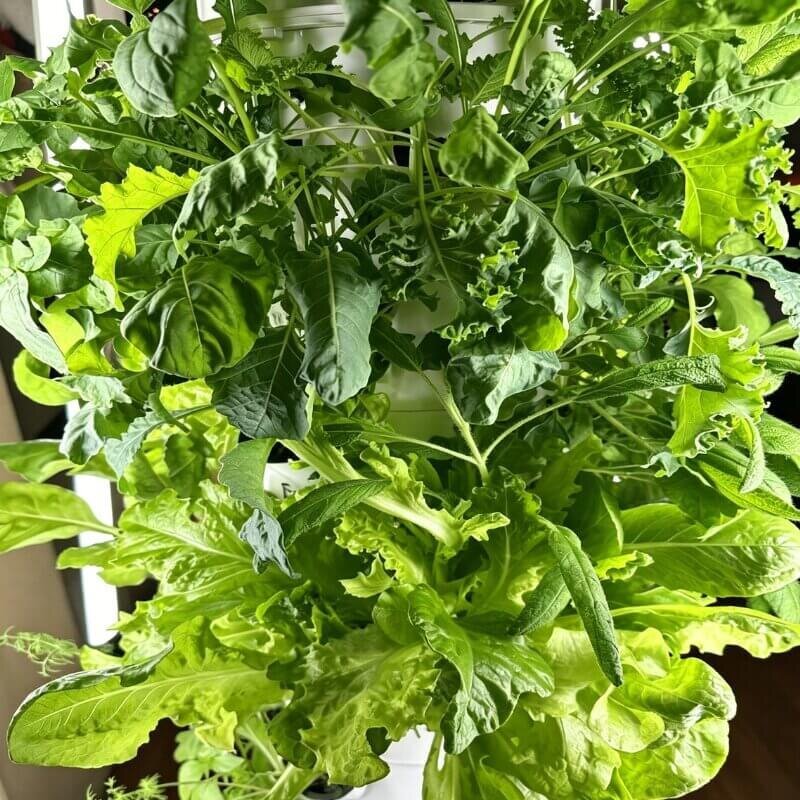
Arugula is known for its zesty, peppery flavor and its incredibly fast germination. It often sprouts within just 3 to 5 days, making it one of the quickest greens to get started in a hydroponic system. Because of its rapid growth, it works especially well with the “cut and come again” method, giving beginners a fast and satisfying first harvest.
To keep the plants compact and healthy, provide 12 to 14 hours of light each day. This helps prevent stretching and encourages stronger leaf development. Arugula prefers a lighter nutrient concentration, so maintaining an EC between 1.0 and 1.6 and a pH range of 6.0 to 7.0 will support steady growth without stressing the roots.
Harvest timing plays a big role in flavor. For the best taste, pick the leaves within 25 to 30 days while they are still young and tender. If left too long, the flavor can become overly strong and bitter.
Arugula is also sensitive to high humidity, so good airflow is important. Using a small fan can help prevent moisture-related issues like downy mildew while keeping the leaves crisp and fresh. With the right conditions, it becomes an easy and rewarding crop for salads, sandwiches, and more.
10. Spinach:Prefers It Cool and Tastes Better That Way
A great option if your space isn’t too warm
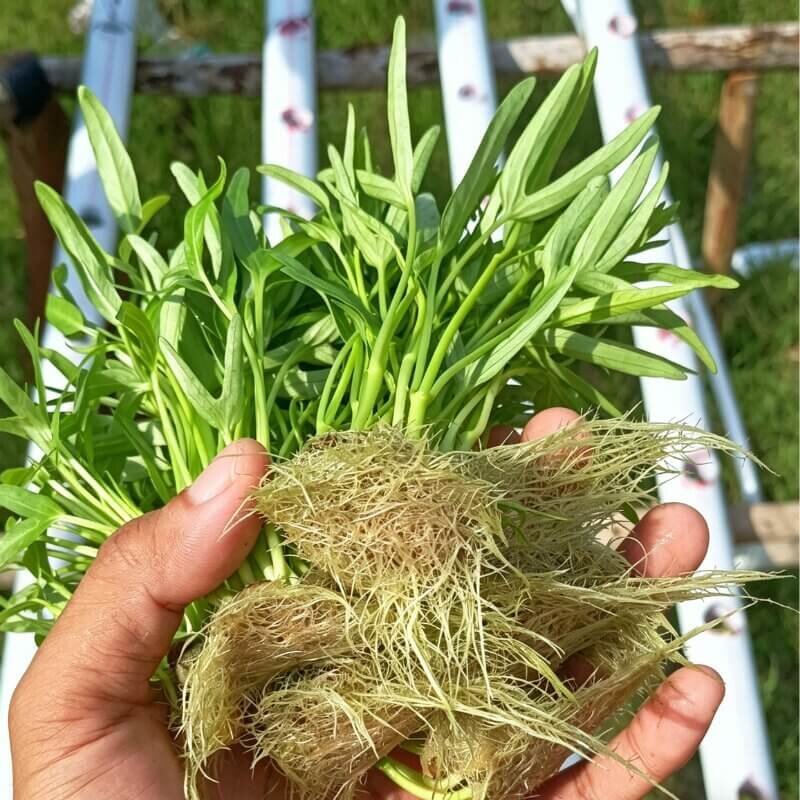
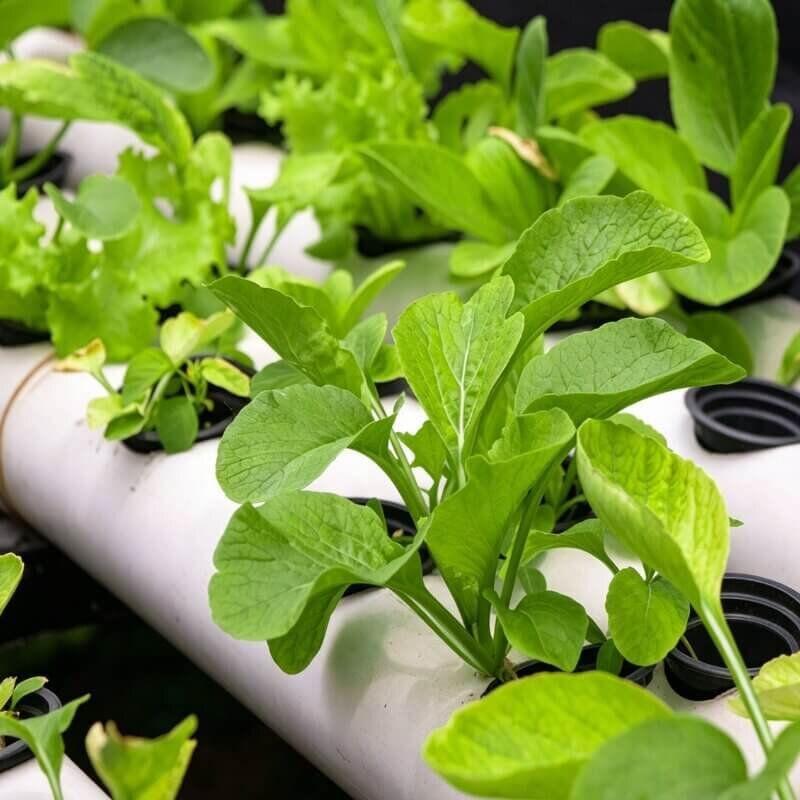
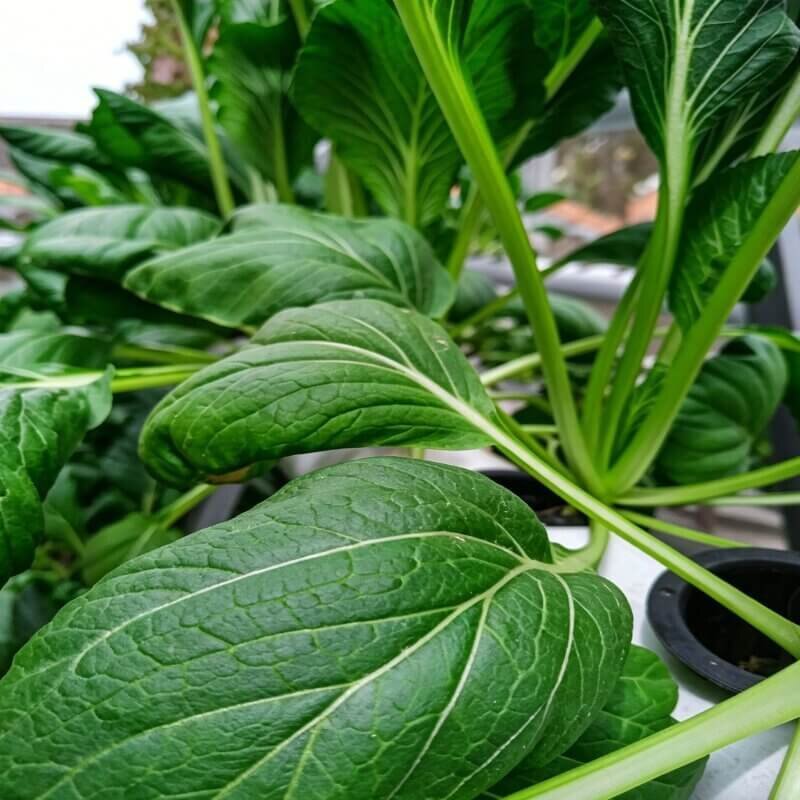
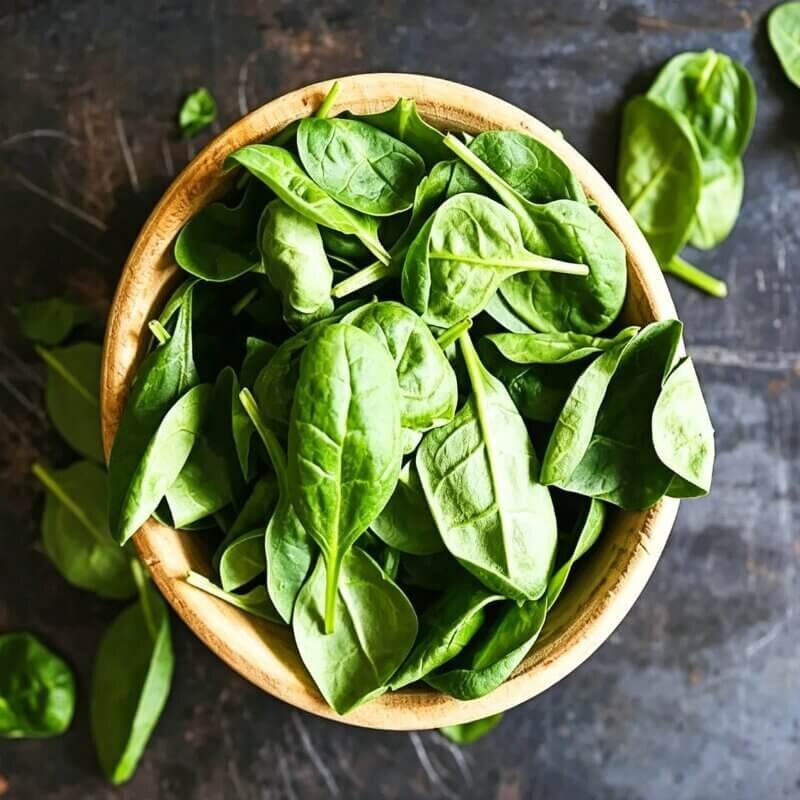
Spinach is an excellent choice for growers who prefer cooler indoor conditions, as it thrives in environments that would slow down many other leafy greens. Seeds typically germinate within 5 to 10 days, but they can be sensitive to heat. Keeping the water temperature below 20°C is key to achieving a strong and consistent germination rate.
To support healthy growth, provide around 12 hours of light each day and maintain an EC between 1.8 and 2.3. A pH range of 6.0 to 7.0 will help ensure proper nutrient uptake and promote deep green, nutrient-rich leaves.
One of the most interesting characteristics of spinach is how it responds to cooler temperatures. In colder conditions, the plant naturally converts stored starches into sugars as a form of protection, which results in leaves that are noticeably sweeter and more tender than those grown in warmer environments.
Because spinach is a relatively heavy feeder during its peak growth stage, it is important to monitor nitrogen levels closely. At the same time, keeping the nutrient solution well-aerated will help prevent common issues like root rot and support a healthy root system throughout the growth cycle.
11. Cucumbers:A Small Challenge with a Big Payoff
Perfect if you’re ready to try vertical growing
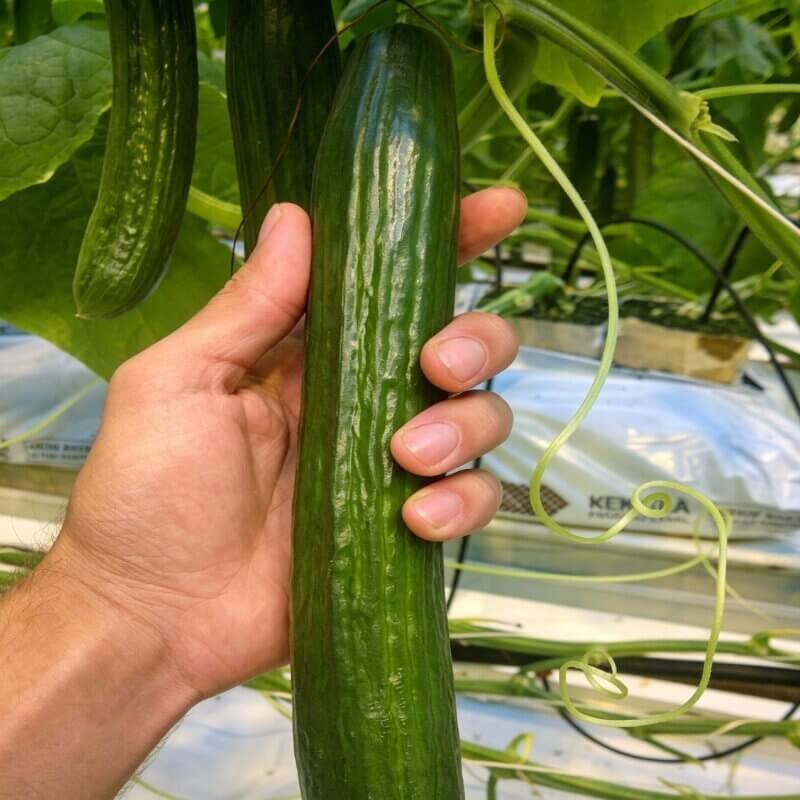
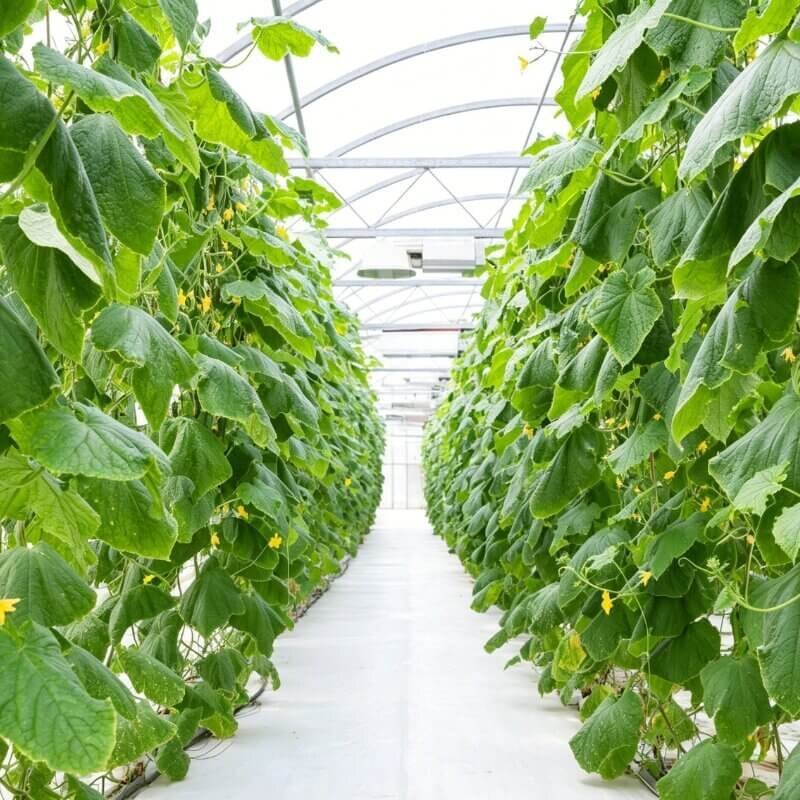
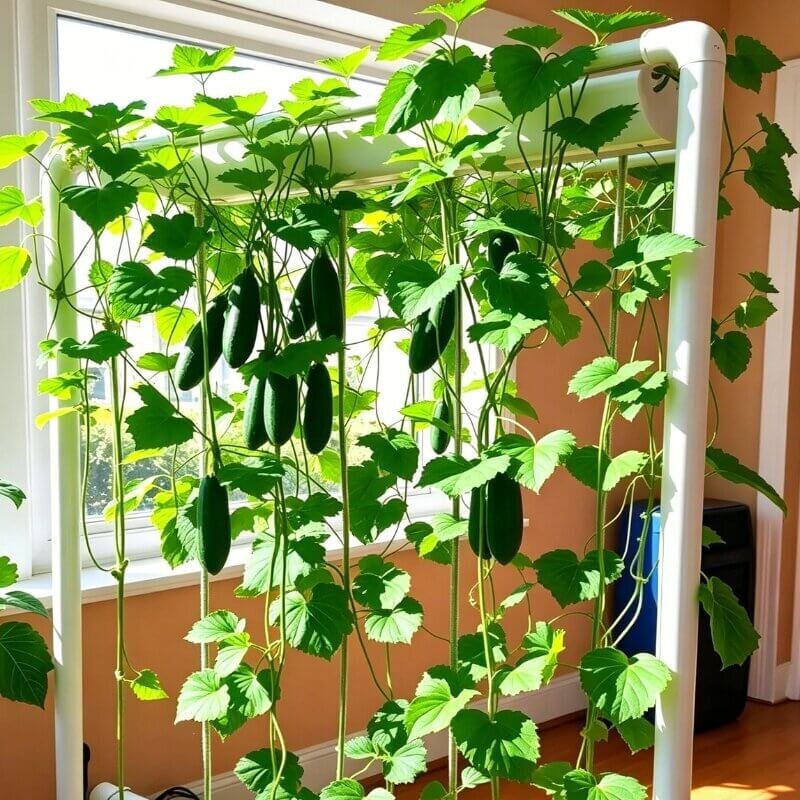
Cucumbers are fast-growing, high-energy vines that thrive in warm and bright conditions, making them a popular choice for summer hydroponic gardens. They typically reach harvest in about 45 to 55 days, but they require plenty of light and nutrients to perform well. Providing 14 to 16 hours of light each day will support strong growth and consistent fruit production.
Because cucumbers are heavy feeders, they benefit from a richer nutrient solution. Aim for an EC between 2.0 and 3.0, with a focus on potassium and phosphorus as the plants begin to flower. Keeping the pH in a range of 5.8 to 6.2 will help ensure these nutrients are absorbed efficiently.
Due to their vigorous, spreading growth habit, proper support is essential. Using a trellis or a Dutch Bucket system helps manage the weight of the vines and developing fruits. Training cucumbers to grow vertically not only saves space but also improves airflow around the leaves, which reduces the risk of powdery mildew.
Vertical growth also allows light to reach more parts of the plant, leading to a more even and productive harvest. For indoor growing, parthenocarpic varieties are highly recommended, as they do not require pollination and are easier to manage in controlled environments.
12. Parsley:Starts Slow, Then Keeps on Giving
A steady, reliable herb for everyday cooking
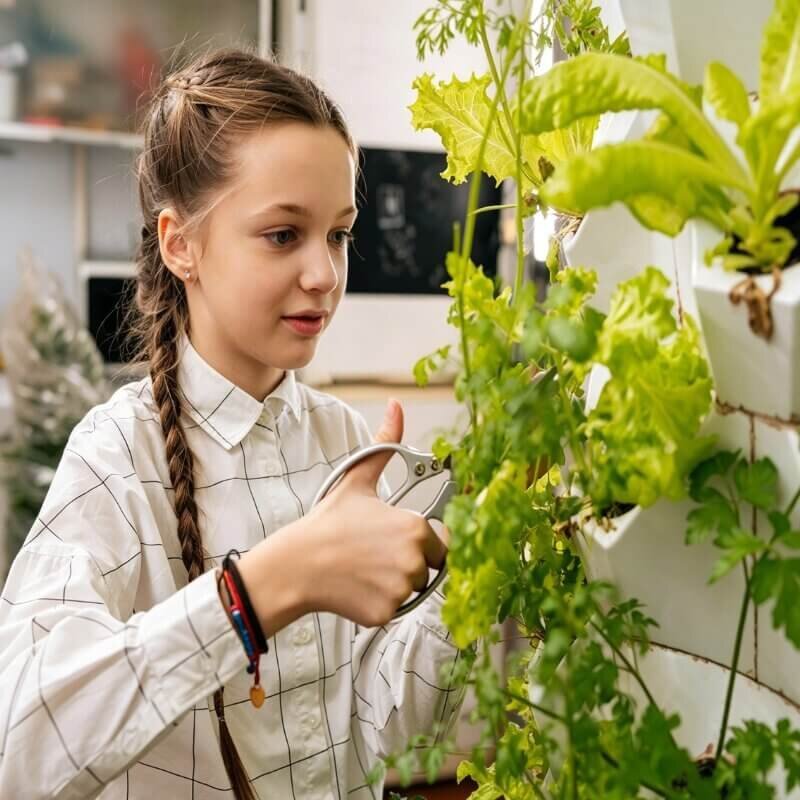
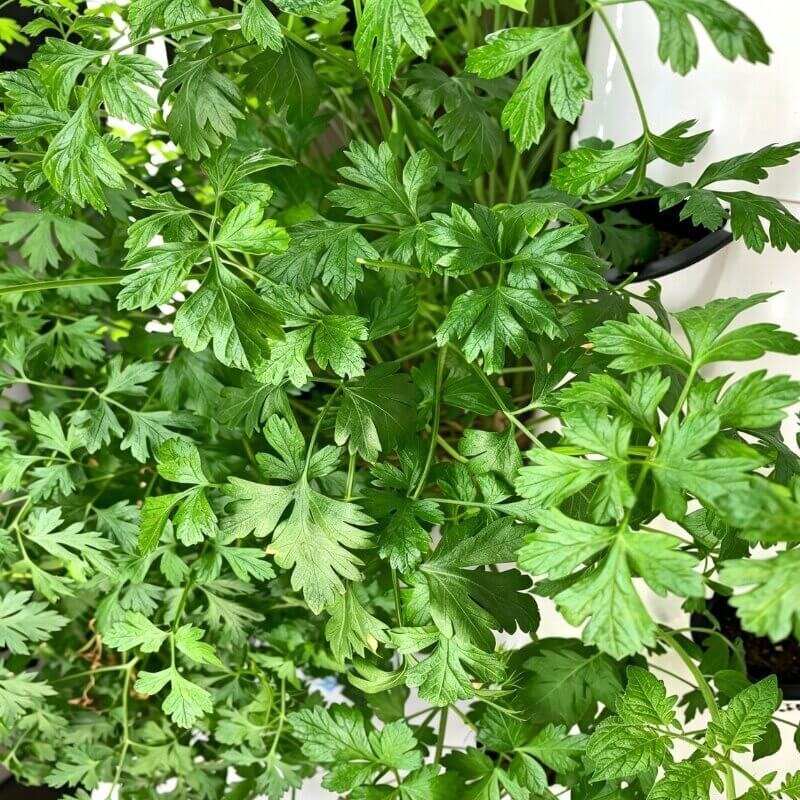
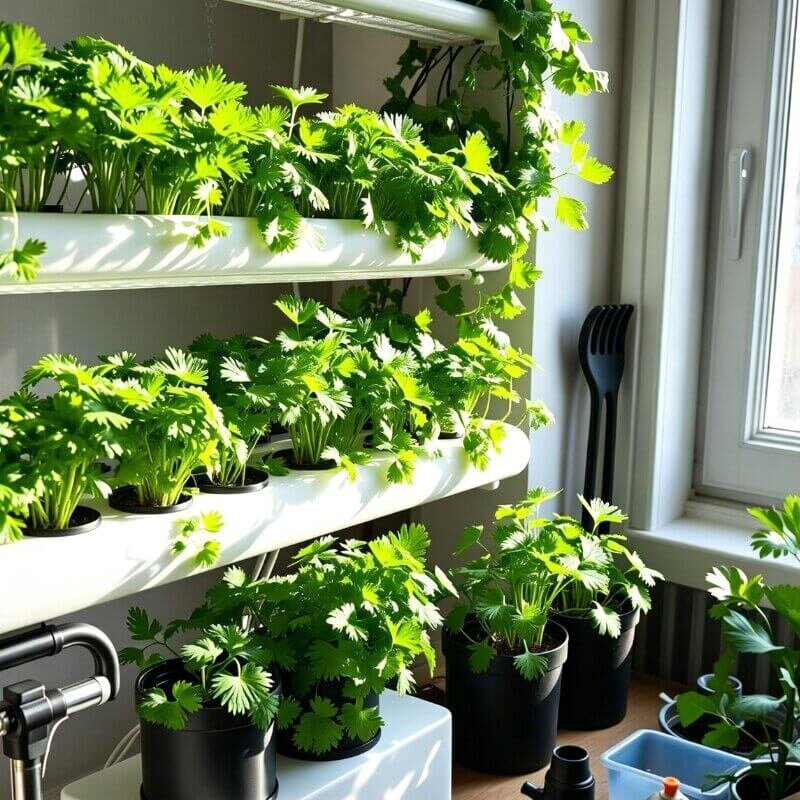
Parsley is a steady and reliable herb, making it a great choice for growers who want consistent harvests without constant system adjustments. The seeds are known for their slow germination and often take 10 to 14 days to sprout. Soaking them in warm water for 24 hours before planting can help speed up the process.
Once established, parsley grows at a steady pace. Providing 12 to 14 hours of light each day will support healthy development. For best results, keep the EC between 1.2 and 1.8 and maintain a pH range of 6.0 to 7.0. These stable conditions allow the plant to grow strong without requiring frequent adjustments.
One of the keys to growing parsley successfully is avoiding overly strong nutrients early on. It prefers a balanced and moderate environment, especially during its initial growth stage. Harvesting is simple and efficient. By cutting the outer stems first, you allow the center of the plant to continue producing new growth over time.
Whether you choose curly leaf varieties for their decorative look or flat-leaf Italian types for their stronger flavor, parsley remains one of the most versatile and low-maintenance herbs for any beginner-friendly hydroponic setup.
Choosing Easy Hydroponic Crops for Your First Setup
Choosing the right plants is one of the most important steps for success in hydroponics, especially for beginners. While many plants can grow in a soilless system, not all of them are equally easy to manage. If you are just starting out, it is best to focus on crops that grow quickly, tolerate small mistakes, and do not require complex care routines.
A good rule of thumb is to begin with leafy greens and herbs such as lettuce, basil, and mint. These plants have shallow root systems, grow quickly, and do not depend on flowering or fruiting stages. This makes them much more forgiving for new growers. In comparison, fruiting plants like tomatoes or strawberries usually require more precise control of nutrients, lighting, and pollination.
It is also important to consider your growing system and environment. Compact plants are better suited for vertical hydroponic towers, while larger crops need more space and structural support. Environmental factors matter as well. Temperature, humidity, and available light can all affect plant performance. Some plants, such as cilantro or spinach, are more sensitive to heat and may bolt quickly if conditions are not stable.
Finally, think about your goals. If you want quick results and early motivation, choose fast-growing crops like microgreens or arugula. If your goal is flavor and variety, herbs are an excellent choice. Starting simple helps you build confidence. Once you understand how to manage pH, EC, and lighting, you can gradually move on to more demanding plants.
System Selection Guide (Hydroponic System Compatibility)
Matching Plants with Common Hydroponic Systems
Before starting your hydroponic journey, it is more important to choose a system that fits your crops than to simply invest in the most advanced equipment. Different hydroponic systems vary in how they deliver oxygen, water, and nutrients, as well as how they support root growth. These differences can have a direct impact on plant health, growth speed, and overall yield.
For beginners, a simple mindset can make a big difference. Instead of focusing on equipment first, think about what your plants actually need. Letting plant requirements guide your system choice will help you avoid unnecessary trial and error and make the learning process much smoother.
1. Deep Water Culture (DWC) :Best for fast-growing leafy greens like lettuce
DWC is one of the most beginner-friendly hydroponic systems available. In this setup, plant roots are suspended directly in a nutrient solution that is continuously oxygenated with an air pump. This creates an ideal environment for crops like lettuce, basil, and mint, which thrive in water-rich, high-oxygen conditions.
These plants tend to grow quickly, develop strong root systems, and require very little structural support. Another advantage is simplicity. DWC systems are easy to set up, relatively affordable, and straightforward to maintain, which makes them a great starting point for first-time growers.
2. Nutrient Film Technique (NFT) :Ideal for herbs and lightweight crops
NFT systems use a thin, continuously flowing layer of nutrient solution that moves along the roots. Because the roots are only partially submerged, they receive plenty of oxygen while still absorbing essential nutrients. This balance makes NFT a highly efficient system, especially for herbs like basil and cilantro.
NFT is often used in larger or more scalable setups because it supports consistent and uniform growth. However, it also depends heavily on a stable water flow. If the pump stops working or the channels become blocked, the roots can dry out quickly.
For this reason, NFT is generally better suited for growers who already have some basic experience and can monitor their system regularly.
3. Dutch Bucket system:Suitable for fruiting plants such as tomatoes and cucumbers
For growers who want to move beyond basic systems and achieve more consistent, high-yield results, a Dutch Bucket setup is often a strong next step. It provides better support for larger, fruiting plants like cucumbers, peppers, and tomatoes, while maintaining stable nutrient delivery throughout the growth cycle.
If you are looking for a complete and easy-to-manage solution, using a pre-configured Dutch Bucket kit can save time and reduce setup errors. These systems are designed to balance water flow, root support, and nutrient distribution, making them especially useful for growers who want more predictable results.
👉 View Product Details & Pricing →
4. Ebb and Flow system:Works well for a variety of medium-sized plants
Ebb and Flow, also known as a flood-and-drain system, works by periodically flooding the root zone with nutrient solution and then draining it away. This cycle allows the roots to absorb water and nutrients while also receiving plenty of oxygen, closely mimicking natural soil conditions.
It is especially well-suited for medium-sized plants like Swiss chard and kale. These crops benefit from consistent moisture but do not perform well when their roots are constantly submerged.
One of the main advantages of this system is its flexibility. It can support a wide range of plants and growing media. However, it does require careful timing and regular monitoring to maintain stable conditions and achieve the best results.
Simple Hydroponic Crops That Work for Beginners
- Start with DWC if you are a beginner growing leafy greens
- Choose NFT for efficient herb production and scaling up
- Use Dutch Buckets for fruiting and vine crops
- Consider Ebb and Flow for flexibility across medium-sized plants
The goal is not to choose the “best” system overall, but the one that best aligns with your crops and experience level. Making the right choice at the beginning will save you time, reduce frustration, and lead to much better growing results.
Common Hydroponic Problems Beginners Must Avoid
1. Over Fertilization and the Risk of Nutrient Burn
Many new growers assume that adding more nutrients will speed up plant growth, but an excessively high Electrical Conductivity (EC) level can have the opposite effect. When the solution becomes too concentrated, it creates osmotic stress, which pulls water out of the plant instead of delivering it.
This usually appears as nutrient burn, where the leaf tips turn brown, dry, and crispy, giving the plant a scorched look. If this happens, the best solution is to dilute the reservoir with fresh water to bring the EC level back down before the damage spreads.
As a general rule, it is always safer to start with a lower nutrient level and increase it gradually, since recovering from overfeeding is much more difficult than correcting a mild deficiency.
2. Poor Aeration and the Prevention of Root Rot
Roots need a constant supply of oxygen to stay healthy. Without it, they can quickly develop root rot, one of the most common and damaging issues in hydroponics. This problem is often triggered by high water temperatures. Once the solution rises above 24°C, it holds less dissolved oxygen, which creates the perfect conditions for disease.
Healthy roots should look bright white and feel firm to the touch. If they turn brown, become slimy, or start to smell unpleasant, it is usually a sign that aeration is insufficient.
To prevent this, make sure your air pumps run continuously and that air stones are kept clean and unclogged. Keeping the nutrient solution between 18°C and 22°C will help maintain higher oxygen levels and reduce the risk of harmful pathogens developing.
3. Ignoring pH Swings and Nutrient Lockout
The pH level of your water plays a key role in how well plants absorb nutrients. When it drifts outside the ideal range of 5.5 to 6.5, certain minerals like iron and magnesium become unavailable to the plant. This condition is known as nutrient lockout.
The symptoms can be misleading. Leaves may turn yellow or develop spots, which often looks like a nutrient deficiency. Because of this, many beginners add more fertilizer, but this usually makes the problem worse by pushing the balance even further off.
Before adding any nutrients, it is important to test your pH level first. If needed, use a pH adjuster to bring the solution back into the proper range. Keeping pH stable is one of the simplest ways to prevent long-term issues in a hydroponic system.
Smart Tips for Growing Hydroponic Plants Successfully
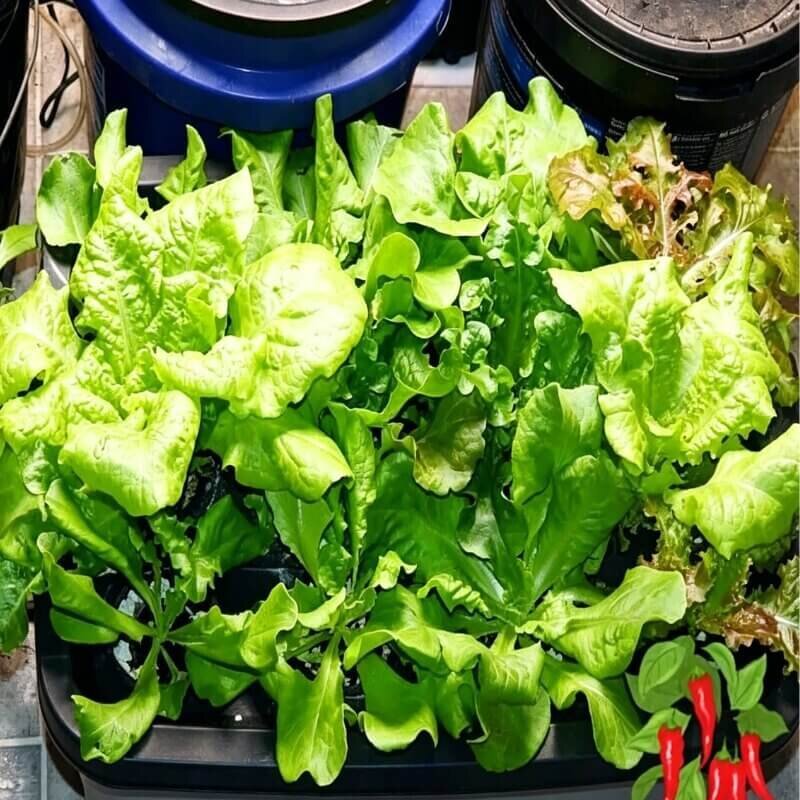
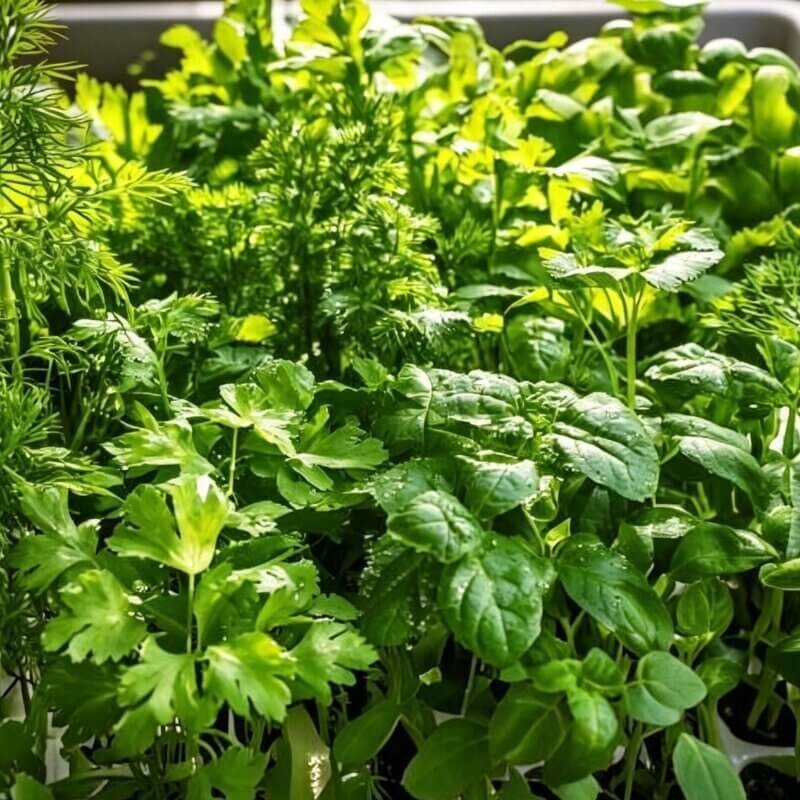
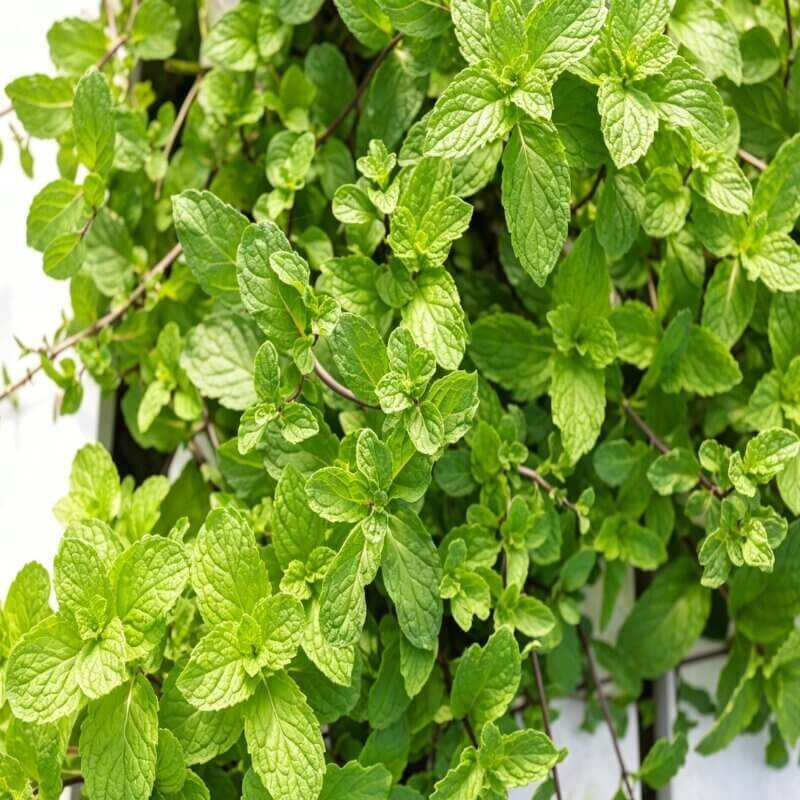
The most valuable advice for anyone starting hydroponics is to keep things simple. It is tempting to grow a wide variety of plants, but focusing on easy crops like lettuce or basil makes the process much easier to manage and helps you build confidence with nutrient balance and pH control. At the same time, developing a basic routine, such as checking water levels and root health every few days, allows you to better understand how your plants respond to their environment.
Lighting and airflow also play a major role in overall success. Keeping your grow lights at the right distance ensures strong growth without stressing young plants, while consistent airflow helps prevent common issues like mold and pests. Hydroponics is something you improve over time, not all at once. Small issues like leggy growth or slight nutrient imbalances are normal in the beginning, and each adjustment helps you create a more stable system.
With a bit of patience and regular observation, the process becomes easier and more predictable, and you will soon be harvesting fresh, clean produce directly from your own setup.
Common Questions About Starting Hydroponics at Home
Start simple. Crops like lettuce, basil, and Swiss chard are fast-growing, forgiving, and easy to manage. They help you build confidence without dealing with complex nutrient adjustments.
In most cases, it’s a pH issue. If your pH is outside the 5.5–6.5 range, plants can’t absorb nutrients properly. Check pH first, then look at root health or possible nitrogen deficiency.
Leafy greens usually need 12–14 hours of light, while fruiting plants need closer to 14–16 hours. A timer helps keep things consistent, which is more important than intensity alone.
Yes, but be careful with mint. It grows aggressively and can take over the root space. Keeping it separate will prevent it from competing with other herbs like basil or cilantro.
It can be, especially for fast-growing greens like arugula and kale. Over time, you can save money while enjoying fresher, cleaner produce at home.
Start Your Indoor Hydroponic Garden with Confidence
As you move forward, remember that the primary goal of hydroponics is to create a stable, controlled environment where plants can grow efficiently without soil. From peppery arugula and nutrient-rich kale to soft, sweet spinach, leafy greens thrive especially well in this system, offering faster growth and fresher flavor than most store-bought produce. As your skills develop, you may eventually move beyond leafy greens and explore fruiting plants, which introduce additional challenges such as indoor pollination. If you’re curious about how this process works, you can learn more about hydroponic pollination.
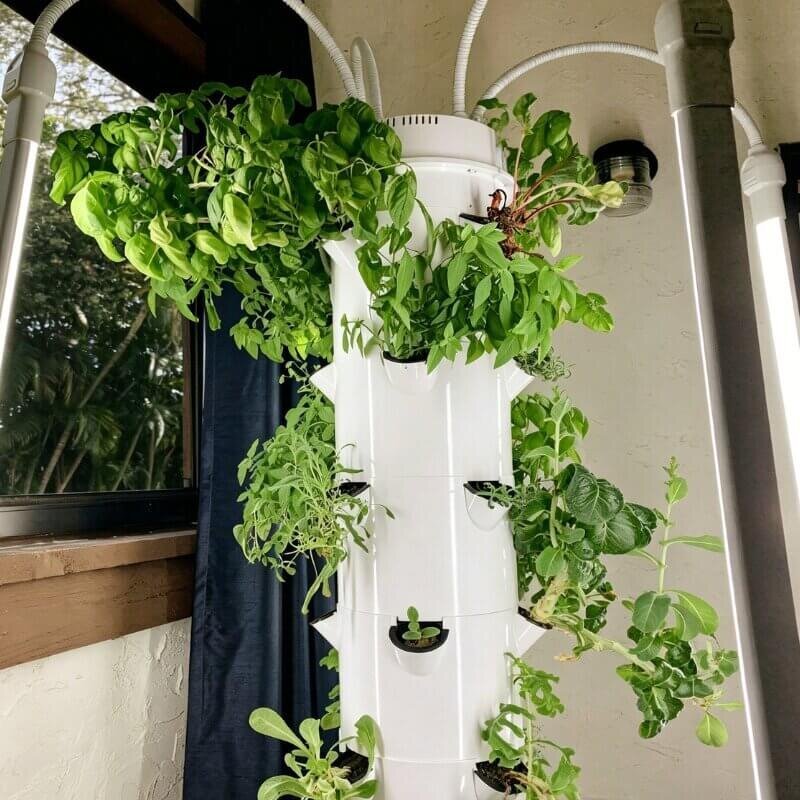
For beginners, however, the best results always come from starting simple. A compact 30-hole hydroponic tower is an easy and reliable way to begin growing fresh herbs and vegetables indoors. It provides enough space for everyday crops like lettuce, basil, and mint, while staying simple to manage even in small indoor environments.
Most first-time growers find success by focusing on a few reliable crops first and gradually learning how light, water, and nutrients work together. Once you build confidence, you can expand your setup and try more varieties over time.

Greenfuturehydro 6 Layer 30 Hole Hydroponic Tower System with Auto Water Timer
Start with Simple, Fast-Growing Greens
For beginners, however, the best results always come from starting simple. Fast-growing plants like lettuce, basil, and mint are ideal because they adapt easily to most indoor setups and deliver visible results within a short time. A compact hydroponic tower system is often the easiest way to begin, providing enough space for steady harvests while keeping maintenance simple and consistent. Many first-time growers choose a small 30-hole hydroponic tower, which works well in small indoor spaces and supports continuous harvesting with minimal effort. Instead of trying to grow everything at once, focus on a few reliable crops first, then gradually expand as you understand how your system responds to light, water, and nutrients. If you want a clearer understanding before choosing your setup, you can explore our hydroponic basics guide.
At GreenFuture Hydroponics, we focus on practical, beginner-friendly growing systems designed for exactly this kind of experience. If you’re exploring options or simply not sure where to start, feel free to reach out or follow along for more real-world growing tips.
📷 Instagram @Greenfuturehydro