
Hydroponic plants for beginners are often the best choice for anyone just starting with indoor gardening. If you are new to hydroponics, it is completely normal to face a few small challenges in the beginning. In most cases, it is not that the plants are difficult to grow, but rather that you are still getting familiar with how an indoor hydroponic system works.
That is why many beginners start with leafy greens and herbs. These plants grow quickly, adapt well to changes in their environment, and are generally more forgiving even when conditions are not perfect. By starting with these easy options, beginners can better understand the relationship between water, nutrients, and light in a hydroponic system.
In this article, we will introduce some of the best hydroponic plants for beginners, along with their key characteristics and growing tips. Let’s take a closer look at which varieties are worth trying first!
Why Do Hydroponics Plant for Beginners Struggle Indoors?
Most beginners struggle with hydroponics not because the system is complicated, but because a few basic things are slightly off at the beginning. The plants are actually quite sensitive to setup conditions, especially indoors.
One of the most common problems is lighting. If the light is too weak, too strong, or simply not used for the right number of hours, plants can easily slow down or grow in a weak, uneven way. Nutrients can cause similar issues. If the solution is too concentrated or too diluted, plants often react quickly with poor growth or stressed leaves.
Another issue is starting with a system that is more complex than needed. When something goes wrong, it becomes harder to figure out the cause, especially when you are still learning. In most cases, hydroponics becomes much easier once you keep things simple and focus on stable conditions instead of trying to manage everything at once.
Best Easy Vegetables for Indoor Hydroponic Systems for Beginners
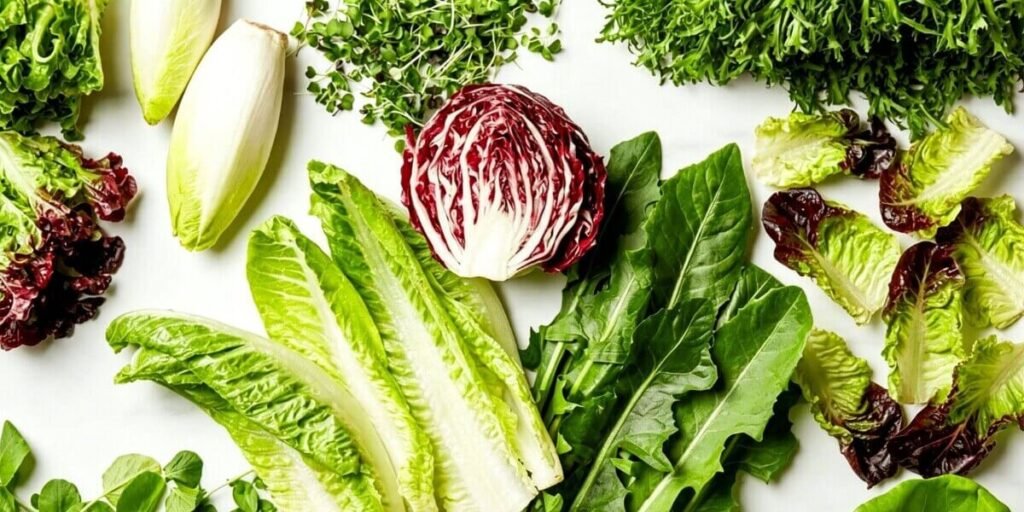
When you are just starting with indoor hydroponics, the easiest vegetables to grow are usually fast growing leafy greens like lettuce, spinach, and arugula. These plants adapt well to indoor systems and are more forgiving when conditions are not perfectly stable.
Herbs such as basil and mint are also very beginner friendly. They grow quickly, do not require much maintenance, and can be harvested multiple times once they are established, which makes them very rewarding for new growers.
It is usually better to avoid fruiting vegetables like tomatoes or peppers in the beginning, since they need more stable conditions and a longer growing cycle. Once you gain more experience with basic plants, it becomes much easier to move on to more advanced crops and larger setups.
Best Hydroponics Plant for Absolute Beginners (Top 5 Easy Crops)
If you are completely new to hydroponics, starting with the easiest plants will help you build confidence and avoid early frustration. These crops grow quickly, require minimal maintenance, and adapt well to most indoor hydroponic systems.
If you are completely new to hydroponics, it is helpful to understand the hydroponic basics for beginners first. This will help you learn the basic system setup before growing more advanced plants.
1. Lettuce: Fast-Growing Leafy Green for Indoor Hydroponic Systems
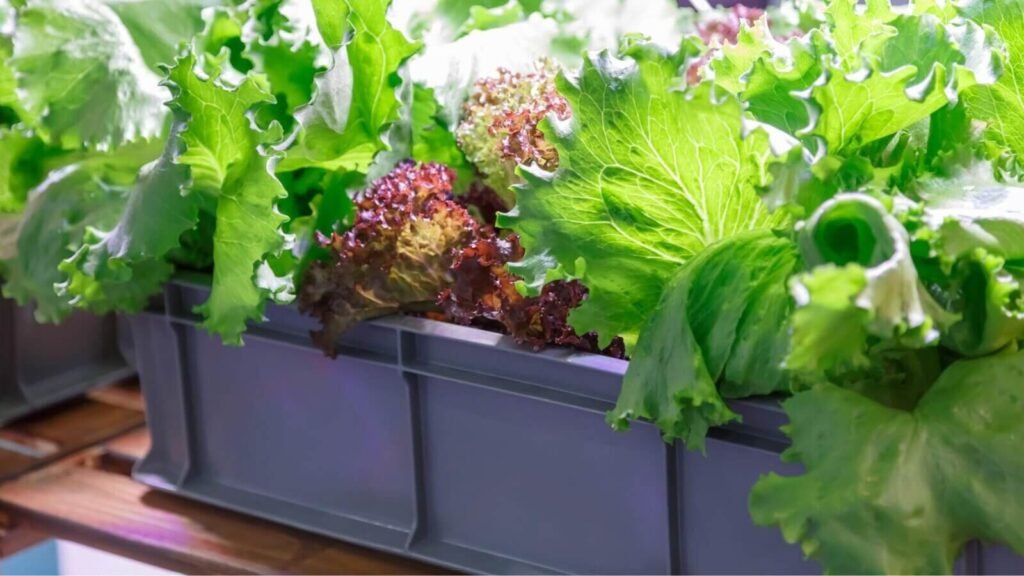
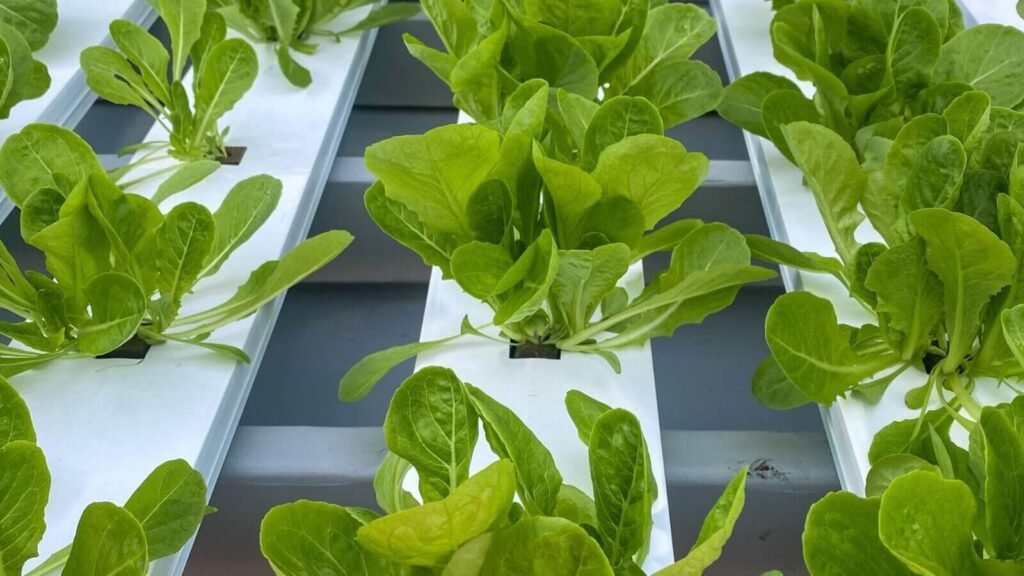
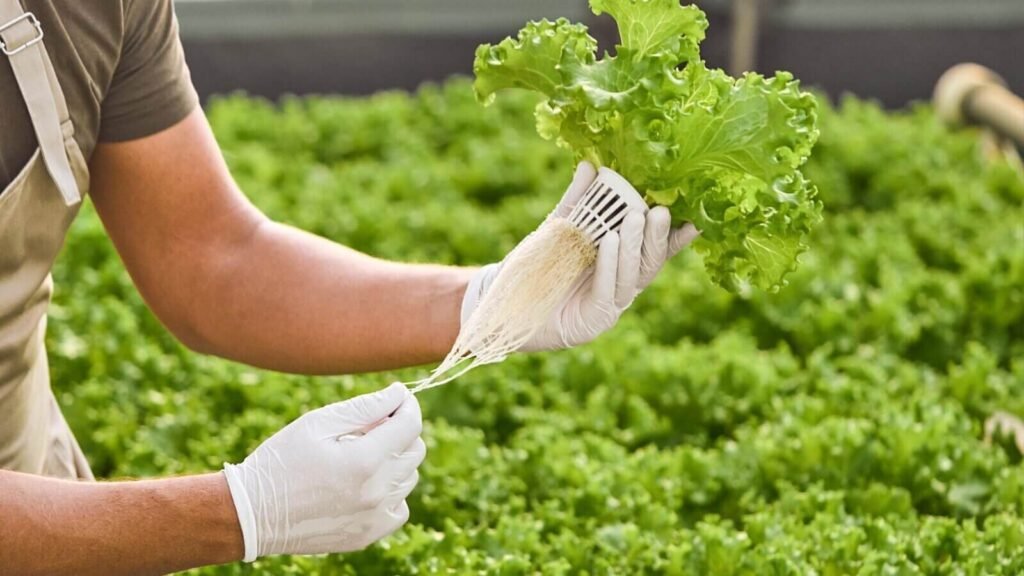
Lettuce is one of the easiest and most popular plants for beginners in hydroponic gardening. It grows fast, doesn’t require much maintenance, and is usually very forgiving, which makes it a great first choice if you are just getting started.
One of the reasons it is so beginner-friendly is that it can handle small mistakes quite well. Whether it is slightly uneven lighting, minor nutrient imbalances, or less-than-perfect water conditions, lettuce usually keeps growing without too many problems. This gives new growers a bit of room to learn without feeling like everything will fail immediately.
The best part, though, is how quickly you can actually see results. In just a few weeks, you can start harvesting fresh leaves, which makes the whole process feel rewarding and keeps you motivated to continue experimenting with hydroponic growing.
2. Spinach: Low-Maintenance Vegetable for Home Hydroponic Gardening
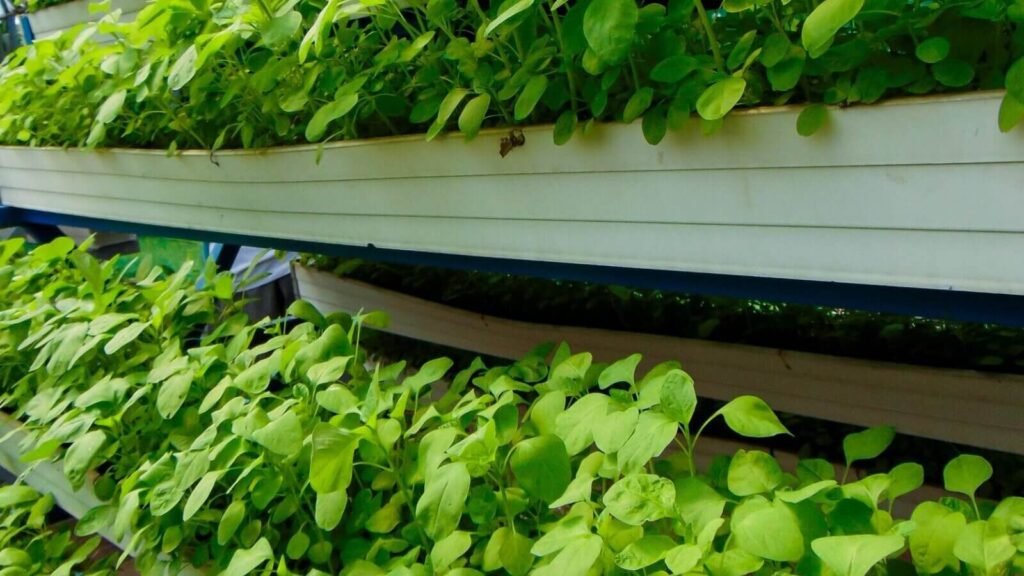
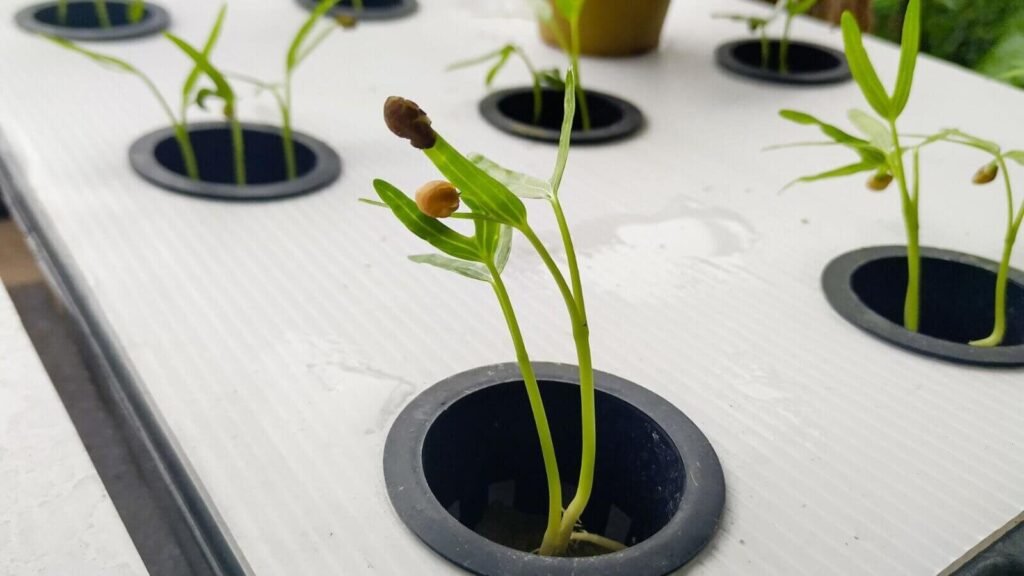
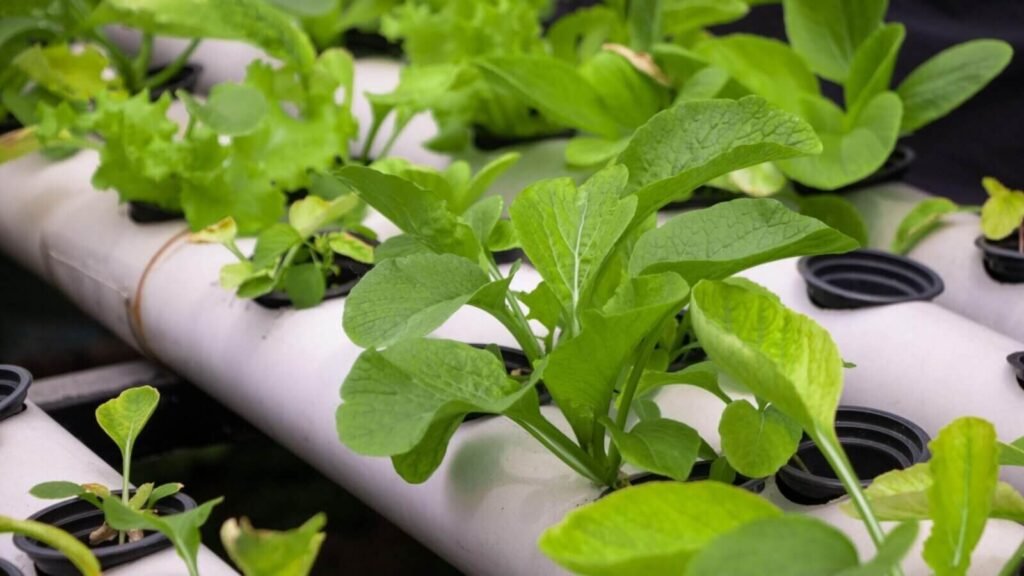
Spinach is another great option for beginners in hydroponic gardening. It grows reliably in most indoor setups and is generally easy to manage, even if you don’t have much experience yet.
One thing people often notice is that spinach feels quite stable compared to more sensitive plants. It can tolerate small fluctuations in light or nutrients without showing immediate stress, which makes it a good plant for learning how a hydroponic system behaves in real conditions.
Another nice thing about spinach is that you don’t have to harvest it all at once. You can simply pick a few leaves as needed, and the plant will keep producing over time. This kind of steady, ongoing growth makes it easier for beginners to stay engaged and build confidence as they go.
3. Basil: Best Herb for Simple Indoor Hydroponic Herb Gardens
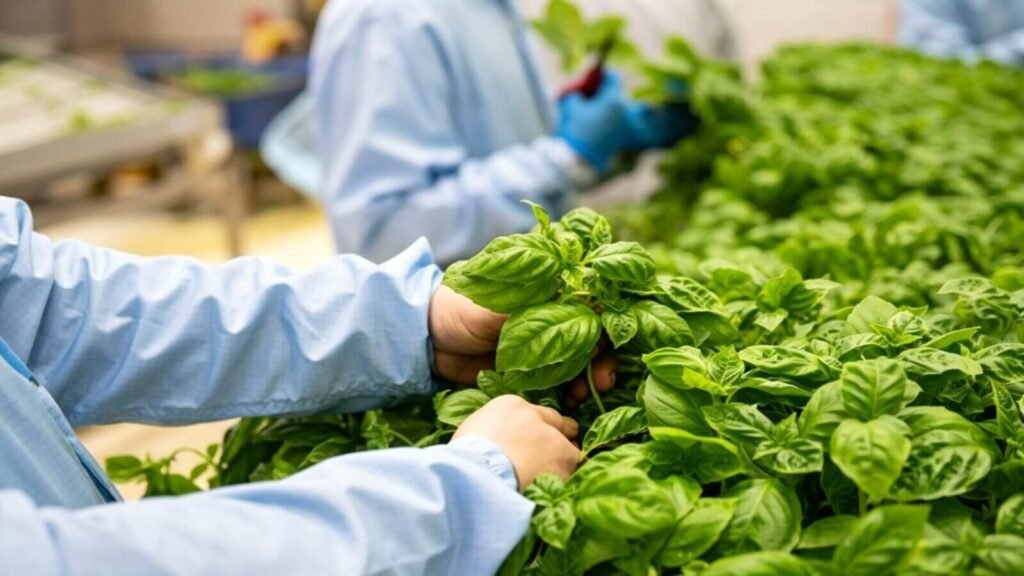
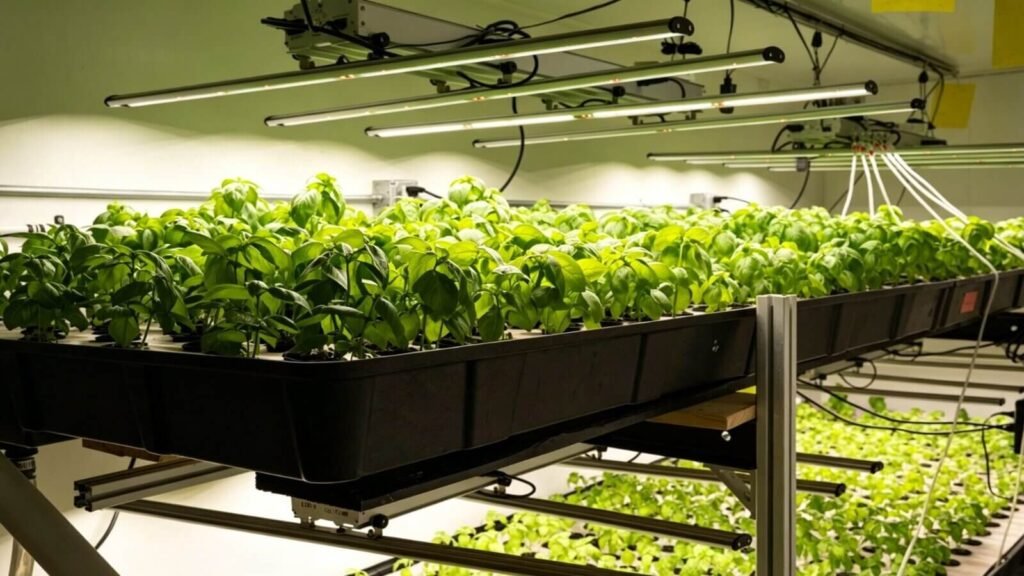
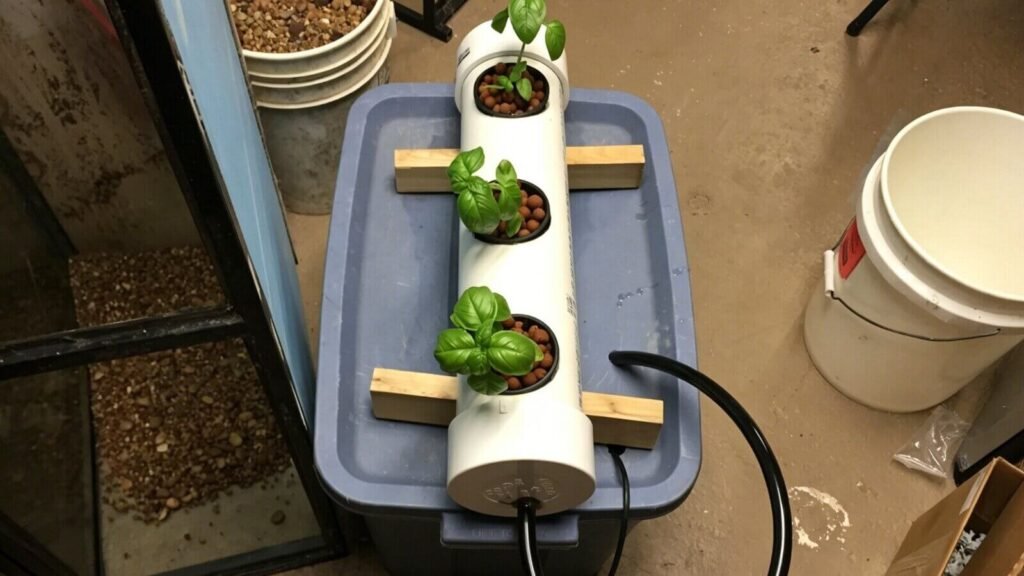
Basil is one of the most common herbs people start with in hydroponic gardening. It grows fast in most indoor systems and is usually pretty easy to handle, even if you are still learning the basics.
What makes basil especially popular is how useful it is in everyday cooking. Once it gets going, you can keep picking the leaves bit by bit instead of waiting for a full harvest. It just keeps growing back, which makes it feel like a very “rewarding” plant to have around.
In terms of care, basil is also fairly low-maintenance. As long as it gets enough light and a steady nutrient supply, it tends to grow without much trouble. That simplicity is exactly why so many beginners end up choosing it as their first herb.
4. Bok Choy: Quick Harvest Asian Greens for Small Hydroponic Setups
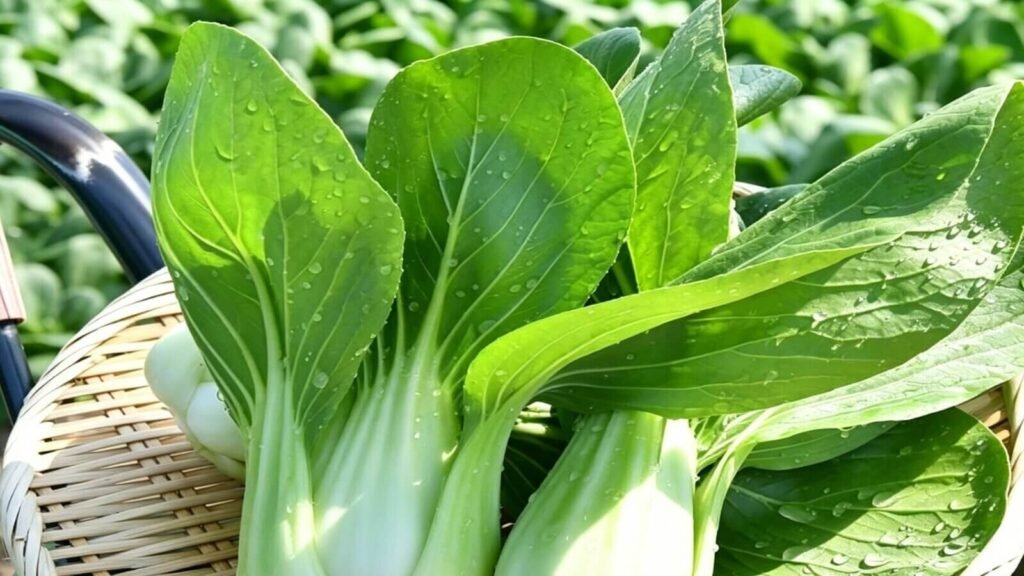
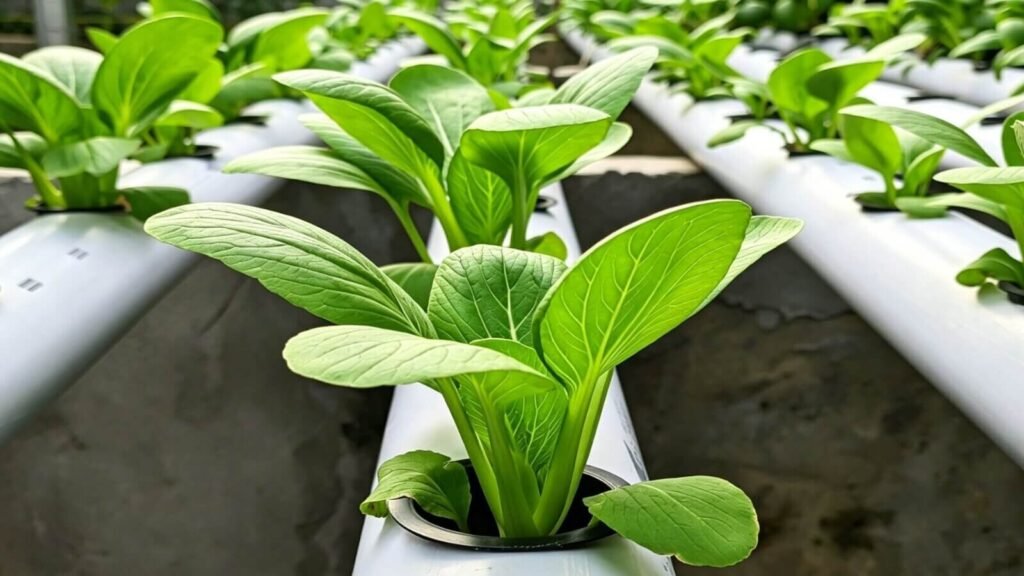
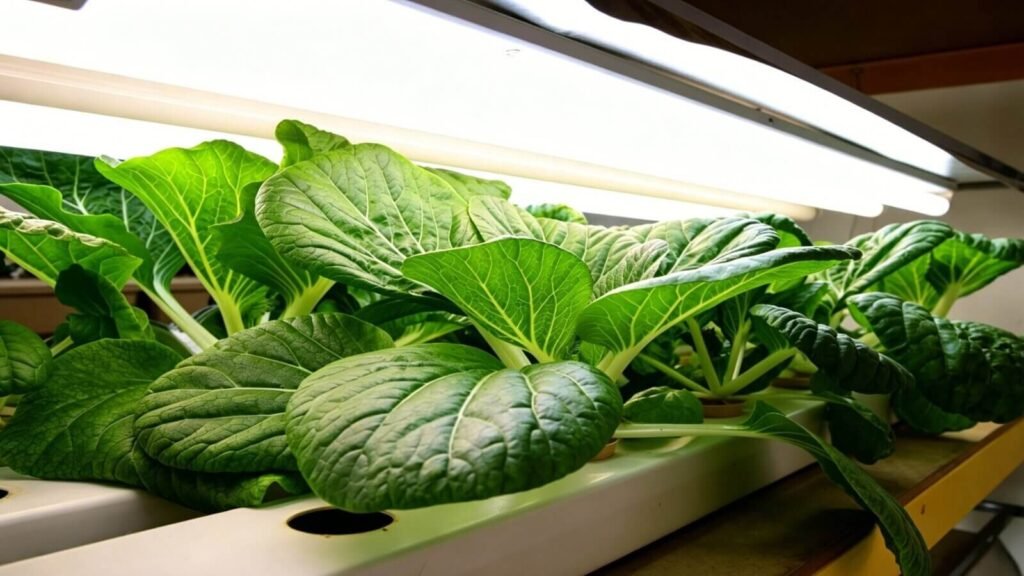
Bok choy is another really good option for beginners in hydroponic gardening. It grows fast, is easy to look after, and doesn’t require any complicated setup or experience to get started.
What makes it especially beginner-friendly is how forgiving it tends to be. Even if the lighting isn’t perfect or the nutrient levels fluctuate a bit, bok choy usually keeps growing without much trouble. That makes it a comfortable plant to learn with, especially when you are still figuring out how everything works.
You also don’t have to wait long to see results. It grows quickly enough that you can notice changes within a short period, which is always encouraging when you are just starting out with hydroponics.
5. Cilantro: Fast-Growing Herbs for Beginner Hydroponic Growers
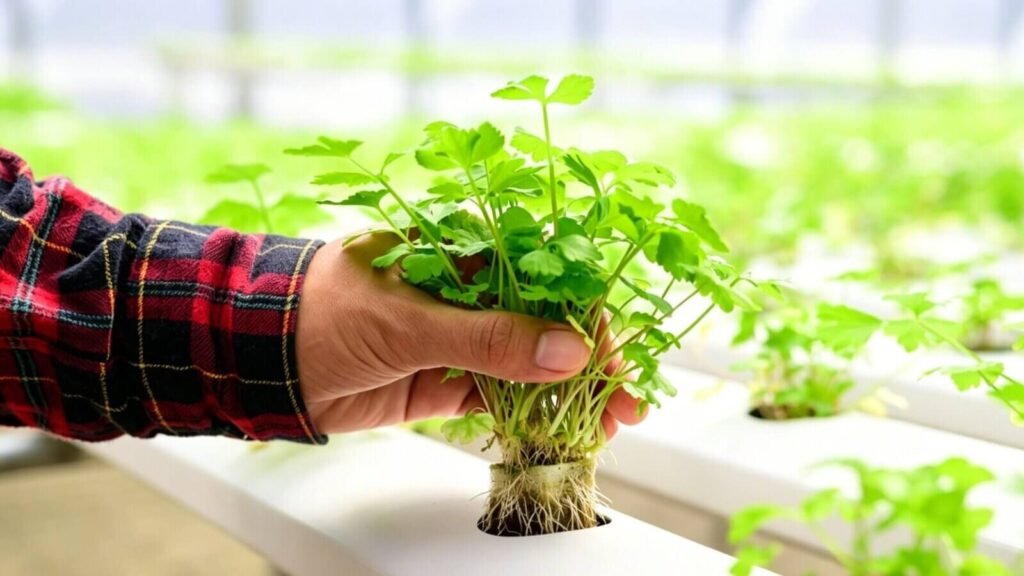
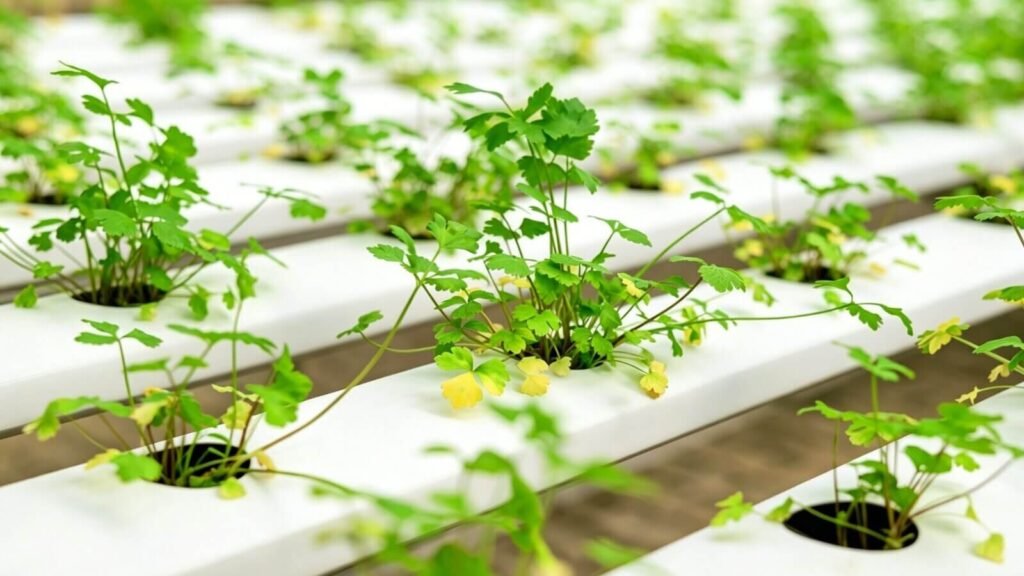
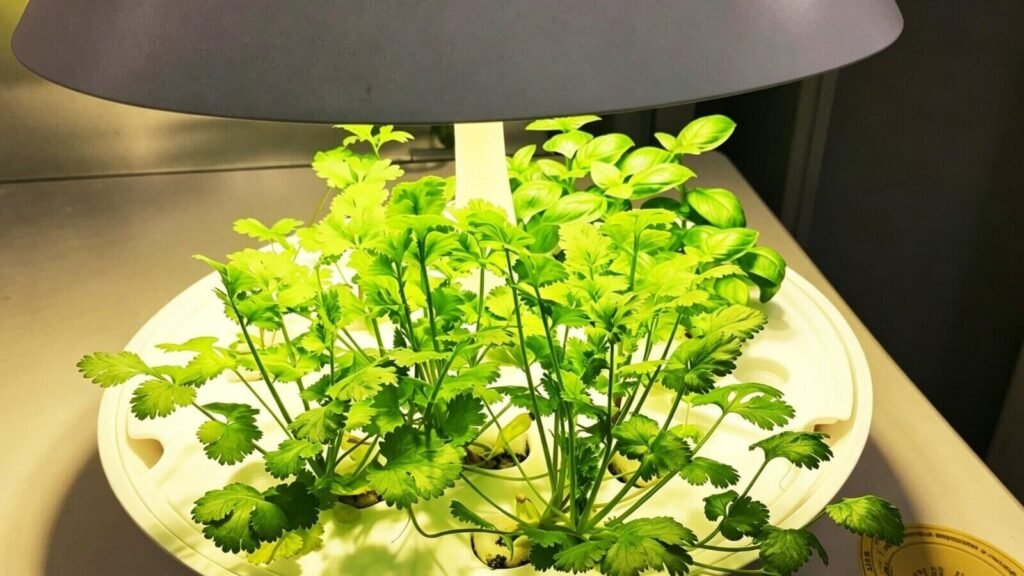
Cilantro is another good choice for beginners in hydroponic gardening. It grows fairly quickly and is generally easy to manage, which makes it suitable if you are still getting used to indoor hydroponic systems.
One thing people often like about cilantro is how fast it grows. You don’t have to wait too long before you can start harvesting, which makes the whole process feel more immediate and rewarding, especially in the early stages.
In most cases, cilantro doesn’t require anything too complicated. As long as it gets enough light and a stable nutrient supply, it will usually grow without much trouble, making it a practical herb to keep at home if you enjoy cooking with fresh ingredients.
Slightly More Advanced Hydroponic Plants (4 Options for Stepping Up)
Once you are comfortable growing basic leafy greens, you can start experimenting with slightly more challenging plants. These crops still perform well in hydroponic systems, but they often need a bit more attention when it comes to light, nutrients, or harvesting schedules.
This is a natural next step for beginners who want to expand their experience and explore a wider range of hydroponics plants.
1. Kale: Hardy Leafy Green for Indoor Hydroponic Gardening
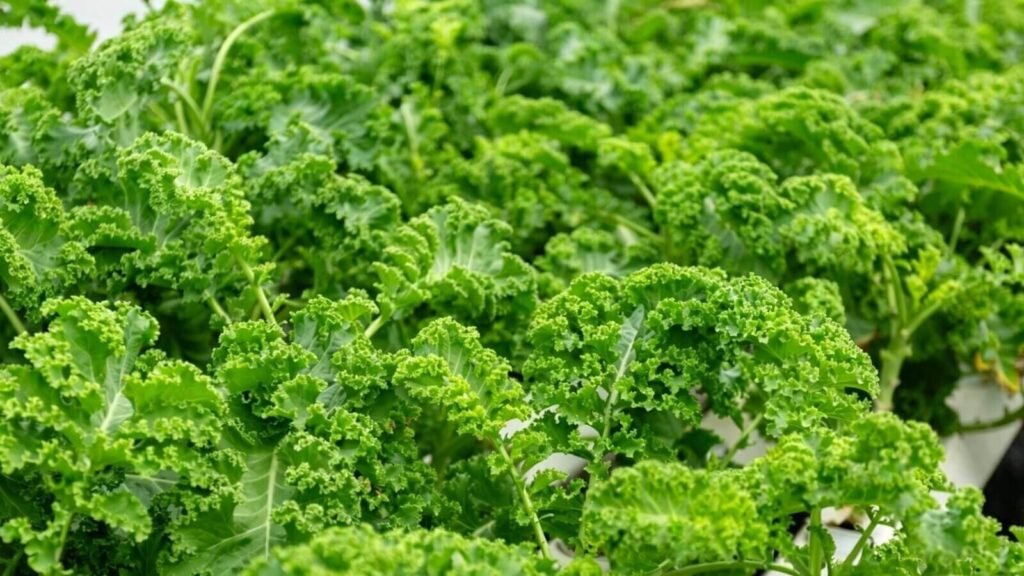
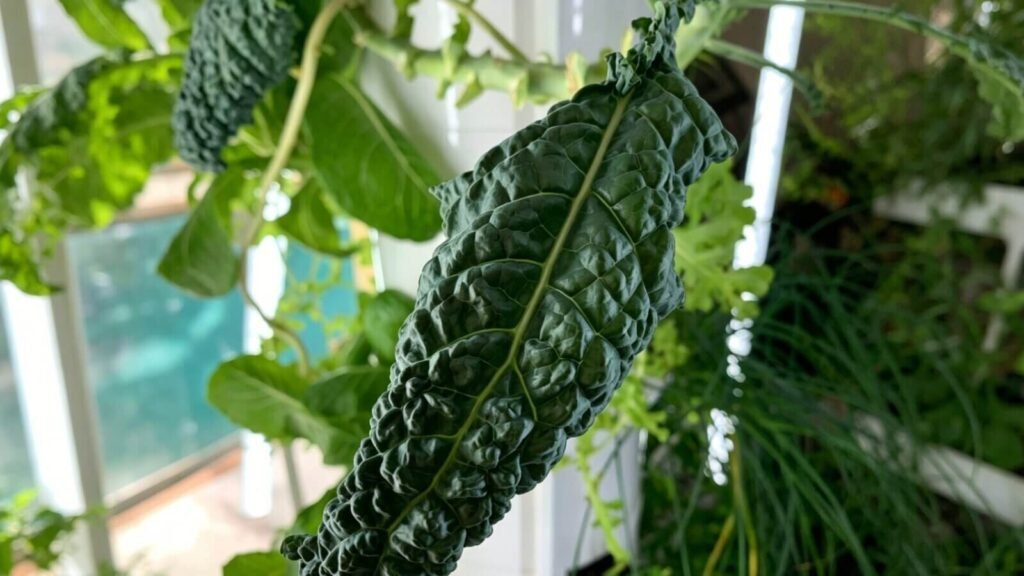
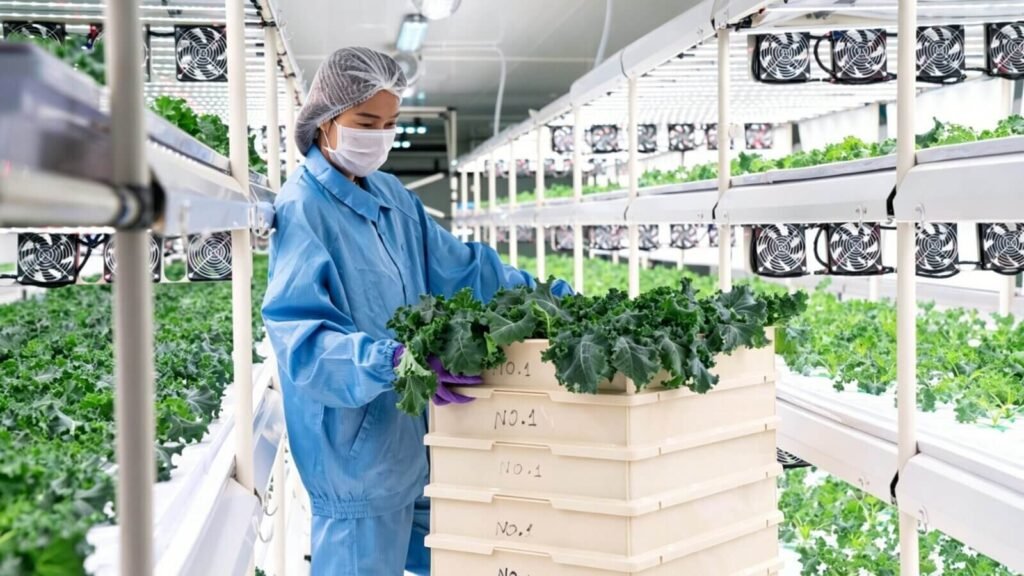
Kale is a hardy leafy green that works well for beginners in hydroponic gardening. It doesn’t need perfect conditions to grow, and it can still stay healthy even if you are not fully confident with managing your system yet.
What stands out about kale is its slower, more steady growth. Instead of developing all at once, it produces leaves gradually over time, which allows you to harvest little by little rather than everything at once.
Because of this, kale often feels easier to handle compared to faster-growing plants. It is stable, predictable, and doesn’t demand constant attention, which is why many beginners find it a comfortable plant to start with.
2. Mint: Fast-Growing Herb for Easy Indoor Hydroponic Systems
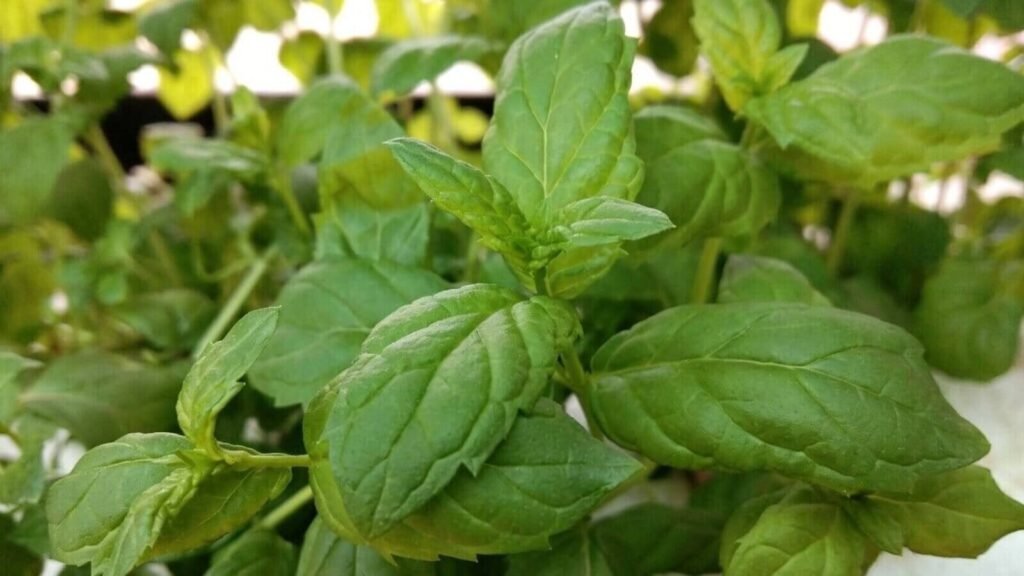
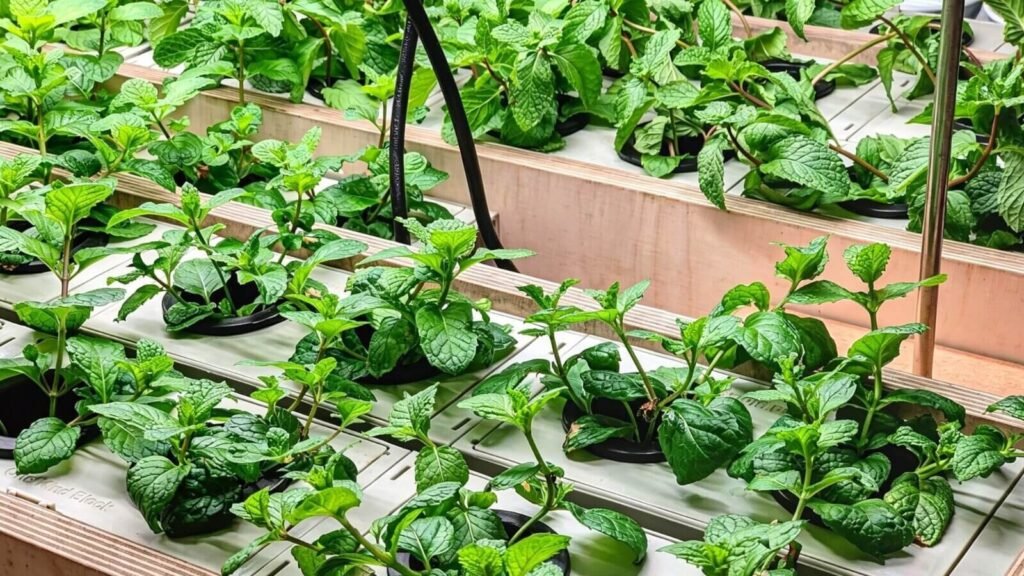
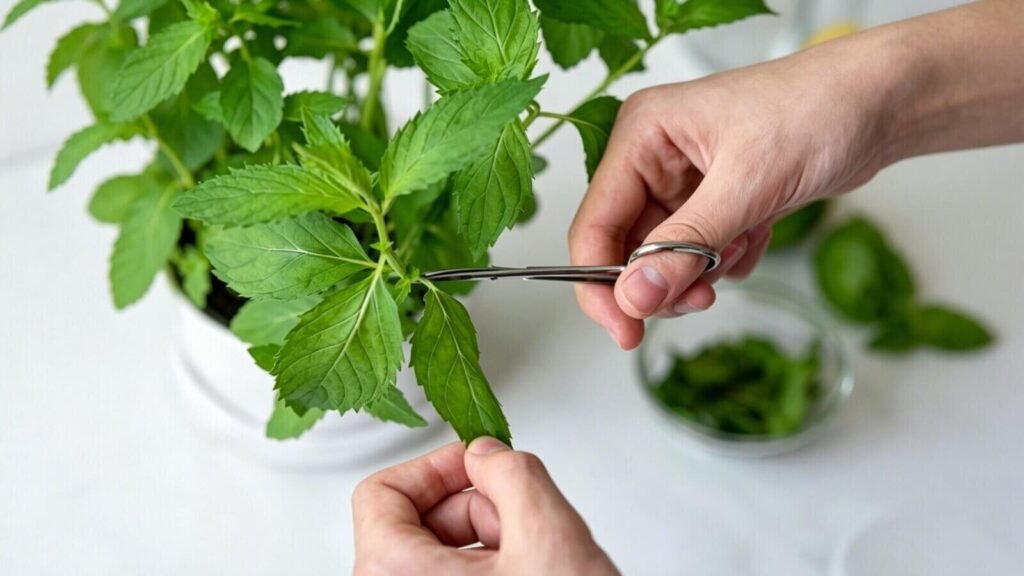
Mint is one of the easiest herbs to grow in hydroponic systems, especially for beginners. It adapts well to different setups and doesn’t really need much attention, which makes it a very low-stress plant to start with.
One thing you will notice quickly is how fast mint grows. Even in fairly basic conditions, it tends to spread and produce leaves quite aggressively, so you can start harvesting sooner than expected.
Because of that, mint is actually a very forgiving plant for beginners. You don’t really need to worry too much about managing it perfectly, and even after frequent trimming, it keeps growing back without any issues. That makes it a reliable herb to keep around in a home hydroponic setup.
3. Arugula: Quick Harvest Peppery Greens for Home Hydroponics
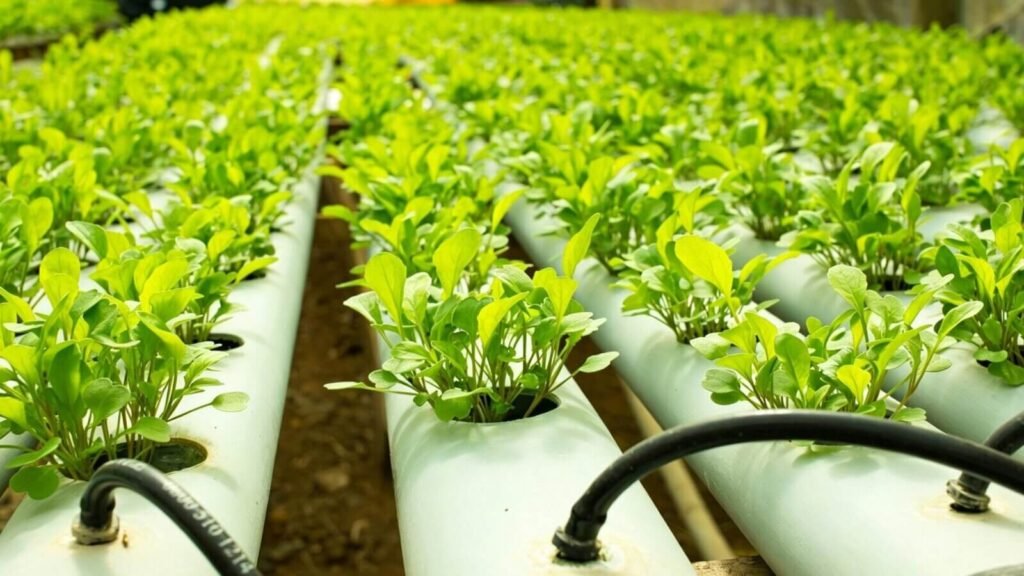
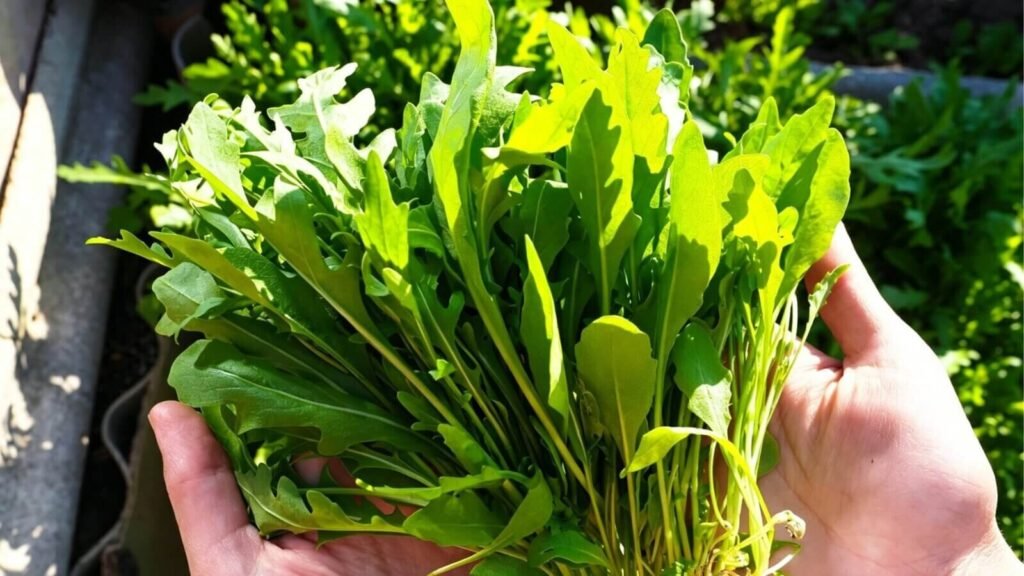
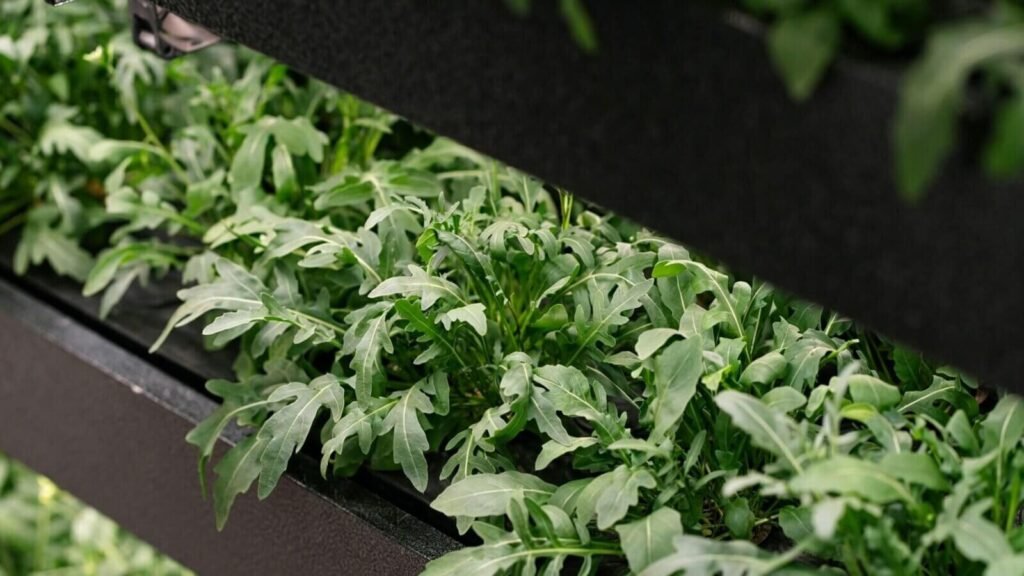
Arugula is a good option for beginners in hydroponic gardening because it grows quickly and doesn’t require much effort to manage. You can usually see results fairly soon, which makes it encouraging when you are just starting out.
It is also quite forgiving compared to more sensitive crops. Even if the lighting or nutrient balance isn’t perfect at the beginning, arugula can still grow steadily without too many problems, which makes the learning process a bit easier.
Another thing people like about arugula is how quickly it becomes usable. You don’t have to wait long before you can start harvesting, and its peppery flavor makes it a nice addition to everyday meals.
4. Radishes: Fast-Growing Root Vegetable for Hydroponic Beginners
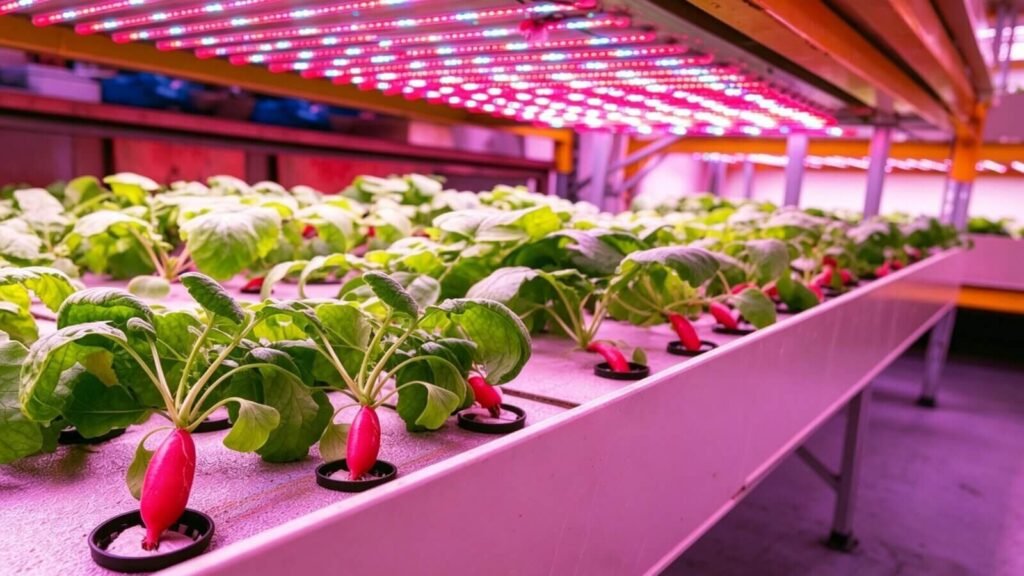
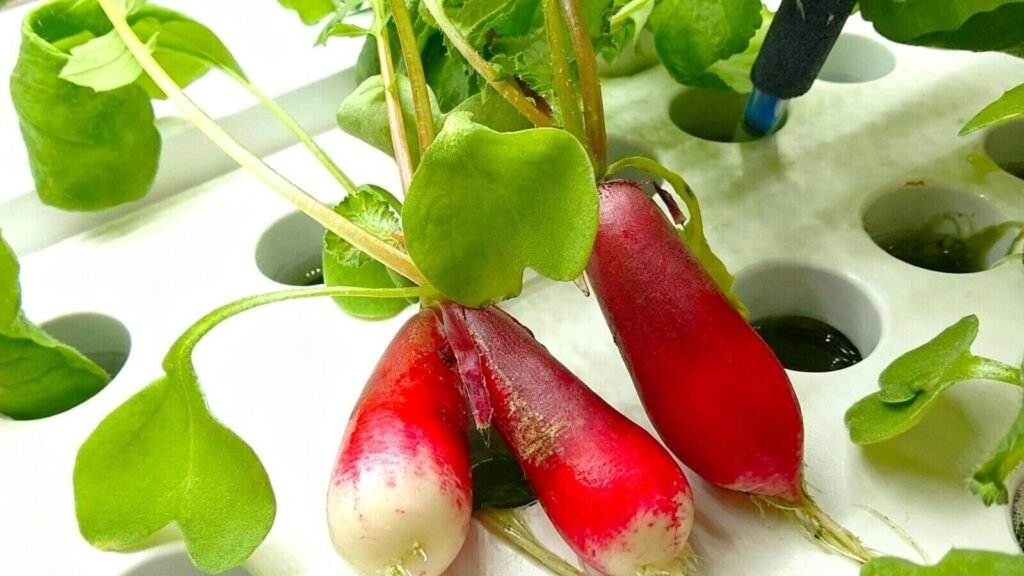
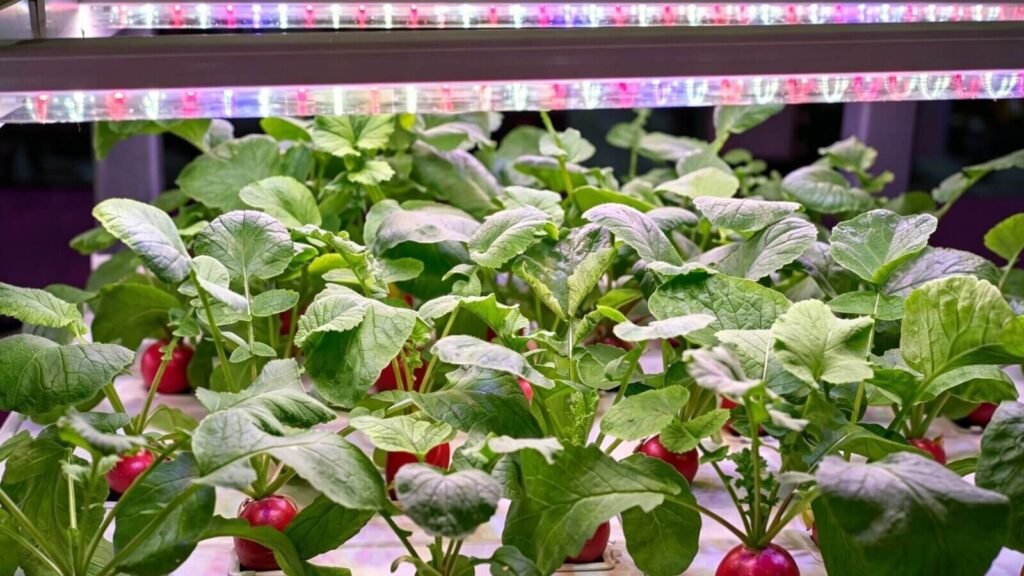
Radishes are a great option for beginners in hydroponic gardening because they grow quickly and are very easy to handle. They are one of those plants that make the whole process feel more approachable right from the beginning.
The most noticeable thing about radishes is how fast they develop. You can usually see visible changes in a short period of time, which is quite motivating when you are still getting used to hydroponic systems.
They also don’t ask for much in terms of care. As long as the basic conditions are in place, radishes tend to grow without too many issues, giving beginners a simple way to focus on learning the fundamentals.
Advanced Hydroponic Plants (Challenge Level – 4 Options for Higher Yields)
1. Cherry Tomatoes: High-Yield Fruiting Crop for Indoor Hydroponic Systems
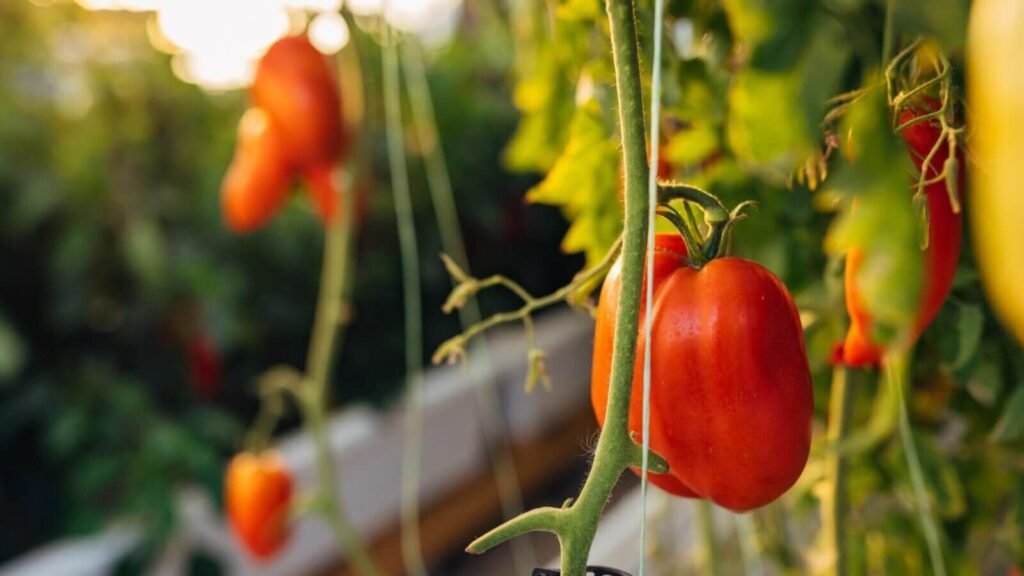
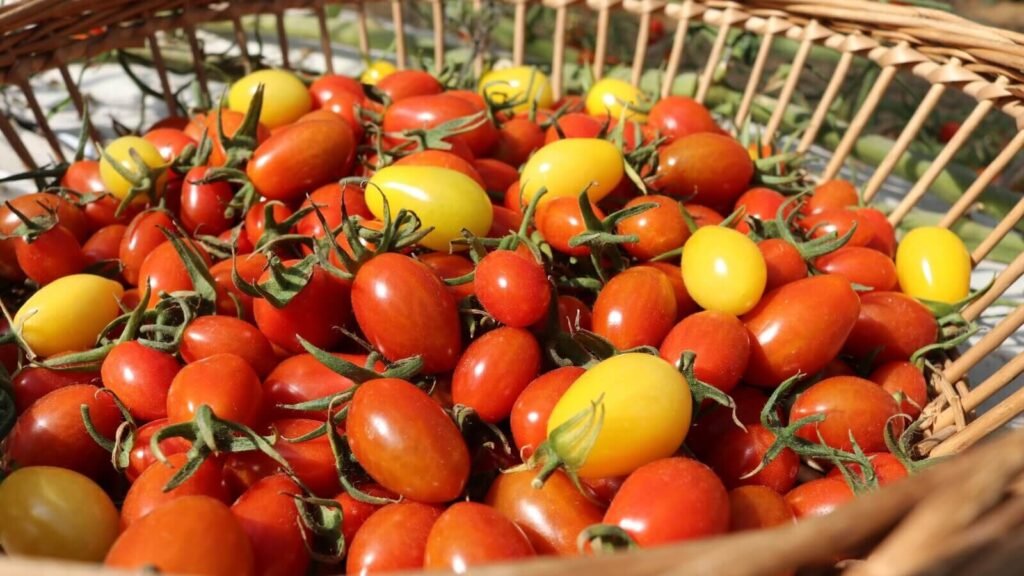
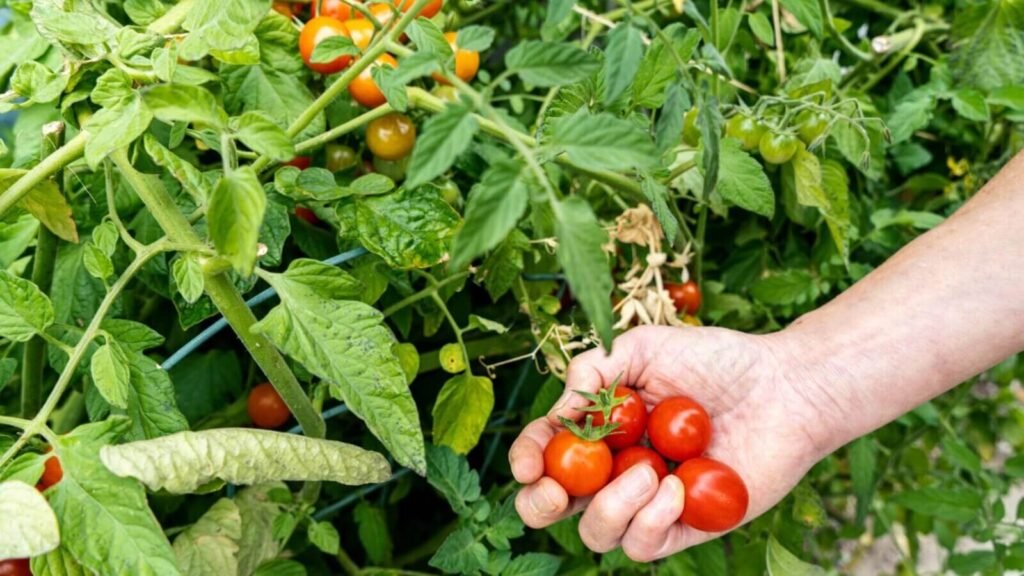
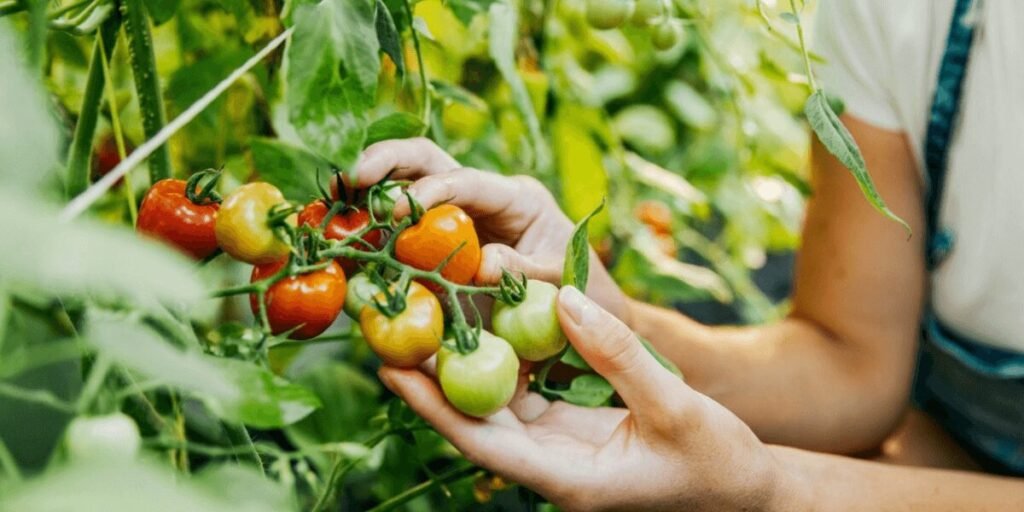
Cherry tomatoes are one of the most popular fruiting crops in hydroponics, especially for growers who already have some experience with indoor systems. Compared to leafy greens or herbs, they are a bit more demanding, but also much more rewarding once you get them right.
They do need a bit more attention to lighting, nutrients, and plant support as they grow. When everything is well balanced, though, cherry tomatoes can keep producing fruit over a long period, which makes them very satisfying to grow in a hydroponic setup.
For growers who are ready to move beyond beginner crops, cherry tomatoes are a great next step for learning more about hydroponic tomato growing. They offer visible growth progress and consistent harvests when properly managed, making them both challenging and satisfying to grow. take more effort to manage, but they also give you a clearer sense of progress and reward once the system is running smoothly.
2. Cucumbers: Vertical Growing Hydroponic Crop for Small Space Gardening
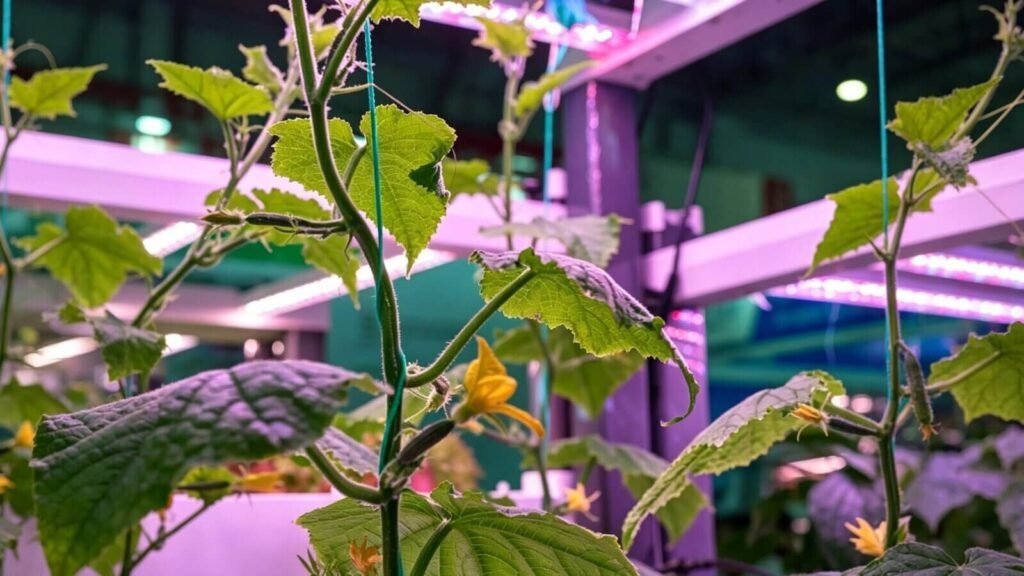
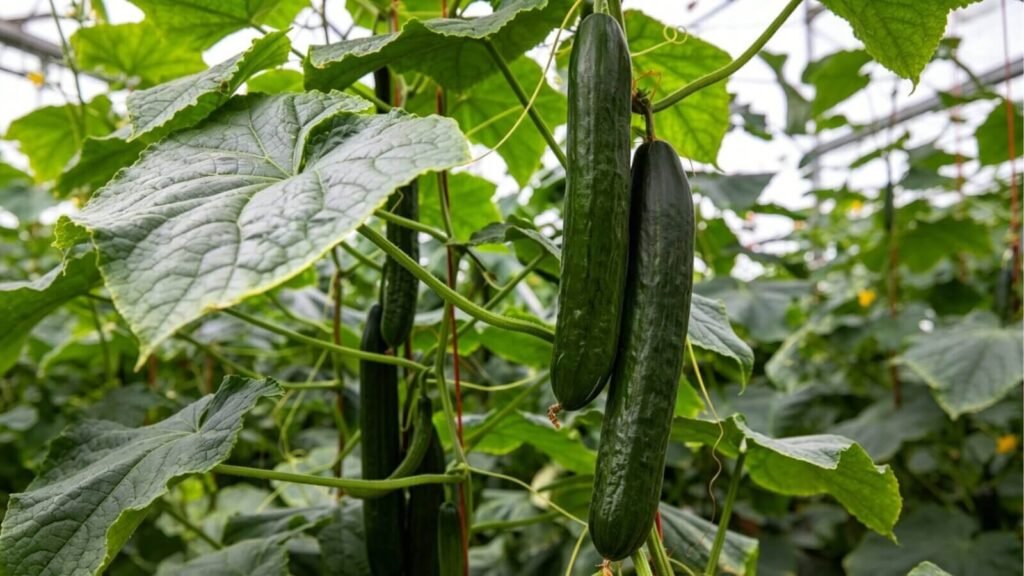
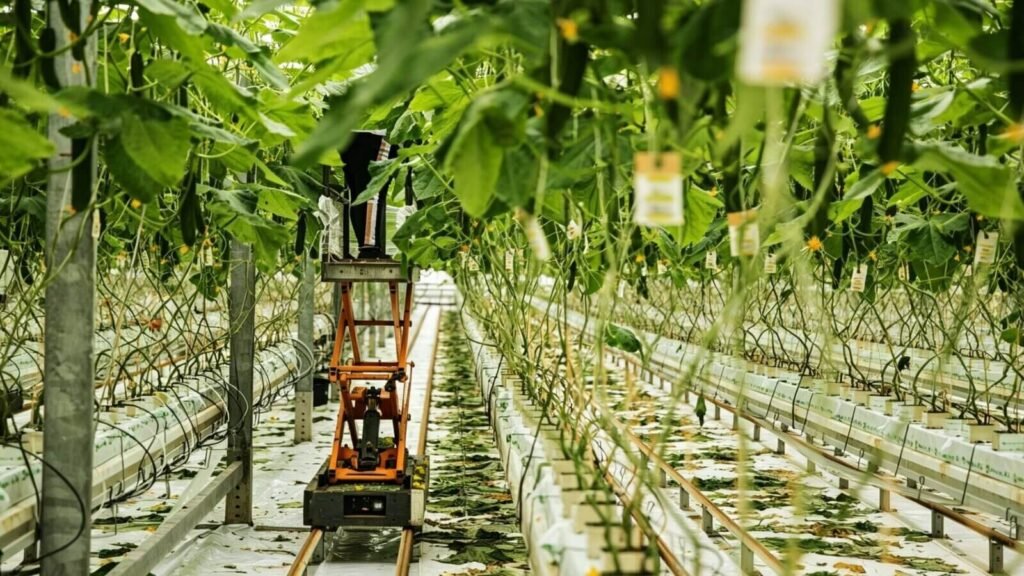
Cucumbers are a highly productive crop in hydroponic systems, but they are usually better suited for growers who already have a bit of experience. They grow fast and can be very rewarding, but they also need more attention compared to simpler plants like leafy greens or herbs.
One thing you quickly realize is that cucumbers need proper support as they grow. They naturally climb and spread, so having a trellis or vertical structure in place is really important. They also do best when the nutrient levels stay consistent, otherwise the plant can become stressed fairly easily.
That said, once you get the setup right, cucumbers can be extremely productive. For many growers, they feel like a natural next step after mastering easier crops, especially because the harvest can continue over a long period when everything is running smoothly.
3. Peppers: Productive Indoor Fruiting Vegetable for Controlled Hydroponics
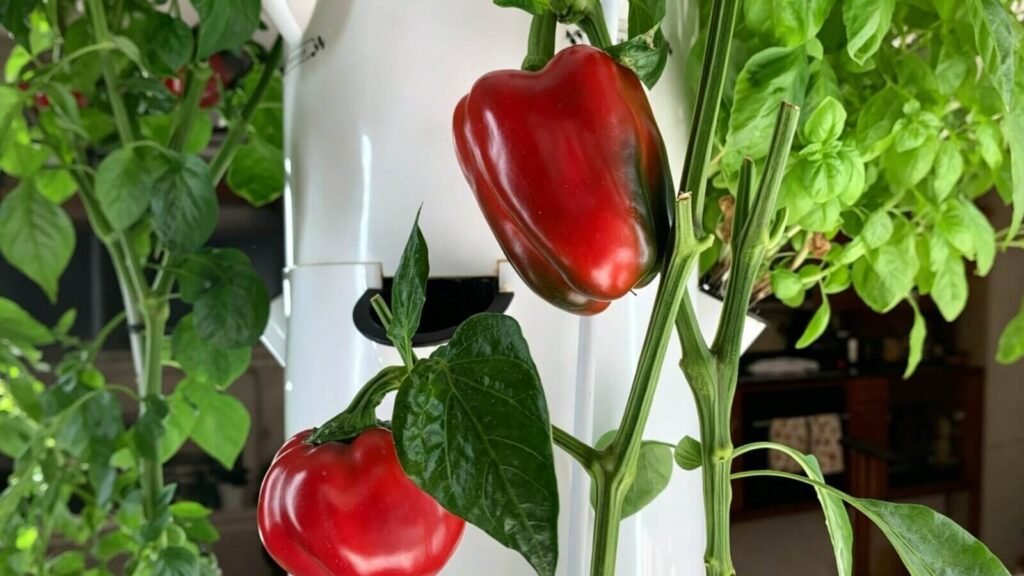
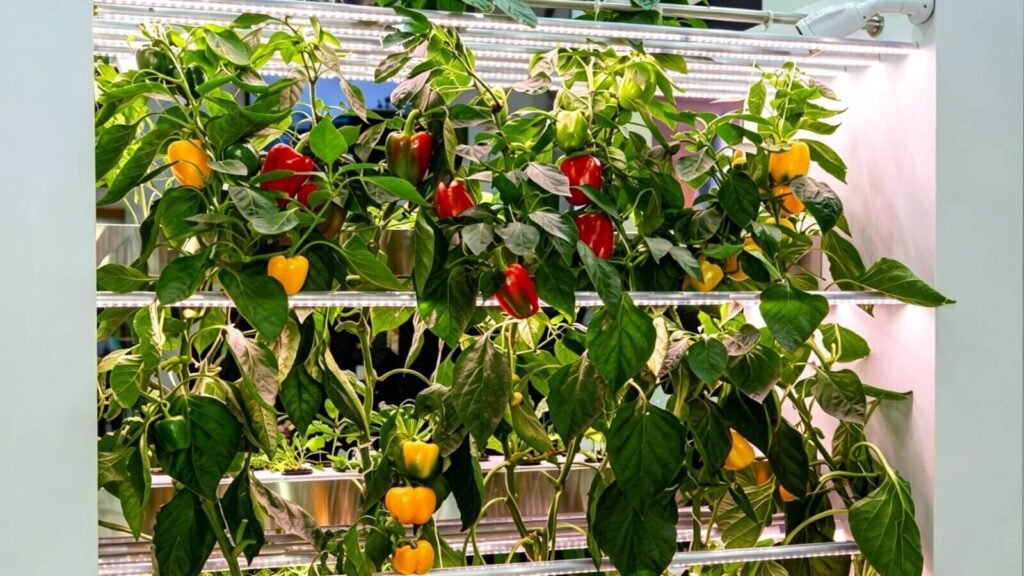
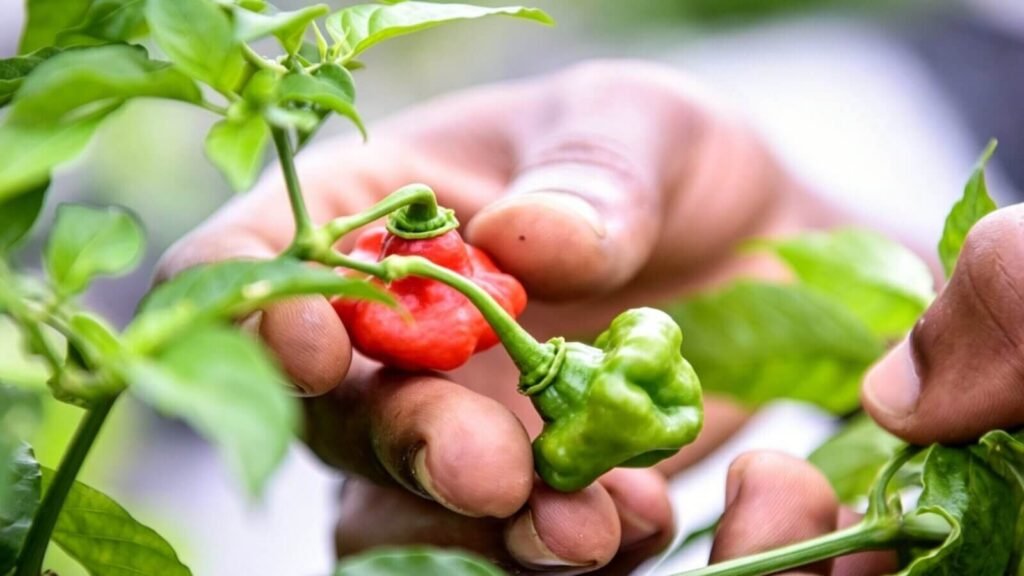
Peppers are a great fruiting vegetable for beginners who already have some experience with indoor hydroponic gardening. They grow well in hydroponic systems, although they usually need a bit more consistency compared to leafy greens or herbs.
When growing peppers, one thing you quickly notice is how important stable conditions are. They respond best when light and nutrient levels stay fairly consistent, allowing the plants to develop steadily before they start producing fruit.
For many growers, peppers feel like a natural step up after mastering simpler crops. They take a little more care, but they also offer a more rewarding experience once the system is running smoothly and the plants start producing regularly.
4. Strawberries: Sweet Fruit Crop for Advanced Indoor Hydroponic Gardening
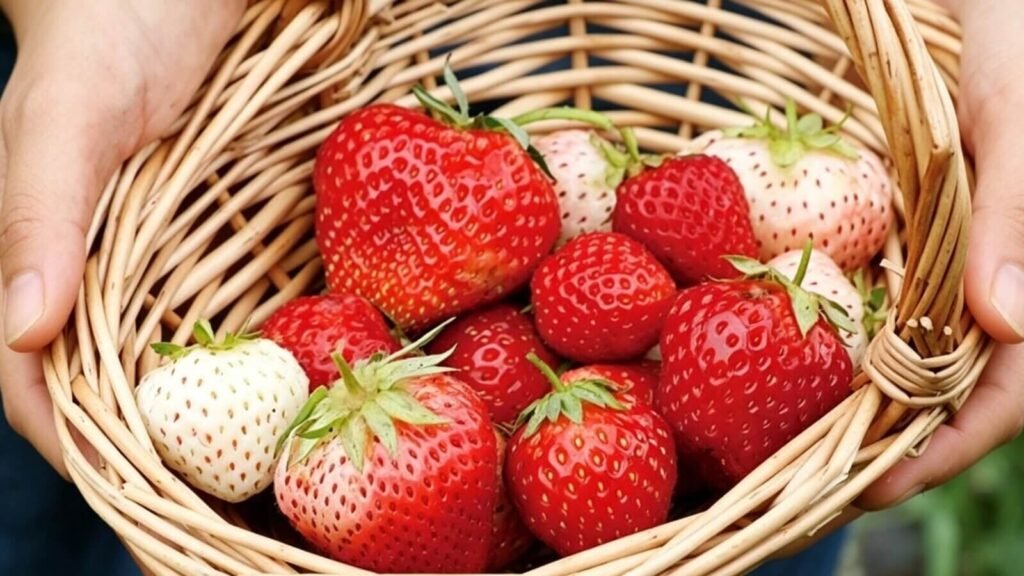
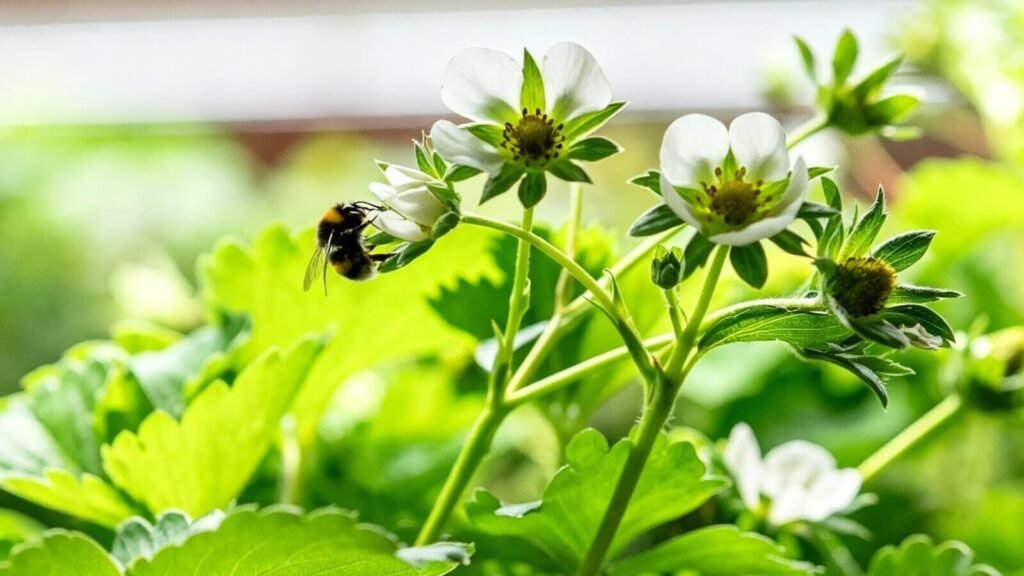
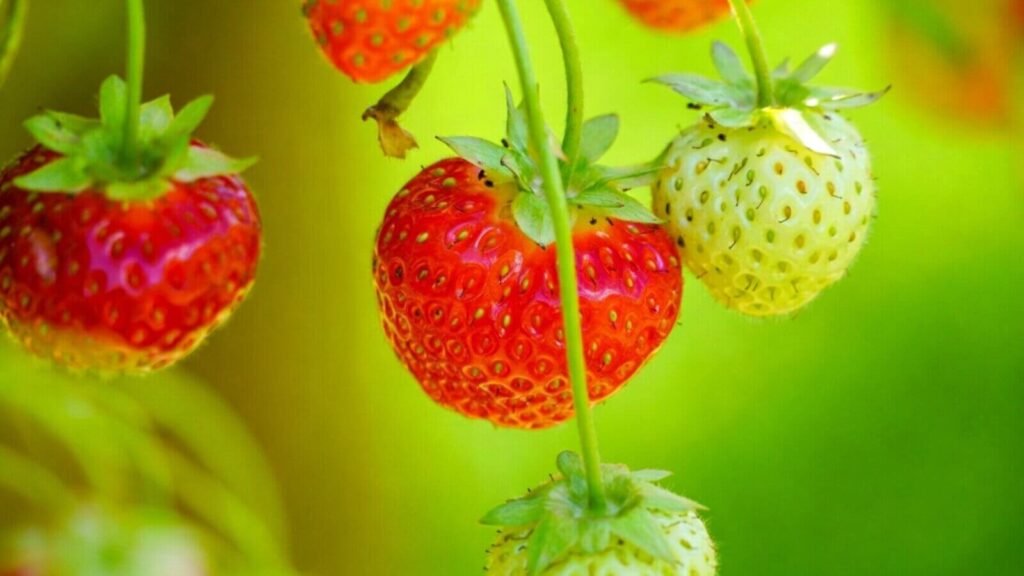
Strawberries are one of the more rewarding crops you can try once you are comfortable with the basics of indoor hydroponics. They are a step up from leafy greens, but still very manageable if you understand how to keep your system stable.
Compared to simpler plants, strawberries do need a bit more attention, especially when it comes to lighting, nutrients, and overall balance in the system. That said, once things are running properly, they can be very satisfying to grow, especially when you start seeing fruit develop.
For many growers, strawberries feel like a fun next step because they make hydroponic gardening more engaging. If you want to go further, you can explore a more detailed guide on growing hydroponic strawberries that covers the full process from setup to harvest.
How to Build a Simple Indoor Hydroponic System
For beginners, the most important goal is not building a complex setup but keeping the system stable. Once the basic structure is in place, everything else becomes much easier to manage.
Light, nutrients, and water quality are the three core elements to focus on. When these remain consistent, plants usually grow in a steady and predictable way. In practice, a simple and reliable system often works better than a complicated one.
Many beginners try to overcomplicate their setup at the beginning, but simplicity usually leads to better results and fewer problems.
Lighting Requirements for Indoor Hydroponic Systems
Lighting is one of the most important factors in hydroponic growing, especially for indoor setups. Most home growers use full spectrum LED grow lights because they are easy to install and can support plants through the entire growth cycle, from seedlings to harvest.
What really matters is not the equipment itself, but consistency. Plants respond much better when the light schedule stays the same every day. When the lighting duration changes too often, growth can become uneven and plants may show signs of stress, particularly during the early stages.
Nutrient Management for Healthy Plant Growth
Once lighting is stable, nutrients become the next key factor in hydroponic growing. The nutrient solution is essentially the only source of food for plants, so it needs to be balanced without being overly complicated.
Many beginners prefer pre mixed nutrient solutions because they are easy to use and reduce the risk of mistakes. At this stage, it is more useful to focus on observing how plants respond rather than constantly adjusting formulas. A solution that is too strong can stress plants, while one that is too weak will slow growth, so small and gradual adjustments usually work best over time.
Water Quality and pH Control in Hydroponic Systems
Water quality is often overlooked, but it has a direct impact on overall plant health in hydroponic systems. Even if lighting and nutrients are well managed, poor water conditions can still limit plant growth.
Most hydroponic plants grow best in slightly acidic water, although beginners do not need to focus too much on exact numbers. At the early stage, stability is more important than precision. If light, nutrients, and water conditions keep changing at the same time, plants will struggle to grow consistently, making it harder to understand what actually needs adjustment.
Essential Care Tips for Healthy Hydroponic Plant Growth
For beginners in indoor hydroponics, system stability is the most important factor because even small changes in light, nutrients, or water can affect plant growth. Keeping conditions consistent with a simple routine makes growth more predictable and much easier to manage.
How to Monitor pH and EC Levels in Hydroponic Systems
At first, pH and EC monitoring may sound technical, but once you get used to it, it quickly becomes part of a normal care routine. These two measurements help you understand how easily plants can absorb nutrients, which has a direct impact on overall growth and stability.
For beginners, the goal is not to check exact numbers every single day, but to build a simple routine that allows you to notice changes early. In hydroponic systems, even small fluctuations can gradually affect plant health over time, so consistency matters more than precision. A basic, reliable pH meter is usually enough in the beginning, especially while you are still learning how your system behaves and responds.

Greenfuturehydro pH Tester for Hydroponics Systems and Greenhouse Growing
When and How to Change Hydroponic Nutrient Solution
Hydroponic nutrient solutions do not stay stable forever. After about 1 to 2 weeks, the balance of nutrients will gradually shift, and the overall effectiveness may start to decline. Because of this, regular replacement becomes a normal part of hydroponic maintenance.
At the beginning, many beginners tend to leave the same solution in the system for too long without changing it. Once they start following a consistent replacement routine, they usually notice that plant growth becomes more stable and predictable. It is a small habit, but it has a noticeable impact over time.
Maintaining Oxygen Levels for Healthy Roots
In hydroponic systems, roots depend on oxygen just as much as they depend on nutrients. When the water becomes stagnant or oxygen levels drop, plants may look fine at first but will slowly weaken underneath.
This is easy to prevent with a simple setup. A basic air pump or gentle water circulation is usually enough for most beginner systems. The key is not complexity, but keeping the water moving so that it never becomes stagnant.
Learning to Recognize Early Plant Stress Signals
When plants are under stress, they usually show warning signs before serious problems appear. Yellowing leaves, drooping stems, or slower growth are some of the most common early indicators.
These signals are easy to miss at first because they develop gradually. Over time, however, you start to recognize patterns more quickly and respond earlier. This ability to notice small changes is often what separates beginners from more experienced growers.
Common Hydroponic Growing Problems and Practical Solutions
Even with a well-maintained setup, beginners may occasionally encounter a few common hydroponic growing problems. The good news is that most issues are easy to recognize and fix once you understand the causes.
The table below highlights some of the most common challenges along with their typical signs and simple solutions.
| Problem | What You May Notice | Easy Fix |
|---|---|---|
| Nutrient Imbalance | Yellow leaves or burnt tips | Adjust nutrients gradually |
| Root Rot | Brown roots and weak growth | Increase oxygen and water circulation |
| Algae | Green buildup in the reservoir | Block light from reaching the nutrient solution |
| Light Stress | Curling or stretched plants | Adjust light distance or intensity |
Nutrient Deficiency vs Overfeeding in Indoor Hydroponic Systems
One of the most common challenges in hydroponics is getting the nutrient balance right, especially for beginners. At first, it is not always obvious, so many growers only notice the problem when plants already start showing stress.
When nutrients are too low, growth slows down and leaves may look pale or weak, while too much nutrient strength can cause burnt tips or unusually dark foliage. Both situations are very common in the early stages, and most people learn through observation and gradual adjustment rather than getting it right immediately.
How to Prevent Root Rot in Hydroponic Systems
Root rot usually develops when oxygen levels in the water are too low or when the solution becomes stagnant. In the beginning, plants may still look normal above the surface, but the roots slowly lose their healthy white color.
The simplest way to prevent this is to keep oxygen flowing and avoid still water in the system. A basic air pump or regular circulation is usually enough, and as long as the water does not stay stagnant for too long, most beginner systems will stay healthy.
How to Control Algae Growth in Indoor Hydroponic Water Systems
Algae growth in hydroponics usually starts when light reaches the nutrient solution. At first, it may appear as a thin green layer in the reservoir, which does not seem serious, but it often develops quickly in warm, nutrient rich water.
As algae spreads, it can affect water quality and compete with plants for nutrients, making the system less stable over time. The most effective prevention is simply blocking light from the water by using opaque containers and covering exposed areas, which keeps the system much cleaner with very little effort.
How to Fix Light Stress in Indoor Hydroponic Plants
Light stress is common in hydroponic setups because plants respond quickly to changes in intensity or distance. If the light is too strong or too close, leaves may curl or fade, while weak light often causes plants to stretch and become thin.
Since there is no single perfect setting, most beginners improve results by making small adjustments and observing how plants respond over time. With experience, recognizing these changes becomes more intuitive and easier to manage.
Best Hydroponic Systems for Home Indoor Gardening
Choosing the right setup is one of the most important first steps in indoor hydroponic gardening because it directly affects how easy or difficult your growing experience will be. A simple and stable system helps beginners focus on learning plant behavior instead of constantly dealing with technical adjustments.
Deep Water Culture (DWC): Simple Hydroponic Setup for Beginners
Deep Water Culture is one of the most beginner friendly hydroponic systems because plant roots sit directly in nutrient rich water, while oxygen is added through an air pump. It is commonly used for leafy greens and herbs like lettuce, spinach, basil, and mint.
The biggest advantage of DWC is how fast and steady plants can grow, especially with short cycle crops. Since the roots always have access to both water and nutrients, plants usually take off quickly once the system is stable, which makes it very satisfying for beginners.
That said, there are a couple of things to keep in mind. Water temperature and oxygen levels need to stay stable, because roots can react quickly if something goes wrong. As long as the air pump is working and the water stays in good condition, the system is actually quite easy to manage.

Greenfuturehydro 5 Gallon Dutch Bucket Hydroponics System for Greenhouse and Farm Use
NFT Hydroponic System: Efficient Setup for Leafy Greens
NFT systems work really well for leafy greens like lettuce, spinach, arugula, and herbs such as basil or parsley. These plants don’t need deep root space, and they respond well to a constant flow of water and nutrients, which is exactly how NFT works.
The reason people like NFT is not just efficiency, but how consistently it supports fast growth once everything is running correctly. Lettuce and similar greens tend to grow very evenly in this setup, and you can harvest quite frequently if the system is stable.
The tradeoff is that NFT doesn’t tolerate interruptions. If the pump stops or the flow becomes uneven, the roots can dry out faster than you might expect. It also needs a properly leveled setup, otherwise some plants will get more water than others.
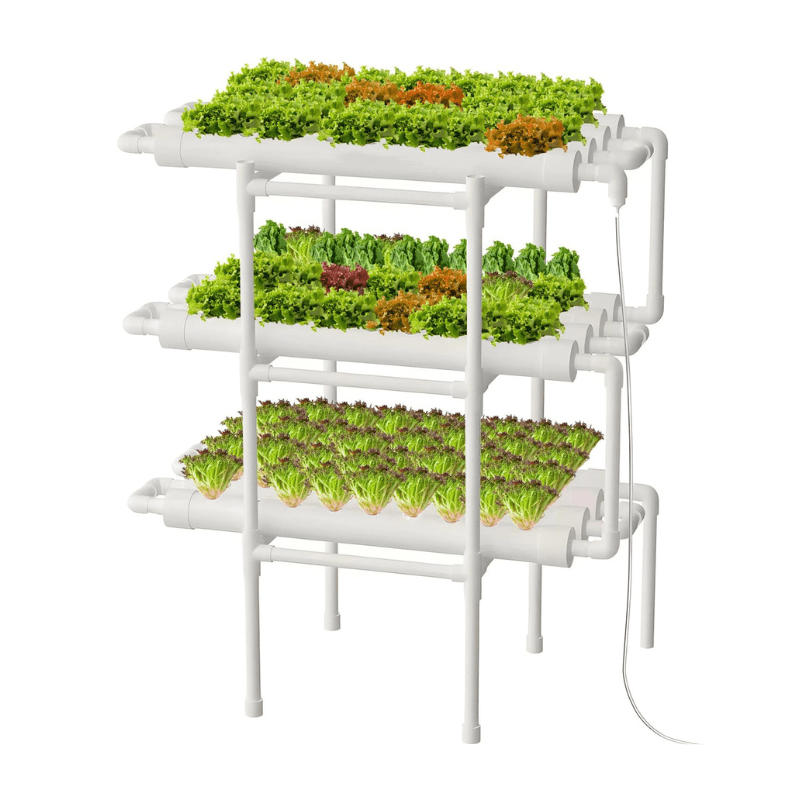
Greenfuturehydro Smart NFT Hydroponic System with 108 Holes for Herbs and Tomatoes Year Round Growing
Desktop Mini Hydroponic Garden System: Easy Home Growing Solution
These compact systems are usually used for herbs like basil, mint, and parsley, or small leafy greens such as lettuce and baby greens. They’re designed for low maintenance home growing rather than production.
What makes them useful is that everything is already controlled for you. Light, water circulation, and sometimes even nutrients are built in, so you’re mostly just topping up water and letting it run. For beginners, this removes a lot of the guesswork.
The limitation is obvious once you start growing. You can’t really scale it, and larger or faster growing plants don’t perform well because space and nutrient capacity are limited. It’s more of a “fresh herbs on demand” setup than a real production system.

Greenfuturehydro Classroom & Kitchen Hydroponic Garden System for Herbs and Greens
Vertical Hydroponic Towers: High Yield Space Saving System
Vertical towers are best for leafy greens like lettuce, bok choy, spinach, and herbs such as basil and mint. In the right conditions, they can also support strawberries, but leafy crops are where they perform most reliably.
The main reason people use them is not just space saving, but how many plants you can grow at once in a small footprint. Once the system is running well, it feels like a continuous harvest setup rather than individual planting cycles.
The tricky part is balance. Because plants are stacked vertically, water and nutrients don’t always reach every level equally. That means you may see differences in growth speed between top and bottom plants if the system isn’t adjusted properly.
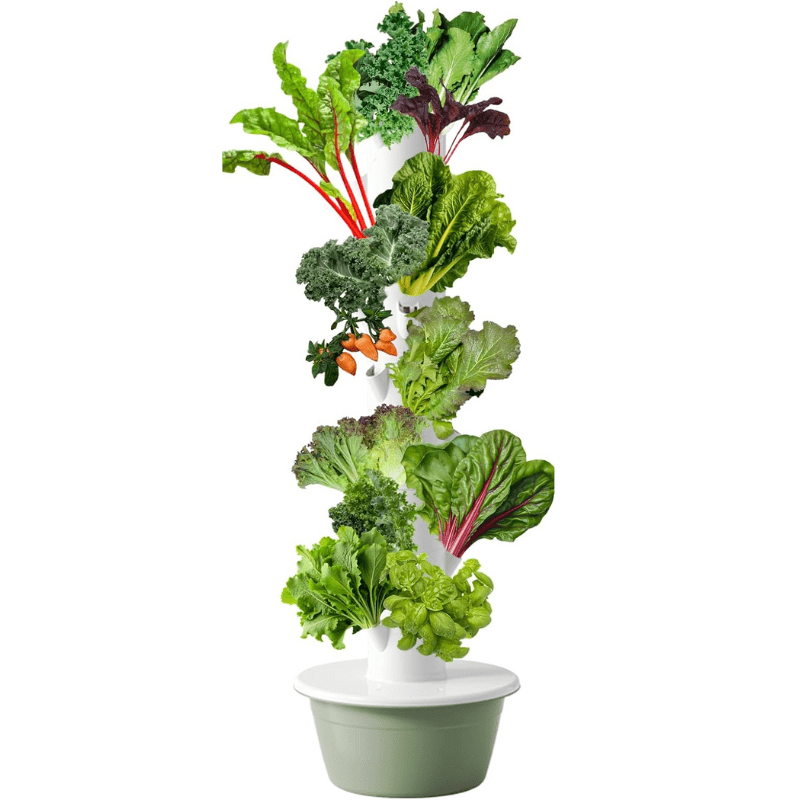
Greenfuturehydro 9 Layer 36 Hole Hydroponic Tower for Commercial Smart Farming
Expert Tips to Improve Indoor Hydroponic Yield and Growth Rate
When you are just starting with hydroponics, it usually helps to keep things simple. There is really no need to build a complicated system right away, and in most cases, simpler setups are actually easier to handle while you are still figuring things out.
What you quickly realize is that consistency matters more than anything else. Plants do much better when light, water, and nutrients stay steady instead of changing all the time. This becomes even more noticeable when you are growing easy crops, since they mostly just need stable conditions to do well.
Start Small with 1–2 Easy Plants in Indoor Hydroponic Systems
When people first get into hydroponics, it is very common to want to grow several plants at once. It feels more efficient, but in reality, it usually makes things harder to understand.
Starting with just one or two plants makes a big difference. You can clearly see how your system behaves, and when something changes, it is much easier to trace the cause. For example, if growth slows down, you can actually tell whether it is related to light, nutrients, or water conditions instead of guessing between multiple variables.
Avoid Growing Too Many Different Hydroponic Crops at the Beginning
Another common mistake is mixing too many types of plants too early. Even when they look similar, different crops can have slightly different growth speeds, nutrient needs, or light preferences.
When everything is mixed together, the system can start to feel uneven. Some plants may grow faster while others lag behind, and it becomes harder to tell whether the issue is the system or just plant differences. Keeping things simple in the beginning helps you build a clearer understanding of how hydroponics actually works.
Focus on System Stability Before Expanding Hydroponic Production
Before expanding your setup, it is important to make sure your system is stable under normal conditions. Stable does not mean perfect, it simply means your plants are growing consistently without frequent problems like nutrient swings, weak growth, or irregular water flow.
Once you reach that point, adding more plants or upgrading the system becomes much more predictable. You already understand how your setup behaves, so scaling up feels like an extension of what is already working rather than starting from scratch again.
Why Consistency Matters More Than Advanced Hydroponic Techniques
Many beginners assume that hydroponics requires advanced equipment or constant fine tuning, but in reality, most plants respond better to simple and stable routines.
Things like keeping a consistent light schedule, checking nutrient levels every so often, and making small adjustments when needed are usually enough. The key is not doing more, but doing things consistently. Over time, this stability makes the entire growing process easier to manage and much more reliable.
Frequently Asked Questions About Indoor Hydroponic Gardening
Lettuce, spinach, basil, arugula, and microgreens are easy indoor hydroponic plants because they grow fast and need little care.
Yes, but tomatoes are more advanced. They need stronger light, regular nutrients, and support, so beginners should start with leafy greens first.
Lettuce usually takes about 30–45 days to grow, depending on light, nutrients, and system conditions.
DWC, NFT systems, and countertop hydroponic kits are best for beginners because they are simple and stable.
Lettuce, arugula, basil, and microgreens grow fast and can often be harvested within a few weeks.
Start Small and Build Confidence in Indoor Hydroponic Gardening
Hydroponic gardening can feel a bit technical at first, especially if you are completely new to it. Most beginners think they need a complex setup right away, but in reality, that usually just makes things harder.
It works much better to start small and simple. Once you begin with easy plants like lettuce, basil, or mint, you can actually see how your system responds to light, water, and nutrients in real time. That learning process is what really helps things make sense.
After a while, you start to get a feel for it. The system becomes less confusing, and you naturally understand what needs adjusting and what does not. It is less about doing everything perfectly, and more about learning step by step.
Start Your Hydroponic Gardening Journey the Right Way
If you want to see how hydroponics actually works in real homes, our Instagram shares real setups including countertop systems, vertical towers, seedling trays, and simple indoor growing ideas. Seeing real examples often makes it much easier to understand the system in a practical way, especially if you are just getting started.
For beginners, the key is to start simple. A stable and easy system helps remove early confusion and makes it easier to focus on the basics like light, water, and nutrients. Most people begin with herbs or leafy greens such as lettuce, basil, or mint before moving on to larger setups.
If you are unsure where to start or need help choosing a system, feel free to reach out anytime. And if you build your own setup, we would genuinely love to see how it turns out and follow your growing progress.
📩 info@greenfuturehydro.com
📞 +86 13487543942
📷 Instagram @Greenfuturehydro