
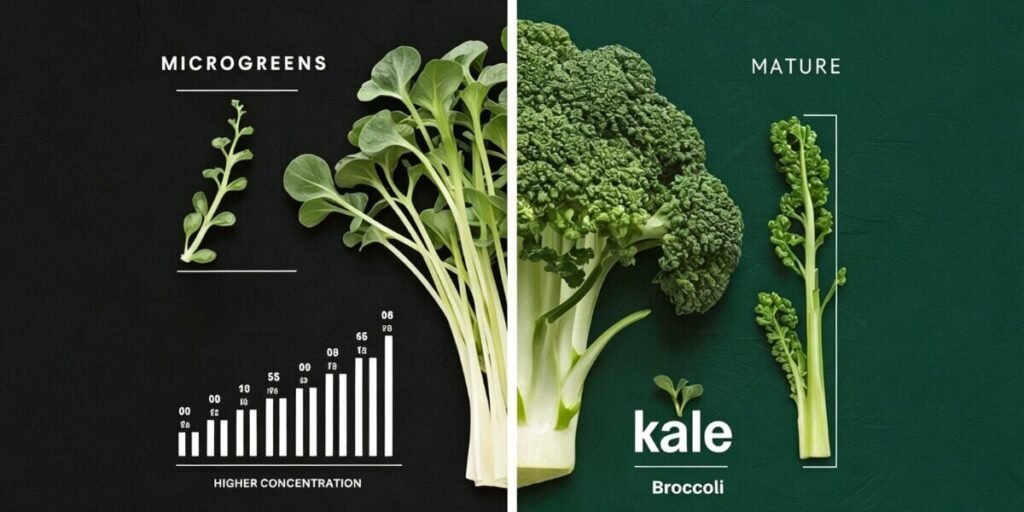

When comparing Microgreens vs Mature Greens, many people assume microgreens are the healthier option because of their high nutrient density. While microgreens often contain more vitamins and antioxidants by weight, mature greens provide more fiber, larger serving sizes, and other important benefits.
In this guide, we’ll compare their nutritional differences and help you decide which is the better choice for your diet.
Microgreens vs Mature Greens: What’s the Real Difference?
| Factor | Microgreens | Mature Greens |
|---|---|---|
| Growth Stage | Seedling stage | Fully grown plant |
| Harvest Time | 7–21 days | 30–90+ days |
| Nutrient Density | Often higher per gram | Moderate |
| Antioxidants | Higher concentrations | Moderate |
| Fiber Content | Lower | Higher |
| Serving Size | Small portions | Larger portions |
| Calories | Very low | Low to moderate |
| Satiety | Lower | Higher |
| Storage Life | Shorter | Longer |
| Cost Per Serving | Typically higher | Usually lower |
| Growing Space Needed | Minimal | More space required |
| Time to First Harvest | Faster | Slower |
| Best For | Nutrient boost and garnishes | Everyday meals and salads |
| Home Growing Difficulty | Beginner-friendly | Beginner-friendly |
| Can Replace Vegetables? | No | Yes, as a primary vegetable source |
In general, microgreens excel in nutrient density and fast harvests, while mature greens provide more fiber, larger servings, and better long-term value for everyday nutrition.
What Are Microgreens?
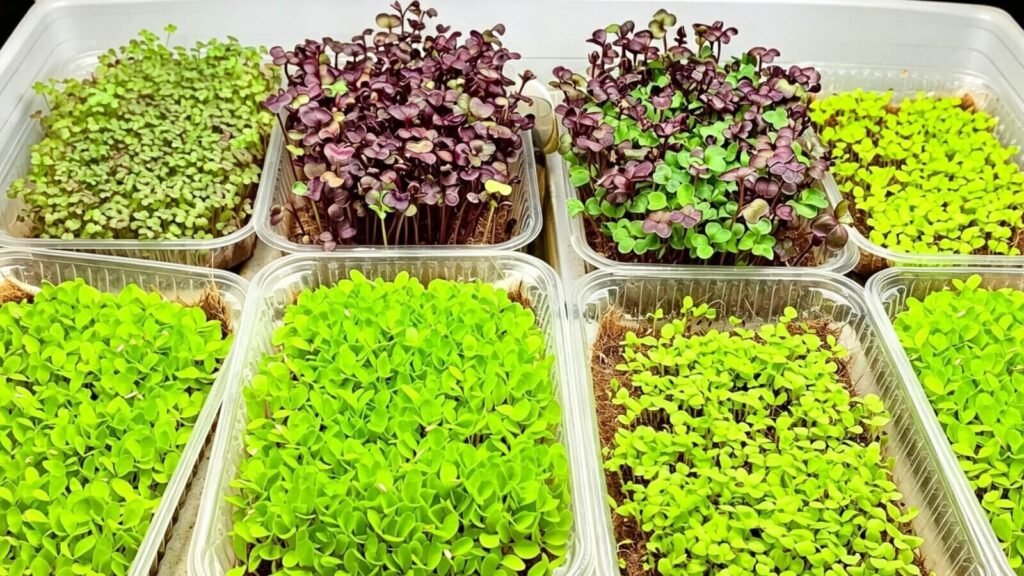
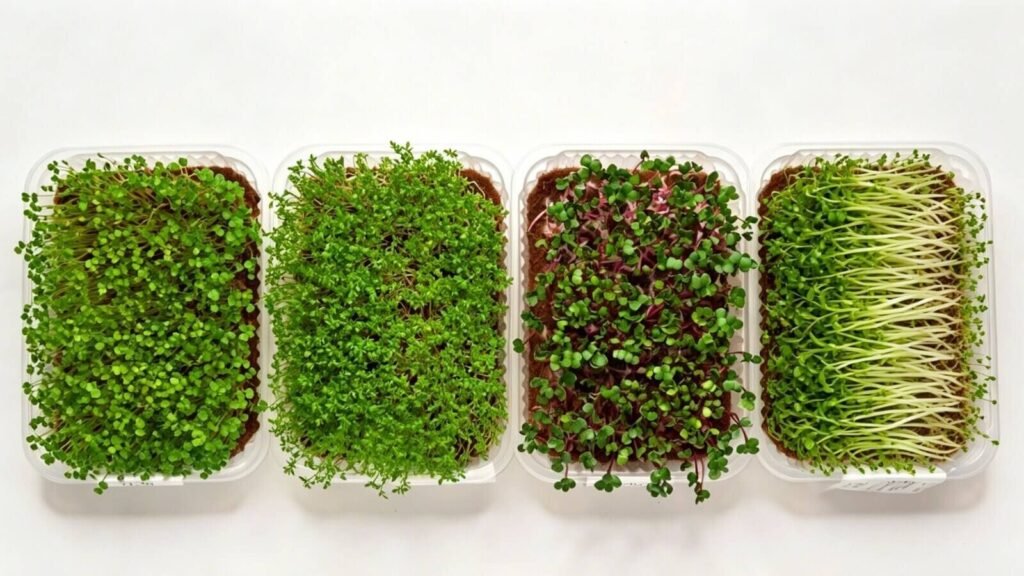

Microgreens are young vegetable seedlings harvested shortly after germination, typically around 7 to 14 days after sprouting. At this stage, the plants are still very small but have already developed their first true leaves and are known for their intense flavor.
Microgreens are especially appealing not only because they are widely used in professional kitchens, but also because they are very easy to grow at home. Their fast growth cycle and minimal space requirements make them suitable even for small indoor environments such as windowsills or simple growing racks, which is why they are popular among people who want fresh greens year-round.
Different types of microgreens also vary greatly in flavor. Radish microgreens tend to have a spicy kick, pea shoots are naturally sweet and tender, while broccoli, kale, mustard, and purple cabbage microgreens each offer their own mild or slightly earthy taste profiles.If you are interested in growing them at home, you can learn more about microgreens growing.
What Are Mature Leafy Greens?
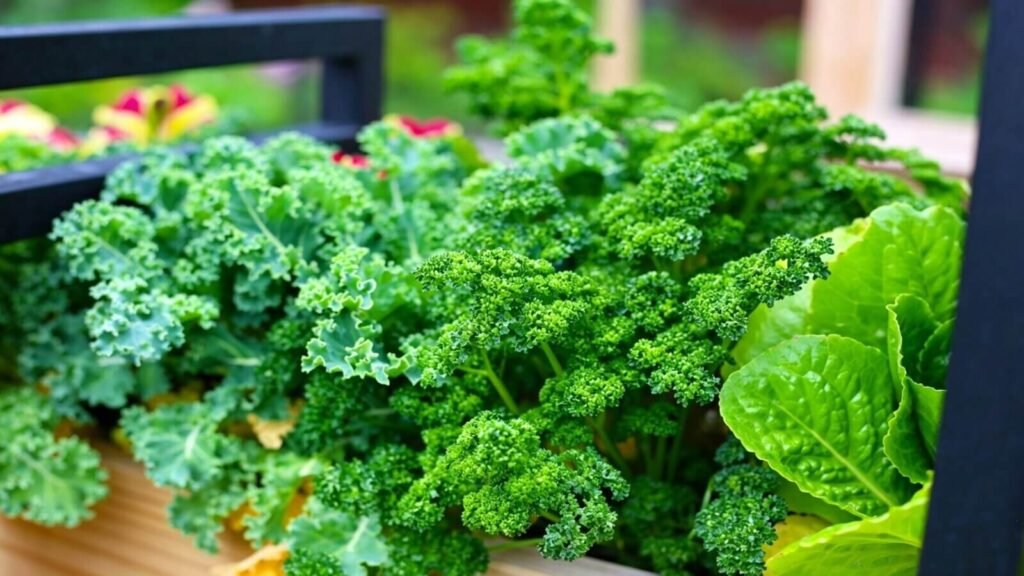
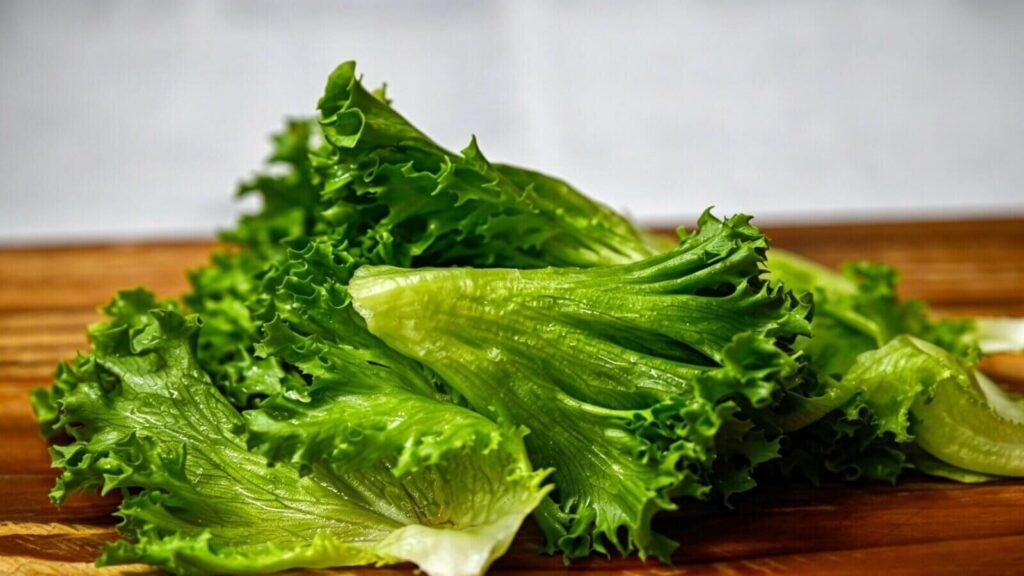
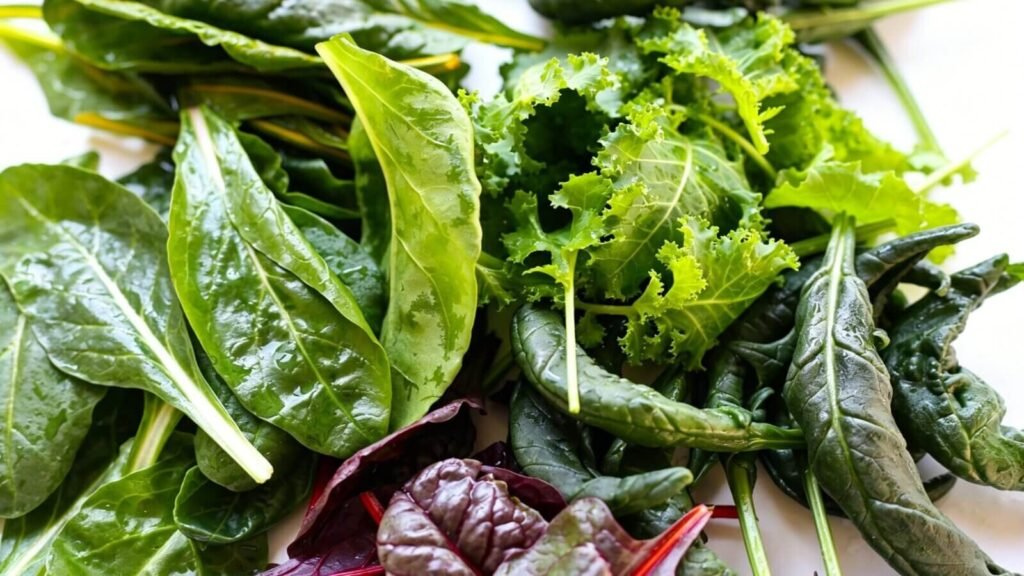
Mature greens are vegetables that are harvested after completing their normal growth cycle. They include familiar leafy greens such as spinach, lettuce, kale, arugula, Swiss chard, and collard greens.
Compared to microgreens, mature greens are left to grow for a much longer period sometimes weeks or even months. During this time, the plants develop larger leaves and a greater overall yield, which is why they’re commonly used as the base of salads, side dishes, and everyday meals.
Because they’re widely available and easy to cook with, mature greens are often the main leafy vegetables in most diets. They can be eaten raw, sautéed, or added to soups and other dishes, making them one of the most practical vegetable groups in daily cooking.
How Microgreens Compare to Mature Vegetables Nutritionally
Microgreens are often seen as more nutrient-dense than mature vegetables, which is one of the main reasons they have become so popular. In some cases, this is true. Certain varieties, such as broccoli, red cabbage, and radish microgreens, can contain higher levels of specific vitamins and beneficial plant compounds compared to the same plants at full maturity.
However, nutrition is not only about concentration. Microgreens are usually eaten in small amounts, often as toppings or garnishes, while mature greens like spinach, lettuce, and kale are typically consumed in much larger portions. Because of this, mature vegetables often contribute more to overall daily nutrient intake.
In practice, both have their place in a healthy diet. Microgreens can provide a quick nutritional boost, while mature greens supply volume, fiber, and consistency in everyday meals.
Microgreens vs Mature Vegetables: Nutritional Benefits Explained
One of the reasons microgreens get so much attention is that they contain more than just basic nutrients like vitamins and minerals. Many varieties are also rich in naturally occurring plant compounds that influence their color, flavor, and aroma.
If you’ve looked into nutrition at all, you’ve probably seen terms like polyphenols, flavonoids, carotenoids, glucosinolates, or anthocyanins. They can sound complicated, but they’re really just natural compounds found across many fruits and vegetables. This is also why eating a variety of colorful plant foods is often recommended.
The actual levels depend on the plant, but some microgreens do stand out for their relatively high concentrations. That’s part of the reason they’ve attracted interest from both researchers and people who simply want more nutrient-dense foods.
Broccoli sprouts: sulforaphane and antioxidants
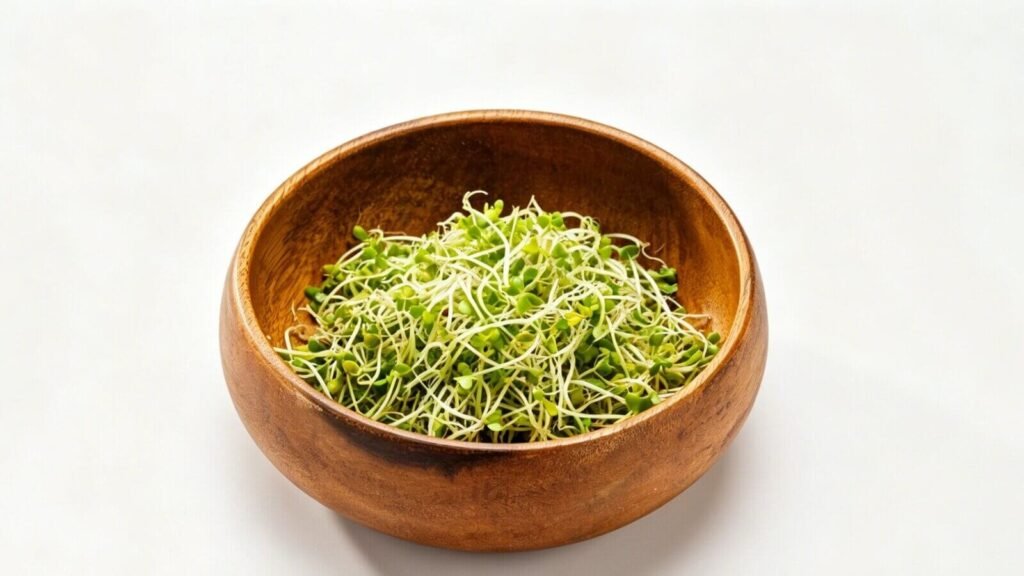
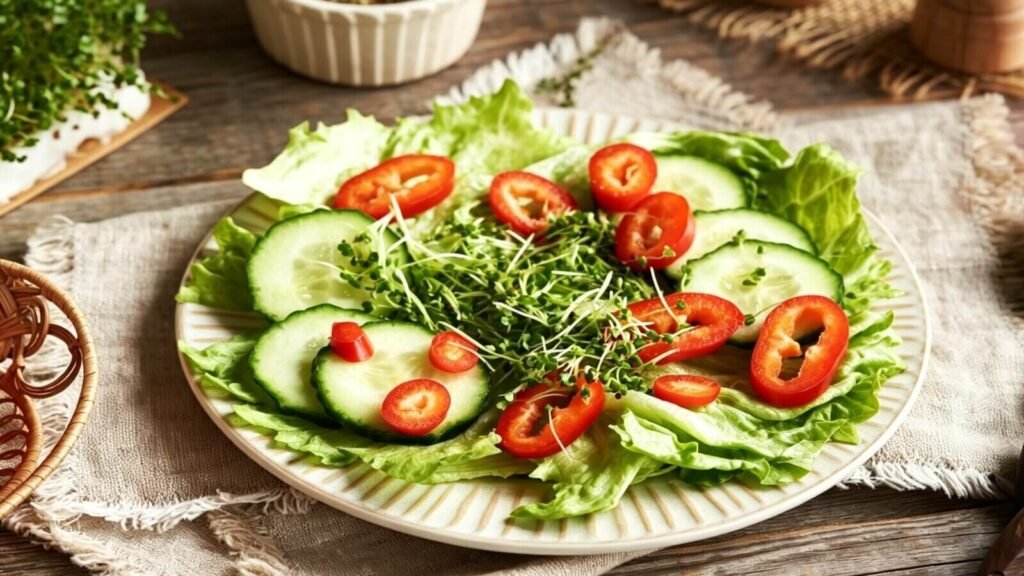
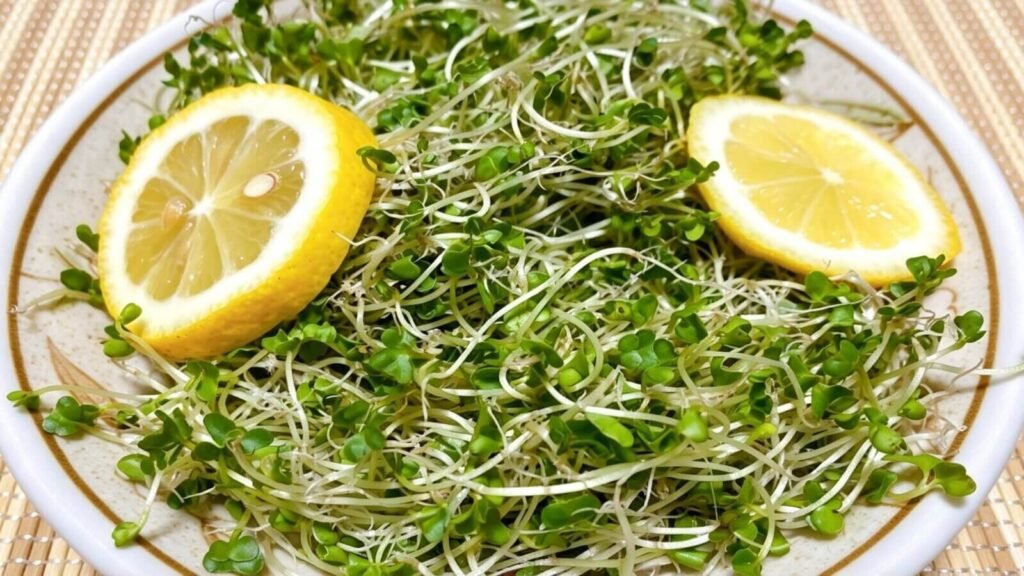
Broccoli microgreens are probably the most talked-about variety in this space. A lot of the interest comes from glucoraphanin, a compound that can be converted into sulforaphane.
They’re also popular with home growers because they’re easy to grow and don’t require much space. The flavor is mild and fresh, which makes them easy to add to salads, sandwiches, or even smoothies without overpowering other ingredients.
Red cabbage microgreens: vitamin C and anthocyanins
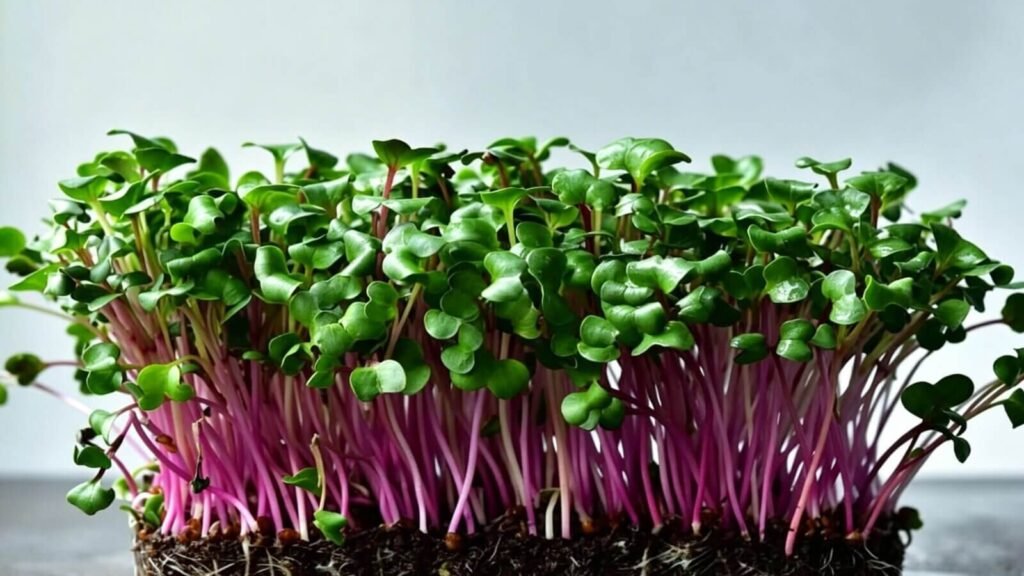
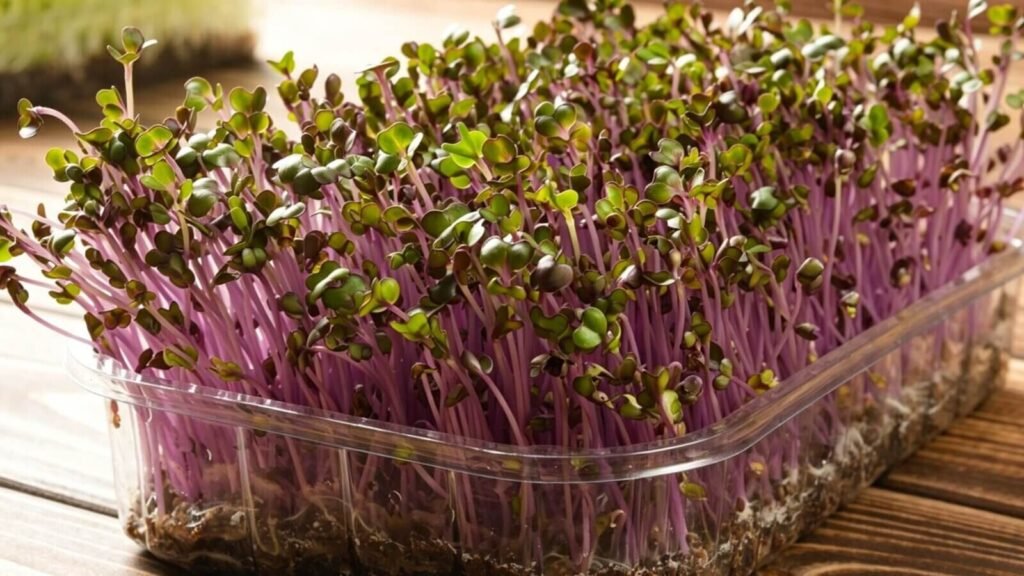
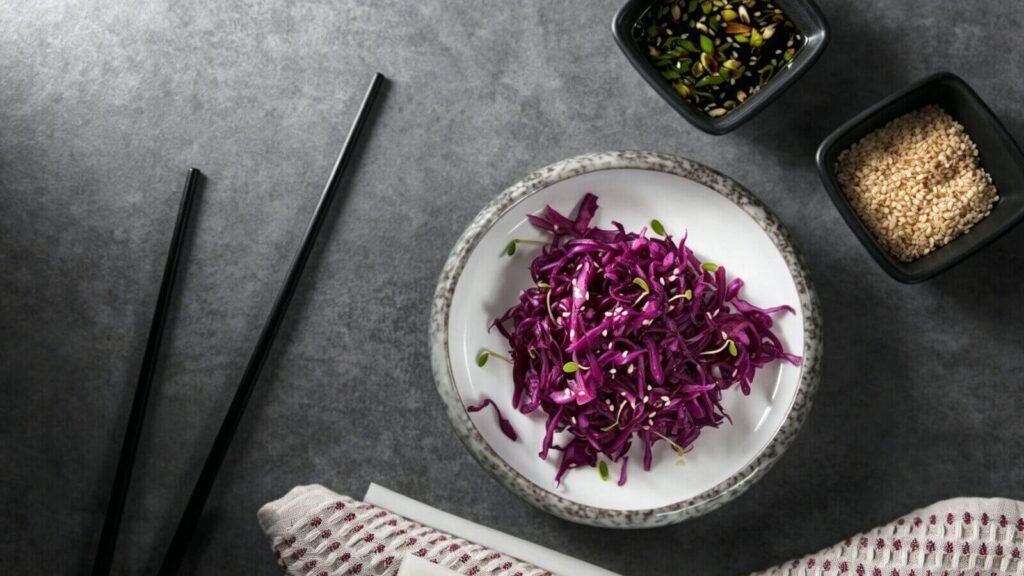
Red cabbage microgreens are the kind you notice immediately. The deep purple color stands out right away and makes any dish look more vibrant.
That color comes from anthocyanins, the same type of compounds found in blueberries and other purple fruits and vegetables. Beyond appearance, they’re also valued for their nutrient density.
Many people like growing them simply because they look good on the plate. Even a small handful can make a basic salad feel more complete and visually interesting.
Mineral and Fiber Content in Microgreens vs Mature Greens
Minerals are actually one of the trickier things to compare between microgreens and mature greens. Unlike vitamins, which sometimes show clearer patterns, mineral levels can vary quite a bit depending on the plant and how it’s grown.
In some cases, microgreens may contain higher levels of minerals like iron, zinc, or magnesium. In other cases, mature vegetables can match or even exceed them. Things like plant variety, growing conditions, and harvest time all play a role, so there isn’t a consistent rule that applies across the board.
Because of that, mineral content isn’t really something where you can declare a clear winner. It depends more on the specific vegetable than on whether it’s harvested early or allowed to fully mature.
Why Mature Leafy Greens Are Higher in Fiber
Fiber is a different story. Mature greens clearly have the advantage here.
Since microgreens are harvested at a very early stage, they simply haven’t developed the same amount of structural tissue. As vegetables grow, their leaves and stems become larger and more fibrous, which naturally increases fiber content.
Mature greens are also usually eaten in larger portions, which makes them a more practical way to increase daily fiber intake. That’s why vegetables like spinach, kale, and lettuce are still considered staples in a balanced diet.
Microgreens can still be a great addition to meals, but when it comes to fiber, they work better as a complement rather than a replacement.
Microgreens vs Mature Greens: Nutrient Density Overview
One of the main reasons microgreens have gained popularity is their impressive nutrient density. Research suggests that many microgreens contain higher concentrations of certain vitamins, antioxidants, and plant compounds compared to their mature counterparts when measured by fresh weight.
However, nutrient levels vary depending on the plant species, growing conditions, and harvest stage. Not every microgreen contains more of every nutrient, but several nutrients are commonly found in higher concentrations.
| Nutrient | Often Higher in Microgreens | Main Benefits |
|---|---|---|
| Vitamin C | Yes | Supports immune function and antioxidant protection |
| Vitamin E | Yes | Helps protect cells from oxidative stress |
| Vitamin K | Yes | Supports bone health and normal blood clotting |
| Beta-Carotene | Yes | Converted into vitamin A in the body |
| Polyphenols | Yes | Contribute to antioxidant activity |
| Flavonoids | Often | Support plant defense and antioxidant capacity |
| Glucosinolates | Often | Found in brassica crops such as broccoli and cabbage |
| Anthocyanins | Variety Dependent | Powerful antioxidants found in red and purple varieties |
Health Benefits of Eating Mature Leafy Greens
Many people assume microgreens are automatically the healthier choice because of their high nutrient density. While that’s true in some cases, mature greens still play an important role in a balanced diet.
Supports digestion
One of the clearest advantages of mature greens is fiber. Since the plants are allowed to fully grow, they naturally develop more structural tissue, which results in a higher fiber content. This is also why they tend to be more filling and better suited for everyday meals.
Helps fullness and weight control
Another simple difference is how they’re eaten. Microgreens are usually used in small amounts, while mature greens like spinach, lettuce, and kale can form the base of a meal. That alone makes it easier to increase your overall vegetable intake.
More affordable for daily diets
Cost is also worth considering. Microgreens are more intensive to grow, which is why they tend to be more expensive. Mature greens, on the other hand, offer more edible volume for the price and are easier to use regularly in home cooking.
Easy to cook in meals and salads
Mature greens also win when it comes to everyday cooking. They can be eaten raw in salads, cooked in soups, or tossed into stir-fries. Microgreens still have their place, but they’re usually used more as a finishing touch than the main ingredient.
Best Microgreens for Health and Nutrition Benefits
Not all microgreens are the same, and some varieties stand out more than others because of their nutrients, flavor, or how commonly they are used in everyday meals.
Broccoli sprouts (high sulforaphane, antioxidant support)
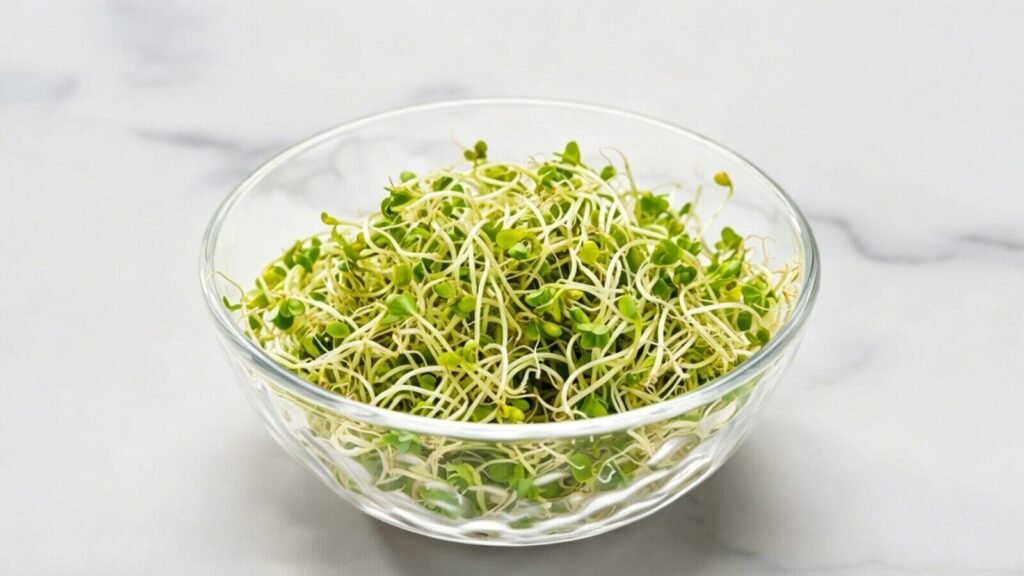
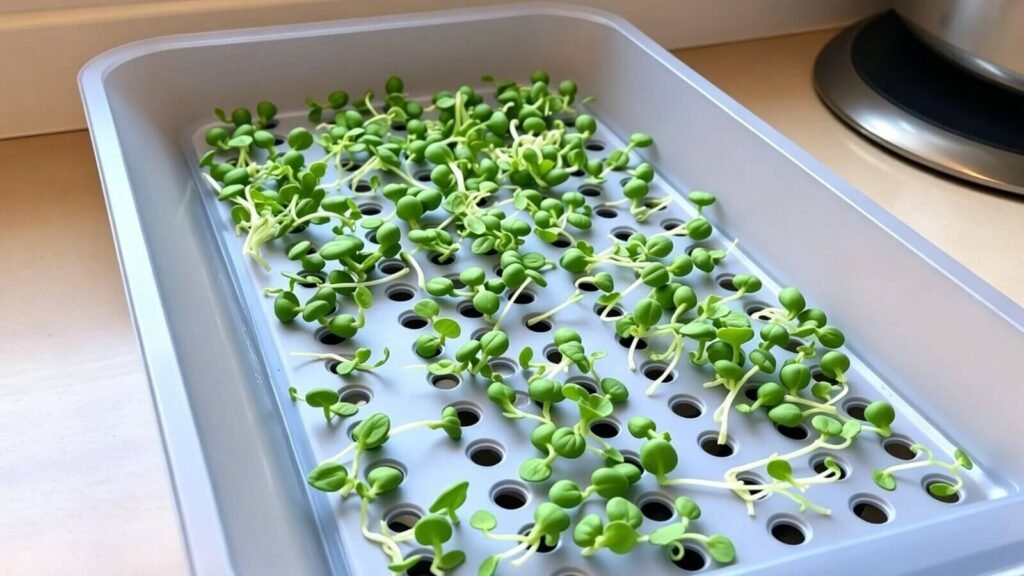
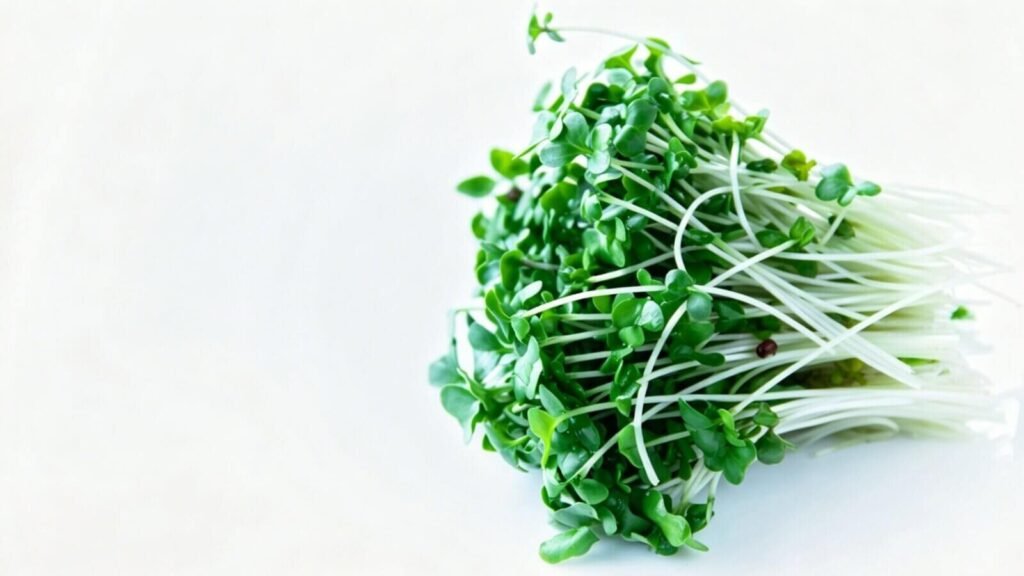
Broccoli microgreens are probably the most widely discussed variety when it comes to nutrition. Much of the attention comes from sulforaphane, a naturally occurring compound also found in mature broccoli. They have a very mild, slightly earthy flavor, which makes them easy to add to all kinds of dishes without changing the taste too much. Many people use them in salads, sandwiches, wraps, or even blend them into smoothies for an extra nutrient boost. They’re also one of the easier microgreens to grow at home, which adds to their popularity.
Red cabbage microgreens (vitamin C, anthocyanins)
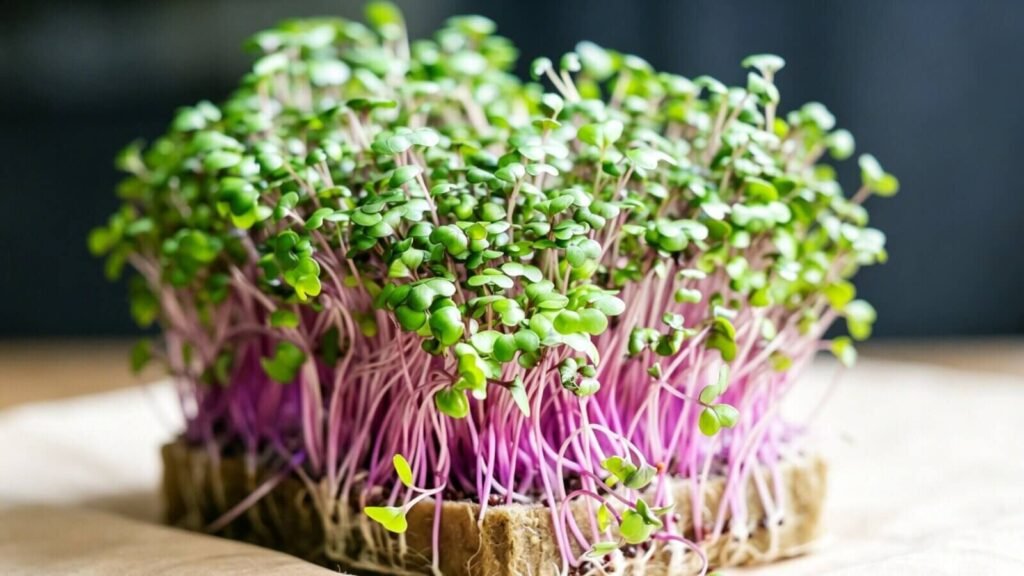
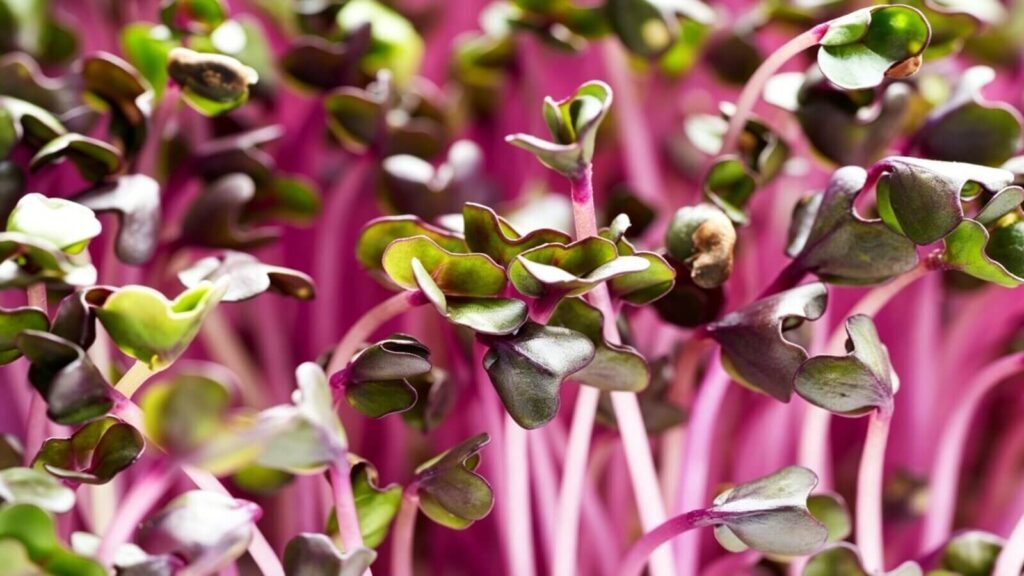
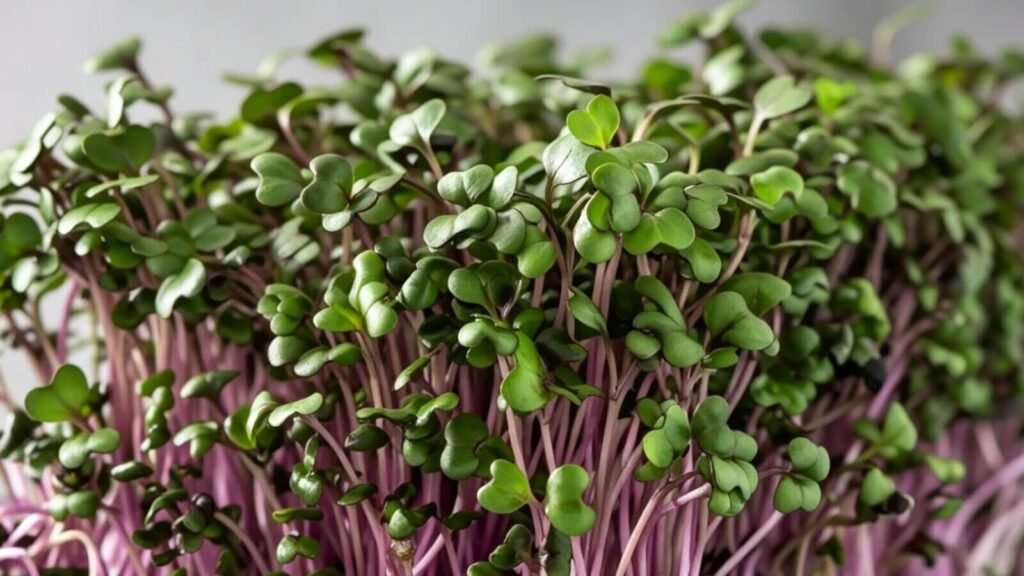
Red cabbage microgreens are easy to recognize thanks to their deep purple color. That color comes from anthocyanins, a group of antioxidants also found in foods like blueberries and purple cabbage. They have a light, fresh taste and are often used more for visual appeal than strong flavor. Even a small handful can make a simple salad or bowl look more colorful and appetizing, which is why they’re commonly used in food presentation.
Kale microgreens (vitamin K, calcium, immune support)
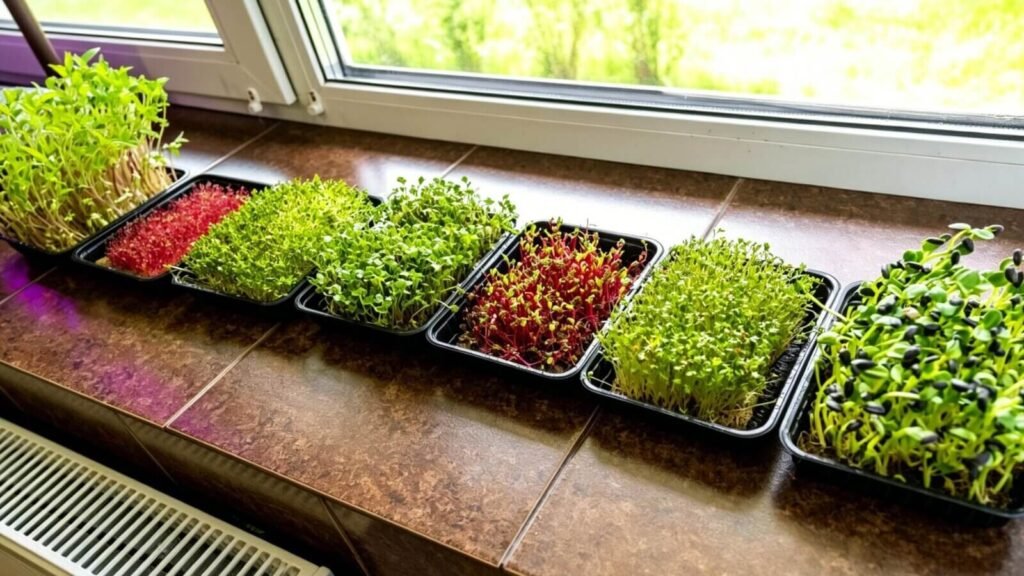
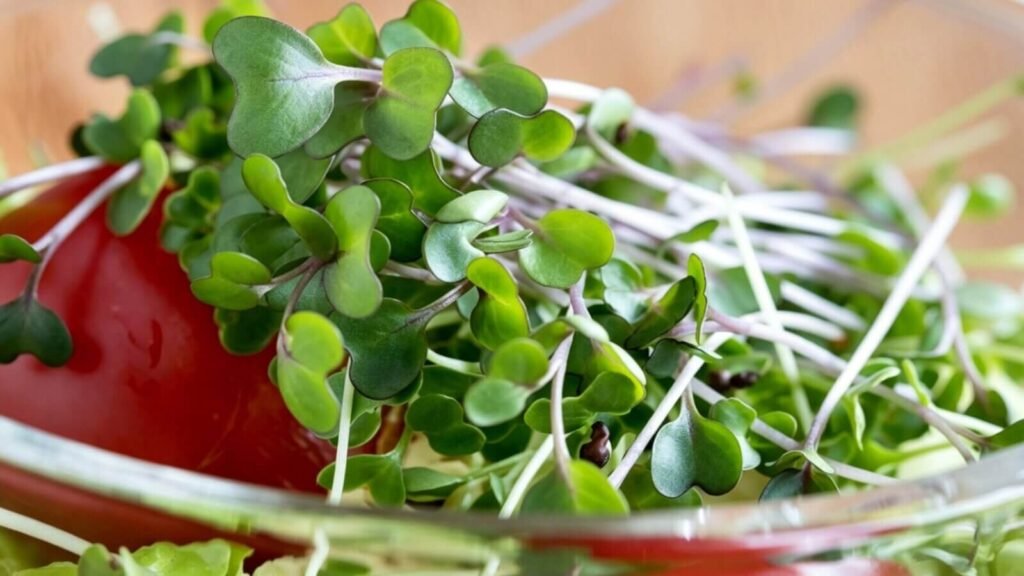

Kale microgreens offer many of the same nutrients as mature kale but in a much more tender and mild form. This makes them easier to eat for people who find regular kale too strong or bitter. They grow relatively quickly and can be used in salads, smoothies, or as a simple topping for warm dishes. Their balanced taste makes them one of the more versatile microgreens for everyday use.
Radish microgreens (digestive enzymes, gut health)
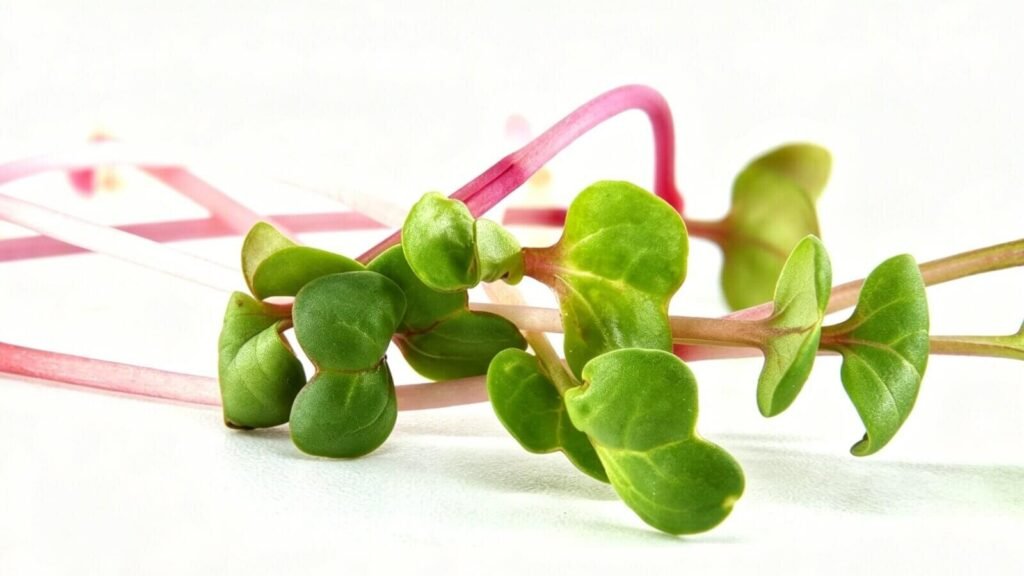
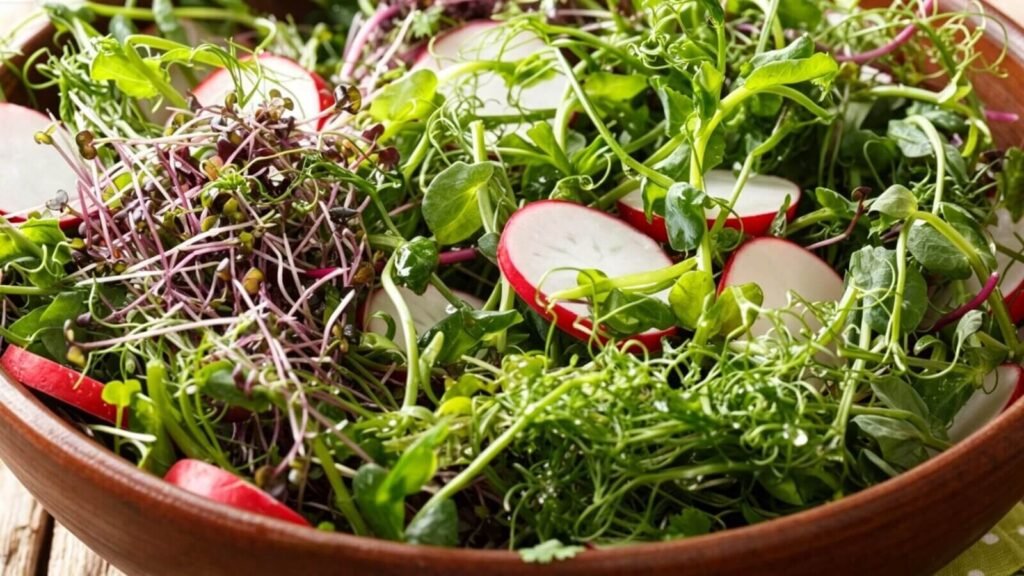
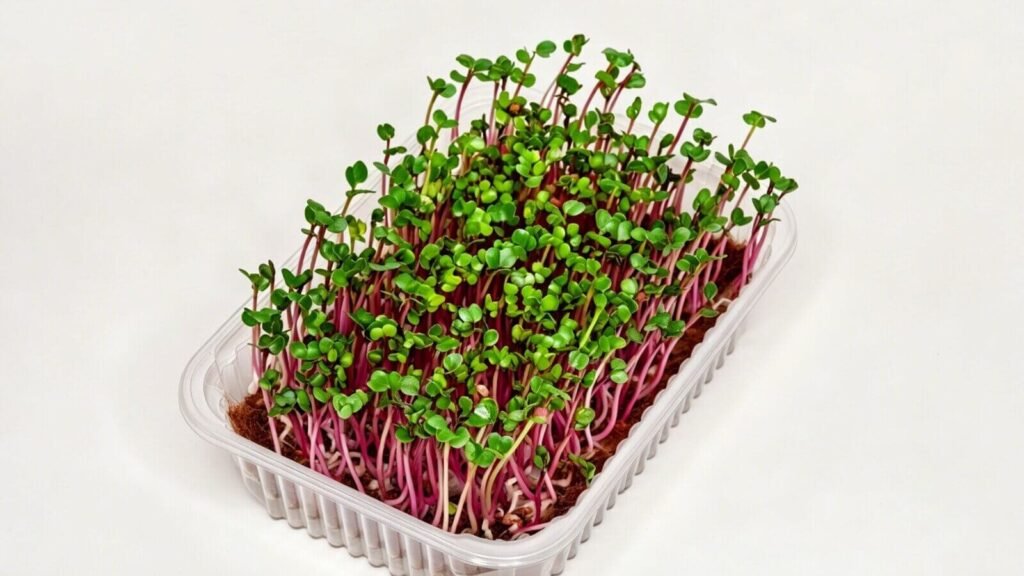
Radish microgreens are best known for their sharp, peppery flavor. They can instantly add a bit of spice to otherwise mild dishes like salads or sandwiches. On the growing side, they’re also very fast, often ready to harvest in just a few days, which makes them a favorite for beginners. Their strong taste means you usually only need a small amount at a time, but that’s enough to change the flavor profile of a dish.
Pea shoots (plant protein, fiber content)
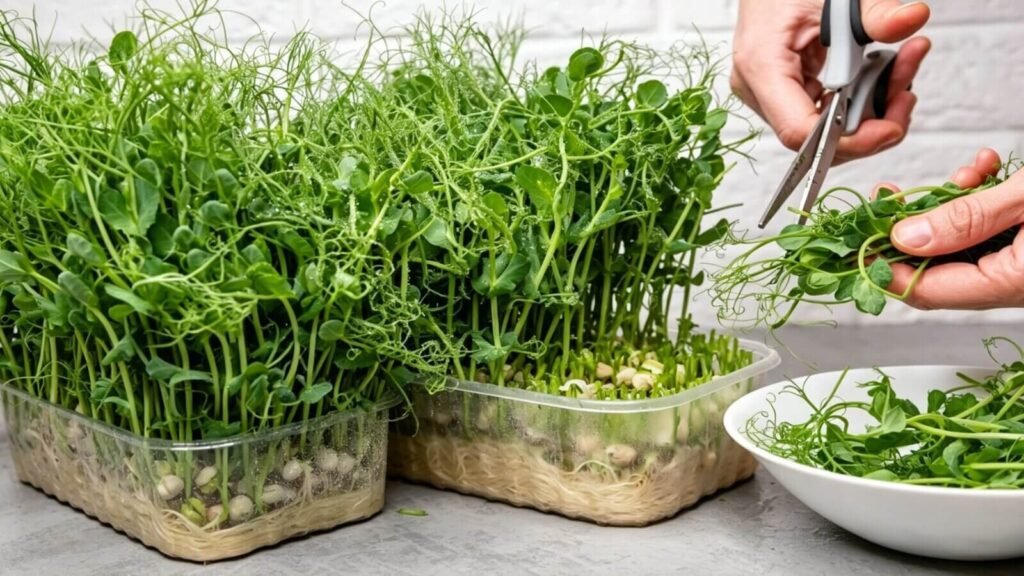

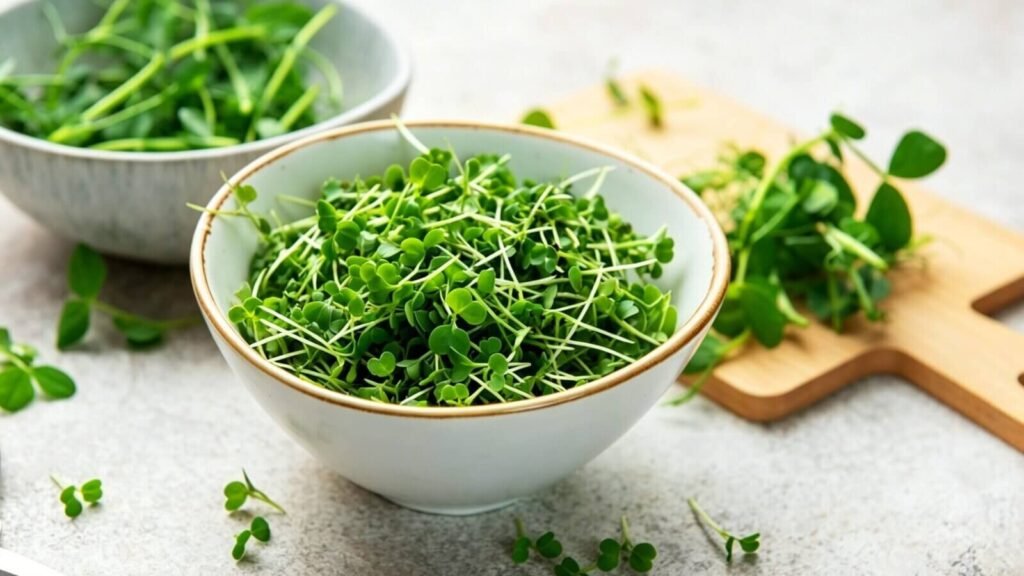
Pea shoots stand out for their naturally sweet flavor and tender texture. Unlike stronger-flavored microgreens, they feel more like fresh vegetables than a garnish. They are commonly used in stir-fries, salads, and light cooking, and they hold their volume well compared to smaller, more delicate varieties.
Many beginners who enjoy pea shoots and other similar microgreens often look for easy-to-grow options that can be cultivated at home. For this reason, exploring hydroponic plants can be a helpful starting point.
So, Which One Is Best?
There isn’t a single best choice. Each variety has its own strengths, so most people get better results by using a mix depending on taste, texture, and nutrition goals.
Can Microgreens Replace Vegetables in a Healthy Diet?
Probably not.
Microgreens are highly nutritious, but that doesn’t mean they can fully replace mature vegetables in a regular diet. Even though they often contain higher concentrations of certain vitamins and antioxidants, they are typically eaten in much smaller portions.
Fiber is one of the biggest differences between the two. A handful of microgreens can add flavor and nutrients to a meal, but it doesn’t come close to the fiber you get from a larger serving of spinach, kale, or other leafy greens. Since fiber is important for digestion and overall health, mature vegetables still play an important role.
It also helps to remember that different vegetables offer different nutritional benefits. Some nutrients may be more concentrated in microgreens, while others are more abundant in mature greens. That’s why most nutrition advice focuses on eating a wide variety of plant foods rather than relying on a single source.
In everyday eating, they actually work well together. Microgreens can be used to enhance meals like salads, sandwiches, and smoothies, while mature vegetables provide the bulk, fiber, and versatility needed for regular cooking.
Bottom Line
Microgreens are a useful addition to a healthy diet, but they don’t replace vegetables. For most people, the best approach is simply to include both and enjoy the benefits they each provide.
Microgreens vs Mature Vegetables: Which Should You Eat Daily?
The right choice really depends on what you’re looking for and how you plan to use them. Microgreens are often valued for their nutrient density, while mature greens are more known for their fiber, portion size, and everyday versatility.
| Goal | Better Choice |
|---|---|
| Higher Antioxidant Intake | Microgreens |
| More Fiber | Mature Greens |
| Maximum Nutrient Density | Microgreens |
| Lower Cost Per Serving | Mature Greens |
| Faster Harvests | Microgreens |
| Continuous Salad Production | Mature Greens |
| Small Indoor Growing Spaces | Microgreens |
| Balanced Nutrition | Both |
In most cases, it doesn’t have to be an either-or decision. Microgreens and mature greens offer different strengths, and using both can give you a wider mix of nutrients and more variety in your meals.
For home growers, combining the two also makes practical sense. Microgreens are ready to harvest quickly, while mature greens take longer but provide larger yields that can support everyday cooking over time.
Frequently Asked Questions About Microgreens and Vegetables
Microgreens are generally more nutrient-dense than mature greens when measured by weight, meaning they can contain higher concentrations of certain vitamins, antioxidants, and plant compounds per gram. However, mature greens provide more fiber and are typically eaten in larger portions, which changes their overall nutritional contribution. Most diets benefit from including both.
Microgreens contain higher concentrations of certain nutrients because they are harvested at an early growth stage when plants store compounds needed for development. This can result in higher levels of vitamins, antioxidants, and phytochemicals compared to mature plants when measured by fresh weight.
Broccoli, red cabbage, kale, and radish microgreens are often considered among the most nutrient-dense varieties. These types are commonly highlighted for their vitamin content, antioxidant levels, and beneficial plant compounds.
Microgreens can be safely eaten daily as part of a balanced diet. They are commonly added to salads, sandwiches, smoothies, and other meals to increase nutrient intake and add flavor and texture.
Microgreens are usually more expensive than mature vegetables because they require controlled growing conditions and have a short production cycle. However, they are often valued for their concentrated nutrition and culinary versatility, and growing them at home can significantly reduce cost.
Microgreens begin to lose nutrients after harvest due to exposure to air, light, and heat. Like most fresh produce, they are best consumed as soon as possible to preserve both flavor and nutritional quality.
Microgreens cannot fully replace mature vegetables in most diets. While they are often more nutrient-dense by weight, they provide less fiber and are consumed in smaller quantities. Mature vegetables remain an important source of dietary fiber and bulk nutrition, making the two complementary rather than interchangeable.
Final Verdict: The Best Approach Is to Combine Both
When it comes to microgreens vs. mature greens, it’s not really a competition.
Microgreens are packed with nutrients and flavor, while mature greens provide more fiber and are often easier to eat in larger amounts. Both have a place in a healthy diet.
If possible, enjoy a mix of both. This way, you can benefit from their different strengths while adding more variety to your meals. For more practical ways to include microgreens in everyday dishes, you can check using microgreens.
How to Grow Microgreens at Home (Beginner-Friendly Guide)
Growing microgreens at home is simpler than most people expect. With a small setup, you can start harvesting fresh greens in just a couple of weeks.
If you’re looking into indoor growing systems or want to learn more about hydroponics and lighting, feel free to get in touch. We’re always happy to share what we’ve learned along the way.
📩 info@greenfuturehydro.com
📞 +86 13487543942
📷 Instagram @Greenfuturehydro