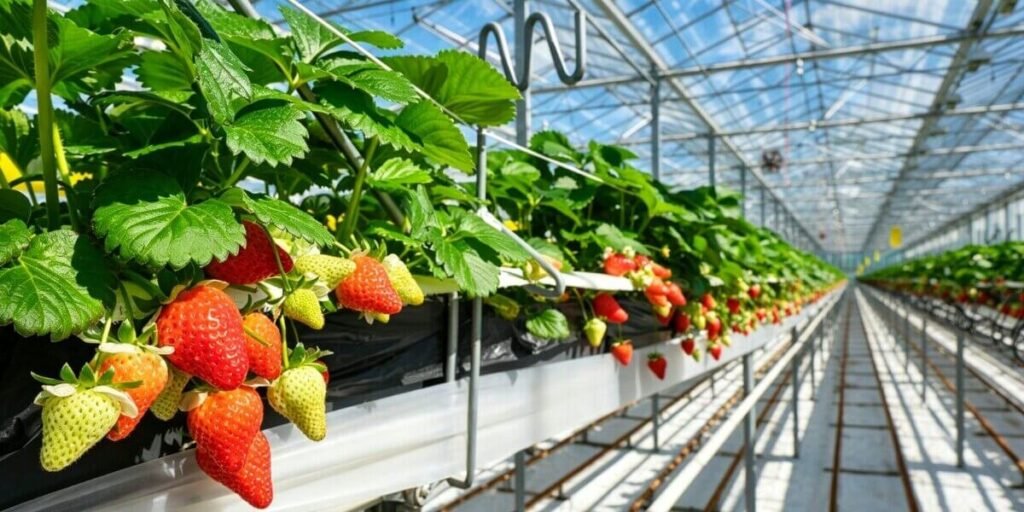

Grow strawberries hydroponically is easier than most people expect once you get the basics down. You can set it up in a kitchen corner, on a balcony, or even in a small greenhouse, as long as the light and nutrients are stable.
If you’re new to hydroponics, it’s worth getting familiar with hydroponics basics first. It makes everything else a lot easier to understand once you start building your own setup.
Hydroponic strawberries are popular because there’s no soil involved. The roots sit in a nutrient solution, which keeps things cleaner and more controlled than traditional gardening. In this guide, I’ll walk you through the whole process step by step, from setup to harvest, based on what actually works in real growing situations.
Hydroponic Strawberries vs Soil-Grown Strawberries
If you’re trying to decide between hydroponics and soil for strawberries, you’re definitely not the first. This is one of the most common questions people have when they start planning their setup, especially if they’re growing at home.
Both methods work well, but they feel quite different once you actually start growing. Hydroponics tends to be more controlled and consistent, while soil growing feels more traditional and a bit more forgiving in some ways. What works better really depends on your space, budget, and how involved you want to be in daily maintenance.
| Factor | Hydroponic Strawberries | Soil-Grown Strawberries |
|---|---|---|
| Growth Rate | Usually faster because nutrients are delivered directly to the roots | Typically slower and more dependent on soil conditions |
| Yield | Can be higher in stable, controlled environments | More variable depending on weather and soil quality |
| Pest & Disease | Fewer soil-related issues | More exposure to soil-borne pests and diseases |
| Water Use | Generally more efficient with water | Requires more frequent watering |
| Fruit Cleanliness | Cleaner fruit with less soil contact | Fruit can touch soil and get dirty |
| Setup Cost | Higher initial cost | Lower cost to get started |
| Maintenance | Needs regular monitoring of nutrients and pH | Easier day-to-day, especially outdoors |
| Indoor Growing | Works very well indoors | Not very practical indoors |
Which method produces sweeter strawberries in real setups?
I get this question a lot: whether hydroponic strawberries actually taste as good as soil-grown ones. From what I’ve seen, it really has more to do with the variety and how well the plants are grown than whether they’re in soil or a hydroponic system.
If the plants are getting enough light and the nutrients are balanced, hydroponic strawberries can be just as sweet and flavorful as anything grown in soil. Soil-grown berries can have a slightly different taste, mostly because of the soil biology, but in most home setups, it’s not a huge difference in practice.
Is hydroponic strawberry growing worth it for home gardeners?
If you already have a garden outside, soil is usually the easiest way to go. It’s simple, familiar, and you don’t need much equipment to get started.
Hydroponics makes more sense if you’re working with limited space or growing indoors. It gives you more control over things like light and nutrients, and once the system is running well, it can be surprisingly consistent for year-round strawberries.
Choosing the Right Strawberry Variety for Hydroponics
One mistake I see quite often is people choosing a strawberry variety simply because it’s popular, without thinking about how it performs in hydroponics. While many strawberries can grow in a hydroponic system, some adapt much better than others.
For most home growers, everbearing and day-neutral varieties are usually the easiest place to start. They keep producing fruit over a longer season, which means you’re not waiting for one short harvest and then calling it a year.
Albion: why it’s the most reliable hydroponic variety
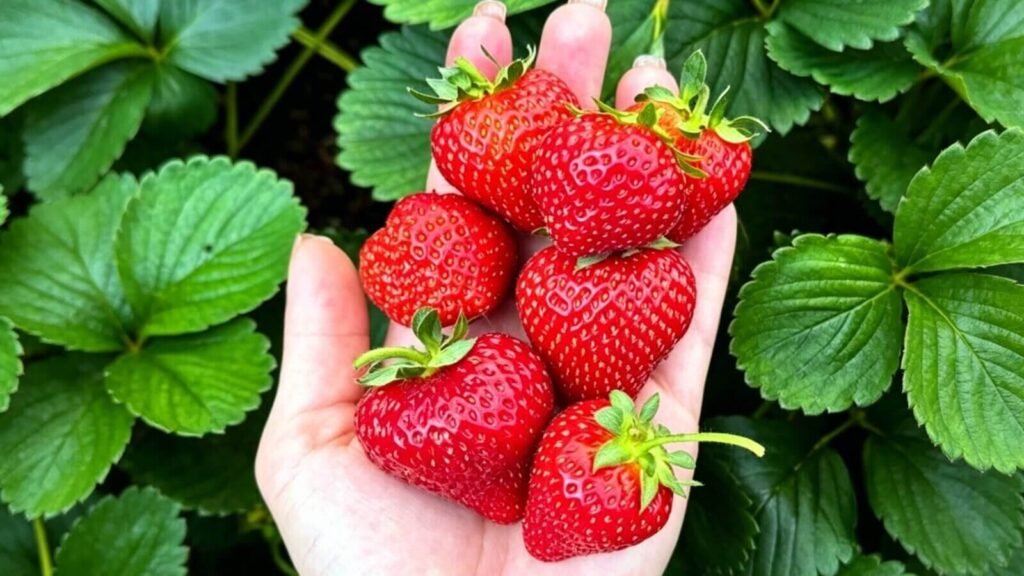
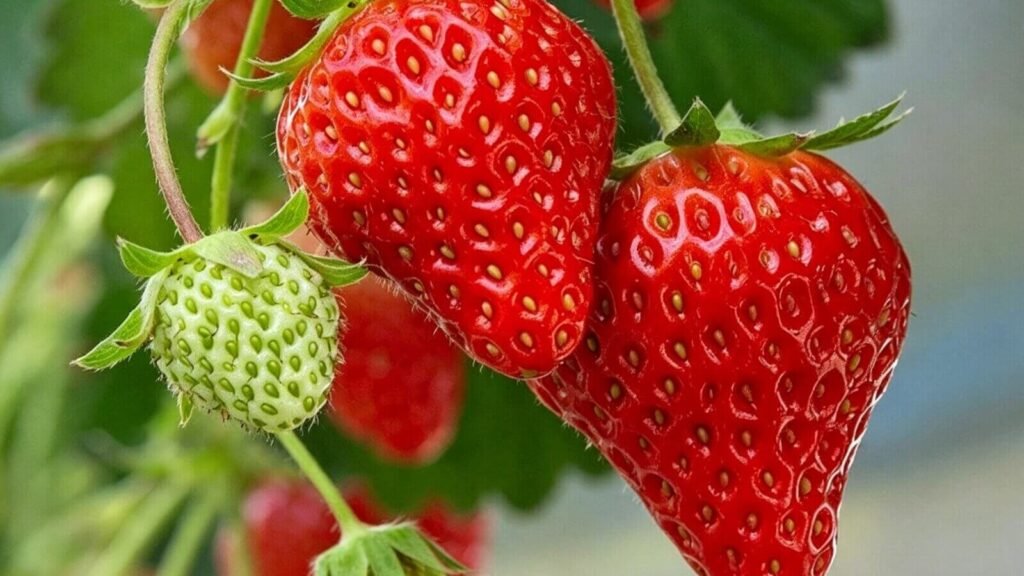
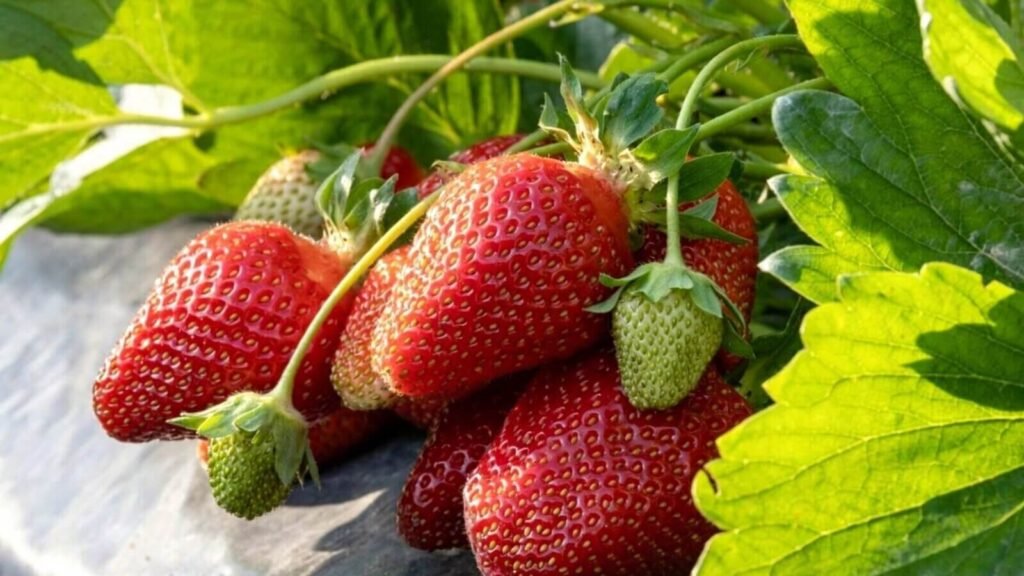
If someone asked me to recommend only one strawberry variety for hydroponics, Albion would probably be my answer. It’s not necessarily the most exciting variety out there, but it’s one of the easiest to work with.
The plants adapt well to different hydroponic systems and usually produce good-sized, sweet berries without needing a lot of special attention. Once they get established, they tend to keep fruiting steadily as long as the basics are taken care of.
That reliability is probably why Albion remains so popular. It’s the variety I often suggest to beginners because it gives you a good chance of success while you’re still learning how hydroponic strawberries behave.
Seascape: great flavor but slightly more sensitive
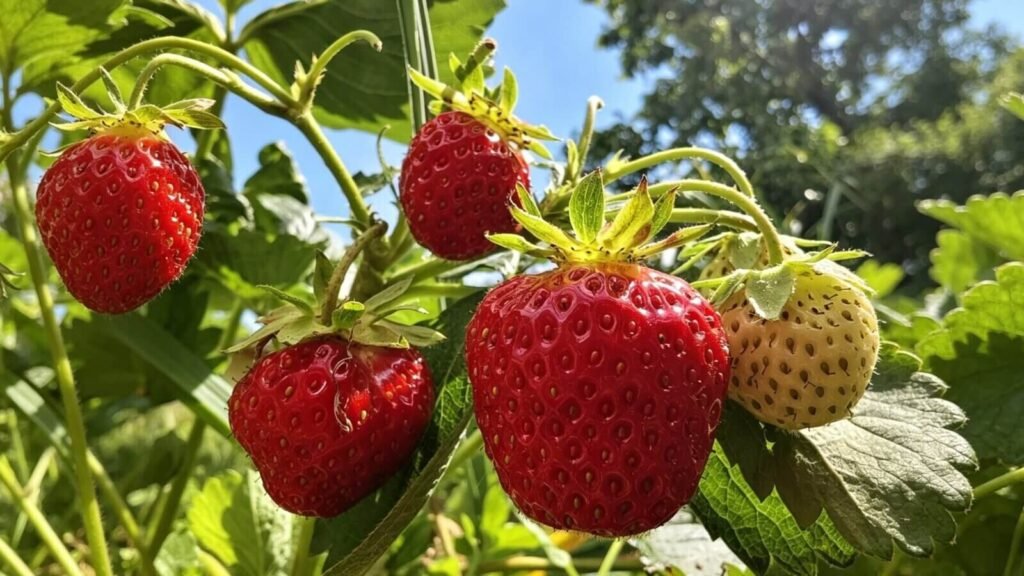
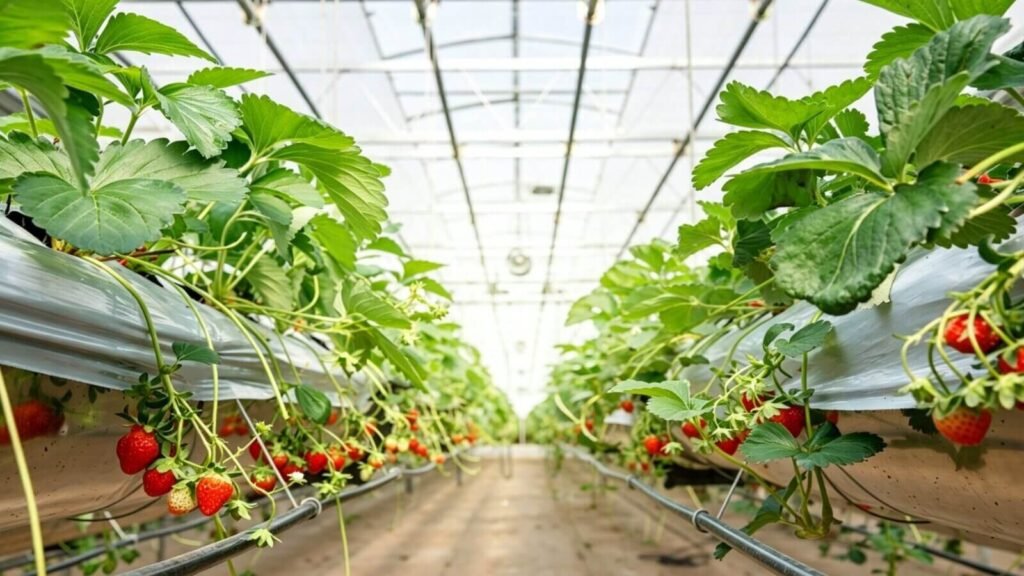
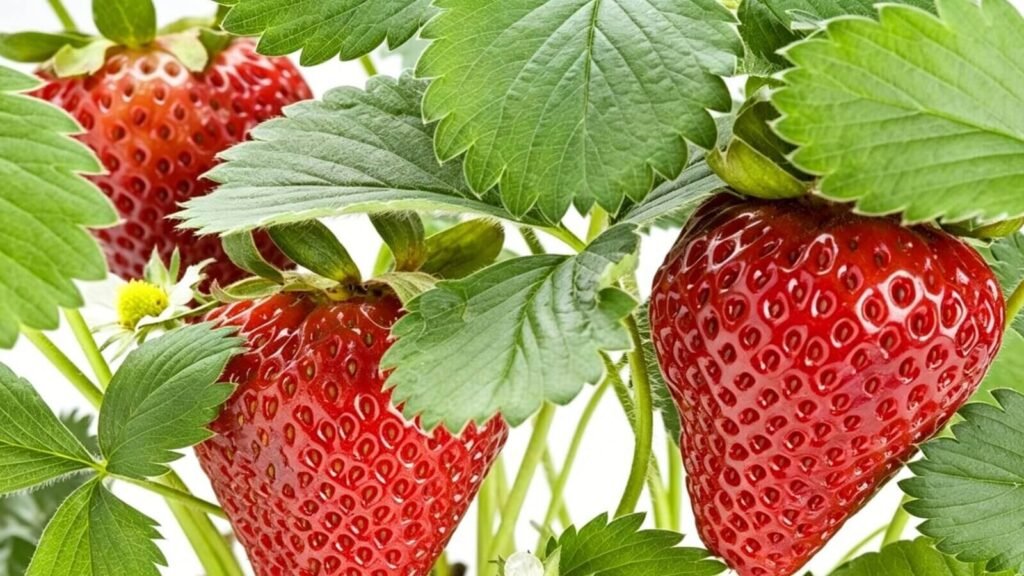
Seascape is another variety that a lot of hydroponic growers like, and for good reason. Compared to Albion, it tends to grow a bit more aggressively and can put out a lot of foliage once it gets established.
I’ve also found that Seascape handles warmer conditions better than some other varieties. If you’re growing in a greenhouse or somewhere temperatures aren’t always easy to control, that can be a real advantage.
The trade-off is that it can get a little wild if you leave it alone. Runners show up quickly, and the plants can become crowded before you realize it. As long as you stay on top of basic pruning and runner removal, though, Seascape can be incredibly productive and is a great choice if your goal is harvesting as many berries as possible.
San Andreas & Monterey: for more experienced growers
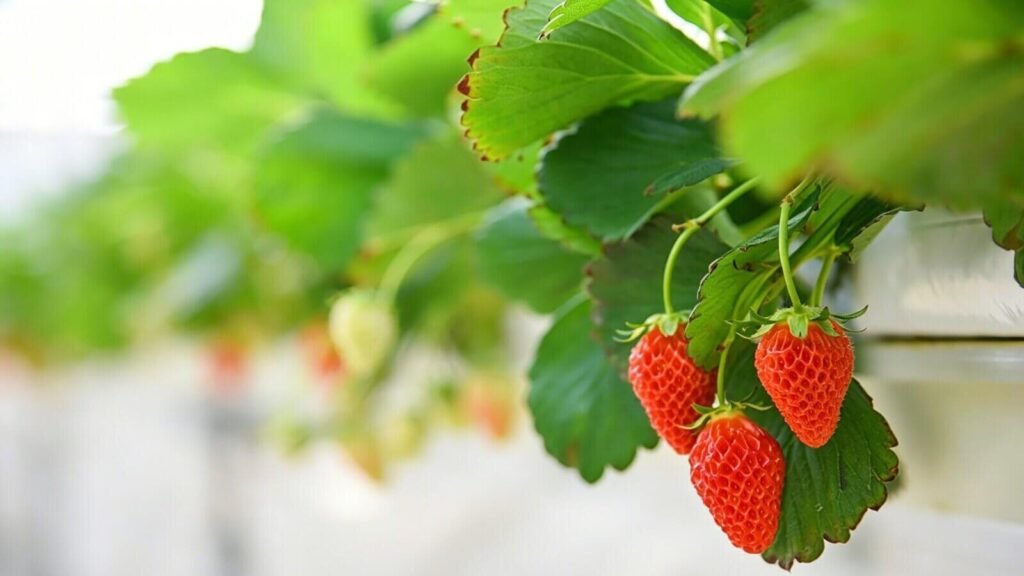
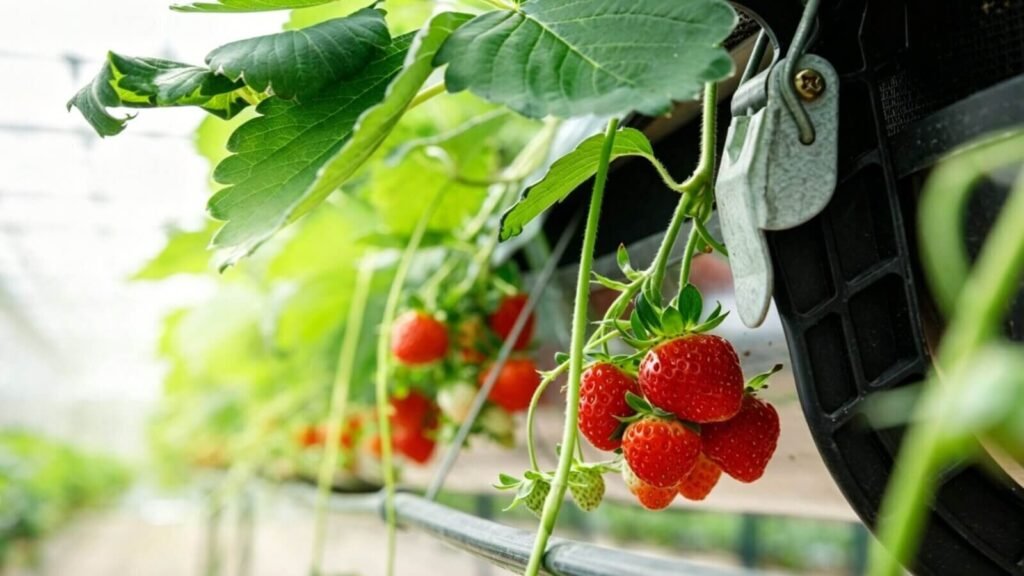
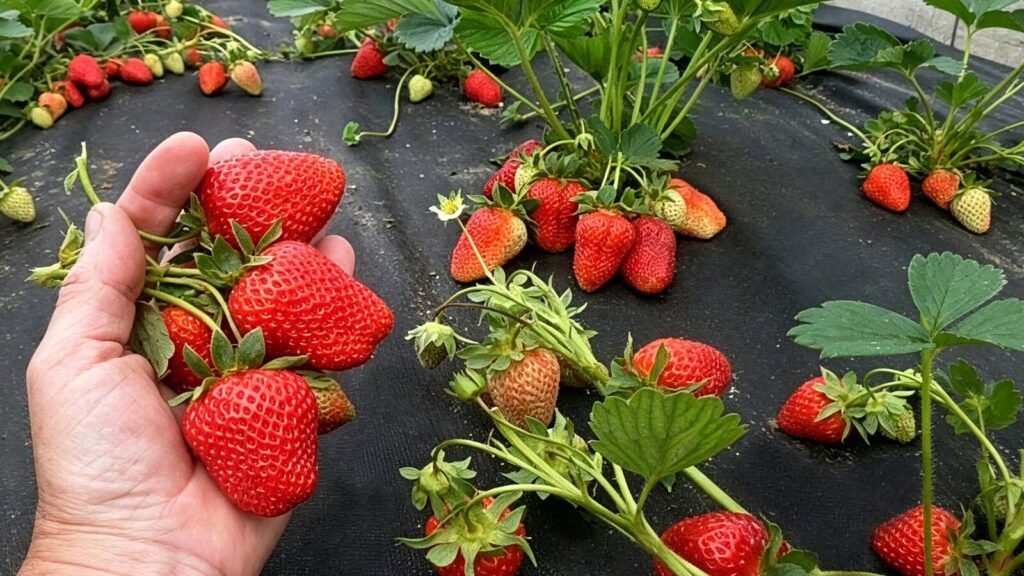
I’ve always thought of San Andreas as a very dependable variety. It might not be the first strawberry people talk about, but it does a lot of things well.
The berries are usually firm and hold their shape nicely, which makes harvesting a little less stressful. I’ve also found that the plants tend to be quite consistent once they’re established. You don’t get as many surprises from one harvest to the next.
If you’re looking for a variety that’s easy to manage and produces reliable results, San Andreas is a solid option. It may not be the most exciting choice, but sometimes dependable is exactly what you want.
Monterey: productive but requires more stable conditions
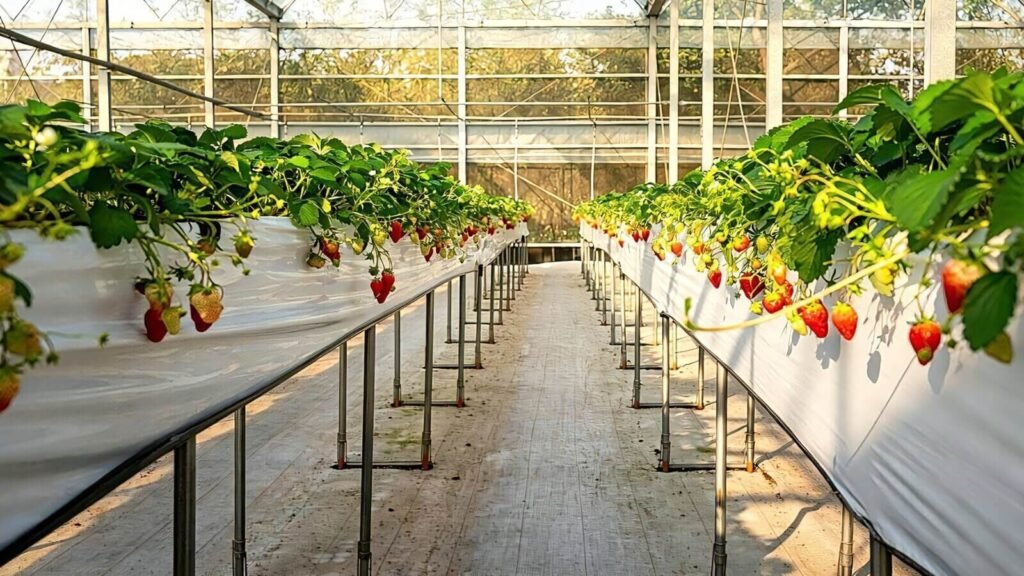
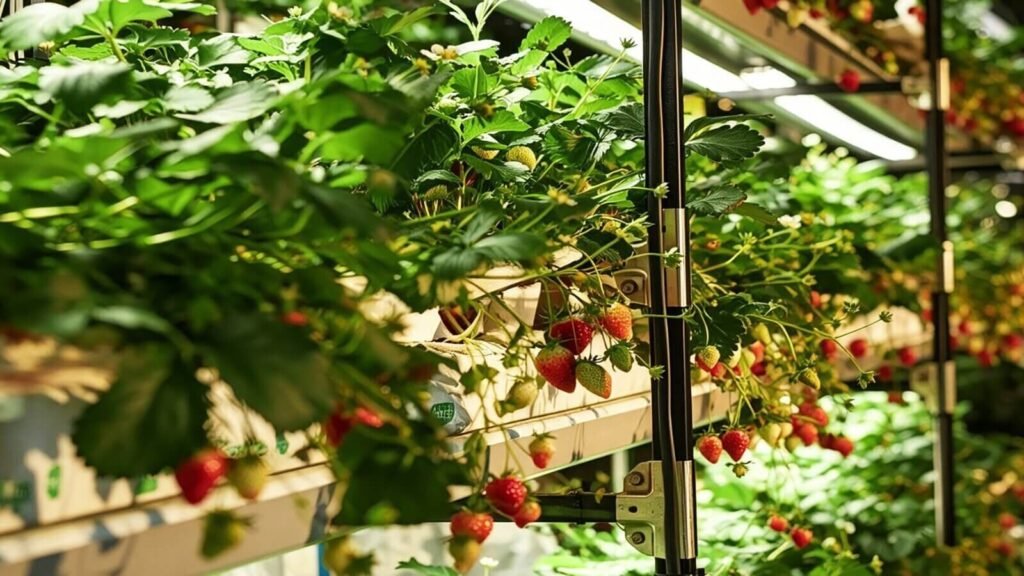
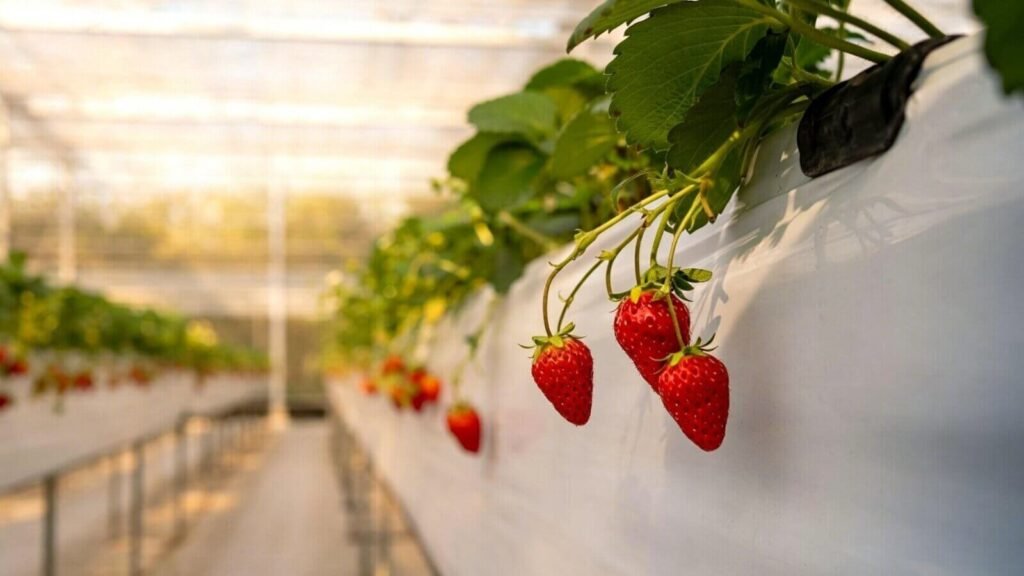
Monterey is a variety I’ve seen quite a few growers have success with in hydroponics. It isn’t usually the first variety people get excited about, but it has a reputation for producing steadily once it gets going.
What stands out to me is how consistent it can be. The plants tend to keep flowering and fruiting over a long period, which is nice if you prefer a steady harvest rather than a short burst of production.
For home growers, Monterey can be a good addition to a mixed planting. It works especially well alongside varieties like Albion, giving you a little more variety while helping to keep the harvest coming throughout the season.
Do June-bearing strawberries work in hydroponics?
You’ll often come across June-bearing strawberries in garden centers, and there’s nothing wrong with them. They can be excellent plants for traditional outdoor gardens and are still very popular with home gardeners.
The reason you don’t see them recommended as often for hydroponics is pretty simple. They usually produce one big harvest and then spend a long time growing without much fruit. That’s perfectly fine outdoors, but it isn’t always the most efficient use of space in a hydroponic system.
For most indoor growers, everbearing and day-neutral varieties are usually a better fit. As long as conditions stay good, they keep flowering and producing fruit over a much longer period. If your goal is regular harvests instead of one large crop each year, those varieties tend to be the easier choice.
What I recommend for beginners starting hydroponic strawberries
If a friend asked me which strawberry variety I’d start with, I’d probably say Albion without thinking too much about it. It’s reliable, easy to manage, and does well in most hydroponic systems.
That said, strawberries are just one of the more beginner-friendly plants people tend to start with in hydroponics. Albion just happens to be one of the easiest strawberry varieties to learn on while you’re still getting used to how everything behaves.
One thing these varieties have in common is that they’re day-neutral. In simple terms, that means they can keep flowering and producing fruit as long as growing conditions stay favorable. For indoor and hydroponic growing, that’s usually exactly what you want.
Best Hydroponic Systems for Growing Strawberries
When I first started growing strawberries hydroponically, I thought the system was the most important decision. Later on, I realized the variety you choose can make just as much difference.
Even a well-designed system won’t get the best results if the variety isn’t a good match. Some strawberries are simply better suited to long-term indoor production than others.
That’s why most hydroponic growers stick with everbearing or day-neutral varieties. They keep producing over a longer period, which makes it much easier to enjoy regular harvests instead of one short fruiting season.
NFT systems: why commercial growers still rely on them
NFT is probably the hydroponic system I see recommended most often for strawberries, and after using it myself, I can understand why. It keeps the setup relatively simple while giving the plants everything they need to grow well.
Once the system is running smoothly, strawberries usually settle in quickly and grow surprisingly fast. I also like that it’s easy to expand later. If you decide to grow more plants, adding another channel is usually pretty straightforward.
The only downside is that NFT depends heavily on the pump. If the water stops flowing for an extended period, the roots don’t have much of a backup water supply. Other than that, it’s a solid system and a great place for many beginners to start.
DWC systems: simple but not always ideal for fruiting
A lot of people start with DWC because it’s one of the simplest hydroponic systems to set up. You don’t need channels, towers, or anything too complicated. A reservoir, an air pump, and a few plants are usually enough to get going.
I’ve found strawberries do surprisingly well in DWC when they’re still young. They establish quickly, and it’s also nice being able to see the root system clearly in the reservoir. It makes it easier to understand what’s actually happening below the surface.
The main thing I keep an eye on is water quality as the plants get bigger. Strawberry roots grow fast, and if the water gets too warm or oxygen levels drop, things can go downhill pretty quickly. As long as the system stays well aerated and reasonably stable, DWC is honestly one of the more enjoyable ways to grow strawberries at home.
If you want something a bit more structured than a basic DIY setup, I’ve seen growers have good results with systems like the GreenFutureHydro Dutch Bucket DWC system, especially for people who want something more scalable than a small starter bucket setup.
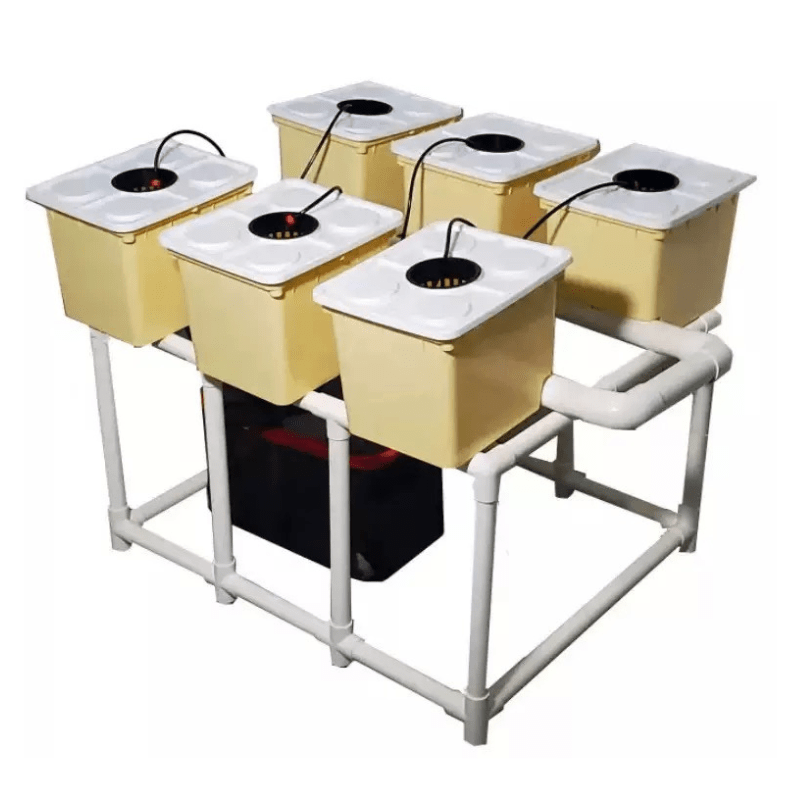
Greenfuturehydro Dutch Bucket DWC System – Cannabis, Tomatoes & Herbs | Bulk Supply
Drip irrigation in substrate: the most stable option for beginners
I’ve always thought drip systems feel a little closer to traditional gardening than some other hydroponic methods. The plants grow in a medium like coco coir, and water is delivered gradually through drip lines instead of flowing through channels or reservoirs.
As the strawberries get larger, that extra root support can be a real advantage. The plants stay stable, and many growers find them easier to manage once flowering and fruiting begin.
There is a bit more setup involved, though. You’ll spend more time adjusting irrigation and keeping an eye on the growing medium. But for growers who want a larger or longer-term strawberry setup, drip systems can work extremely well.
Vertical tower systems: high yield, but harder to manage
Vertical towers are probably one of the most popular ways to grow strawberries when space is limited. If you only have a small patio, balcony, or corner of a greenhouse, they let you grow a surprising number of plants without taking up much room.
They’re also just fun to grow. A healthy strawberry tower covered in flowers and ripe fruit tends to attract attention, and it’s often the first thing visitors notice in a garden.
The only thing I’d keep an eye on is consistency. The plants at the top and bottom don’t always receive the same amount of water or light, so growth can vary from one level to another. As long as you’re willing to monitor the system and make small adjustments, it’s a very practical option for small spaces.
If I were setting one up for strawberries today, I’d probably go with a more structured multi-layer system like the GreenFutureHydro 9-layer 36-hole hydroponic tower, especially if the goal is steady production rather than just a small hobby setup. It keeps the layout organized and makes it easier to manage a higher number of plants in a limited space.
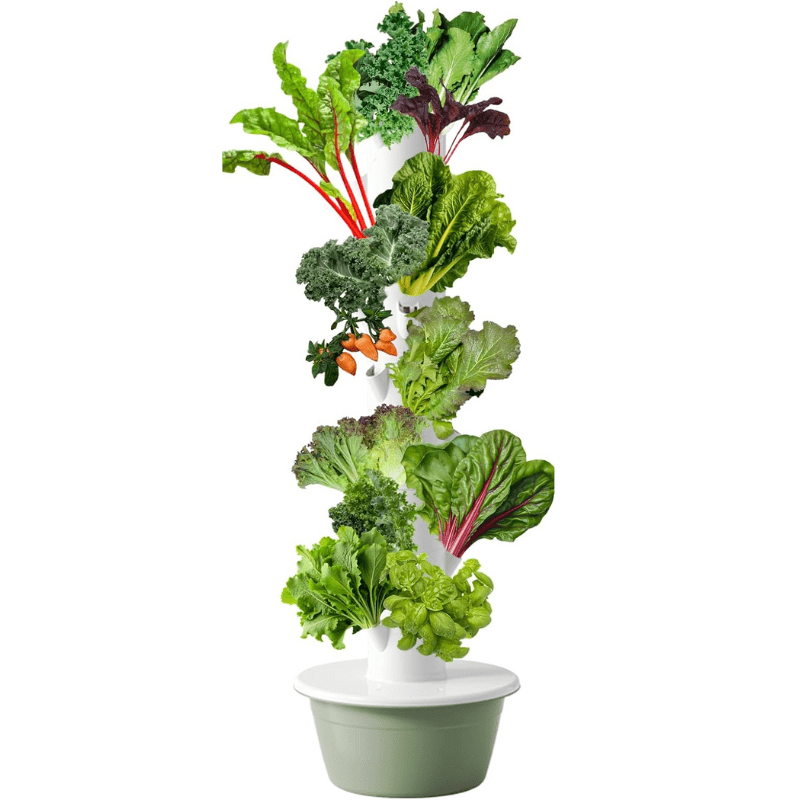
Greenfuturehydro 9 Layer 36 Hole Hydroponic Tower for Commercial Smart Farming
How to Grow Strawberries Hydroponically (A Real Step-by-Step)
Now comes the fun part: actually getting your strawberries growing. A lot of people assume hydroponics is complicated, but once everything is set up, it’s mostly about staying consistent and paying attention to the plants.
Step 1: Choosing a variety that won’t frustrate you
For beginners, I usually suggest starting with Albion or Seascape. They’re both pretty reliable, easy to find, and tend to do well in most hydroponic setups.
When you’re still learning, having a dependable variety makes everything a lot less stressful. You’re not constantly second-guessing whether the plant is the issue or the system is off. Instead, you can just focus on getting a feel for how strawberries grow and what they respond to over time.Step 2: Setting up a stable hydroponic system
Before I put any plants into a new system, I usually like to run it with plain water for a day or two. It’s a simple step, but it saves a lot of trouble later on.
During that test run, I’ll look for things like leaks, weak pump flow, or uneven circulation. They might not seem like a big deal at first, but they’re much easier to deal with before anything is planted.
Whether it’s NFT, drip irrigation, or a vertical tower, I’ve found that consistency matters more than complexity. A simple system that runs smoothly will almost always outperform something fancy that needs constant fixing.
Step 3: Planting strawberry crowns properly
Planting strawberries is pretty straightforward, but there are a couple of small details I always pay attention to. Spacing is one of them. When the plants are young, it’s easy to underestimate how much room they’ll eventually need.
A few weeks later, they really start to fill out, and suddenly airflow becomes a lot tighter than you expected. Giving them enough space from the start just makes everything easier down the road.
I also always make sure the crown sits slightly above the growing medium. If it gets buried too deep, moisture tends to build up around it, and that’s usually where rot problems start, especially in warm indoor setups.
Step 4: Getting nutrients right (EC + pH without overthinking it)
Nutrients can sound a bit complicated when you’re new to hydroponics, but honestly, they become pretty routine once you’ve mixed a few batches. With strawberries, I usually start a little light and let the plants settle in first.
Once they’re actively growing, I’ll slowly bump the strength up if they seem to need it. In my experience, strawberries respond much better to small, gradual changes than big swings.
For pH, I just aim to keep it somewhere around 5.5 to 6.5. As long as you’re in that range, the plants usually take up nutrients without any trouble.
That said, I’ve learned over time that consistency is a lot easier when you’re actually measuring things instead of guessing. Most growers end up using a basic EC or TDS meter just to keep the solution in a stable range, and it makes dialing in strawberries a lot less stressful. Something like the GreenFutureHydro TDS and EC water tester is pretty typical for this kind of setup, especially if you’re trying to keep things repeatable across different grow cycles.

Greenfuturehydro TDS and EC Water Tester for Hydroponics Systems with Custom Branding
Step 5: Light, temperature, and airflow basics
If you’re growing strawberries indoors, light is one area I wouldn’t really cut corners on. When light levels are too low, everything slows down a bit, flowering gets weaker, and you usually end up with less fruit than you’d expect.
Most growers run their lights around 12 to 16 hours a day. But honestly, I think consistency matters more than chasing an exact number. Strawberries tend to do better with a steady routine than constant adjustments.
Temperature plays a role too. In my experience, they’re happiest somewhere in the 18 to 24°C range. Nothing too extreme, just a stable, comfortable environment where the plants don’t feel stressed.
Step 6: Indoor pollination (this is where most people fail)
Pollination is one of those things most growers don’t really think about at first, until they start getting that first batch of fruit that looks a little off. Outdoors, bees and wind handle it without you even noticing, but indoors you’ve got to step in a bit.
I usually just grab a small soft brush and lightly move pollen between flowers every couple of days. It only takes a minute or two, but it can make a pretty big difference in how well the fruit sets.
Some people also run a small fan to keep air moving through the plants. It’s not a perfect replacement for hand pollination, but it definitely helps. If you’re growing indoors and you’re seeing lots of flowers but not much fruit, it’s usually worth looking into hydroponic pollination a bit more closely.
Step 7: When to expect your first real harvest
Under good growing conditions, most hydroponic strawberries will start producing fruit in about 60 to 90 days. The exact timing really depends on the variety and how strong the plants were when you started.
One thing I’ve learned is not to leave ripe berries hanging on the plant too long. Once they’re fully red, I usually just pick them right away.
Regular harvesting actually helps keep the plant productive and encourages more flowers to come through. Before long, checking for ripe strawberries just becomes part of the daily routine, and that’s when things start to feel really rewarding.
Why Most Beginners Fail at Hydroponic Strawberries
When I first started growing hydroponic strawberries, I thought it would be pretty straightforward. Keep the nutrients right, maintain the system, and things should just work.
But strawberries are a bit more sensitive than they look. Most beginners don’t lose them because of one big mistake, it’s usually small things adding up. Slightly strong nutrients, pH drifting out of range, or not enough oxygen around the roots can slowly stress the plant without you really noticing.
Everything looks fine… until suddenly the plant stops flowering or the berries just don’t develop properly.
Common Hydroponic Strawberry Growing Mistakes
When hydroponic strawberries start having issues, it’s rarely a single obvious failure. More often, it’s a small imbalance in the system that slowly shows up in different ways, roots, leaves, flowering, or fruit quality. The key is learning to read the plant as a whole instead of reacting to each symptom in isolation.
When the Roots Don’t Look Right
If a strawberry plant suddenly stops looking happy, I almost always check the roots first. Over time, I’ve learned that the roots usually tell the story before the leaves do.
Healthy roots should look light in color and feel firm when you handle them. If they’re turning brown, getting slimy, or starting to smell unpleasant, that’s usually a sign that something in the system needs attention.
Most of the time, I start by looking at water temperature and circulation. Warm water and poor oxygen levels are two of the most common causes of root problems. The good news is that if you catch it early, the fix is often much simpler than people expect.
When the Leaves Start Looking Burnt
Every now and then you’ll notice the tips of the leaves starting to turn brown. It’s easy to look at that and assume the plants need more nutrients. That’s exactly what I thought when I first started growing strawberries.
After making that mistake a few times, I realized the opposite is often true. Strawberries don’t always appreciate strong nutrient solutions, and leaf burn is often one of the first signs that you’ve pushed things a bit too far.
Now, whenever I see brown tips or crispy edges, I resist the urge to keep feeding more. I check the EC, make sure nothing has drifted too high, and usually make small adjustments instead of big ones. The plants tend to respond much better that way.
When pH Seems to Have a Mind of Its Own
If you’ve been growing hydroponically for a while, you’ve probably had those weeks where pH just refuses to cooperate. You get it where you want it, come back a day later, and somehow it’s moved again.
The good news is that a little movement is completely normal. I only start paying close attention when the drift becomes consistent or starts pushing the system outside the range I’m aiming for.
When a strawberry plant suddenly looks off and I can’t immediately figure out why, pH is usually one of the first places I look. More than once, I’ve spent time chasing nutrient deficiencies only to discover the real issue was pH all along.
When Flowers Appear but Strawberries Never Follow
One thing that surprised me when I first started growing strawberries indoors was how many flowers failed to become fruit. At first, I assumed I had a nutrient problem because the plants looked healthy and the flowers seemed normal.
What I eventually realized was that the issue had nothing to do with feeding. The flowers simply weren’t being pollinated well enough.
Outside, nature handles most of that work for us. Indoors, we usually need to step in. A small paintbrush, a little airflow from a fan, or even gently shaking the plants from time to time can help move pollen around and improve fruit set.
When the Berries Look Strange
Not every strawberry comes out looking picture-perfect, and honestly, that’s part of the fun. Every season I end up harvesting a few berries that are oddly shaped or a little lopsided.
In most cases, it comes back to pollination. If part of the flower doesn’t get pollinated, that section of the berry won’t fully develop, which is why you sometimes get those unusual shapes.
Fortunately, appearance doesn’t tell you much about flavor. Some of the best strawberries I’ve grown looked like they belonged in a blooper reel rather than a seed catalog. They still tasted great, and that’s what really matters.
When Everything Looks Fine but Harvests Are Disappointing
Low yields can be surprisingly difficult to troubleshoot because the plants often look perfectly healthy. Nothing seems wrong, but when harvest time comes around, there are simply fewer strawberries than you expected.
I’ve had seasons where I spent time looking for one big problem, only to realize there wasn’t one. Instead, it was a combination of little things. The lights could have been a bit stronger, airflow could have been better, or pollination might not have been as consistent as I thought.
These days, when production feels lower than it should be, I take a step back and look at the growing environment as a whole. More often than not, several small adjustments end up making a bigger difference than one major change.
How to Get Bigger, Sweeter Strawberries in Hydroponics
Once your plants are healthy and producing fruit, it’s natural to start wondering how to get a little more from them. In my experience, bigger harvests rarely come from one dramatic change. They’re usually the result of several small improvements that add up over time.
Don’t Be Afraid to Remove Older Leaves
Strawberries can get crowded fast once they really start growing. If I notice the middle of the plant getting packed with old leaves, I’ll usually snip a few off.
I’m not doing some careful “pruning strategy.” I’m mostly just cleaning up yellow leaves and making the plant easier to see through. It helps airflow a bit, but honestly it also just makes the whole setup easier to manage.
Controlling runners for better energy allocation
Once strawberries settle in, they often start sending out runners everywhere. It looks impressive at first, but I’ve found that too many runners can slow fruit production down.
Unless I’m trying to propagate new plants, I usually remove them when they’re still small. It’s a quick job, and the plants generally put more energy into flowers and berries afterward.
Light optimization before changing nutrients
I’ve definitely had moments where strawberry production started dropping and I immediately blamed the nutrients. It’s an easy assumption to make.
What I’ve learned is that light is often the limiting factor. The plants may still look perfectly healthy, but without enough light, they simply don’t have the energy to keep producing at their best.
Now, whenever harvests seem smaller than expected, I check the lighting before I start changing nutrient levels. More often than not, that’s where I find the answer.
Keeping conditions stable
It’s always exciting when strawberry plants start flowering, but that’s really only half the job. The flowers still need to be pollinated before they can develop into good-sized berries.
For indoor setups, I usually spend a few minutes each week helping things along. It’s a small task, but I’ve found it makes a bigger difference than most people expect when harvest season arrives.
Maintain Stable Growing Conditions
Over the years, I’ve found that strawberries don’t really like surprises. Big swings in temperature, pH, or nutrient strength can stress the plants more than people realize, even when everything else looks fine.
Now I try to keep the growing environment as consistent as possible and avoid changing multiple things at once. The plants tend to grow more predictably, and troubleshooting becomes a lot easier when something does go wrong.
An Advanced Tip: CO₂ Supplementation
I’ll be honest, CO₂ gets talked about a lot in hydroponics. It’s often presented as the next big upgrade once you start looking for ways to increase production.
The reality is that I’ve seen growers get far better results simply by improving their lighting or fixing basic growing issues first. If those things aren’t already working well, adding CO₂ usually isn’t going to be the game changer people hope for.
That said, in a greenhouse or a high-light indoor setup, extra CO₂ can help squeeze a little more performance out of the plants. I just wouldn’t put it very high on the priority list for most strawberry growers.
Focus on Plant Health First
It’s easy to get caught up in new fertilizers, additives, and all the little tricks people recommend online. I’ve gone down that road myself more than once.
What I keep coming back to is plant health. When the roots look good, the leaves stay healthy, and the growing environment is stable, the plants usually reward you with better harvests.
Most of the time, I get better results from improving the basics than from trying something new. It isn’t the most exciting advice, but it has proven true season after season.
Hydroponic Strawberry FAQ & Troubleshooting
Yes. Hydroponic strawberries are grown in nutrient solution instead of soil, but they are just as safe to eat. Many growers even prefer them because the fruit stays cleaner and is less exposed to soil-borne diseases.
Insufficient light is usually the most common cause. Excess nitrogen can also encourage leaf growth instead of flowers. Check your lighting first, then review your nutrient balance.
Poor pollination is often the reason. Outdoors, bees and wind do the work naturally. Indoors, you may need to hand-pollinate flowers or improve airflow with a small fan.
Small berries are often linked to weak pollination, low light, or nutrient issues. Start by checking pollination and light levels before making major changes to your feeding program.
Most bare-root strawberry plants can begin producing fruit within 60 to 90 days. Plants grown from seed usually take longer to reach the fruiting stage.
Is Hydroponic Strawberry Growing Worth It?
When I first started growing strawberries hydroponically, it felt like there was a lot to figure out. Lights, nutrients, systems, everything seemed more complicated than I expected at the beginning.
But after a few cycles, I realized most of it comes down to the basics. Good light, stable nutrients, a reliable variety, and just keeping an eye on how the plants are actually doing. Once those are in place, things start to feel a lot more manageable.
What I still like about growing strawberries is that you learn a little more each time. Some seasons go better than others, and you slowly figure out what works in your own setup. At some point, picking fresh strawberries from your own system stops feeling like a “project” and just becomes part of the routine.
Still unsure which hydroponic system to choose?
If you’re still trying to figure out which hydroponic setup to use for strawberries, I honestly wouldn’t overthink it too much. There isn’t really a perfect system that fits everyone. Most people just end up choosing something that matches their space and how much time they want to spend managing it.
It could be a small setup at home, a greenhouse, or something you’re slowly scaling up. In most cases, the important part is just getting started and adjusting as you go.
At GreenFutureHydro, we work with growers at different levels, from beginners to larger projects, so we usually hear a lot of real-world feedback on what works and what doesn’t. If you’re unsure where to begin or want to bounce around ideas, you can always reach out and ask questions.
📩 info@greenfuturehydro.com
📞 +86 13487543942
📷 Instagram @Greenfuturehydro
Explore more guides to your hydroponic strawberry
Want to improve your hydroponic growing skills even further? These guides may help: