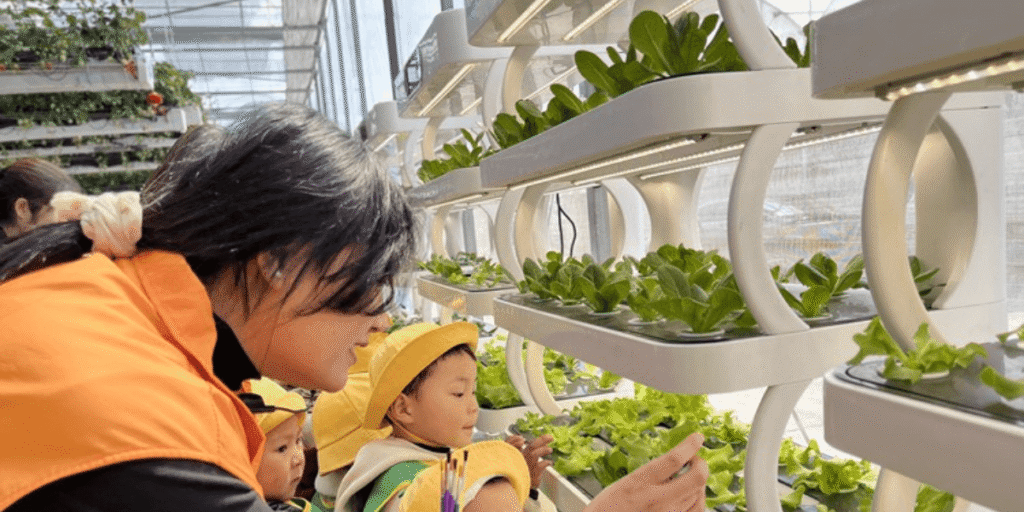
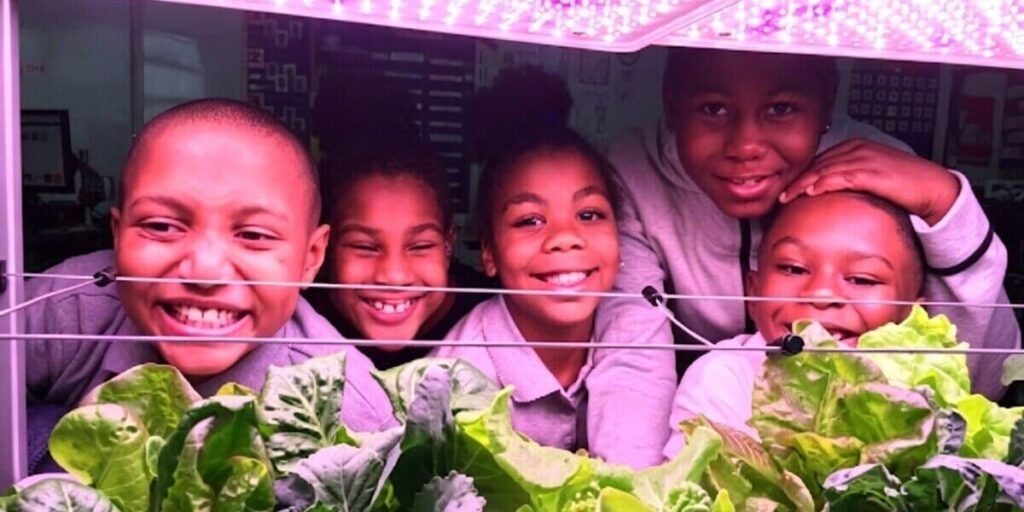

Hydroponics Projects for Schools is becoming an increasingly popular way to introduce students to science and sustainability in a hands-on way. Instead of learning only from textbooks, students can actually observe how plants grow without soil.
In this guide, we will explore 5 easy hydroponics project for schools that teachers can set up in classrooms or school gardens. Each project is simple, educational, and designed to help students understand STEM concepts through real growing experiences.
Why Hydroponics Is Becoming a Key Part of Modern Classrooms
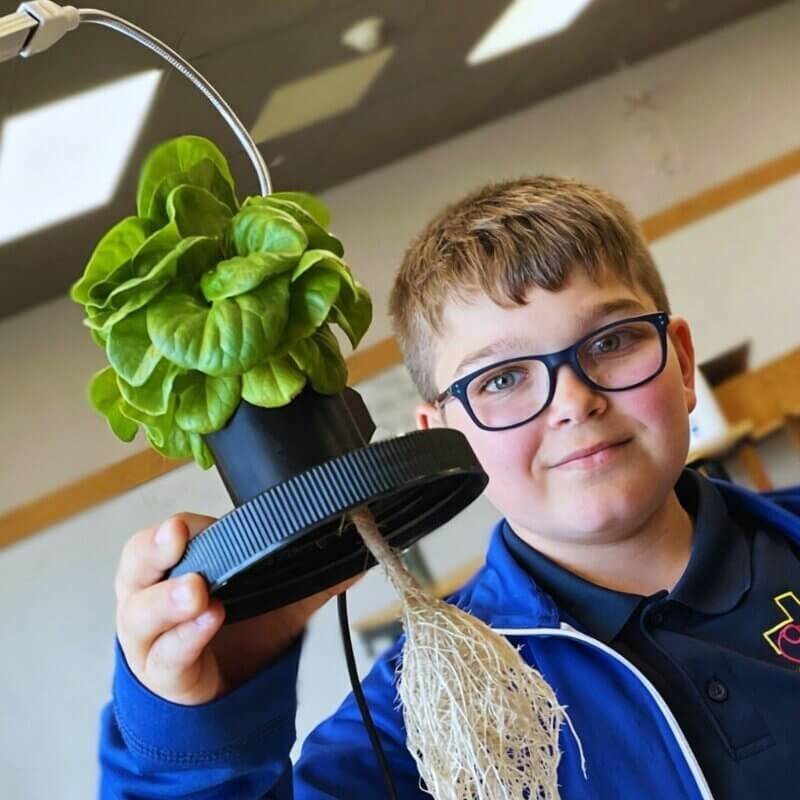
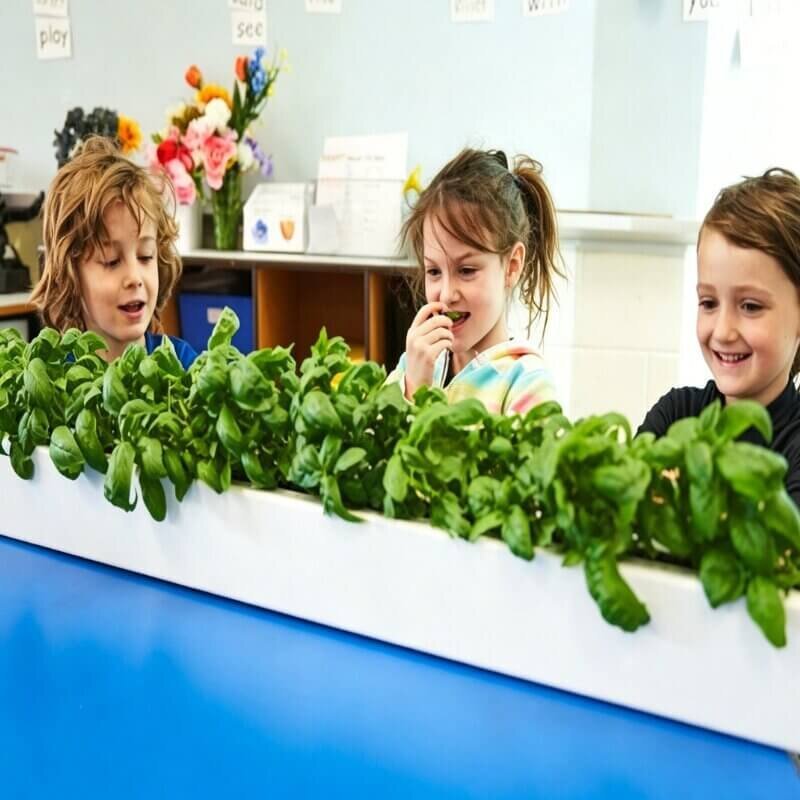
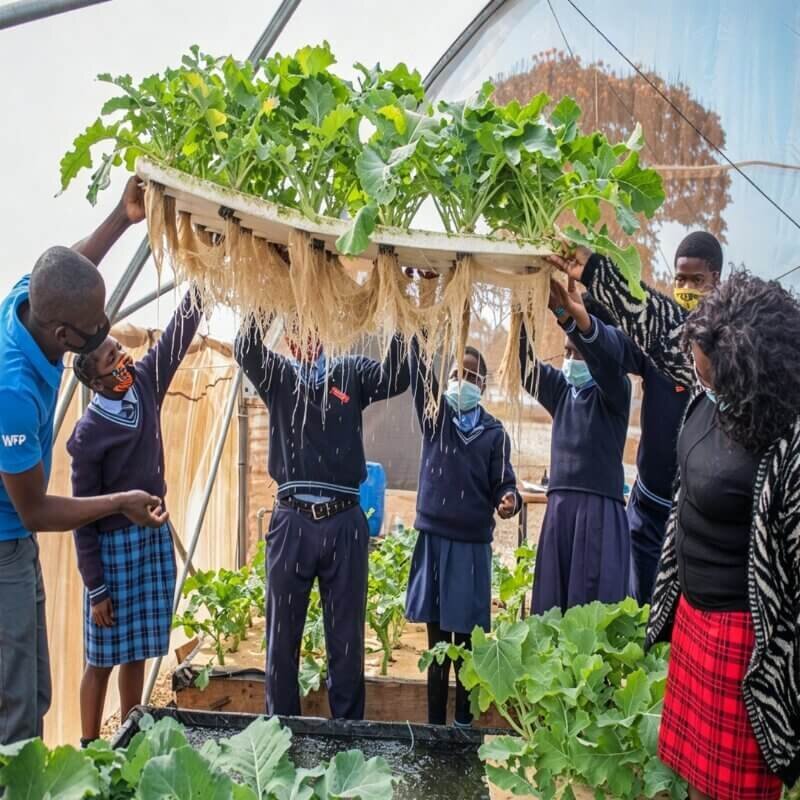
In many modern classrooms, hydroponics is becoming more common because it changes how students experience plant science. Instead of simply learning definitions or looking at diagrams, students can actually watch plants grow in front of them, see roots developing in water, and notice how quickly changes happen when nutrients or light are adjusted.
This kind of setup naturally makes science more engaging. Lessons are no longer limited to textbooks or lectures, because students are interacting with living plants and real systems. Concepts like water transport, plant nutrition, and growth conditions become much easier to understand when they can be observed directly.
Hydroponics also fits well with how schools are trying to teach STEM today. It connects science with real-world topics like food production, resource use, and environmental protection. For many students, it is often the first time they see how engineering and biology work together in a practical system.
Because of this flexibility, hydroponic systems can be used in very different ways, from small classroom experiments to full school learning programs depending on age group and teaching goals.
Why Schools Are Introducing Hydroponic Learning Systems
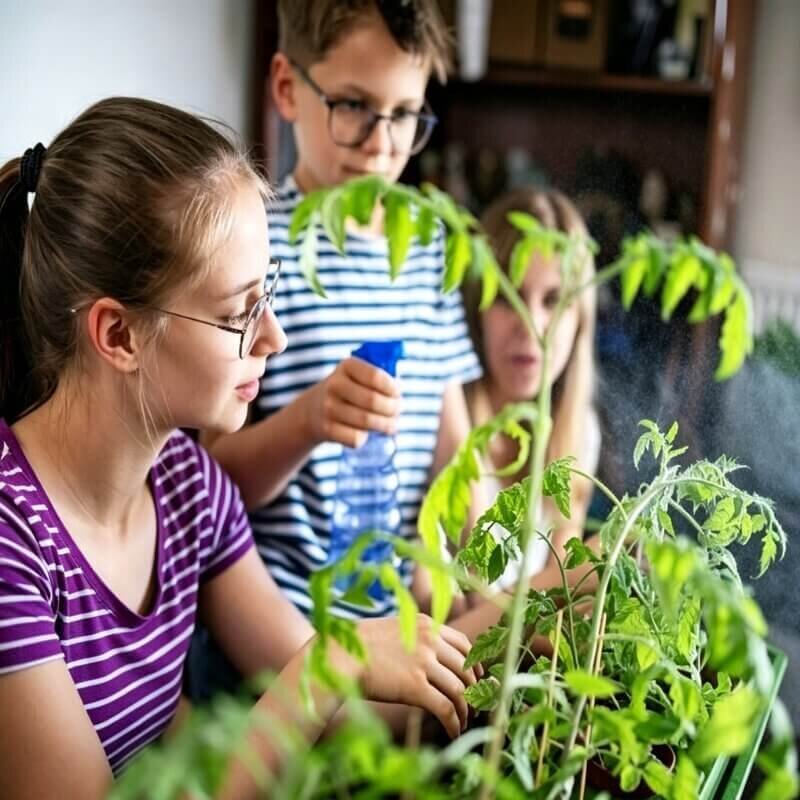
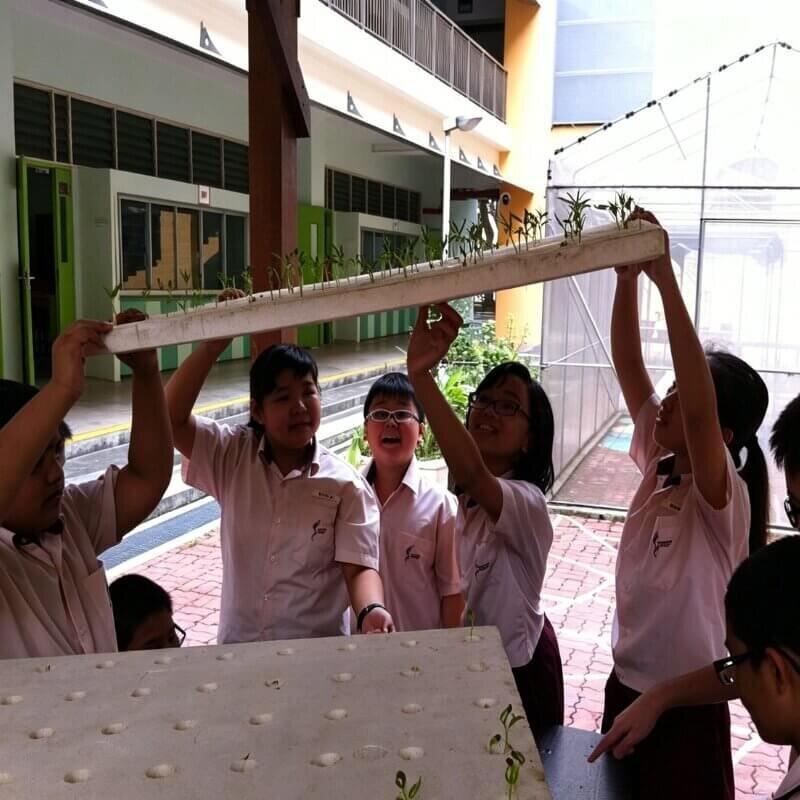
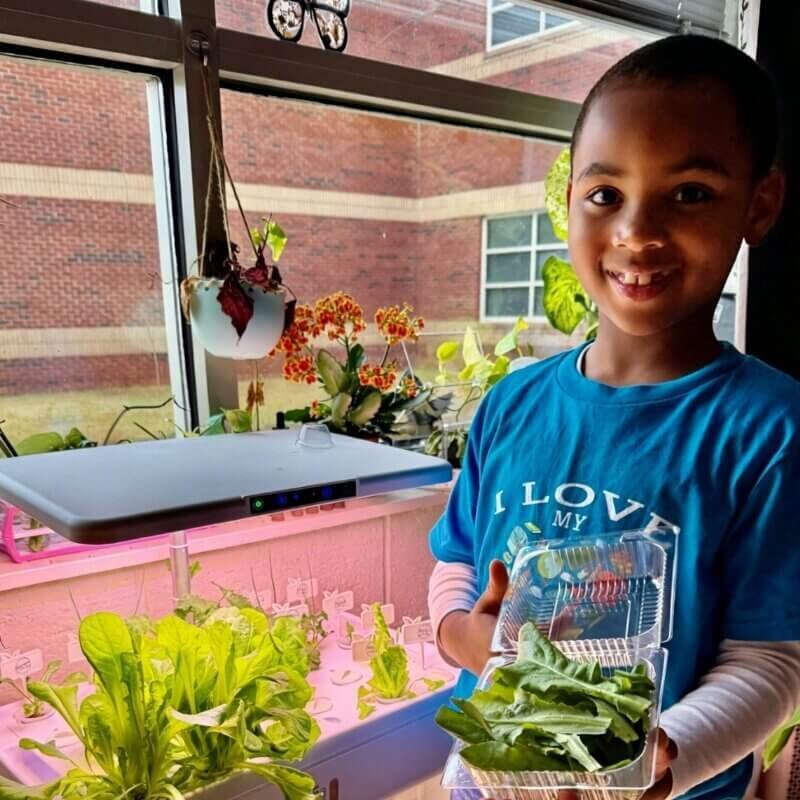
Hydroponics is becoming increasingly common in schools because it makes science easier to teach in a practical, hands-on way. Instead of only explaining abstract concepts like plant growth or nutrient cycles, teachers can let students observe how these processes actually work in real time inside a living system.
For a clearer understanding of how hydroponic systems function, it may be helpful to begin with the basics of hydroponics before moving into classroom projects.
It also naturally connects multiple subjects within a single learning activity. In one setup, students can explore biology through plant development, understand nutrients and water behavior in chemistry, and even gain basic engineering awareness by observing how the system circulates water and supports plant structures. At the same time, they begin to think more deeply about sustainability and where food comes from.
Many schools also notice that students respond more positively to this type of learning. When they are involved in planting seeds, monitoring growth, and harvesting herbs, they tend to become more engaged and more curious compared to traditional lecture-based lessons.
Because hydroponic systems can be used indoors throughout the year, these activities can continue regardless of season, making it easier for schools to integrate them into regular teaching programs.
How to Set Up a Hydroponic Learning Project in Schools
1. Finding the Right Space for Classroom Hydroponics
In most schools, hydroponic systems are placed wherever space is available, such as classrooms, science labs, or even library corners. Some schools use window areas to take advantage of natural sunlight, while others rely on LED grow lights to keep plant growth stable throughout the day.
2. Choosing a System That Matches Student Age and Learning Goals
The system choice usually depends on the students’ level. Beginners often start with simple setups like Wick or Kratky systems because they are easy to understand and require little maintenance. As students progress, schools may introduce DWC or NFT systems for more hands-on science experiments. Some schools also prefer vertical towers because they are more visible and easier for group observation.
3. What Materials You Actually Need to Get Started
A typical school setup includes a water container, nutrient solution, seeds, and a growing medium such as rockwool or coco coir. In some systems, a small water pump or air pump is added to help circulation and oxygen supply, depending on how advanced the setup is.
4. Letting Students Take Part in the Setup Process
Instead of only watching, students can help assemble parts of the system, place seeds into the growing medium, and fill the reservoir. These simple actions turn the project into a hands-on activity where students naturally learn how the system works while building it together.
5. Keeping the System Healthy and Running
Once the system is running, students regularly check water levels, observe plant growth, and record changes in height or leaf color. These small tasks often become part of weekly science activities, helping students connect classroom learning with real plant development.
5 Practical Hydroponic Classroom Projects Schools Can Use
1. Desktop Hydroponic Mini Garden (12 holes)
The Desktop Hydroponic Mini Garden is designed for elementary classrooms and beginner STEM lessons, making it one of the easiest systems for students to start with. With a very simple setup and built-in LED grow light, it allows children to observe plant growth indoors without any technical barriers.
This system is ideal for growing basil, mint, lettuce, and other small herbs, giving students a clear, hands-on understanding of seed germination, root development, and basic hydroponic principles in a controlled classroom environment.
💰 Price: $31.99
👉 Best suited for elementary STEM education, germination experiments, and individual student observation projects

Greenfuturehydro Classroom & Kitchen Hydroponic Garden System for Herbs and Greens
2. NFT Hydroponic Rack System (4-layer / 36 holes)
The NFT Hydroponic Rack System is ideal for group projects, science labs, and greenhouse classrooms, offering students a clear and practical way to understand how nutrient delivery works in hydroponics. With a 4-layer structure and continuous water circulation powered by a pump, it demonstrates how plants can grow efficiently in a controlled flowing-water environment.
In this system, a thin film of nutrient-rich water continuously flows through channels, allowing plant roots to absorb oxygen, water, and nutrients at the same time. This makes it especially effective for visualizing how modern hydroponic systems maintain plant health through constant circulation rather than soil.
It is commonly used for growing lettuce, spinach, kale, and other leafy greens, making it perfect for fast-growing classroom experiments where students can observe plant development within a short period.
💰 Price: $29.99
👉 Best suited for STEM lab experiments, group science projects, and hydroponic system demonstrations
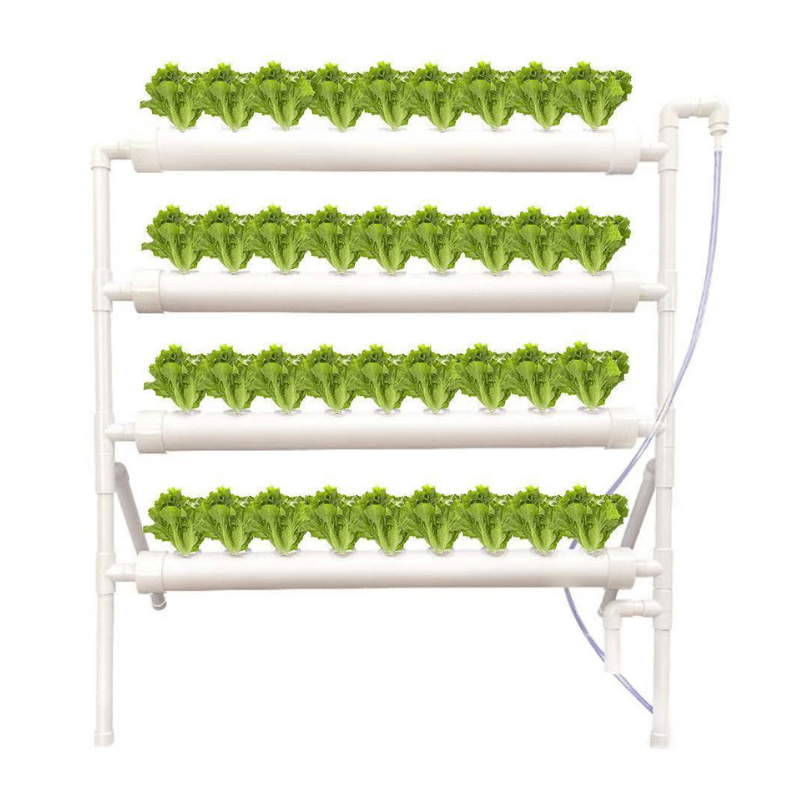
Greenfuturehydro 4 Layer 36 Hole NFT Hydroponic Rack for Indoor and Outdoor Use OEM ODM
3. Vertical Hydroponic Tower (30 holes)
The Vertical Hydroponic Tower is designed for STEM projects, classroom displays, and urban farming education, offering students a clear visual understanding of how vertical farming maximizes space while maintaining efficient plant growth. Its compact multi-layer structure with 30 planting holes makes it ideal for classroom environments where space is limited but learning impact needs to be high.
In this system, a nutrient solution is pumped to the top of the tower and flows downward through each planting layer, allowing students to observe how water and nutrients are distributed evenly across multiple levels. This helps demonstrate key concepts such as water efficiency, gravity flow, and space-saving agricultural design.
It is commonly used for growing strawberries, herbs, lettuce, and small peppers, making it especially effective for visual learning and school exhibitions where fast-growing and visually engaging plants are preferred.
💰 Price: $38.90
👉 Best suited for urban farming education, STEM classroom demonstrations, and school exhibitions

Greenfuturehydro 6 Layer 30 Hole Hydroponic Tower System with Auto Water Timer
4. Smart Commercial Hydroponic Tower (9-layer / 36 holes)
The Smart Commercial Hydroponic Tower is a medium–advanced level system designed for high schools, agricultural programs, and structured STEM education, making it suitable for more technical learning environments where students begin to explore modern farming systems at a deeper level.
This system features a higher-capacity vertical design with automated water circulation, simulating real smart farming environments. It helps students understand how controlled environment agriculture (CEA) works, including water distribution, system automation, and environmental efficiency in indoor farming setups.
It is commonly used for growing leafy greens, herbs, strawberries, and other fast-growing vegetables, making it ideal for longer-term school experiments and more advanced agricultural demonstrations.
💰 Price: $75.90
👉 Best suited for high school STEM programs, agricultural training courses, and smart farming demonstrations
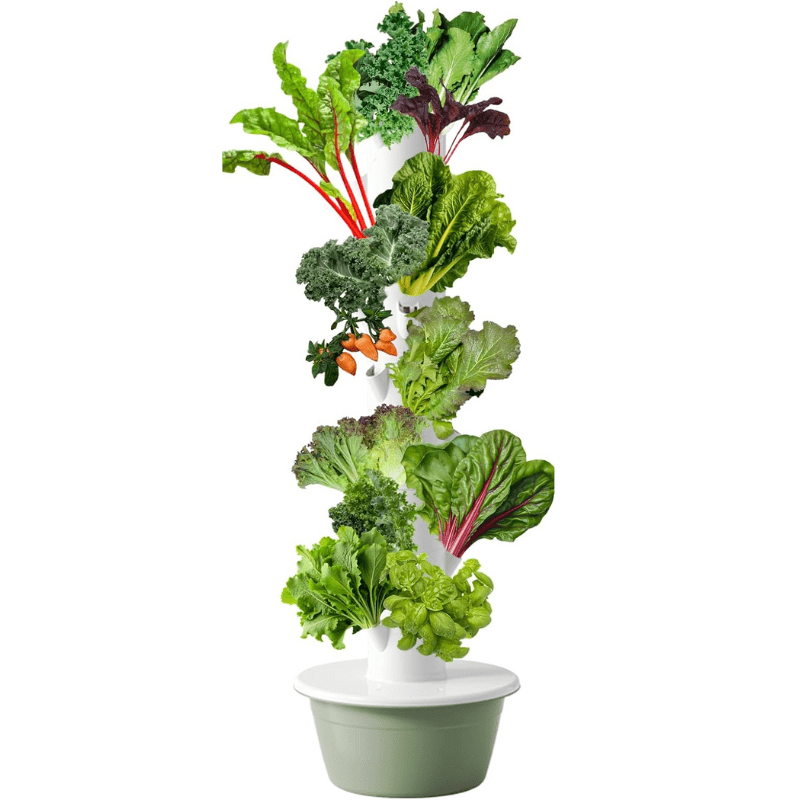
Greenfuturehydro 9 Layer 36 Hole Hydroponic Tower for Commercial Smart Farming
5. Dutch Bucket DWC System
The Dutch Bucket DWC System is an advanced hydroponic setup designed for long-term agricultural experiments, greenhouse education, and advanced school projects, especially suitable for students studying fruiting crops and commercial plant production.
This system works by growing plants in individual buckets while nutrient-rich water is continuously circulated through the system, ensuring roots receive a stable balance of oxygen, water, and nutrients. It closely simulates real-world commercial farming conditions, making it highly valuable for understanding root oxygenation, irrigation control, and nutrient management in larger crops.
It is commonly used for growing tomatoes, cucumbers, peppers, and herbs, allowing students to observe full plant life cycles and long-term growth patterns that cannot be demonstrated with fast-growing leafy greens.
💰 Price: $70.99
👉 Best suited for advanced school projects, greenhouse education, and long-term agricultural experiments
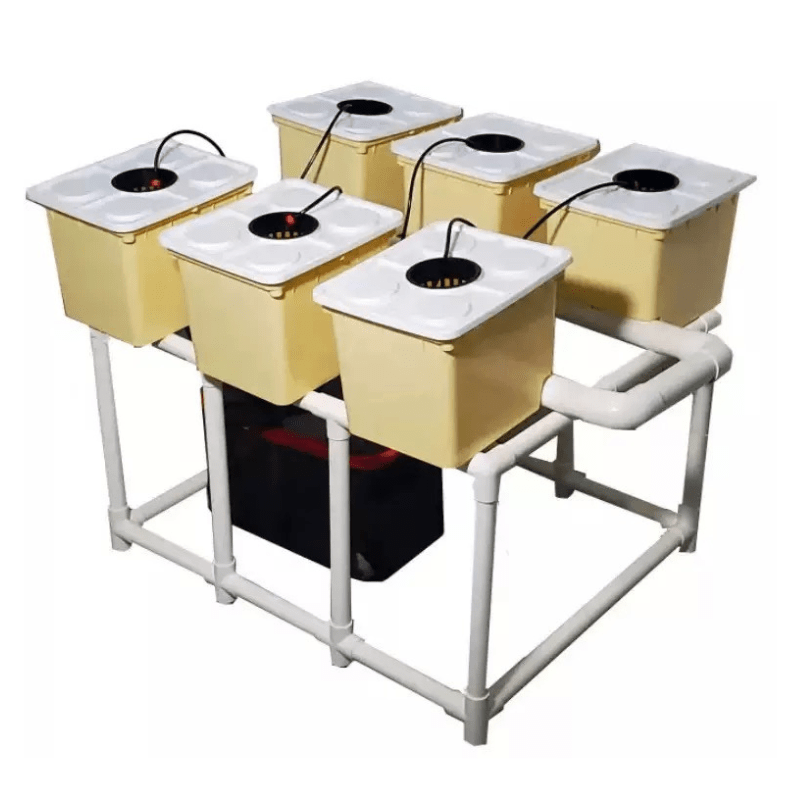
Greenfuturehydro Dutch Bucket DWC System – Cannabis, Tomatoes & Herbs | Bulk Supply
Comparing Different Hydroponic Systems for Education
| System | Difficulty | Electricity | Price | Best For | Recommended Crops |
|---|---|---|---|---|---|
| Desktop Hydroponic Mini Garden | ⭐ Easy | Yes | $31.99 | Elementary STEM, germination lessons, beginner observation | Basil, mint, herbs |
| NFT Hydroponic Rack System | ⭐⭐ Easy–Medium | Yes | $29.99 | Classroom experiments, group science labs, nutrient flow demos | Lettuce, spinach, kale |
| Vertical Hydroponic Tower (30 holes) | ⭐⭐ Medium | Yes | $38.90 | School exhibitions, urban farming education, visual biology teaching | Strawberries, herbs, lettuce |
| Smart Commercial Hydroponic Tower | ⭐⭐⭐ Medium–Advanced | Yes | $75.90 | High school STEM, smart agriculture training, automation learning | Leafy greens, herbs, strawberries |
| Dutch Bucket DWC System | ⭐⭐⭐ Medium | Yes | $70.99 | Advanced projects, greenhouse education, long-term crop studies | Tomatoes, cucumbers, peppers |
How Schools Can Run Hydroponics on a Limited Budget
Schools can start small and gradually expand their hydroponics program instead of investing in a full system at once. In the early stages, simple desktop or NFT systems are usually enough for basic learning, allowing students to understand plant growth without high setup costs.
For more simple classroom-friendly activities, explore our guide on hydroponics for kids to discover easy and engaging ways to introduce hydroponics in education.
As programs develop, the same system can be shared across different classes or lessons, which reduces the need for multiple setups and allows teachers to manage resources such as water and nutrient solutions more efficiently.
Over time, schools can scale step by step from basic rack systems to vertical towers and eventually to more advanced smart hydroponic setups depending on their teaching goals and budget. This gradual approach also reflects what many schools are searching for including school hydroponic cost, STEM classroom setup budget and low-cost hydroponic education systems.
Printable Materials for Classroom Hydroponic Projects
A successful school hydroponics project usually starts with good preparation. Before setting up the system, it is important for teachers to make sure all the basic materials are ready so that students can focus on learning instead of troubleshooting missing parts.
This section provides a simple checklist that can be used during setup or printed for classroom use.
✔ Printable checklist for easy classroom preparation and student activities!
1. Desktop Hydroponic Mini Garden Guide
| Category | Item | Function |
|---|---|---|
| Structural System | 12 Planting Cups | Hold plants and support root positioning |
| Structural System | 12 Insulation Lids | Block light, prevent algae growth, reduce evaporation |
| Growing Medium | 12 Rockwool Cubes | Provide stable root anchoring and seed germination support |
| Lighting System | Full-Spectrum Grow Light | Simulates natural sunlight for indoor photosynthesis |
| Power System | Power Adapter | Supplies stable electricity to pump and lighting system |
| Water Circulation | Water Pump | Circulates nutrient solution through the system |
| Nutrient System | AB Nutrient Solution | Provides balanced macro & micro nutrients |
| Reservoir System | Water Tank Lid | Protects reservoir from contamination and light exposure |
2. NFT System Setup Guide
| Category | Component | Function |
|---|---|---|
| Water Circulation System | Water Pump (1 unit) | Drives continuous nutrient solution circulation through NFT channels |
| Water Circulation System | Soft Tubing (1 set) | Transfers water from reservoir to NFT channels |
| Growing Structure | NFT Channels (4 rails) | Main plant growth channels where nutrient film flows |
| Growing Structure | 36 Net Pots | Hold plants and support root suspension in nutrient flow |
| Root Support System | Sponge / Grow Media | Provides seed germination support and root anchoring |
| Nutrient System | Hydroponic Nutrient Solution | Supplies essential minerals for plant growth |
| Plumbing Accessories | PVC Fittings (various) | Connect and stabilize water flow system |
| Reservoir System (Optional) | Foldable Water Tank (optional) | Stores nutrient solution for circulation loop |
3. Vertical Tower Setup Guide
| System Module | Component | Function |
|---|---|---|
| Vertical Growing Structure | 6-Layer Hydroponic Tower | Main plant growing framework, maximizes vertical space efficiency |
| Planting System | 30 Net Cups | Secure plant positioning and support root suspension |
| Germination System | Nursery Tray | Seed starting and early-stage propagation |
| Root Support System | Growing Medium | Stabilizes roots and improves moisture retention |
| Water Circulation System | Water Pump (1 unit) | Circulates nutrient solution from reservoir to top of tower |
| Water Circulation System | Soft Tubing | Transfers nutrient solution between components |
| Reservoir System | Water Tank + Lid | Stores nutrient solution and prevents contamination |
| Monitoring System | Water Level Indicator | Displays water level for maintenance control |
| Nutrient System | Nutrient Solution (AB mix) | Provides essential macro & micro nutrients for plant growth |
| Power System | Power Adapter | Supplies stable electricity for pump operation |
| Maintenance Tools | Tweezers / Scissors / Spray Bottle | Supports transplanting, pruning, and plant care |
4. Smart System Setup Guide (9–11 Layers)
| System Module | Component | Specification / Function |
|---|---|---|
| Vertical Growing System | 9–11 Layer Hydroponic Tower | Main planting structure, enables high-density vertical farming in limited space |
| Planting System | Net Pots (Qty included in tower holes) | Holds plants and supports root suspension in nutrient flow |
| Germination System | Nursery Tray | Used for seed starting and early-stage plant propagation |
| Root Support System | Growing Medium (Rockwool / Sponge) | Stabilizes roots and improves moisture & oxygen retention |
| Water Circulation System | Water Pump (1 unit) | Pumps nutrient solution from reservoir to tower top |
| Water Circulation System | Soft Tubing (1 unit) | Transfers water between pump, tower, and reservoir |
| Reservoir System | Water Tank + Lid | Stores nutrient solution and prevents contamination and evaporation |
| Tower Protection | Tower Top Cover | Prevents debris entry and reduces algae exposure |
| Structural Fixing | Windproof Screws Kit | Stabilizes tower structure for outdoor/indoor use |
| Power System | Power Adapter | Provides stable electricity to pump and control system |
| Smart Control System | Timer Power Cord | Enables automated irrigation cycle scheduling |
| Maintenance Tools | Tweezers / Scissors / Spray Bottle | Used for transplanting, pruning, and plant maintenance |
| Nutrient System | Hydroponic Nutrient Solution | Provides essential macro & micro nutrients for plant growth |
5. DWC Experiment Guide
| System Module | Component | Function |
|---|---|---|
| Independent Growing System | 6 Dutch Buckets | Individual plant chambers for fruiting crops, allowing independent root development |
| Structural System | PVC Support Frame | Provides structural stability and positioning for all buckets |
| Planting System | Net Pots (Qty included) | Holds plants and supports root anchoring inside buckets |
| Root Support System | Clay Pebbles (Leca) | Provides root stability, aeration, and moisture balance |
| Water Circulation System | Water Pump | Circulates nutrient solution from reservoir to each bucket |
| Water Circulation System | Soft Tubing (Thin + Thick) | Distributes water from pump to buckets and return flow system |
| Oxygenation System | Air Pump | Supplies oxygen to nutrient solution to prevent root hypoxia |
| Oxygenation System | Air Stone | Diffuses air evenly into water for root oxygen absorption |
| Reservoir System | Foldable Water Tank | Stores nutrient solution for full system circulation |
| Reservoir System | Bucket Lids (6 pcs) | Reduces algae growth and prevents contamination |
| Nutrient System | Hydroponic Nutrient Solution | Provides essential macro & micro nutrients for fruiting crops |
| Irrigation Accessory | Spray Nozzle | Assists in watering, cleaning, and system maintenance |
Lesson Ideas for Different Age Groups
Hydroponics works well across different grade levels because the system can become more advanced as students grow. Younger students focus on observation and basic plant care, while older students begin experimenting with nutrients, environmental control, and system design. This makes hydroponics a flexible STEM learning tool that can support students from elementary school through high school.
Elementary (Ages 6–11):Observing How Plants Grow Every Day
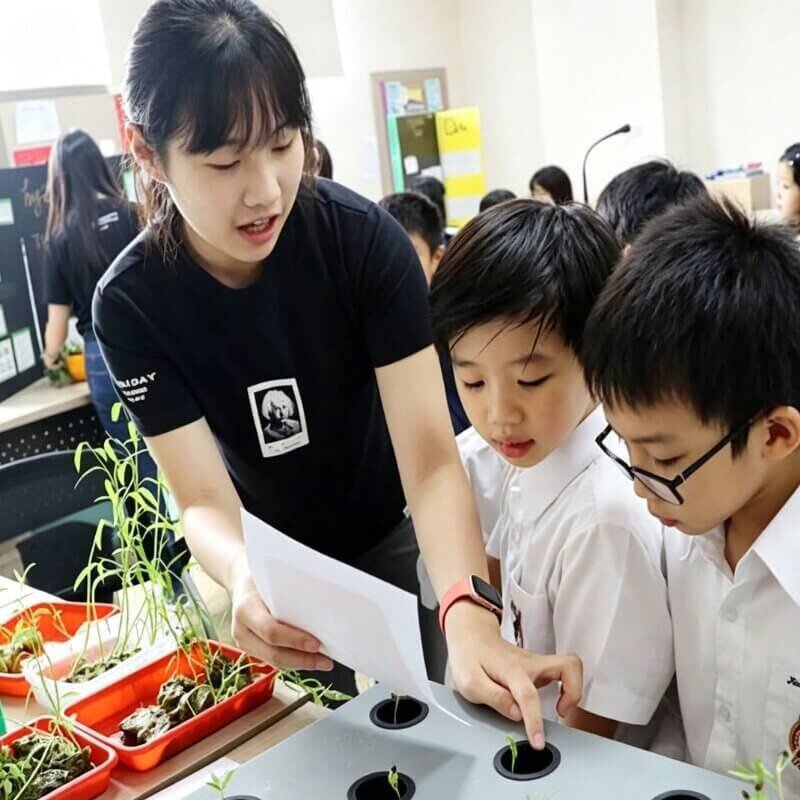
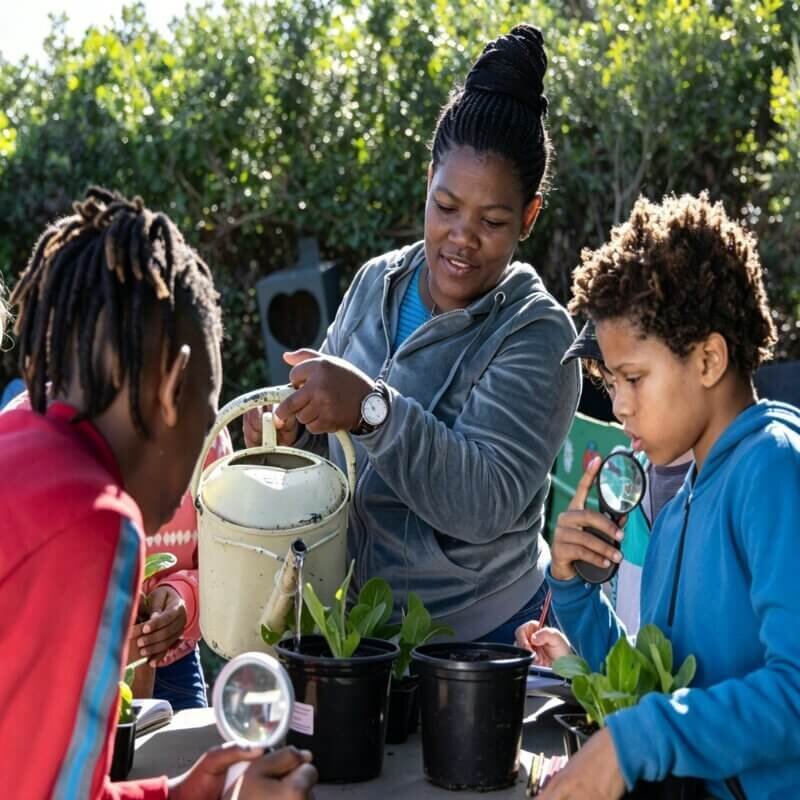
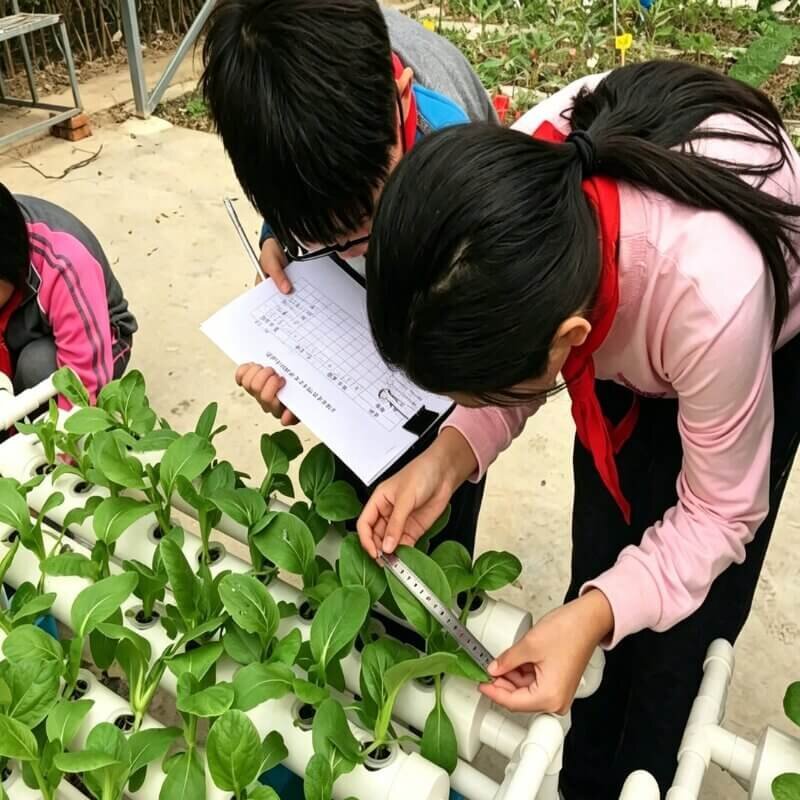
For younger students, lessons usually begin with small countertop hydroponic systems growing fast and easy crops such as basil, lettuce, or mint. At this stage, the goal is not technical accuracy, but helping children build curiosity about how living plants develop.
Students often enjoy checking root growth each morning, measuring leaf size with rulers, and drawing plant changes in simple science journals. Teachers may also include activities like labeling plant parts, comparing seedlings, or discussing what plants need to survive.
Because hydroponics allows students to see roots directly in water, many children become more engaged than they would with traditional soil gardening.
Middle School (Ages 12–14):Understanding Nutrients and Plant Health
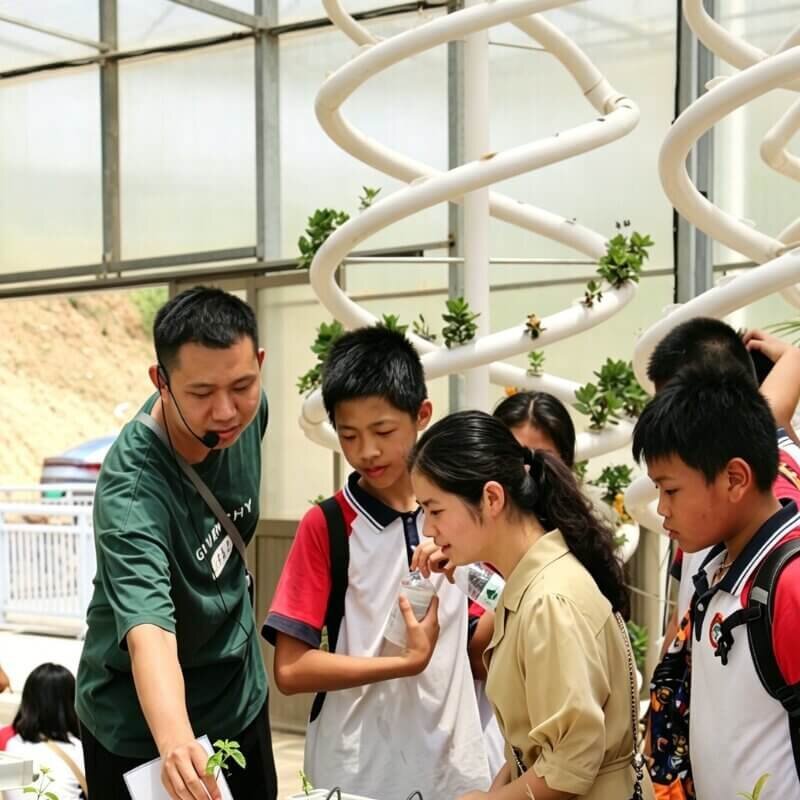
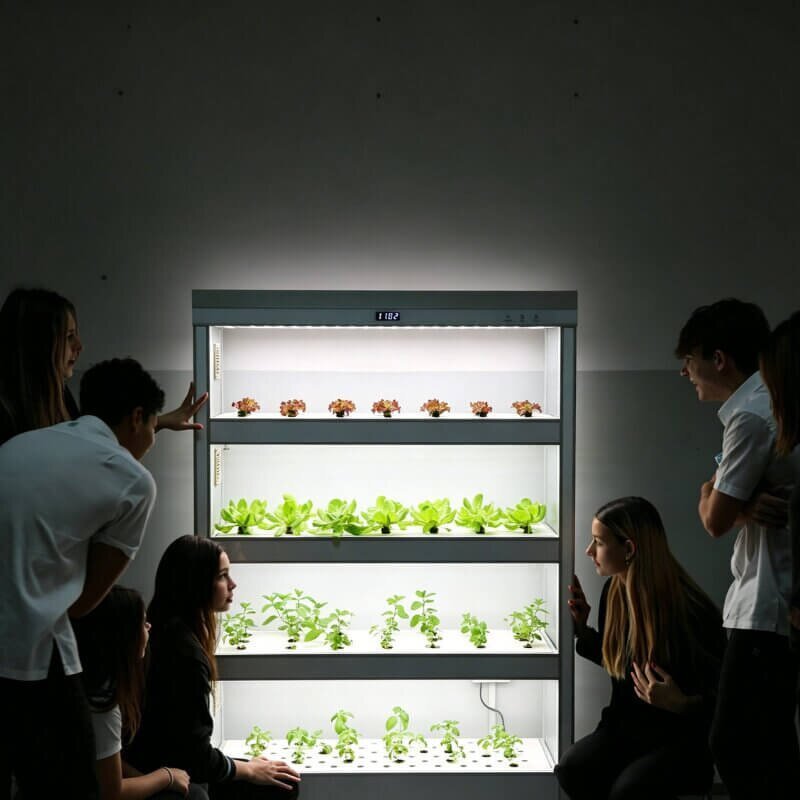
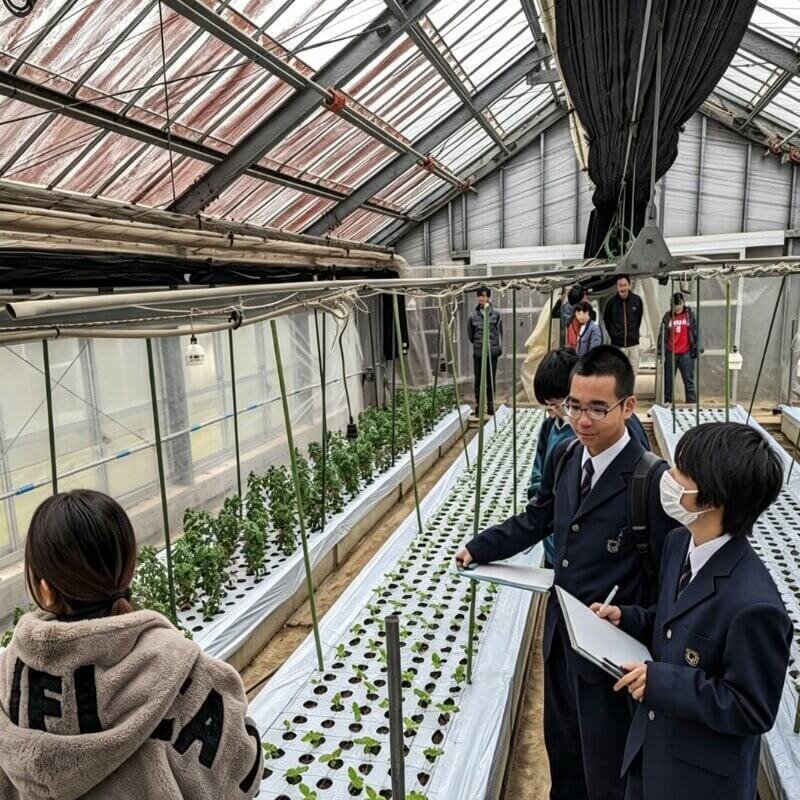
In middle school classrooms, hydroponics becomes more science-focused. Students may begin using NFT systems or small vertical setups to explore how environmental changes affect plant growth.
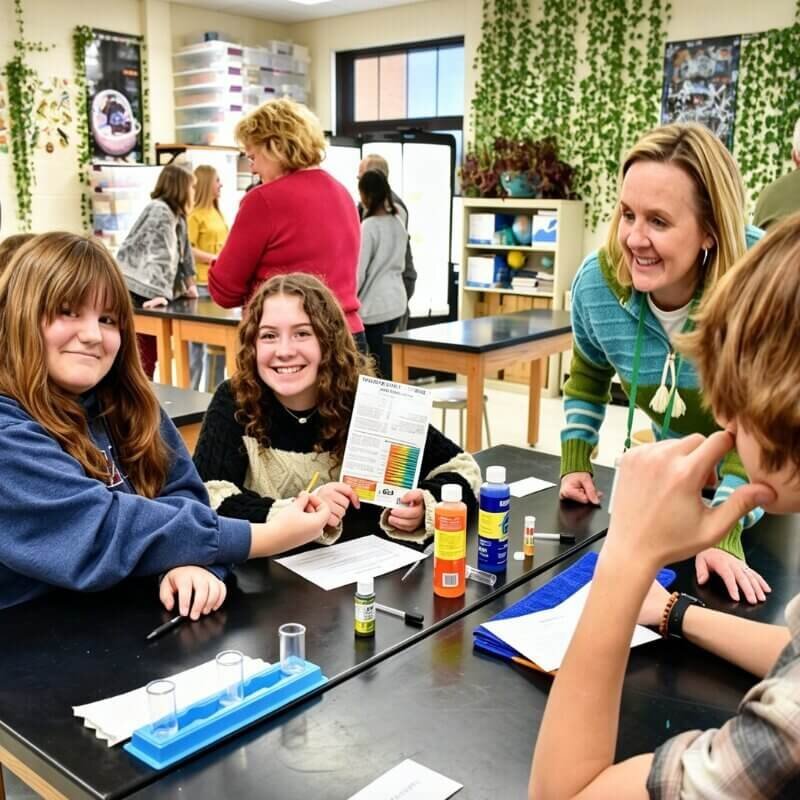
Instead of simply observing plants, students start asking questions and testing ideas. One group might compare different pH levels, while another experiments with lighting duration or nutrient strength. Over several weeks, students collect measurements, track plant height, and analyze differences between growing conditions.
These activities help students connect biology, chemistry, and data collection in a hands-on way that feels more interactive than textbook learning alone.
High School (Ages 15–18):Data Tracking and System Optimization
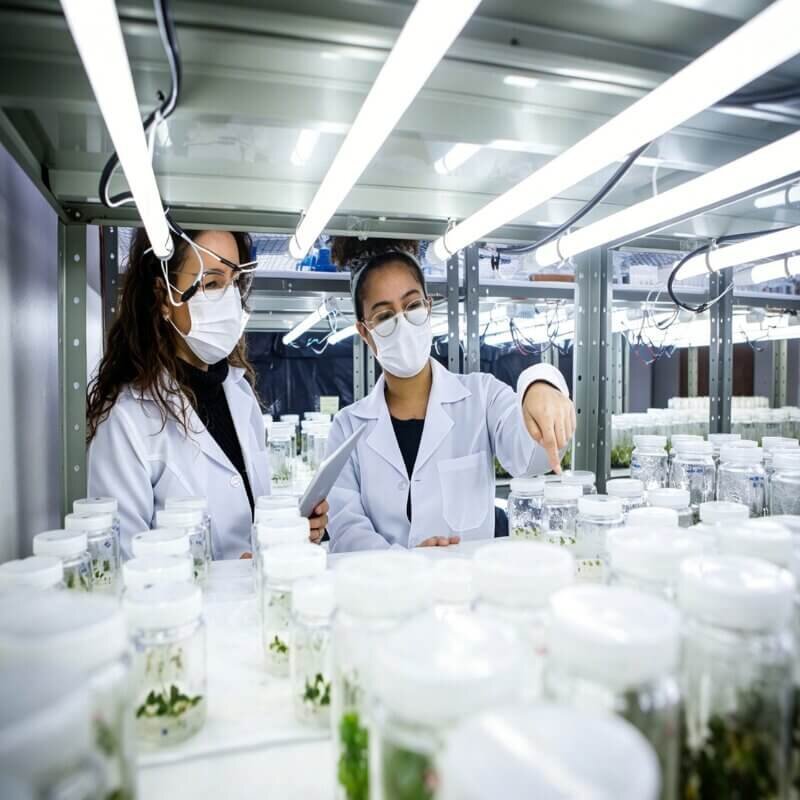
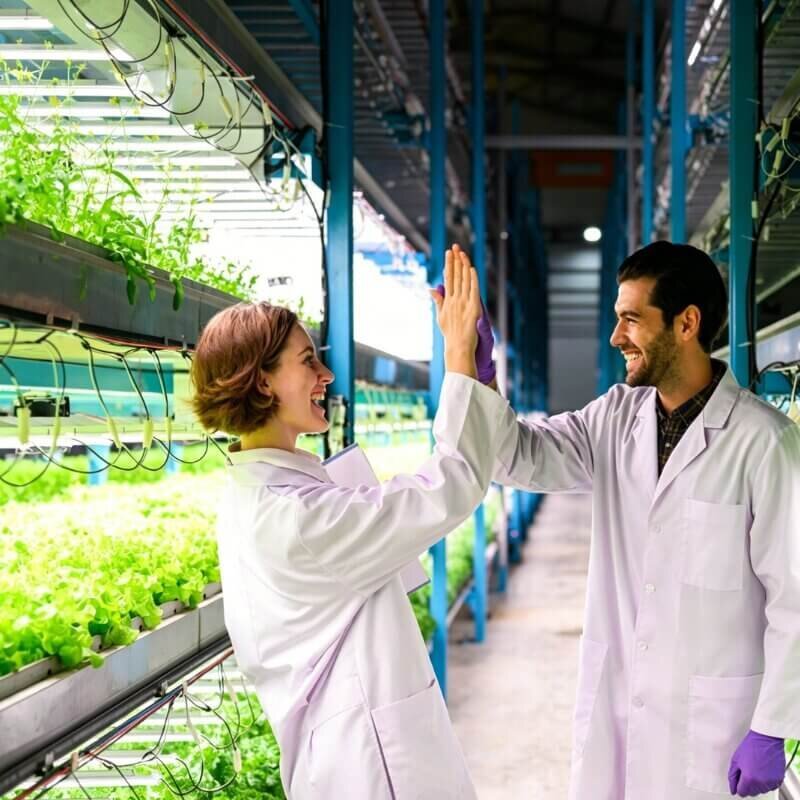
At the high school level, hydroponics can become a full engineering and agricultural science project. Students often work with larger systems such as vertical towers, Dutch buckets, or automated greenhouse setups.
Lessons may include water efficiency calculations, nutrient balancing, environmental monitoring, and yield analysis. Some schools even introduce sensors, timers, or smart controllers so students can explore automation and precision agriculture concepts.
Fruiting crops like tomatoes, cucumbers, and peppers are commonly used because they allow students to study pollination, pruning, and long-term crop management. By this stage, hydroponics is no longer just about growing plants, it becomes a way to connect science, technology, sustainability, and real-world food production systems together.
Fixing Common Issues in School Hydroponic Systems
| Problem | What Happens | Solution |
|---|---|---|
| Forgetting pH control | Plants grow slowly or show nutrient deficiency | Use simple pH test strips and check regularly |
| Insufficient light | Plants become tall, weak, and pale | Use LED grow lights or ensure strong natural light |
| High water temperature | Root stress, low oxygen, slow growth | Keep water stable and avoid heat or direct sun |
| Algae growth (transparent containers) | Algae competes with plants for nutrients | Use opaque tanks or cover containers to block light |
Tracking Plant Growth in the Classroom
This section turns your hydroponics project into a real scientific experiment that students can record, compare, and analyze over time.
Simple Growth Journal for Beginners
| Day | Plant Height (cm) | Leaf Count | pH Level | Water Level | Notes |
|---|---|---|---|---|---|
| Day 1 | |||||
| Day 3 | |||||
| Day 5 | |||||
| Day 7 | |||||
| Day 10 |
Turning Data Into Real Science Projects (Advanced Level)
| Day | EC Level | Temperature | Light Condition | Growth Rate | Notes |
|---|---|---|---|---|---|
| Day 1 | |||||
| Day 3 | |||||
| Day 5 |
How Teachers Can Use Hydroponics in Lessons
- 👩🎓 Assign each group one hydroponic system
- 📊 Record data every 1–2 days
- 📈 Compare growth differences between systems
- 🧾 Use results for final science reports or presentations
STEM Learning Through Hydroponics
Biology in Action: Understanding Plant Growth
In a hydroponic classroom system, students are no longer just looking at diagrams in a textbook—they can actually see roots growing in real time, observe how stems extend upward, and watch leaves gradually unfold day by day. This makes concepts like plant structure, nutrient uptake, and photosynthesis much easier to understand, because students are studying living plants instead of static images.
Chemistry in the Water: pH and Nutrients Explained
Hydroponics turns chemistry into something visible. When students adjust nutrient solutions or test water pH, they can immediately see how plants respond. A small change in mineral concentration or acidity can affect leaf color, growth speed, and overall plant health, helping students connect chemical balance with real biological outcomes.
Engineering the System: How Hydroponics Works
Beyond biology and chemistry, hydroponics also works as a hands-on engineering system. Students can see how water pumps move nutrients through the system, how lighting supports plant growth, and how the structure influences overall efficiency.
When problems appear in the system such as uneven water flow or weak circulation, students learn to observe what is happening, discuss possible causes, and test different solutions. This process helps them develop problem-solving skills, logical thinking, and teamwork in a practical way.
Learning Sustainability Through Real Farming Systems
Hydroponics also introduces a bigger idea: how we might grow food in the future. Students can see how plants grow with far less water than traditional soil farming, and how urban environments can still produce fresh food. This opens discussions about sustainability, climate change, and future city farming systems.
From Memorizing to Experiencing Science
Instead of memorizing abstract concepts, students are interacting with living systems every day. Hydroponics turns the classroom into a small but complete ecosystem where science becomes visible, practical, and meaningful.
Partnered with 50+ schools and educational institutions worldwide
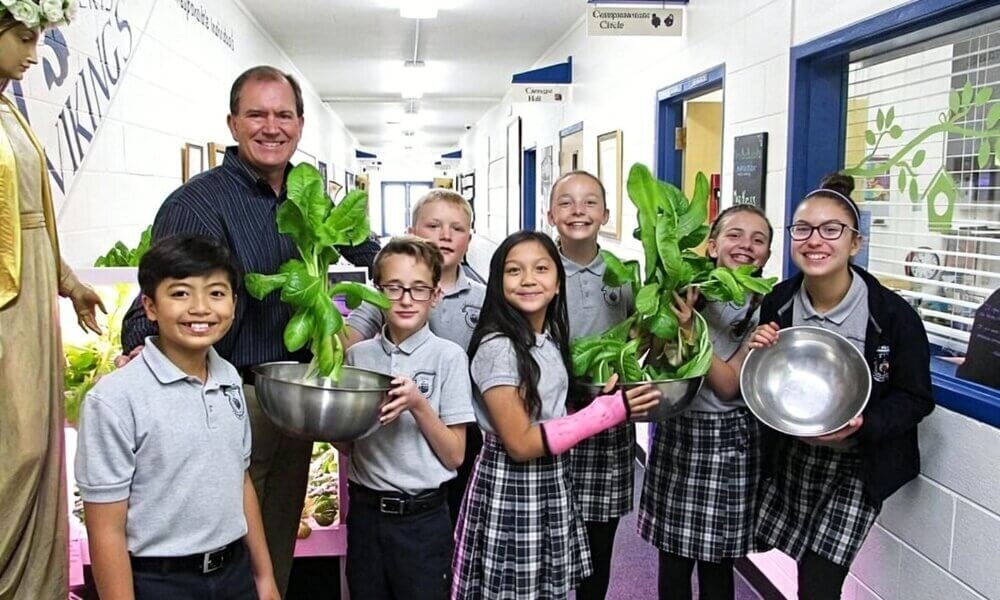
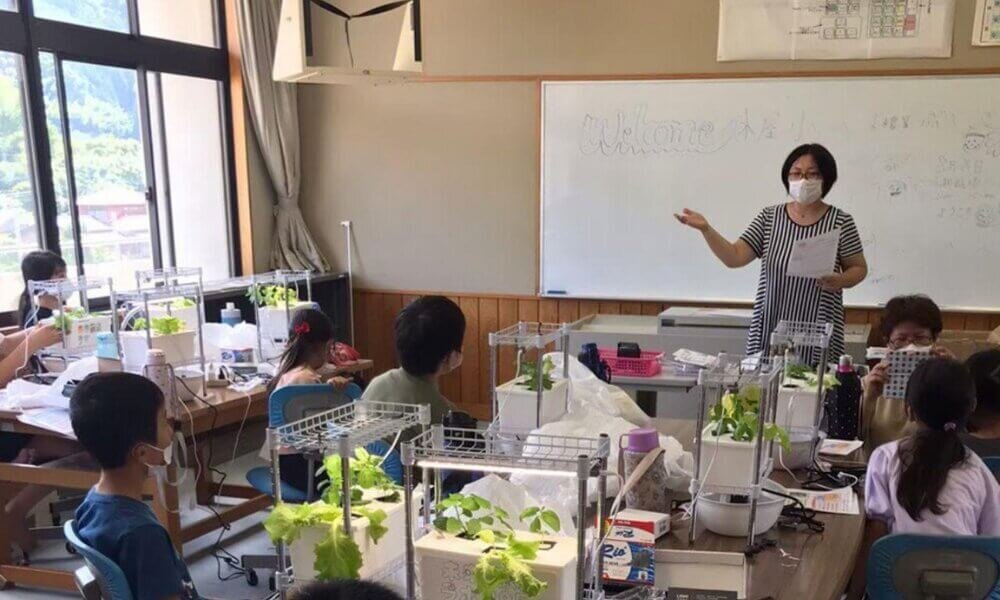
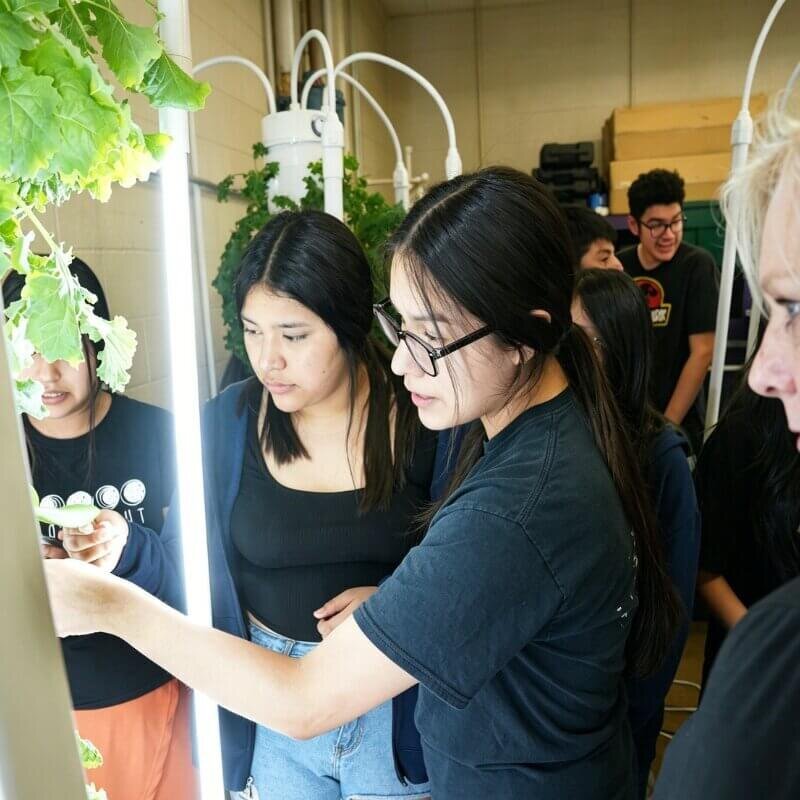
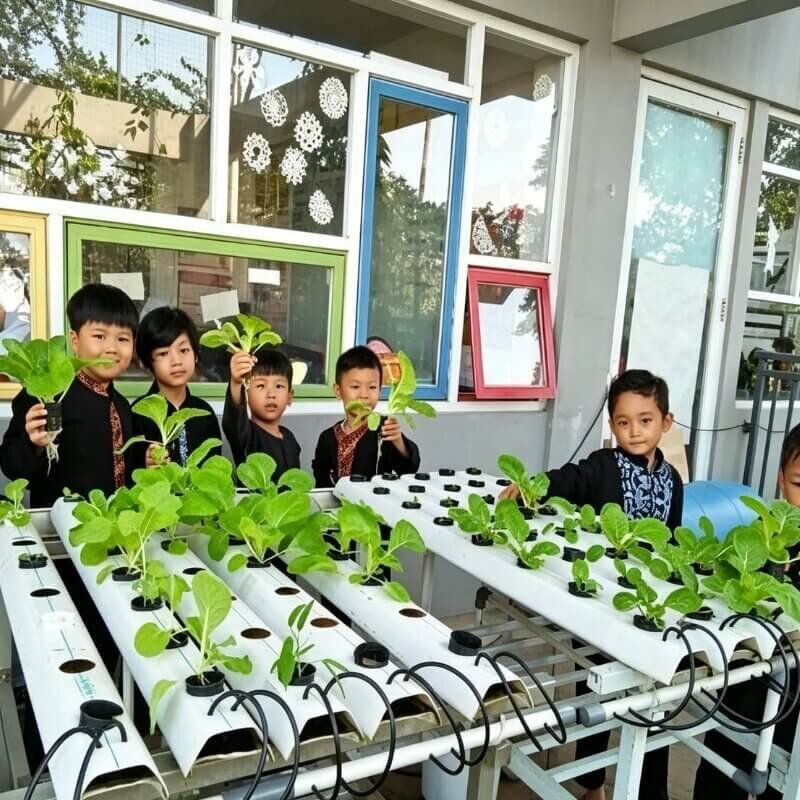
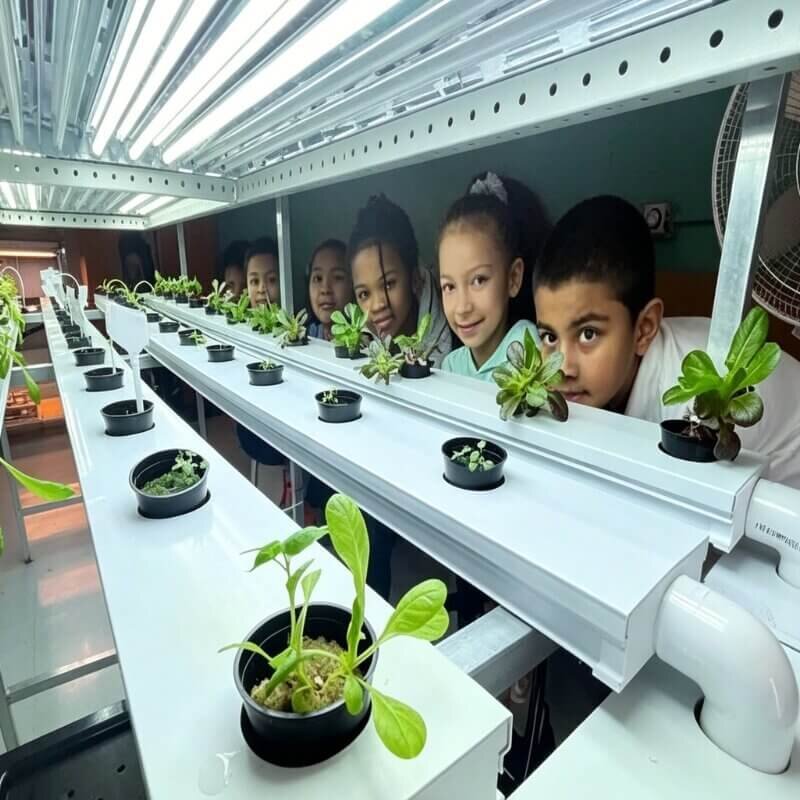
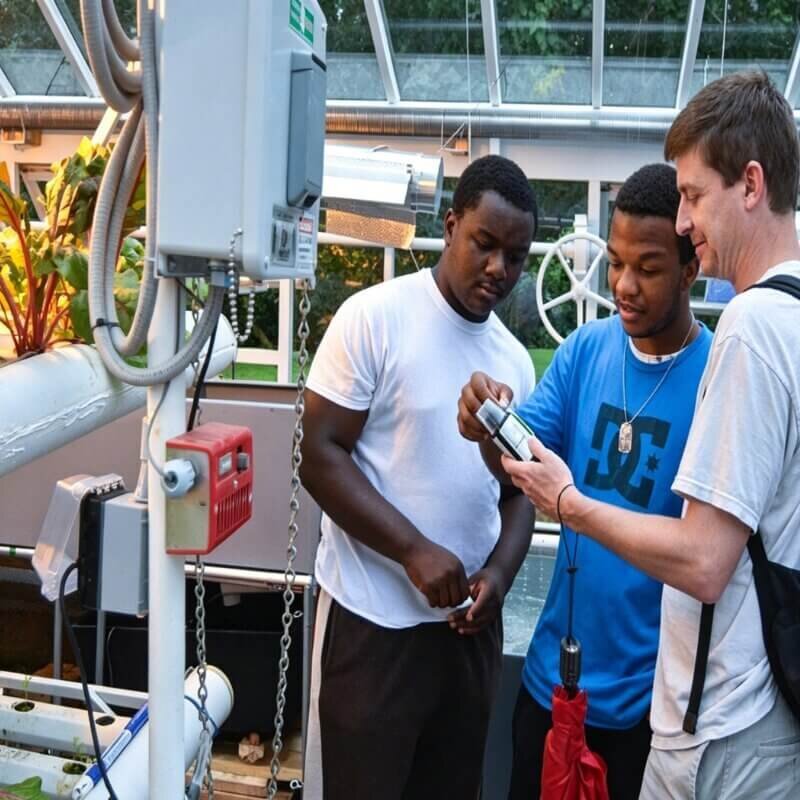
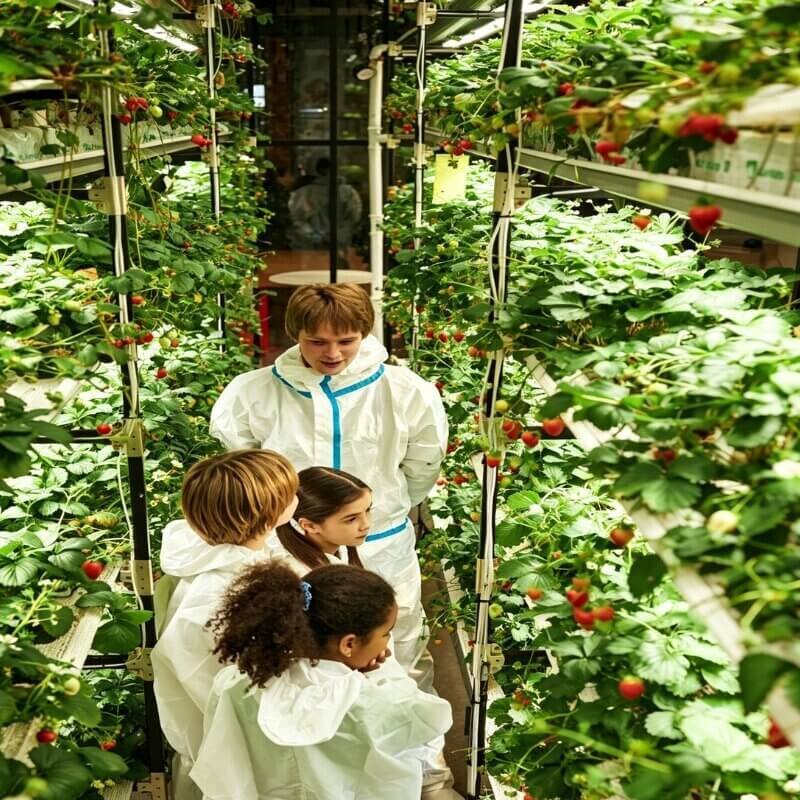
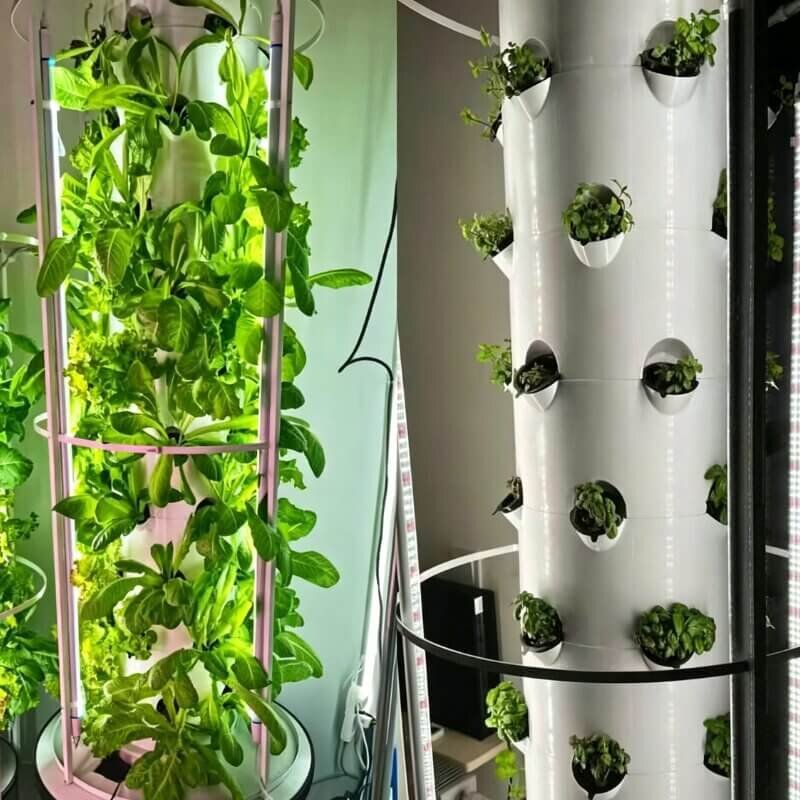
Green Valley International School partnered with our team to introduce hydroponic farming into its STEM and sustainability education programs. As part of a growing global movement toward hands-on agricultural learning, the school installed indoor hydroponic systems, vertical growing towers, and classroom farming equipment to create an engaging learning environment for students.
Today, more than 50 schools and educational organizations worldwide have collaborated with us to bring hydroponic farming into classrooms, science labs, and student innovation projects. These partnerships help students explore modern agriculture, food sustainability, plant science, and indoor farming technologies through real-world experience.
By combining hydroponic growing systems with practical STEM education, schools can create interactive learning spaces where students develop teamwork, environmental awareness, and a deeper understanding of future farming technologies.
Frequently Asked Questions About Hydroponics in Schools
Hydroponic projects for schools are simple growing systems that help students learn science by growing plants without soil.
Students learn biology, chemistry, engineering, and environmental science through hands-on plant growth experiments.
Most school hydroponic systems cost between $30 and $80 depending on size and system type.
Fast-growing plants like lettuce, basil, mint, spinach, and strawberries are best for classroom hydroponic systems.
Hydroponics makes STEM learning practical by allowing students to see real-time plant growth and system behavior in action.
Why Schools Are Adopting Hydroponics Faster Than Ever
Hydroponics changes the way students experience science in the classroom. Instead of only reading about biological processes or chemical reactions, they can actually watch plants grow, observe how systems respond, and understand how different scientific principles work together in real time.
What starts as a simple growing system gradually becomes a complete learning environment where biology, chemistry, engineering, and environmental science are no longer separate subjects, but connected parts of one living system.
For schools, this means more than just a teaching tool. It creates a classroom where students stay curious, ask better questions, and understand that science is not something distant or abstract, but something they can actively explore every day. For a deeper look at how this approach supports student learning and educational growth, you can read Kids Hydroponic Plants.
Looking to Build a Classroom Hydroponics Project?
We provide customized hydroponic systems for:
- STEM classrooms
- School greenhouses
- Agricultural education
- Indoor growing labs
- Sustainability programs
Want to Bring Hydroponics Into Your Classroom?
If you are planning to bring hydroponics into your classroom or develop a school-based STEM program, getting the right system design is the most important first step. A well-structured setup not only makes teaching easier, but also helps students clearly understand how plants grow and how different scientific principles work together in a real system.
At Greenfuture Hydro, we focus on providing practical hydroponic solutions for schools, training programs, and educational projects. Whether you need a simple starter kit for basic biology lessons or a more advanced system for engineering and agricultural studies, we can help you design a setup that fits your learning goals and available space.
We also support customized system planning, including different tower sizes, NFT structures, and fruiting crop systems, so schools can build a learning environment that grows with their curriculum.
If you would like to explore options or get advice on starting your own hydroponic classroom project, feel free to reach out anytime.
📩 info@greenfuturehydro.com
📞 +86 13487543942
📷 Instagram @Greenfuturehydro
Follow us on Instagram to see real hydroponic classroom setups, student projects, and practical growing demonstrations that you can apply directly in your own teaching environment.
Explore More Hydroponic Education Resources
- Kids, Hydroponic Plants, and a Bright Tomorrow
- Hydroponics for Kids: A Fun and Easy Way to Learn
- Hydroponic Gardening in Small Spaces
- Auto-Watering in Desktop Hydroponics