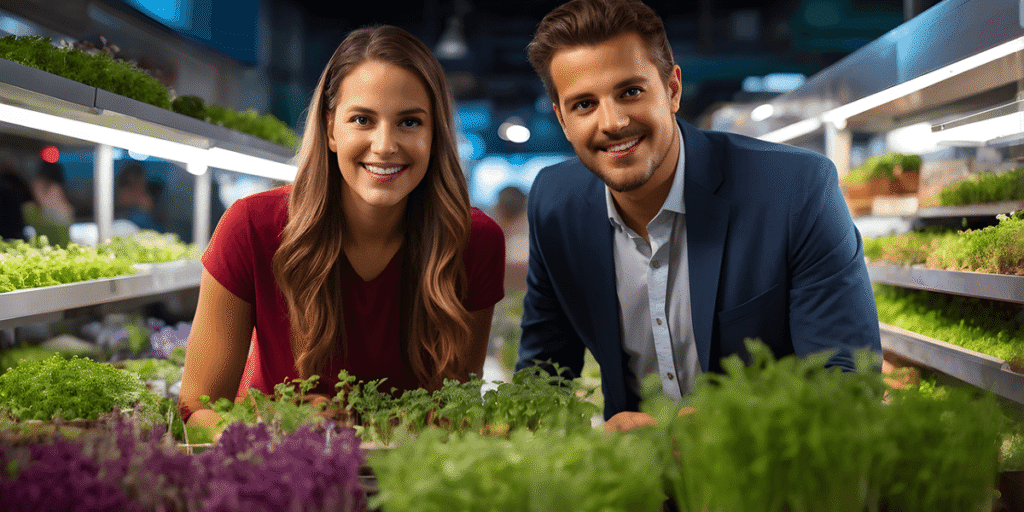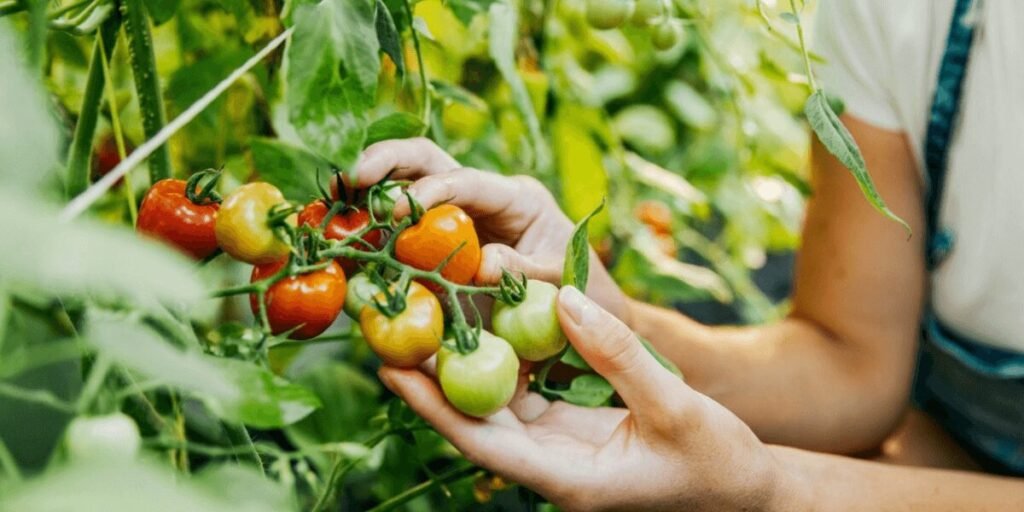
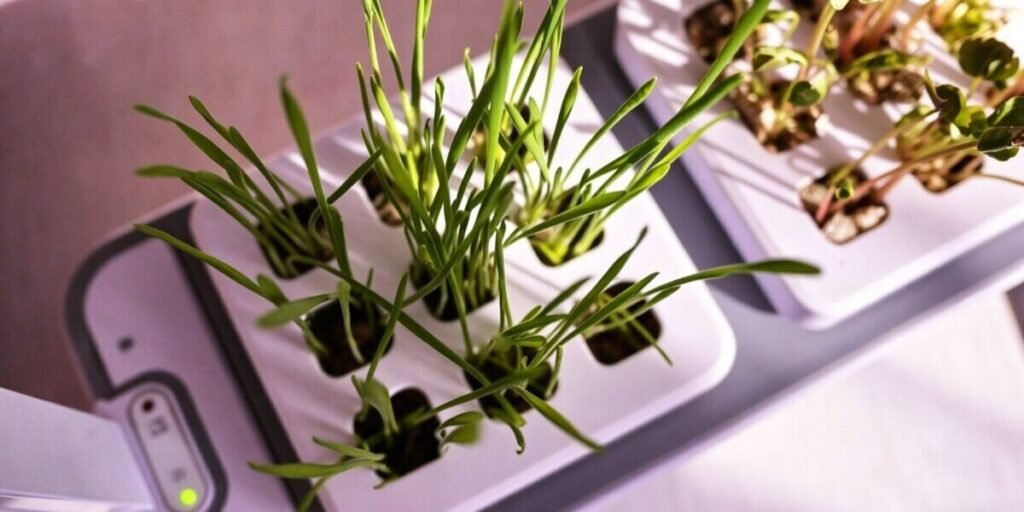

Hydroponics is a way of growing plants without using soil. Instead of soil, plants grow in water that contains the nutrients they need. Compared to traditional gardening, it feels cleaner, easier to manage, and much more suitable for indoor spaces. This makes it especially useful for anyone looking for Hydroponics for beginners and trying to understand the basics.
If you are just getting started with growing plants, hydroponics can be a great place to begin. You do not have to deal with messy soil, and you do not need much experience to get good results. In many cases, plants even grow faster than they would in soil, which makes the whole process more rewarding.
This guide is not meant to be a deep technical explanation. Think of it as your starting point. It will help you understand how hydroponics works and guide you toward the right beginner resources so you can get started with confidence.
What Is Hydroponics and Why Is Soilless Gardening Becoming Popular?
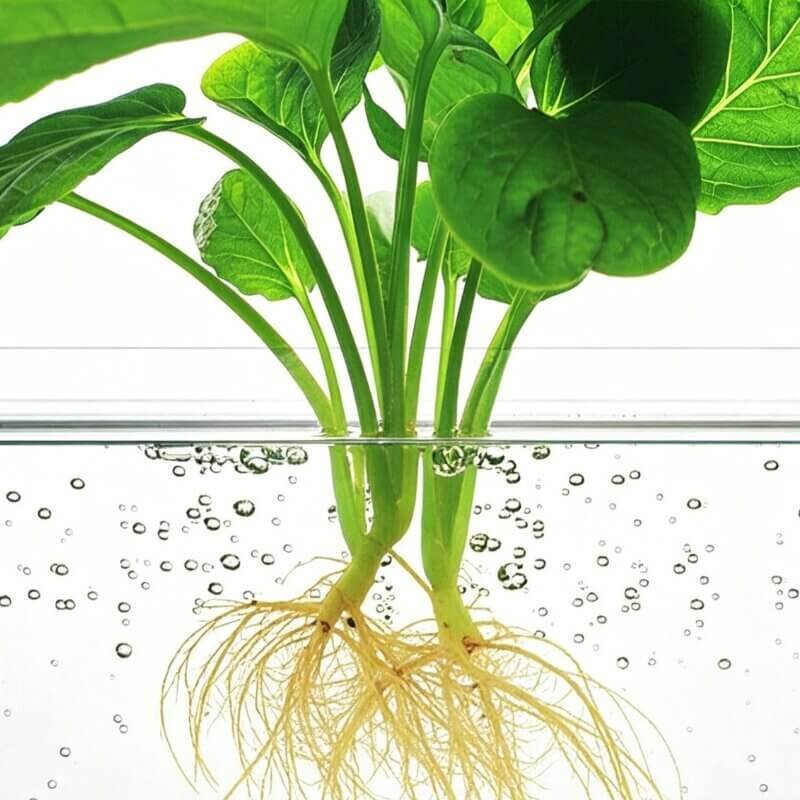
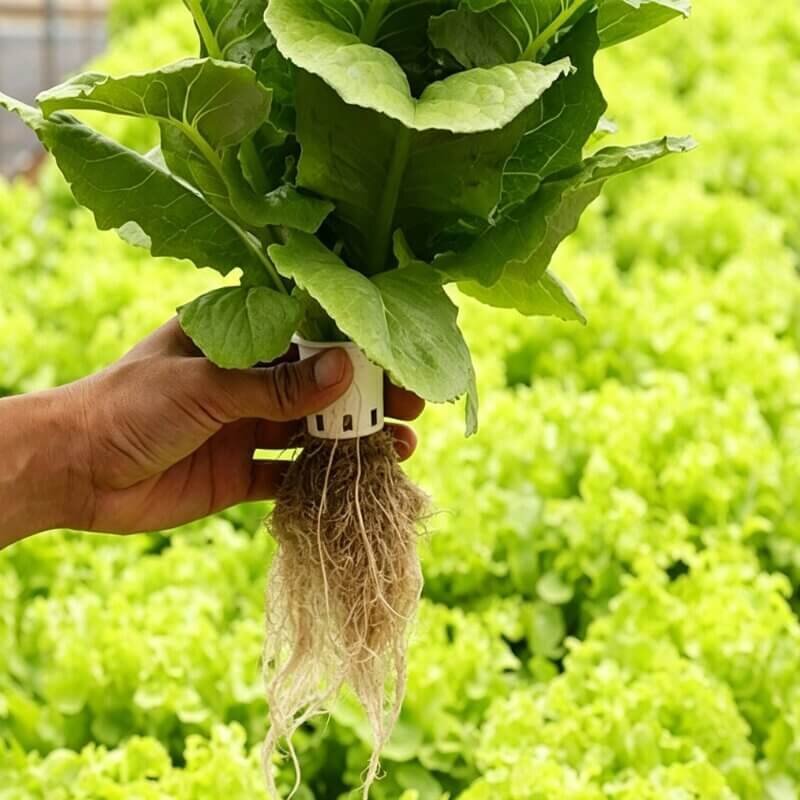
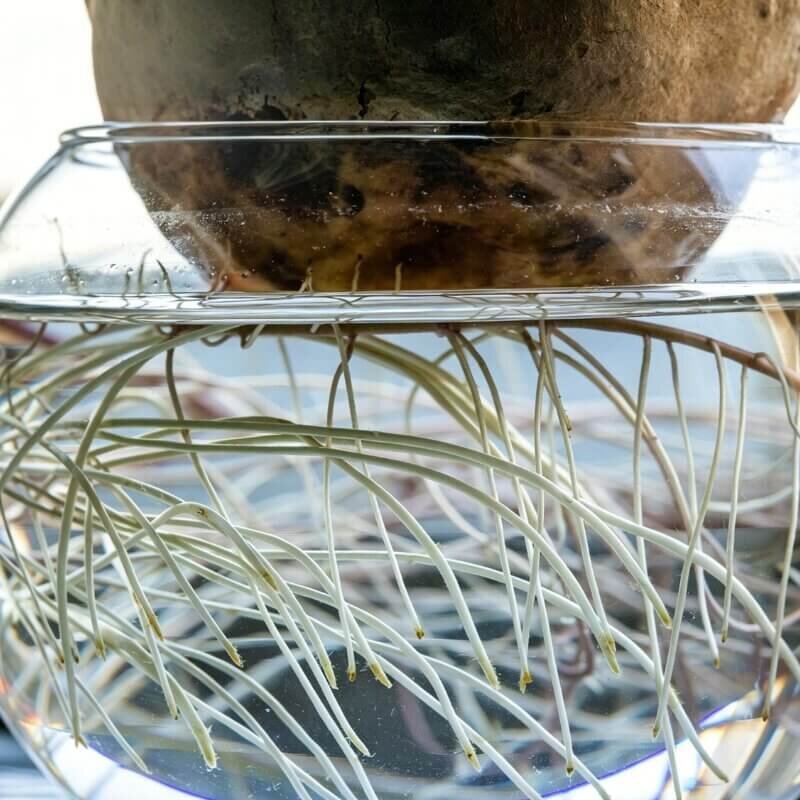
Hydroponics is a method of growing plants without soil. Instead of relying on dirt, plants grow in water that contains the nutrients they need to survive and grow.
At its core, plants do not actually need soil itself. What they really need is:
- Water
- Nutrients
- Oxygen around the roots
- Light for photosynthesis
In traditional gardening, soil mainly acts as a medium that stores and delivers water, nutrients, and oxygen to plants. Hydroponics replaces this process with a more direct and controlled system where nutrients are delivered through water.
In a hydroponic setup, nutrients are dissolved directly into the water and supplied straight to the roots. Oxygen is also added through air pumps, flowing water, or circulation systems to keep the root zone healthy.
Because plants no longer need to search through dense soil for resources, they can focus more energy on producing leaves, roots, flowers, and fruit. This often leads to faster and more consistent growth compared to traditional soil gardening.
Most hydroponic systems are designed for indoor or controlled environments where factors like light, temperature, humidity, nutrient levels, and water quality can be managed more easily.
This level of control makes hydroponics especially suitable for apartments, balconies, kitchens, greenhouses, and urban farming setups where space is limited but fresh food production is still possible.
Why Home Growers Are Switching to Soil-Free Farming
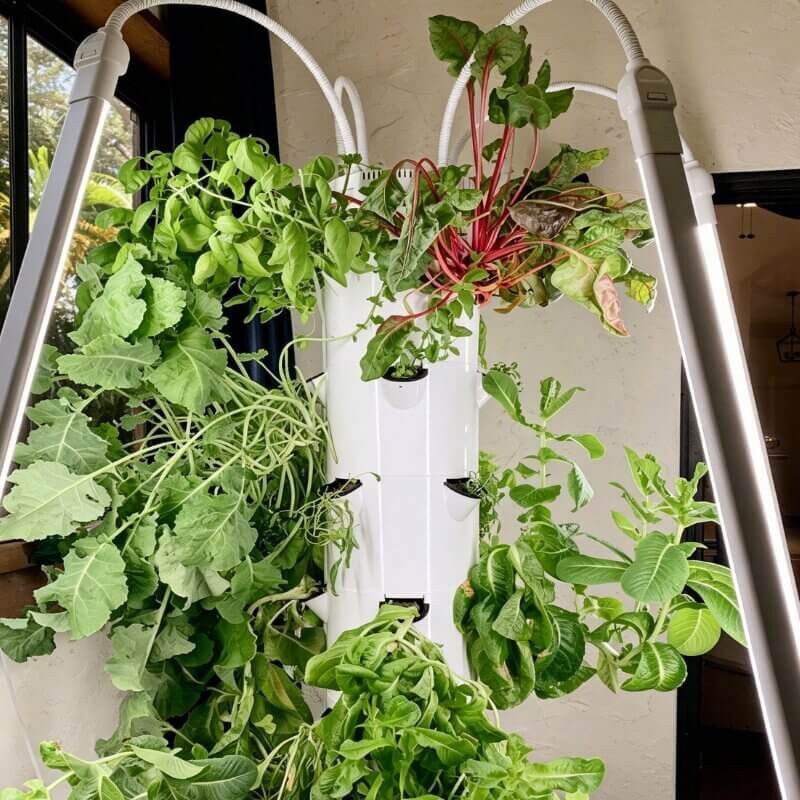
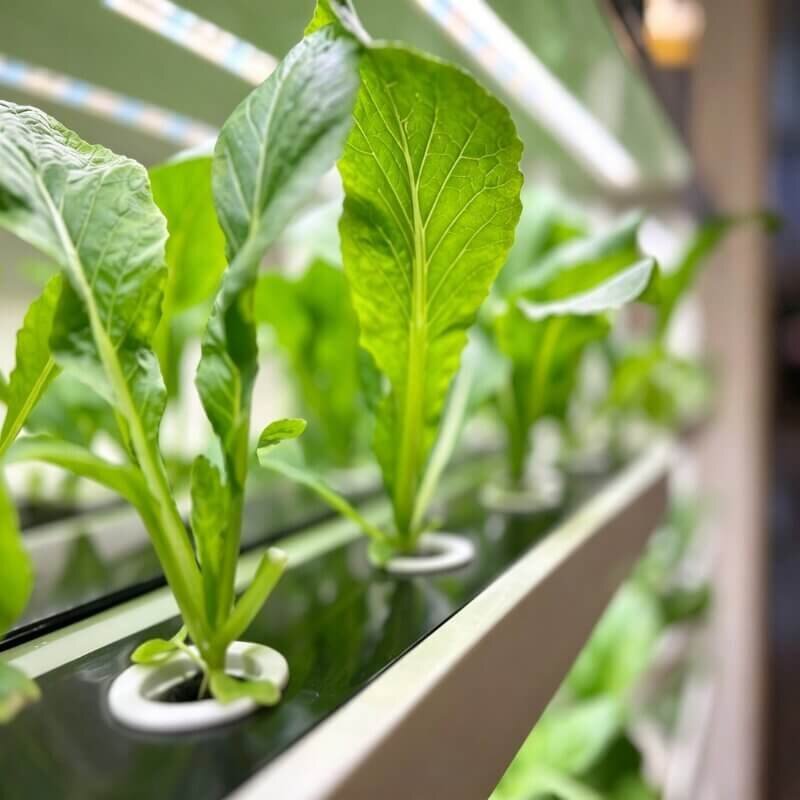
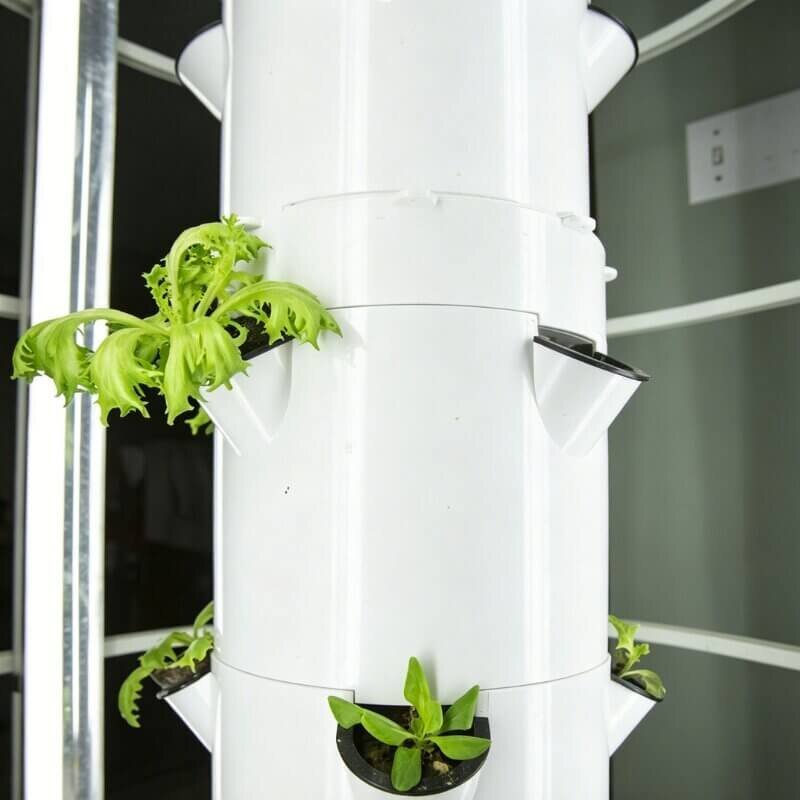
A basic hydroponic system is usually much simpler than most beginners expect. Instead of using soil, the system simply provides plants with water, nutrients, and oxygen in a controlled environment.
Most hydroponic setups use a water reservoir filled with nutrient solution, along with a pump or air stone to keep the water moving and oxygenated.
Although it may sound technical at first, the idea is actually very simple. The main goal is to keep water circulating so the roots stay healthy and continue receiving oxygen.
In hydroponics, plant roots sit directly in nutrient-rich water instead of soil. Since the nutrients are already dissolved in the solution, plants can absorb what they need more efficiently.
Because of this, many hydroponic plants grow faster and more consistently than soil-grown plants since they are not wasting energy searching through dense soil for water and nutrients.
Types of Hydroponic Systems for Beginners
Stepping into the world of hydroponics can feel like walking into a NASA lab. There’s a lot of gear, a lot of tech, and a lot of jargon. But once you strip away the flashy exterior, every system on the market is trying to do the exact same thing: deliver a perfect balance of water, nutrients, and oxygen to the roots without the resistance of soil.
If you’re staring at your empty balcony or kitchen counter wondering where to start, you don’t need to learn fifty different methods. You just need to understand these four.
1. Deep Water Culture (DWC) Hydroponic System for Beginners
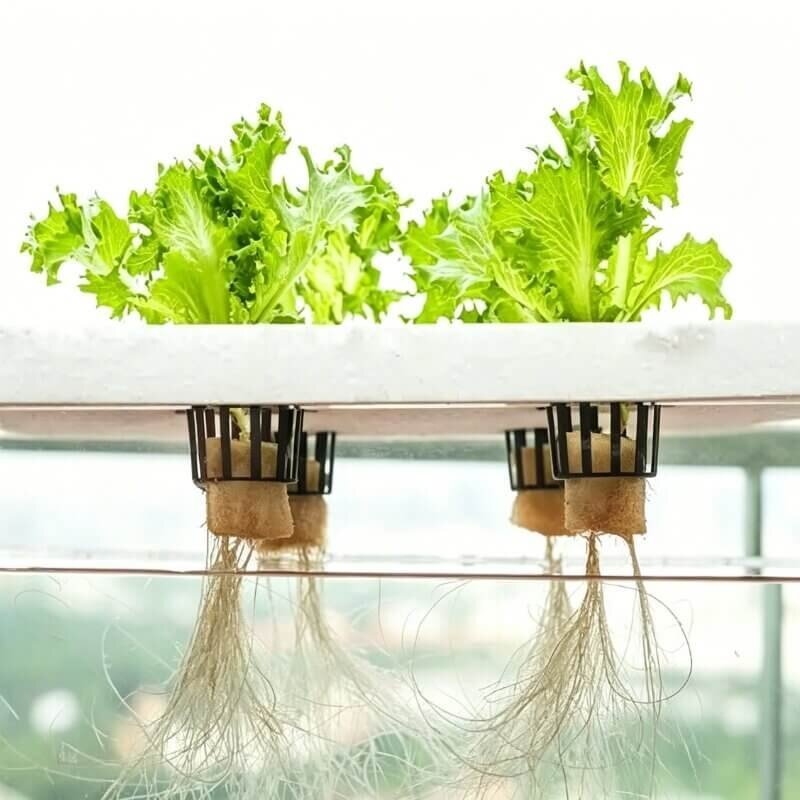
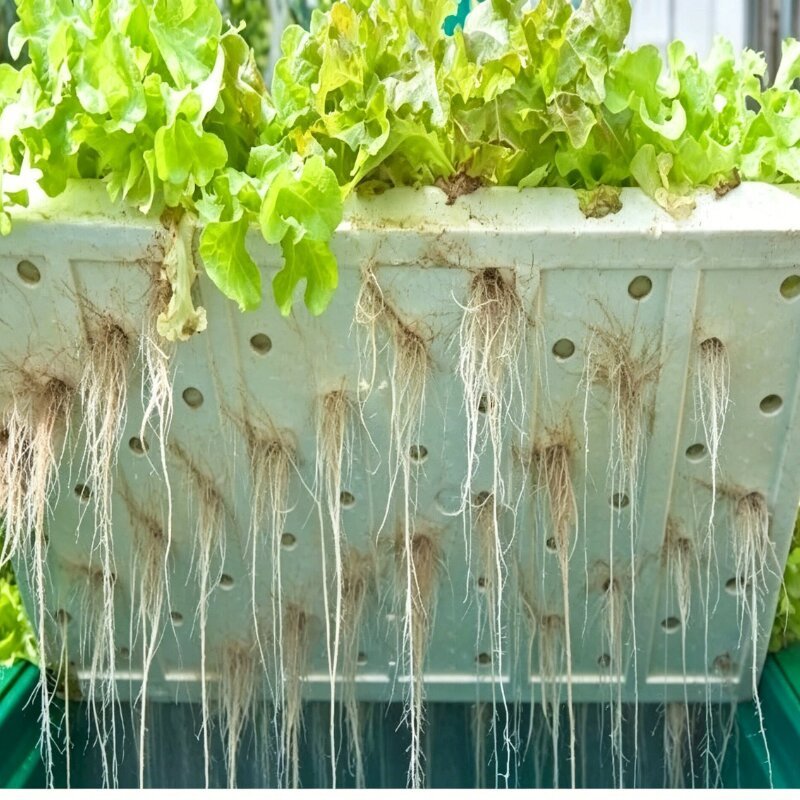
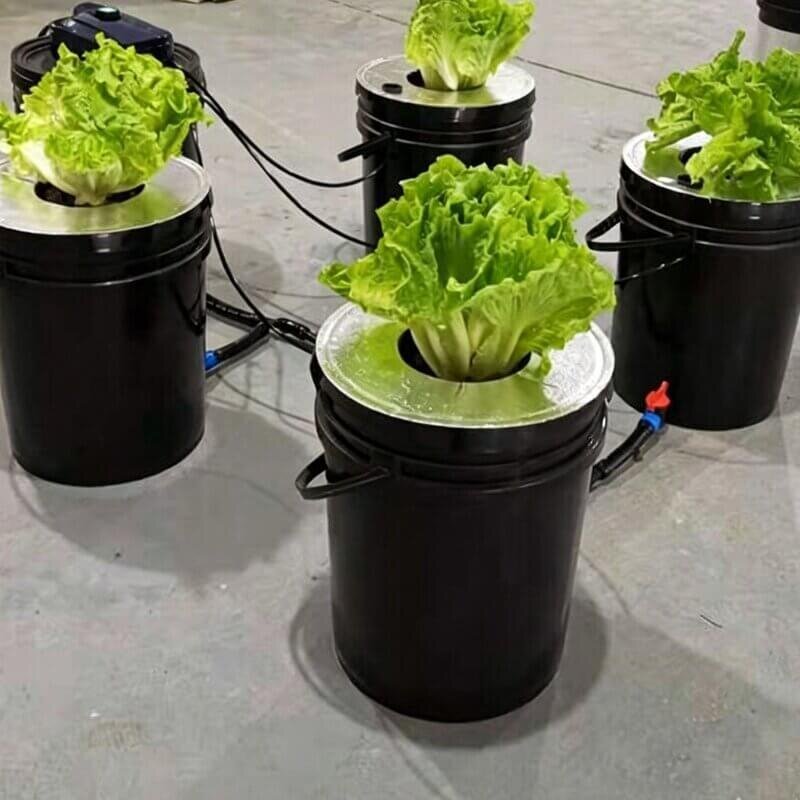
Deep Water Culture (DWC) is one of the most beginner-friendly hydroponic systems because of its simple structure and fast results. Plants are placed in net pots, and their roots sit directly in oxygenated nutrient water.
An air pump continuously supplies oxygen to the reservoir, which helps prevent the water from becoming stagnant. This combination allows crops like lettuce and basil to grow quickly and consistently, especially in stable indoor environments.
Most beginners like DWC because it is affordable and easy to assemble at home. However, it is important to keep an eye on water temperature, since warm water or poor aeration can quickly lead to root stress or slower growth.
2. Nutrient Film Technique (NFT) Hydroponic System for Leafy Greens
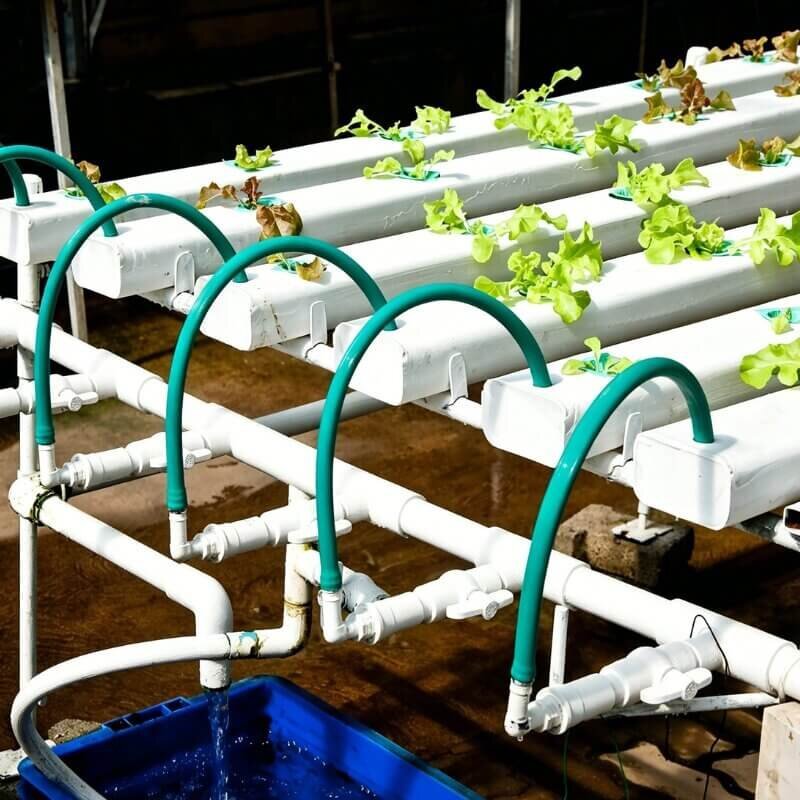
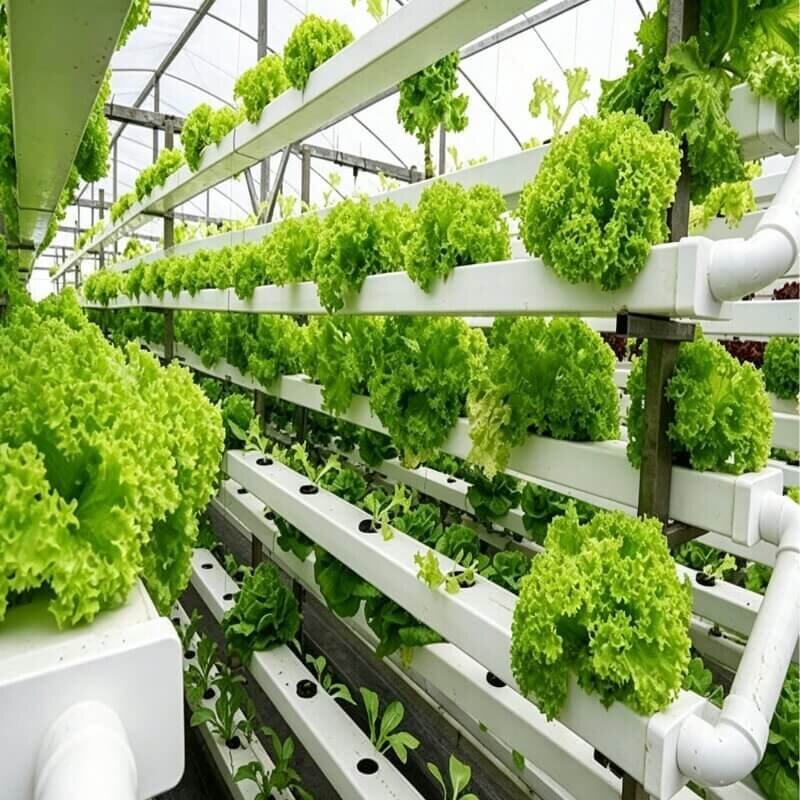
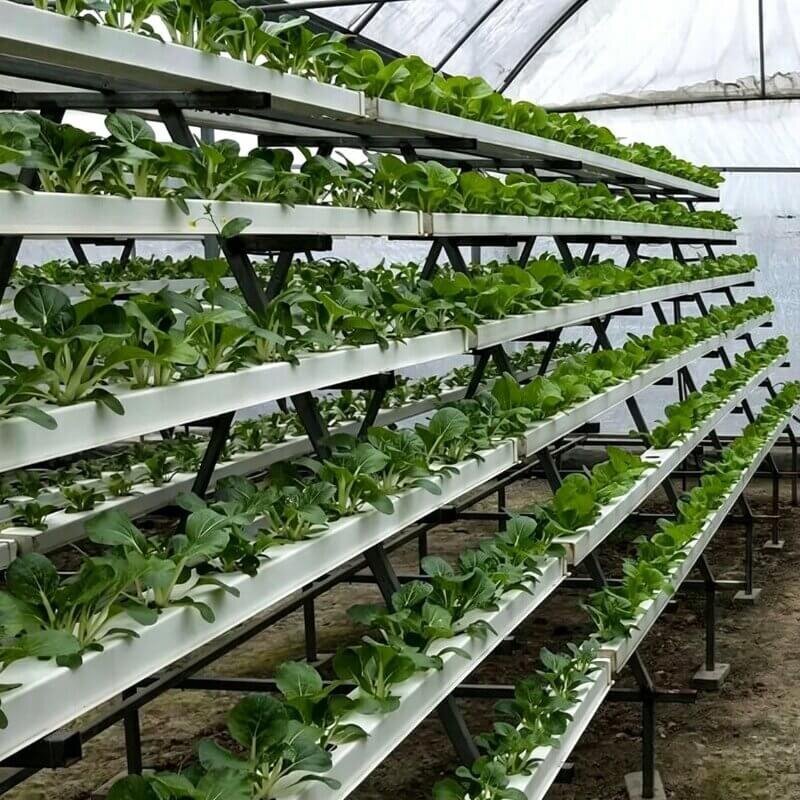
Nutrient Film Technique (NFT) works by letting a very thin layer of nutrient solution flow continuously through sloped channels. Plant roots grow inside the channel and absorb water, nutrients, and oxygen at the same time.
This system is especially effective for fast-growing leafy greens such as lettuce, spinach, basil, and arugula. Because the roots are never fully submerged, oxygen levels stay high, which supports fast and clean growth.
NFT is widely used in commercial hydroponic farms due to its efficiency and scalability. However, it is less forgiving than other systems, if the pump fails or the flow is blocked, plants can dry out quickly and suffer stress in a short time.
3. Vertical Hydroponic Tower Systems for Small Indoor Spaces
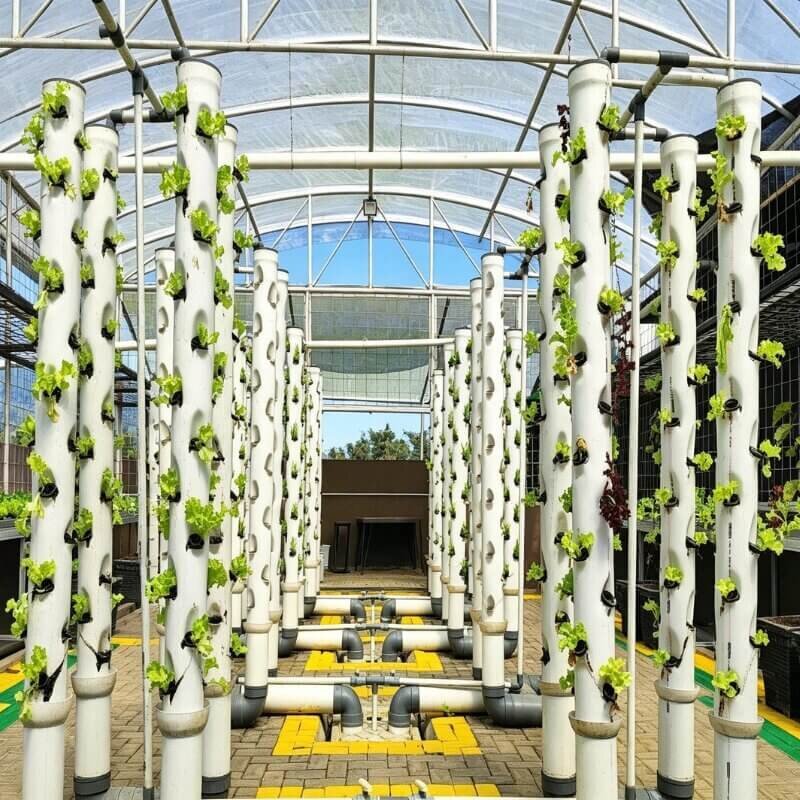
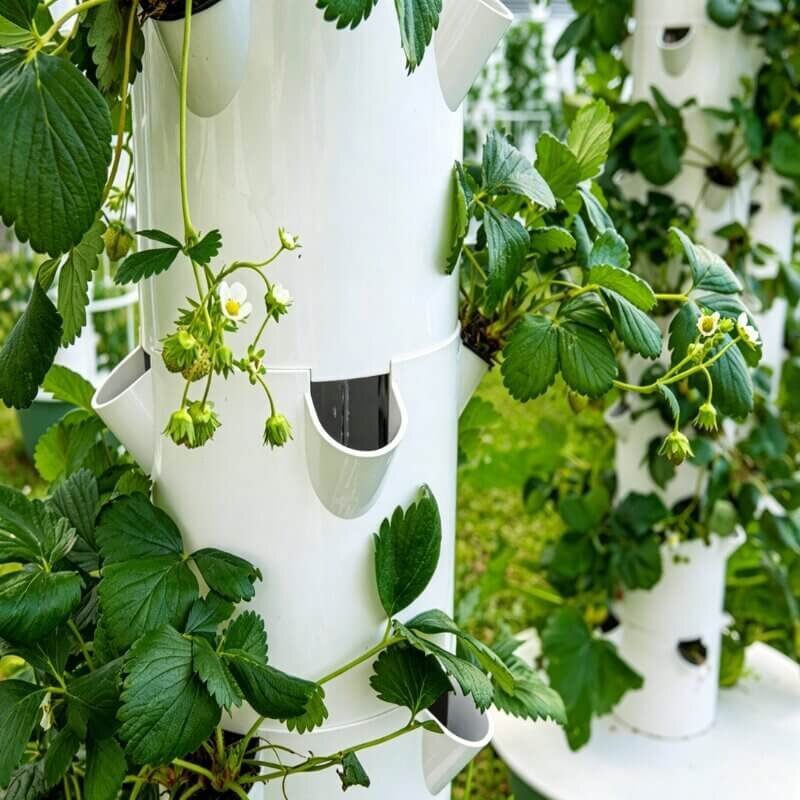
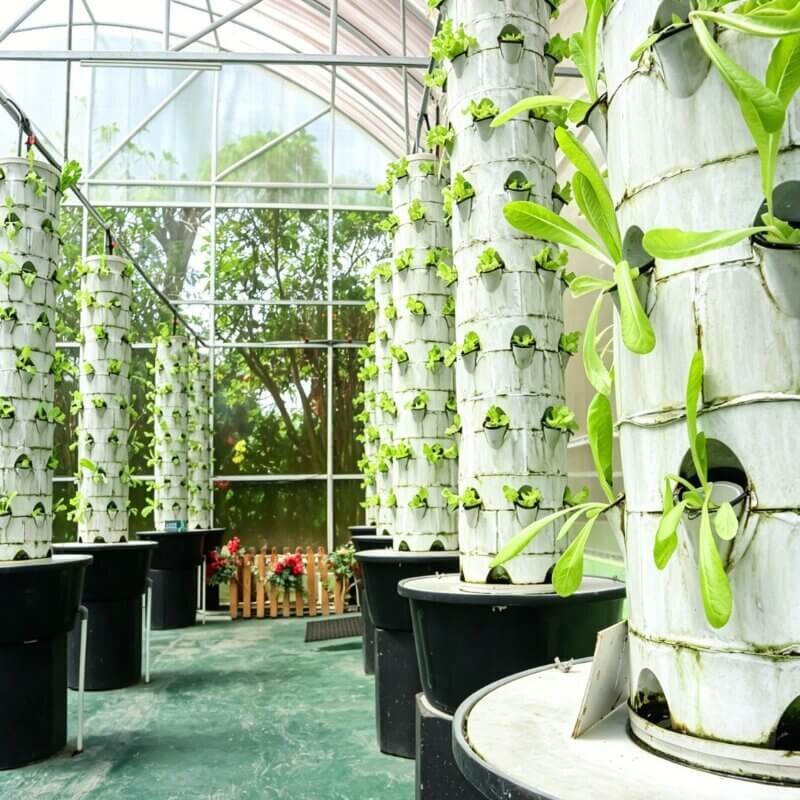
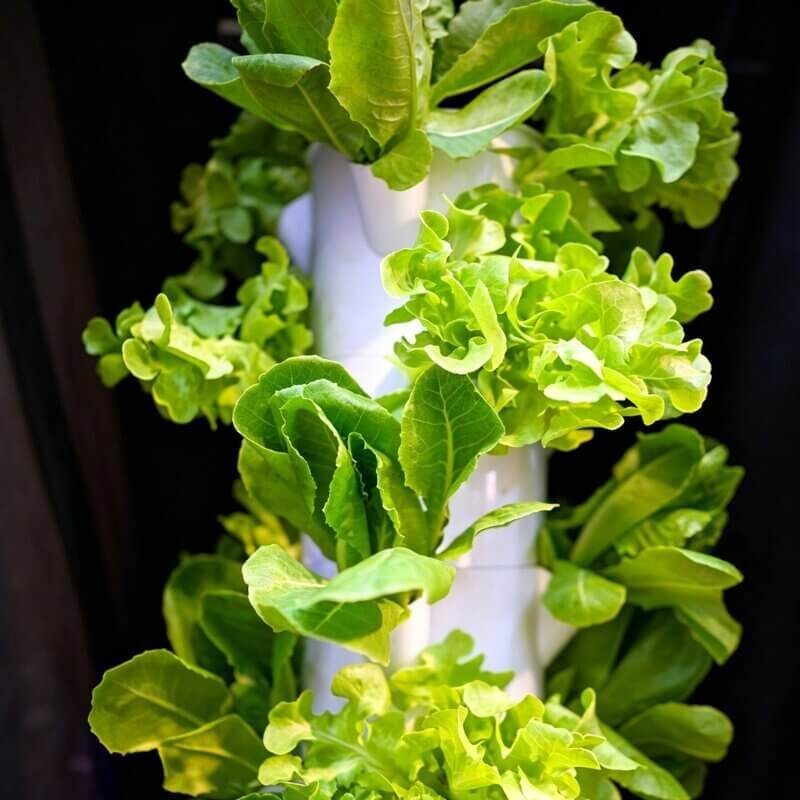
Hydroponic towers are vertical growing systems designed to maximize space efficiency. Instead of spreading horizontally, plants grow upward in stacked layers.
Nutrient water is pumped to the top of the tower and flows downward through each planting site before returning to the reservoir. This continuous cycle allows multiple plants to grow in a very small footprint, making it ideal for apartments, balconies, and indoor gardens.
Towers are commonly used for crops like lettuce, mint, basil, spinach, and sometimes strawberries. They are also visually appealing, which makes them popular in modern urban gardening setups and commercial display systems.
4. Ebb and Flow Hydroponic System for Home Gardening
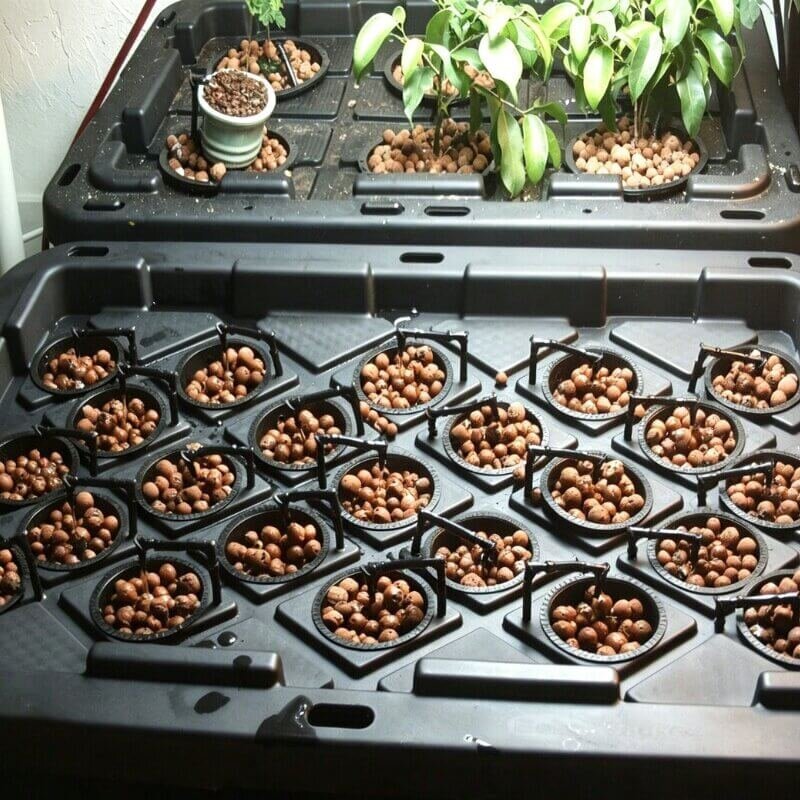
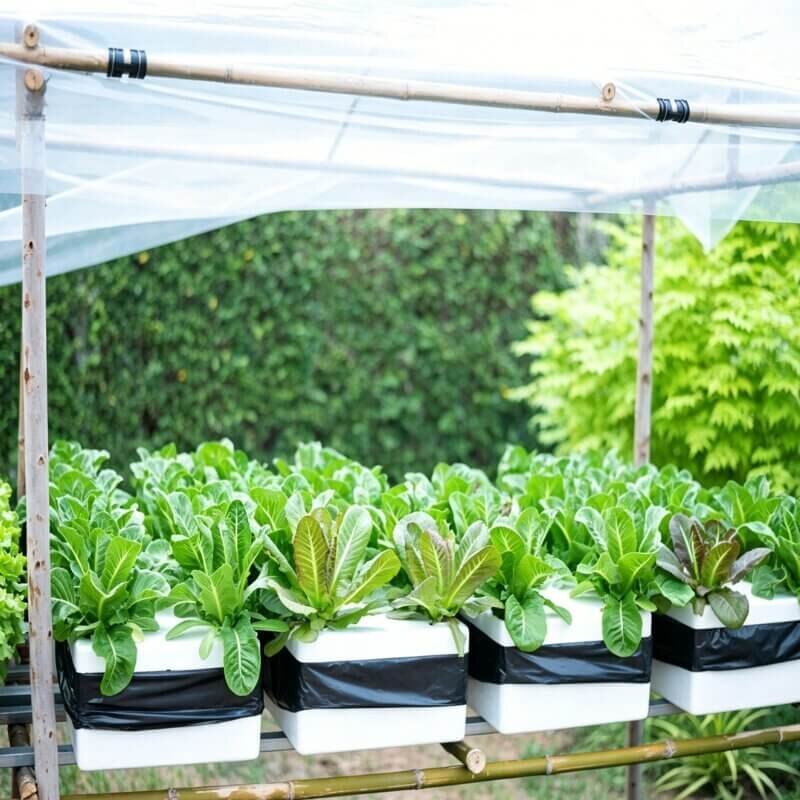
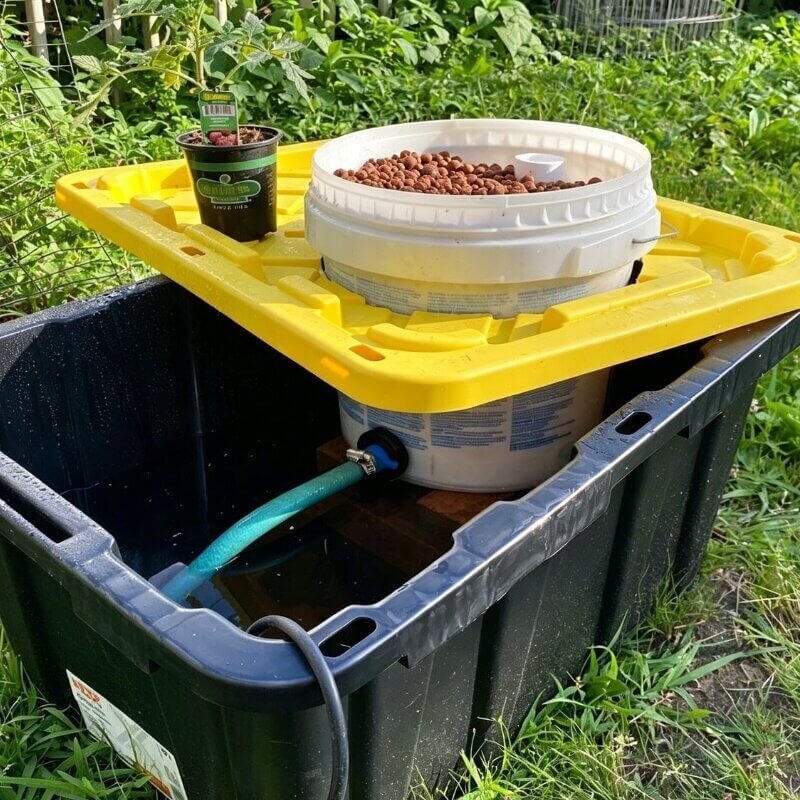
Ebb and flow systems, also known as flood and drain systems, work by periodically flooding the root zone with nutrient solution and then draining it back into a reservoir. This cycle repeats several times a day using a timer.
During the flooding phase, roots absorb nutrients, and during the draining phase, they receive oxygen. This balance creates strong root development and supports a wide range of growing media such as clay pebbles, coco coir, or rockwool.
These systems are often used for larger plants like tomatoes, cucumbers, and peppers because they can support heavier nutrient demands. However, timing is critical, if the cycle is not properly set, plants may experience stress from either overwatering or dehydration.
5. Wick System Hydroponics for Low-Maintenance Growing
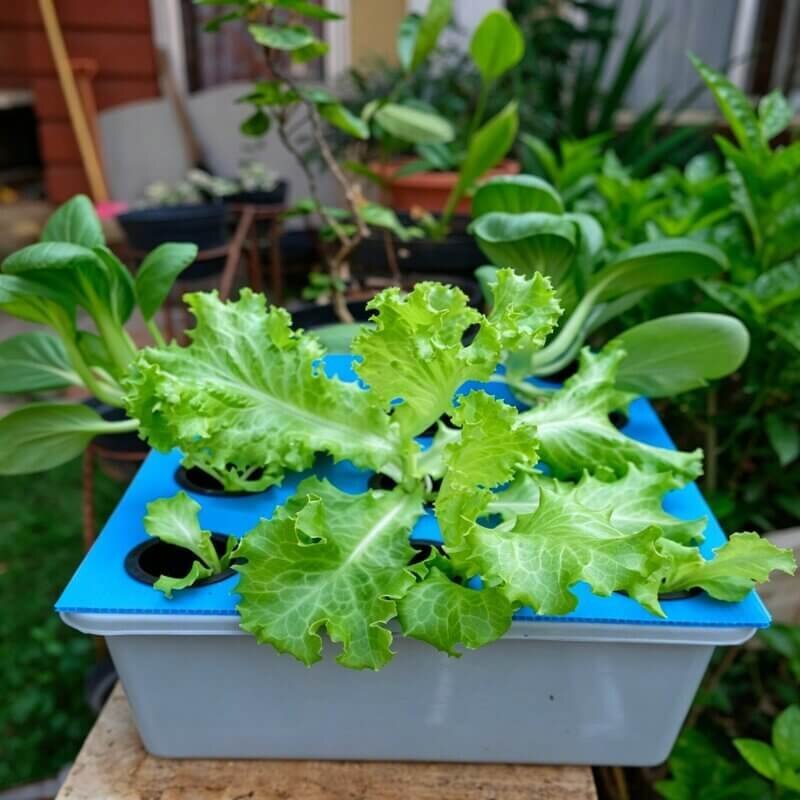
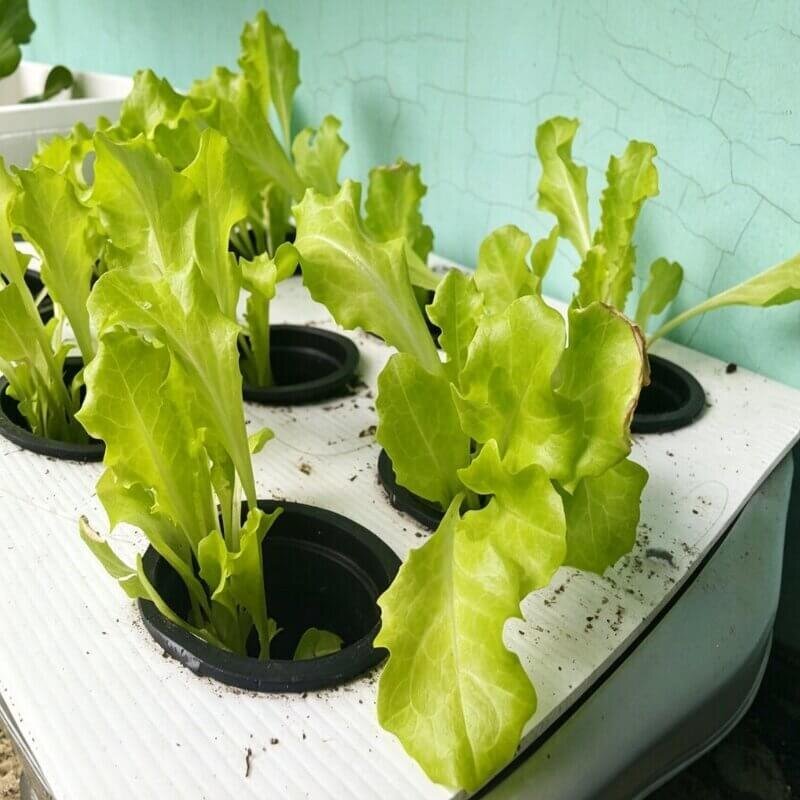
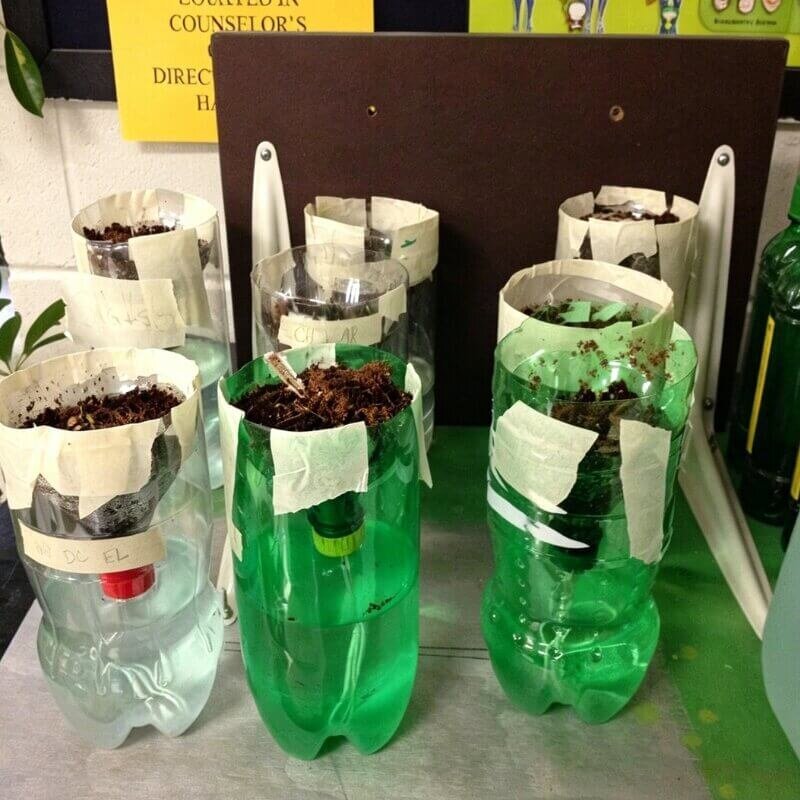
Wick systems are one of the simplest hydroponic methods because they do not require electricity, pumps, or timers. Instead, nutrient solution is drawn up slowly through absorbent wicks into the growing medium.
This passive movement keeps the root zone consistently moist, making it suitable for small plants such as herbs, lettuce, basil, mint, and microgreens. It is often chosen by beginners who want a low-maintenance setup.
However, wick systems are limited in performance. They cannot deliver enough water and nutrients for large or fast-growing crops like tomatoes or cucumbers. Even in simple setups, maintaining clean water and stable moisture levels is still important for healthy plant growth.
6. Kratky Passive Hydroponic System Without Pumps
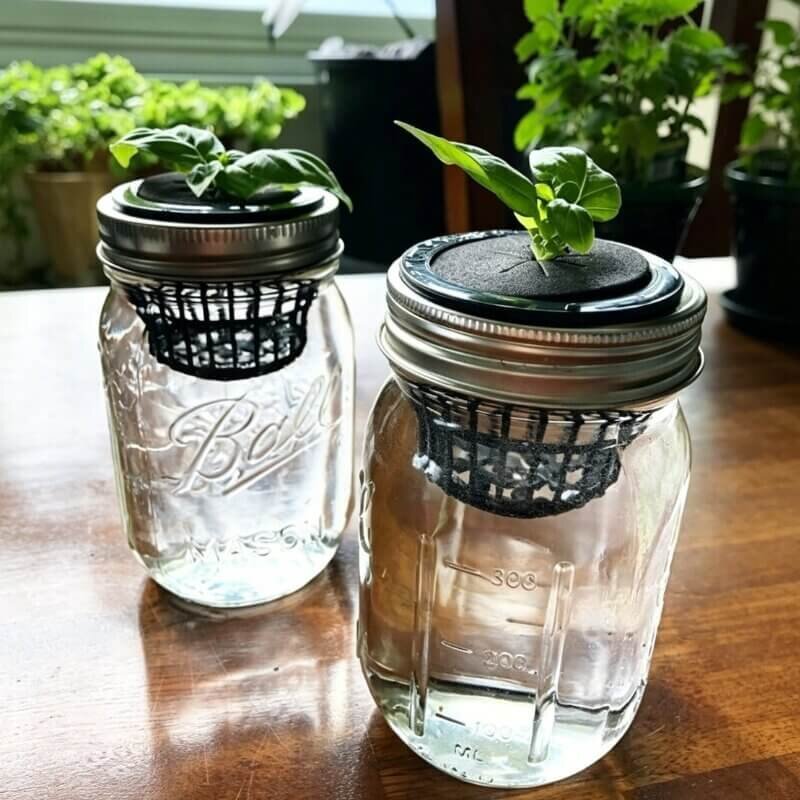
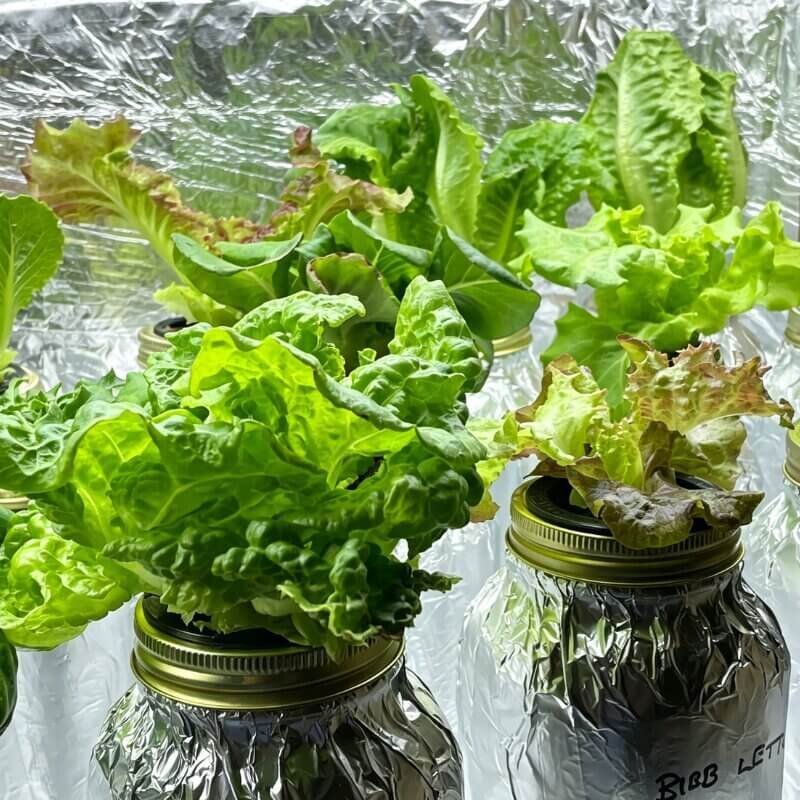
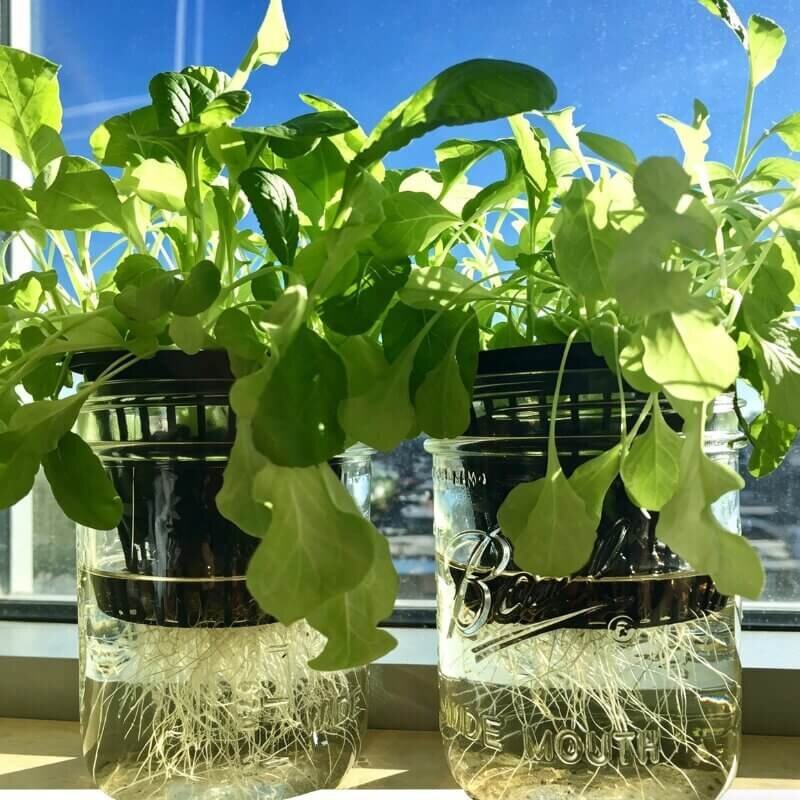
The Kratky method is a simple passive hydroponic system that does not require electricity, pumps, or water circulation. Plants are usually placed in net pots or foam boards above a container filled with nutrient solution, with their roots initially fully submerged in the water.
As the plant grows and consumes water, the nutrient level gradually drops. This naturally creates an air gap above the water line, allowing roots to access oxygen without any mechanical aeration. This balance between water and air supports steady plant growth in a completely non-circulating system.
The Kratky method is especially suitable for leafy greens such as lettuce, basil, and mint because it is low-cost, easy to set up, and requires almost no maintenance. For beginners, it is one of the most straightforward ways to understand the basics of hydroponic growing.
However, the system has limitations. It does not allow active water management or circulation, and it is not ideal for large or long-cycle crops that require higher nutrient and water demand. Proper container size and water level planning are still important for achieving stable results throughout the growth cycle.
Best Plants for Indoor Hydroponic Gardening Beginners
When starting hydroponics for the first time, it is usually better to grow plants that are fast-growing, low-maintenance, and forgiving of small mistakes. Getting an early success makes the learning process much more enjoyable and helps beginners build confidence before moving on to larger fruiting plants.
1. Lettuce for Fast Indoor Hydroponic Growth
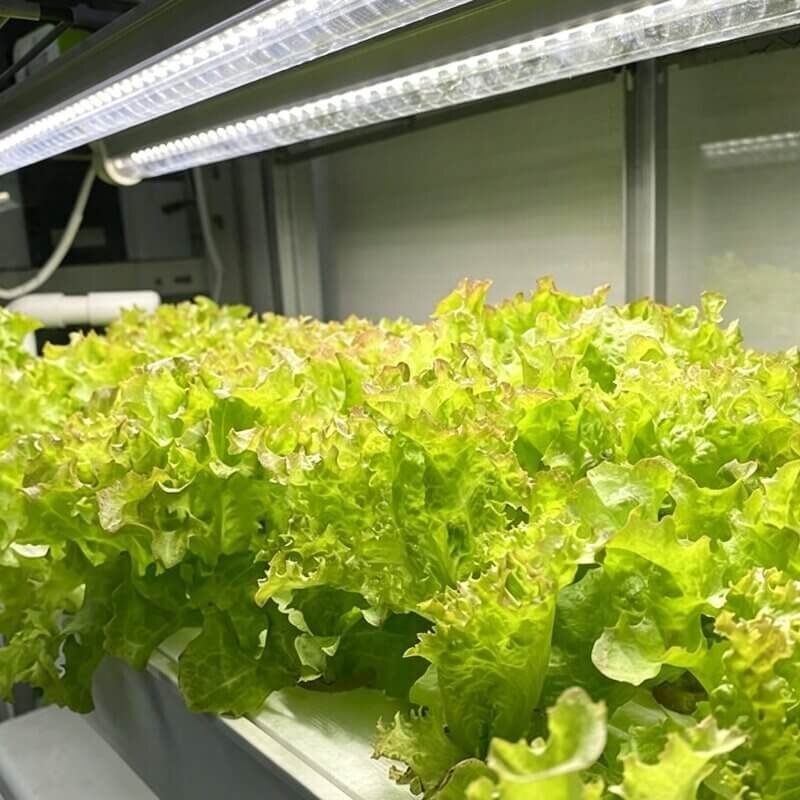
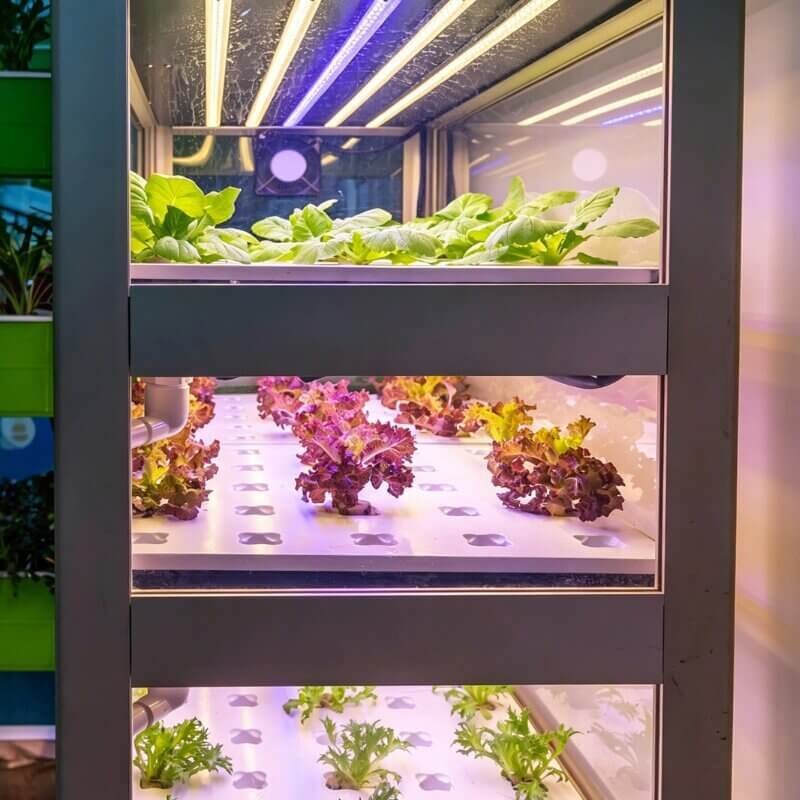
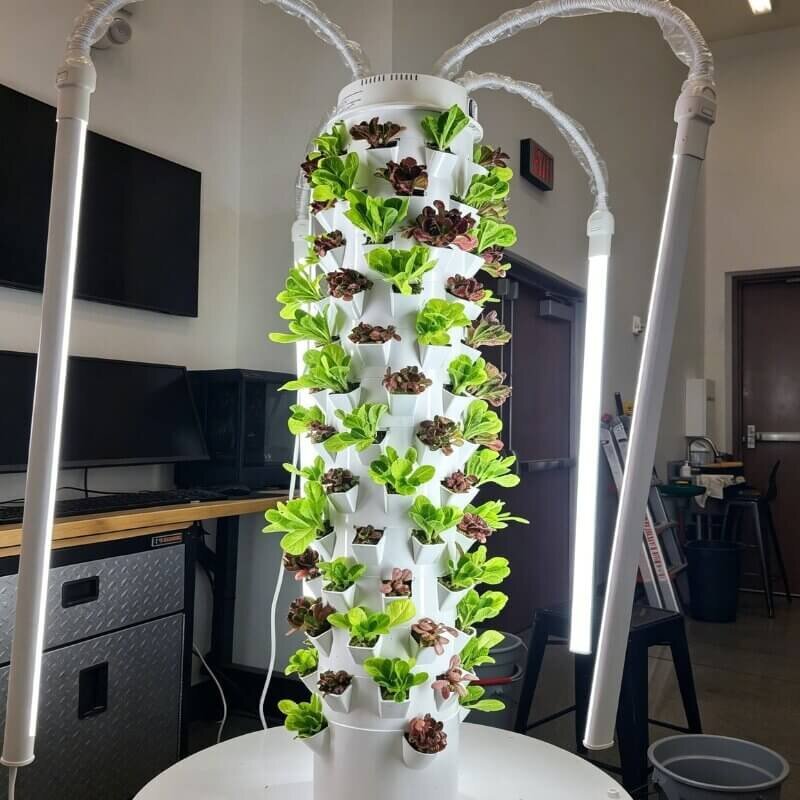
Lettuce is widely considered one of the best plants for hydroponic beginners. It grows fast and adapts easily to most systems. It also needs less maintenance compared to larger fruiting crops. This is why many people start with it. It gives quick visible results under good lighting and stable nutrients. You can often harvest outer leaves within just a few weeks.
It works well in systems like DWC, NFT, hydroponic towers, or Kratky. It has a shallow root system and simple nutrient needs. This makes it forgiving when beginners make small mistakes with pH or feeding strength. It also does not need strong lighting, so basic LED grow lights are usually enough for healthy indoor growth.
There are many varieties like romaine, butterhead, loose leaf, and crisphead. You can mix them to make a small setup more interesting. The main thing to watch is temperature. Lettuce prefers cooler conditions. If it gets too warm, it can bolt or turn bitter. Keeping airflow and temperature stable makes a big difference in quality.
2. Basil for Indoor Hydroponic Herb Gardens
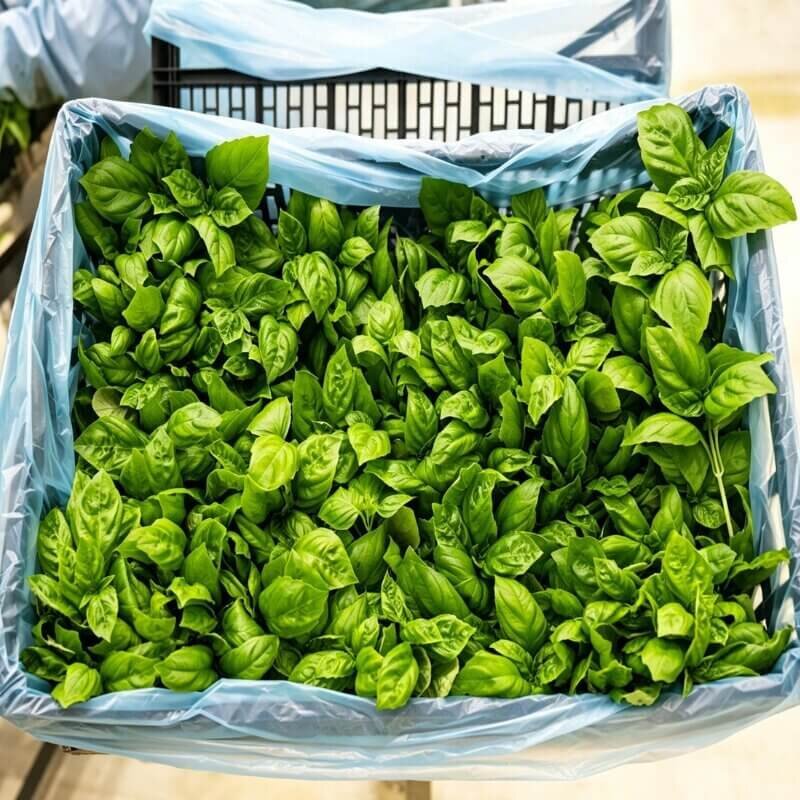
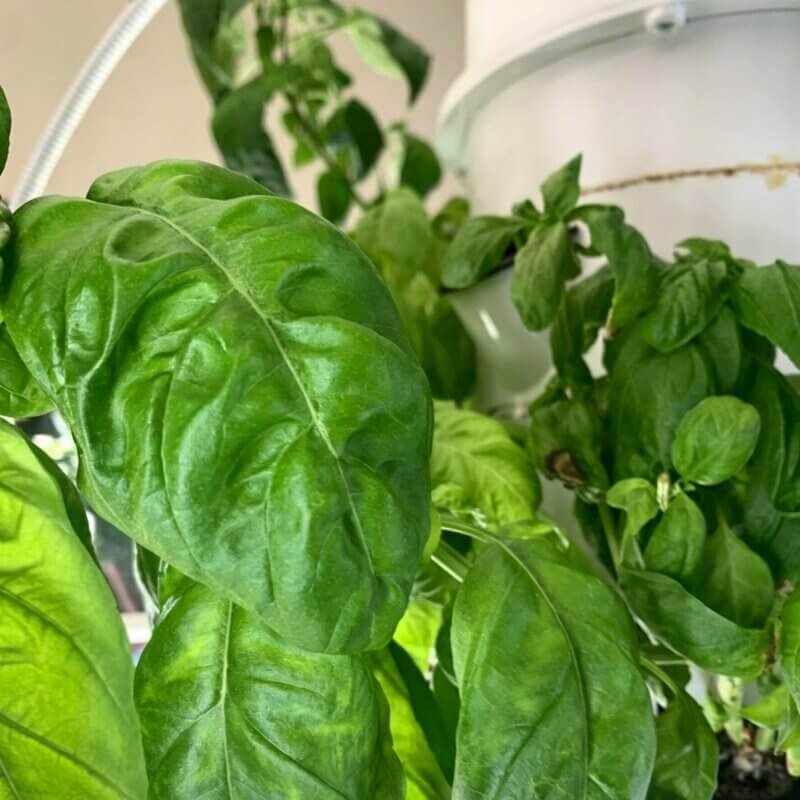
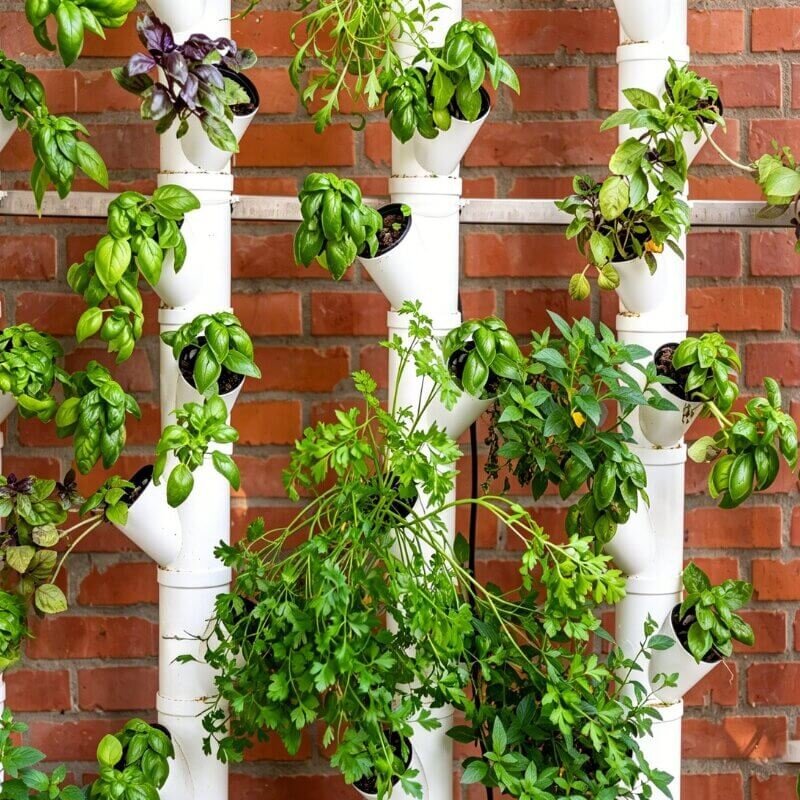
Basil is one of the most popular hydroponic herbs. It grows fast and smells great. It also responds clearly to consistent light, water, and nutrients. In hydroponics, it often produces larger and more frequent harvests than in soil. That is why many beginners like it. It gives quick feedback on how the system is performing. Even small changes in lighting, nutrients, or water quality can show up quickly through leaf color, growth speed, or curling. This makes it a very useful plant for learning hydroponics in practice.
It grows best in warm conditions with plenty of light and good airflow. Under the right setup, it can produce for months with regular pruning. Pruning encourages bushier growth and prevents early flowering. This is also why it is often grown in kitchens, small indoor gardens, and apartments where fresh leaves are used frequently for cooking. It works well in most hydroponic systems like DWC, NFT, towers, or Kratky. However, it still needs stable conditions because it is sensitive to cold and poor airflow, which can increase the risk of weak growth or fungal issues over time.
3. Mint and Spinach for Easy Hydroponic Gardening
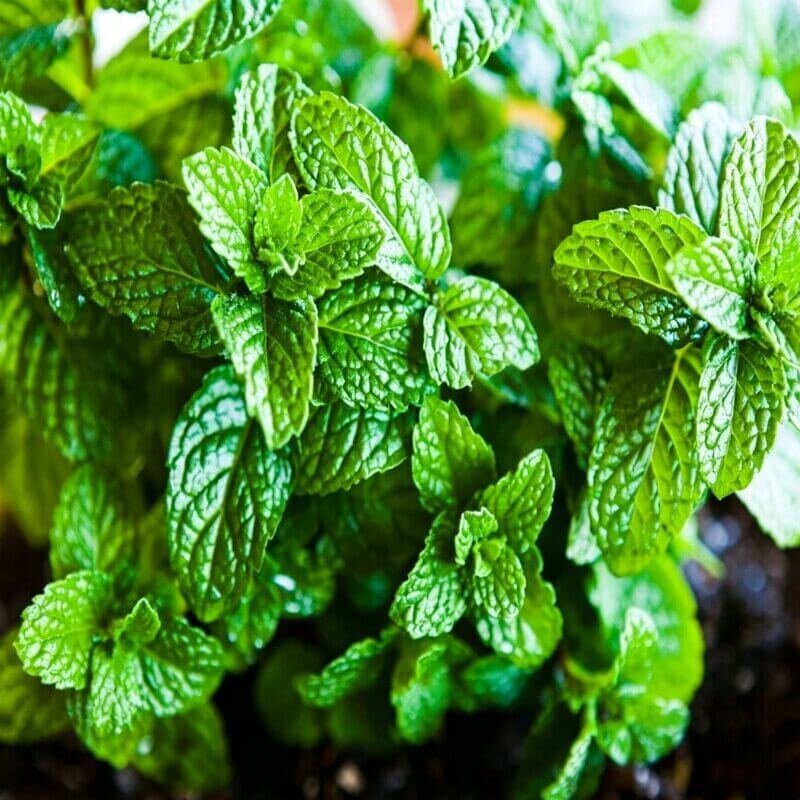
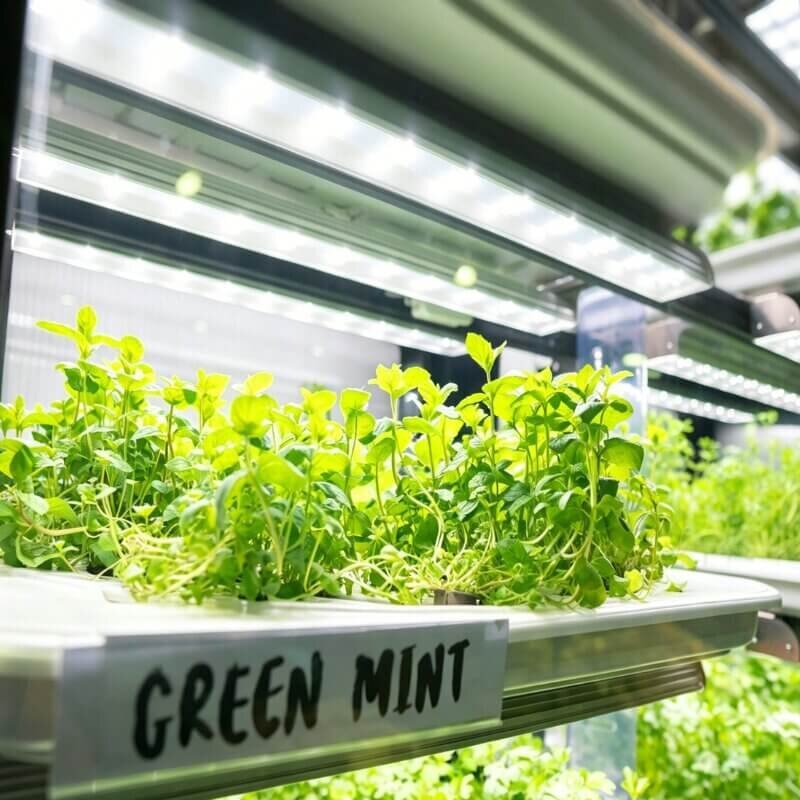
Mint is one of the most vigorous and beginner friendly herbs in hydroponics. It adapts to many conditions and grows fast. It also recovers quickly even when small mistakes are made with watering or nutrients. Many people are surprised by how fast a small cutting can turn into a full leafy plant under stable light and moisture. It often produces continuous harvests with very little effort.
It works well in systems like DWC, wick setups, hydroponic towers, or small indoor containers because it naturally likes moisture. The leaves are useful for tea, drinks, desserts, and cooking. The main thing to be careful about is its aggressive growth. Mint spreads quickly and can take over space or compete with other plants. That is why many growers keep it in a separate container and trim it regularly, since it responds well and keeps producing fresh growth after each harvest.
4. Green Onions and Kitchen Herbs for Countertop Hydroponics
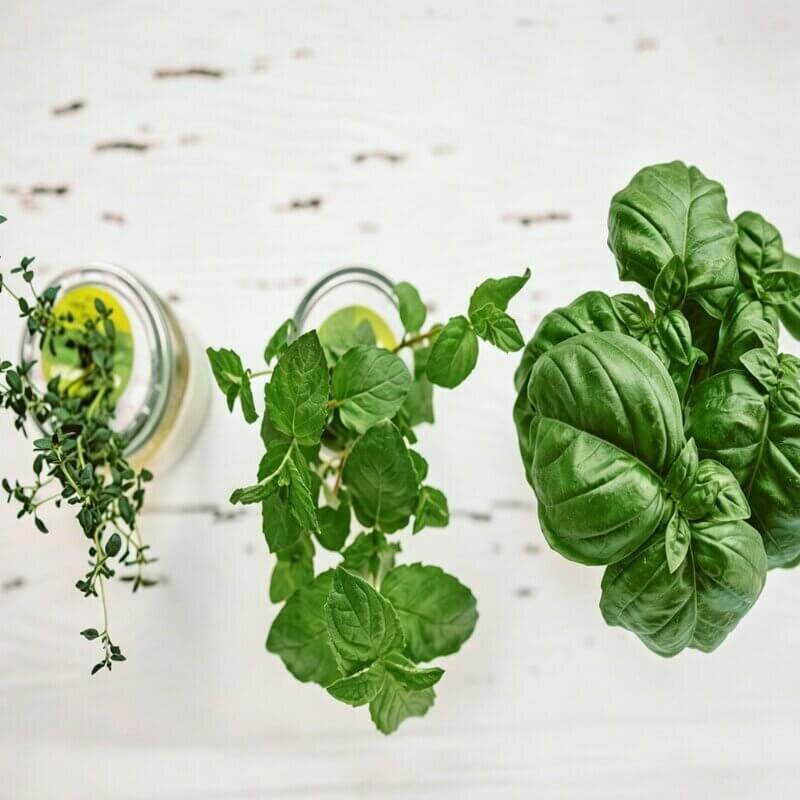
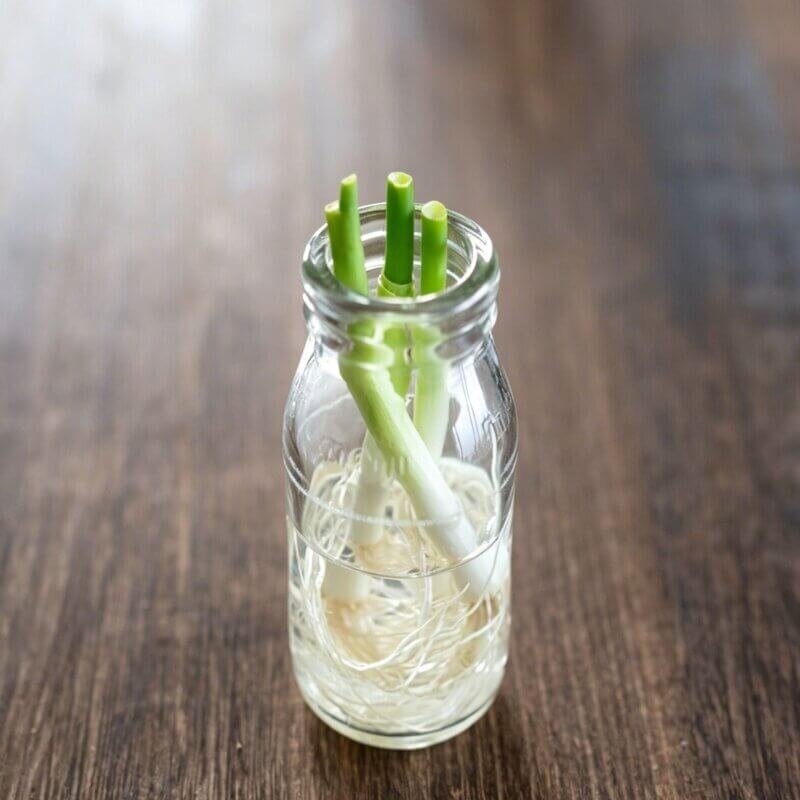
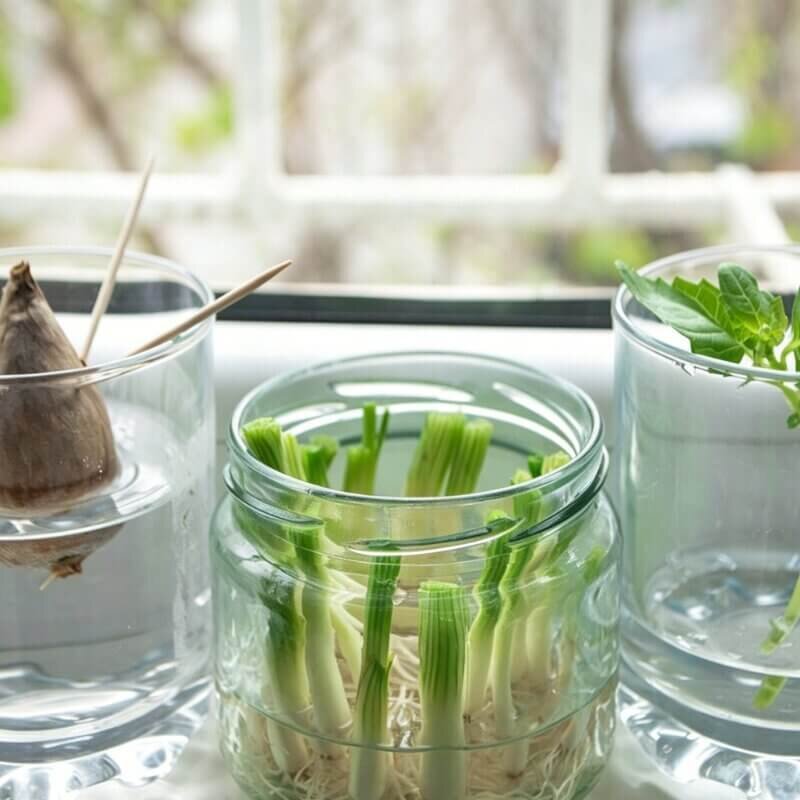
Green onions, parsley, chives, cilantro, and similar small herbs are great starter plants for hydroponics. They do not need much space. They are also easy to keep alive. This makes them perfect for small indoor setups like kitchen counters, apartments, or simple hydroponic systems. Many people like them because they can harvest fresh herbs regularly without needing a large or complicated garden.
Green onions are especially beginner friendly. They regrow quickly after cutting. They can also handle a wide range of conditions. Parsley and chives grow steadily and give repeated harvests over time. These herbs do not need heavy feeding or complex care. They help beginners learn the basics like water level, root health, lighting, and nutrients in a simple way. After that, it becomes easier to move on to more demanding crops like tomatoes, peppers, or cucumbers.
Easy Hydroponic Crops for Small Space Gardening
Once your first few plants start growing successfully, hydroponics usually starts to feel much less intimidating.
At that point, many beginners naturally begin trying new plant varieties and expanding their indoor garden little by little. You also start understanding how light, nutrients, airflow, and temperature affect different crops in real growing conditions.
After lettuce and herbs, many growers move on to plants like spinach, kale, bok choy, strawberries, or small peppers to gain more growing experience.
If you are looking for more beginner-friendly crop ideas, you can also explore our guide on “12 Easy Hydroponic Plants for Beginners” to discover simple plants that grow well indoors.
The most important thing in the beginning is not to overthink everything too much. Once you start growing real plants and watching them respond day by day, hydroponics becomes much easier to understand naturally.
Common Hydroponic Mistakes Beginners Should Avoid
When people first start hydroponics, small mistakes are almost unavoidable. Problems with pH, nutrients, lighting, or oxygen levels happen to nearly every beginner at some point.
Fortunately, hydroponic plants usually respond very quickly to changes in their environment. Once you begin understanding what the plants are telling you, most common issues become much easier to fix.
1. pH Imbalance in Hydroponic Nutrient Solutions
One of the most common mistakes in hydroponics is ignoring pH levels or checking them only occasionally. Even when the nutrient solution looks perfectly normal, plants can still struggle to absorb nutrients properly if the pH moves outside the ideal range. This often leads to slow growth, yellowing leaves, weak development, or nutrient deficiencies that beginners may not immediately recognize.
For most hydroponic plants, a pH range between 5.5 and 6.5 usually works well, especially for leafy greens that prefer staying near the middle of that range. The difficult part is that pH can shift surprisingly quickly in smaller reservoirs due to factors like plant uptake, evaporation, water quality, temperature changes, or nutrient mixing. Because hydroponic plants depend entirely on the nutrient solution, many growers make regular pH checks part of their routine to keep small issues from turning into larger problems later on.
2. Overfeeding Plants with Hydroponic Nutrients
Another very common beginner mistake is assuming that stronger nutrient solutions will automatically produce faster growth. In reality, too much nutrients can stress plants, slow their development, and even damage the roots over time. When nutrient concentration becomes too high, plants struggle to absorb water properly due to osmotic stress. Instead of growing faster, they may begin showing signs of nutrient burn such as brown leaf tips, curled leaves, dark foliage, salt buildup, or generally reduced growth. In more serious situations, excessive feeding can also weaken root health and make plants more vulnerable to disease.
Because of this, many growers get better long-term results by starting with a lighter nutrient mix and gradually increasing strength as plants mature. Seedlings and young plants usually require far less feeding than larger fruiting crops like tomatoes or cucumbers. Different plants also respond differently to nutrients, which is why experienced growers often focus more on observing leaf color, root condition, and overall growth patterns instead of trying to force faster growth with stronger nutrient concentrations.
3. Incorrect LED Grow Light Distance for Hydroponics
Lighting problems are one of the most common challenges for indoor hydroponic beginners. Even high-quality grow lights can produce poor results if they are placed at the wrong distance from the plants. Lights that are too far away often cause plants to stretch and become thin or weak as they search for more light, a problem commonly known as legginess that appears frequently in seedlings and leafy greens. On the other hand, lights that are too close can create excessive heat or intensity, which may lead to curling leaves, bleaching, dry edges, or general light stress.
Finding the right lighting distance usually depends on several factors, including the type of grow light, power level, plant variety, and growth stage. Seedlings generally prefer softer light, while mature plants can handle stronger intensity. Because of this, many growers gradually adjust the light height as plants develop in order to maintain even canopy coverage. In hydroponics, lighting is just as important as nutrients and water, since even a well-balanced system will struggle to produce healthy growth without proper light exposure.
4. Poor Root Oxygenation in Hydroponic Systems
Healthy hydroponic roots need oxygen just as much as they need water and nutrients. Although hydroponic systems are designed to provide a well-oxygenated root environment, problems can develop quickly if water circulation becomes weak or oxygen levels begin to drop. Stagnant water may cause roots to suffocate over time, which can eventually lead to root rot, bacterial growth, and overall plant decline that often begins below the surface before visible symptoms appear on the leaves.
Because of this, many growers pay close attention to how the roots look and smell during regular maintenance. Healthy roots are usually white or cream colored and have a clean, fresh smell. In contrast, brown, slimy, or foul-smelling roots often indicate low oxygen levels or the early stages of disease. This is why aeration, water movement, and temperature control are so important in hydroponics, especially in systems like DWC where roots remain fully submerged. Air pumps, air stones, and steady water circulation help maintain stable oxygen levels and reduce the risk of root-related problems over time.
Changing Too Many Hydroponic Variables at Once
When plants start showing signs of stress, many beginners naturally panic and begin changing several things at once, such as nutrients, pH levels, lighting height, watering schedules, or even the surrounding environment. However, making too many adjustments at the same time usually creates even more confusion, because if the plant suddenly improves or declines afterward, it becomes very difficult to understand which change actually caused the result.
Most experienced growers instead adjust only one variable at a time and then wait a few days to observe how the plant responds. Hydroponic plants often communicate their condition through leaf color, growth speed, stem strength, and root appearance. Learning how to read these signals gradually is what helps build real growing confidence over time. In hydroponics, stability is usually far more important than perfection, and many plants can recover surprisingly well as long as changes are made slowly instead of all at once.
How to Start a Small Hydroponic Garden at Home
If you are ready to start growing, one of the best pieces of advice for beginners is to start small. You do not need a huge greenhouse or an advanced commercial setup to grow healthy plants successfully. In fact, a simple and compact hydroponic system is usually much easier to manage while you are still learning the basics.
Starting with a smaller setup also makes the entire process feel more enjoyable and less overwhelming. It allows you to focus on understanding plant growth, lighting, nutrients, and root health without dealing with unnecessary complexity. For most beginners, a good starter setup usually comes down to three main things.
1. Choosing the Best Beginner Hydroponic System
For most beginners, starting with a compact hydroponic system is usually the easiest and least stressful way to learn. Smaller setups, such as a simple indoor system or vertical hydroponic tower, make it much easier to understand the basics without becoming overwhelmed by maintenance or troubleshooting. Many growers find that a setup with around 20 to 40 planting holes offers a good balance because it is large enough to grow herbs and leafy greens regularly while still fitting comfortably inside an apartment, kitchen area, or small balcony.
One of the biggest advantages of starting small is that everything becomes easier to control and monitor. Water levels, nutrient strength, root health, lighting, and overall plant condition are much simpler to manage in a smaller system. If a problem appears, such as unstable nutrients or a pump issue, it is usually easier and less expensive to correct quickly. This gradual learning process often leads to more stable long-term results and helps beginners build confidence before moving on to larger or more advanced hydroponic setups.
2. Selecting LED Grow Lights for Indoor Hydroponics
Lighting is one of the most important parts of indoor hydroponics because plants rely on it as their main energy source for growth. Unless your home receives strong natural sunlight for many hours each day, LED grow lights usually become necessary for maintaining healthy indoor plants. Modern full-spectrum LED lights are especially popular because they are energy efficient, long lasting, and produce far less heat compared to older lighting technologies.
For beginner-friendly plants like lettuce, basil, mint, spinach, and other herbs, a simple LED setup is usually more than enough to support healthy year-round growth. Many growers are surprised by how quickly plants respond once lighting conditions become stable and consistent. LED grow lights can be used above hydroponic towers, shelves, countertop systems, or small indoor gardens, and the height can easily be adjusted as plants grow larger. In most cases, beginners do not need expensive commercial lighting systems to get started, since a reliable mid-range LED light is often enough for a small home hydroponic setup.
3. Essential Hydroponic Supplies for Home Growing
One common misconception is that hydroponics requires expensive or highly advanced equipment to get started. In reality, most beginners only need a few basic essentials to grow plants successfully. One of the most important is a reliable nutrient solution, since hydroponic plants receive all of their nutrition directly from the water instead of soil. Many beginners start with simple all-purpose nutrient formulas designed for leafy greens and herbs because they are easier to manage and generally more forgiving during the learning process.
Another key factor is pH control. Even if nutrients are present in the reservoir, plants cannot absorb them properly when the pH moves outside the ideal range. This is why basic pH testing becomes an important part of maintaining stable growth. Tools like measuring cups, EC meters, or TDS meters can also become useful over time, but beginners usually do not need advanced equipment immediately. In many small systems, daily maintenance simply involves checking the water level, observing plant health, and making sure the system stays stable. Once everything is running smoothly, hydroponics often feels much simpler and less intimidating than most people expect.
Why Small Hydroponic Systems Are Better for Beginners
Many beginners feel excited and immediately want to build large hydroponic gardens or complex indoor setups. However, starting with a smaller system is usually the better approach, especially during the early learning stage. Compact systems are easier to understand, simpler to maintain, and far more forgiving when mistakes happen. Problems such as nutrient imbalance, lighting issues, unstable pH, or pump failures are also much easier to identify and correct before they become serious.
Starting small allows beginners to learn the fundamentals step by step without becoming overwhelmed. Over time, you naturally begin understanding how nutrients, pH, root health, lighting, airflow, and water circulation all work together inside a hydroponic system. Many experienced growers originally started with only a few plants or a single tower before gradually expanding into larger setups. Once the basics start feeling familiar, growing larger fruiting crops like tomatoes or peppers becomes much easier and far less stressful. In the beginning, the most important thing is simply gaining experience by starting seeds, observing plant growth daily, and learning through practice instead of trying to make everything perfect right away.
Step-by-Step Beginner Hydroponic Setup Guide
Standing at the starting line, it is easy to feel like you are looking at a mountain of information. The secret is to ignore the summit for a moment and just follow a clear path. By focusing on one stage at a time, you can build your confidence right alongside your plants.
Step 1: Choosing Easy Plants for Hydroponic Gardening
One of the biggest mistakes beginners make is overcomplicating the planting stage by trying to grow difficult fruiting crops immediately. In most cases, it is much easier and more effective to begin with fast-growing plants that naturally perform well in hydroponic systems. Common beginner-friendly choices include lettuce, basil, mint, spinach, green onions, parsley, and other leafy greens because they adapt quickly, grow fast, and are generally more forgiving when small mistakes happen.
Starting with simpler crops also makes the learning process much smoother and less stressful. Instead of constantly troubleshooting major plant problems, beginners can focus on understanding the fundamentals such as nutrients, pH balance, lighting, airflow, and root health. Fast-growing plants also provide visible results quickly, which helps build confidence and motivation during the early stages of learning hydroponics. This is one reason many experienced growers recommend mastering a few easy plants first before moving on to larger fruiting crops like tomatoes, peppers, or strawberries.
If you are looking for more inspiration, you can also explore beginner-friendly hydroponic plants guides to discover additional crops that grow well in small indoor systems and home gardens.
Step 2: Setting Up a Simple Indoor Hydroponic System
Once you know what you want to grow, the next step is building a hydroponic system that fits both your space and daily routine. For many beginner, this is the stage where hydroponic starts feeling real because the idea finally turns into something physical that can actually run inside your home. The goal at this point is not to build a huge or highly advanced setup. Instead, the focus should be on creating a simple and stable environment where plants can grow consistently without becoming difficult to manage.
In most beginner systems, this usually involves basic components such as a reservoir, water pump, grow lights, tubing, and a growing structure. Depending on the setup, this could be a DWC bucket, NFT system, hydroponic tower, or even a small countertop garden. The two most important factors are usually water circulation and proper lighting because healthy roots depend on steady oxygen flow while correct light distance helps prevent stretching, weak growth, or heat stress.
Once the system is fully running, many beginners find it surprisingly satisfying to watch water circulate and seedlings begin developing new leaves and roots. This is also the stage where people often realize that hydroponic systems do not need to be perfect from the beginning. As experience grows, the setup naturally improves over time through small adjustments and daily observation.
Step 3: Monitoring Water Quality and Root Health
Once your seeds begin sprouting and the system starts running smoothly, the real learning process begins. At this stage, observation becomes far more important than constantly making adjustments. Small issues are completely normal for beginners, and things like slightly pale leaves, slower growth, or changes in pump noise happen in almost every hydroponic setup at some point.
Over time, plants begin to “show” what they need through leaf color, growth speed, stem strength, and root appearance. These signals can help identify problems related to pH imbalance, nutrient levels, lighting stress, airflow, or low oxygen around the roots. The important thing is not to panic and change everything at once, because too many adjustments can make troubleshooting much more confusing.
Experienced growers usually change only one variable at a time and then wait several days to observe the plant’s response. This slower and more controlled approach often creates more stable growth and makes it easier to understand how the system behaves over time. Eventually, hydroponics starts feeling less like guessing and more like learning how plants naturally respond to their environment.
Indoor Hydroponic Gardening Tips for Long-Term Success
One of the best things about hydroponics is that there is no need to rush the learning process. Most experience develops naturally over time as you continue growing and observing your plants. Starting with a small system is often enough to build confidence step by step while helping you gradually understand how lighting, nutrients, roots, airflow, and overall system balance work together.
With each successful grow, the entire process starts feeling more familiar and less intimidating. Many things that once seemed complicated become easier through simple daily observation and routine maintenance. As your skills improve, your system can naturally expand as well, allowing you to experiment with larger setups or more demanding crops like tomatoes, strawberries, or peppers.
In the beginning, however, the most important thing is simply enjoying the process itself. Pay attention to small changes, observe how plants respond to their environment, and allow your growing experience to develop naturally over time. Hydroponics becomes much easier once you stop trying to make everything perfect and focus instead on learning through practice.
Start Your First Hydroponic System at Home (Beginner Kits)
If you’re starting hydroponics at home, beginner-friendly systems are the easiest way to grow indoors.
Not Sure Which System to Choose?
Find the right system based on your space, experience, and growing goals.
Quick Comparison Guide
Choose your system in 10 seconds based on your growing goal.
👉 Start with Desktop Mini Garden if you are a beginner.
| System | Difficulty | Best For | Yield |
|---|---|---|---|
| Desktop Mini Garden | Easy | Herbs & beginners | Low–Medium |
| NFT System | Medium | Leafy greens | High |
| Vertical Tower | Easy–Medium | Small space growing | Medium |
| Dutch Bucket DWC | Medium–Hard | Fruiting plants | High |
| Smart Tower System | Medium | Automation & scaling | High |
Simple Decision Guide
✔ 🌿 Herbs → Desktop Mini Garden
✔ 🥬 Leafy greens → NFT System
✔ 🌱 Small space → Vertical Tower
✔ 🍅 Fruiting plants → Dutch Bucket DWC
✔ 🤖 Automation → Smart Tower System
Desktop Hydroponic Mini Garden (12 Holes)
🟢 Best for: Kitchen herbs, beginners, small apartment users
📌 Why choose it: This compact system is designed for first-time growers who want fresh herbs like basil, mint, and green onions at home. It is extremely easy to set up and requires almost no gardening experience.
💡 Best use scenario: Kitchen counter, office desk, or small indoor spaces with limited sunlight.
🛒 Start Growing Herbs at Home → Desktop Mini Garden

Greenfuturehydro Classroom & Kitchen Hydroponic Garden System for Herbs and Greens
NFT Hydroponic Rack System (4 Layer, 36 Holes)
🟢 Best for: Leafy greens production, semi-commercial growing
📌 Why choose it: NFT (Nutrient Film Technique) delivers a continuous thin film of nutrient solution to roots, making it highly efficient for fast-growing leafy greens like lettuce and spinach. Ideal for stable, high-yield production.
💡 Best use scenario: Home greenhouse, small farm setups, or serious hobby growers aiming for scalable production.
🛒 Grow High-Yield Leafy Greens → NFT Hydroponic System
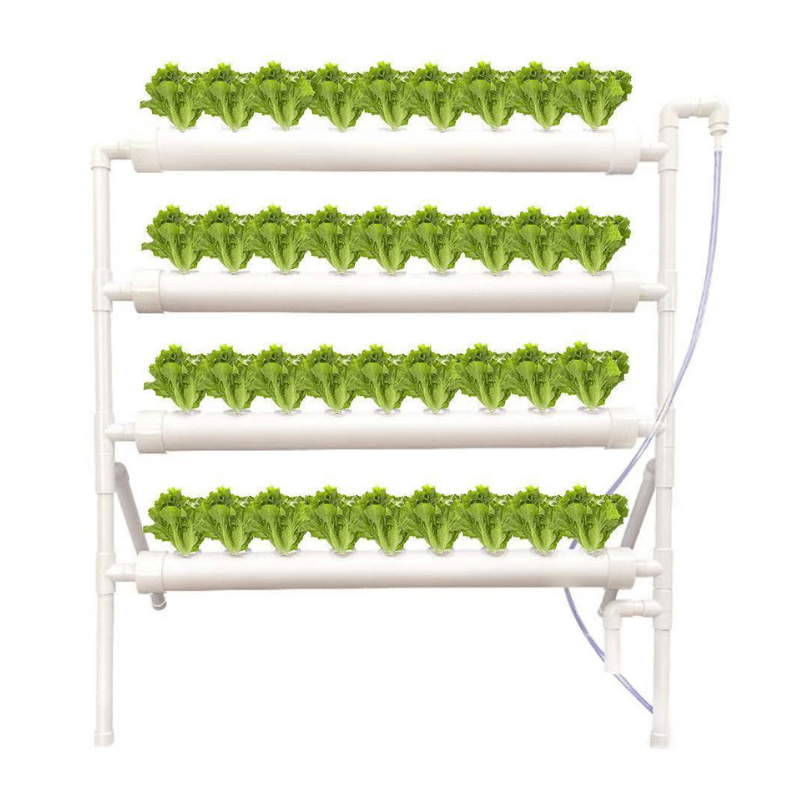
Greenfuturehydro 4 Layer 36 Hole NFT Hydroponic Rack for Indoor and Outdoor Use OEM ODM
Vertical Hydroponic Tower (30 Holes)
🟢 Best for: Home vertical gardening & space-saving growing
📌 Why choose it: This vertical tower system maximizes growing space while keeping maintenance simple. It is perfect for users who want to grow herbs and vegetables in small indoor or balcony environments.
💡 Best use scenario: Apartments, balconies, kitchens, and small indoor gardens.
🛒 Grow More in Small Spaces → Vertical Hydroponic Tower

Greenfuturehydro 6 Layer 30 Hole Hydroponic Tower System with Auto Water Timer
Smart Hydroponic Tower System (80 Pods)
🟢 Best for: Smart indoor farming & automated growing
📌 Why choose it: With 80 planting pods and multi-layer design, this system supports large-scale growing with automation. It is ideal for users who want higher productivity with less manual work.
💡 Best use scenario: Indoor smart farms, commercial pilots, or advanced home growers.
🛒 Automate Your Indoor Farm → Smart Hydroponic Tower
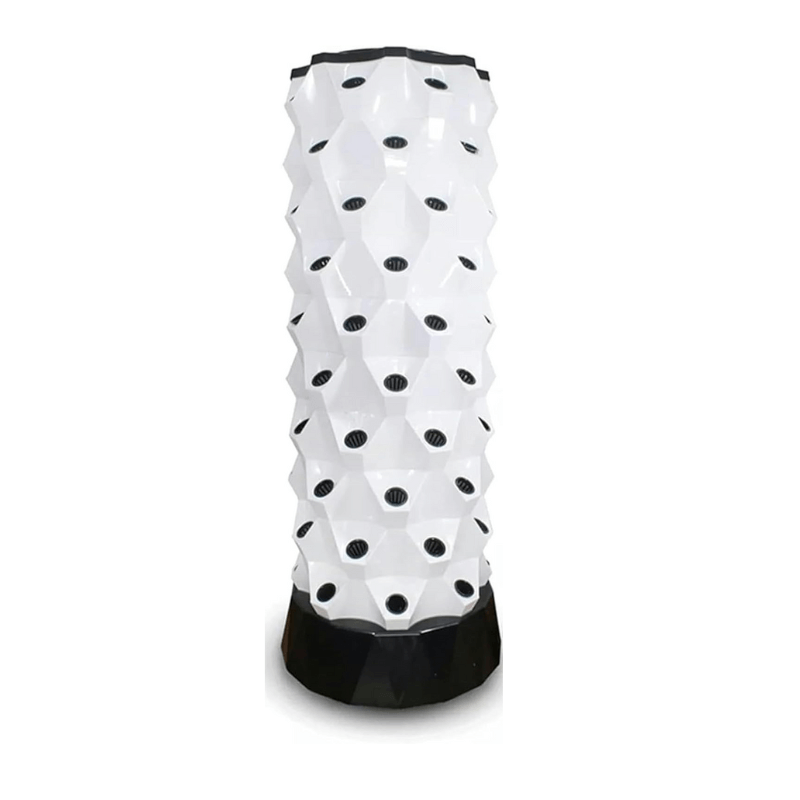
Greenfuturehydro Smart Hydroponic Tower 80 Pods for Herbs and Vegetables Custom Branding
Dutch Bucket DWC System
🟢 Best for: Fruiting plants & advanced growers
📌 Why choose it: This system combines deep water culture with drip irrigation, providing high oxygen levels for strong root development. It is especially effective for tomatoes, peppers, cucumbers, and other fruiting crops.
💡 Best use scenario: Greenhouses, commercial growers, or advanced hydroponic setups.
🛒 Grow Tomatoes & Fruiting Plants → Dutch Bucket DWC System
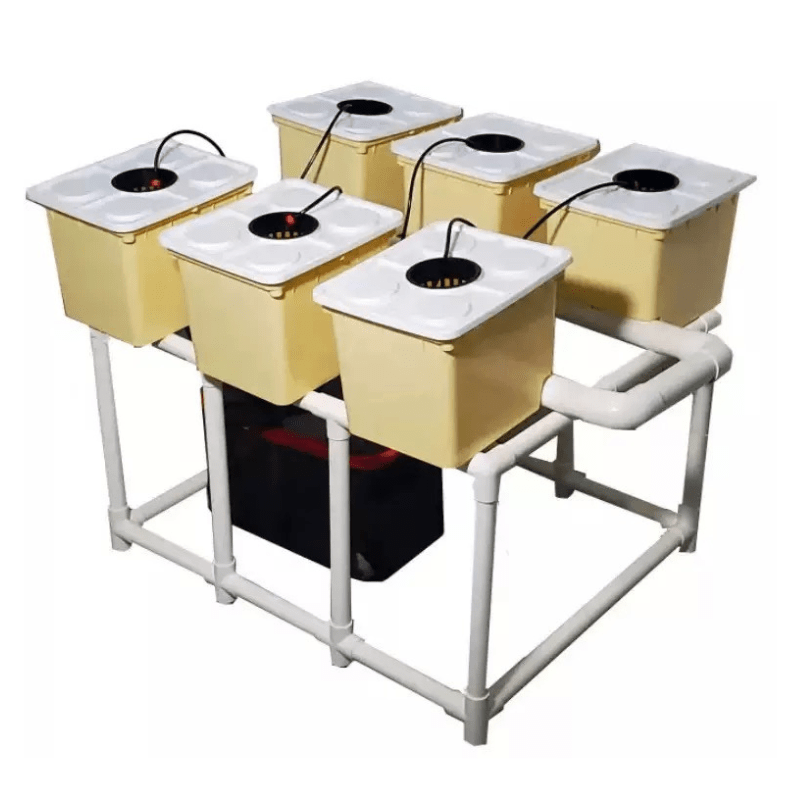
Greenfuturehydro Dutch Bucket DWC System – Cannabis, Tomatoes & Herbs | Bulk Supply
Frequently Asked Questions About Hydroponic Gardening
Hydroponics is a method of growing plants without soil. Plants grow in water-based nutrient solutions that deliver minerals directly to the roots, allowing faster and more controlled growth.
Deep Water Culture (DWC) and the Kratky method are the easiest systems for beginners because they are simple, low-cost, and require minimal equipment or maintenance.
Lettuce, basil, mint, spinach, and green onions are ideal beginner hydroponic plants because they grow quickly and adapt well to indoor systems.
Yes. Hydroponic plants often grow faster because nutrients and oxygen are delivered directly to the roots in a controlled environment.
Yes, if natural sunlight is limited. Full-spectrum LED grow lights are commonly used to support healthy growth in indoor hydroponic systems.
This usually happens due to poor pollination in indoor hydroponic systems where there is no wind or insects to transfer pollen.
Without proper pollination, flowers may drop or fail to develop into fruit even if the plant looks healthy. Learn more about hydroponic pollination methods.
Final Thoughts on Starting Your Indoor Hydroponic Garden
Getting started with hydroponics can feel a little overwhelming at first, especially when you are learning about nutrients, pH balance, lighting, and the different types of growing systems. However, once you actually begin growing plants yourself, the process often feels much simpler and more natural than most beginners expect.
You do not need a perfect setup or years of gardening experience to achieve good results. Starting with a small system and a few healthy plants is usually more than enough to help you learn the fundamentals while gradually building confidence through hands-on experience. Over time, simple daily observation becomes one of the most valuable skills in hydroponics. Checking water levels, observing leaf color, monitoring root health, and making small adjustments naturally teaches you how plants respond to their environment.
For many beginners, the first few weeks feel like the most uncertain part of the journey. After that, routines begin to develop and the system starts feeling much more familiar. Watching fresh leaves appear every day and harvesting plants that you grew yourself can be surprisingly rewarding, even with a very small indoor setup.
If you have been thinking about trying hydroponics, there is no need to wait for a perfect setup or a large growing space. Even a compact system placed in a small apartment, kitchen corner, or balcony can produce impressive results once the environment becomes stable.
If you ever need help choosing a system, grow lights, or beginner friendly supplies, feel free to reach out anytime.
- Instagram: @Greenfuturehydro
- Email: info@greenfuturehydro.com
- WhatsApp/Phone: +86 13487543942