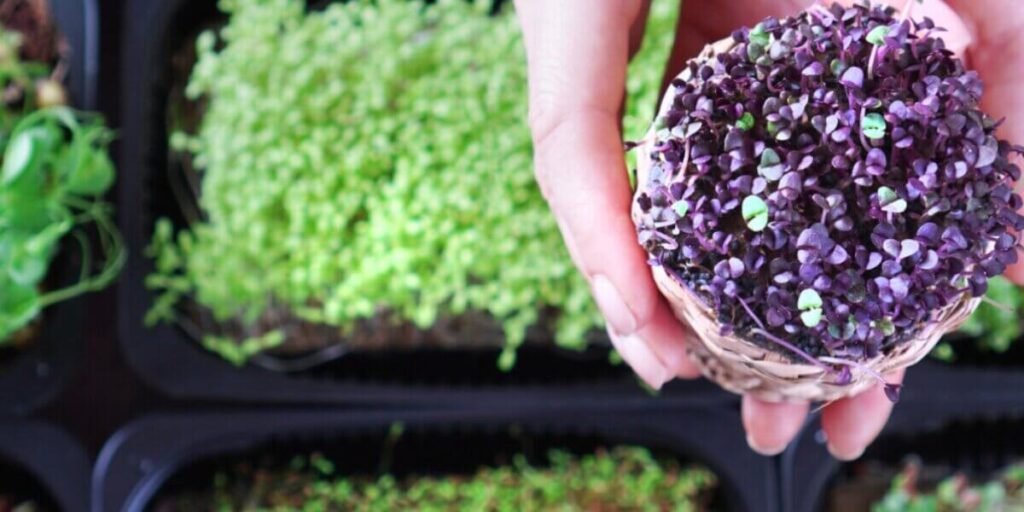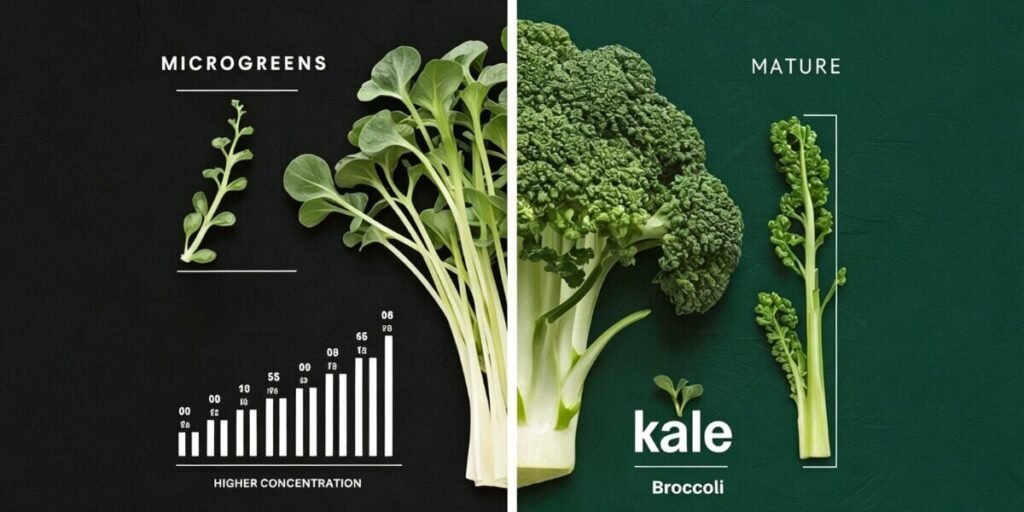
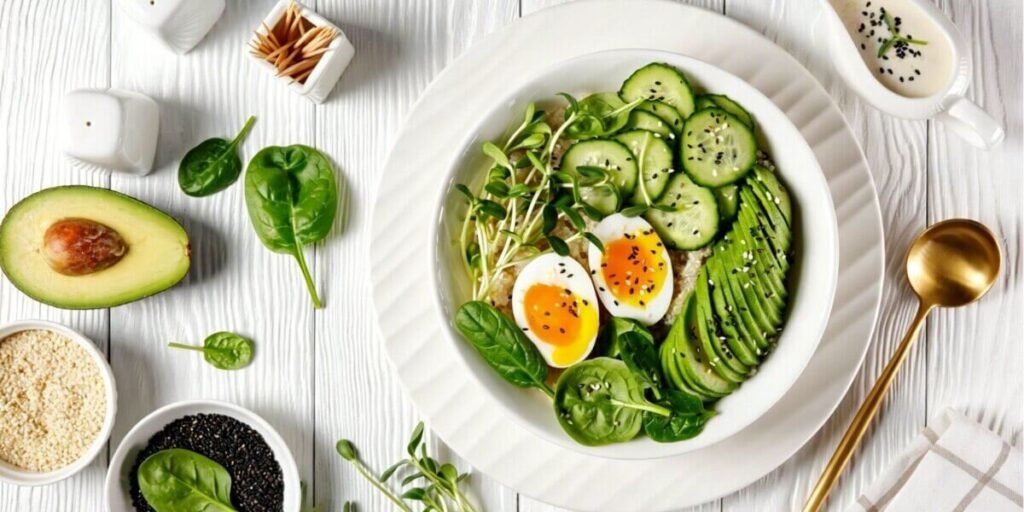

Use microgreens in meals to easily make everyday food fresher, more flavorful, and more interesting without changing your cooking habits. They can be added to a wide variety of dishes, including sandwiches, salads, smoothies, grain bowls, and warm meals, making them a simple upgrade to daily cooking.
This article explores practical ways to use microgreens in everyday meals, including breakfast and lunch ideas, simple recipes, cooking tips, and how different varieties pair with common foods.
Best Ways to Use Microgreens in Everyday Meals

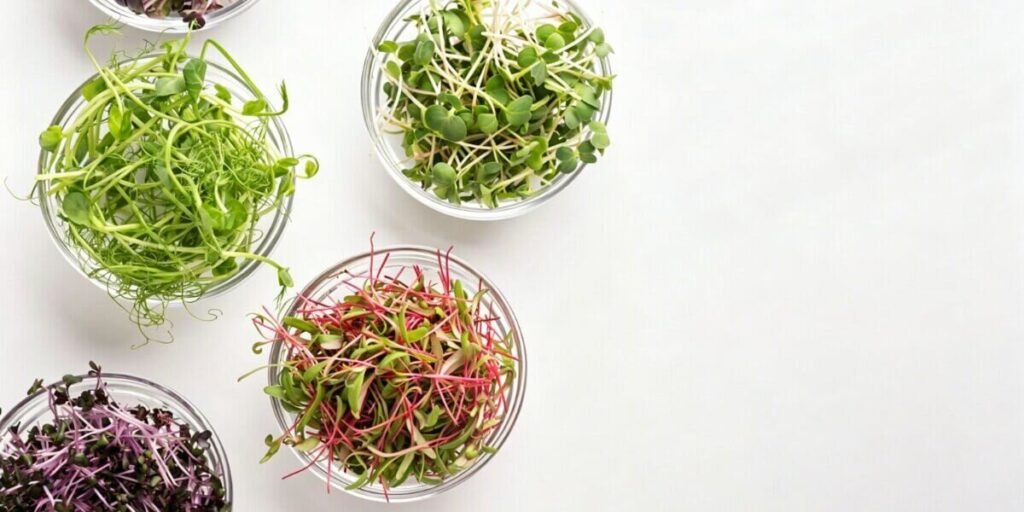
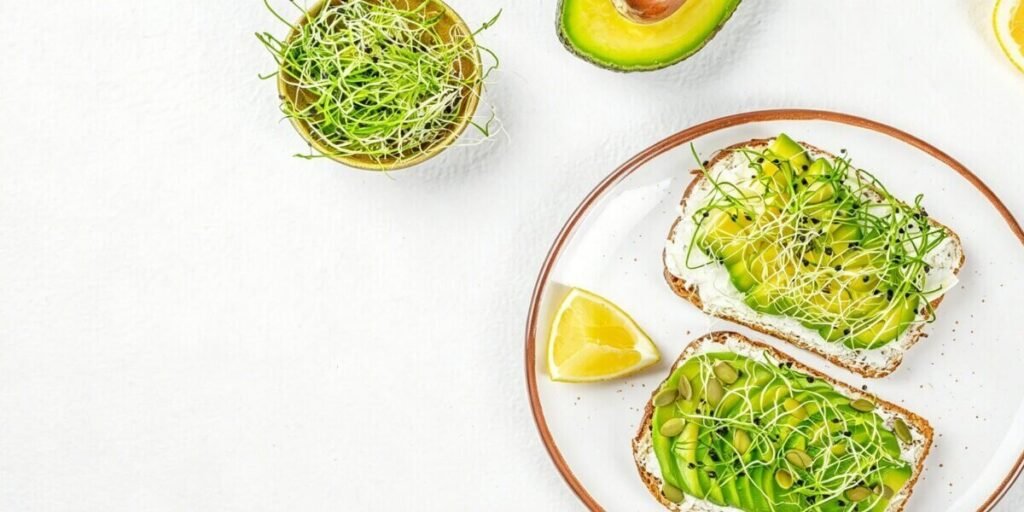
More people are learning how to use microgreens in meals because they fit easily into modern home cooking. There are many simple ways to add them to everyday dishes, such as sandwiches, salads, eggs, rice bowls, and soups. This makes microgreens a practical option for daily meals without needing special recipes or complicated preparation.
Depending on the variety, microgreens can offer different flavors, including mild, sweet, peppery, or slightly spicy notes. These subtle differences help simple dishes taste more balanced and interesting. Even a small amount can improve both the flavor and presentation of a meal, which is why microgreens are becoming popular in quick and healthy home cooking.
Beyond flavor, microgreens also improve texture and freshness. Some varieties add a light crunch, while others are soft and delicate. This makes everyday meals with microgreens more enjoyable and visually appealing. Because they are usually harvested fresh and can be grown indoors, they are an easy and convenient way to include more plant-based ingredients in daily meals without changing cooking habits.

Greenfuturehydro Classroom & Kitchen Hydroponic Garden System for Herbs and Greens
Choosing the Right Microgreens for Different Dishes
Radish Microgreens for Sandwiches and Wraps
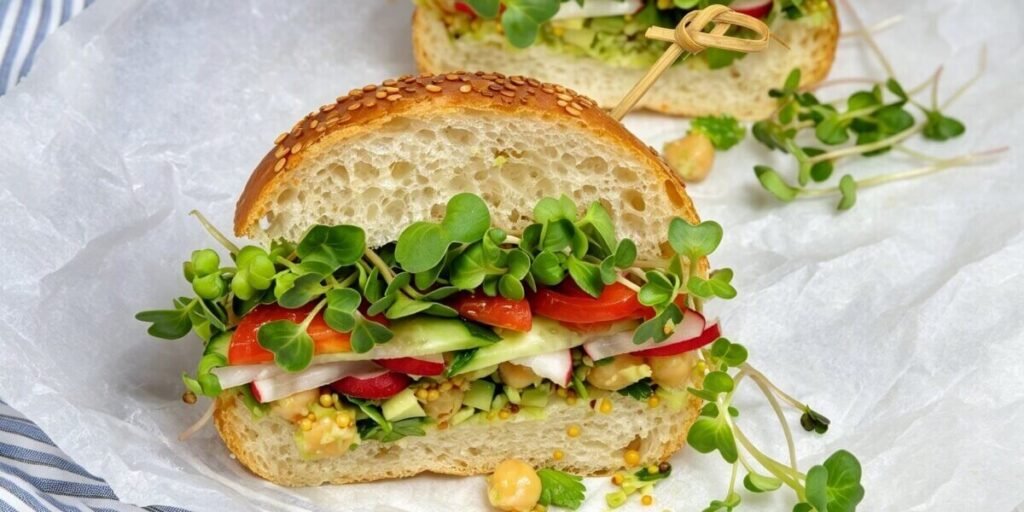
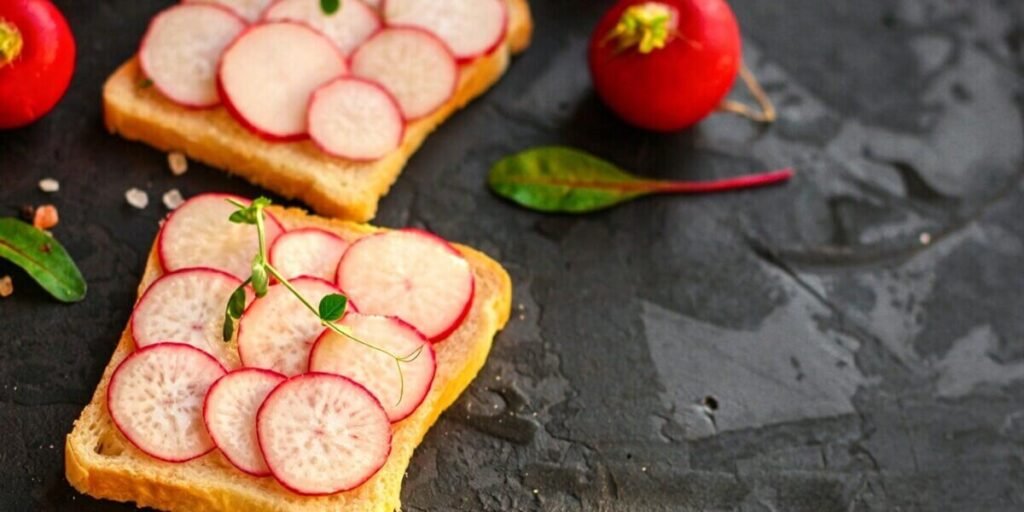
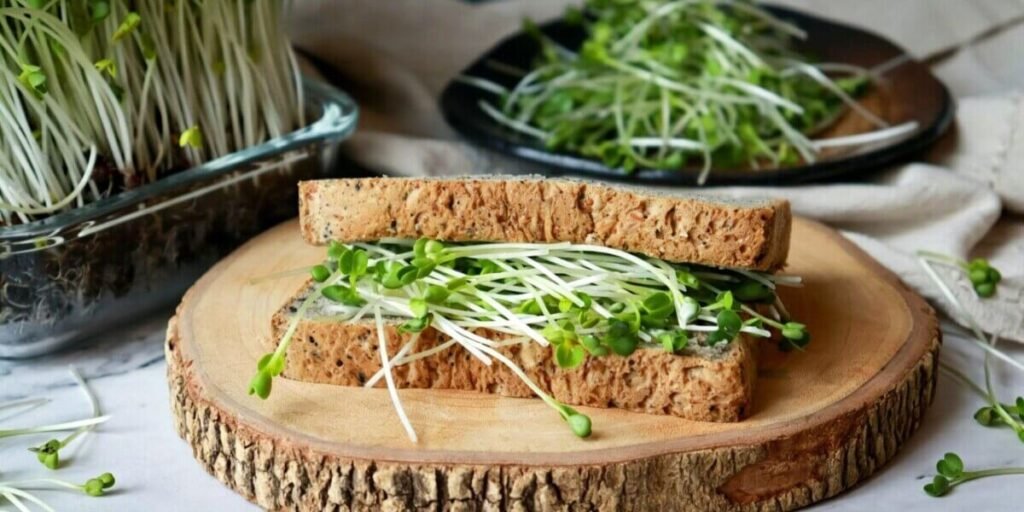
Radish microgreens are one of the most popular choices for adding a spicy kick to everyday meals. Their bold, peppery flavor makes them useful when you want to learn how to use microgreens in meals without changing your cooking style. From simple snacks to full dishes, they are a good example of practical microgreens in meals ideas.
In sandwiches and wraps, radish microgreens add a fresh layer of heat. This helps balance richer ingredients like cheese, eggs, avocado, or roasted meat. It is one of the easiest ways of adding microgreens to food. You can get more flavor without using heavy sauces. In many microgreens recipes, they are used to brighten simple combinations.
What makes them convenient is how easily they fit into everyday meals with microgreens. There is no cooking required. Just add a small handful before serving. This quick step can improve both flavor and texture. Even basic sandwiches or wraps feel fresher and more complete.
Sunflower Microgreens for Smoothies and Grain Bowls
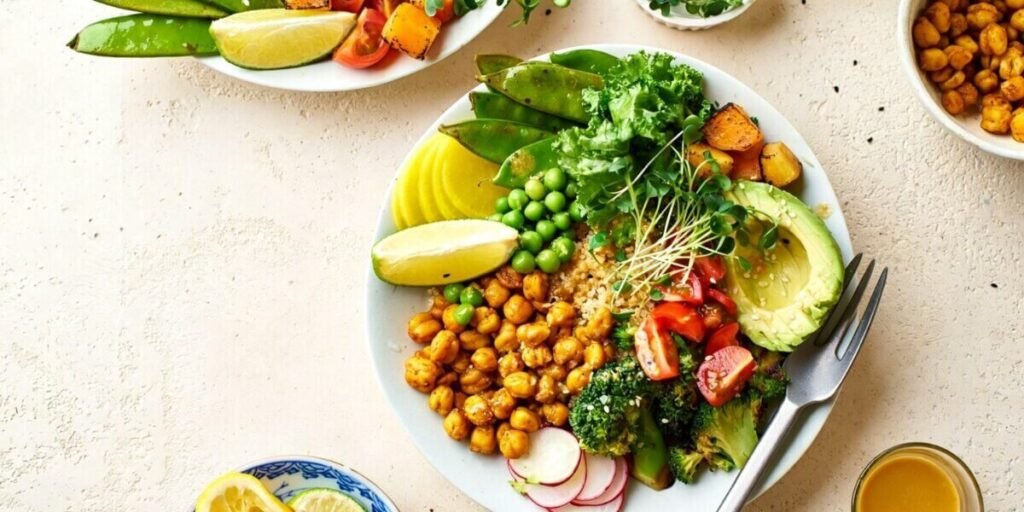
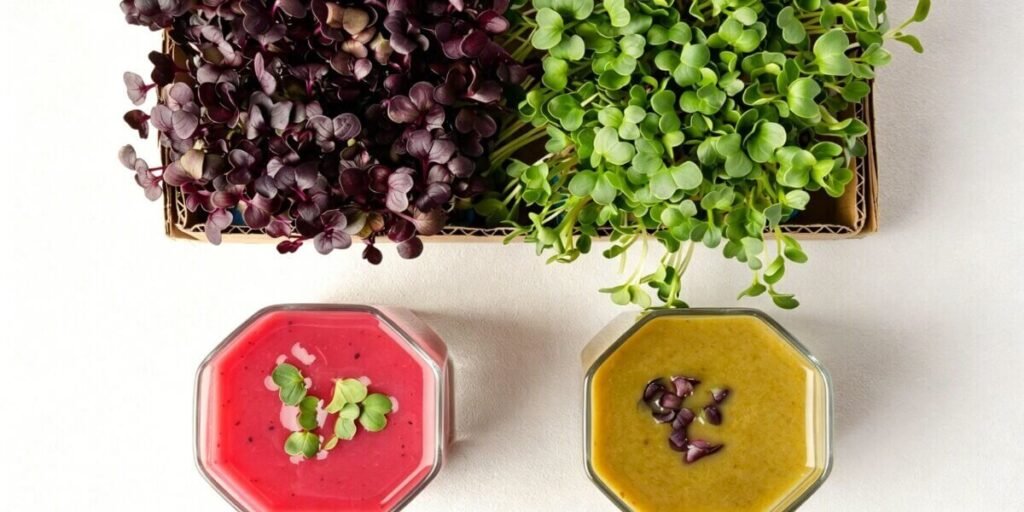
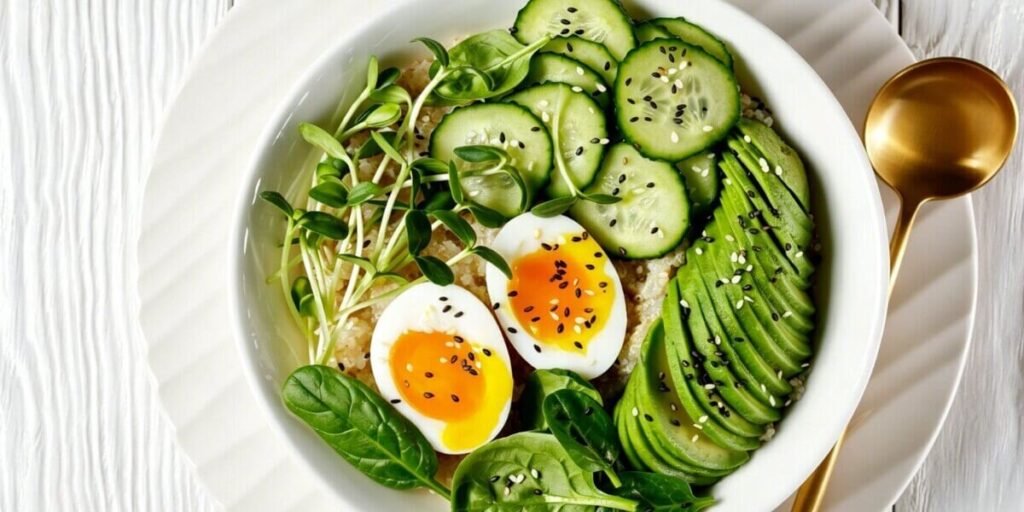
Sunflower microgreens are known for their crunchy texture and slightly nutty flavor. They are a great option when you want to explore how to use microgreens in meals in a more textural way. They are often used in smoothies and grain bowls. They are also a good example of versatile microgreens in meals ideas for everyday cooking.
In smoothies, sunflower microgreens can be blended in as a mild green ingredient. They add nutrients without overpowering the taste of fruit. This makes them a simple choice for adding microgreens to food when you want something healthy but still smooth and balanced. In many microgreens recipes, they work as a subtle green base that supports rather than dominates the flavor.
They also work especially well in grain bowls, where texture matters. When combined with grains, roasted vegetables, and protein, sunflower microgreens add a fresh crunch. This improves balance and makes everyday meals with microgreens feel more complete and satisfying.
Broccoli Microgreens for Salads and Healthy Lunches
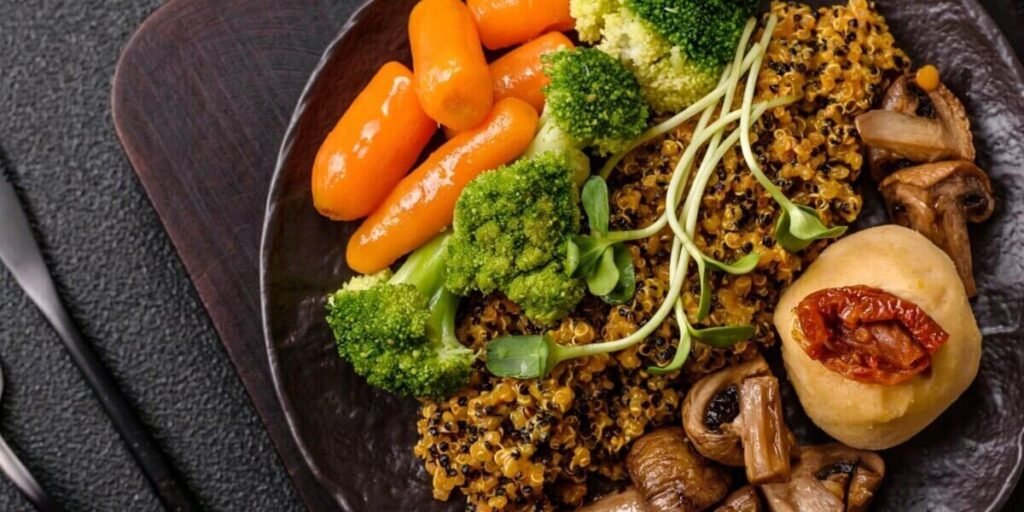
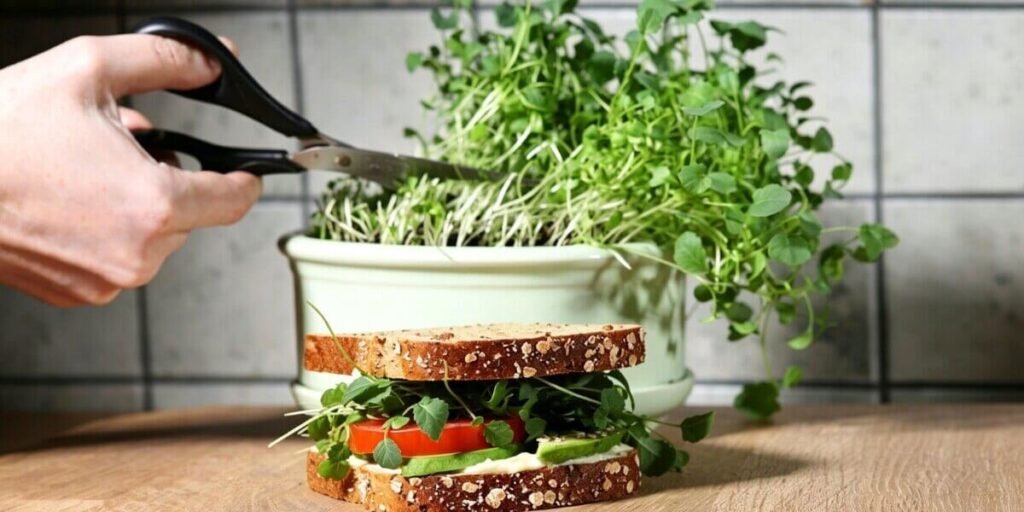
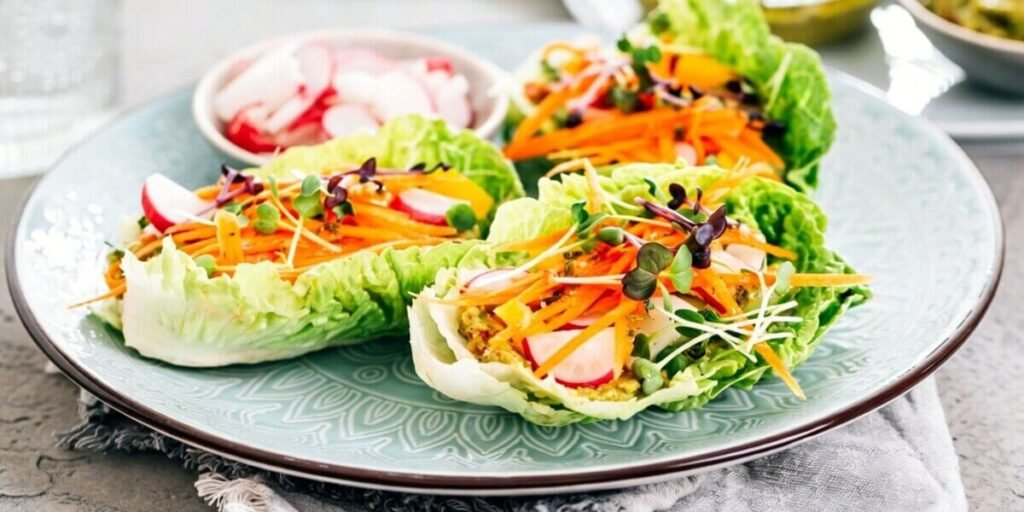
Broccoli microgreens are often linked to broccoli microgreens benefits because they are an easy way to add nutrient-rich greens into everyday meals. Their mild flavor makes them simple to using when learning how to use microgreens in meals. They are especially friendly for beginners who prefer a neutral taste that does not change the dish too much.
They work well in simple healthy lunches such as salads, cold bowls, and light sandwiches. This is one of the most practical microgreens in meals ideas because they can mix with almost any dressing or ingredient. Many people use them in microgreens recipes as a “daily greens” option when they want something healthy but effortless.
Because they are so mild and versatile, broccoli microgreens fit naturally into everyday meals with microgreens. You can sprinkle them on finished dishes or mix them in just before serving. This makes adding microgreens to food very easy without changing your usual cooking routine.
Pea Shoots for Stir-Fries and Warm Dishes
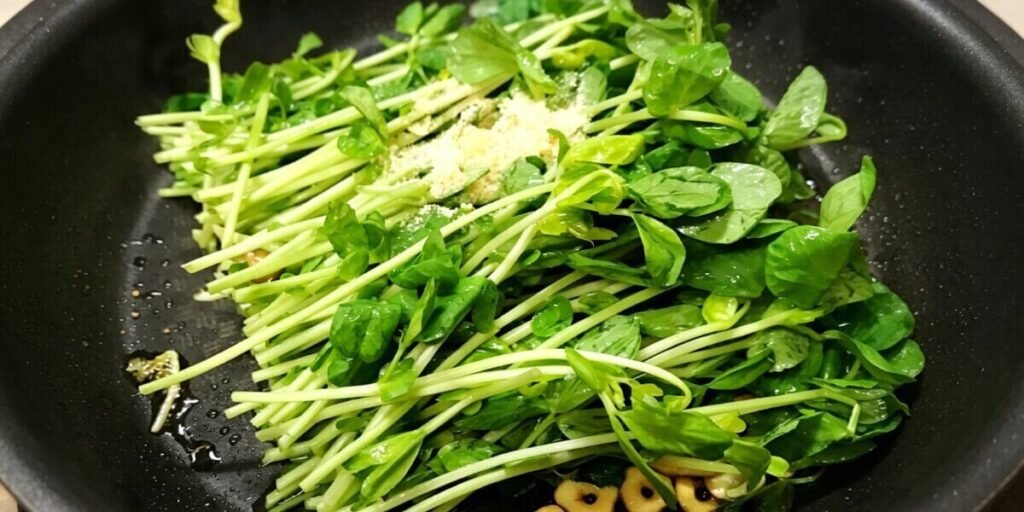
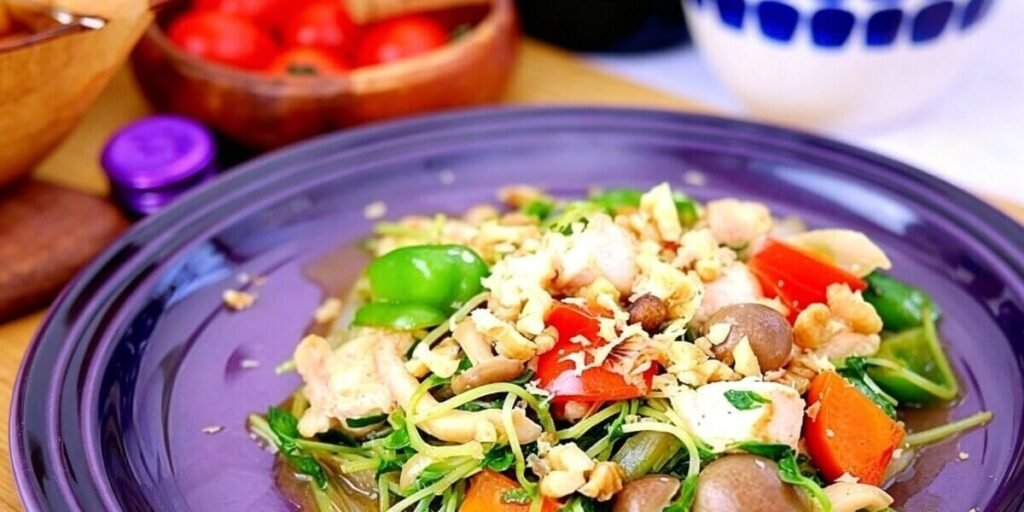
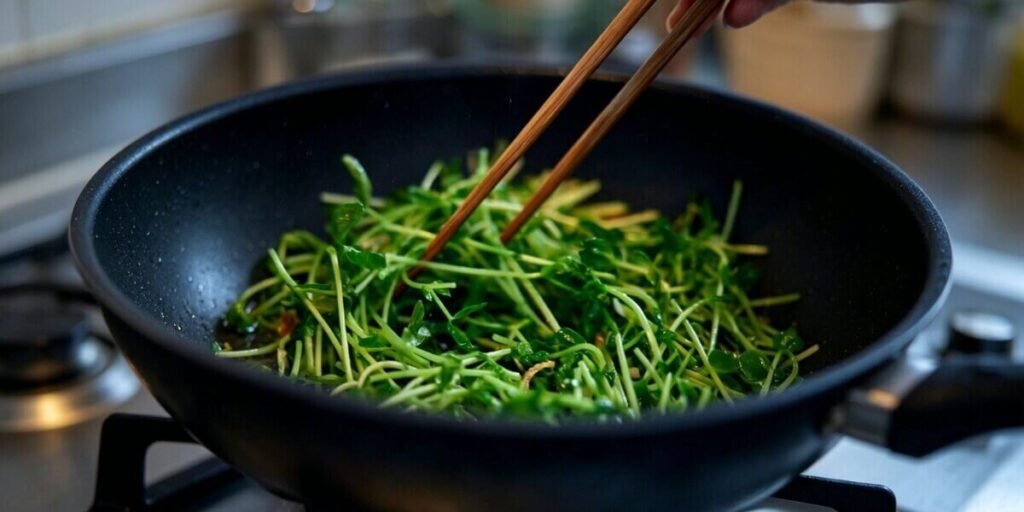
Pea shoots are especially useful in warm cooking and are often included in pea shoot recipes because they handle light heat better than many other microgreens. This makes them a practical option when learning how to using microgreens in meals, especially for stir-fries, noodles, and quick pan dishes.
When adding them to food, pea shoots are usually added at the end of cooking. This helps them soften slightly while still keeping their fresh green flavor. This is one of the more flexible microgreens in meals ideas, since they work well in both simple home cooking and quick everyday meals with microgreens. They go well with basic seasonings like garlic, soy sauce, or sesame oil.
Because they are light yet flavorful, pea shoots are common in many microgreens recipes for warm, savory dishes. Adding them at the right time helps keep their texture and freshness. Even simple meals feel more balanced and fresh.
How to Add Microgreens to Everyday Food
Add Microgreens to Eggs and Omelets
Microgreens go really well with eggs because they don’t need any cooking and can be added right at the end. Once your scrambled eggs, omelet, or fried eggs are ready, just sprinkle a small handful of microgreens on top and let the heat soften them slightly.
They bring a fresh, light contrast that balances the richness of eggs. Scrambled eggs and omelets can sometimes feel a bit heavy on their own, but microgreens make the dish taste brighter and more fresh without changing how you cook it. The mix of soft eggs and crisp greens also adds a nice texture in every bite.
You can also mix them with toppings like cheese, avocado, tomatoes, or smoked salmon for a breakfast that feels simple but still fresh and satisfying. If you enjoy using microgreens in breakfast dishes, you might also like learning how to grow microgreens hydroponically at home.
Blend Microgreens Into Smoothies and Green Drinks
Adding microgreens to smoothies is one of the easiest ways to get more greens into your breakfast without changing your routine. Most microgreens have a mild, fresh taste, so they blend easily with fruits like bananas, berries, mangoes, pineapples, or apples.
Once blended, they don’t really stand out in flavor, but they make the smoothie feel a bit fresher and lighter. You still get the sweetness and creaminess from the fruit, just with a more balanced and refreshing finish.
They also go well with everyday smoothie ingredients like yogurt, almond milk, oats, chia seeds, or protein powder. Since everything blends together, microgreens are a simple add-in for busy mornings when you want something quick, nutritious, and easy to drink.
Use Microgreens on Avocado Toast
Avocado toast feels fresher and more complete as soon as you add a handful of microgreens on top. The creamy avocado and light, crisp greens naturally work well together.
What makes this combination so good is the texture. You get crunchy toast, smooth avocado, and soft microgreens all in one bite, which makes the whole thing feel more interesting without being complicated.
Microgreens also make simple avocado toast look more colorful and appetizing. They go well with easy toppings like cherry tomatoes, feta cheese, chili flakes, poached eggs, or a squeeze of lemon. With just a few ingredients, it already feels like something you’d order at a café, but takes almost no effort at home.
Add Microgreens to Yogurt and Fruit Bowls
Microgreens aren’t the most common choice for yogurt bowls, but they can add a surprisingly fresh twist. They work best when the bowl already includes ingredients like granola, oats, nuts, seeds, coconut flakes, or fresh fruit.
Just a small handful is enough. It makes the bowl feel fresher and more balanced. They don’t really change the sweetness, but they add a light freshness that keeps the yogurt from feeling too rich.
The texture mix also works really well. You get creamy yogurt, crunchy toppings, juicy fruit, and a bit of crisp greens in each spoonful. It’s a simple way to make a basic yogurt bowl more interesting, especially if you like light, fresh breakfasts.
Easy Meal Ideas with Microgreens
Easy Sandwiches and Wraps with Microgreens
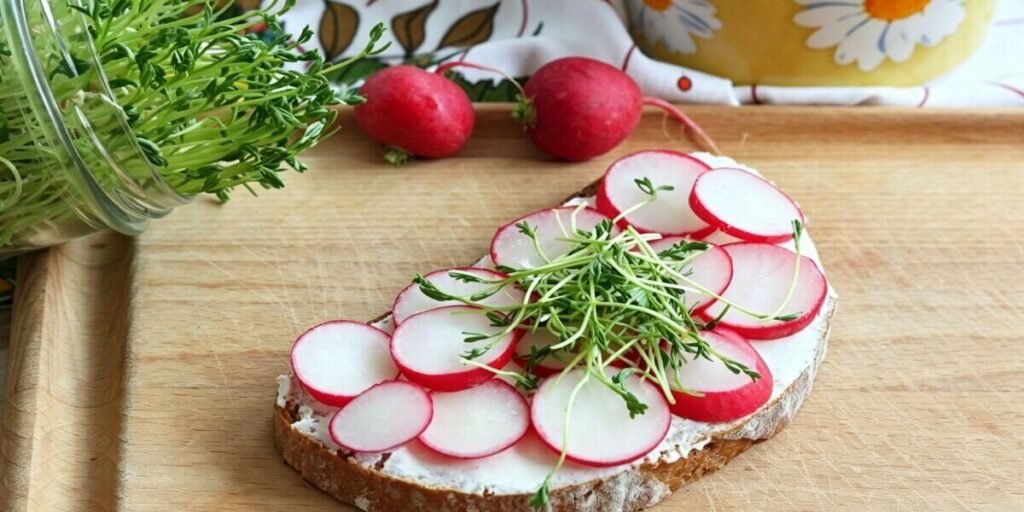
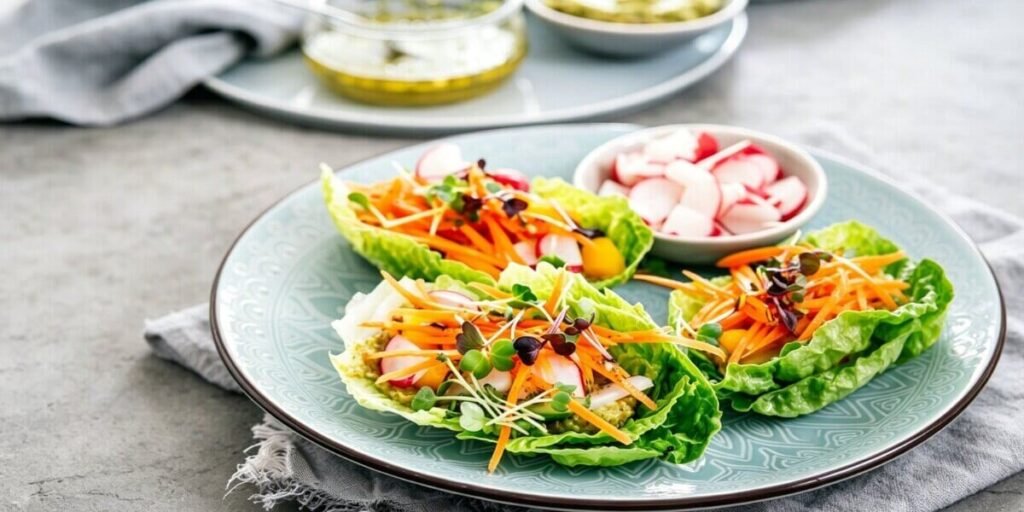

Fresh microgreens are one of the easiest ways to make sandwiches and wraps taste better without any extra effort. Just add a small handful with your usual ingredients like chicken, cheese, eggs, turkey, or avocado. Everything instantly feels fresher and more balanced.
They work especially well because they add a light crunch and freshness to foods that can sometimes feel heavy or too soft. In wraps with hummus or avocado, they help balance the creamy texture. Even a simple sandwich feels a bit lighter and more interesting with them inside.
One of the best things about using microgreens in sandwiches and wraps is convenience. There’s no cooking or prep needed. You can put together a quick lunch in minutes and still end up with something that tastes fresh, homemade, and satisfying.
Fresh Salad Ideas with Microgreens
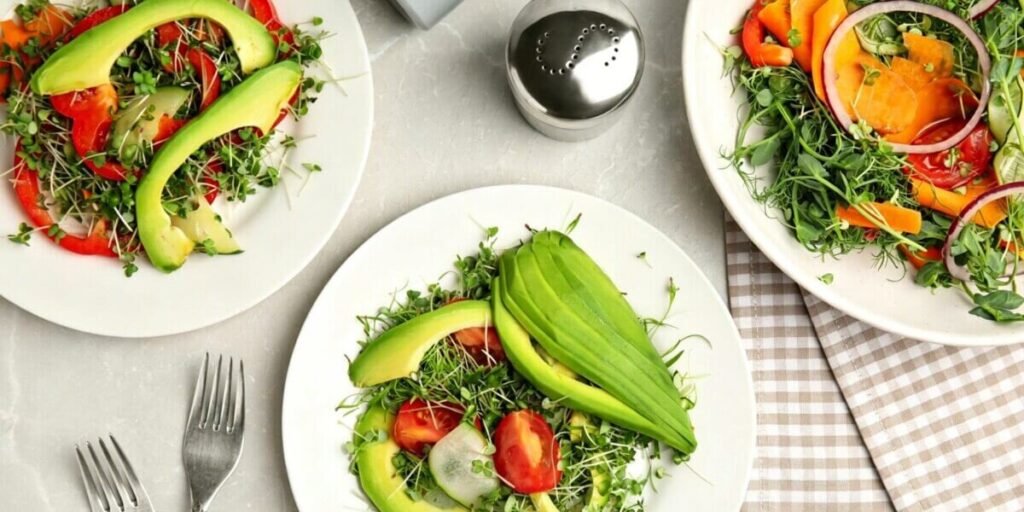
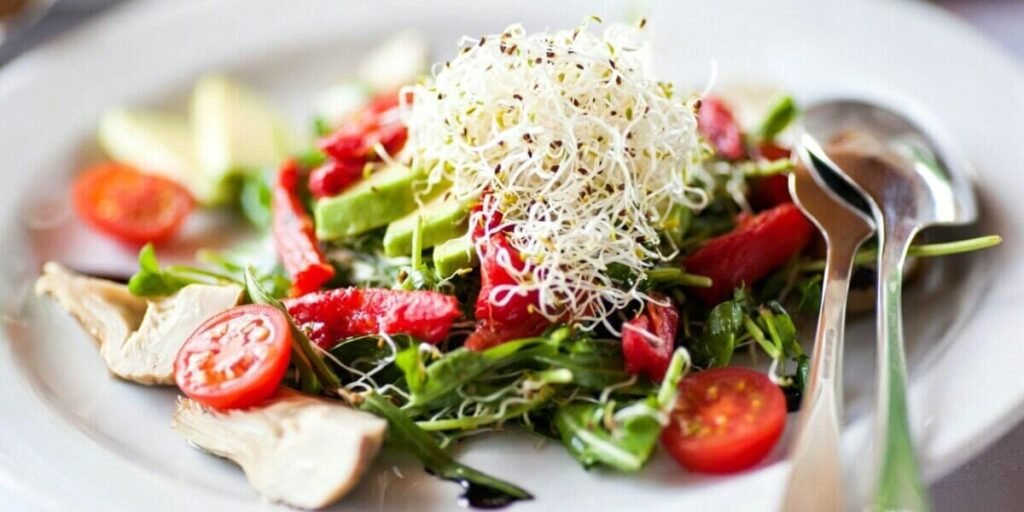
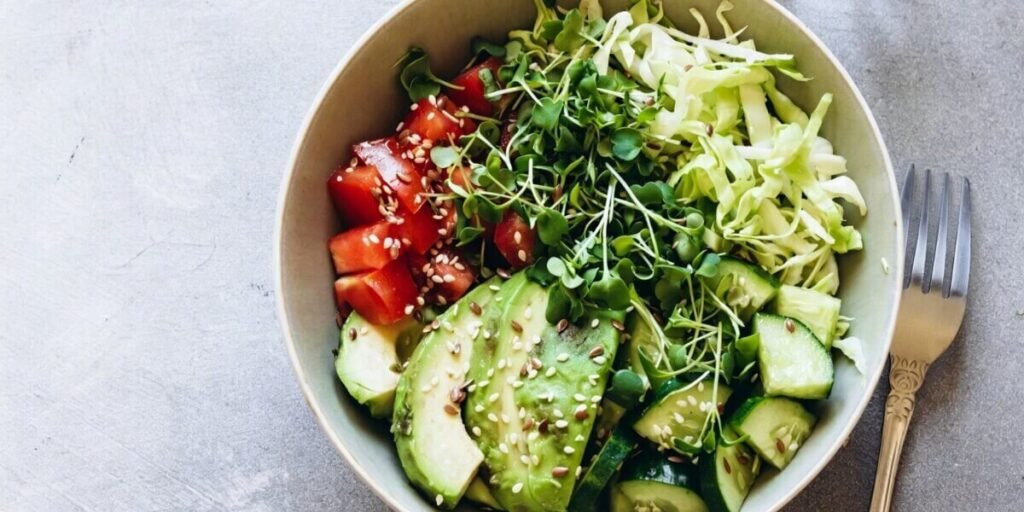
Salads feel fresher and more interesting when you add microgreens. They bring a light crunch and soft texture that can instantly improve even the simplest bowl without any extra effort. You can mix them with regular lettuce or just use microgreens on their own if you want something lighter.
They also pair easily with everyday ingredients like tomatoes, cucumbers, avocado, boiled eggs, nuts, grilled chicken, or cheese. Because they fit with so many flavors, putting together a salad never feels complicated. Even a basic mix of olive oil, lemon juice, and fresh vegetables tastes more complete once microgreens are added.
Another nice thing is how they change the overall feel of the dish. Microgreens make salads look more fresh and colorful, and they add a clean, mild flavor that balances richer ingredients like avocado, feta cheese, or roasted vegetables. Since they are ready to eat, they’re also a quick way to make a fresh meal in just a few minutes on busy days.
Rice Bowls and Grain Bowls with Microgreens
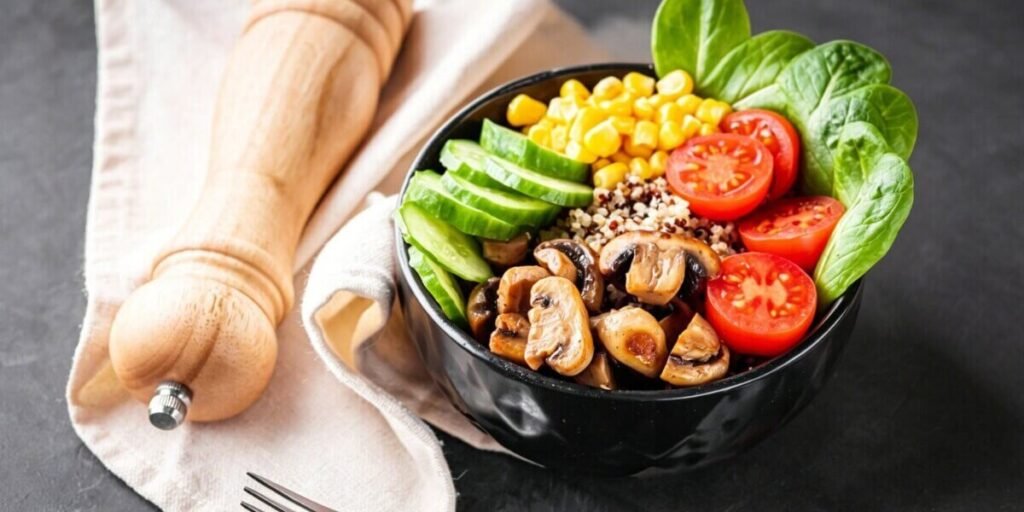
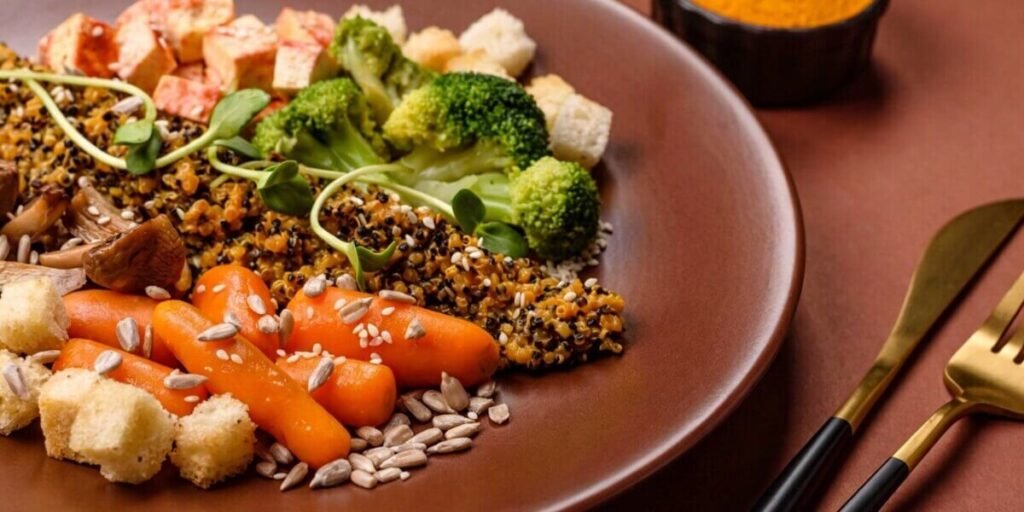
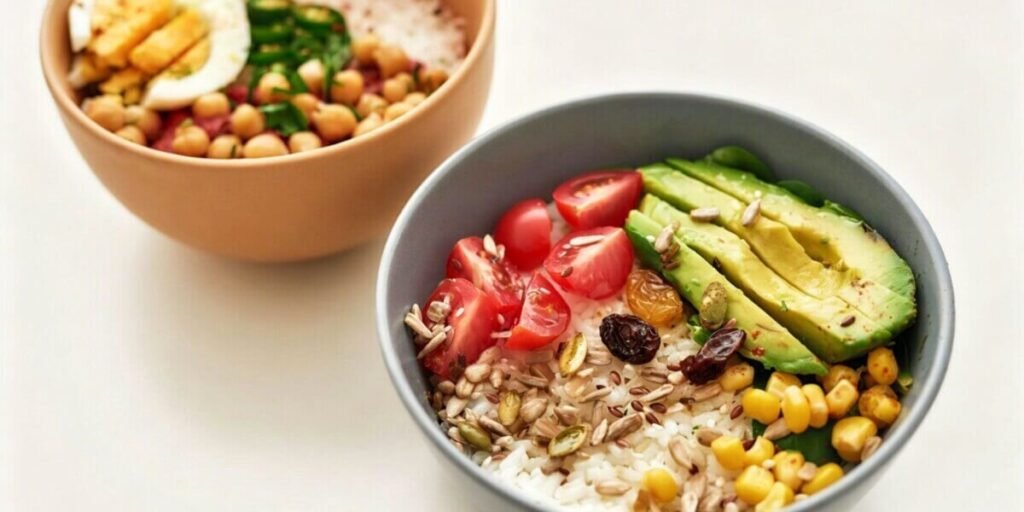
Rice bowls and grain bowls work really well with microgreens because everything is usually layered in one bowl, and the greens make an easy finishing touch. Once you’ve added a base like rice, quinoa, or brown rice, plus toppings such as chicken, tofu, eggs, beans, or roasted vegetables, you can simply sprinkle a handful of microgreens on top before serving.
They make the bowl feel fresher and a bit lighter, especially when the ingredients underneath are warm and filling. Rice and grains can sometimes feel heavy on their own, but microgreens add a crisp bite and fresh flavor that helps balance everything. They also go well with common sauces like soy sauce, sesame dressing, tahini, spicy mayo, or simple lemon-based dressings.
One of the nice things about grain bowls is how flexible they are. You don’t need a strict recipe leftovers, mixed vegetables, and different proteins all work. Microgreens fit into almost any combination and also make the bowl look more colorful and fresh, so even a simple rice bowl feels more complete and satisfying.
Soups and Pasta Finished with Microgreens
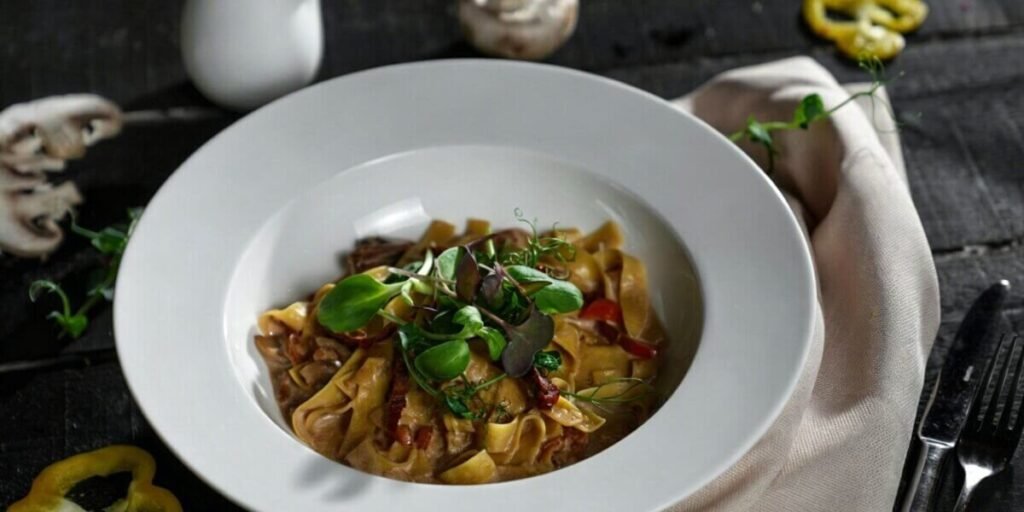
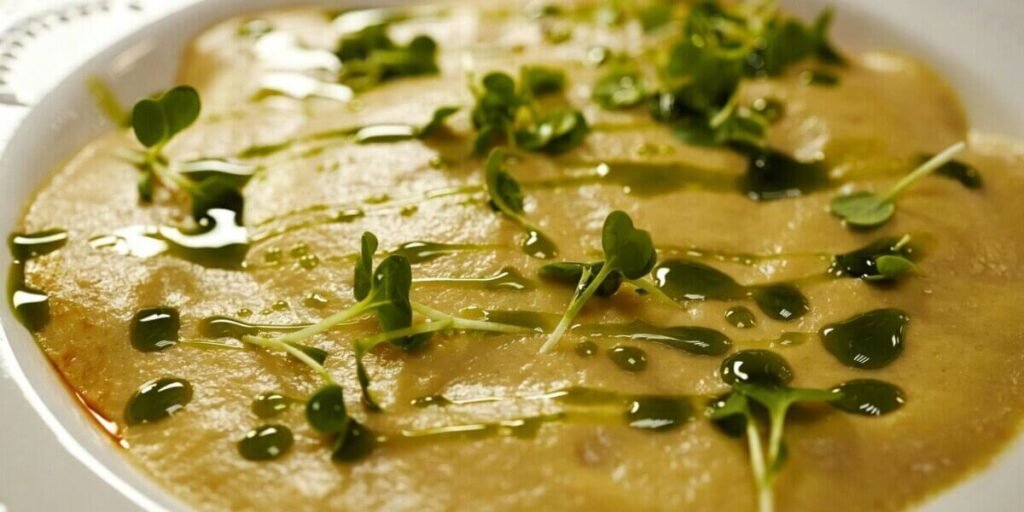

Soups and pasta dishes feel even better with a small handful of fresh microgreens added right before serving. Since they are delicate, it’s best not to cook them for too long, just add them at the end so they keep their fresh texture and light flavor.
In soups, they add a nice contrast to warm broth. Creamy soups, vegetable soups, ramen, or even simple chicken soup all feel a bit fresher and more balanced with microgreens on top. The heat softens them slightly while still keeping a bit of texture, making each spoonful more interesting without changing how you cook the soup.
They work just as well with pasta. Once the dish is plated, you can simply scatter a handful over the top like a fresh garnish. They pair nicely with creamy sauces, tomato-based pasta, garlic butter noodles, or olive oil pasta, helping to lighten richer flavors and add a bit of freshness and crunch.
Can You Cook Microgreens?
Yes, microgreens can be cooked, but they are usually at their best when handled gently. Because they are harvested at a very early growth stage, their structure is much softer than mature vegetables. That means they react quickly to heat, both in a good way and a bad way depending on how you use them.
They are not “fragile” in the sense that you can’t heat them at all, but they do behave more like a finishing herb or tender leafy green. The main idea is to use heat carefully so you keep as much of their freshness, color, and texture as possible.
Light Heating Is Usually Fine
Microgreens can be added to warm dishes without any problem as long as the heat is gentle or short. The easiest way is to add them at the very end of cooking, after turning off the heat, so the residual warmth of the food is enough to slightly soften them.
For example, you can stir them into pasta just before serving or sprinkle them over hot soup so they gently wilt on top. They usually become a bit softer but still keep some structure, which gives the dish a nice fresh finish.
This works well because it blends them into warm food without overcooking them. You still get that fresh, green taste, just with a slightly softer texture that fits naturally into the dish.
Avoid Long Cooking at High Temperatures
What you want to avoid is cooking microgreens the same way you would cook regular vegetables. If they are sautéed, boiled, or exposed to high heat for several minutes, they quickly lose their structure.
When that happens, their crisp bite disappears and the fresh aroma becomes much weaker. Instead of fresh greens, they start to feel more like overcooked spinach, and in some cases they can turn soft, watery, or even soggy, which takes away from their appeal.
From a cooking point of view, overcooking also removes their visual freshness. Microgreens are often used not just for flavor but also for how they look on the plate, so keeping them fresh at the end of cooking helps preserve both taste and presentation.
Good Microgreens for Eating Raw
Most microgreens are actually meant to be eaten raw, and that’s where they really shine. In their raw form, they keep their natural crunch, bright color, and fresh, slightly earthy flavor.
Varieties like broccoli microgreens, radish shoots, sunflower shoots, and pea shoots are commonly used without any cooking. They work well in salads, sandwiches, wraps, and grain bowls because they add texture and freshness without any extra preparation.
Eating them raw also keeps things very simple. You just rinse them, drain them well, and they’re ready to use straight away in your meal, no cooking, no timing, and no extra steps needed.
Best Time to Add Microgreens After Cooking
One of the easiest ways to use microgreens is to treat them as a finishing touch instead of something you cook in the pan.
You can simply add them after the main dish is ready, for example on top of hot soups, over pasta with sauce, or mixed into rice and grain bowls. They also work well on omelets, scrambled eggs, grilled meats, fish, or tofu.
In most cases, the warmth from the food is enough to gently soften them while still keeping their freshness. This simple step helps the greens blend naturally into the dish and makes even basic home-cooked meals look and taste a bit more complete.
Why Proper Preparation Matters for Flavor and Nutrition
From a nutrition and food-handling point of view, microgreens are usually treated as fresh produce rather than something meant for cooking. In professional kitchens, they are most often used as a finishing ingredient to keep their quality and appearance at their best.
They are also quite sensitive to heat, which is why they are commonly added at the end of cooking. While they can still retain some nutrients when lightly warmed, the best overall experience in terms of taste, texture, and presentation usually comes from minimal heat exposure.
Because of this, microgreens fit naturally into modern cooking styles that focus on fresh ingredients and simple preparation. They work well in plant-forward meals and everyday dishes, where the goal is to keep food light, fresh, and easy to prepare.
Flavor Pairing Ideas for Popular Microgreens
Understanding flavor profiles makes it easier to use microgreens in everyday cooking, since each variety brings a different taste and works better in specific dishes. Choosing the right type of microgreen can help balance flavor, texture, and freshness in meals without changing your cooking style.
Below is a simple guide to common microgreens and how they are typically used in food pairing:
| Microgreens | Flavor Profile | Best Uses |
|---|---|---|
| Radish | Peppery, slightly spicy | Eggs, sandwiches, wraps, avocado toast |
| Sunflower | Nutty, slightly crunchy | Grain bowls, rice bowls, salads, yogurt bowls |
| Pea Shoots | Sweet, fresh, tender | Stir-fries, noodles, soups, light sauces |
| Broccoli | Mild, neutral, earthy | Salads, sandwiches, smoothies, wraps |
Radish microgreens are one of the most flavorful varieties, often used to replace black pepper in sandwiches, wraps, or breakfast dishes. Sunflower shoots have a nutty taste and slightly heavier texture, making them ideal for grain bowls where they add balance and crunch.
Pea shoots are soft and slightly sweet, making them suitable for both raw and lightly cooked dishes such as stir-fries or noodles. Broccoli microgreens are the most neutral in flavor, making them perfect for users who prefer mild greens or want to mix different varieties without changing the overall taste of a dish.
This simple way of understanding flavor pairing makes it easier to build balanced meals and using microgreens more confidently in everyday cooking. If you want to understand how microgreens are grown and how hydroponic systems affect their quality, you can start with hydroponics basics.
How to Store Microgreens After Harvesting
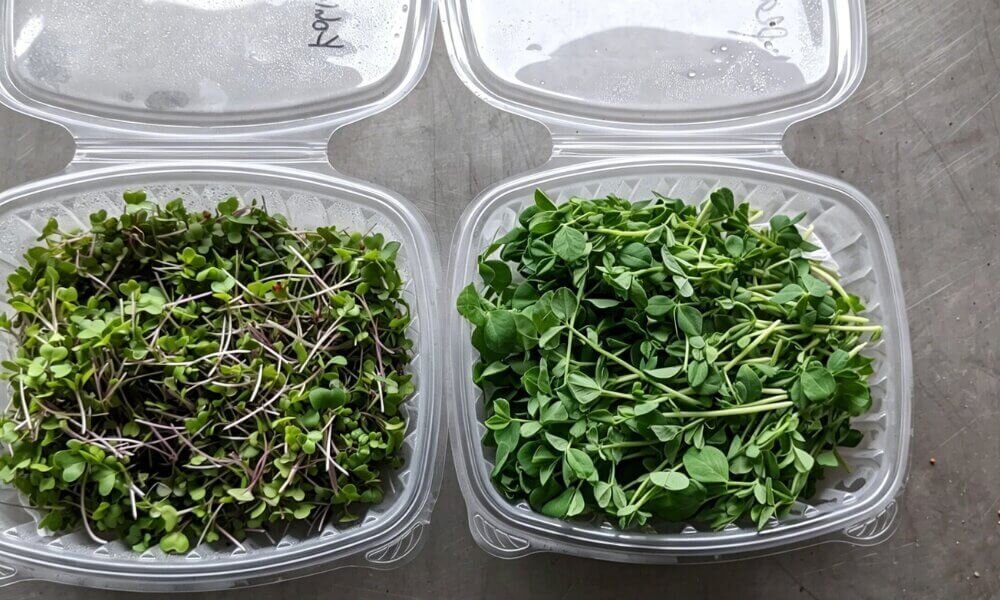
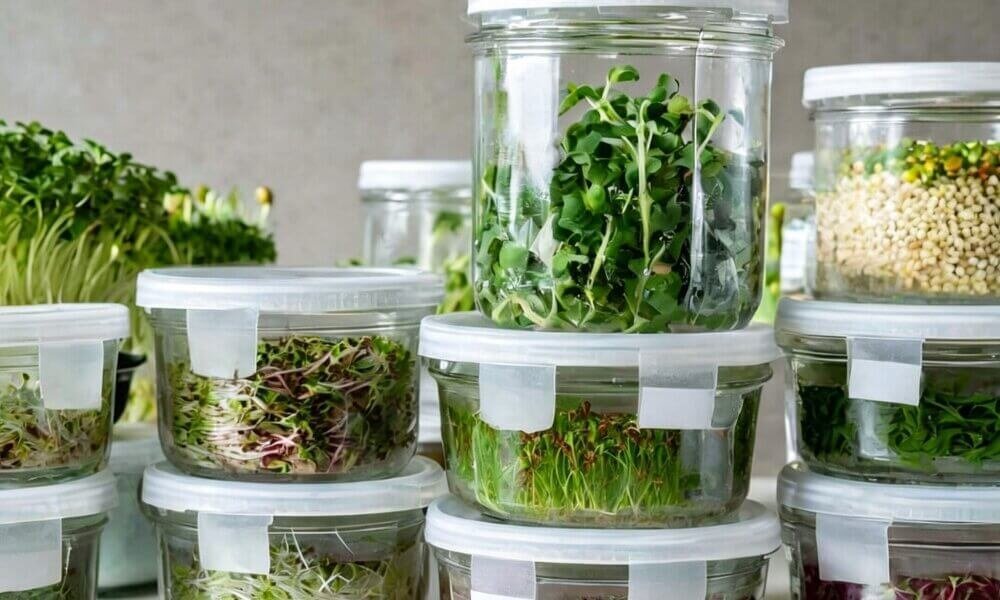
Storing microgreens properly helps them stay fresh, crisp, and flavorful for several days. Because they are delicate and contain a lot of moisture, small issues like excess water or poor airflow can make them spoil much faster.
The first and most important step is making sure they are completely dry before storage. After harvesting, gently remove extra moisture using a salad spinner or paper towels. This helps prevent the leaves from breaking down or turning slimy during storage.
Once dry, place the microgreens in a clean container lined with a dry paper towel. The towel absorbs extra moisture and helps reduce condensation, while leaving a bit of space in the container prevents bruising and keeps the texture fresher for longer. Then store them in the refrigerator, ideally in the crisper drawer where temperature and humidity are more stable.
When handled this way, most microgreens will stay fresh for about three to five days, depending on the variety and how recently they were harvested.
Common Mistakes When Using Microgreens in Meals
| What People Often Do | Why It Doesn’t Work Well | What You Can Do Instead |
|---|---|---|
| Using too many microgreens in one dish | It can easily overpower the other ingredients and make the flavor feel unbalanced | Start with a small handful and use them as a light finishing touch |
| Adding microgreens too early while cooking | Heat quickly causes them to lose their crunch, color, and fresh taste | Add them at the very end of cooking or sprinkle on just before serving |
| Storing microgreens when they are still wet | Moisture leads to faster spoilage and a slimy texture in the fridge | Dry them well first and store them with a paper towel to absorb extra moisture |
| Choosing the wrong type of microgreens for a dish | Strong varieties can dominate light meals, while mild ones may get lost in rich dishes | Match the flavor strength to the recipe, such as mild greens for simple dishes and stronger ones for bold flavors |
| Packing them too tightly in a container | Pressure can bruise the delicate leaves and shorten shelf life | Keep them loosely packed in a shallow container so they stay fresh longer |
| Not checking freshness before using | Wilted or yellowing greens can affect both taste and presentation | Always use bright, crisp microgreens and remove any damaged pieces |
| Washing them and then storing without drying | Trapped water encourages mold growth and speeds up decay | Wash only before use, or dry completely if already rinsed |
| Treating all microgreens the same way | Different varieties have different flavors and textures | Learn basic differences so you can choose the right type for each dish |
Common Questions About Eating Microgreens
Yes, microgreens usually taste more concentrated than their mature versions. Many varieties have a stronger, fresher, or slightly more intense flavor depending on the type, such as peppery radish or nutty sunflower. This makes them ideal as a finishing ingredient rather than a main bulk vegetable.
Yes, microgreens can be eaten daily as part of a balanced diet. They are commonly used in salads, sandwiches, and bowls. Like other fresh greens, variety is important, so rotating different types helps maintain a balanced nutrient intake and flavor experience.
Beginner-friendly microgreens are usually mild in flavor and easy to use. Popular choices include broccoli, sunflower, and pea shoots. These varieties are versatile and can be added to most meals without overpowering the dish.
Microgreens are generally best eaten raw or lightly warmed. High heat cooking can reduce their texture and freshness, so they are often added at the end of cooking or used as a fresh topping for soups, pasta, and grain bowls.
When stored properly in the refrigerator with low moisture, most microgreens stay fresh for about 3 to 5 days. Keeping them dry and using a breathable container helps extend their shelf life and maintain quality.
Final Thoughts on Using Microgreens in Everyday Cooking
Microgreens are one of the simplest ways to improve everyday meals without changing your cooking habits. They fit naturally into sandwiches, salads, bowls, and warm dishes, making it easy to add more fresh greens to your daily nutrition. What makes them especially useful is how beginner-friendly they are, you don’t need advanced cooking skills or special equipment to start using them, and they can quickly become part of a regular eating routine.
They also help improve flavor in a very natural way. Even a small amount can add freshness, texture, and a light contrast that makes simple meals feel more complete and enjoyable. For people interested in indoor growing, microgreens are also one of the most convenient options, as they grow fast, take up very little space, and can be produced right in a small indoor setup.
If you are just getting started, it helps to begin with a small tray, experiment with different flavors, and gradually learn how they fit into your daily meals. Over time, growing your own fresh greens indoors becomes a simple and practical habit. If you want to go further, here are some hydroponic plants for beginners you can try at home.
Build a Simple Indoor Microgreens System
If you are interested in growing microgreens at home or setting up a simple indoor hydroponic system, feel free to reach out anytime. We are always happy to share growing tips, beginner-friendly advice, and practical ideas for starting small indoor gardens.
Microgreens are one of the easiest crops to grow indoors, and even a small setup can quickly turn into a fresh and sustainable source of greens for your daily meals. With the right lighting and basic equipment, you can start harvesting within a short time and gradually build your own indoor growing routine.
📩 info@greenfuturehydro.com
📞 +86 13487543942
📷 Instagram @Greenfuturehydro
Follow us on Instagram to explore real microgreens growing setups, hydroponic towers, seedling trays, and everyday indoor gardening ideas. Seeing real examples can make it easier to understand how microgreens fit naturally into both home growing systems and daily meals.