
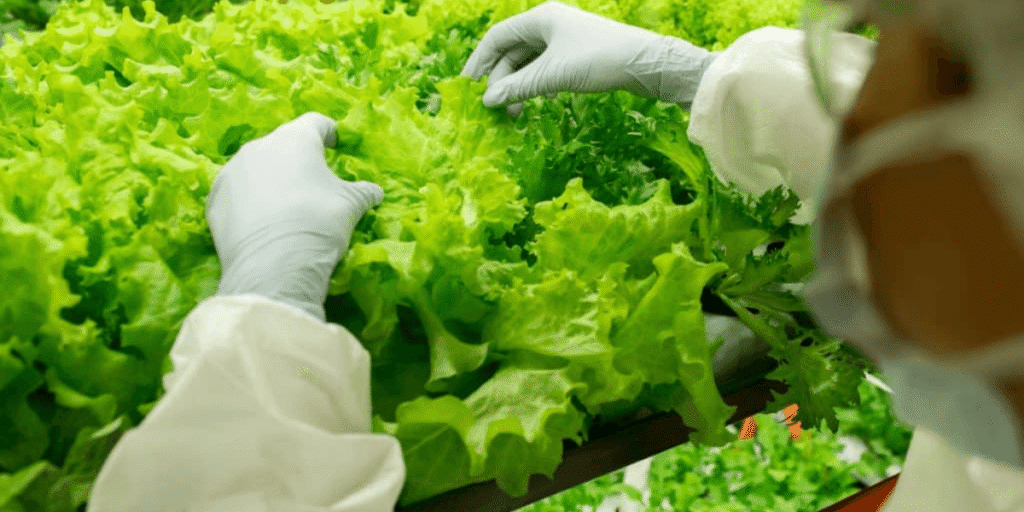
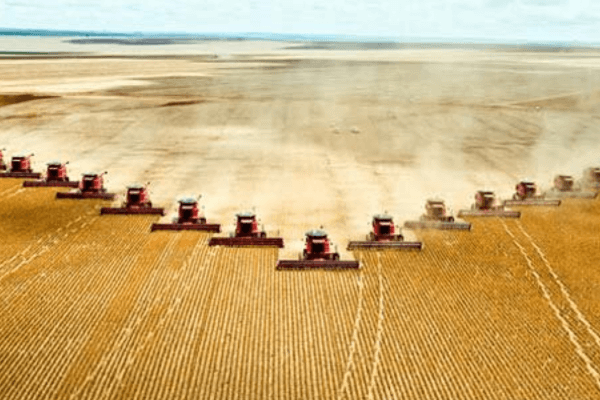
Hydroponics is the future of food production, offering a revolutionary solution to the unprecedented challenges our planet faces. By 2050, the global population is expected to reach 9.8 billion, requiring food production to increase by 70 percent. Traditional agriculture, however, is under immense pressure from climate change, shrinking arable land, and limited water resources. Sustainable and innovative methods have never been more crucial.
As a precise, science-driven method of soilless cultivation, hydroponics promises higher yields, greater resource efficiency, and a more resilient food supply for generations to come. In this article, we will explore the core principles, transformative benefits, and cutting-edge innovations that make hydroponics a key driver of the agricultural future.
Core Concepts: Grasping the Fundamentals of Hydroponics
At its core, hydroponics provides plants with exactly what they need directly at their roots, completely removing the need for soil. This fundamental difference brings a host of benefits. Instead of depending on variable soil to supply nutrients, plant roots are either submerged in or exposed to a carefully balanced, nutrient-rich water solution. This direct delivery allows plants to take in nutrients more efficiently, promoting stronger, healthier growth and often faster development.
Hydroponics is also a type of Controlled Environment Agriculture (CEA), where every factor light, temperature, humidity, and CO2 levels is carefully managed. This precise control creates ideal growing conditions, allowing plants to thrive without the uncertainties and challenges often faced in traditional outdoor farming.
The Science Behind Hydroponics: Revealing How It Works
Understanding the science behind hydroponics reveals just how efficient and powerful this growing method can be. To truly grasp the foundational principles and how hydroponics works, it’s clear that it’s much more than simply “growing plants in water.” Hydroponics is a carefully coordinated system that combines plant physiology with precise environmental control, allowing plants to thrive in ways traditional soil-based methods cannot.
Plant Nutrition Essentials: The Role of Nutrient Solutions
Healthy plant growth depends on 17 essential elements. In hydroponics, these elements are dissolved directly in water to create a nutrient solution that feeds the plants efficiently.
Macronutrients (N, P, K) provide the foundation for growth. Nitrogen supports leafy development, phosphorus strengthens roots and flowers, and potassium promotes overall plant health.
Secondary nutrients (Ca, Mg, S) play important supporting roles. Calcium builds strong cell walls, magnesium is crucial for chlorophyll production, and sulfur helps form proteins.
Micronutrients (Fe, Mn, Zn, Cu, B, Mo, Cl, Ni) are needed in smaller amounts but are essential for key enzymatic processes that keep plants healthy and productive.
The composition of the nutrient solution must be carefully adjusted for each plant species and growth stage. For example, plants in the vegetative stage require more nitrogen to encourage leaf and stem growth, while flowering or fruiting plants benefit from higher phosphorus and potassium levels.
Water, Oxygen, and pH: Key Factors in Hydroponic Systems
In hydroponics, water is the main medium, but oxygen is just as vital for healthy root growth. Roots need a steady supply of oxygen to function properly. Without it, they can suffocate, which may stunt plant growth or even cause death. Hydroponic systems address this by continuously aerating the water with air stones, pumps, or by periodically exposing the roots to open air.
Another crucial factor is the pH of the nutrient solution, which measures its acidity or alkalinity. Most plants grow best in a slightly acidic to neutral range, usually between 5.5 and 6.5. Keeping the pH within this range ensures that essential nutrients stay soluble and accessible to the roots. If the pH goes outside this range, nutrient lockout can occur, meaning nutrients are present in the solution but cannot be absorbed by the plant.
Beyond Natural Light: Advantages of Controlled Lighting
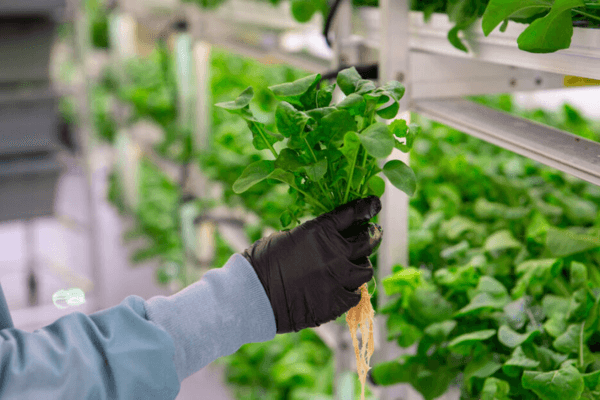
In many modern hydroponic setups, especially vertical farms, plants thrive under artificial grow lights. LED grow lights have become essential because they offer several key benefits.
Precision Spectral Control: LEDs can emit specific wavelengths of light, creating tailored “light recipes” that support photosynthesis and match different growth stages. For example, blue light encourages leafy vegetative growth, while red light promotes flowering and fruiting.
Energy Efficiency: LEDs convert electricity into usable light with very little wasted heat, cutting energy costs by 40 to 60 percent compared to older lighting systems.
Low Heat Output: Since LEDs produce minimal heat, they can be placed closer to plants, maximizing space and reducing the need for additional cooling in controlled environments.
Durability: LED lights last a long time often over 50,000 hours reducing maintenance and replacement costs while ensuring consistent lighting for your plants.
Exploring Various Hydroponic Methods: Tailored Solutions
Hydroponics is not just one method it includes a variety of systems, each with its own principles, benefits, and ideal uses.
Deep Water Culture (DWC): One of the simplest methods, where plant roots are fully submerged in oxygen-rich nutrient solution. It works especially well for leafy greens.
Nutrient Film Technique (NFT): A thin layer of nutrient solution flows continuously over the roots in slightly sloped channels, providing both nutrients and oxygen. This method is efficient for fast-growing, shallow-rooted plants.
Drip Systems: Nutrient solution is delivered directly to each plant through emitters, with any excess often recirculated. This system is highly customizable for different crops.
Ebb and Flow (Flood and Drain): Grow trays are periodically flooded with nutrient solution and then drained. This cycle allows roots to take up nutrients while also receiving ample oxygen.
Aeroponics: Roots are suspended in the air and regularly misted with nutrient solution, maximizing oxygen exposure for rapid growth. It is one of the most advanced methods, though more complex to set up.
Wick Systems: A passive system where wicks draw nutrient solution from a reservoir to the growing medium. It is simple, low-maintenance, and ideal for beginners.
Hydroponics’ Role in Revolutionizing Food Production
The move toward hydroponics is transforming agriculture by providing innovative solutions to some of the most urgent challenges in food production.
Drastic Resource Savings Through Hydroponic Farming
Water Efficiency: Hydroponic systems recirculate water, allowing them to use up to 90–95% less water than traditional soil-based farming. This makes hydroponics especially valuable in regions prone to drought and is an important step toward ensuring global water security.
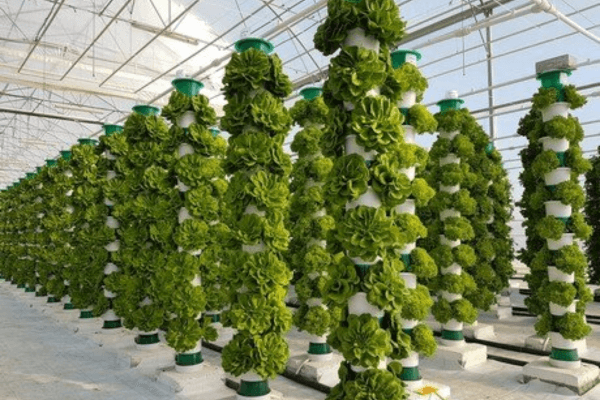
Land Optimization: By removing the need for soil and allowing plants to be grown vertically, hydroponic farms make much more efficient use of space. A single acre of vertical hydroponic farming can produce the same yield as hundreds of acres of conventional farmland, freeing land for other purposes or for natural habitats.
Superior Environmental and Crop Quality Outcomes
Pesticide-Free Produce: Growing in a controlled indoor environment greatly reduces the risk of pests and diseases, making chemical pesticides, herbicides, and fungicides largely unnecessary. This results in cleaner, safer, and healthier crops.
Lower Carbon Footprint: Urban hydroponic farms shorten the distance food travels from farm to table, cutting transportation emissions. Many operations further enhance sustainability by incorporating renewable energy sources such as solar and wind power.
Higher Yields and Consistency: By precisely managing nutrients, water, light, and temperature, hydroponic systems accelerate plant growth, producing higher yields per square foot and enabling more frequent harvests. This reliable output ensures a consistent supply regardless of weather conditions, with studies showing faster growth compared to soil-based farming.
Better Quality and Flavor: Controlled growing conditions allow growers to adjust nutrient profiles to enhance flavors, textures, and nutritional content. Hydroponic produce is often harvested at peak ripeness and delivered fresh, maximizing its quality and taste.
Economic Growth and Social Benefits from Hydroponics
Year-Round Food Security: Hydroponic farms are not affected by seasonal changes or extreme weather, ensuring a steady supply of fresh produce throughout the year. This stability strengthens food security across different climates.
New Economic Opportunities: The growing hydroponics sector creates skilled jobs in areas such as plant science, engineering, automation, AI, and urban planning, nurturing a new generation of agricultural innovators.
Addressing Food Deserts: By enabling local food production in cities, hydroponics brings fresh and nutritious produce directly to communities that might otherwise have limited access, supporting stronger and more resilient local food systems.
Attractive Return on Investment: While the initial setup costs can be higher, long-term efficiencies such as reduced water usage, lower labor needs, no reliance on pesticides, and consistent crop yields make hydroponics a competitive investment for commercial operations. Increasingly, governments and private investors are recognizing its economic potential.
Understanding the Hydroponic Industry: Challenges & Innovations
Despite its tremendous potential, expanding hydroponic farming presents certain challenges. However, ongoing innovations are quickly addressing these obstacles and making large-scale adoption increasingly feasible.
Barriers to Widespread Adoption of Hydroponics
High Initial Investment: Establishing a commercial hydroponic farm requires significant upfront costs for infrastructure, specialized equipment, and advanced control systems.
Energy Requirements: Even though hydroponic systems are efficient, lighting, pumps, and climate control still consume considerable electricity. Integrating renewable energy is essential for long-term sustainability.
Technical Knowledge and Management: Maintaining optimal nutrient solutions, pH levels, and environmental conditions requires specialized expertise and continuous monitoring, necessitating a skilled workforce.
Disease Control: While hydroponics reduces many common plant diseases, waterborne pathogens can spread quickly if introduced. Strict sanitation practices are essential to prevent outbreaks.
Limited Crop Variety at Scale: Hydroponics excels with leafy greens and herbs, but growing staple crops such as grains or root vegetables on a large commercial scale remains challenging. Research is ongoing to expand the range of crops suitable for hydroponic farming.
Breakthroughs and Future Innovations in Hydroponics
The future of hydroponics is bright, driven by rapid technological advancements:
AI and IoT Integration: Artificial intelligence and Internet of Things (IoT) sensors are transforming hydroponic farming. Real-time data from countless sensors allows AI systems to anticipate plant needs, adjust nutrient delivery, optimize lighting schedules, and detect early signs of stress or disease, improving both yield and efficiency.
Advanced Automation and Robotics: Automation is revolutionizing operations, from automated seeding and transplanting to robotic harvesting and packaging. These technologies reduce labor costs while increasing precision, particularly in large-scale farms.
Energy Optimization: Innovations go beyond LED lighting. Improved HVAC systems, heat recovery methods, and smart energy grids are helping hydroponic farms reduce energy consumption, moving closer to net-zero operations.
Expanding Crop Diversity: Research continues to push the limits of what can be grown hydroponically, optimizing conditions for a wider range of fruits, vegetables, and specialty crops.
Circular Economy Practices: Hydroponic systems are increasingly designed to recycle resources. Plant waste can be converted into bioenergy or nutrient-rich compost, while water and nutrient solutions are refined and reused, creating a more sustainable and efficient farming cycle.
Global Effects: How Hydroponics Advances Food Security
Hydroponics has moved beyond being a niche concept and is now transforming food systems worldwide. In major cities like New York, Singapore, and Tokyo, large-scale urban farms are producing fresh, locally grown food year-round. In regions with harsh climates or limited arable land, such as the UAE and Israel, hydroponic farming has become a strategic approach to ensuring a reliable food supply. These systems consistently deliver high-quality crops, even under challenging conditions, supporting local economies and strengthening food security.
A major advantage of hydroponics is its ability to bring food production closer to consumers. Growing crops within or near urban areas reduces the time from harvest to table, resulting in fresher produce with higher nutritional value. At the same time, it helps combat food waste. With nearly one-third of all food produced globally being lost or discarded, hydroponics provides a practical and scalable solution by minimizing spoilage during transport and storage.
Common Questions About Hydroponic Farming Answered
Q1: Can I grow hydroponic herbs or vegetables at home?
Yes! Compact home systems are available for beginners and can fit on countertops, windowsills, or balconies. They are ideal for growing herbs, leafy greens, and small vegetables year-round.
Q2: Is hydroponic produce safe and chemical-free?
Generally, yes. Many hydroponic systems grow plants without pesticides, herbicides, or GMOs. Look for labels like “pesticide-free” or “Certified Naturally Grown” for assurance.
Q3: Do hydroponic plants taste better than soil-grown ones?
Often, yes. With precise control over nutrients, water, and light, hydroponic plants can develop stronger flavors. Quick harvesting and minimal transport also help preserve freshness and taste.
Q4: How much does it cost to start a home hydroponic system?
Small, beginner-friendly setups can cost less than $100. More advanced systems with grow lights and pumps may range from a few hundred dollars. Commercial or large-scale systems require a larger investment.
Q5: Can hydroponics supply enough food for a city?
Yes. Urban hydroponic farms are already supplying fresh produce to cities worldwide. They are especially effective for leafy greens and herbs, and ongoing research is expanding their potential for staple crops.
Final Thoughts: Paving the Way for a Sustainable Food Future
Hydroponics has moved beyond being a niche farming technique and is quickly becoming a key part of the future food system. By delivering nutrients directly to plant roots with precision and efficiency, it overcomes many of the limitations faced by traditional agriculture while promoting sustainability.
Hydroponics is reshaping how we think about food production. From improving food security in densely populated cities to enabling scientific innovation and even supporting future space missions, it offers a transformative approach to growing food.
More than just speeding up plant growth, hydroponics is redefining our relationship with agriculture. It helps build a food system that is cleaner, smarter, and far more resilient.
To learn more about how this technology is changing the way we feed the world, explore our in-depth guide on the future of hydroponic farming.
Are You Ready to Embrace the Future of Agriculture?
Whether you’re a curious hobbyist dreaming of fresh, pesticide-free produce, an aspiring urban farmer, or a commercial grower striving for peak efficiency, hydroponics is transforming the way we grow food.
Soilless cultivation helps save water, reduces land use, and brings fresh food closer to where people live. It’s efficient, clean, and ready for the future.
Already growing hydroponically? We’d love to see your setup. Tag us @Greenfuturehydro on Instagram or share your journey in the comments.
Need help choosing a system, balancing nutrients, or improving yield? Send us a message. Our team is here to help you grow with confidence.
Visit www.greenfuturelight.com to explore innovative hydroponic systems and high-performance grow lights tailored to your success. Whether you’re growing herbs on a balcony or building a vertical farm, we’ve got the tools to help you thrive.

