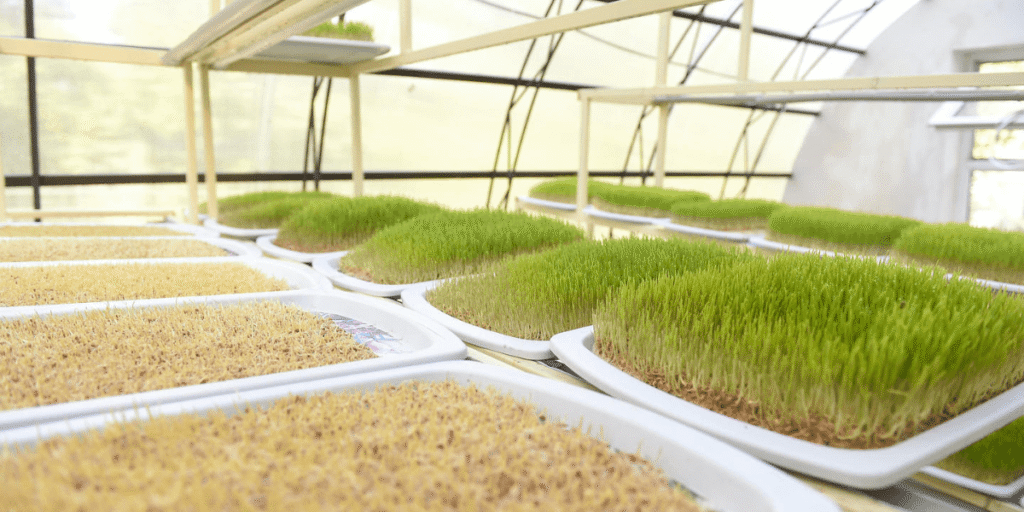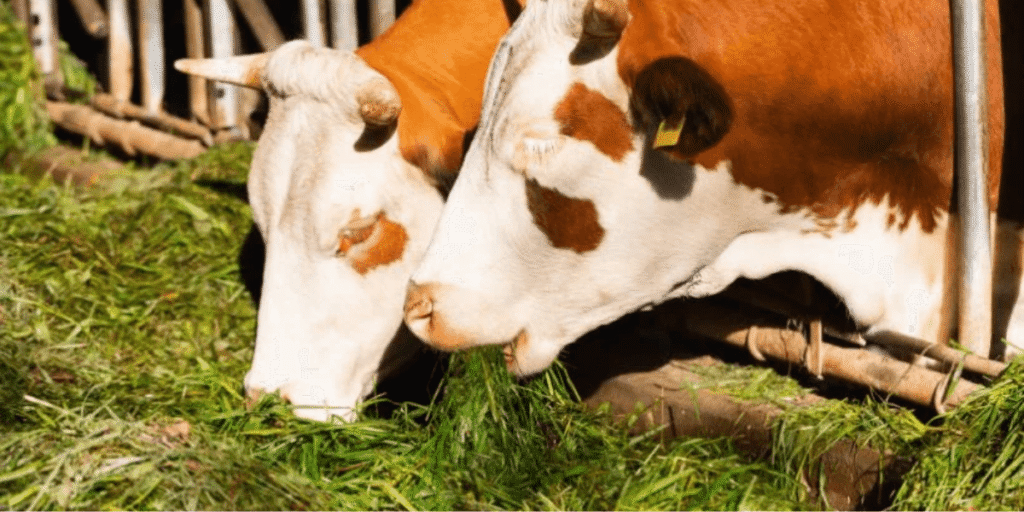

Nutritional Benefits of Fodder are one of the main reasons hydroponic fodder is gaining popularity worldwide. Hydroponic fodder is a fresh, soil-free livestock feed produced by sprouting grains such as barley, wheat, and oats in a controlled environment. This method provides consistent quality, rapid growth, high digestibility, and reliable year-round production. As more farmers seek sustainable and nutrient-dense alternatives to traditional feed, hydroponic fodder stands out for its water efficiency, space savings, and overall superior feed performance.
The growing interest in hydroponic fodder is driven by its strong active nutritional value. During the sprouting process, grains naturally activate beneficial enzymes, increase essential vitamins, and improve the bioavailability of minerals. This creates a living feed that animals can absorb and digest far more efficiently than dry hay or stored grains. The result is better immunity, improved gut health, higher milk yields, stronger weight gain, and healthier overall livestock. As more producers focus on sustainable and high-performance feeding strategies, hydroponic fodder continues to prove its importance in the future of animal nutrition.
Understanding Hydroponic Fodder and Its Nutritional Benefits
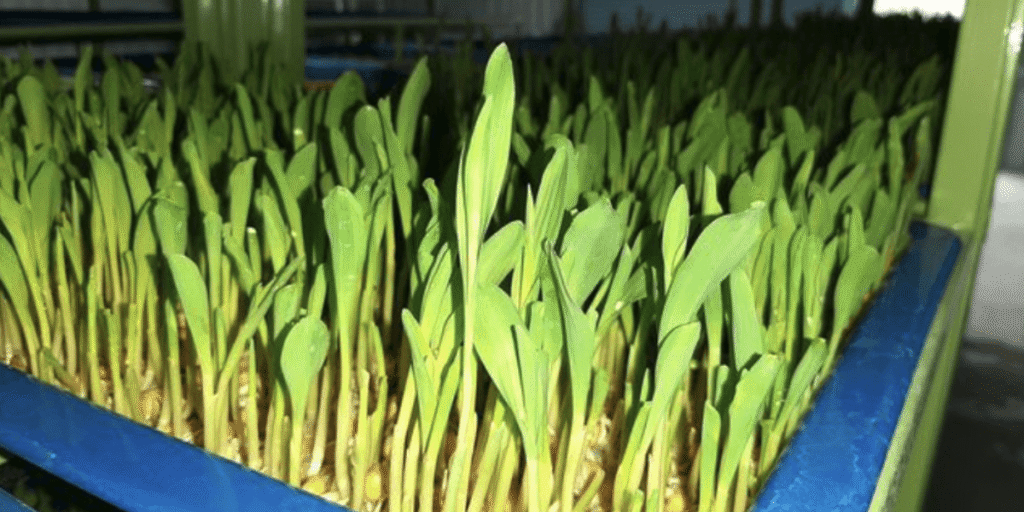
Hydroponic fodder is a fresh and highly nutritious type of livestock feed grown without the use of soil. Instead of traditional farming methods, the grains are sprouted using only water and controlled light in a clean indoor environment. Within just a few days, these grains develop into tender green sprouts that provide animals with easily digestible, enzyme-rich, and vitamin-dense nutrition. Because hydroponic fodder grows quickly and does not depend on climate or farmland, it has become an increasingly popular feeding solution for modern livestock producers.
Common Sprouted Grains for High-Nutrient Hydroponic Fodder
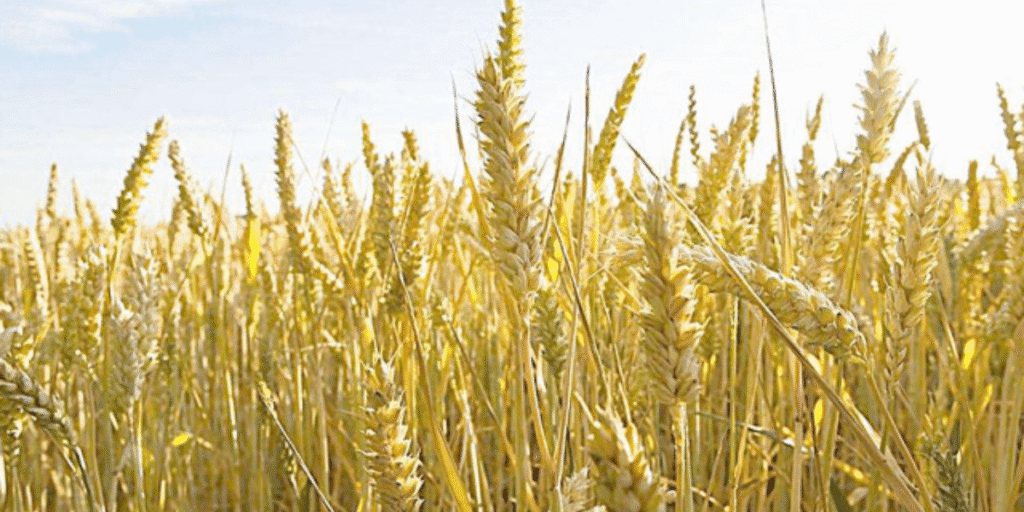
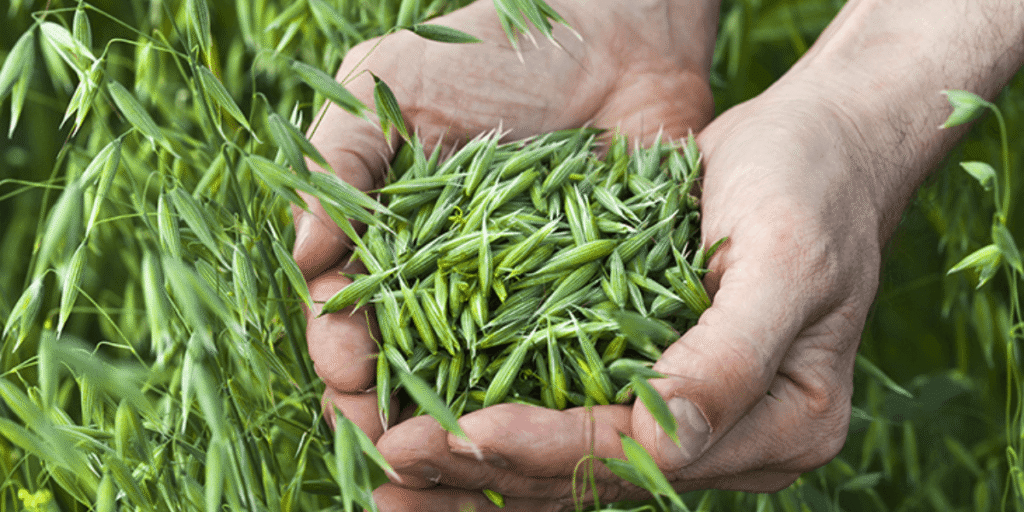
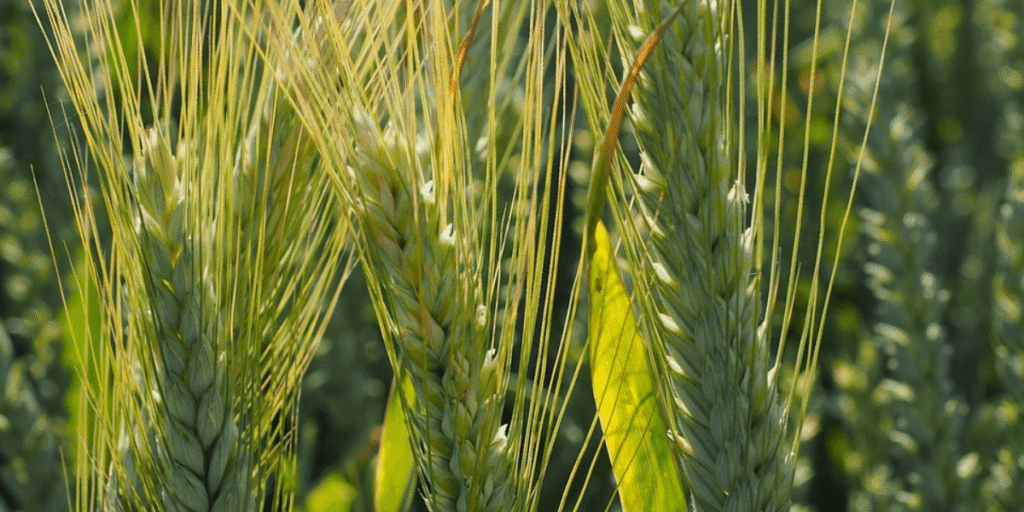
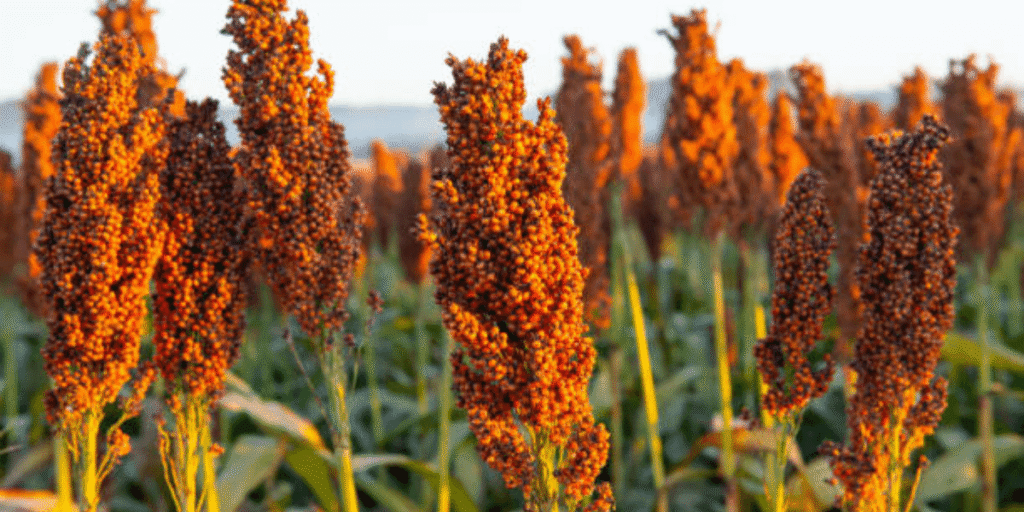
Several types of grains are well suited for producing hydroponic fodder, and each offers a strong nutritional profile for livestock. The most widely used grain is barley, which is known for its excellent germination rate and balanced nutrients for dairy cows, goats, sheep, and horses. Wheat is another popular choice because it sprouts quickly and provides high levels of protein, vitamins, and natural enzymes. Oats are often used when farmers want a slightly higher energy content and a softer fodder mat for young or sensitive animals. Sorghum is favored in warmer regions and delivers a resilient, mineral-rich sprout that supports strong growth and immunity. These grains are chosen not only for their nutritional benefits but also for their consistent performance in controlled hydroponic systems, making them ideal for year-round feed production.
Core Components That Define Nutrient-Dense Fodder Quality
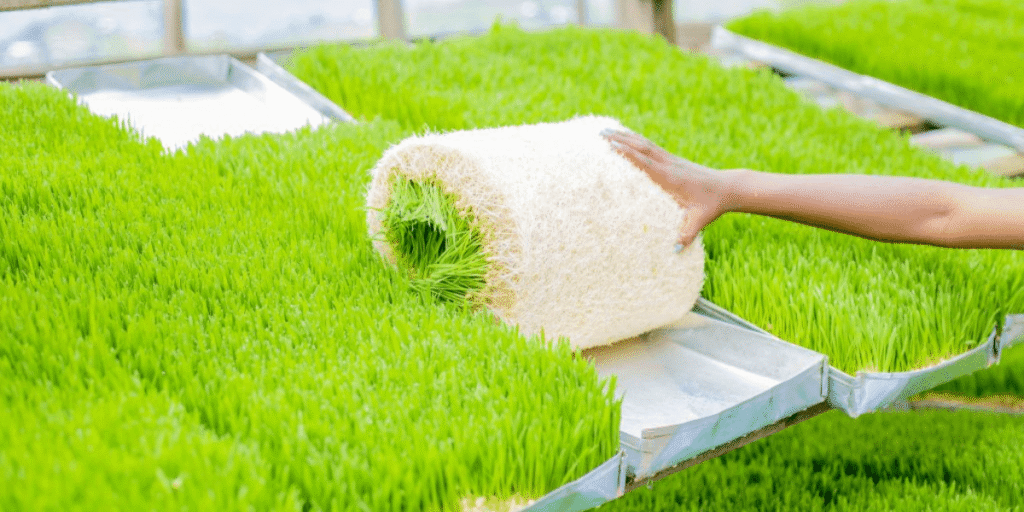
A fully developed hydroponic fodder mat is made up of several highly nutritious components that work together to support animal health and performance. The base of the fodder consists of a dense white root system that is rich in natural enzymes and easily digestible carbohydrates. These roots help improve gut function and provide a steady source of energy for livestock. Above the roots, the young sprouts form tender shoots that supply protein, essential vitamins, and antioxidants. As the fodder continues to grow, it develops vibrant green leaves filled with chlorophyll, minerals, and active enzymes. These enzymes play an important role in breaking down nutrients, making the entire fodder mat highly bioavailable and easy for animals to digest. Because all parts of the hydroponic fodder are consumed together, livestock receive a complete, fresh, and balanced source of active nutrition.
Hydroponic Fodder Nutrition vs Conventional Livestock Feed
| Feature | Hydroponic Fodder | Traditional Hay | Pellet or Grain Feed |
|---|---|---|---|
| Growth Method | Grown in water with light, no soil required | Grown in soil, weather-dependent | Manufactured from processed grains or forage |
| Time to Harvest | 6–8 days | Several months | Already processed, no growing time |
| Moisture Content | 70–80% | 10–15% | 5–10% |
| Digestibility | 80–90% | 50–60% | 60–70% |
| Vitamin & Enzyme Content | High, active enzymes and antioxidants | Reduced due to drying | Minimal, nutrients may degrade during processing |
| Mineral Bioavailability | High, naturally enhanced | Moderate | Moderate, may be supplemented |
| Consistency | Year-round, controlled environment | Seasonal, weather-dependent | Consistent, but not fresh |
| Benefits for Livestock | Improved immunity, gut health, growth, milk yield | Basic nutrition | Convenience and storage, may require supplements |
The Meaning of Active Nutrition in Sprouted Fodder
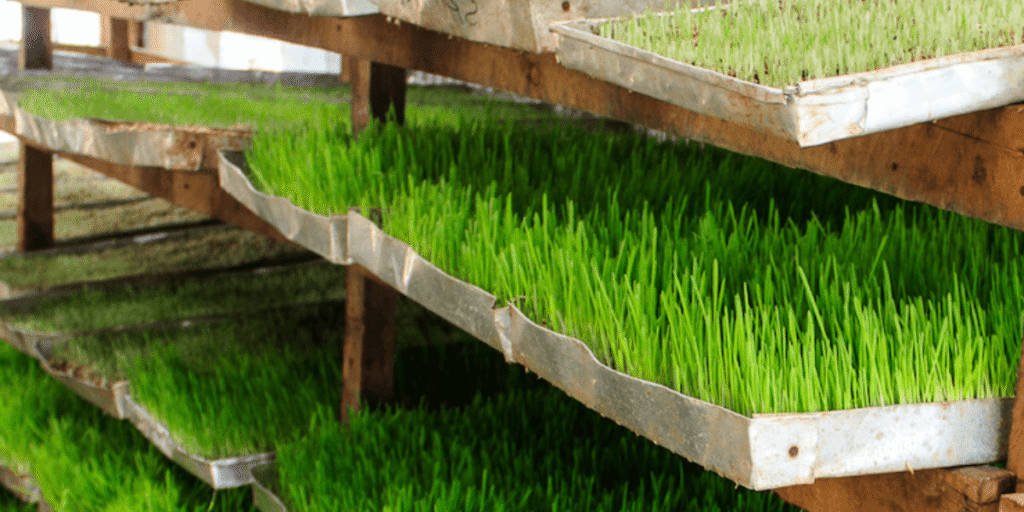
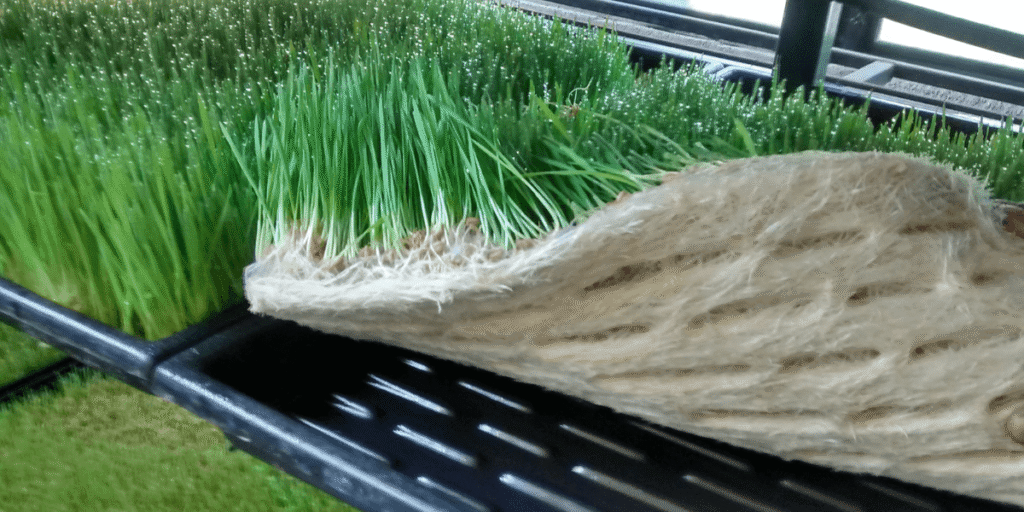
Active nutrition refers to nutrients that are naturally enhanced and fully bioavailable through the process of germination and sprouting. In hydroponic fodder, grains undergo a controlled sprouting process where enzymes are activated, complex carbohydrates are broken down into simple sugars, and vitamins and minerals increase in both quantity and bioavailability. Unlike traditional dry feed or processed pellets, hydroponic fodder delivers living nutrients that animals can absorb and digest more efficiently. This active nutritional profile supports better gut health, stronger immunity, improved growth rates, and higher milk production, making it a highly effective feed solution for modern livestock management.
How Germination Boosts Fodder Nutrition and Bioavailability
During the germination process, the nutrients in grains are naturally activated, transforming them into a highly bioavailable form for livestock. Enzymes such as amylase, protease, and lipase become active, breaking down complex carbohydrates, proteins, and fats into simpler, easily digestible compounds. At the same time, vitamins, antioxidants, and essential minerals increase in both concentration and availability. This nutrient activation makes hydroponic fodder more digestible and efficient compared to dry hay or processed grains, providing animals with fresh, living nutrition that supports better growth, immunity, and overall health.
Enzyme Activation for Better Nutrient Absorption in Livestock
Enzymes play a crucial role in hydroponic fodder by breaking down complex nutrients into forms that are easily absorbed by livestock. During sprouting, natural enzymes such as amylase, protease, and lipase convert starches, proteins, and fats into simpler sugars, amino acids, and fatty acids. This process enhances digestibility, increases nutrient availability, and allows animals to extract maximum energy and nutrition from their feed. Compared to traditional dry hay or processed grain, hydroponic fodder provides living enzymes that actively support digestion, gut health, and overall livestock performance.
Vitamin- and Antioxidant-Rich Benefits of Fresh Sprouted Fodder
Hydroponic fodder offers a remarkable boost in vitamins and antioxidants compared to traditional dry feed. During the sprouting process, grains naturally increase their content of essential vitamins such as A, C, E, and the B-complex, as well as vital antioxidants like beta-carotene and polyphenols. These nutrients play a critical role in supporting livestock immunity, reducing oxidative stress, and promoting healthy growth and reproduction. By providing fresh, living feed rich in vitamins and antioxidants, hydroponic fodder enhances overall animal health and productivity, making it a superior and science-backed choice for modern livestock farming.
Why Fresh Hydroponic Fodder Improves Digestibility and Uptake
Fresh hydroponic fodder provides animals with living nutrients that are significantly easier to digest and absorb than stored or processed feed. Unlike dry hay or pelleted grains, hydroponic fodder retains active enzymes, vitamins, and antioxidants that naturally degrade in traditional feed during storage. This living feed ensures that livestock receive bioavailable nutrition that supports optimal digestion, improved gut health, stronger immunity, and higher productivity. By offering fresh, enzyme-rich fodder, farmers can maximize the health benefits and feed efficiency for dairy cows, goats, sheep, horses, and other livestock.
Key Nutritional Advantages of Hydroponic Fodder Systems
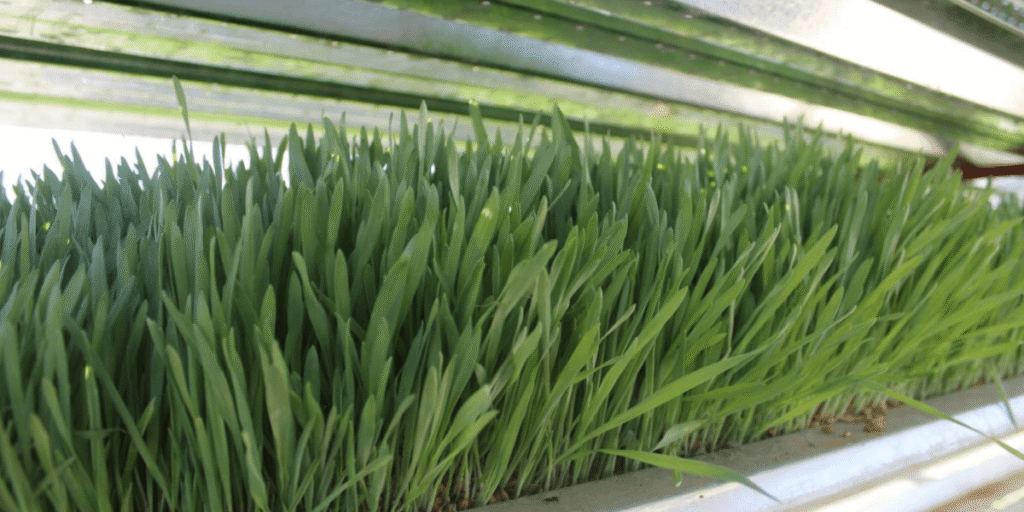
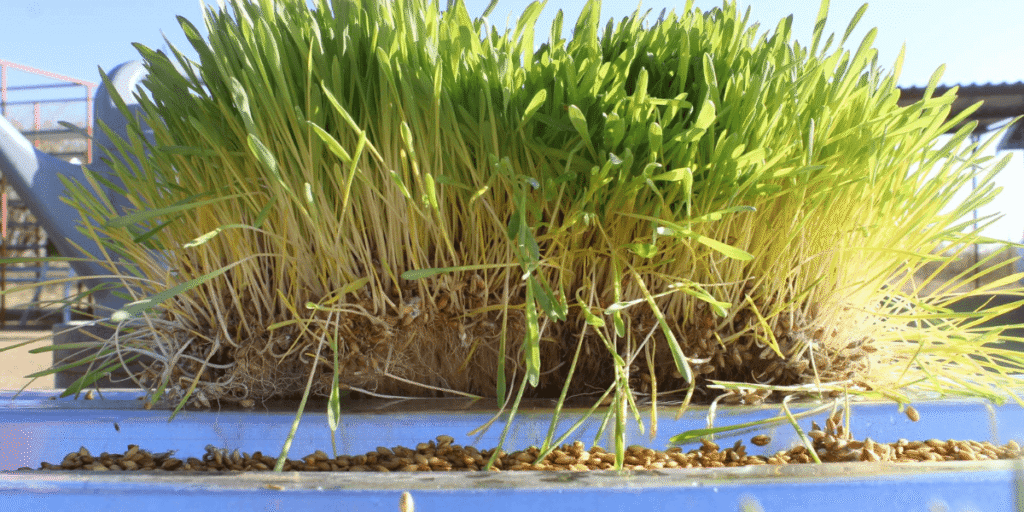
High Digestibility Levels in Hydroponic Livestock Feed
- Exceptional Digestibility: Hydroponic fodder has a digestibility rate of 80–90%, making it easier for animals to absorb nutrients compared to traditional feed.
- Starch Conversion: During sprouting, starches in the grains are naturally broken down into simple sugars, which reduces the digestive workload for livestock.
- Enhanced Energy Utilization: The improved digestibility allows animals to extract more energy from the same amount of feed, supporting better growth and performance.
- Improved Feed Conversion Ratio (FCR): Animals fed hydroponic fodder convert feed into body mass or milk more efficiently, resulting in higher productivity.
- Overall Benefits: High digestibility contributes to healthier livestock, increased milk production, and better weight gain, making hydroponic fodder a highly effective, nutrient-rich feeding solution.
Active Enzymes That Enhance Animal Metabolism and Growth
- Key Enzymes Activated: Hydroponic fodder naturally activates important enzymes such as amylase, protease, lipase, and phytase during sprouting.
- Enhanced Nutrient Absorption: These enzymes break down starches, proteins, and fats into simpler, easily digestible forms, allowing livestock to absorb more nutrients efficiently.
- Improved Metabolism: The presence of active enzymes supports better overall metabolism, helping animals convert feed into energy and growth more effectively.
- Health and Performance Benefits: Enzyme-rich fodder contributes to improved digestion, stronger immunity, better weight gain, and higher milk production.
Antioxidant-Boosted Fodder for Stronger Livestock Immunity
- Rich in Essential Vitamins: Hydroponic fodder contains high levels of vitamin A, vitamin C, vitamin E, and B-complex vitamins, which are crucial for overall animal health.
- Boosted Antioxidants: Sprouting increases beta-carotene and polyphenol content, providing strong antioxidant support.
- Enhanced Immunity: The combination of vitamins and antioxidants helps strengthen the immune system, reducing the risk of disease.
- Improved Reproduction and Coat Health: These nutrients contribute to better fertility, healthier skin, and shinier, stronger coats in livestock.
Improved Mineral Availability in Sprouted Hydroponic Fodder
- Reduced Anti-Nutritional Factors: Sprouting naturally decreases compounds that can block mineral uptake, improving overall nutrient availability.
- Improved Mineral Bioavailability: Key minerals such as calcium, magnesium, phosphorus, iron, and zinc are more easily absorbed by livestock.
- Benefits for High-Demand Animals: Animals with higher mineral needs, including dairy cows, goats, and horses, gain significant health and performance advantages from hydroponic fodder.
Gut Health and Microbial Benefits from Fresh Green Fodder
- Supports Digestive Movement: The fibrous root system of hydroponic fodder promotes healthy gut motility, aiding digestion.
- Enhances Rumen Health: Naturally occurring probiotics in the fodder help maintain a balanced gut microbiome and support overall rumen function.
- Reduces Digestive Disorders: Regular consumption can lower the risk of acidosis, bloating, and other common digestive issues in livestock.
Natural Immune Support from Nutrient-Rich Hydroponic Feed
- Synergistic Effect of Antioxidants and Enzymes: The combination of natural antioxidants and active enzymes in hydroponic fodder enhances the immune system.
- Reduced Disease Incidence: Livestock fed with hydroponic fodder experience fewer illnesses due to improved overall health and immunity.
- Lower Veterinary Costs: Stronger natural immunity leads to reduced medical interventions and lower veterinary expenses for farmers.
Hydration and Moisture Benefits of Fresh Hydroponic Fodder
- Rich in Moisture: Hydroponic fodder contains 70–80% water, providing a natural source of hydration for livestock.
- Supports Hydration in Hot or Dry Conditions: Animals in high-temperature or drought-prone areas benefit from improved hydration and overall health.
- Reduces Dependence on Drinking Water: The high water content helps maintain fluid balance, reducing stress and improving feed intake during hot weather.
Nutrition-Based Comparison: Hydroponic Fodder vs Traditional Feed
| Feature | Hydroponic Fodder | Traditional Feed (Hay / Pellets) |
|---|---|---|
| Nutritional Content | High in vitamins, active enzymes, minerals, and highly digestible | Moderate in nutrients; vitamins and enzymes may degrade during storage; digestibility lower |
| Growth Cycle | 6–8 days | Several months |
| Climate Dependence | Year-round production in controlled environment | Seasonal; dependent on weather and soil conditions |
| Water Use Efficiency | Low water requirement; highly efficient | High water requirement for crop growth |
| Sustainability | Sustainable, minimal land and soil needed | Less sustainable; requires farmland and more resources |
| Management Requirements | Requires hydroponic system setup and monitoring | Traditional farming, harvesting, storage, and sometimes chemical inputs |
| Cost Efficiency | Initial setup cost, but lower long-term feed cost due to higher yield and efficiency | Lower initial cost but higher long-term cost due to slower growth, seasonal variation, and storage loss es |
Livestock Species That Benefit Most From Nutrient-Rich Fodder
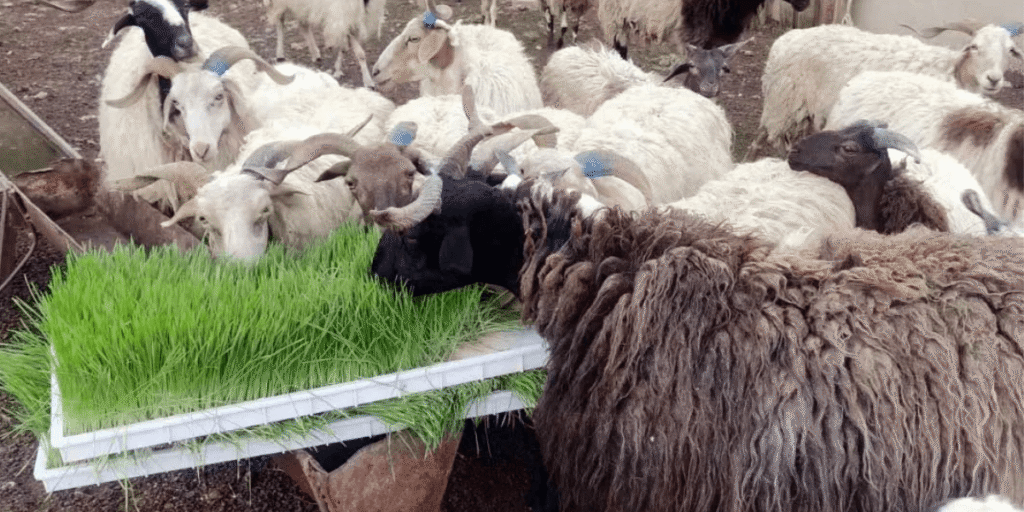
Hydroponic fodder is a versatile feed option suitable for a wide range of livestock. Its high digestibility, nutrient density, and active enzymes make it ideal for animals that require high-quality, easily absorbable feed. Key animal groups include:
- Dairy and Beef Cattle: Supports higher milk production, better weight gain, and improved overall health.
- Sheep and Goats: Enhances growth, fertility, and immune function.
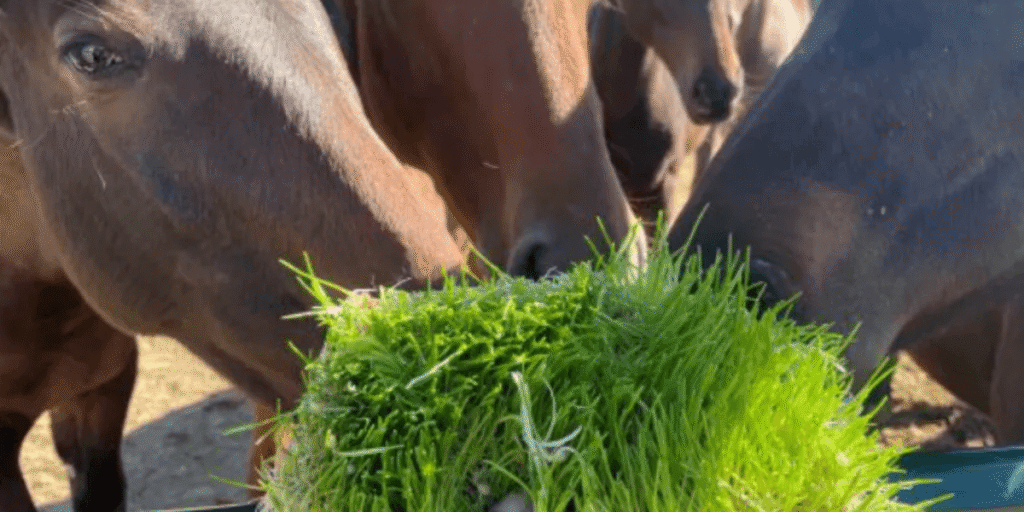
- Horses: Provides balanced nutrition, supports digestive health, and maintains energy levels.
- Camels: Suitable for arid regions, offering hydration and nutrient-rich forage.
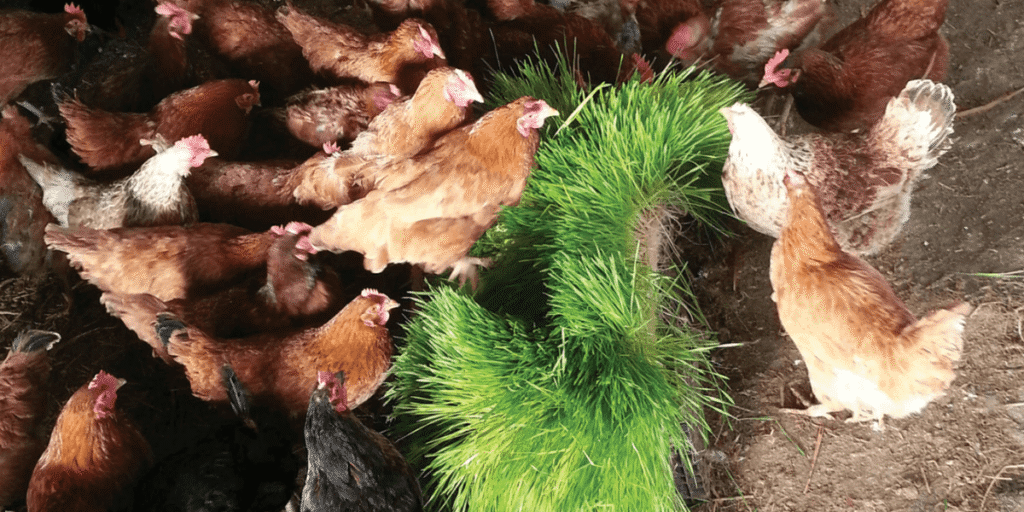
- Poultry (Limited Use): Can be offered as a fresh supplement to improve nutrient intake.
- Pigs (Supplementary Feed): Can complement regular diets to boost nutrient density and digestibility.
Hydroponic fodder is particularly beneficial for animals with higher energy, protein, or mineral requirements, ensuring optimal growth, productivity, and health.
Specific Nutritional Gains for Cattle, Goats, Horses, and Poultry
Hydroponic fodder provides tailored nutritional advantages depending on the type of livestock. Key improvements include:
- Dairy Cattle:
- Enhanced milk production through high digestibility and active enzymes
- Increased energy and protein intake for better lactation
- Improved mineral absorption supporting strong bones and udder health
- Beef Cattle:
- Accelerated weight gain with highly bioavailable nutrients
- Balanced protein and carbohydrate content for efficient growth
- Supports overall immunity and digestive health
- Sheep and Goats:
- Boosts fertility and reproductive performance
- Improves coat quality and overall health
- Easier digestion reduces risk of rumen stress
- Horses:
- Maintains energy levels with digestible carbohydrates
- Supports gut health and reduces digestive disorders
- Provides essential vitamins and minerals for coat and hoof health
- Camels:
- Supplies hydration through high water content
- Delivers essential nutrients in arid environments
- Enhances endurance and overall health
- Poultry (Limited Use):
- Improves vitamin and antioxidant intake
- Supports gut health and immunity
- Can enhance egg quality when used as a supplement
- Pigs (Supplementary Feed):
- Complements regular diets with digestible protein and vitamins
- Promotes healthier growth and weight gain
- Supports gut microbiome balance
By using hydroponic fodder strategically, farmers can address specific nutritional needs for each type of animal, improving productivity, health, and overall farm efficiency.
Feeding Amounts and Daily Intake for Optimal Fodder Nutrition
Hydroponic fodder can be incorporated into the daily diet of various livestock to improve nutrition, digestion, and overall health. Recommended feeding amounts vary depending on the type and size of the animal:
| Animal | Recommended Daily Amount |
|---|---|
| Dairy Cattle | 10–15 kg per day |
| Goats / Sheep | 2–3 kg per day |
| Horses | 5–7 kg per day |
| Camels | 10–12 kg per day |
| Poultry | 3–5% of total daily feed |
Tips for Feeding:
- Introduce hydroponic fodder gradually, especially for animals not accustomed to fresh sprouts.
- Provide clean water alongside the fodder to support digestion.
- Use as part of a balanced diet; for poultry and pigs, it should complement regular feed rather than replace it entirely.
- Monitor animal health and adjust feed amounts as needed to optimize growth, milk production, or weight gain.
Best Practices for Transitioning to Hydroponic Fodder Feeding
Introducing hydroponic fodder into an animal’s diet requires careful management to ensure smooth adaptation and optimal benefits. Key considerations include:
- Gradual Introduction: Start by replacing 10–20% of the daily feed with hydroponic fodder and gradually increase over 1–2 weeks to avoid digestive upset.
- Monitor Digestive Health: Watch for signs of bloating, diarrhea, or reduced feed intake, especially in ruminants, and adjust the transition rate if needed.
- Maintain Balanced Nutrition: Hydroponic fodder should complement other feeds to ensure animals receive all essential nutrients, especially for pigs and poultry.
- Clean Feeding Environment: Provide fodder in clean troughs or feeding areas to prevent contamination and maintain freshness.
- Adequate Water Supply: Although fodder has high water content, always provide fresh drinking water to support digestion and hydration.
- Observe Animal Behavior and Performance: Monitor growth, milk production, and overall health to ensure the transition is successful and to fine-tune feed amounts.
By following these steps, farmers can ensure a smooth transition to hydroponic fodder, maximizing nutritional benefits and maintaining animal health.If you want to grow high-quality hydroponic fodder at home or on your farm, our Complete Hydroponic Fodder Growing Guide provides step-by-step instructions and practical tips for successful fodder production.
Choosing the Best Sprouting Grains for Maximum Nutrition
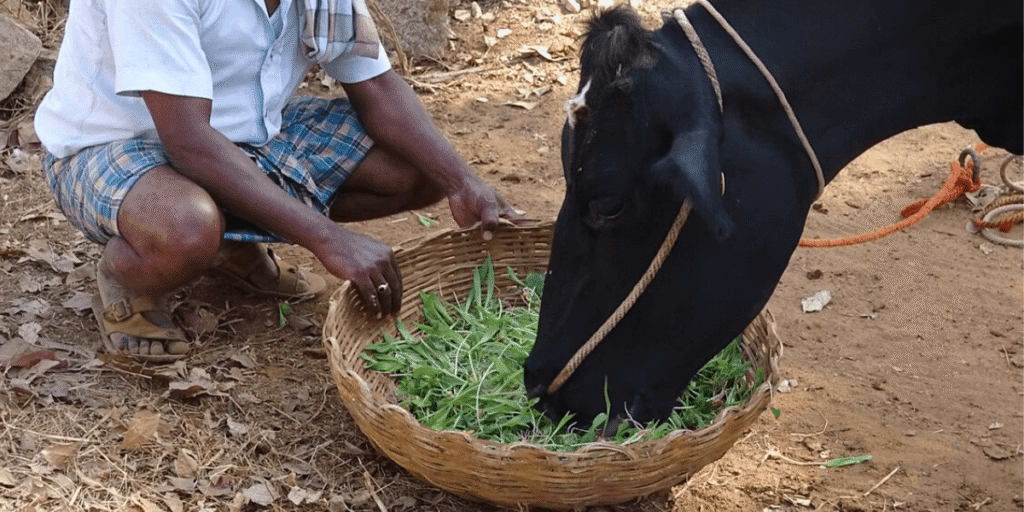
Different grains used in hydroponic fodder offer varying nutrient profiles, making some more suitable for specific types of livestock. Choosing the right grain ensures optimal growth, milk production, and overall health.
| Grain | Key Nutritional Feature | Best-Suited Animals |
|---|---|---|
| Barley | High protein, good germination, balanced nutrients | Dairy cows, beef cattle, goats, sheep |
| Wheat | High energy, rich in vitamins and enzymes | Dairy cows, horses, sheep |
| Oats | Softer sprouts, higher energy | Young or sensitive livestock, horses, goats |
| Sorghum | Mineral-rich, resilient in warm climates | Goats, sheep, camels |
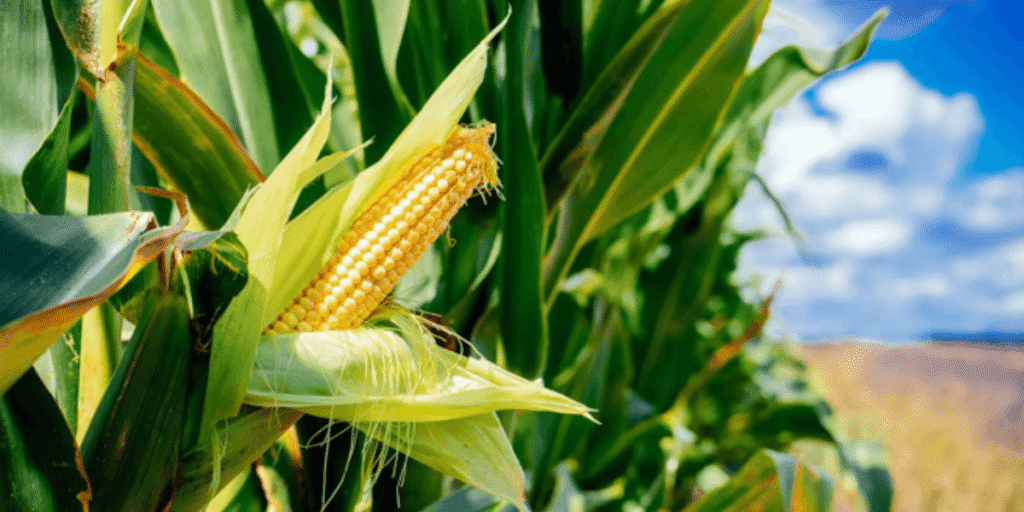
| Maize / Corn | High carbohydrate, energy-dense | Beef cattle, dairy cows, horses |
| Mixed Grains | Balanced profile for multiple nutrients | General-purpose feed for diverse livestock |
Tips for Grain Selection:
- Match grain type to the animal’s nutritional needs and age.
- Consider climate conditions; for example, sorghum performs well in hot regions.
- For mixed herds, mixed grains can provide a balanced feed suitable for various species.
Frequently Asked Questions About Hydroponic Fodder Nutrition
Hydroponic fodder is highly nutritious and digestible, but it is generally recommended as a partial or supplementary feed. For most animals, combining it with other feed ensures a balanced diet and meets all nutritional requirements.
While the initial setup cost of a hydroponic system may be higher, it often reduces long-term feed costs due to rapid growth, high yield, year-round production, and improved feed conversion efficiency. Over time, many farmers find it more cost-effective than traditional hay or pellets.
Barley is widely recognized for its excellent germination rate and consistency. Wheat and oats also germinate reliably, while sorghum performs well in warmer climates. Choosing grains depends on the target animal and environmental conditions.
Mold can occur if humidity and temperature are not properly controlled or if water circulation is insufficient. Regular cleaning, proper ventilation, and monitoring water quality can prevent mold and maintain a healthy sprouting environment.
Fresh hydroponic fodder is best consumed within 2–3 days for optimal nutrients and digestibility. It can be refrigerated for up to 5 days, but prolonged storage may reduce vitamin content and enzyme activity.
Conclusion: Key Takeaways on the Active Nutritional Benefits
Hydroponic fodder delivers active nutrition that is easily digestible and rich in vitamins, minerals, antioxidants, and enzymes. Its unique sprouting process activates nutrients, enhances mineral absorption, and supports gut health, making it an exceptionally effective feed for a variety of livestock.
Long-term benefits for animals include improved growth rates, higher milk production, stronger immunity, and better overall health. By providing fresh, enzyme-rich fodder, farmers can optimize livestock performance while reducing digestive stress and disease risk.
From a farm management perspective, hydroponic fodder offers cost and sustainability advantages. Faster growth cycles, year-round production, lower water usage, and improved feed conversion efficiency reduce reliance on traditional feed, contributing to both economic savings and environmentally friendly practices.
Overall, hydroponic fodder is a practical, nutrient-rich, and sustainable solution for modern livestock farming, combining health benefits for animals with operational efficiency for farmers.
Start Growing High-Nutrient Hydroponic Fodder Today
Ready to bring fresh, nutrient-rich fodder to your livestock? Begin by assessing your farm’s needs: how much fodder do you require each day, which animals are you feeding, and what space, water, and power are available? These factors will help you select the right hydroponic system, seed type, and environmental setup to produce high-quality fodder consistently.
It’s best to start small. Test a trial system first to observe germination rates, moisture management, and daily maintenance. Once you’ve optimized your routine, scaling up becomes easy and reliable. Partnering with a knowledgeable supplier who offers advice and after-sales support can save you time, money, and effort.
Starter equipment recommendations for beginners:
🔹 Hydroponic Towers – Space-saving and ideal for leafy greens and mixed fodder production
🔹 Automatic Irrigation / Misting Systems – Ensure consistent water and nutrient delivery
🔹 pH & EC Meters – Monitor water quality and nutrient balance for optimal growth
At Greenfuturehydro, we make hydroponic fodder farming simple and efficient. Our systems are water-efficient, beginner-friendly, and suitable for all kinds of livestock from dairy cows and goats to horses, camels, and poultry. With our solutions, your farm can become greener, healthier, and more productive.
Looking for personalized advice tailored to your farm?
📩 info@greenfuturehydro.com
📞 +86 13487543942.
Follow @Greenfuturehydro on Instagram for tips, real farm stories, and step-by-step guides to hydroponic fodder. Start today and watch your animals thrive with fresh, nutrient-packed fodder!
Recommended Articles on Fodder Nutrition and Hydroponics
- Growing a Thriving Hydroponic Commercial Greenhouse:Comprehensive Guide
- Dutch Bucket Tomato Growing Guide
- Dutch Bucket vs DWC: Which Hydroponic System Is Right for You?
- 12 Easy Hydroponic Plants for Beginners