
If you’re new to hydroponics, the Kratky method is one of the easiest ways to get your first plants growing without soil. There’s no air pump, no electricity, and no complicated equipment. Just a container, some nutrient solution, and a plant.
What I like about Kratky is how little there is to fuss with once the setup is right. The biggest thing is choosing a plant that fits the system. Lettuce and herbs are usually easy to manage, while larger plants can become much more demanding as they grow.
What’s Actually Happening in the Container
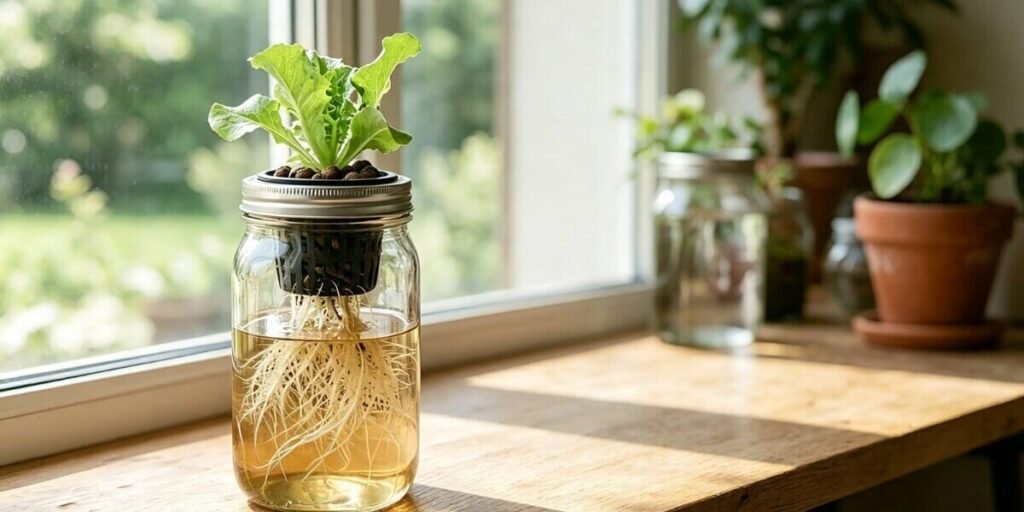
The basic idea is pretty simple. You put the plant above a container of nutrient solution and let the roots reach down into it. There’s no pump running in the background and nothing to circulate. As the plant drinks, the water level slowly drops. That leaves some of the roots hanging in the air while the rest stay in the nutrient solution. It sounds a little strange at first, but that air space is what makes the whole setup work.
From there, it’s mostly about getting the basics right. Give the plant enough water and nutrients to start with, use a container that won’t run dry too quickly, and make sure the roots have both water and access to air. Get those things right, and Kratky is surprisingly hands-off.
Getting the Setup Right From the Start
A Kratky setup is pretty forgiving, but a few choices can save you trouble later. The container, water level, and growing medium all matter more than they might seem.
Start With the Right Container
Think about how big the plant will get, not just how big it is today. A small container is usually fine for lettuce or basil, but a tomato or pepper can go through a surprising amount of water once it gets growing.
When in doubt, give the plant a little more room. Running out of water halfway through the grow is a lot more annoying than having some extra reservoir space.
Don’t Overfill the Reservoir
When the seedling goes in, the solution only needs to reach the young roots. You don’t want the entire root system sitting underwater.
As the plant grows and drinks, the water level will drop naturally. That’s what creates the air gap around the upper roots, so don’t keep topping the reservoir back up to the original level.
Pick a Simple Growing Medium
The growing medium doesn’t have to be complicated. Its main job is to hold the plant in place while the roots get established.
Rockwool, coco coir, and clay pebbles can all work. Just make sure the medium isn’t staying soaked all the time, especially around the stem.
Keep Light Out of the Reservoir
Keep light out of the reservoir. Once sunlight gets in, algae usually isn’t far behind.
An opaque container is the easiest solution. If you’re using a clear one, cover it well and check around the net pot for little gaps where light can sneak in. You can also see prevent algae for a few more practical tips.
Keep the Nutrients Simple
Kratky is pretty forgiving when it comes to nutrients. In most cases, I find that the less I mess with the reservoir, the better the plants do.
The Reservoir Will Change as the Plant Grows
The water level is supposed to go down. As the plant drinks, an air gap forms between the water and the lid, giving the roots access to oxygen.
I usually leave it alone and let that gap develop naturally. If the reservoir gets almost empty before harvest, I’ll add some water, but I don’t fill it back to the original level. There’s no real benefit to keeping the roots submerged all the way through the grow.
Be Careful With Adding More Nutrients
This is probably the easiest way to overdo a Kratky setup.
The plant is taking up water and nutrients, but it doesn’t always use them at exactly the same rate. If you keep adding fertilizer every time the water level drops, the solution can gradually get stronger than the plant needs.
For lettuce, basil, and other quick crops, I usually mix the nutrients at the beginning and leave them alone. If the plant is growing well and the leaves look healthy, I don’t try to “improve” the reservoir just because the water level has changed.
Keep an Eye on pH, But Don’t Obsess Over It
I don’t think you need to stand over a Kratky container with a pH meter every day.
For a short grow, I’m much more interested in how the plant looks. If growth slows down, the leaves start showing unusual symptoms, or something just doesn’t seem right, then I’ll check the pH and nutrient strength.
With Kratky, it’s easy to create problems by constantly trying to correct things that weren’t actually problems in the first place.
The Plants I’d Start With
Not every plant is a great fit for Kratky. In my experience, lettuce, basil, cilantro, parsley, and other leafy greens are by far the easiest. They grow fairly quickly, don’t need a huge reservoir, and you can usually harvest them before the setup becomes complicated.
Start With the Easy Crops
I tend to stick with plants that grow fairly fast and don’t turn into monsters. Lettuce is probably the easiest example. Give it a decent container, mix the nutrients, and for the most part, you can leave it alone until harvest.
Herbs are a little more variable. Basil, for example, can drink a surprising amount once it gets big. Still, it’s much easier to deal with than a tomato plant that keeps getting larger and larger.
Things Change Once Plants Get Bigger
You can grow them with Kratky. I just wouldn’t treat them like lettuce.
A small tomato plant might barely change the water level at first. A few weeks later, especially once it starts flowering, that same reservoir can disappear much faster than you expected. Cucumbers can be even more demanding because they grow quickly and need room to climb.
This is where reservoir size starts to matter. I’d rather give a tomato or cucumber too much water than find myself checking the container every couple of days.
Give Thirstier Plants More Room
The reservoir should match the plant you expect to have, not the little seedling sitting in front of you today.
A container that works perfectly for lettuce may feel ridiculously small once a tomato gets established. The same goes for peppers and other fruiting plants. More reservoir volume gives you more breathing room and means fewer trips back to top things up.
| Crop | Kratky fit |
|---|---|
| Lettuce | Excellent |
| Basil and other herbs | Excellent |
| Leafy greens | Excellent |
| Strawberries | Good |
| Peppers | Good with a larger reservoir |
| Tomatoes | More demanding |
| Cucumbers | More demanding |
If you’re just getting started with Kratky, I’d honestly begin with lettuce or herbs. They’re much more forgiving, and you get a pretty good feel for how the water level, roots, and nutrients behave before moving on to bigger plants.
When the Water Gets Low
There isn’t really a fixed timeline with Kratky. I’ve had lettuce and herbs go for weeks without needing much attention, while a larger tomato can start drinking through the reservoir much faster than you’d expect once it really takes off.
I pay more attention to the water level than the number of days. If the plant looks healthy and there’s still plenty of solution below it, I usually leave it alone. Once the reservoir starts getting low, that’s when I start paying closer attention. With a big, thirsty plant, a container that seemed plenty large at the beginning can suddenly feel pretty small.
When I’d Move Beyond Kratky
For small plants, I’d stick with Kratky. There’s just not much reason to add an air pump and extra equipment when a simple container does the job.
It’s the bigger plants that change things. Once a tomato or cucumber starts drinking heavily, I find myself checking the reservoir much more often. At that point, DWC starts to make more sense. The air pump keeps the roots well oxygenated, and the larger reservoir gives you more breathing room.
For me, that’s really the difference. Kratky is great when I want to keep things simple. If I’m growing a large plant and spending more time worrying about the reservoir than the plant itself, I’d rather move to DWC.
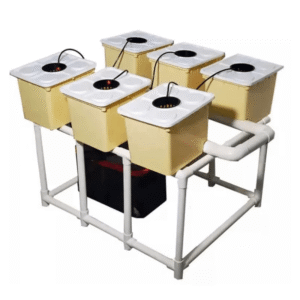
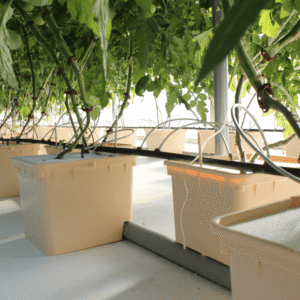
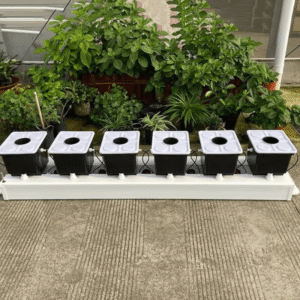
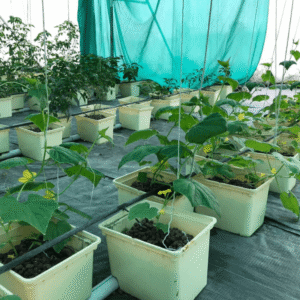
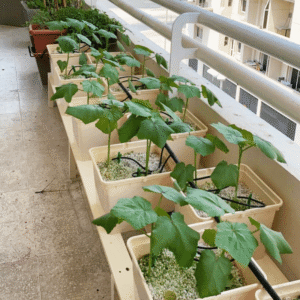
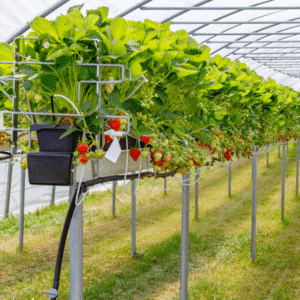
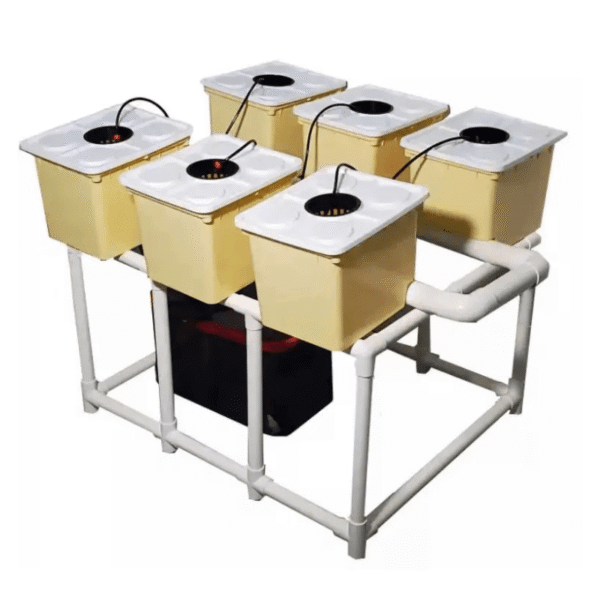
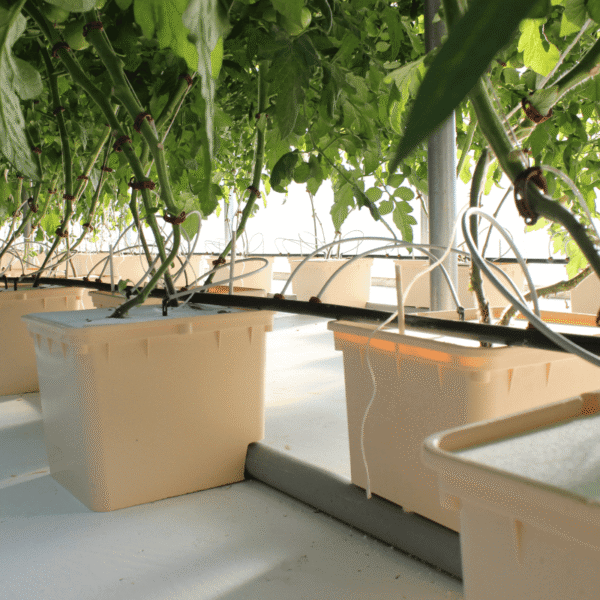
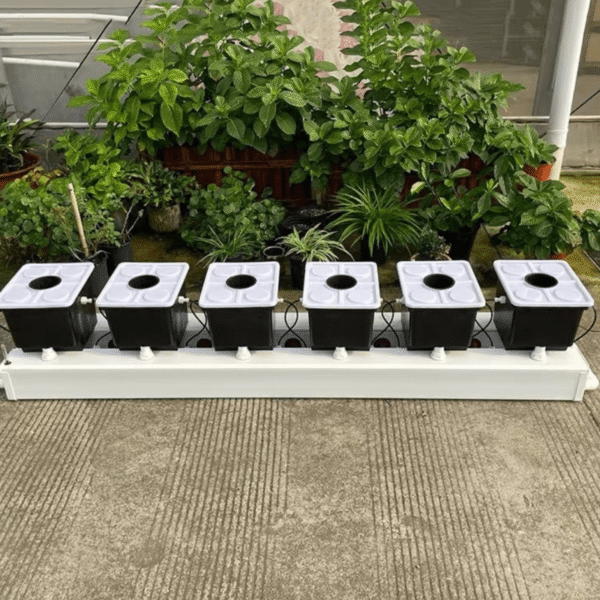
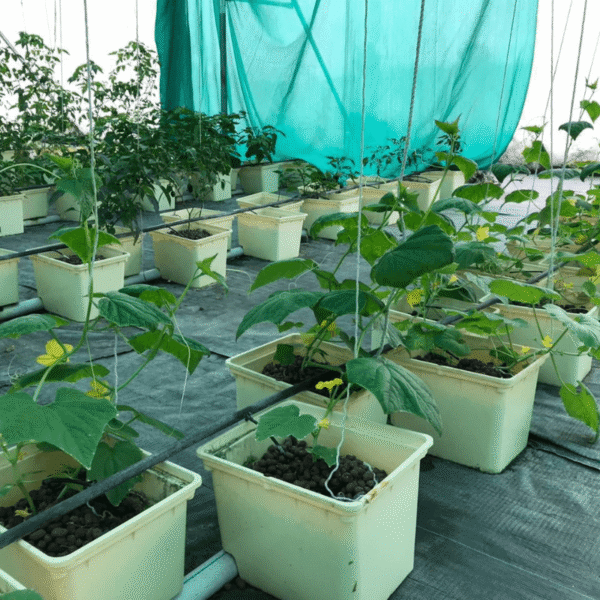
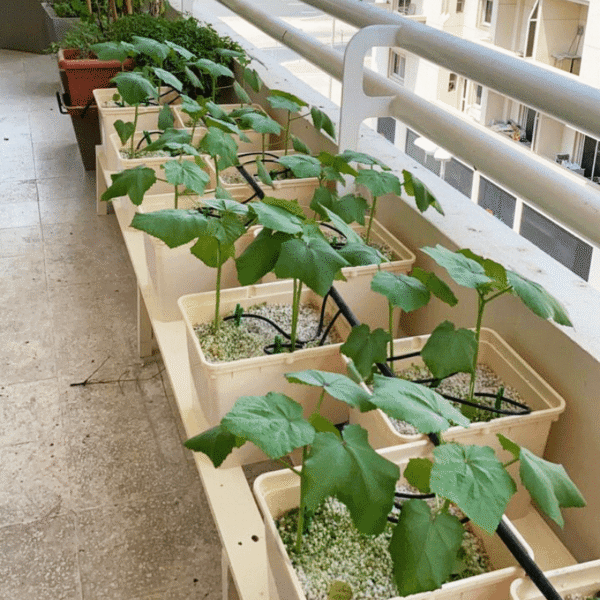
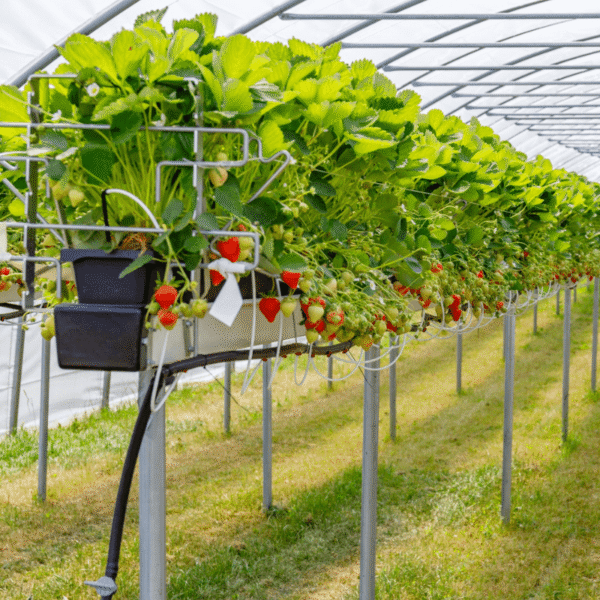
Greenfuturehydro Dutch Bucket DWC System – Cannabis, Tomatoes & Herbs | Bulk Supply
库存 1000 件 ( 可以延迟交货 )
When the Plant Outgrows the Setup
For me, the warning sign is usually the reservoir, not the plant. Lettuce and herbs can go along happily in a simple container, but once a tomato or cucumber gets big, the water level can start dropping surprisingly fast.
If I’m constantly checking the reservoir or topping it off, I know the setup is starting to become more work than it’s worth. That’s when I’d consider DWC, NFT, or another active system.
It doesn’t mean Kratky stopped working. The plant just got bigger than the setup I started it in.
A Few Things People Ask About Kratky
No. That’s actually one of the main reasons people like Kratky. As the water level drops, an air gap forms around the upper roots, giving them access to oxygen without an air pump.
Yes, but don’t completely refill the reservoir once the plant is established. Leave some roots exposed to the air so they can keep getting oxygen. How often you need to add water depends mostly on the size of the plant and reservoir.
Yes. Dwarf and smaller tomato varieties are much easier to manage than large ones. Just give them a big enough reservoir, plenty of light, nutrients, and something to support the plant as it gets heavy.
Not necessarily. Kratky is simpler because there’s no pump or electricity involved. DWC takes a little more equipment but gives the roots continuous aeration, which can be useful for larger plants.
Brown roots are usually a sign that something isn’t quite right. Low oxygen, warm water, algae, or root disease can all cause problems. Healthy roots are generally white or light-colored and firm.
Kratky Is About as Simple as It Gets
Absolutely, especially if you’re new to hydroponics. Kratky is one of those setups you can put together without much fuss, and lettuce, basil, and other small crops can do surprisingly well in it.
It gets trickier with bigger plants. They drink more, need more room, and usually need some support. But for a few plants at home, it’s hard to beat the simplicity of Kratky. No pump, no complicated setup, just a container, some nutrients, and a plant to get started.
Start Small and See How It Goes
If you’re ready to give hydroponics a try, Greenfuture Hydro offers hydroponic systems for home growers, beginners, and larger growing projects. Whether you want to start with a simple setup or need a more complete system, our team can help you find a solution that fits your space, crops, and growing goals.
With years of experience designing and manufacturing hydroponic systems, Greenfuture Hydro can provide both ready-to-use systems and customized solutions.
📩 info@greenfuturehydro.com
📞 +86 13487543942
📷 Instagram @Greenfuturehydro