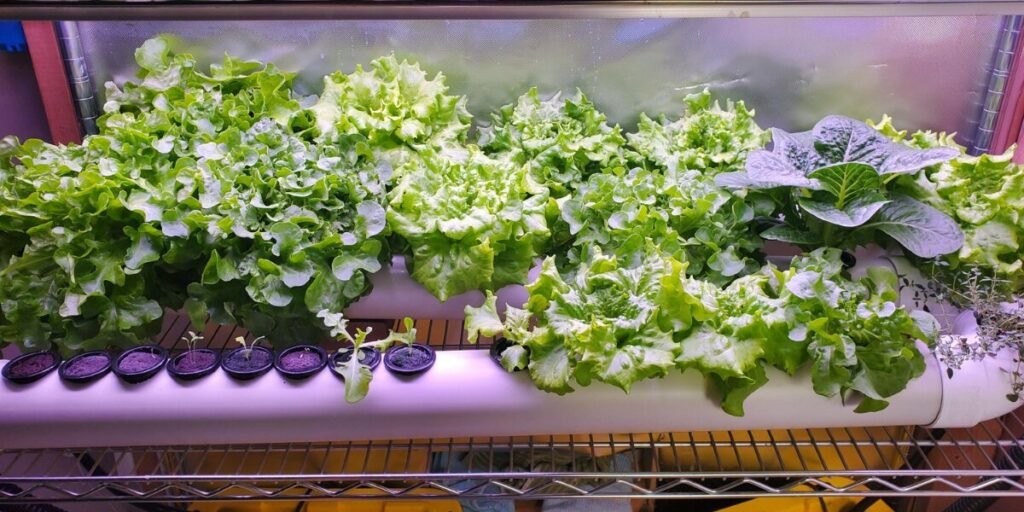

If you’re new to hydroponics, an NFT hydroponic system is probably simpler than you think. Instead of growing plants in soil, it gently moves a thin film of nutrient rich water along growing channels, giving the roots a steady supply of water and nutrients. It’s especially well suited to lettuce, basil, and other leafy greens.
In this guide, we’ll walk through how NFT works, what you need to get started, which plants are worth growing, and what you’ll need to keep an eye on along the way. By the end, you’ll have a better idea of whether NFT makes sense for your space and growing goals.
What Is NFT Hydroponics? Here’s How It Works
NFT, or Nutrient Film Technique, keeps a thin stream of nutrient solution moving past the plant roots instead of leaving them submerged in water. The solution starts in a reservoir, travels through the growing channels, and then drains back to be used again. Once you break that loop into a few basic parts, the system is pretty easy to understand.
So How Does the Water Reach the Roots?
Everything starts in the reservoir, where the water and hydroponic nutrients are mixed. A small pump sends the solution up to the growing channels, and from there, gravity does most of the work.
You’re not trying to fill the channels with water. A thin, steady flow along the bottom is enough to keep the roots supplied. I’d also keep the reservoir covered whenever possible, since blocking out light helps keep algae under control.
Where Do the Plants Actually Grow?
The plants sit in net pots along the top of the growing channel, with their roots hanging down underneath. As the roots develop, they reach the nutrient solution flowing along the bottom.
The channel itself sits at a slight slope so the solution can move from one end to the other. You don’t want water pooling around the roots or rushing through too quickly. A gentle, consistent flow is what you’re after.
What Happens to the Water After That?
Once the nutrient solution reaches the end of the channel, it drains back into the reservoir. The pump then sends it through the system again.
That recirculating loop is one of the nice things about NFT. Instead of watering the plants once and letting the excess run off, you keep using the same solution while topping up the water and nutrients as the plants use them.
How Are the Plants Held in Place?
Net pots keep the plants upright without filling the entire channel with growing medium. When I’m starting seedlings, a small amount of rockwool, clay pebbles, or another lightweight medium is usually enough to support the plant while the roots get established.
Once those roots grow into the channel, they have direct access to water and nutrients while still getting plenty of oxygen. That’s really the whole idea behind NFT: keep the plant supported above the channel and give the roots a steady, shallow flow underneath.
What Plants Grow Well in NFT Hydroponics?
NFT is a great match for plants with relatively small root systems, which is why you’ll see so many leafy greens and herbs growing in these systems. They grow quickly, don’t need much support, and fit nicely into narrow channels. If you’re setting up an NFT garden for the first time, these are the plants that will usually give you the easiest start.
Start With Leafy Greens
Lettuce is probably the classic NFT crop, and for good reason. It grows quickly, stays compact, and doesn’t put a huge demand on the root space inside the channel. You can also harvest outer leaves as the plant grows, so you don’t have to wait for the whole head to be ready before you get something from your garden.
Spinach, kale, and bok choy are worth trying too. They’re all relatively manageable in an NFT system and don’t need the heavy support that comes with larger fruiting plants. If you’re new to NFT, starting with a few kinds of greens is a good way to learn how your system handles water flow, nutrients, light, and plant spacing without making things unnecessarily complicated.
Don’t Forget About Herbs
Herbs are another good match for NFT, especially basil, cilantro, parsley, and mint. They don’t need much room, and you can keep picking them as they grow, so even a small setup can give you a steady supply of fresh herbs. Basil is especially easy to start with because it grows quickly with enough light, water, and nutrients. Mint grows just as happily, although it’s worth giving it a little space of its own before it decides to take over.
For a kitchen counter or small table, you don’t need a large NFT garden just to grow a few herbs. A compact 12-hole setup can give you enough room for several plants while still fitting neatly into a small space.


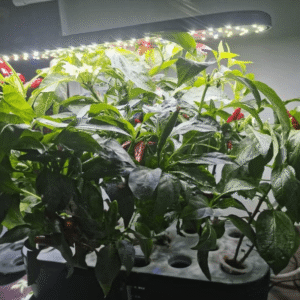
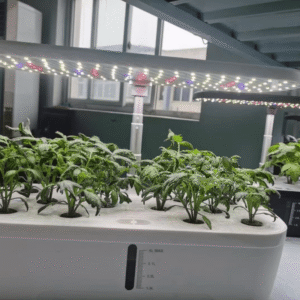
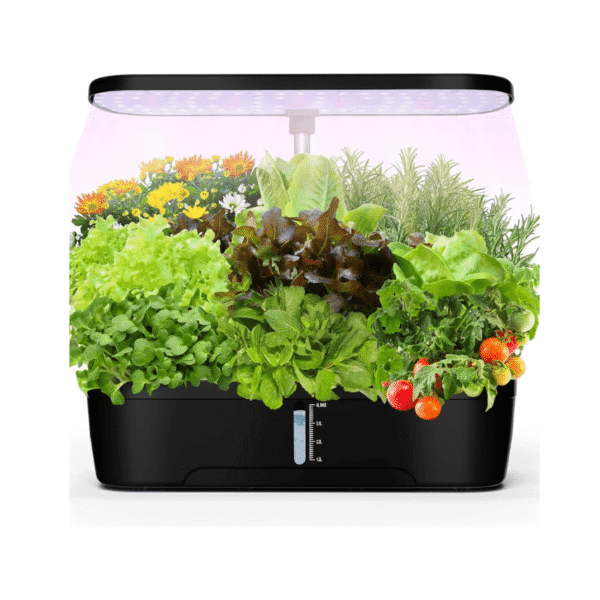
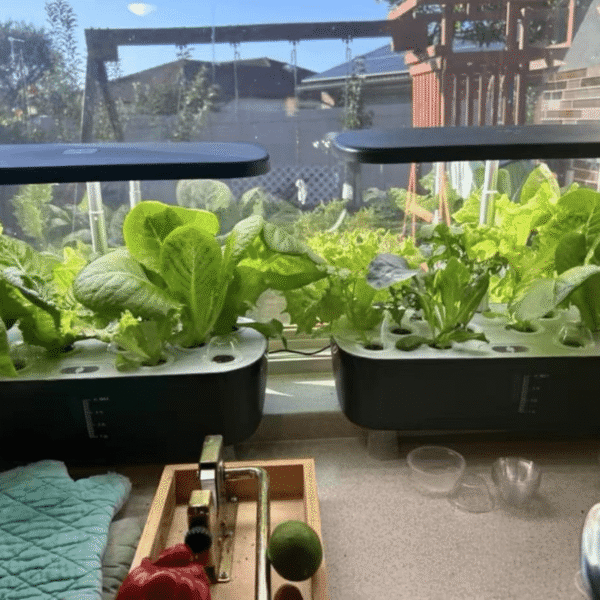
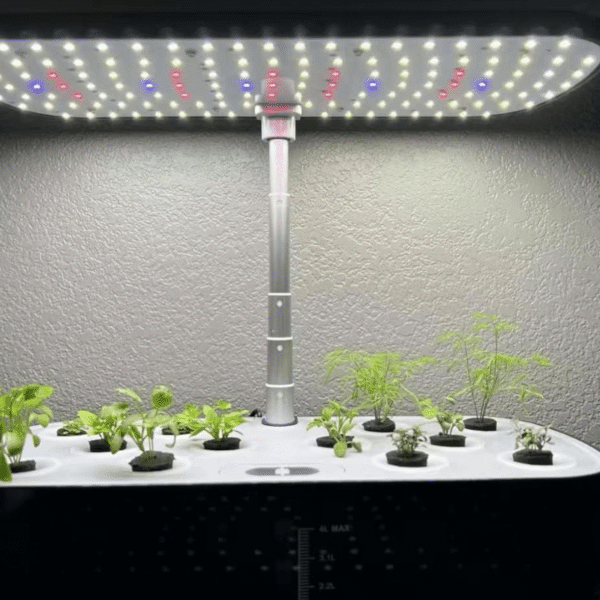


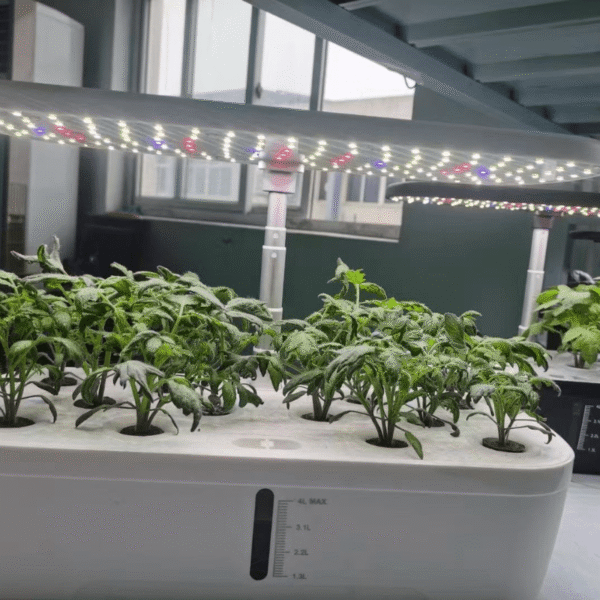
Greenfuturehydro Classroom & Kitchen Hydroponic Garden System for Herbs and Greens
库存 1000 件 ( 可以延迟交货 )
Some Plants Just Do Better in Other Systems
NFT isn’t the best fit for larger fruiting plants like tomatoes, peppers, and cucumbers. As they grow, they need more root space and physical support than a typical NFT channel provides. They can still be grown hydroponically, but systems like Dutch buckets are usually easier to manage. For a first NFT setup, I’d stick with lettuce, basil, and other leafy greens.
How to Set Up an NFT Hydroponic System
An NFT system doesn’t take much to put together. You’ll need growing channels, a reservoir, a pump, tubing, and a few basic fittings. I’d get everything running without plants first so you can catch any problems before the seedlings go in.
Plan the Setup and Put Everything Together
Start with the space you have and the number of plants you actually want to grow. Position the channels where they’re easy to reach, with the reservoir below them and enough slope for the nutrient solution to flow back naturally. Connect the pump and tubing, and make sure you can still get to the reservoir and pump easily for refilling and cleaning.
Add the Nutrient Solution and Test the Flow
Fill the reservoir with clean water, add your hydroponic nutrients according to the product instructions, and check the pH and nutrient strength. Then turn on the pump and let the system run empty for a while.
Watch the flow through each channel. You want a thin, steady stream without pooling, dry spots, or leaks. If something needs adjusting, now is the easiest time to fix it.
Add Your Seedlings
Once the flow looks good, add your seedlings to the net pots. Seedlings with a small established root system are usually easier to work with than freshly germinated seeds, and the roots should be able to reach the moisture in the channel.
For the first few days, just keep an eye on the plants and make sure the roots are staying moist and the pump is running normally. After that, the main job is keeping the nutrient solution balanced and the water flowing consistently.
Keeping Your NFT System Running Well
NFT doesn’t need much day-to-day attention, but a quick check can catch most problems early. Keep an eye on the reservoir, water flow, roots, and channels. If a plant starts wilting or something suddenly looks different, those are also the first places I’d check.
| What You Notice | What to Check | What to Do |
|---|---|---|
| Low water or changing nutrient levels | Reservoir, pH, nutrient strength | Top up the water and adjust as needed |
| Weak or uneven flow | Pump, tubing, channels | Check for clogs and make sure water reaches every channel |
| Wilting plants | Water flow, roots, temperature | Make sure the roots are getting enough nutrient solution |
| Brown or slimy roots | Water temperature and cleanliness | Check the root zone and clean the system if needed |
| Algae | Light reaching the water | Block the light and remove any buildup |
| Uneven growth | Water flow, light, nutrients | Compare conditions across the channels |
| Pump stops | Pump, tubing, power | Restore water flow as soon as possible |
You don’t need to hover over the system all day. Once you know what normal flow and healthy roots look like, most problems are pretty easy to spot.
Is NFT Hydroponics a Good Choice for Beginners?
Yes, especially if you want to grow lettuce, basil, cilantro, or other leafy greens. NFT can fit plenty of plants into a small space, uses water efficiently, and is fairly easy to manage once you get the flow right.
The main catch is that the water needs to keep moving. If the pump stops or a channel gets blocked, the roots can dry out quickly, so you’ll need to check the pump, water level, and flow regularly. Larger plants like tomatoes and cucumbers can also be harder to manage as their roots and stems grow.
For a first NFT setup, I’d keep it small and stick with leafy greens. If you want something that relies less on a pump and constant water flow, a simpler system like Kratky may be a better place to start.
Not Sure Which Hydroponic System to Choose?
If you’re still deciding which setup is right for you, here’s a quick comparison of NFT and a few other beginner friendly hydroponic systems.
| System | Great For | Beginner Friendly? | Why Choose It? |
|---|---|---|---|
| NFT | Lettuce, basil, herbs, leafy greens | Yes | Great for growing lots of greens in a small space |
| DWC | Lettuce, herbs, first time growers | Yes | Simple to set up and easy to learn |
| Kratky | Small home gardens | Yes | No pump or electricity needed |
| Dutch Bucket | Tomatoes, cucumbers, peppers | Not quite | Gives larger plants more root space and support |
| Vertical Tower | Herbs, leafy greens, small spaces | Yes | Makes good use of vertical space |
If you’re new to hydroponics and mainly want to grow lettuce or herbs, NFT, DWC, and Kratky are all simple options to consider.
Still Have Questions About NFT Hydroponics?
Usually, no. Most NFT systems rely on continuous flow, so leaving the pump off for too long can let the roots dry out.
Young seedlings may need a little help at first. Make sure the roots or growing medium can stay moist until the roots grow down into the channel.
You can grow tomatoes in NFT, but they’re much harder to manage. Their size, heavy fruit, and larger root systems make other hydroponic systems a better fit.
Check the water flow, light, and roots first. Uneven flow or growing conditions can cause plants in the same system to grow at different rates.
You should see a thin, steady stream reaching the roots without filling the channel. If water is pooling or barely reaching some plants, the flow probably needs adjusting.
Would NFT Hydroponics Work for You?
NFT works especially well if you want to grow lettuce, basil, herbs, or other leafy greens and don’t have a lot of space. Plants sit in channels while a thin layer of nutrient solution flows past their roots.
It’s not completely hands off, though. You’ll need to keep an eye on the pump and make sure the water is flowing properly. If you don’t mind checking on your system now and then, NFT is a simple way to grow plenty of greens in a small space.
Thinking About Giving NFT a Try?
You don’t have to start with a large system. A small setup can be a good way to see how NFT fits your space and your growing routine.
Greenfuture Hydro offers ready to use NFT systems for home and small scale growing, including the NFT 36 Pot. If you’re working with a larger space or have a specific growing setup in mind, we can also help you find a system that fits.
Ready to take the next step? Browse our NFT Hydroponic Systems collection to find a setup that fits your growing space, or contact us if you need help choosing the right system.
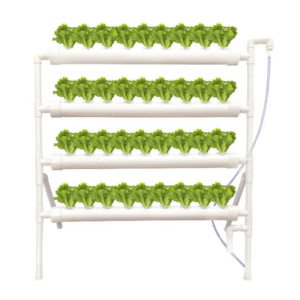
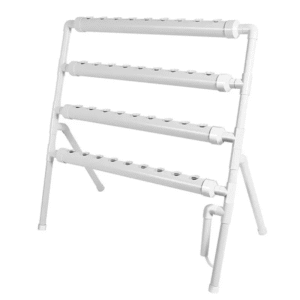
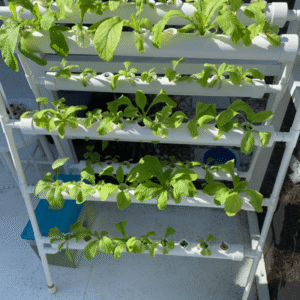
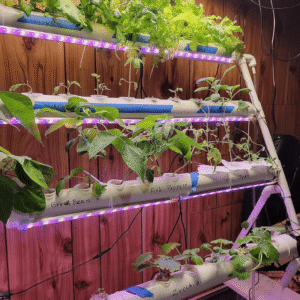
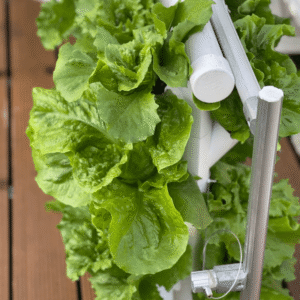
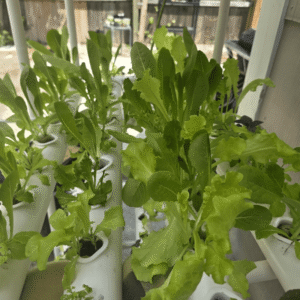
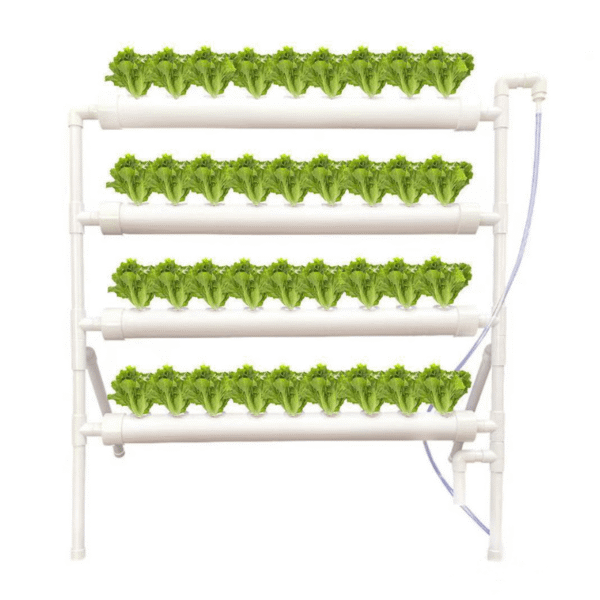
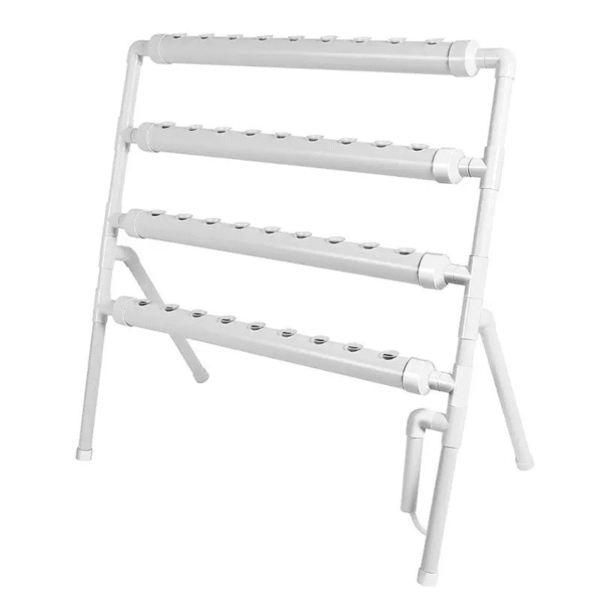
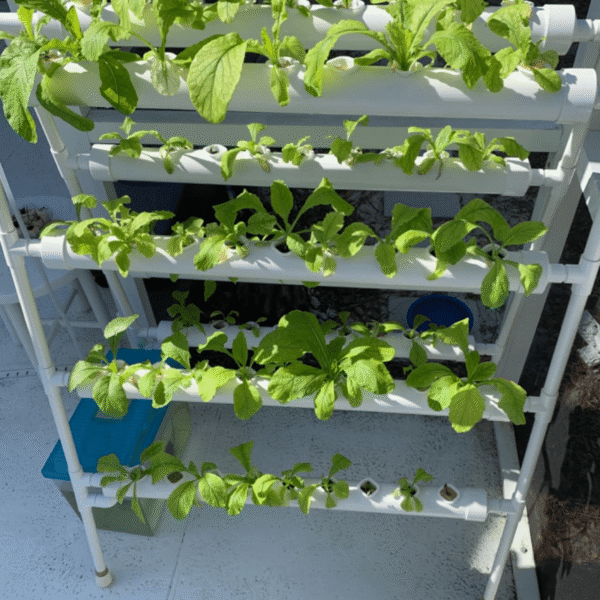
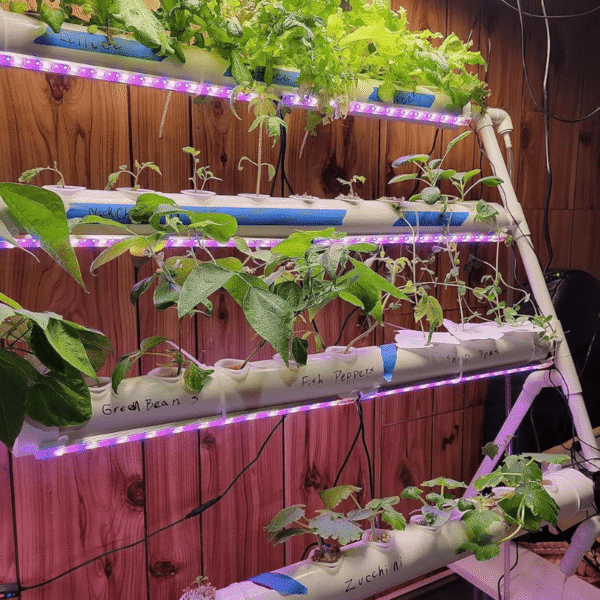
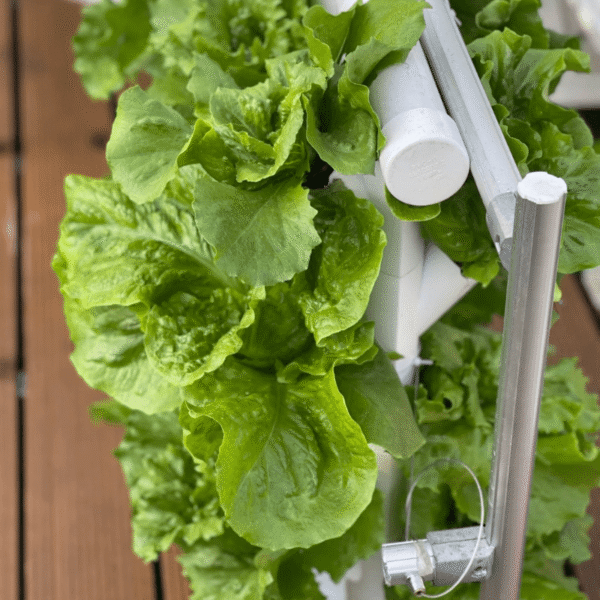
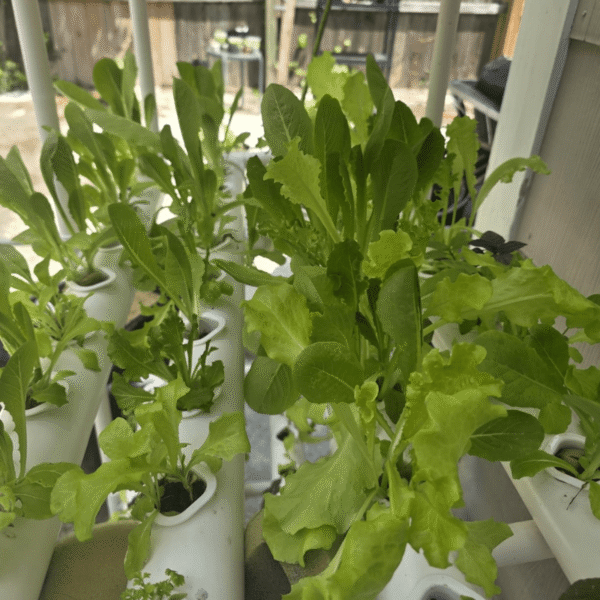
Greenfuturehydro 4 Layer 36 Hole NFT Hydroponic Rack for Indoor and Outdoor Use OEM ODM
库存 1000 件 ( 可以延迟交货 )
Still have questions about NFT hydroponics? Get in touch with us anytime. Whether you’re just getting started or planning a larger setup, we’re happy to share what we know.
📩 info@greenfuturehydro.com
📞 +86 13487543942
📷 Instagram @Greenfuturehydro