

Thinking about trying wick hydroponics? You might be wondering if you really need pumps, air stones, timers, and complicated plumbing to start growing. The short answer is no. A wick system keeps things simple, using a wick to carry water and nutrients from a reservoir to the plant roots.
With no moving parts and very little equipment to manage, it’s easy to see why beginners are drawn to it. But simple doesn’t always mean better. So how well does wick hydroponics actually work, what can you grow with it, and when might another system make more sense?
Why Wick Hydroponics Feels So Easy to Set Up
A wick system is about as stripped-down as hydroponics gets. You’re basically working with a reservoir, a growing container, and a wick between them. There’s no pump to set up and very little hardware to keep an eye on.
That simplicity is great for small grows, although it does come with limits. Wick systems are easy to run partly because they’re not trying to move large amounts of water or support heavy-feeding plants.
You Don’t Have to Deal With a Pump
With a wick system, the nutrient solution stays in the reservoir instead of being pumped around the roots. That means no flow rates, timers, tubing, or pump failures to deal with.
For a small setup, I actually prefer having fewer things to troubleshoot. Most of the routine work comes down to checking the reservoir and watching the moisture level in the growing medium.
There’s Really Not Much to Set Up
There isn’t much to maintain because there isn’t much there. A basic setup needs a reservoir, growing container, medium, and wick. Once it’s running, I’m usually more concerned with the nutrient solution and the plant itself than the equipment.
The wick is one part worth checking occasionally. If it isn’t making good contact with the growing medium, or it can’t move water fast enough for the plant, the simplicity of the system won’t help much.
So How Does the Water Reach the Roots?
The wick pulls nutrient solution from the reservoir into the growing medium through capillary action. From there, the medium holds and distributes moisture around the roots.
In practice, wick size and growing medium matter more than beginners sometimes expect. A thin wick may struggle to keep up with a thirsty plant, while a very absorbent medium can stay too wet. I’ve had better results treating the wick and medium as a pair rather than assuming any wick will work with any growing mix.
Once those two are matched well, there really isn’t much to manage. That’s where a wick system earns its reputation for being simple.
How a Wick System Actually Works?
A wick system has a pretty straightforward flow:
Reservoir → Wick → Growing Medium → Roots
One end of the wick stays in the nutrient solution and the other sits in the growing medium. Capillary action pulls the solution up the wick, and the growing medium holds that moisture where the roots can reach it. No pump is needed to move the water.
What matters in practice is keeping the wick in good contact with both the solution and the growing medium. I’ve found that when a wick system struggles, it’s often not the basic idea that’s the problem, the wick is too small, the medium isn’t wicking evenly, or the plant is simply using water faster than the wick can supply it.
That’s also why wick systems tend to work better with smaller, less thirsty plants. The system can only deliver water as fast as the wick can move it.
Why Wick Hydroponics Is Easy for Beginners
One reason I like wick systems for beginners is that you can actually see what’s going on. The reservoir is right there, the wick is easy to check, and there isn’t much equipment between you and the plant.
That makes the first few weeks easier. You can focus on things that matter more, like mixing nutrients correctly, watching the moisture level, and learning what a healthy plant looks like.
There’s Not Much to Set Up or Maintain
You don’t need much to put one together. A reservoir, growing container, wick, and growing medium will get you most of the way there. There’s no plumbing to assemble and no pump to install.
Once it’s running, I usually pay more attention to the growing medium than the equipment. If it feels too wet, the wick or medium may be holding more water than the plant needs. If it starts drying out too quickly, I check the wick first. Those are simple problems to spot and usually simple problems to fix.
You Don’t Have to Worry About a Pump
The wick moves the nutrient solution without a water pump, so there’s nothing to plug in or put on a timer. I find that especially handy with a small herb setup where adding a pump would make the whole thing more complicated than it needs to be.
It also means a dead pump can’t leave your plants without water. You still need to check the reservoir regularly, but there’s one less piece of equipment to worry about.
Where Wick Hydroponics Starts to Struggle
Wick systems work well when the plant’s needs are modest. The trouble usually starts as the plant gets bigger and begins using water faster than the wick can replace it.
That’s when you start noticing the limits of such a simple system.
It’s Not Great for Bigger Plants
A wick can only move so much nutrient solution at a time. With herbs and small leafy plants, that’s often enough. Put a larger, thirstier plant in the same setup and the growing medium may start drying out faster than the wick can keep up.
You can add another wick or use a thicker one, and that sometimes helps. But if I’m adding wick after wick just to keep a plant watered, I’d rather move it to a system better suited to the job.
Growth Can Be a Little Slower
A healthy plant can grow perfectly well in a wick system, but I wouldn’t choose one when fast growth is the priority. Passive delivery is convenient, not particularly powerful.
You’ll notice this more with plants that grow quickly or feed heavily. They tend to do better in a system that can keep water, nutrients, and oxygen more consistently available around the roots.
Getting the Moisture Right Can Take Some Practice
The part I watch most closely is the growing medium. Sometimes a wick keeps the bottom of the medium wet while the top feels surprisingly dry. Other times, a thick wick paired with an absorbent medium keeps the root zone wetter than I want.
This usually takes a little trial and error at the beginning. I check the medium itself rather than assuming that a full reservoir means the plant is getting the right amount of water.
That’s the real limit of wick hydroponics. It works best when the plant’s needs stay within what the wick can comfortably supply. Once you’re constantly adjusting the setup to keep up with the plant, the simplicity that made the system attractive in the first place starts to disappear.
What Actually Grows Well in a Wick System?
Wick systems do best with plants that stay fairly small and don’t need a constant supply of water. I’d keep the plant list simple rather than trying to make the system handle more than it was designed for.
Plants I’d Start With
Lettuce and small herbs like basil and mint are usually the safest bets. I’ve found these are much easier to manage in a wick setup because they don’t dry the medium out nearly as fast as larger plants.
There are plenty of other easy hydroponic plants to experiment with, but for a wick system, I’d stick with the smaller ones that don’t need a lot of water.
Plants I’d Grow Another Way
I wouldn’t use a basic wick system for tomatoes, cucumbers, or other large fruiting plants. They may do fine while they’re young, but they usually outgrow the system once they start drinking and feeding heavily.
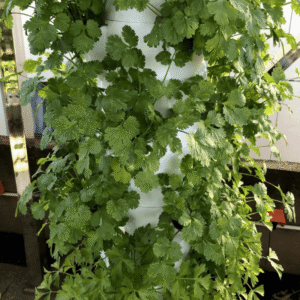
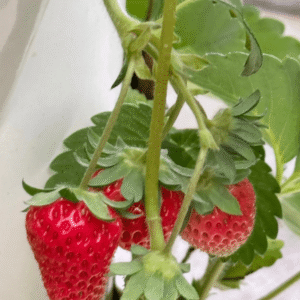
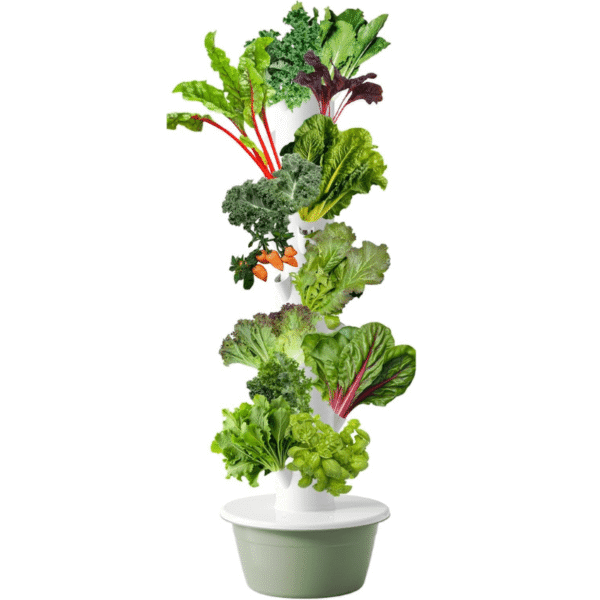
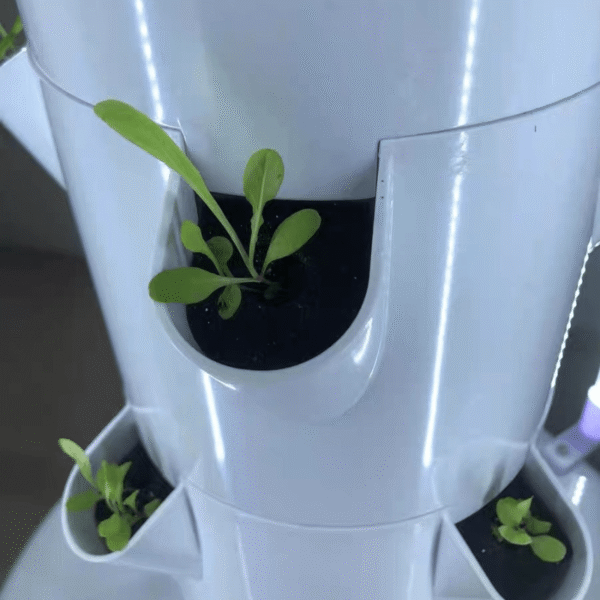
For tomatoes, peppers, and cucumbers, I’d rather use a Dutch bucket system, where the extra root space and steady nutrient delivery make a noticeable difference. For lettuce, herbs, and strawberries, a vertical hydroponic tower is a better choice when you want to grow more plants without taking up much floor space.
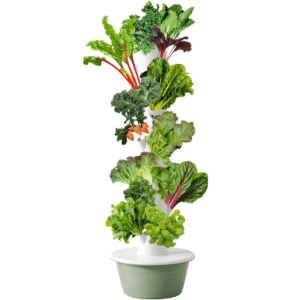
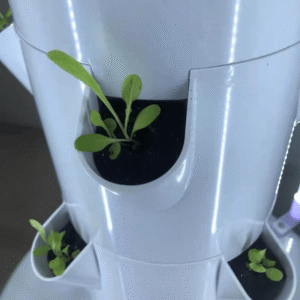
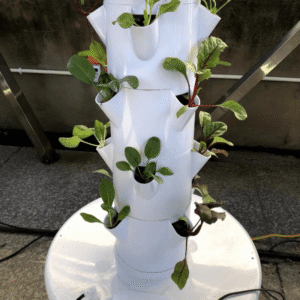
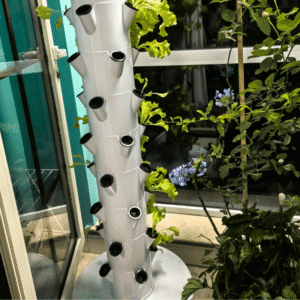
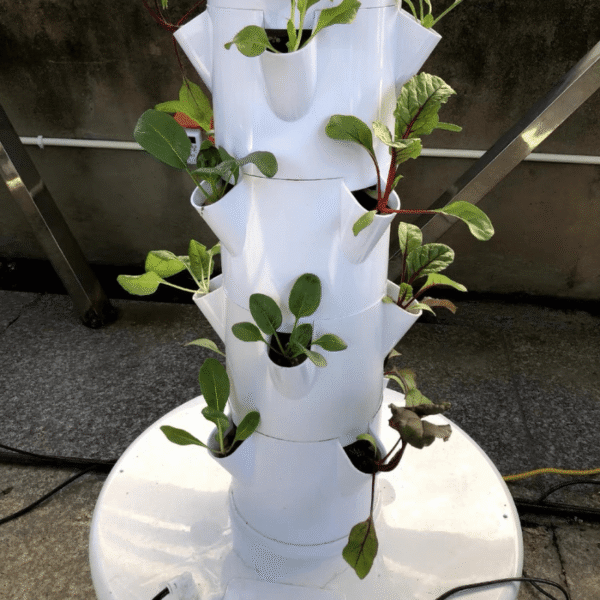
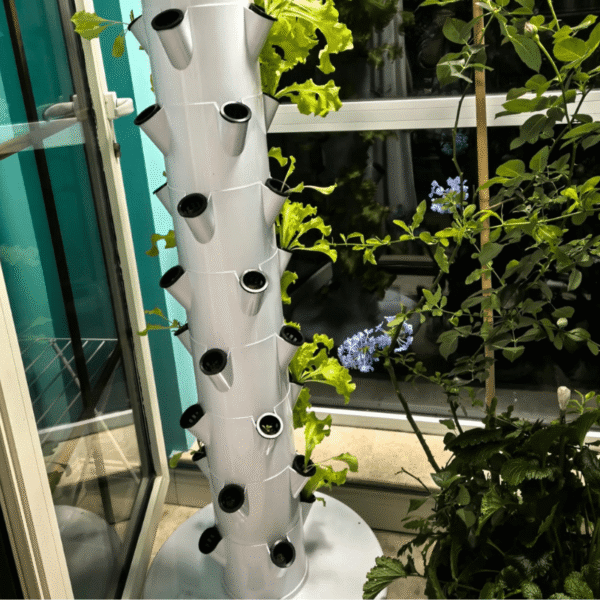
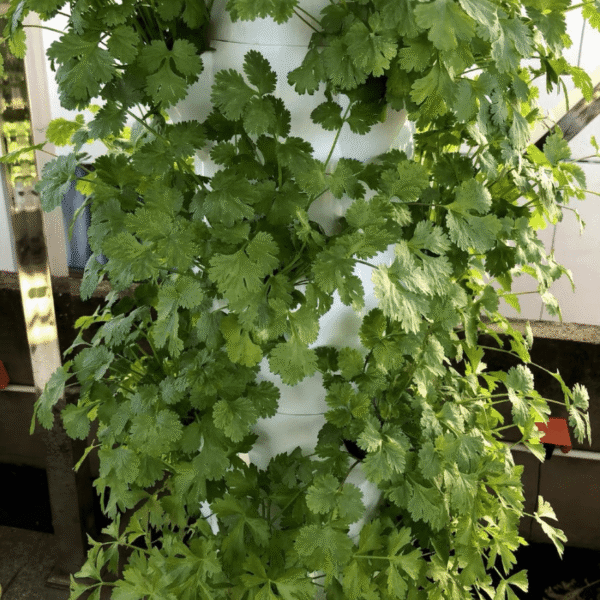
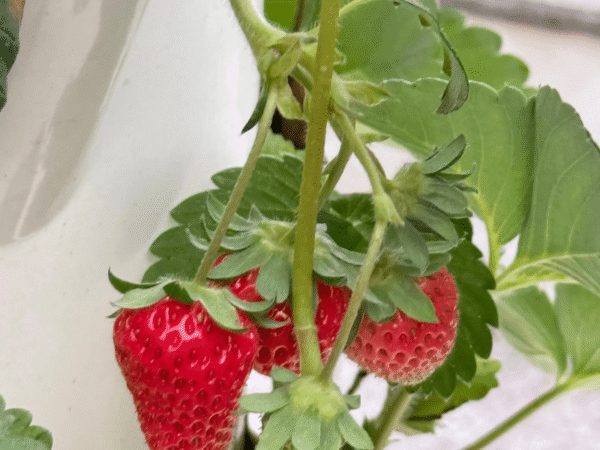
Greenfuturehydro 9 Layer 36 Hole Hydroponic Tower for Commercial Smart Farming
库存 1000 件 ( 可以延迟交货 )
Wick vs. Kratky vs. DWC: Which One Feels Easiest to Use?
All three are easy to get started with, but I wouldn’t use them interchangeably.
| System | Pump | Electricity | Setup | Best For |
|---|---|---|---|---|
| Wick | No | No* | Very easy | Small herbs |
| Kratky | No | No | Very easy | Leafy greens |
| DWC | Air pump | Yes | Easy | Faster growth |
Wick systems don’t need electricity for water delivery, though lights or other equipment may still use power.
For a small basil or mint plant, I’d keep it simple and use a wick. For lettuce, I’ve had better luck with Kratky, especially once the roots are established. If I want stronger, faster growth, I’ll usually move to DWC. The air pump adds a little work, but at that point the extra growth is worth it.
So, Who Is a Wick System Really For?
I like wick systems for the kind of grow that doesn’t need much fuss. A few herbs on a shelf, some lettuce, or a first hydroponic project are all good fits. There’s very little to set up, and you can learn a lot just by watching how the plants and growing medium respond.
I wouldn’t use one if I were planning tomatoes, cucumbers, or anything I wanted to grow big and fast. Once you find yourself adding more wicks and constantly checking whether the plant is getting enough water, you’ve pretty much reached the point where a different system makes more sense.
Questions People Often Have About Wick Hydroponics
No. A basic wick system can work without one. That’s one of the main reasons people choose it in the first place.
Not necessarily. You can keep your first setup pretty basic, especially if you’re only growing a few plants. A pH test is useful, though, particularly when something doesn’t look right.
The wick pulls nutrient solution upward into the growing medium. Keeping the wick and medium moist at the beginning helps until the roots grow deeper.
It can happen. Check that the wick is still wet and making good contact with both the nutrient solution and growing medium. Sometimes re-wetting the medium is enough to get things moving again.
Fair question. Both are simple and pump-free. Wick systems keep the roots supplied through moist growing medium, while Kratky lets the roots grow directly into the nutrient solution. For a few small plants, either can work.
Is Wick Hydroponics Really the Easiest Place to Start?
For a first small hydroponic grow, yes, I think wick is about as easy as it gets. If I were growing a couple of herbs or some lettuce and didn’t want to mess with pumps, I’d have no problem starting here. It lets you focus on the plants instead of spending your first grow figuring out equipment.
I just wouldn’t ask a wick system to do too much. Once you want bigger plants, faster growth, or more growing space, it’s usually time to move on to something more capable. If you’re not sure whether a wick system fits what you want to grow, feel free to get in touch. We’re always happy to talk through your setup and help you figure out what makes sense.
📩 info@greenfuturehydro.com
📞 +86 13487543942
📷 Instagram @Greenfuturehydro