
Hydroponic Plants Pollinated is one of the most important factors behind successful fruit and vegetable production in indoor growing systems. Growing fruits and vegetables in a hydroponic system can be very rewarding. You watch your plants thrive, leaves grow lush, and flowers bloom. But sometimes, despite all the care you give, your tomatoes, cucumbers, or strawberries do not produce the fruits you expected. This is a common challenge for indoor hydroponic growers, and it often comes down to one critical step: pollination.
In outdoor gardens, wind and pollinators like bees naturally move pollen from the male to the female parts of flowers. Indoor hydroponic systems do not have these helpers, so fruits may not develop unless you assist the process. In this guide, we will explore why pollination is essential, the different types of pollination for hydroponic plants, and practical methods you can use to help your plants produce healthy fruits indoors.
Why Indoor Hydroponic Plants Need Pollination to Produce Fruit
When I first started growing hydroponic tomatoes and strawberries indoors, I was excited to see so many flowers. But weeks later, many of them fell off, and only a few small fruits formed. That’s when I realized something important: flowers alone do not guarantee fruit in a hydroponic system.
Hydroponic plants need pollination because fruit can only form after pollen is transferred from the male part of the flower to the female part. In outdoor gardens, this happens naturally through wind, bees, and other pollinators. Indoors, however, hydroponic plants grow in a controlled environment with little air movement and no insects, so this natural pollen transfer does not happen on its own.
Without proper pollination, even healthy indoor hydroponic plants will produce fewer fruits, drop their flowers, or develop small, misshapen crops. That is why understanding how hydroponic plants are pollinated is essential for anyone who wants strong yields from tomatoes, cucumbers, peppers, or strawberries grown indoors.
Core Pollination Principles for Flowering Hydroponic Crops
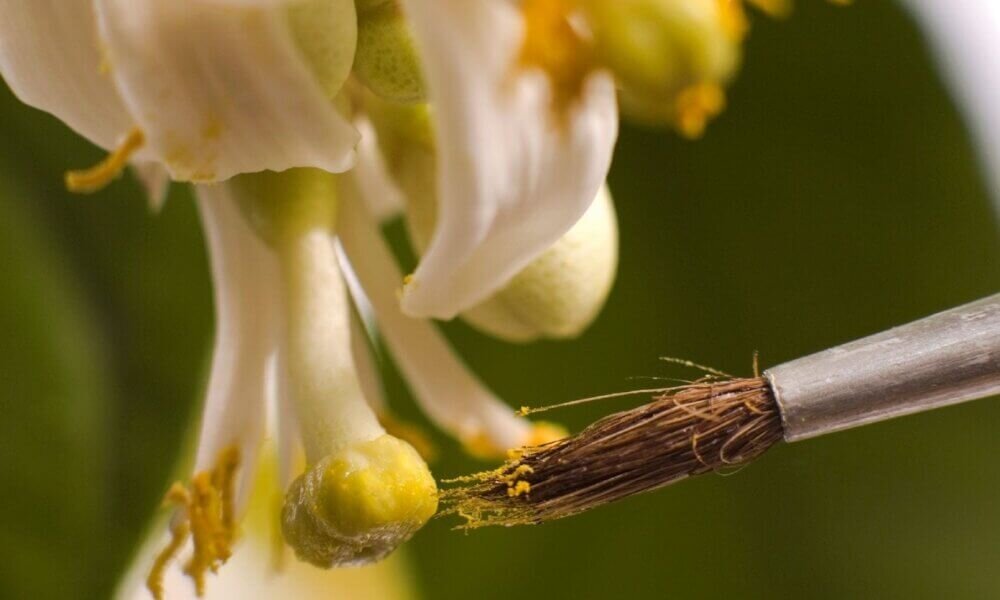
Pollination is one of the most misunderstood parts of indoor hydroponic gardening. Many growers see flowers appear and assume that fruit will naturally follow. But without proper pollen transfer, even the healthiest hydroponic plants can fail to produce tomatoes, cucumbers, or strawberries.
In outdoor gardens, wind, insects, and even gravity help move pollen between flowers. Indoors, however, hydroponic plants grow in a controlled space with limited airflow and no natural pollinators. That’s why understanding how pollination works is one of the most important steps in achieving reliable indoor fruit production.
What Pollination Means in a Hydroponic Growing System
In a hydroponic growing system, pollination means moving pollen from one part of the flower to another so that fruit can begin to form. When pollen reaches the female part of the flower, fertilization happens, which allows seeds and fruit to develop.
Because hydroponic plants are grown indoors, this process does not happen on its own. There is no wind, no insects, and very little natural movement. That means growers need to understand how pollen moves and how to help it reach the right place.
Once you understand what pollination means in hydroponics, it becomes much easier to see why plants can produce plenty of flowers but still fail to set fruit. If you are just starting out, it is better to begin with easy hydroponic plants that are more suitable for beginners.
Self-Pollination vs Cross-Pollination in Indoor Hydroponics
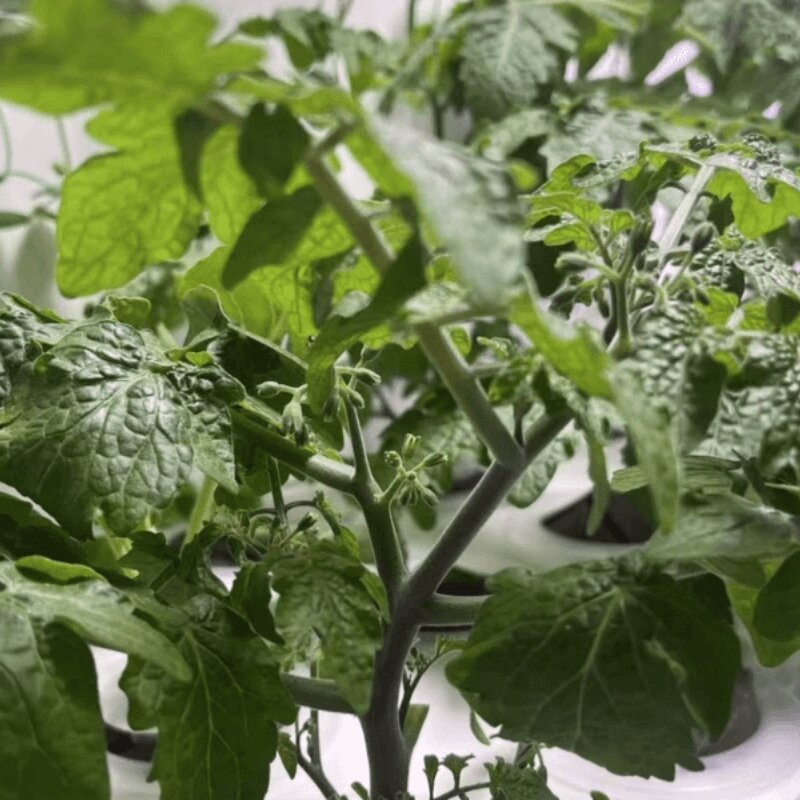
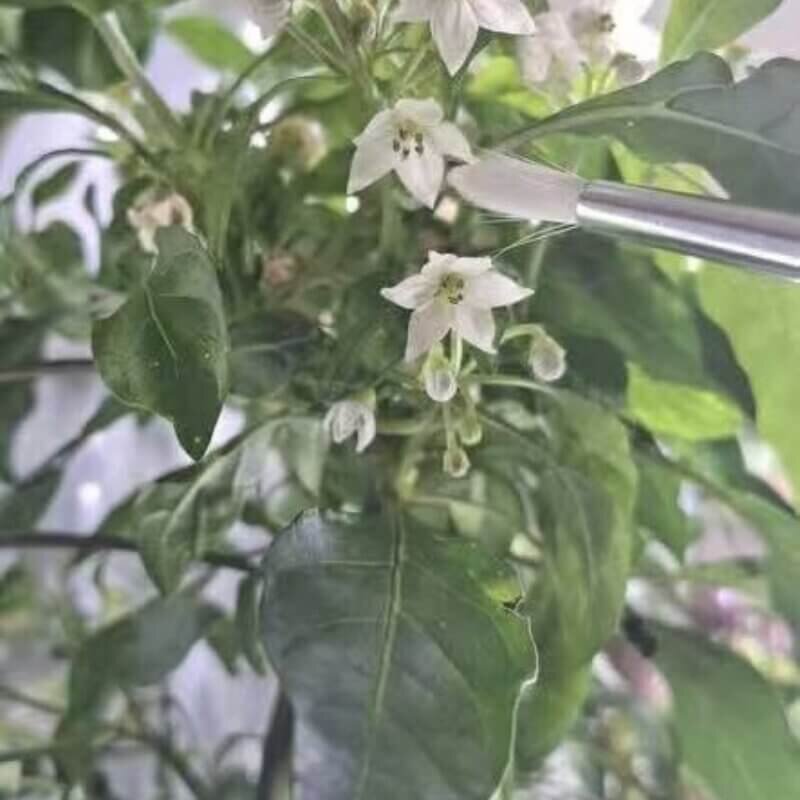
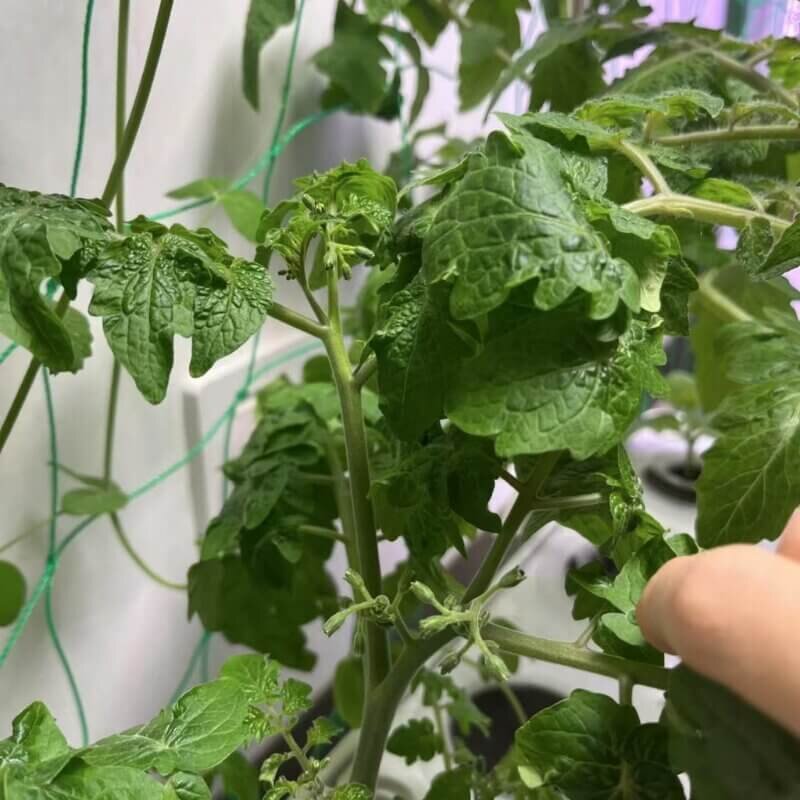
Not all hydroponic plants are pollinated in the same way. Understanding the difference between self-pollinating and cross-pollinating crops helps indoor growers know when to step in and how to improve fruit set.
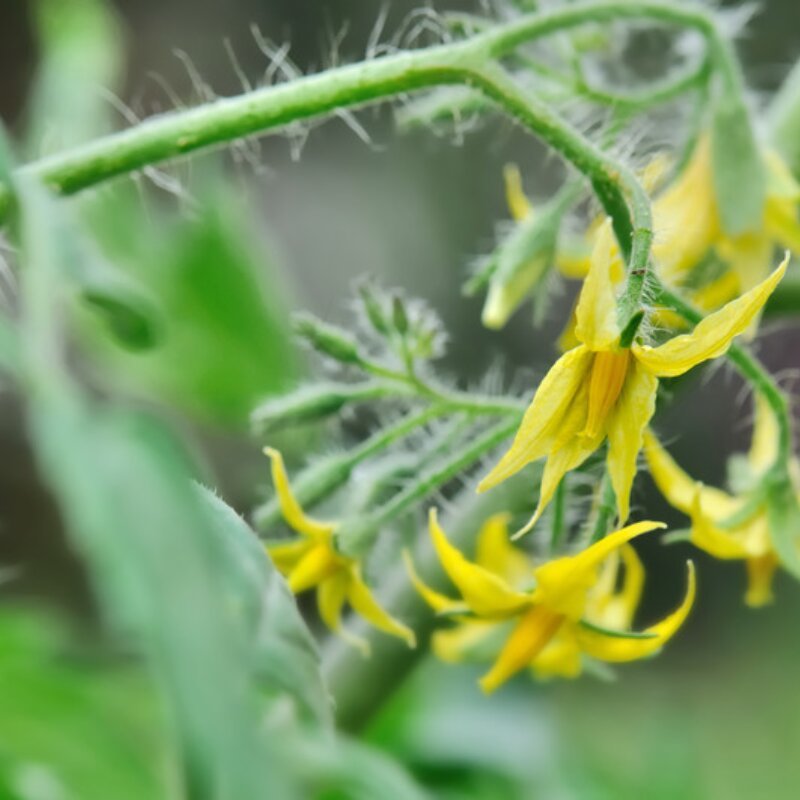
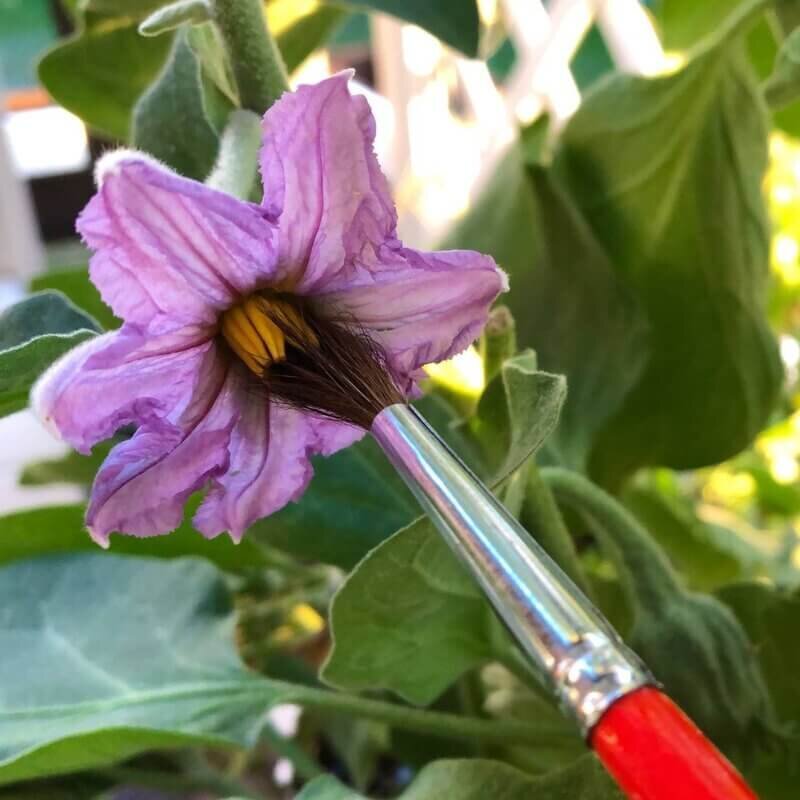
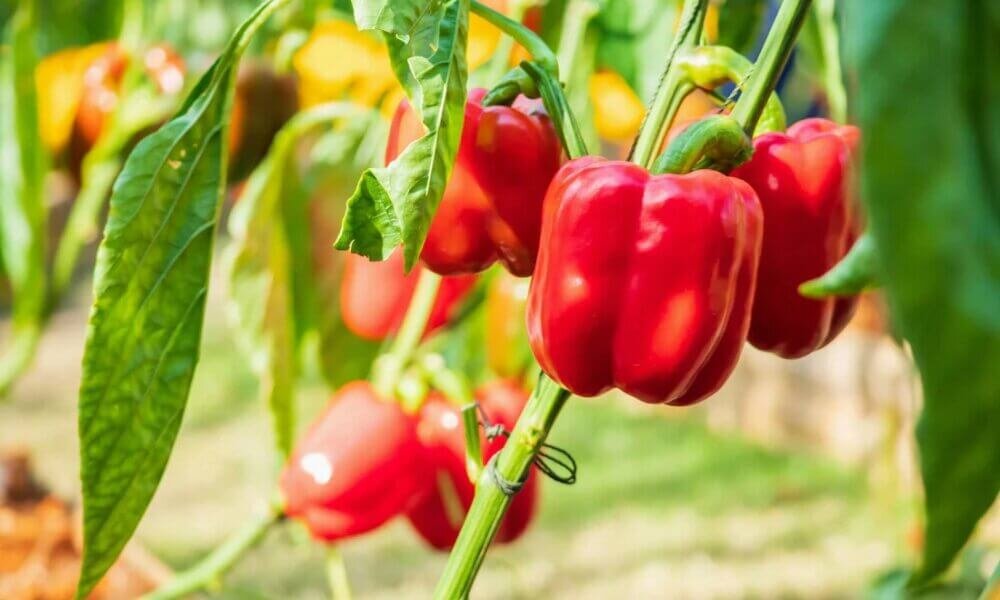
Self-pollinating plants have both the male and female parts in a single flower. This means they can fertilize themselves, but in indoor hydroponic systems, there is often not enough natural movement to make that happen. Gentle vibration, airflow, or light shaking helps release pollen and improves fruit development. Common self-pollinating crops include tomatoes, peppers, eggplants, and beans.
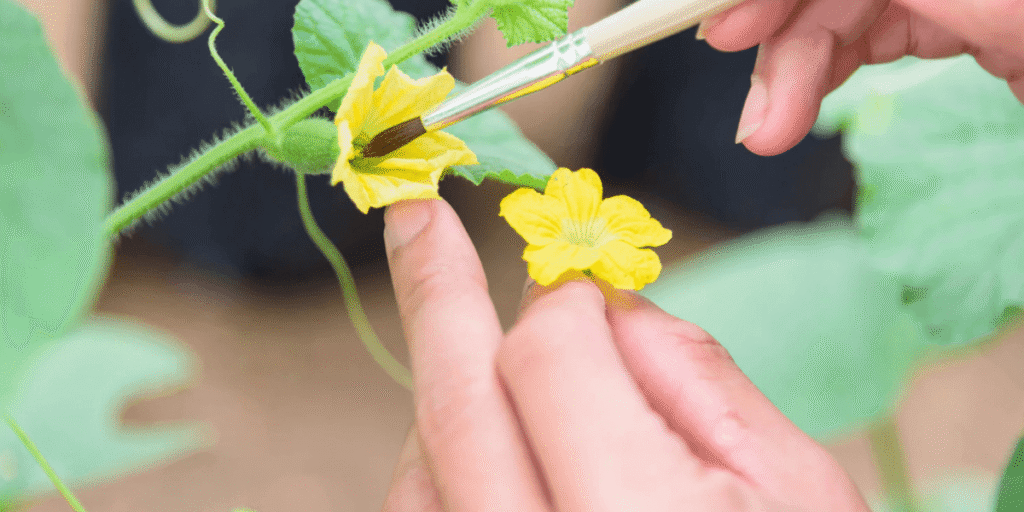
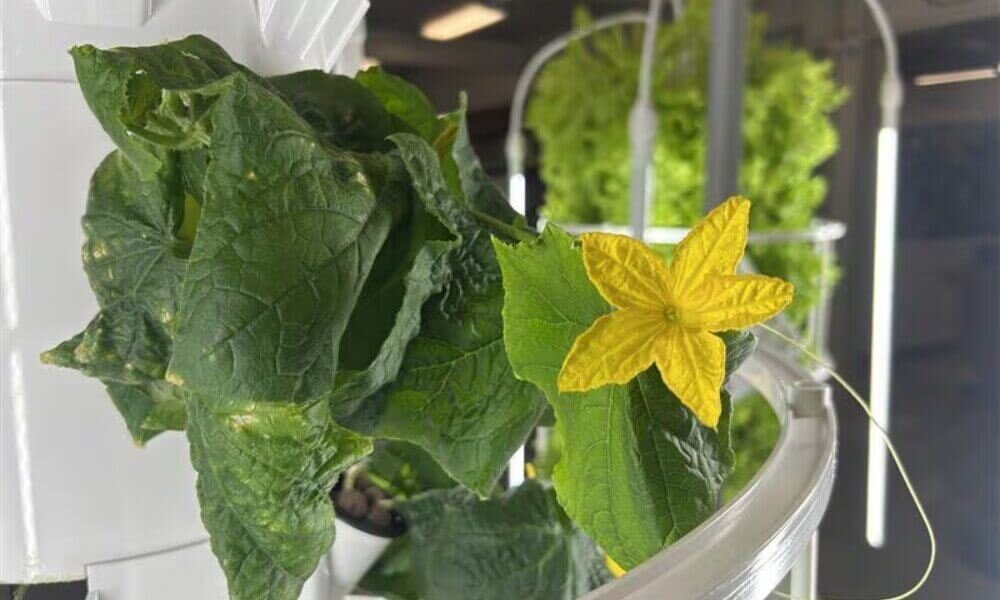
Cross-pollinating plants work differently. They have separate male and female flowers, so pollen must move from one to the other for fruit to form. In an indoor hydroponic setup, this usually requires manual help, such as using a small brush, cotton swab, or vibration tool. Crops like cucumbers, melons, squash, and pumpkins fall into this group.
Key Differences Between Self and Cross Pollinated Plants
| Feature | Self-Pollinating Plants | Cross-Pollinating Plants |
|---|---|---|
| Flower Structure | Male and female parts in the same flower | Male and female flowers are separate |
| Can They Pollinate Themselves? | Yes, but pollen still needs movement | No, pollen must be transferred from male to female |
| Dependence on Insects | Low | High |
| Indoor Hydroponic Intervention | Gentle vibration, shaking, or airflow recommended | Manual pollination using brush, cotton swab, or vibration required |
| Common Hydroponic Examples | Tomatoes, Peppers, Eggplants, Beans | Cucumbers, Melons, Squash, Pumpkins |
Which Hydroponic Plants Require Pollination to Set Fruit
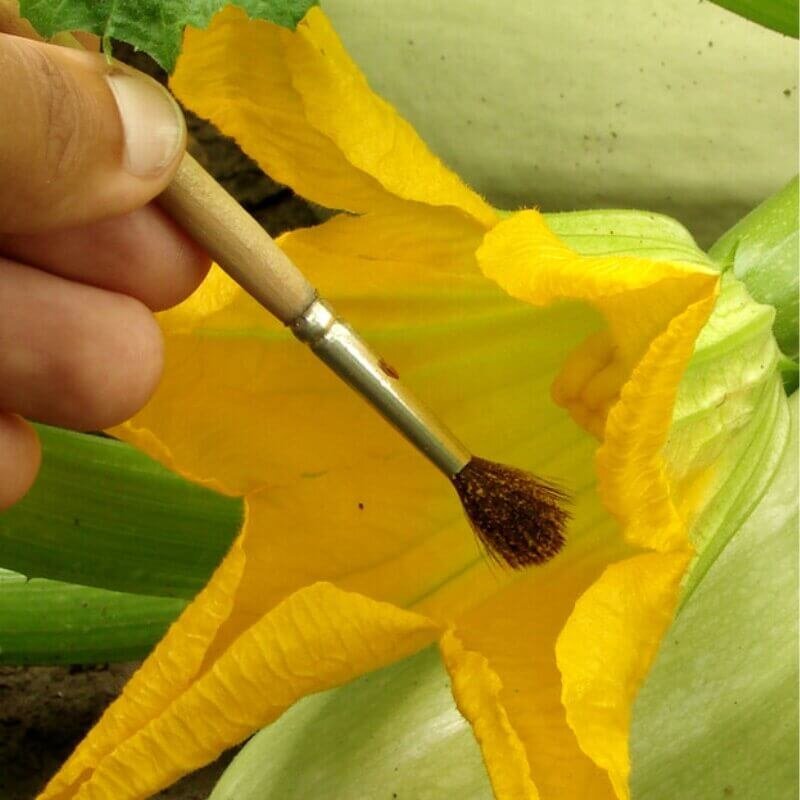
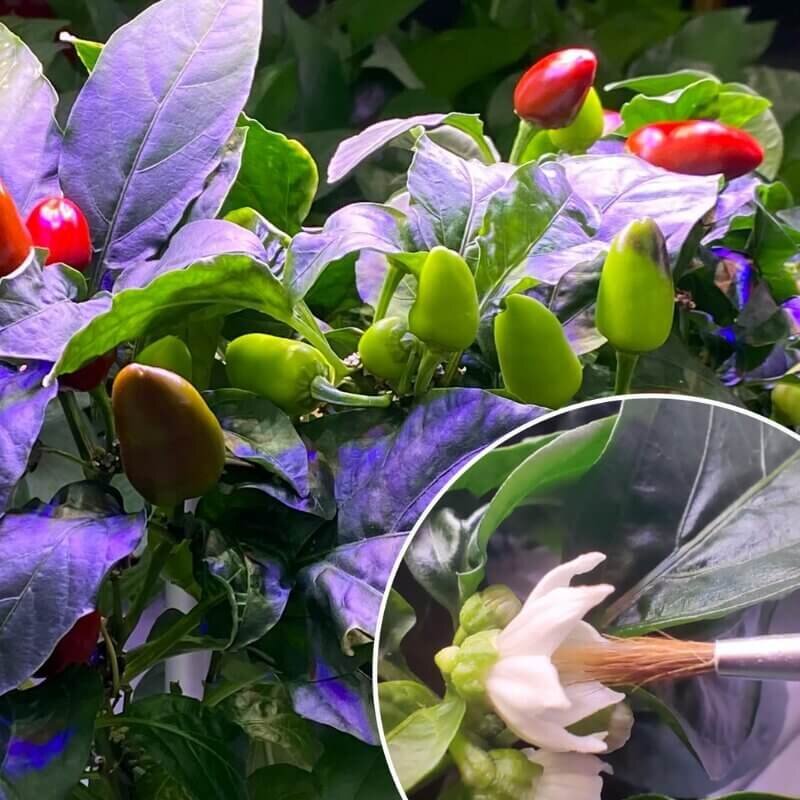
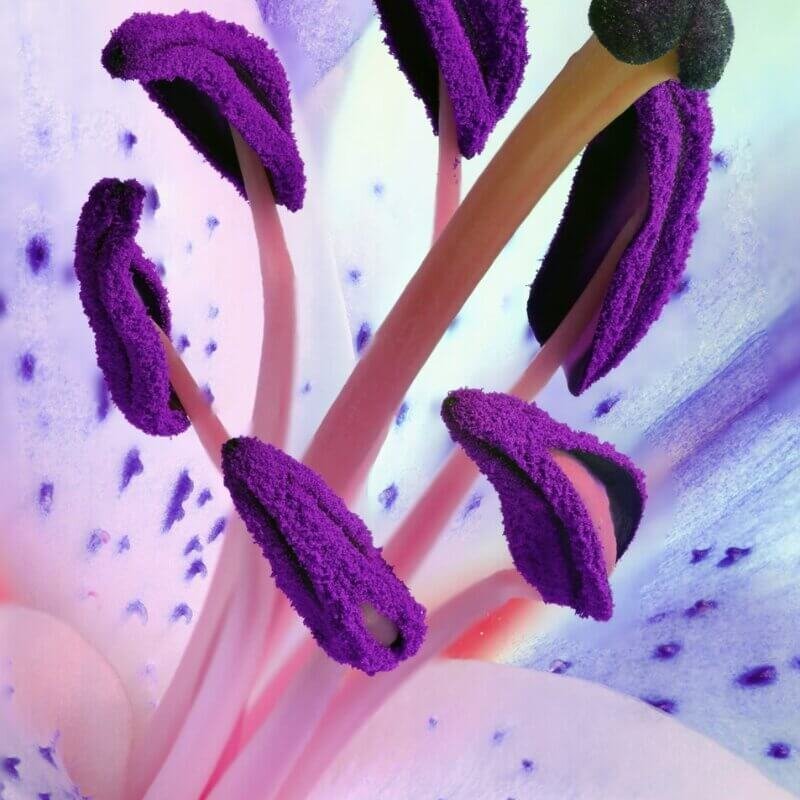
Understanding whether a plant needs pollination saves time and avoids unnecessary work. Not every plant in your hydroponic system requires intervention, some crops will produce edible leaves without ever needing pollination, while fruiting crops depend on it for a harvest.
Complete Guide to Pollinating Hydroponic Plants
| Plant Type | Needs Pollination? | Notes / Examples |
|---|---|---|
| Leafy greens and herbs | No | Grown for leaves, not fruit. Examples: Lettuce, Spinach, Kale, Basil, Mint, Arugula. Flowers may appear but are irrelevant to harvest. |
| Fruit-producing plants | Yes | Pollination is required for fruit set. Examples: Tomatoes, Peppers, Strawberries, Cucumbers, Zucchini, Squash. Flowering without fruit usually indicates missing pollination. |
Common Pollination Types in Indoor Hydroponic Systems
1. How Self-Pollinating Hydroponic Plants Work
Self-pollination is the process where a plant can fertilize itself because its flowers contain both male (stamens) and female (pistils) organs. In hydroponic or indoor growing systems, natural pollination by insects or wind is often limited, so self-pollinating plants are especially valuable for ensuring reliable fruit and seed production.
Key Features:
- Both Reproductive Organs in One Flower: Each flower can fertilize itself, reducing dependence on external pollinators.
- Stable Fruit Production: Even in controlled environments, self-pollinating plants can consistently set fruit.
- Ideal for Hydroponics and Indoor Systems: Perfect for greenhouses or home gardens where pollinator access is limited.
- Simplified Crop Management: Growers don’t need to manually pollinate, saving time and effort.
2. Common Self-Fertile Crops Grown in Hydroponics
Self-pollination is a useful trait for hydroponic and indoor plants because each flower contains both male (stamens) and female (pistils) organs, allowing the plant to fertilize itself. Some of the most common self-pollinating crops include tomatoes, peppers, and eggplants. These plants are ideal for controlled environments, such as hydroponic systems and greenhouses, where natural pollination by insects or wind is limited.
3. How to Improve Natural Self-Pollination Indoors
Even though these plants can self-pollinate, a little help can improve fruit set and yield:
- Shake or Vibrate Flowers Gently: Lightly tapping or vibrating the flowers mimics natural pollination and helps pollen reach the pistils.
- Use Small Tools if Needed: Some growers use electric toothbrushes or small handheld vibrators to assist in pollen transfer, especially in indoor hydroponic setups.
- Monitor Flower Health: Ensure flowers are healthy and not overcrowded, as this increases pollination success.
By following these simple techniques, growers can maximize fruit production and maintain stable yields in hydroponic systems.
1. How Cross-Pollinated Hydroponic Plants Reproduce
Cross-pollination occurs when pollen from the male flower (stamens) of one plant fertilizes the female flower (pistils) of another plant. Unlike self-pollinating plants, cross-pollinated crops rely on external pollination agents, such as insects, wind, or human intervention to produce fruits and seeds. In hydroponic and indoor systems, natural pollination is often limited, so understanding cross-pollination is essential for successful crop production.
Key Features:
- Controlled Environment Compatibility: Manual pollination allows growers to manage fruit production even indoors or in hydroponics.
- Requires Separate Male and Female Flowers: Each plant may have distinct male and female flowers.
- Dependent on Pollination Agents: Without insects, wind, or manual assistance, fruit set may be poor.
- Genetic Diversity: Cross-pollination introduces genetic variation, which can improve fruit quality and disease resistance.
2. Hydroponic Crops That Depend on Pollen Transfer
Some common hydroponic crops that require cross-pollination include cucumbers, pumpkins, and winter melons. These crops are often grown in greenhouses or vertical farms, where pollination needs careful attention.
3. How to Help Cross-Pollination in Indoor Gardens
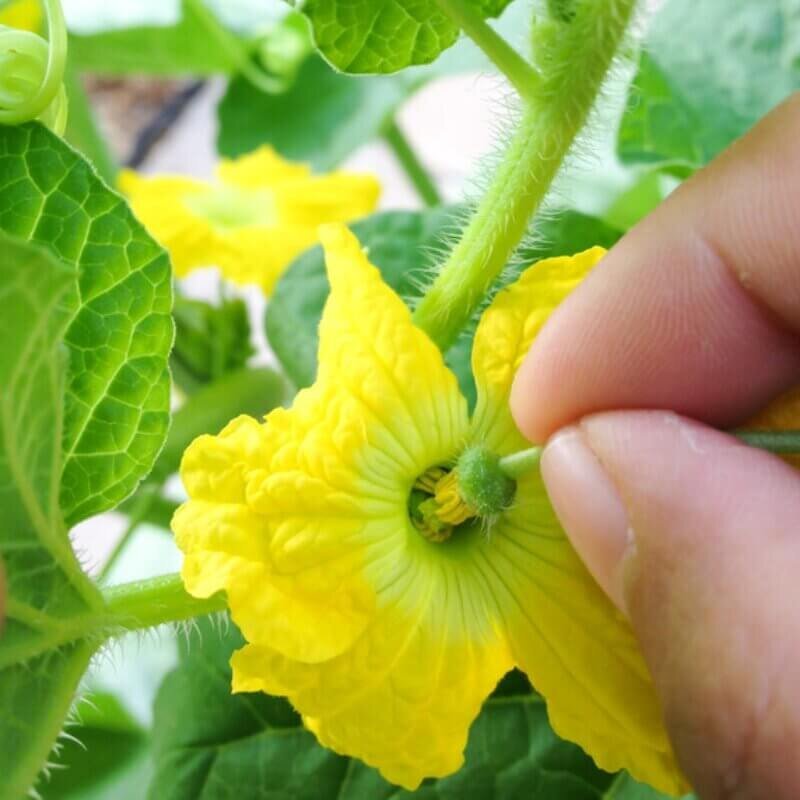
- Identify Male and Female Flowers: Male flowers usually have a long stalk with pollen, while female flowers have a small fruit at the base.
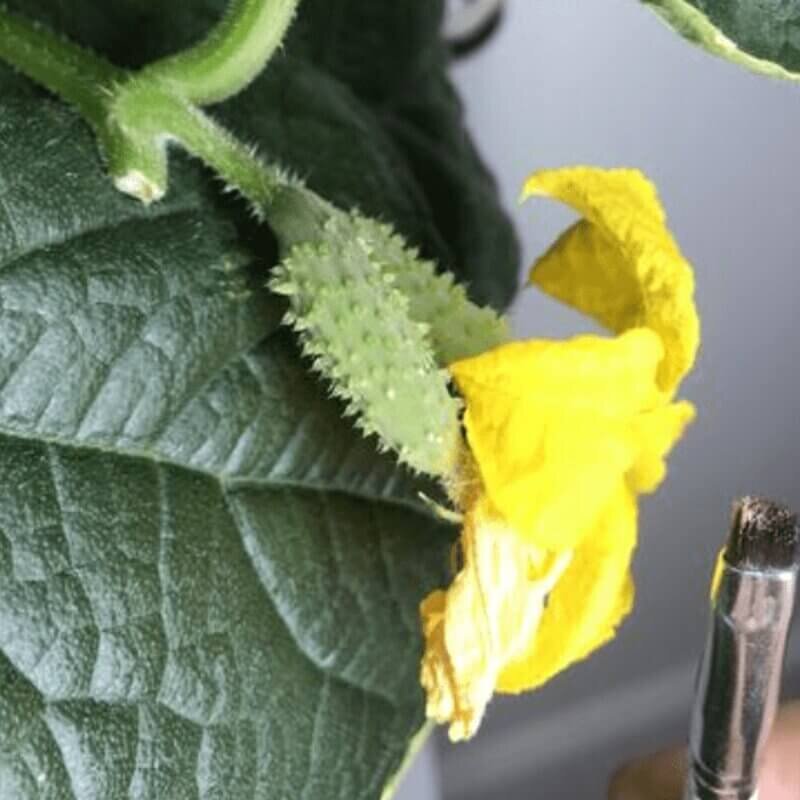
- Manual Pollination Techniques: Use a small brush, cotton swab, or even an electric toothbrush to transfer pollen from male to female flowers.
- Timing Matters: Pollinate flowers when they are fully open and fresh for maximum success.
- Monitor Plant Health: Healthy flowers and proper spacing increase the chances of successful pollination.
By understanding these techniques, hydroponic growers can achieve consistent fruit production and maintain high-quality yields even in controlled indoor environments.
Practical Ways to Pollinate Indoor Hydroponic Plants
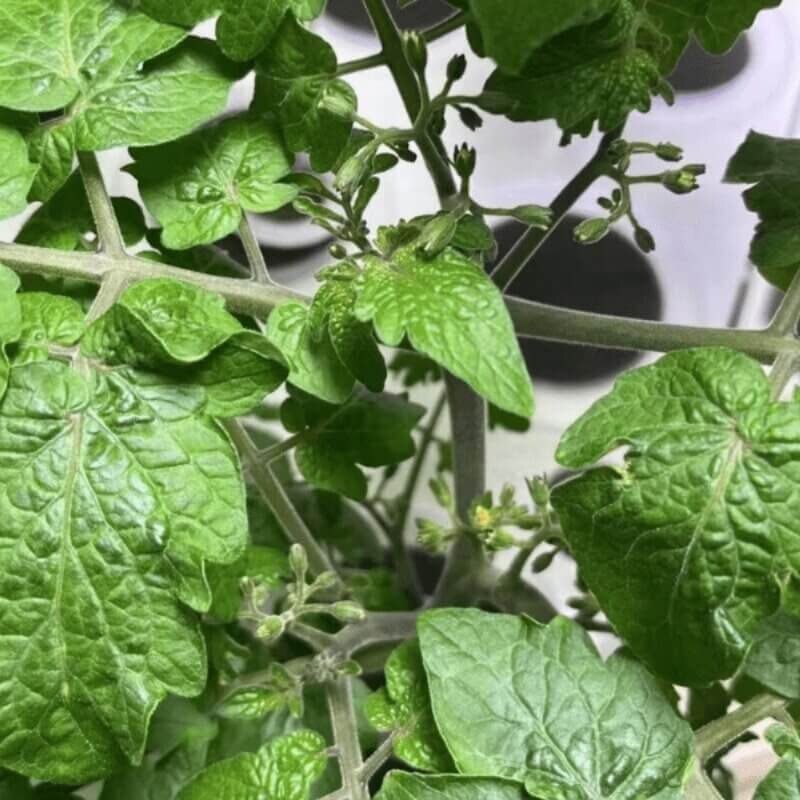
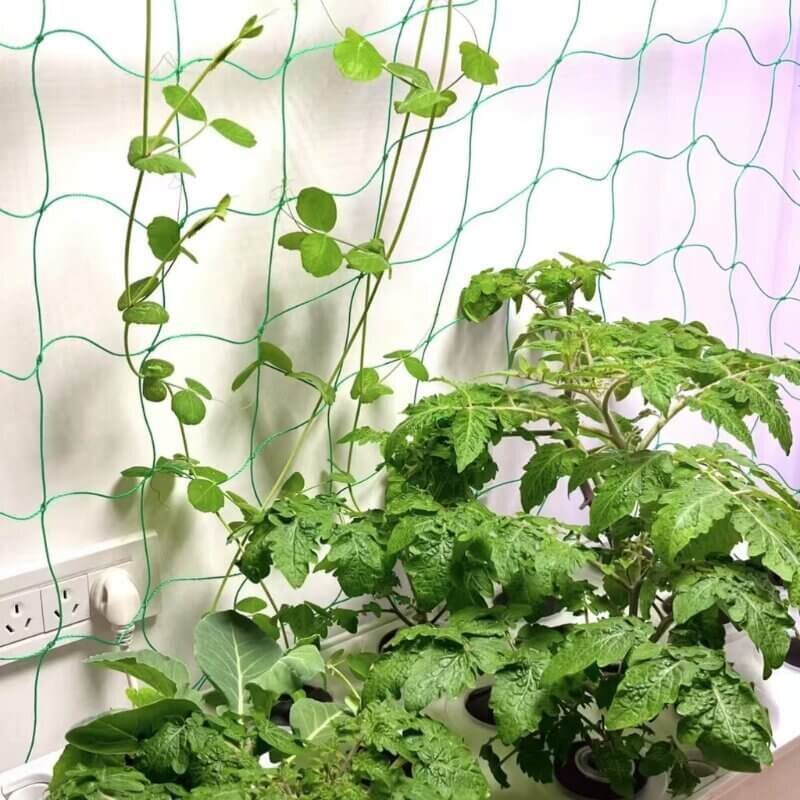
1. How to Use Vibration Tools to Pollinate Hydroponic Plants
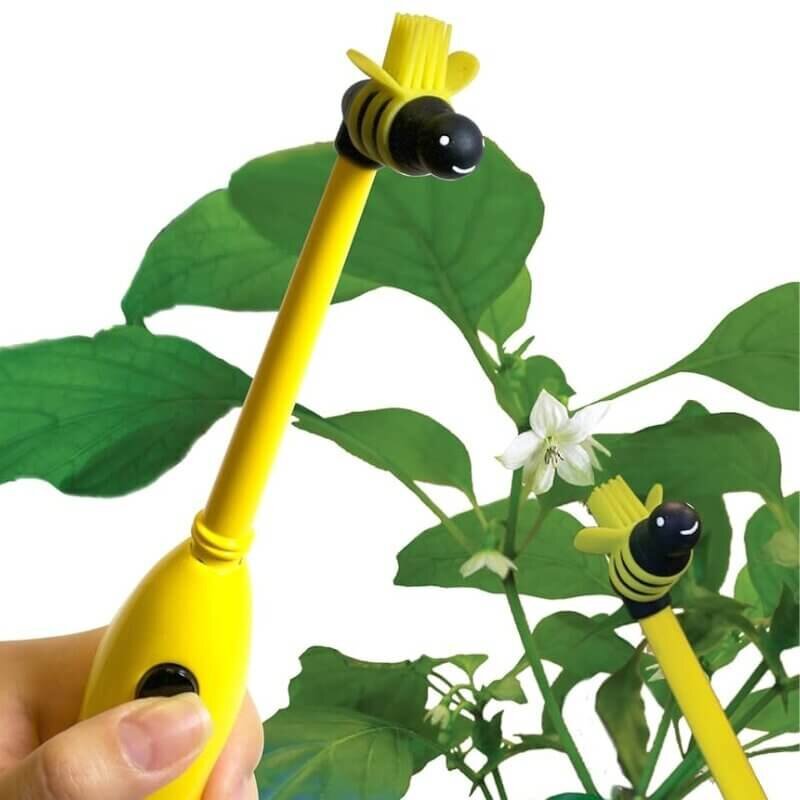
Using a small electric toothbrush or vibration tool is one of the easiest ways to help hydroponic plants pollinate. You simply turn it on and hold it close to the flower, or gently touch the stem. After a few seconds of vibration, you can often see pollen fall inside the flower, which is exactly what helps fruit start to form.
This method works especially well for self-pollinating crops like tomatoes, peppers, and eggplants. Just be gentle. There’s no need to press hard, and it’s best to do this when the flower is fully open, when pollen is easiest to release.
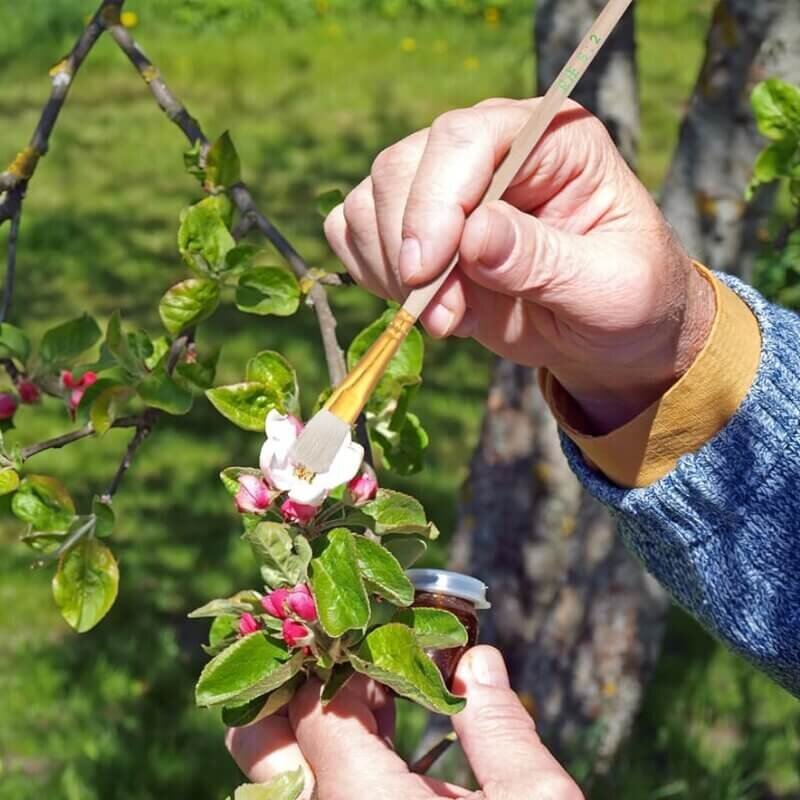
2. Hand Pollination of Hydroponic Flowers Using Brushes or Swabs
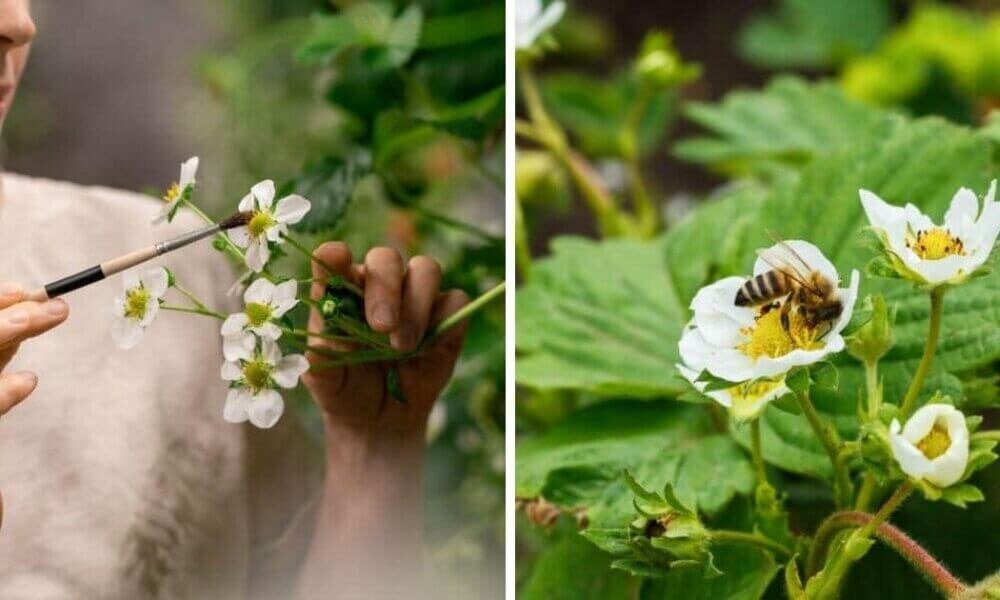
This method is great when you need more control, especially for cross-pollinating hydroponic plants. Start by looking at the flowers. Male flowers don’t have any swelling behind them, while female flowers have a small fruit just below the petals. Once you spot them, use a small brush or a cotton swab to pick up pollen from the male flower and gently touch it onto the center of the female flower.
Compared to vibration, this approach is more precise and works well for plants that need accurate pollen transfer. The downside is that it takes more time, especially if you have a lot of flowers to work through.
3. Using Airflow and Fans to Move Pollen Between Flowers
A small fan can be a simple way to help hydroponic plants pollinate. By creating a gentle breeze, it mimics the kind of airflow plants would get outdoors and helps move pollen around inside the flowers. You don’t need much. just a few minutes of light airflow near the plants each day is usually enough.
This works well when you have many plants flowering at the same time and don’t want to pollinate each one by hand. It’s not as precise as using a brush or doing it manually, though, so plants that need pollen moved from male to female flowers may still need a bit of extra help.
4. How Tapping and Shaking Helps Indoor Flowers Set Fruit
If you need a quick way to help with pollination, gently holding the stem or branch and giving it a light shake can do the job. The small movement helps pollen fall inside the flower, which is often enough to start fruit forming.
This works best when you only have a few plants or flowers to deal with. It’s simple and fast, and many growers use it alongside other methods, like vibration or brushing, to get more reliable results.
5. Advanced Pollination Techniques for Greenhouses and Grow Tents
If you’re running a larger hydroponic setup or a greenhouse, letting bees or other pollinating insects do the work can make a big difference. They naturally move from flower to flower, carrying pollen with them, which is especially helpful for crops that need cross-pollination and produce a lot of fruit.
Some commercial growers also use mechanical vibration pollinators. These machines gently shake the flowers, much like a breeze or a buzzing insect would. They’re useful when you need consistent results across many plants and don’t have time to pollinate everything by hand.
When to Pollinate Hydroponic Plants for Best Fruit Set
A lot of growers don’t realize how much timing really matters when it comes to pollination. You can use all the right tools, but if you do it at the wrong time of day, you may still end up with weak fruit set or flowers that just drop off. Flowers don’t stay ready all day, and pollen doesn’t stay fresh forever.
In most hydroponic setups, late morning to early afternoon is the sweet spot. Around 10 a.m. to 2 p.m., flowers are usually fully open and the pollen is dry and easy to move. That’s when your chances of successful pollination are the highest.
How often you need to help depends on the plant. Some crops, like tomatoes, often benefit from a quick daily shake or vibration when they’re in full bloom. Others only need attention when new flowers appear. The room conditions matter too. When the air is too humid, pollen gets sticky and doesn’t travel well. When it’s too hot or too dry, pollen can lose its strength. Finding that balance makes pollination much more reliable.
How Often You Should Pollinate Indoor Hydroponic Plants
| Plant Type | Best Time of Day | How Often to Pollinate | Ideal Temperature | Ideal Humidity |
|---|---|---|---|---|
| Tomatoes | 10 a.m. to 2 p.m. | Every 1–2 days during flowering | 20–28°C (68–82°F) | 50–70% |
| Peppers | 10 a.m. to 2 p.m. | Every 1–2 days | 20–28°C (68–82°F) | 50–70% |
| Eggplants | 10 a.m. to 2 p.m. | Every 1–2 days | 20–28°C (68–82°F) | 50–70% |
| Cucumbers | 10 a.m. to 2 p.m. | When female flowers open | 22–30°C (72–86°F) | 50–65% |
| Pumpkins & Melons | 10 a.m. to 1 p.m. | When female flowers open | 22–30°C (72–86°F) | 50–65% |
What Affects Pollination in Indoor Hydroponic Systems
In an indoor hydroponic setup, pollination isn’t just about moving pollen from one flower to another. The environment around your plants makes a huge difference. If the room is too hot, too humid, or the air is completely still, pollen simply doesn’t behave the way it should.
You can be shaking flowers or using a brush every day, but if the conditions are off, you’ll still see flowers falling, tiny fruits that stop growing, or tomatoes that come out deformed. Getting the air, temperature, and light right is what turns pollination from guesswork into something that actually works.
How Light, Temperature, and Humidity Affect Flower Fertility
| Factor | Ideal Range | What Happens If It Is Too Low | What Happens If It Is Too High |
|---|---|---|---|
| Temperature | 20–28°C (68–82°F) | Pollen becomes weak and less active, flowers may not set fruit | Pollen can dry out or become sterile, flowers may drop |
| Humidity | 50–70% | Pollen dries out and loses viability | Pollen becomes sticky and clumps together, making transfer difficult |
| Light | Bright, consistent grow light | Fewer flowers and weak plant energy | Stress, flower drop, or reduced pollen quality |
| Airflow | Gentle, steady air movement | Pollen stays in one place and does not spread | Strong air can damage flowers or blow pollen away |
How Indoor Growing Conditions Influence Fruit Development
Temperature has a big impact on whether pollination actually works. When it’s too cool, pollen barely moves and flowers just sit there without setting fruit. When it gets too hot, the pollen can burn out and die before it ever reaches the pistil. Either way, the flowers may look fine, but nothing happens afterward.
Humidity is just as important. If the air is too humid, pollen turns sticky and clumps together instead of drifting onto the flower. If the air is too dry, the pollen dries out so fast that it loses its ability to fertilize. That’s why growers often see flowers drop right after a hot, muggy day.
Light affects pollination in a less obvious way. Plants that get enough strong, steady light produce healthier flowers with stronger pollen. Weak light leads to weak blooms, and weak blooms almost never hold fruit, no matter how carefully you try to pollinate them.
Air movement ties everything together. A gentle breeze from a small fan helps pollen float and fall where it needs to go, just like outdoors. But if the airflow is too strong, flowers get shaken around too much and the pollen never has a chance to land properly.
Common Pollination Problems in Hydroponic Plants
Even when your hydroponic plants look great and are covered in flowers, things don’t always turn out the way you expect. A lot of indoor growers get frustrated when blossoms drop, fruits stay tiny, or tomatoes come out misshapen. Most of the time, it isn’t a mystery disease, it’s simply that pollination didn’t happen properly, or the environment wasn’t right for it to work.
Why Hydroponic Flowers Fall Off Without Making Fruit
| Problem | Possible Cause | What You Can Do |
|---|---|---|
| Flowers bloom but no fruits form | No pollination, weak pollen, or wrong timing | Pollinate by hand using a vibration tool or brush, and do it between 10 a.m. and 2 p.m. |
| Fruits are small or misshapen | Incomplete pollination or nutrient imbalance | Improve pollination technique and check calcium and potassium levels |
| Flowers drop before setting fruit | Temperature too high or too low, or low humidity | Keep temperature between 20–28°C and humidity around 50–70% |
| Pollen does not stick or transfer | Air is too dry or too humid | Adjust humidity and avoid spraying water on flowers during pollination |
| Plants look healthy but still do not fruit | Lack of airflow or light | Add gentle airflow and ensure strong, consistent grow light |
How to Fix Low Fruit Set in Indoor Hydroponic Systems
When pollination doesn’t happen the way it should, flowers may open and look healthy, but only a small part of them actually turns into fruit or nothing forms at all. That’s why you see tiny tomatoes, strange shapes, or flowers that drop off a few days later. On top of that, things like high humidity, poor airflow, or weak lighting can make pollen less active, even if you’re trying to help with pollination.
The good part is that this is usually easy to fix. Once you get the environment back into a good range and start pollinating in a consistent way, plants often respond quickly. In many cases, you’ll notice better fruit set within just a week or two.
Proven Tips to Improve Pollination in Hydroponic Systems
Small habits can make a huge difference when you’re trying to get better fruit set indoors. A little attention and consistency often go much further than fancy tools.
One simple trick is to keep track of when each plant starts to flower. Not everything blooms at the same time, so instead of pollinating everything in one go, you can focus on the flowers that are actually ready. Fresh, fully opened flowers always respond best.
It also helps to keep a basic pollination log. You don’t need anything fancy just jot down the date, how you pollinated, and what happened afterward. After a few weeks, you’ll start to notice patterns, like which method works best in your room or which plants need more help.
Nutrition matters too. Even perfect pollination won’t give you good fruit if the plant is missing key elements like calcium, potassium, or boron. When nutrients are balanced, flowers are stronger and pollen is more viable.
And if you’re new to this, don’t stress. Pollination is something you get better at with a little practice. Once you get the hang of it, you’ll see more flowers turn into fruit and your harvests will become much more reliable.
How to Achieve Successful Pollination in Hydroponic Plants
Getting good pollination in hydroponics isn’t complicated, but it does take a bit of attention. The first thing that matters is knowing what kind of plant you’re growing. Tomatoes, peppers, and eggplants are mostly self-pollinating, so they usually just need a little movement, a gentle shake, some airflow, or a quick vibration. Plants like cucumbers, pumpkins, and melons are different. They need pollen moved from a male flower to a female one, so you will have to step in and do it by hand.
The other big piece of the puzzle is the environment. Temperature, humidity, light, and airflow all affect whether pollen actually works. You can pollinate perfectly, but if the room is too hot, too damp, or too still, flowers may still drop and fruit will not set the way it should.
The good news is you do not need fancy tools or years of experience. Once you start paying attention to how your plants react and which flowers turn into fruit, you will quickly learn what works in your own growing space. A few small adjustments over time can turn weak flowering into steady, reliable harvests. And that is when indoor hydroponics really starts to feel rewarding.
Frequently Asked Questions About Hydroponic Plant Pollination
This is the most common frustration for indoor growers. In a traditional garden, wind and bees do the heavy lifting by moving pollen from flower to flower. Indoors, your grow room is a “sealed” environment. Without manual intervention, the pollen simply stays trapped inside the blossom, causing the flower to eventually wither and drop off without ever developing into a tomato or pepper.
If you want a low maintenance garden, stick to leafy greens and herbs. Crops like lettuce, spinach, kale, and basil are harvested for their foliage, not their fruit. Since these plants do not need to reach the reproductive stage for you to enjoy them, you can skip the pollination process entirely. However, for “fruiting” crops like tomatoes, cucumbers, and strawberries, pollination is mandatory.
Since tomatoes are “perfect” flowers (containing both male and female parts), they are very easy to handle. You do not need fancy tools. Simply giving the main stem a gentle shake for a few seconds every morning is often enough. For even better results, many hobbyists use an electric toothbrush to vibrate the back of the flower cluster, which mimics the high frequency buzz of a bee and releases a cloud of pollen.
This is a vital skill for cross-pollinating plants. Female flowers are easy to spot because they have a tiny, miniature fruit (an ovary) at the very base of the petals. Male flowers grow on a plain, thin stem and produce the powdery yellow pollen. To pollinate them, you must pick a male flower, remove the petals, and gently rub the pollen-covered center onto the middle of the female flower.rowth.
Yes, humidity is a silent factor in pollination success. If your grow room is too humid (above 70%), the pollen becomes damp and “clumpy,” making it impossible to fly through the air. On the other hand, if the air is too dry (below 40%), the pollen may not stick to the female parts of the flower. Keeping your humidity around 50% to 60% provides the “sticky” sweet spot for the best fruit set.
Grow More Fruit with Better Hydroponic Pollination
If you want higher yields and healthier flowers, improving how your hydroponic plants are pollinated is one of the most effective steps you can take. Small adjustments in airflow, timing, and manual pollination can make a big difference in fruit set, flower retention, and overall plant productivity.
If you found this guide helpful, feel free to subscribe for more practical hydroponic growing tips, step by step guides, and real world advice. You are also welcome to share your pollination experiences or questions in the comments because learning from other growers is one of the best ways to improve your results.
Once you are ready to go beyond pollination and understand the full growing system, start with hydroponic basics to build a strong foundation.
For professional hydroponic solutions, custom systems, and fodder growing support, contact Greenfuturehydro today.
📩 info@greenfuturehydro.com
📞 +86 13487543942
📷 Instagram @Greenfuturehydro
Follow us on Instagram for hands-on hydroponic growing and fodder production tips.
More Guides on Hydroponic Growing and Pollination
- Guide to Growing Hydroponic Plants in Bulk
- From Seed to Table: “Greenfuturehydro” Hydroponic Vegetable Journey
- Your Hydroponic System Maintenance Guide
- How to Harvest Your Hydroponic Plants
- How to Start Growing Herbs in Hydroponics?